







5 Micronutrients for Arecanut for Lush Growth and High-Quality Nuts
A healthy-looking arecanut palm does not always guarantee high yields or premium nut quality. Hidden micronutrient deficiencies often develop long before obvious symptoms appear, quietly reducing flowering, causing malformed nuts, and limiting the palm’s productive potential. This guide explores the five essential micronutrients for arecanut, helping growers recognize their roles, identify deficiency symptoms, and apply […]


A healthy-looking arecanut palm does not always guarantee high yields or premium nut quality. Hidden micronutrient deficiencies often develop long before obvious symptoms appear, quietly reducing flowering, causing malformed nuts, and limiting the palm’s productive potential. This guide explores the five essential micronutrients for arecanut, helping growers recognize their roles, identify deficiency symptoms, and apply the right nutrient management practices for healthier palms and better harvests.
1. Zinc (Zn) – The Growth and Morphology Regulator
Zinc serves as a fundamental biological spark for arecanut palms, underpinning vigorous vegetative growth, reproductive development, and overall productivity. This deficiency is a widespread challenge in major arecanut-growing regions, affecting approximately 38 – 67% of plantations.
Role
- Activates more than 300 enzymes involved in protein synthesis, carbohydrate metabolism, and cell membrane stability.
- Promotes the synthesis of auxins (Indole Acetic Acid), supporting stem elongation and leaf expansion.
- Improves pollen viability and fertilization, contributing to better fruit set while reducing premature nut drop.

Deficiency Symptoms
- Causes crown choking, where newly emerging leaves fail to expand normally, often accompanied by crown bending.
- Produces shortened internodes, reduced leaf size, and stunted young leaves that remain partially unfolded.
- Severe deficiency may completely stop flowering, resulting in substantial yield losses.
Optimal Zinc Levels
- Soil: 3.5 – 7.4 ppm, with 5.5 ppm considered optimal. Deficiency commonly occurs below 0.6 ppm.
- Leaf tissue: 26 – 65 ppm, with an optimum concentration of 45.8 ppm.
Management Practices
Zinc management focuses on ensuring enzyme activation and auxin synthesis through a combination of annual soil enrichment in the palm basin, foliar sprays for immediate correction of crown symptoms, and precise monthly fertigation in irrigated systems. For detailed dosage, application methods, and fertigation schedules, please refer to Section 6.
2. Boron (B) – Crucial for Fruit Quality and Cell Development
Boron provides the structural framework for cell development, flowering, and fruit formation in arecanut palms. Although needed in minute amounts, maintaining an optimal supply is paramount for achieving uniform, high-quality nut production.
Role
- Strengthens cell walls and maintains cell membrane integrity, supporting normal cell elongation and the transport of sugars and starches to actively growing tissues.
- Promotes flowering and fruit set by improving pollen germination and pollen tube growth, ensuring successful fertilization.

Deficiency Symptoms
- Causes nut splitting, premature yellowing, and early nut drop. Severe deficiency may also result in the “hen and chicken” syndrome, where nuts within the same bunch develop unevenly.
- Produces distorted young leaves, including crinkled leaves, fused leaflets, and the characteristic hookleaf appearance.
- Reduces female flower retention, lowering fruit set and yield, while impaired spindle growth may increase susceptibility to Phytophthora infection.
Optimal Boron Levels
- Soil: 0.7 – 2.4 ppm, with an optimum level of 1.37 ppm.
- Leaf tissue: 25 – 55 ppm, with an optimum concentration of 39.5 ppm.
Management Practices
Boron management aims to provide a consistent supply for cell development and pollination via annual maintenance doses or remedial applications of Borax, while carefully monitoring for leaf tip necrosis to avoid toxicity. For detailed dosage, application methods, and fertigation schedules, please refer to Section 6.
3. Iron (Fe) – Key Catalyst for Chlorophyll Synthesis and Respiration
Iron functions as a primary driver for chlorophyll synthesis and metabolic energy production in arecanut palms. While laterite soils typically contain iron, availability for root uptake often remains the limiting factor for health.
Role
- Acts as a key catalyst for chlorophyll synthesis, enabling palms to capture sunlight efficiently for photosynthesis.
- Supports mitochondrial respiration, allowing plants to convert stored carbohydrates into energy for growth and nut production.
- Plays an important role in nitrogen metabolism, helping convert applied nitrogen fertilizers into proteins required for normal plant development.
Deficiency Symptoms
- The earliest symptom is interveinal chlorosis, where young leaves develop yellow tissue while the veins remain dark green.
- As the deficiency becomes more severe, affected leaves may turn completely white (total chlorosis), followed by leaf tip necrosis and, in extreme cases, death of the growing point.
Optimal Iron Levels
- Soil (DTPA-extractable): 24 – 49 ppm, with an optimum level of 37 ppm.
- Leaf tissue: 100 – 190 ppm, with an optimum concentration of 146 ppm.

Available Iron is essential for maintaining vigorous growth and healthy leaf color in arecanut plantations

Management Practices
Iron management prioritizes availability over quantity, utilizing foliar sprays for rapid chlorophyll restoration and soil pH regulation (maintaining acidic conditions) to prevent metabolic energy deficits. For detailed dosage, application methods, and fertigation schedules, please refer to Section 6.
See also: Corn Micronutrient Requirements: Essential Nutrients and Deficiency Symptoms
4. Manganese (Mn) – Vital for Photosynthesis and Nitrogen Metabolism
Manganese is key for fueling photosynthesis and optimizing nitrogen utilization within the arecanut palm. Ensuring adequate levels supports robust canopy development and long-term vitality, particularly in managed soil environments.
Role
- Plays a critical role in photosynthesis by participating in the splitting of water molecules during the light reaction, enabling efficient energy production.
- Activates enzymes involved in nitrogen metabolism, helping palms utilize nitrogen fertilizers more effectively for leaf and nut development.
- Functions as a cofactor for enzymes associated with fatty acid synthesis and cellular respiration, supporting normal metabolic activity.

Deficiency Symptoms
- Early symptoms appear as interveinal chlorosis on newly emerging leaves.
- As the deficiency progresses, affected leaves develop necrotic leaf tips and margins, followed by the characteristic “frizzle top”, where leaflets become curled, brittle, and clustered together, giving the crown a scorched appearance.
Optimal Manganese Levels
- Soil: 59 – 116 ppm, with an optimum level of 88 ppm.
- Leaf tissue: 15 – 95 ppm, with an optimum concentration of 56.5 ppm.
Management Practices
Manganese management revolves around maintaining balanced soil pH to ensure efficient photosynthesis and nitrogen uptake, employing targeted foliar sprays to quickly reverse symptoms of frizzle top. For detailed dosage, application methods, and fertigation schedules, please refer to Section 6.
5. Copper (Cu) – Strengthening Immunity and Defense
Copper focuses on fortifying the palm’s natural immunity against oxidative stress while facilitating steady growth and reproductive cycles. Though rare in well-maintained plots, sustained copper nutrition is a pillar of plantation longevity.
Role
- Functions as a key component of important enzymes, including cytochrome c oxidase, which is involved in photosynthesis and cellular respiration.
- Protects plant tissues from oxidative stress, helping maintain healthy cell function under environmental pressure.
- Supports the pollination potential of male flowers, contributing to normal reproductive development.

Deficiency Symptoms
- Deficiency typically begins with necrotic spots on the tips of young leaves, which gradually spread along the leaf margins toward the petiole.
- Affected palms may develop shortened internodes, distorted leaves, and premature leaf shedding, reducing the overall photosynthetic capacity of the canopy.
Optimal Copper Levels
- Soil: 17 – 35 ppm, with an optimum level of 26 ppm. The critical deficiency threshold is approximately 0.2 ppm.
- Leaf tissue: Target: ~26 ppm.
Management Practices
Copper management typically leverages routine fungicide applications to fortify plant immunity and defense, with supplemental soil monitoring required only in pesticide-free or highly depleted environments. For detailed dosage, application methods, and fertigation schedules, please refer to Section 6.
See also: Micronutrient Fertilizer for Coconut Tree: Types, Dosage, and Application Guide
6. Practical Application Methods for Arecanut Micronutrients
Micronutrients can be applied through soil application, foliar spraying, or fertigation, depending on the palm’s growth stage, deficiency severity, and cultivation system. For a broader overview of how to use micronutrient fertilizer across different crops, including mixing, timing, and safety precautions, see our dedicated guide.
6.1. Soil Application
Soil application is the primary method for building long-term micronutrient reserves and correcting chronic deficiencies. It is typically carried out during the post-monsoon period (October – December), when soil moisture favors nutrient availability and root uptake.
- Routine maintenance: Apply 5 g Zinc Sulphate (ZnSO₄) and 5 g Borax per palm annually to prevent common micronutrient deficiencies.
- Correcting deficiencies: Apply 10 – 15 g ZnSO₄ per palm for zinc deficiency (or 10 g Zinc-EDTA in high-P soils), and 15 – 20 g Borax for boron deficiency. Iron deficiency is managed via pH regulation (below 6.0) and drainage, while manganese requires avoiding soil pH above 6.5. Copper is maintained via 1% Bordeaux mixture.
6.2. Foliar Application
Foliar spraying is recommended when palms require a rapid nutritional response, as nutrients are absorbed directly through leaf tissues without being affected by soil conditions. This method is especially effective after soil and leaf analysis confirms a specific micronutrient deficiency.
- Recommended timing: Apply during November – December, preferably after nutrient analysis to identify the limiting elements.
- Recommended concentrations: Use 0.125-0.25% ZnSO₄(Zinc), 0.5 g/L soluble B (20%) or 1 g/L Borax(Boron), 1% FeSO₄(Iron), and 0.2% MnSO₄(Manganese) with a wetting agent.

6.3. Fertigation
In modern drip irrigation systems, micronutrients can be supplied continuously through fertigation, providing a steady nutrient supply directly to the active root zone. This approach improves nutrient-use efficiency while reducing fertilizer losses throughout the growing season.
- Monthly application: Apply approximately 0.83 g Zinc Sulphate and 0.75 g Boric Acid per palm each month through the fertigation system.
- Key benefits: Fertigation can reduce fertilizer losses by 25 – 50%, improve nutrient distribution, and minimize the influence of soil pH on micronutrient availability.
Note: Before manual soil application, open a basin 50 – 60 cm from the trunk so nutrients reach the feeder roots concentrated within the upper 30 cm of soil. Good drainage is equally important, as waterlogged roots cannot absorb micronutrients efficiently.
See also: Micronutrients for Banana Plant: Roles, Deficiency Symptoms, and Application Guide
Consistent arecanut production depends on identifying micronutrient deficiencies before they become visible yield losses. Maintaining balanced levels of zinc, boron, iron, manganese, and copper helps palms grow more vigorously, flower more uniformly, and produce healthier, higher-quality nuts. With regular monitoring and timely nutrient management, growers can protect both plantation productivity and long-term crop performance.


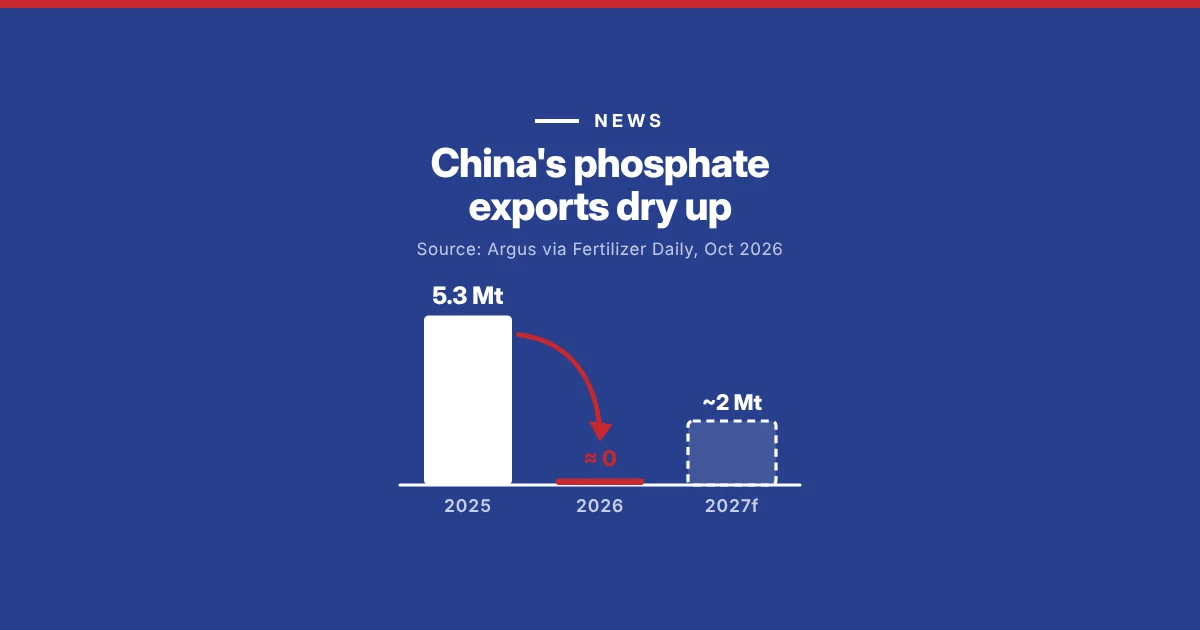
China, which exported about 5.3 million tonnes of phosphate fertilizer in 2025, has shipped almost none in 2026. With sulfur scarce and phosphate prices high, import-dependent markets face a tight season, and every kilo of phosphorus needs to work harder. At Van Polder, we believe a tight phosphate market is a reason to look again […]
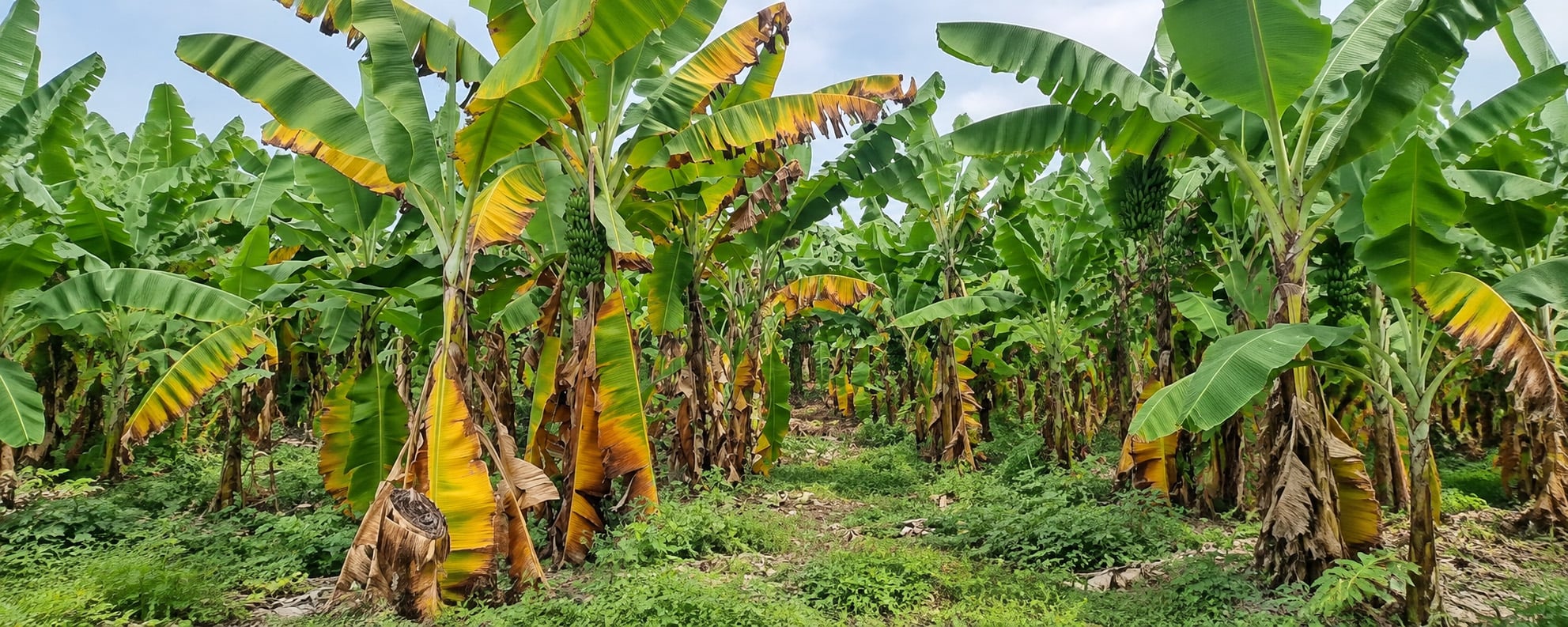
If you are starting a banana farm, Panama disease (Fusarium wilt of banana) is the risk to plan for. How to prevent Panama disease in bananas comes down to keeping the fungus out, because no fertilizer prevents or cures it and once it is in the soil it stays for decades (Pegg et al., 2019; […]
A government project in Bangladesh’s Rajshahi Division has brought solar-powered pumps, including solar drip systems for orchards, to drought-prone land where groundwater has been falling for decades. The Prime Minister wants all diesel irrigation pumps converted to solar within five years. For growers who move to drip, the next step is to feed the crop […]
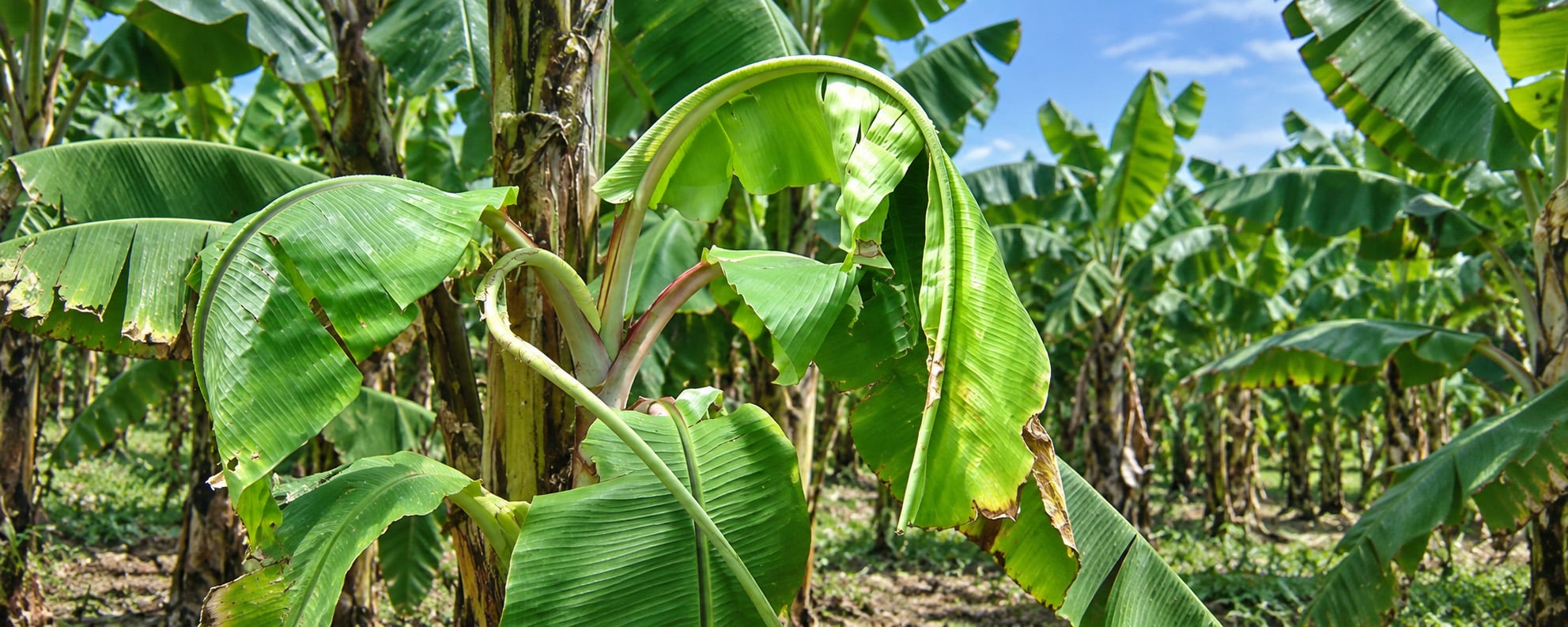
Calcium deficiency in banana shows first on the youngest leaves, as thickened veins and a saw-tooth pattern of yellow and dead tissue along the leaf margin, and in severe cases as “spike leaf”, new leaves with little or no blade, and poor-quality fruit (Turner, 1987; Martin-Prével, 1980). On most plantation soils it is not a […]
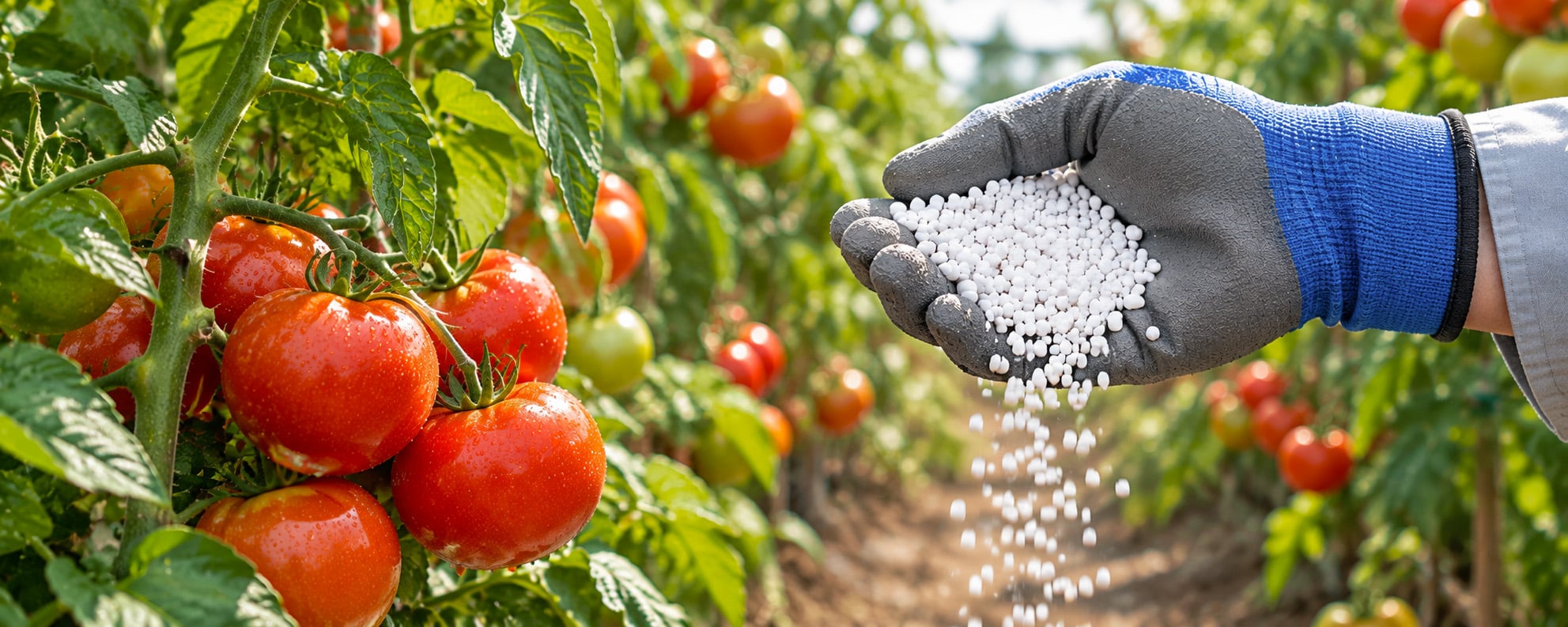
A calcium fertilizer supplies the calcium that holds plant cell walls and membranes together, but whether it reaches the fruit depends as much on water flow as on the fertilizer you choose. Calcium travels with water to the leaves and barely moves out of them again, so fruit and young leaves can run short even […]

An unusually wet winter brought coffee flowering in Minas Gerais forward by about a month, in several separate waves. With October forecast to be hotter than normal and rain patchy, the question for 2027 is now how many of those flowers turn into fruit. At Van Polder, we believe a strong flowering is only the […]