







The Ultimate Guide on How to Use Micronutrient Fertilizer
Knowing how to use micronutrient fertilizer correctly is essential for maximizing plant health, improving crop yields, and producing higher-quality harvests. Although required only in small quantities, micronutrients play indispensable roles in plant growth by supporting key physiological processes such as photosynthesis, enzyme activation, and disease resistance. This guide explores seven practical ways to apply micronutrient […]


Knowing how to use micronutrient fertilizer correctly is essential for maximizing plant health, improving crop yields, and producing higher-quality harvests. Although required only in small quantities, micronutrients play indispensable roles in plant growth by supporting key physiological processes such as photosynthesis, enzyme activation, and disease resistance. This guide explores seven practical ways to apply micronutrient fertilizers effectively, helping growers choose the most suitable method for different crops and growing conditions.
1. 7 Effective Application Methods for Micronutrient Fertilizers
The following are seven common methods that demonstrate how to use micronutrient fertilizer properly to improve nutrient availability and maximize fertilizer efficiency.
1.1. Fertilizer Fortification (Soil Application)
This method incorporates micronutrients into macronutrient fertilizers before soil application, ensuring more uniform nutrient distribution and improving application efficiency.
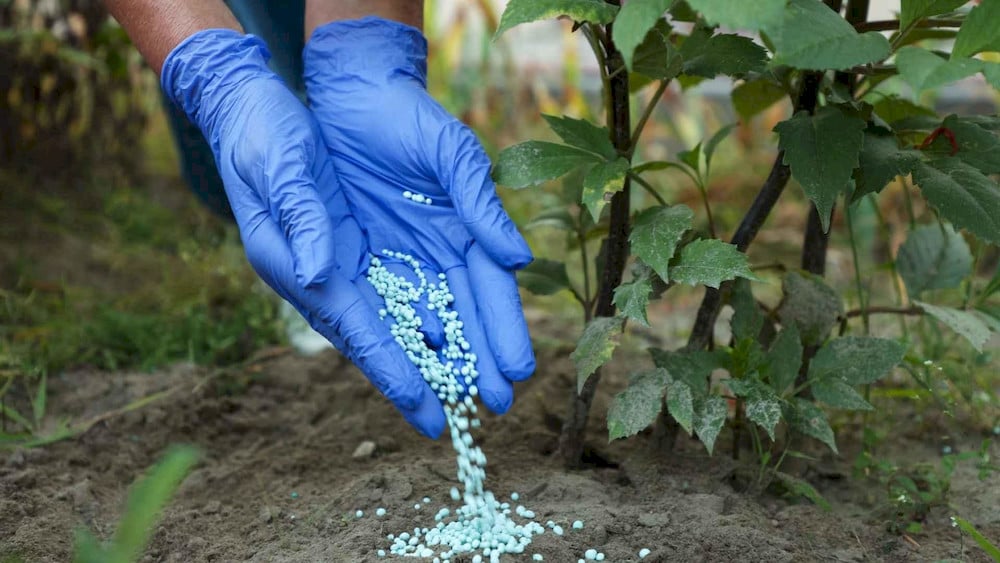
Common approaches include:
| Method | Advantages | Disadvantages |
| Compound fertilizers | – Micronutrients are incorporated into or coated onto each NPK granule.
– Ensures a consistent nutrient ratio in every granule. – Eliminates nutrient segregation during transport and field application. |
– Less economical for producing small, customized batches.
– High-temperature manufacturing may reduce the solubility of some micronutrients. |
| Dry blends (Bulk blending) | – Allows customized formulations for different crops and soil conditions.
– Can be prepared shortly before application to reduce storage needs. |
– Particle segregation may occur if granule sizes differ.
– Uneven micronutrient distribution may result due to the small application rate. |
| Fluid fertilizers (Solutions & Suspensions) | – Provides uniform nutrient application.
– Suitable for delivering relatively high micronutrient rates. |
– Many micronutrients have limited solubility in liquid fertilizers.
– Suspensions require continuous agitation to prevent settling and equipment blockage. |
| Controlled-release fertilizers (CRFs) | – Gradually release nutrients over time.
– Improve nutrient use efficiency and reduce leaching losses. – Lower the risk of fertilizer injury from a single application. |
– Higher production costs limit use mainly to high-value crops.
– Nutrient release may become less predictable under high-temperature conditions. |
Note:
Residual behaviour differs by element. Zinc (Zn) and copper (Cu) bind strongly to soil particles and show substantial residual effects – crops can respond for several seasons after application. Iron (Fe) and especially manganese (Mn) behave differently: soil-applied Mn is rapidly oxidized and fixed into unavailable forms, so it shows little to no residual effect and generally needs annual application (foliar is often preferred). Boron (B) is highly mobile and readily leached, particularly in sandy soils with high rainfall, so it also requires more frequent applications.
1.2. Foliar Spray
Foliar application delivers micronutrients directly to plant leaves, providing rapid nutrient absorption and serving as an effective solution for correcting nutrient deficiencies when soil availability is limited.

| Advantages | Disadvantages |
| – Bypasses soil limitations: Delivers nutrients directly to plant tissues, making it highly effective in soils where Cu, Fe, Mn, or Zn become unavailable due to unfavorable soil conditions.
– High cost-efficiency: Foliar application typically requires far lower rates than soil application. – Saves labor: Can often be tank-mixed with compatible pesticides, reducing the number of field applications. – Additional disease protection: Micronutrients such as Cu, Mn, and Zn also exhibit fungicidal activity, helping suppress foliar pathogens. |
– Short residual effect: Some nutrients, especially Fe, have limited mobility within plants, while B cannot be readily redistributed in certain crops, making repeated applications necessary.
– Risk of leaf burn: Excessive concentrations or spraying under hot, sunny conditions may cause phytotoxicity and leaf scorch. |
Note:
The effectiveness of foliar spraying can be improved by using surfactants or penetrants, which enhance leaf coverage and nutrient absorption. Applications under cool, humid, or cloudy conditions generally provide better uptake than those made during hot, dry weather.
1.3. Fertigation
Fertigation delivers fully water-soluble micronutrient fertilizers through irrigation systems, allowing nutrients to reach the root zone efficiently. It is widely used in drip irrigation, micro-sprinklers, greenhouses, orchards, and intensive crop production systems.

| Advantages | Disadvantages |
| – Precise nutrient management: Fertilizer rates can be accurately controlled and adjusted according to crop growth stages.
– High nutrient use efficiency: Nutrients are delivered directly to the active root zone, reducing nutrient fixation and leaching losses. – Effective under difficult soil conditions: Particularly suitable for supplying micronutrients such as Fe in calcareous soils where conventional soil application is less effective. |
– High initial investment: Requires irrigation infrastructure, fertilizer injectors, filtration systems, and pumping equipment.
– Technical management: Regular maintenance and water quality monitoring are necessary to ensure stable system performance. |
Note:
- Chelated micronutrients: Use chelated forms of Cu, Fe, Mn, and Zn to keep nutrients soluble and improve their availability in the irrigation system.
- Water quality: High levels of Ca or Fe may cause precipitation and clog irrigation emitters.
- pH management: Maintain irrigation water at pH 6.0 – 7.5 and avoid mixing calcium fertilizers with inorganic sulfates in the same tank.
1.4. Hydroponics and Aeroponics
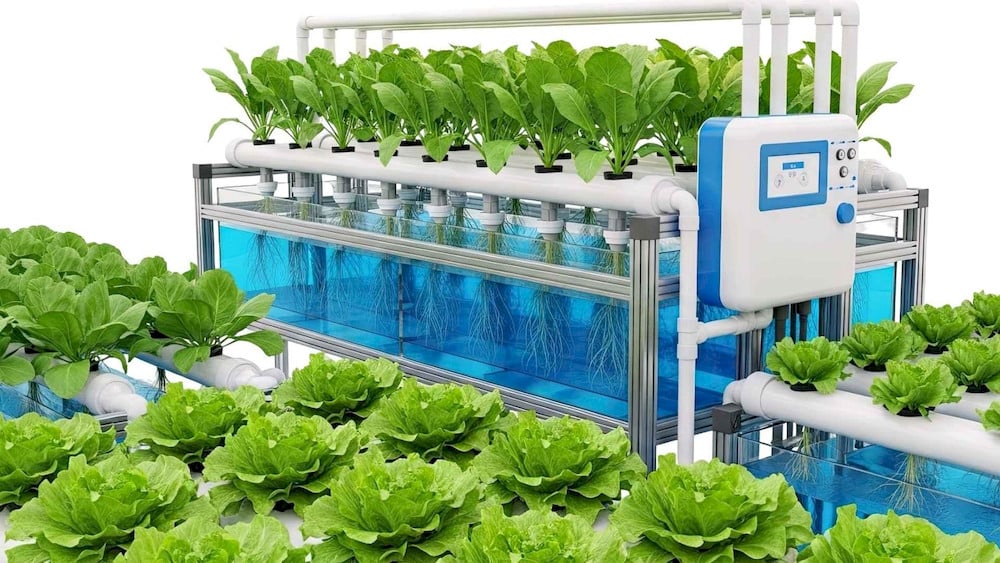
Hydroponic and aeroponic systems supply micronutrients directly through nutrient solutions without using soil. In hydroponics, plant roots are immersed in a nutrient solution or an inert growing medium, while aeroponics delivers nutrients by continuously or intermittently spraying a nutrient mist onto the roots.
| Advantages | Disadvantages |
| – Maximum nutrient efficiency: Nutrients and water can be precisely supplied, recycled, and replenished, maximizing resource use efficiency.
– Complete root-zone control: Growers can immediately adjust nutrient concentrations according to the crop’s developmental stage. – Automation compatibility: These systems integrate well with automated nutrient management, reducing labor once properly configured. |
– No natural buffering: Unlike soil, hydroponic systems provide little buffering against changes in pH or nutrient concentration. Even small fluctuations can quickly cause plant stress or root damage.
– Chelate degradation: Sterilization methods such as UV or ozone may degrade chelating agents, causing Fe to oxidize and precipitate, which reduces nutrient availability. |
Note:
- Avoid iron sulfate: Ferrous sulfate is highly unstable in hydroponic systems because it oxidizes rapidly and forms precipitates that can clog equipment.
- Use stable Fe chelates: Select iron chelates according to the nutrient solution pH. For example, FeEDDHA remains more stable than FeEDTA when the solution pH exceeds 6.5.
1.5. Seed Treatment
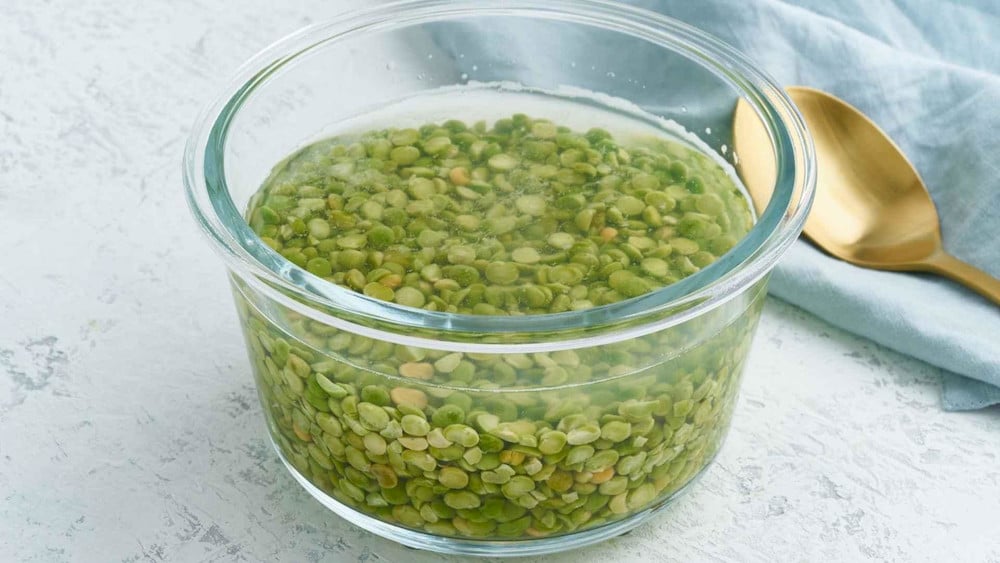
Seed treatment supplies micronutrients directly to seeds before sowing, either by soaking seeds in a dilute nutrient solution (seed priming) or coating the seed surface with a nutrient slurry (seed coating). This provides seedlings with immediate access to essential nutrients during germination and early growth.
| Advantages | Disadvantages |
| – High cost-efficiency: Requires much lower fertilizer rates than soil application. For example, correcting Mo deficiency in chickpeas may require only 13 g Mo/ha through seed treatment compared with approximately 500 g Mo/ha by soil application.
– Improved early vigor: Promotes better seedling emergence, root development, and overall crop establishment. – Uniform nutrient delivery: Ensures every seed receives a consistent dose of micronutrients. |
– Limited nutrient capacity: The small seed surface can only carry a limited amount of micronutrients, mainly supporting early growth stages.
– Compatibility issues: Certain micronutrient compounds may negatively affect beneficial microorganisms, such as Rhizobium bacteria. |
Note:
- Legume seed treatment: When applying Mo to legume seeds, avoid sodium molybdate, as it may be toxic to Rhizobium.
- Recommended alternatives: Use ammonium molybdate or molybdenum trioxide mixed with lime to support both micronutrient supply and effective nitrogen fixation.
1.6. Root Dipping
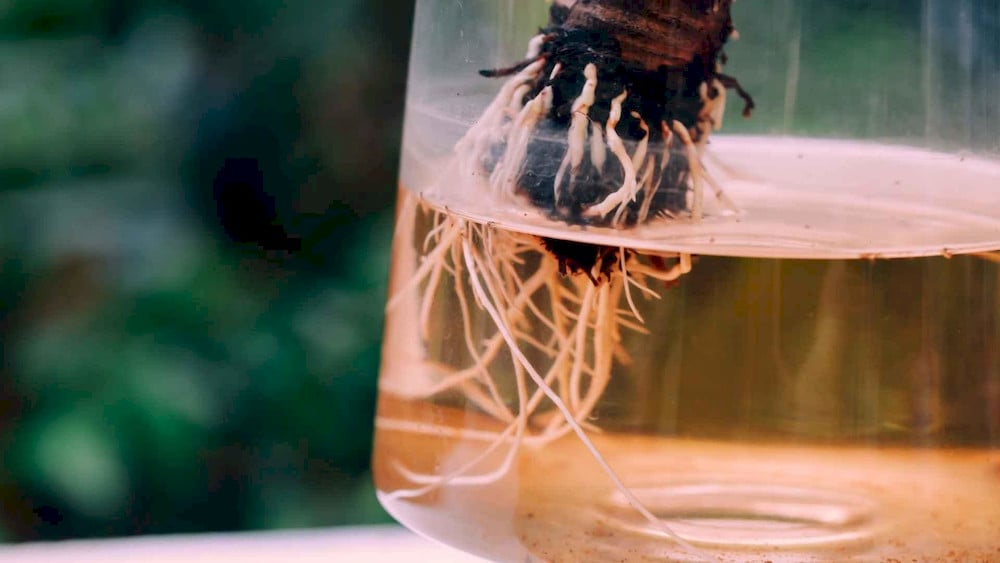
Root dipping involves immersing seedling roots in a micronutrient suspension before transplanting, most commonly a 2 to 4% zinc oxide (ZnO) suspension. This method is mainly used in wetland rice cultivation and other transplanted crops to improve nutrient availability during crop establishment.
| Advantages | Disadvantages |
| – Prevents early Zn deficiency: Particularly effective at reducing zinc deficiency during the first few weeks after transplanting in flooded soils.
– Targeted nutrient delivery: Nutrients are applied directly to the root surface, allowing immediate uptake after transplanting. |
– Labor-intensive: Requires manual treatment of each seedling, making it less suitable for large-scale production.
– Limited application: Mainly applicable to hand-transplanted crops rather than direct-seeded systems. |
Note: Control dipping time and concentration: Excessive solution strength or prolonged immersion may damage young roots, resulting in poor establishment or seedling death.
1.7. Trunk Injection
Trunk injection and implantation deliver micronutrients directly into a tree’s vascular system by injecting liquid solutions or inserting nutrient capsules into the trunk. This method is primarily used for fruit trees, perennial crops, and ornamental trees when conventional soil or foliar applications are ineffective.

| Advantages | Disadvantages |
| – Corrects severe deficiencies: Highly effective for treating chronic micronutrient deficiencies, such as iron chlorosis, when other application methods fail.
– Independent of soil conditions: Bypasses nutrient fixation in the soil and is not affected by unfavorable weather conditions. |
– High cost: Requires specialized equipment and skilled operators.
– Invasive procedure: Drilling into the trunk creates wounds that require careful management to minimize stress and disease risk. |
Note:
- Use only when necessary: Trunk injection is best reserved for high-value trees or persistent nutrient deficiencies that cannot be corrected through soil or foliar applications.
- Apply carefully: Improper drilling techniques or repeated injections may increase the risk of trunk damage and pathogen infection.
2. Strategic Timing For Using Micronutrient Fertilizer
Micronutrient fertilizers should be applied at the right time according to crop growth stages to ensure optimal plant development and productivity. The following recommendations help align micronutrient supply with crop development to maximize nutrient use efficiency and crop performance.
2.1. Pre-Planting Seed Preparation
The objective of this stage is to activate germination and protect the embryonic phase through early nutrient priming.
- Seeds are treated by soaking in dilute nutrient solutions (seed priming) or coating with nutrient slurry before sowing. This ensures immediate access to micronutrients at the moment of germination.
- Zinc (Zn) supports early root initiation and energy transfer, while Molybdenum (Mo) and Manganese (Mn) are essential for early nitrogen fixation in legumes. As a result, seedlings emerge more uniformly and develop stronger early vigor.
2.2. Pre-Planting Base Fertilization
The objective is to build a long-term nutrient reservoir in the soil before crop establishment.
- Micronutrients are incorporated into organic manure or NPK fertilizers through compound fortification or bulk blending.
- Elements such as Cu, Fe, Mn, and Zn strongly bind to soil particles, forming a slow-release reserve. This reserve can support plant nutrition throughout the growing season and may even provide residual benefits for several subsequent years. It ensures stable early root access to essential micronutrients after planting.
2.3. Vegetative Growth Stage
The objective at this stage is to maximize biomass accumulation and strengthen plant structure before reproduction begins.
- Once plants develop 3 – 5 true leaves, nutrient demand increases sharply.
- Zinc, Iron, and Copper support chlorophyll synthesis, photosynthetic efficiency, and structural cell wall strengthening. This leads to faster vegetative growth, improved plant vigor, and stronger resistance to early stress and disease.
- Proper nutrient supply at this stage determines the plant’s capacity for later yield formation.
2.4. Flowering and Fruiting Stage
This stage determines reproductive success, yield formation, and final crop quality.
- Pre-flowering (10 – 14 days before bloom): Boron (B) is critical for pollen development and pollen tube growth, ensuring successful fertilization and reducing flower drop.
- Post fruit set and development: Iron and Molybdenum support carbohydrate transport and sugar metabolism, improving fruit filling, sweetness, and structural quality while reducing disorders such as hollow heart and brown heart.
2.5. Emergency Application Upon Deficiency Symptoms
This stage is activated only when nutrient imbalance has already become visible.
- Symptoms include interveinal chlorosis (Fe or Mn deficiency), little leaf or rosetting (Zn deficiency), and flower or fruit abortion (B deficiency).
- The corrective approach is chelated foliar application for rapid recovery. Chelation prevents nutrient fixation in soil and enables fast absorption through leaf tissue within hours. This method is used to restore metabolic balance and prevent further yield loss when prevention has failed.

3. Golden Notes When Using Micronutrient Fertilizer
When considering micronutrient fertilizer, how to use it effectively depends on adhering to key safety and efficiency principles that ensure stable nutrition and consistent productivity.
Below are the 3 golden notes to keep in mind for maximum effectiveness:
- Maintain balance with macronutrients: Micronutrients are not substitutes for NPK but work alongside them to improve nutrient efficiency. When properly integrated, they enhance the plant’s ability to absorb and utilize macronutrients, improving overall growth and yield response.
- Apply precise dosages to avoid toxicity: Micronutrients require accurate dosing due to their narrow range between deficiency and toxicity, especially boron. Over-application can cause phytotoxicity and reduce plant performance, while excess of one element may also disrupt the uptake of others, leading to nutrient imbalance.
- Time foliar application correctly: Foliar sprays should be applied when conditions favor absorption, such as early morning, late afternoon, or cloudy weather. Higher humidity improves leaf retention time and nutrient uptake, while avoiding heat and strong sunlight reduces the risk of leaf burn.

How to use micronutrient fertilizer effectively depends on applying the right nutrient at the optimal growth stage, using the correct dosage and method. This process should always be integrated into a balanced fertilization program to improve nutrient efficiency while avoiding toxicity or nutrient imbalance. When managed properly, this approach becomes a key factor in supporting healthy growth, stress resistance, and superior crop yield and quality.


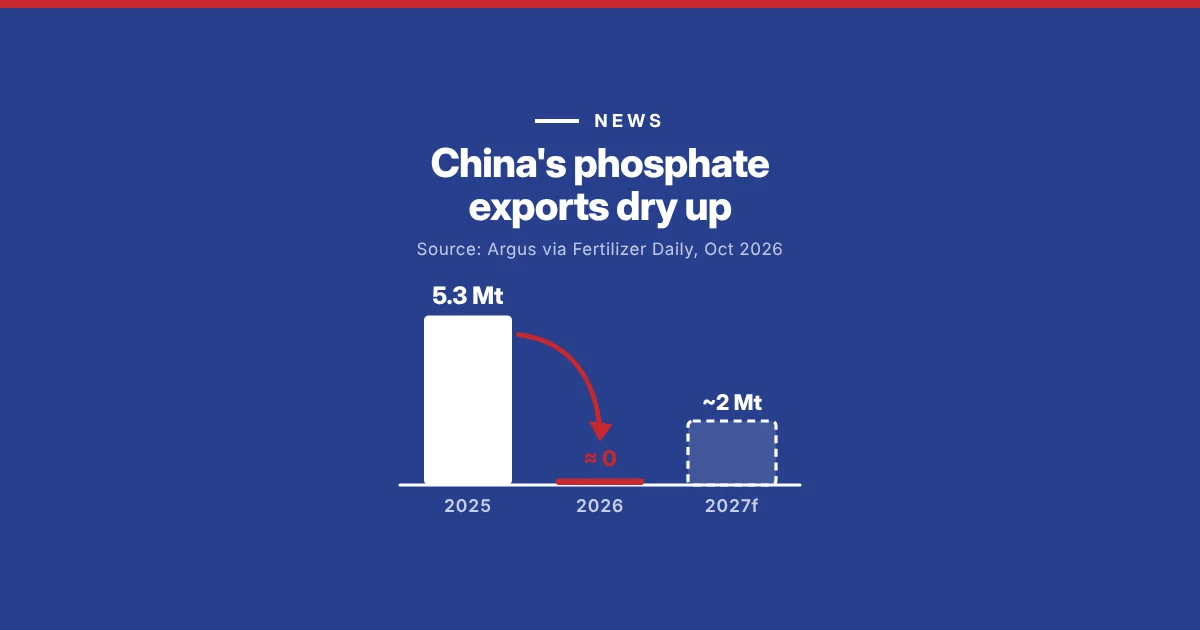
China, which exported about 5.3 million tonnes of phosphate fertilizer in 2025, has shipped almost none in 2026. With sulfur scarce and phosphate prices high, import-dependent markets face a tight season, and every kilo of phosphorus needs to work harder. At Van Polder, we believe a tight phosphate market is a reason to look again […]

If you are starting a banana farm, Panama disease (Fusarium wilt of banana) is the risk to plan for. How to prevent Panama disease in bananas comes down to keeping the fungus out, because no fertilizer prevents or cures it and once it is in the soil it stays for decades (Pegg et al., 2019; […]
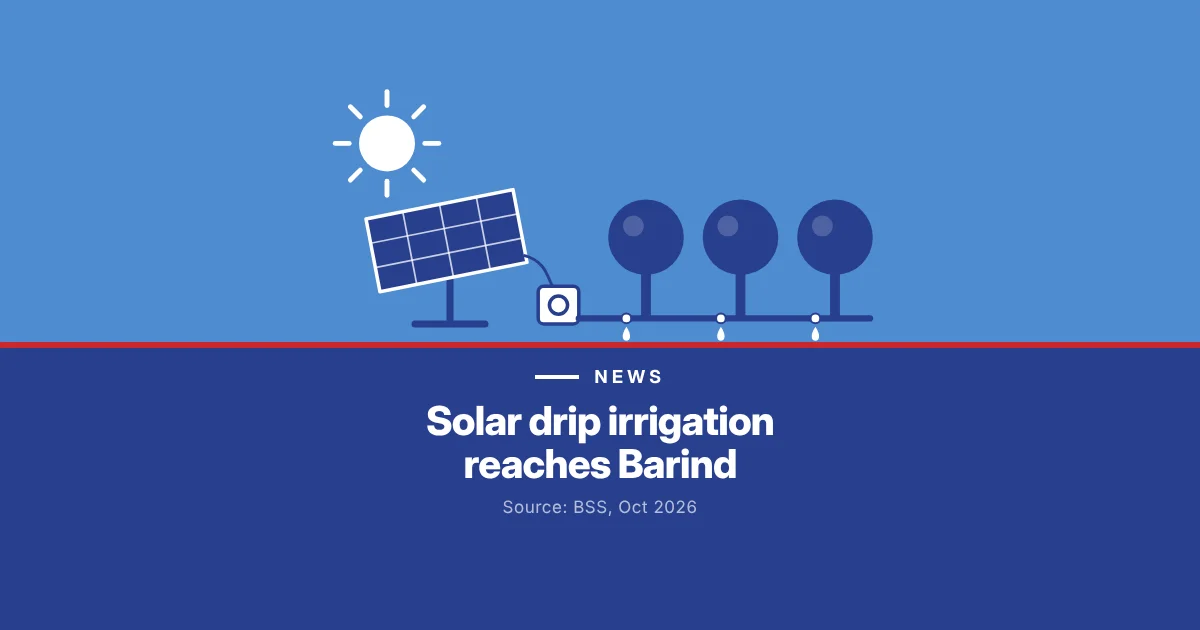
A government project in Bangladesh’s Rajshahi Division has brought solar-powered pumps, including solar drip systems for orchards, to drought-prone land where groundwater has been falling for decades. The Prime Minister wants all diesel irrigation pumps converted to solar within five years. For growers who move to drip, the next step is to feed the crop […]

Calcium deficiency in banana shows first on the youngest leaves, as thickened veins and a saw-tooth pattern of yellow and dead tissue along the leaf margin, and in severe cases as “spike leaf”, new leaves with little or no blade, and poor-quality fruit (Turner, 1987; Martin-Prével, 1980). On most plantation soils it is not a […]
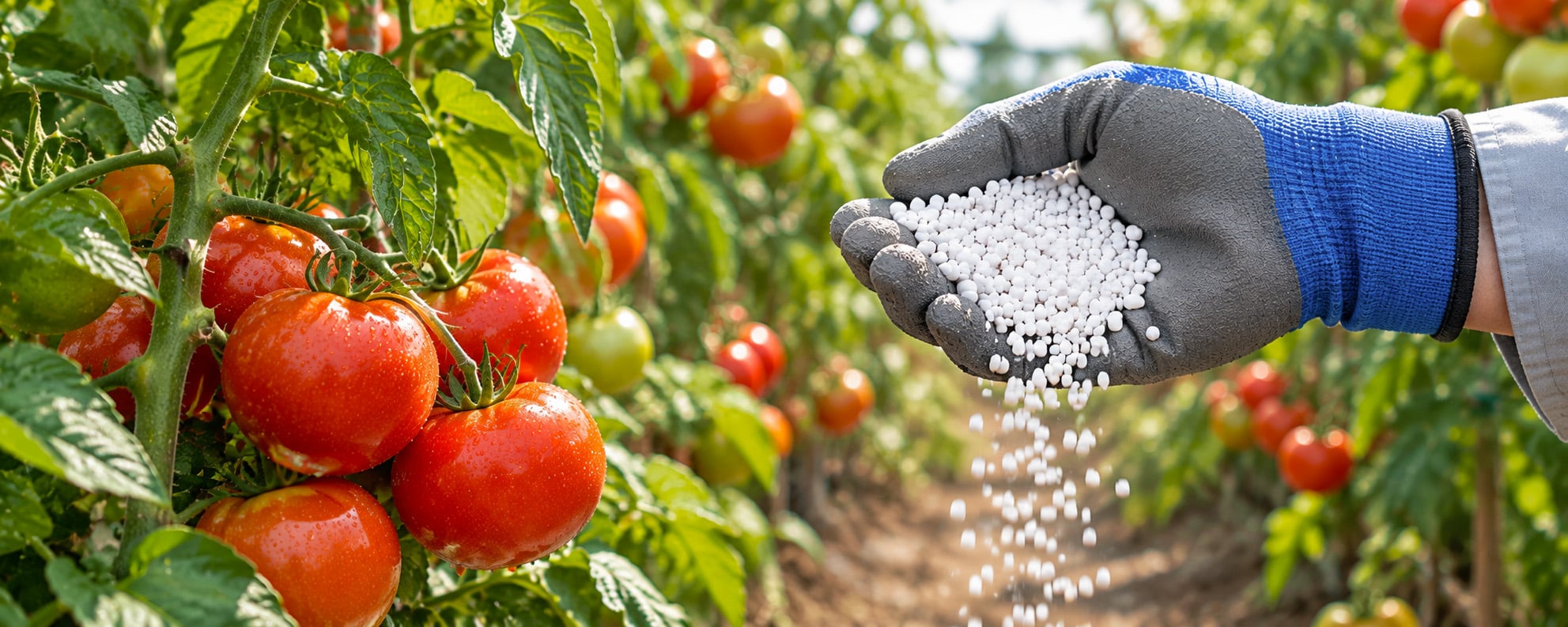
A calcium fertilizer supplies the calcium that holds plant cell walls and membranes together, but whether it reaches the fruit depends as much on water flow as on the fertilizer you choose. Calcium travels with water to the leaves and barely moves out of them again, so fruit and young leaves can run short even […]

An unusually wet winter brought coffee flowering in Minas Gerais forward by about a month, in several separate waves. With October forecast to be hotter than normal and rain patchy, the question for 2027 is now how many of those flowers turn into fruit. At Van Polder, we believe a strong flowering is only the […]