



How to Prevent Panama Disease in Bananas: Biosecurity, Soil and Nutrition for New Farms
If you are starting a banana farm, Panama disease (Fusarium wilt of banana) is the risk to plan for. How to prevent Panama disease in bananas comes down to keeping the fungus out, because no fertilizer prevents or cures it and once it is in the soil it stays for decades (Pegg et al., 2019; […]

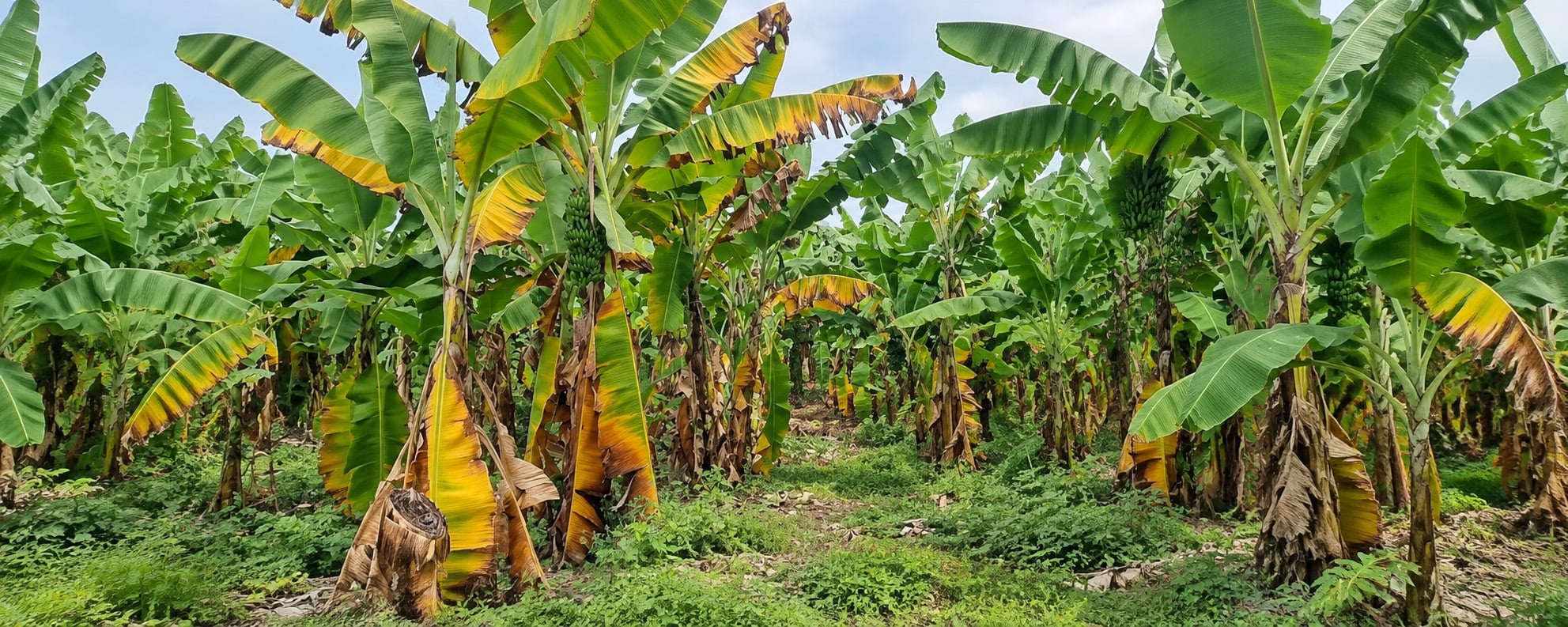

If you are starting a banana farm, Panama disease (Fusarium wilt of banana) is the risk to plan for. How to prevent Panama disease in bananas comes down to keeping the fungus out, because no fertilizer prevents or cures it and once it is in the soil it stays for decades (Pegg et al., 2019; Dita et al., 2018). What soil and nutrition can do is lower the risk and slow the losses if the disease does arrive: in field trials, plots kept at a higher soil pH lost fewer plants (Segura et al., 2021). This guide takes you through the steps in order: before you plant, keeping it out, nutrition from day one, and what to do if it appears.
What Panama disease is and why TR4 matters
Panama disease is caused by the soil fungus Fusarium oxysporum f. sp. cubense (Foc). It enters through the roots, blocks the water-conducting tissue and kills the plant from the inside. Its resting spores (chlamydospores) can survive in soil for more than 20 years (Dita et al., 2018), which is why an infested field stays infested.
Tropical race 4 (TR4) attacks Cavendish, the main export banana. Since 2018 the number of countries with TR4 has risen from 16 to 23, including Colombia (2019), Peru (2021) and Venezuela (2023), as well as China, India, the Philippines, Mozambique and Australia (Munhoz et al., 2024). There is no effective chemical control, and no commercially acceptable Cavendish cultivar is fully resistant to TR4 (Pegg et al., 2019).
What soil and nutrition can and cannot do
Soil and nutrition do not replace biosecurity. Soil chemical management alone does not prevent disease build-up, but soil pH is the soil factor most closely tied to Fusarium wilt, and calcium, silicon, potassium and zinc are linked to less disease (Munhoz et al., 2024). Most of this evidence comes from pot trials and farm surveys; the few field trials show that good soil management slows the disease rather than stopping it. The checklist sums up what to do.
| When | What to do | Why (evidence) |
| Before planting | Check the field history and flooding; fix drainage and compaction | Compaction and slow drainage linked to more wilt (field surveys, Brazil and Colombia) |
| Test the soil and lime to pH 5.8–6.5 (water) | Higher pH plots lost 14–22 points fewer plants (field trial, race 1); acid soils on affected farms (surveys) | |
| Correct low calcium; balance magnesium and potassium | Calcium cut severity by one-third to one-half in pots; field effects short-lived | |
| Add well-composted organic matter; avoid raw chicken manure | Bio-organic compost lowered incidence after 2–3 years (field trial, China) | |
| At planting | Use certified tissue-culture plantlets and less susceptible cultivars | Planting material is a main spread route; resistant cultivars are the most effective tool |
| Every day | Clean and disinfect footwear, tools and vehicles; fence blocks; keep out outside soil and water | Exclusion is the only effective management where TR4 is absent |
| Every season | Moderate, split nitrogen | Higher N rates made wilt more severe (pot and polybag trials, race 1 and TR4) |
| Every year | Retest soil and leaves; re-lime as pH drifts down | Nitrogen fertilizers lower soil pH |
Sources: Teixeira et al. (2021); Rodríguez-Yzquierdo et al. (2023); Segura et al. (2021); Jing et al. (2025); Robinson & Galán Saúco (2010); Peng et al. (1999); Teixeira et al. (2022); Fu et al. (2016); Pegg et al. (2019); Dita et al. (2018); DAF Queensland (n.d.); Orr et al. (2022); Arifandi et al. (2025).
Before you plant: choose the field and set up the soil
Know the field
Ask about the field’s history: whether bananas there have died of wilt and whether it floods. The fungus moves with infected planting material, soil and water, including floods (Pegg et al., 2019), and in South Central Mindanao, rainfall, slope and elevation were the strongest predictors of where the disease occurred (Salvacion et al., 2019). Drainage and soil structure count as well: on low-input farms in Brazil, compacted soils had more wilt (Teixeira et al., 2021), and TR4-affected plots in Colombia drained more slowly than healthy ones (Rodríguez-Yzquierdo et al., 2023). Fix drainage and compaction before planting, while the field is still open.
Test the soil and lime to the right pH
Acid soil is the most consistent warning sign. Across 47 farms on Hainan Island, China (mean pH 4.93), wilt incidence ranged from 1% to 78% and rose as soil pH, calcium, magnesium and potassium fell (Jing et al., 2025). Affected areas also had lower pH in Brazil (Teixeira et al., 2021), the Canary Islands (Domínguez et al., 1996) and on TR4 farms in Colombia (Rodríguez-Yzquierdo et al., 2023).
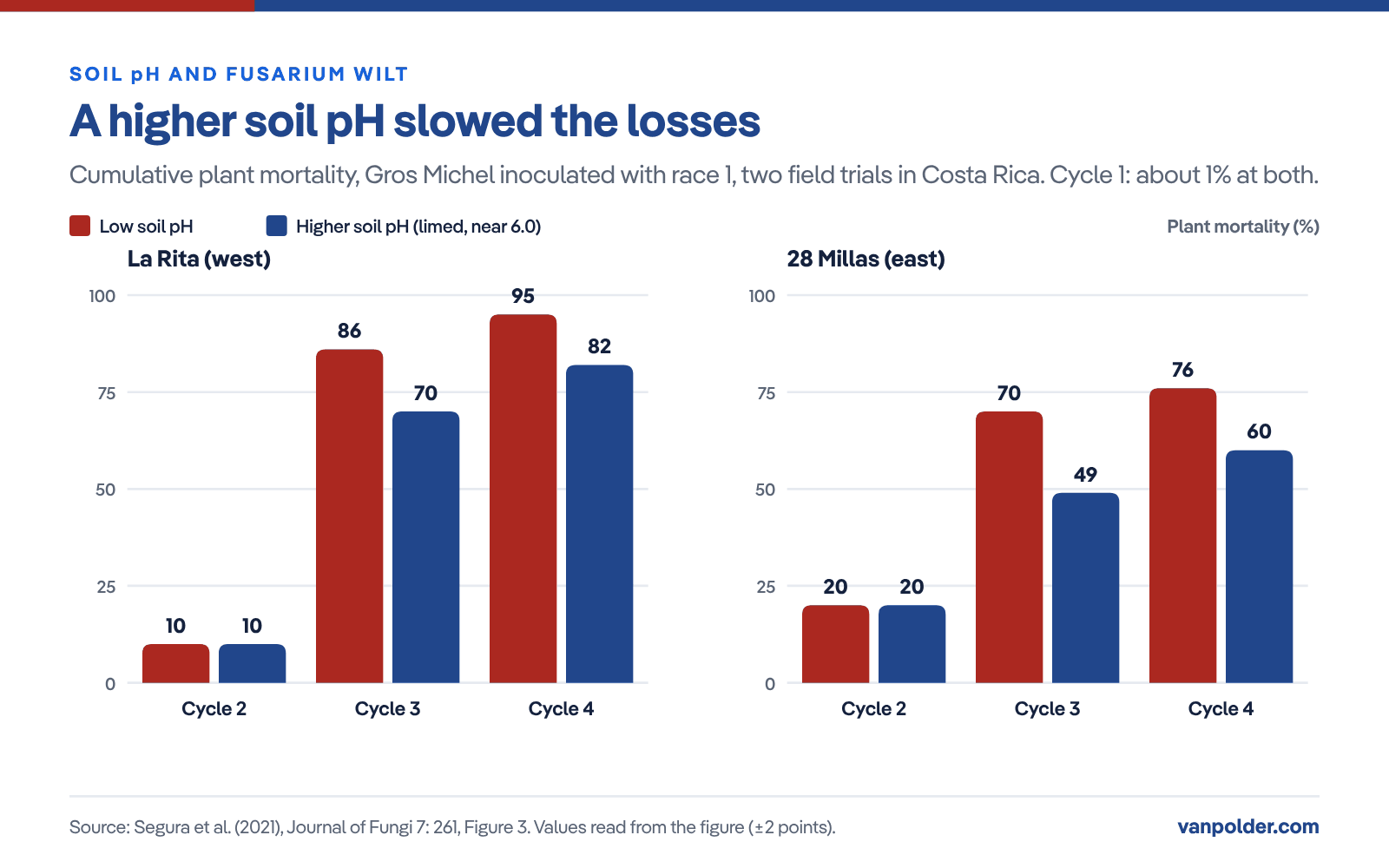
The clearest field evidence comes from Costa Rica. In two medium-term trials with Gros Michel and race 1, plots kept at low soil pH lost 14 to 22 percentage points more plants in the third and fourth crop cycles than plots kept at a higher pH, near 6.0. Even so, total mortality passed 60% at both sites, so a higher pH slowed the disease but did not stop it (Segura et al., 2021). With Cavendish and TR4 in a greenhouse, low pH combined with high nitrogen sped up infection (Segura-Mena et al., 2021). Raising pH is not a guarantee: a pH above 7 does not by itself mean low wilt (Munhoz et al., 2024).
Aim for the pH banana prefers, 5.8 to 6.5 measured in water (Robinson & Galán Saúco, 2010). Base the lime rate on a soil test that measures pH and exchangeable acidity, and apply it before planting so it can be worked into the soil. See fertilizer for banana plants for liming and Soil pH and liming for banana soils for the details.
Correct calcium, magnesium and potassium
Calcium is the nutrient most often linked to lower wilt. In pot trials with Cavendish (Williams) plantlets and a race 1-type isolate, adding calcium carbonate, calcium hydroxide or calcium sulfate to the soil reduced chlamydospore germination and disease severity by one-third to one-half, without changing soil pH (Peng et al., 1999). Soils under diseased plants had less calcium in Brazil (Furtado et al., 2009; Teixeira et al., 2021) and in China, where magnesium and potassium were also lower (Jing et al., 2025).
Field trials are less clear-cut. In the Costa Rican trials, extra calcium and magnesium (315 kg CaO and 150 kg MgO per ha per year) lowered mortality only in the second crop cycle at one of the two sites (Segura et al., 2021). In Brazil, a package of calcium nitrate, heat-treated rock phosphate and compost raised soil pH and calcium and roughly halved wilt incidence in the first crop cycle of Prata Catarina, but the benefit faded over the second and third cycles; average yield over three cycles was 14% higher, and the share due to calcium cannot be separated from the compost and phosphate (Teixeira et al., 2022). So correct calcium as part of good soil management, not as a control: lime on acid soils, gypsum where pH is already right, and calcium nitrate through fertigation. Keep magnesium and potassium in balance with it rather than adding one in excess; for potassium alone, consistent banana data are still lacking (Dita et al., 2018). See calcium deficiency in banana, our calcium fertilizer guide and Magnesium for banana.
Build organic matter
On newly reclaimed land in Hainan, compost fermented with the beneficial bacterium Bacillus amyloliquefaciens lowered wilt incidence after two to three years compared with plain pig manure compost, and raised yield per plant by 18% to 24% (Fu et al., 2016). Dita et al. (2018) recommend well-composted organic matter, about 5 t/ha, combined with beneficial microbes such as Trichoderma and Bacillus, and warn that poorly decomposed chicken manure increased wilt. Use only well-composted material.
Start with clean plants and the right variety
Plant only certified tissue-culture plantlets, never suckers from other farms, because infected planting material is one of the main ways the fungus spreads (Pegg et al., 2019). Where TR4 is present in your region, ask your national banana program which less susceptible cultivars are available. Resistant cultivars are the most effective tool once Foc is in the soil (Dita et al., 2018); in the Philippines, these are the GCTCV somaclones described below.
How to prevent Panama disease in bananas: farm biosecurity
Where TR4 is absent or limited, exclusion and early containment are the only effective management (Pegg et al., 2019). The fungus moves with planting material, soil on boots, tools, vehicles and animals, and with irrigation water and floods (Pegg et al., 2019). From the first day:
- Wash and disinfect footwear, tools, vehicles and machinery before they enter the farm (DAF Queensland, n.d.).
- Fence growing areas to keep vehicles, visitors and animals off planted blocks, and do not share equipment with other farms (DAF Queensland, n.d.).
- Do not bring in soil, water or plant material from other farms, and watch drainage after floods (Pegg et al., 2019).
- Walk the blocks regularly so suspect plants are found early (Business Queensland, 2026).
Nutrition from day one
Nitrogen: watch the rate
Nitrogen rate matters more than nitrogen form. In a pot trial with race 1, wilt severity rose with the N rate, while nitrate and ammonium did not differ significantly; ammonium did lower soil pH (Orr et al., 2022). With TR4, Barangan Merah plantlets given 550 kg N/ha per year showed symptoms after 34 days and reached 83.8% severity, against 50.8 days and 69.4% at 250 kg N/ha; moderate N delayed the disease but did not prevent infection (Arifandi et al., 2025). In the field the effect was weaker: in the Costa Rican trials, 605 kg N/ha per year raised mortality over 232 kg N/ha at only one of the two sites, and significantly in only one crop cycle (Segura et al., 2021).
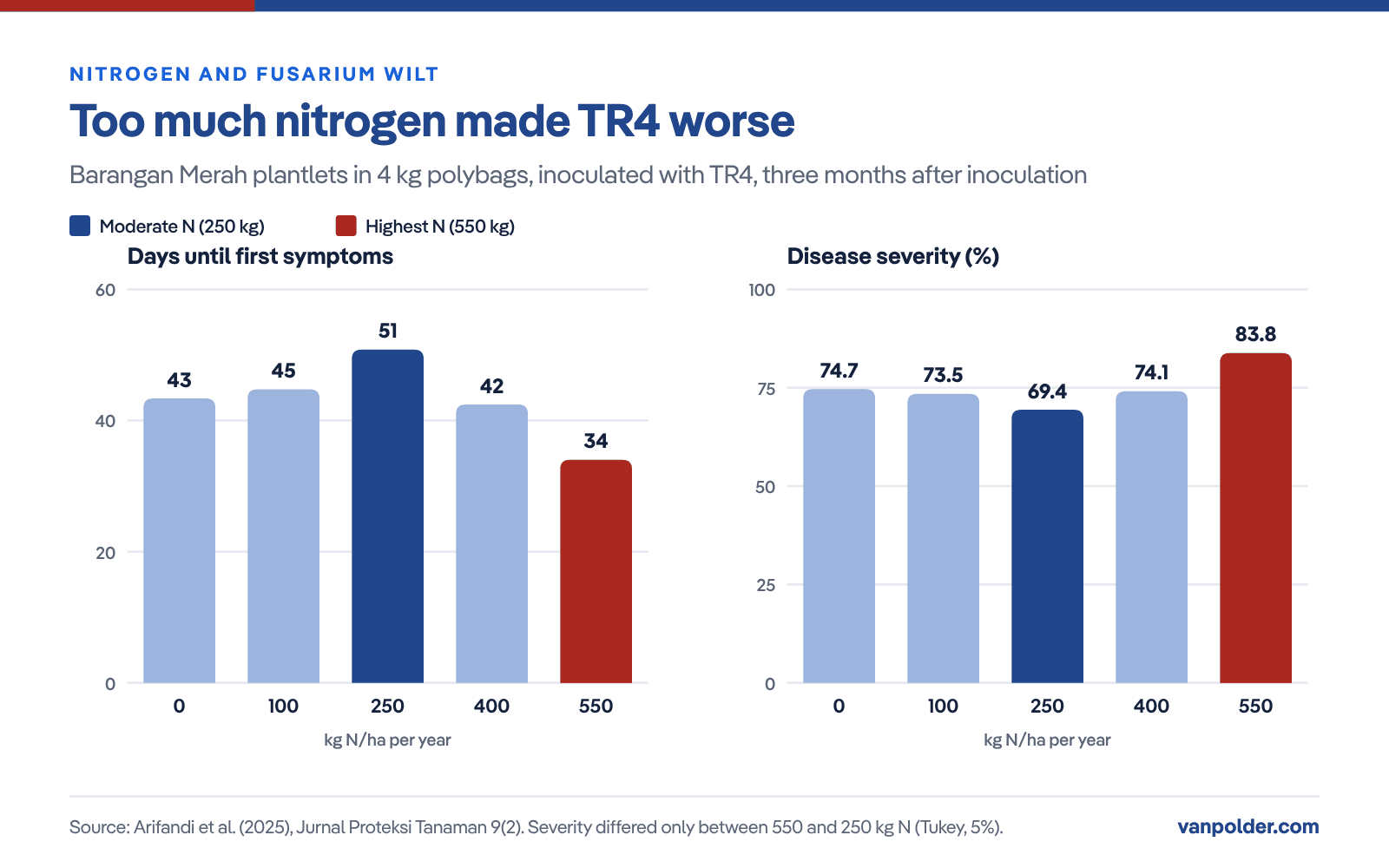
The practical rule: avoid excess nitrogen, split it into small doses, and remember that ammonium and urea acidify the soil while nitrate sources do not. For stage-by-stage rates, see the banana fertilizer schedule.
Keep pH and nutrient balance on track
Nitrogen fertilizers are a main cause of falling soil pH in banana plantations (Segura et al., 2021), so the pH you set before planting will drift down. Test the soil every year and the leaves at the recommended stage, and re-lime or adjust calcium, magnesium and potassium as needed. Silicon is a candidate for the future: in a greenhouse trial with race 1, soil-applied silicon shortened internal lesions by 40% in Grand Nain and 57% in the susceptible Maçã (Fortunato et al., 2012), but the field effect remains to be shown (Dita et al., 2018). See Silicon fertilizers for crops.
If Fusarium wilt appears
The first external sign is irregular yellowing along the margins of the older leaves, which later turn brown and dry out. The leaves collapse and hang down in a dead skirt around the pseudostem, while the youngest leaves stay unusually upright, and the base of the pseudostem may split (DAF Queensland, n.d.; Business Queensland, 2026). Inside, the corm and pseudostem show reddish-brown to black lines along the water-conducting tissue (DAF Queensland, n.d.). It is usually noticed around flowering (Dita et al., 2018).
Early yellowing is easily confused with nutrient disorders, drought or waterlogging, which do not discolor the vascular tissue (DAF Queensland, n.d.). Potassium deficiency also starts on the older leaves. Bacterial wilts such as Moko and blood disease look similar, but Fusarium wilt does not discolor the fruit or produce bacterial ooze from cut stems (DAF Queensland, n.d.). Moko occurs in Central and South America, the Caribbean and the Philippines, and blood disease in Indonesia (Farm Biosecurity, n.d.-a, n.d.-b). Table 2 compares the four.
| Feature | Potassium deficiency | Panama disease (Fusarium wilt) | Moko and blood disease (bacterial wilts) |
| Cause | Too little potassium in soil or plant | Soil fungus (Foc) | Bacteria |
| First leaf symptoms | Orange-yellow from the tip of the oldest leaves, then rapid drying | Irregular yellowing along the margins of older leaves | Yellowing and wilting; younger leaves may yellow or show pale green to whitish patches first |
| Leaf collapse | Leaf tip curls back toward the plant base | Leaves collapse into a dead skirt; youngest stay upright | Leaves die and collapse, sometimes into a skirt; the whole plant wilts |
| Inside the stem | No vascular discoloration | Reddish-brown to black lines in corm and pseudostem | Moko: cream to yellow, then brown to black. Blood disease: reddish-brown, up into the bunch stem |
| Fruit | Fewer, thin, poorly filled fingers | No internal fruit discoloration | Some fingers ripen early or split; flesh rots brown, grey or reddish-brown inside; male bud blackens |
| Ooze from a cut stem | No | No | Yes: milky, yellow, reddish-brown or black |
| Spread | Not infectious | Soil, water, planting material, boots, tools and vehicles | Plant parts, tools, soil and water, and insects visiting male buds |
| Where | Wherever potassium supply is short | Worldwide; TR4 in 23 countries | Moko: Central and South America, Caribbean, Philippines. Blood disease: Indonesia |
| What to do | Soil and leaf analysis; correct potassium | Do not cut; report to your plant protection authority | Do not cut; report. Only a lab test tells Moko from blood disease |
Sources: Robinson & Galán Saúco (2010); Weinert & Simpson (2016); Sathiamoorthy & Jeyabaskaran (n.d.); DAF Queensland (n.d.); Farm Biosecurity (n.d.-a, n.d.-b); Munhoz et al. (2024).
How to check a suspect plant
Mark the plant with flagging tape or paint, and mark the end of the row (Mostert, 2025). Symptoms alone are not proof: early yellowing looks like nutrient or water stress, and only a laboratory test, such as PCR, confirms Fusarium wilt and whether it is TR4 (Mostert, 2025). Report it promptly to your national plant protection organization or extension service; in some places this is a legal requirement (Business Queensland, 2026).
Biosecurity authorities advise growers not to cut suspect plants, because cutting spreads the fungus (DAF Queensland, n.d.), and felling a plant can leave nothing to retest if the first laboratory result is unclear (Mostert, 2025). If a stem must be opened to see inside, preferably by a trained inspector:
- Visit the suspect block last in the day, and do not drive onto it (Mostert, 2025).
- Scrape soil off the knife and boots first, because soil weakens disinfectants. Then disinfect the knife after each plant, and your hands and boots afterwards; quaternary ammonium products work well (Mostert, 2025).
- Cut low on the pseudostem, near the center, and look for discolored strands; if there are none, check the corm (Mostert, 2025).
- Keep samples in paper bags, not plastic, and give them to the authority or laboratory (Mostert, 2025).
If Fusarium wilt is confirmed
Destroy infected plants where they stand, following any procedure your plant protection authority sets. Common methods (Jackson, 2014; Mostert, 2025):
- Kill the plant in place with a herbicide such as glyphosate, following the label, and leave it to die. Do not chop it into pieces, and disturb the soil as little as possible.
- Or dig out the plant with its roots and suckers and burn everything on the spot.
- Consider removing a ring of plants around it, because the fungus can spread root to root to plants that still look healthy.
- Fence the spot, dig drains so run-off and irrigation water flow away from it, and clean the tools with bleach after use.
- Check the remaining plants every two weeks.
When you replant, use resistant cultivars, because susceptible bananas will be infected again. Breaking the monoculture can also help: a chilli pepper–banana rotation lowered wilt incidence in a two-year field trial (Hong et al., 2020), and a pineapple rotation did so in a pot experiment with infested soil (Yang et al., 2023), although most rotation trials have been short (Munhoz et al., 2024).
Panama disease in the Philippines
Fusarium wilt has been recorded in Philippine Cavendish since 1970, and in 2006 samples from Davao confirmed that the new outbreaks were caused by TR4 (Molina et al., 2009). The losses have since grown: the Pilipino Banana Growers and Exporters Association reported that only about 51,000 of an initial 89,000 ha remained productive because of TR4, and the Philippines fell from third to fourth among banana exporters in 2024 (FreshPlaza, 2025). Scouting, eradication, quarantine and disinfestation have not contained the epidemic on their own, especially for small growers (Molina, 2016).
Resistant Cavendish somaclones from Taiwan are now central. GCTCV 218 combines moderate resistance with good bunches and is widely planted; GCTCV 219 is highly resistant and suits severely affected farms, and both stayed resistant through four ratoon cycles in commercial trials (Molina, 2016). Their resistance varied by farm with soil management, soil acidity and inoculum level (Argana & Nas, 2017), which is where liming and balanced nutrition come in. Many Davao plantation soils are dominated by magnesium with low calcium saturation (Salibay & Salomez, 2009), so checking the Ca:Mg:K balance is a sensible first step for a new farm in Mindanao.
Van Polder products for soil and nutrient balance
None of these products prevents or treats Panama disease. They help you set up and keep the soil and nutrient balance described above.
- WSF CamagN: water-soluble calcium and magnesium nitrate (13.5% N, of which 13.1% nitrate; 16% CaO; 6% MgO) for fertigation where both are low. Nitrate N does not acidify the soil.
- LS Sili-K: a foliar potassium and silicon fertilizer (16.5% K2O, 36% SiO2) for topping up potassium where leaf analysis shows it is low. It does not replace soil silicon, which is what the trial above tested.
- TERRA FUL: a soil conditioner (biostimulant) with 38% fulvic acids and 52% organic matter, used alongside compost and a balanced fertilizer program. See Biostimulants for banana.
Follow the product label for rates and base nutrient rates on soil and leaf analysis.
FAQ
Can good soil and nutrition prevent Panama disease?
No. They lower the risk and slow the losses, but they do not keep the fungus out. In the Costa Rican field trials, plots at a higher pH lost fewer plants, yet total mortality still passed 60% (Segura et al., 2021). Prevention means biosecurity and clean planting material (Pegg et al., 2019).
Can Panama disease in bananas be cured or treated?
No. There is no effective chemical control for Panama disease (Pegg et al., 2019). Management relies on keeping the fungus out, destroying infected plants, planting less susceptible cultivars and keeping the soil healthy.
How do you control Fusarium wilt in banana once it is in the field?
Contain it: report and destroy infected plants, stop soil and water moving from infested blocks, and replant with resistant cultivars such as GCTCV 218 or 219 where available (Molina, 2016). Lime acid soils, avoid excess nitrogen and add well-composted organic matter to slow it (Dita et al., 2018; Arifandi et al., 2025).
Does calcium prevent Fusarium wilt?
Not on its own. Calcium compounds reduced wilt in pot trials (Peng et al., 1999), and low soil calcium is common on affected farms (Jing et al., 2025), but in field trials extra calcium gave only short-lived or inconsistent effects (Segura et al., 2021; Teixeira et al., 2022).
Next step
Before you plant, test the soil for pH, exchangeable acidity, calcium, magnesium and potassium, correct what the test shows, and set up your biosecurity routine. For the full nutrition program, start with fertilizer for banana plants, and contact your Van Polder distributor for help with soil and nutrient balance.
Sources
- Argana, R.R. & Nas, G.O. (2017). S&T management approaches against Fusarium wilt of ‘Cavendish’ in Mindanao developed. DOST-PCAARRD. pcaarrd.dost.gov.ph
- Arifandi, Z., Chrisnawati, Meyuliana, A., Riska & Jumjunidang (2025). Dynamics of Fusarium wilt severity in banana as affected by different nitrogen fertilizer rates. Jurnal Proteksi Tanaman 9(2): 131–141. jpt.faperta.unand.ac.id
- Business Queensland (2026). Panama disease tropical race 4. Queensland Government. business.qld.gov.au
- DAF Queensland (n.d.). Fact sheet: Panama disease. Department of Agriculture and Fisheries, Biosecurity Queensland. Hosted by Plant Health Australia. planthealthaustralia.com.au
- Dita, M., Barquero, M., Heck, D., Mizubuti, E.S.G. & Staver, C.P. (2018). Fusarium wilt of banana: current knowledge on epidemiology and research needs toward sustainable disease management. Frontiers in Plant Science 9: 1468. https://doi.org/10.3389/fpls.2018.01468
- Domínguez, J., Negrín, M.A. & Rodríguez, C.M. (1996). Soil chemical characteristics in relation to fusarium wilts in banana crops of Gran Canaria Island (Spain). Communications in Soil Science and Plant Analysis 27(13–14): 2649–2662. https://doi.org/10.1080/00103629609369729
- Fortunato, A.A., Rodrigues, F.Á. & Nascimento, K.J.T. (2012). Physiological and biochemical aspects of the resistance of banana plants to Fusarium wilt potentiated by silicon. Phytopathology 102(10): 957–966. https://doi.org/10.1094/PHYTO-02-12-0037-R
- FreshPlaza (2025, January 15). Philippines falls to fourth in banana exports due to TR4 and weather impacts. freshplaza.com
- Fu, L., Ruan, Y., Tao, C., Li, R. et al. (2016). Continous application of bioorganic fertilizer induced resilient culturable bacteria community associated with banana Fusarium wilt suppression. Scientific Reports 6: 27731. https://doi.org/10.1038/srep27731
- Furtado, E.L., Bueno, C.J., Oliveira, A.L. de, Menten, J.O.M. & Malavolta, E. (2009). Relações entre ocorrência do Mal-do-Panamá em bananeira da cv. Nanicão e nutrientes no solo e nas folhas. Tropical Plant Pathology 34(4): 211–215. https://doi.org/10.1590/S1982-56762009000400002
- Hong, S., Jv, H., Lu, M., Wang, B., Zhao, Y. & Ruan, Y. (2020). Significant decline in banana Fusarium wilt disease is associated with soil microbiome reconstruction under chilli pepper-banana rotation. European Journal of Soil Biology 97: 103154. https://doi.org/10.1016/j.ejsobi.2020.103154
- Jing, T., Li, K., Wang, L. et al. (2025). Acidification and nutrient imbalances drive Fusarium wilt severity in banana (Musa spp.) grown on tropical latosols. Journal of Fungi 11: 611. https://doi.org/10.3390/jof11090611
- Molina, A.B. (2016). Status of epidemics and management of Fusarium wilt tropical race 4 in the Philippines. Bioversity International. hdl.handle.net/10568/77806
- Molina, A.B., Fabregar, E., Sinohin, V.G., Yi, G. & Viljoen, A. (2009). Recent occurrence of Fusarium oxysporum f. sp. cubense tropical race 4 in Asia. Acta Horticulturae 828: 109–116. https://doi.org/10.17660/ActaHortic.2009.828.10
- Munhoz, T., Vargas, J., Teixeira, L., Staver, C. & Dita, M. (2024). Fusarium tropical race 4 in Latin America and the Caribbean: status and global research advances towards disease management. Frontiers in Plant Science 15: 1397617. https://doi.org/10.3389/fpls.2024.1397617
- Orr, R., Dennis, P.G., Wong, Y., Browne, D.J., Cooper, M., Birt, H.W.G., Lapis-Gaza, H.R., Pattison, A.B. & Nelson, P.N. (2022). Nitrogen fertilizer rate but not form affects the severity of Fusarium wilt in banana. Frontiers in Plant Science 13: 907819. https://doi.org/10.3389/fpls.2022.907819
- Pegg, K.G., Coates, L.M., O’Neill, W.T. & Turner, D.W. (2019). The epidemiology of Fusarium wilt of banana. Frontiers in Plant Science 10: 1395. https://doi.org/10.3389/fpls.2019.01395
- Peng, H.X., Sivasithamparam, K. & Turner, D.W. (1999). Chlamydospore germination and Fusarium wilt of banana plantlets in suppressive and conducive soils are affected by physical and chemical factors. Soil Biology & Biochemistry 31(10): 1363–1374. https://doi.org/10.1016/S0038-0717(99)00045-0
- Robinson, J.C. & Galán Saúco, V. (2010). Bananas and Plantains, 2nd edition. CABI, Wallingford. ISBN 978-1-84593-658-7.
- Rodríguez-Yzquierdo, G., Olivares, B.O., González-Ulloa, A., León-Pacheco, R., Gómez-Correa, J.C., Yacomelo-Hernández, M., Carrascal-Pérez, F., Florez-Cordero, E., Soto-Suárez, M., Dita, M. & Betancourt-Vásquez, M. (2023). Soil predisposing factors to Fusarium oxysporum f.sp cubense tropical race 4 on banana crops of La Guajira, Colombia. Agronomy 13: 2588. https://doi.org/10.3390/agronomy13102588
- Salibay, M.A.L. & Salomez, J.A. (2009). Banana fertilization at the FPO plantation: evaluation of soil and leaf analysis results. Southeastern Philippines Journal of Research and Development 18(2). ejournals.ph
- Salvacion, A.R., Solpot, T.C., Cumagun, C.J.R., Pangga, I.B., Magcale-Macandog, D.B., Sta. Cruz, P.C., Saludes, R.B. & Aguilar, E.A. (2019). Exploring environmental determinants of Fusarium wilt occurrence on banana in South Central Mindanao, Philippines. Hellenic Plant Protection Journal 12(2): 78–90. https://doi.org/10.2478/hppj-2019-0008
- Segura M., R.A., Stoorvogel, J.J., Blanco R., F.A. & Sandoval F., J.A. (2021). A medium-term field experiment to study the effect of managing soil chemical properties on Fusarium wilt in banana (Musa AAA). Journal of Fungi 7: 261. https://doi.org/10.3390/jof7040261
- Segura-Mena, R.A., Stoorvogel, J.J., García-Bastidas, F., Salacinas-Niez, M., Kema, G.H.J. & Sandoval, J.A. (2021). Evaluating the potential of soil management to reduce the effect of Fusarium oxysporum f. sp. cubense in banana (Musa AAA). European Journal of Plant Pathology 160: 441–455. https://doi.org/10.1007/s10658-021-02255-2
- Teixeira, L., Heck, D., Nomura, E., Vieira, H. & Dita, M. (2021). Soil attributes, plant nutrition, and Fusarium wilt of banana in São Paulo, Brazil. Tropical Plant Pathology. https://doi.org/10.1007/s40858-021-00428-2
- Teixeira, L., Nomura, E., Damatto Jr, E., Vieira, H., Staver, C. & Dita, M. (2022). Effectiveness of soil management practices on Fusarium wilt of banana in the Ribeira Valley, Brazil. Tropical Plant Pathology 47: 411–420. https://doi.org/10.1007/s40858-022-00493-1
- Yang, J., Wu, Q., Wang, Y., Chen, X., Gao, W., Zhao, Y., Wang, B. & Ruan, Y. (2023). Suppression of banana Fusarium wilt disease with soil microbial mechanisms via pineapple rotation and residue amendment. Agronomy 13: 377. https://doi.org/10.3390/agronomy13020377


A government project in Bangladesh’s Rajshahi Division has brought solar-powered pumps, including solar drip systems for orchards, to drought-prone land where groundwater has been falling for decades. The Prime Minister wants all diesel irrigation pumps converted to solar within five years. For growers who move to drip, the next step is to feed the crop […]
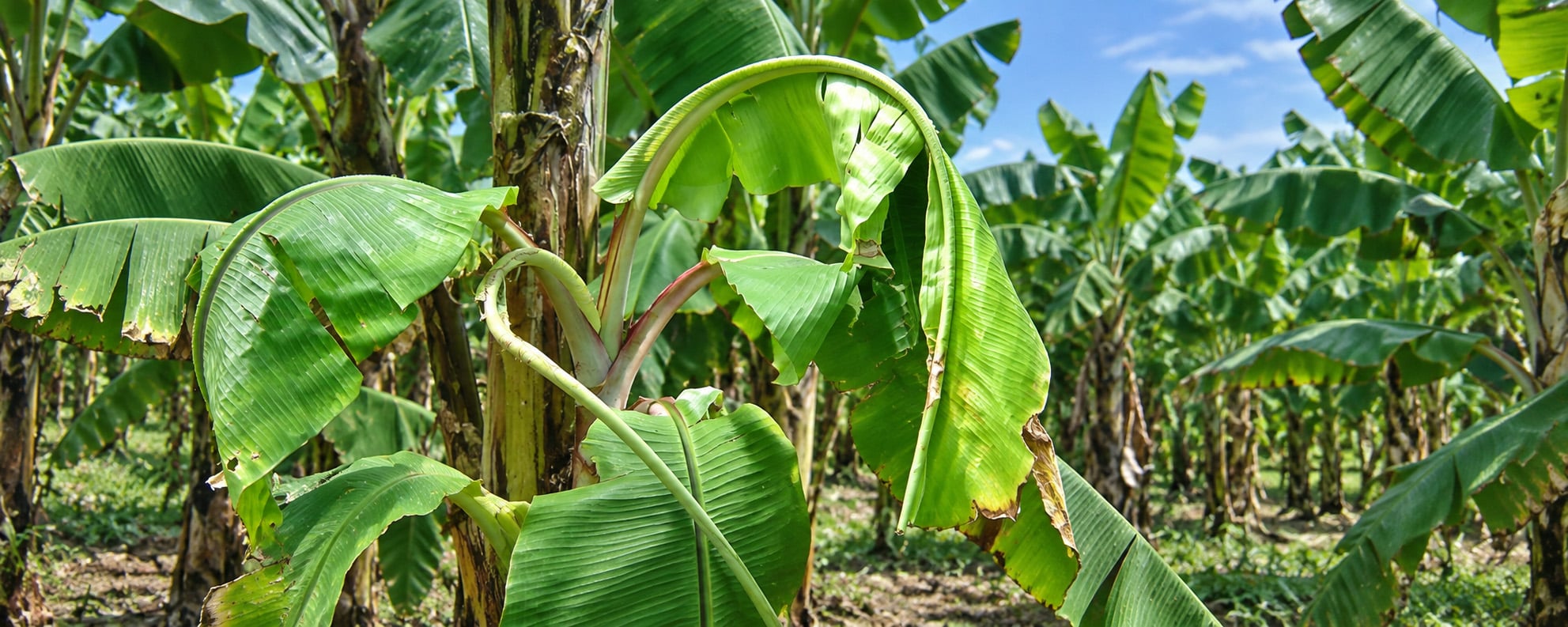
Calcium deficiency in banana shows first on the youngest leaves, as thickened veins and a saw-tooth pattern of yellow and dead tissue along the leaf margin, and in severe cases as “spike leaf”, new leaves with little or no blade, and poor-quality fruit (Turner, 1987; Martin-Prével, 1980). On most plantation soils it is not a […]
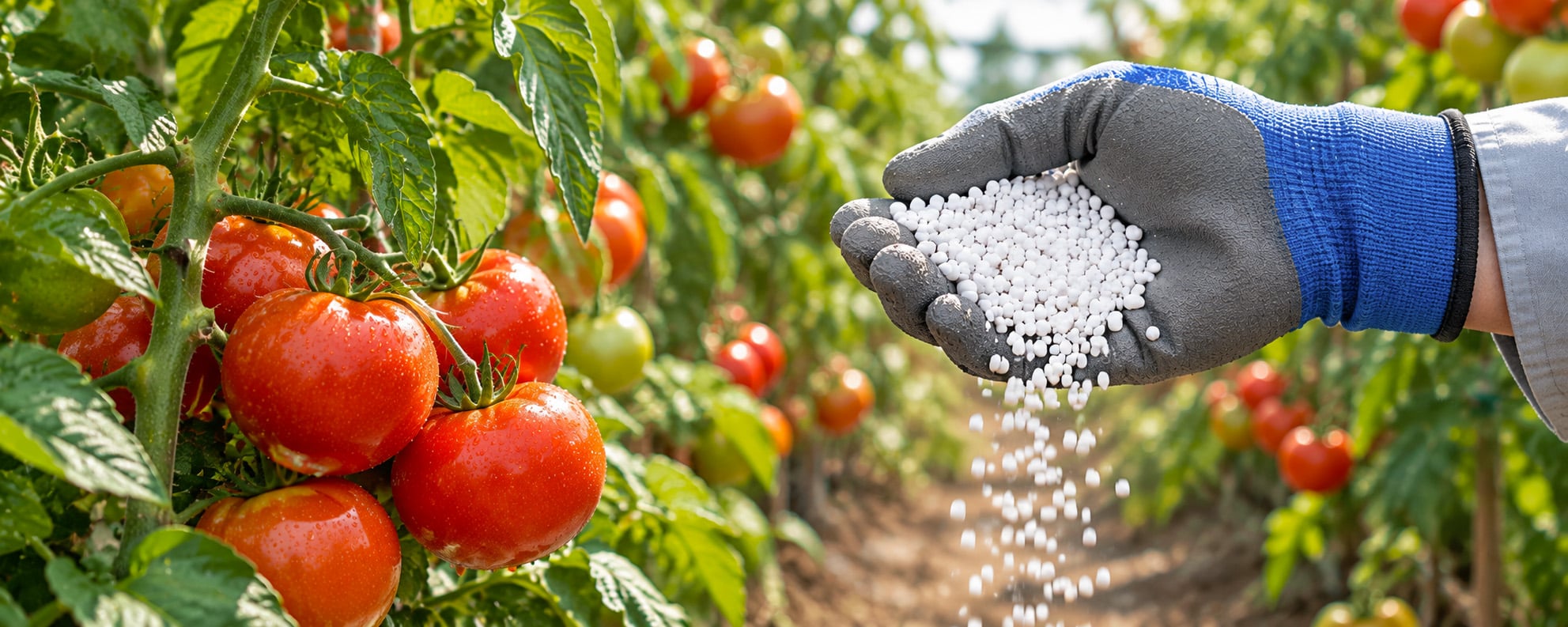
A calcium fertilizer supplies the calcium that holds plant cell walls and membranes together, but whether it reaches the fruit depends as much on water flow as on the fertilizer you choose. Calcium travels with water to the leaves and barely moves out of them again, so fruit and young leaves can run short even […]
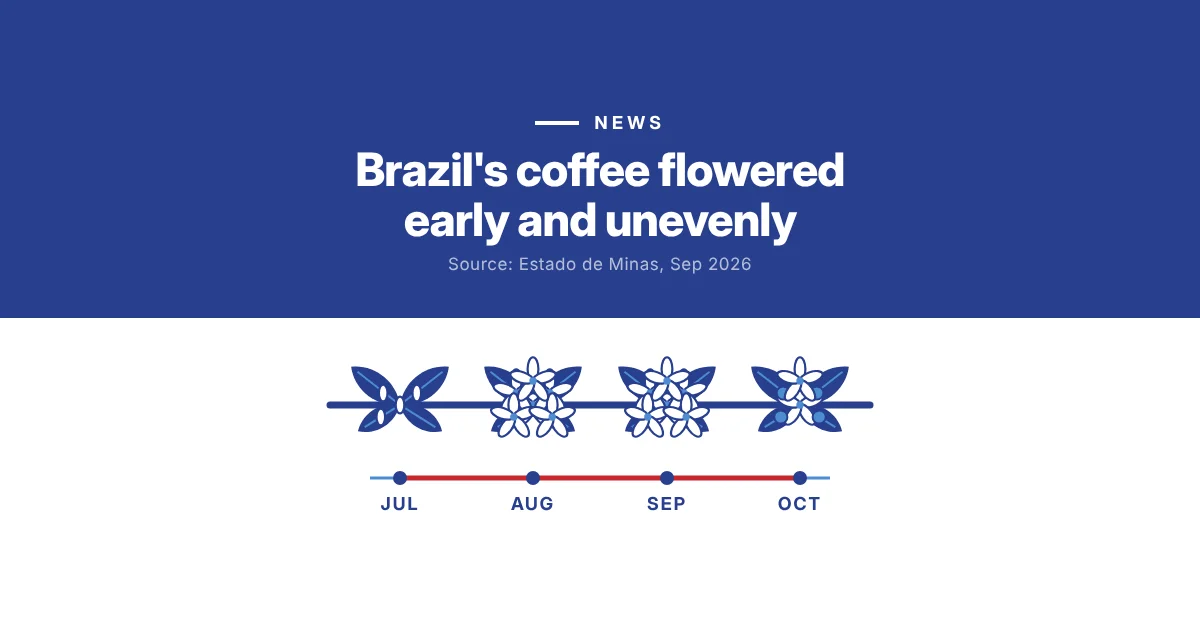
An unusually wet winter brought coffee flowering in Minas Gerais forward by about a month, in several separate waves. With October forecast to be hotter than normal and rain patchy, the question for 2027 is now how many of those flowers turn into fruit. At Van Polder, we believe a strong flowering is only the […]
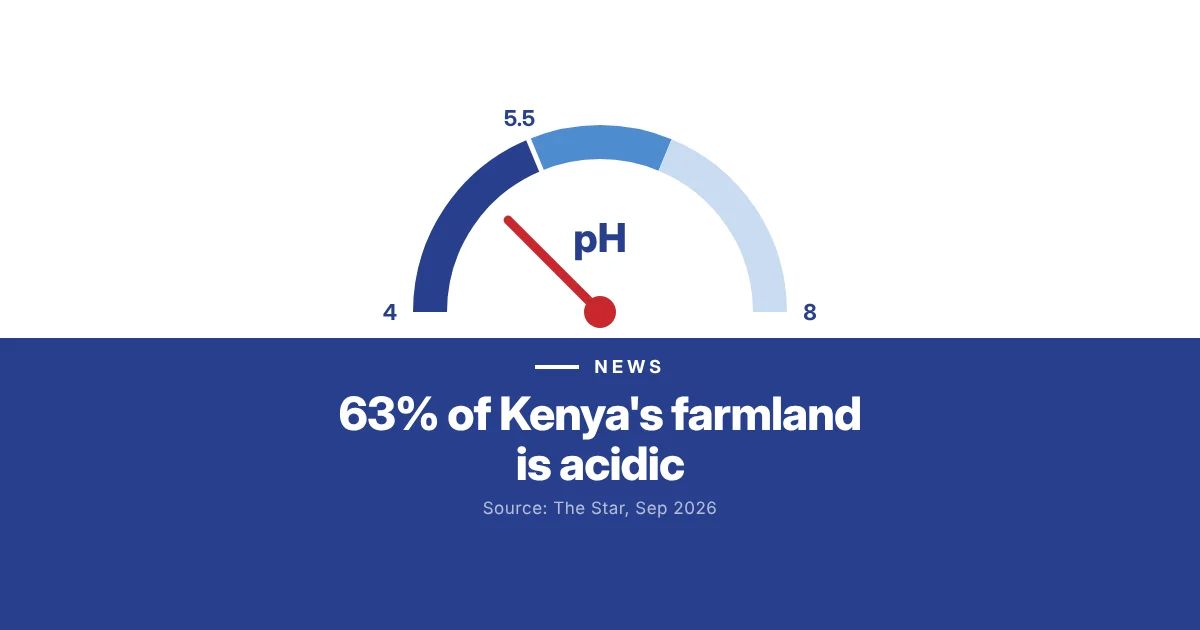
Kenya’s Ministry of Agriculture has launched a national soil health drive to move growers away from one-size-fits-all fertilizer recommendations. About 63% of the country’s arable land is acidic, and the government now wants fertilizer choices to start with a soil test. At Van Polder, we believe good crop nutrition starts with knowing what is already […]
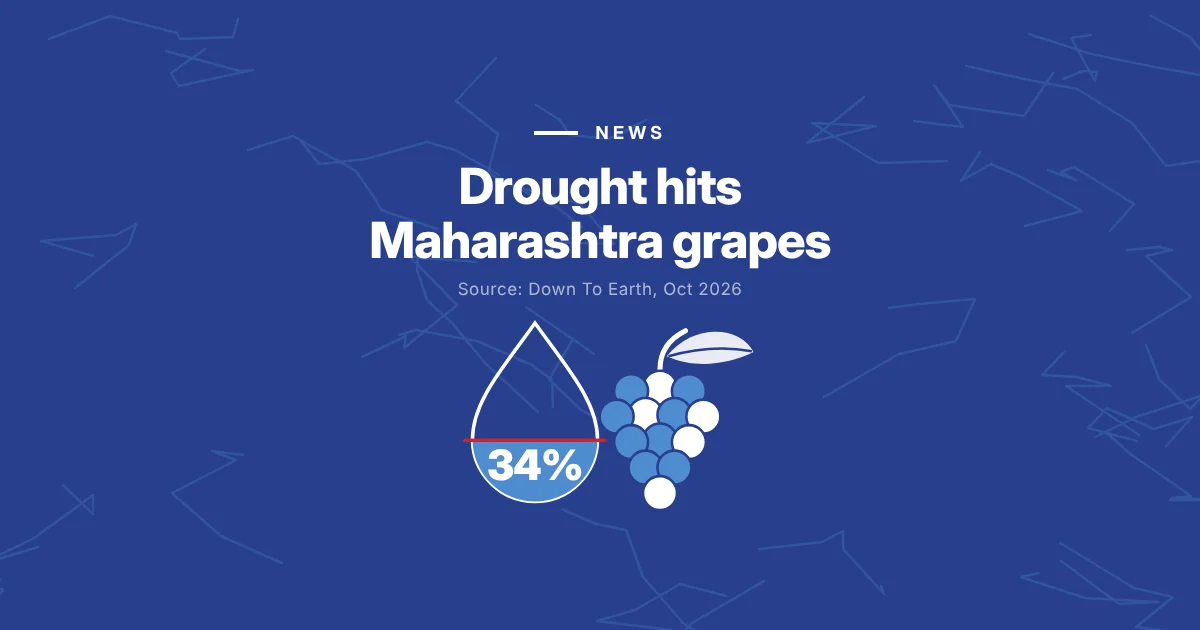
Maharashtra has declared drought in 265 talukas after a weak monsoon, and grape growers in Nashik fear losing at least 40% of this season’s harvest. For anyone supplying fruit growers in India, the next few months are about keeping crops and vines alive and productive with very little water. At Van Polder, we believe drought […]