



Brazil’s coffee flowered early and unevenly: fruit set is the next test
An unusually wet winter brought coffee flowering in Minas Gerais forward by about a month, in several separate waves. With October forecast to be hotter than normal and rain patchy, the question for 2027 is now how many of those flowers turn into fruit. At Van Polder, we believe a strong flowering is only the […]

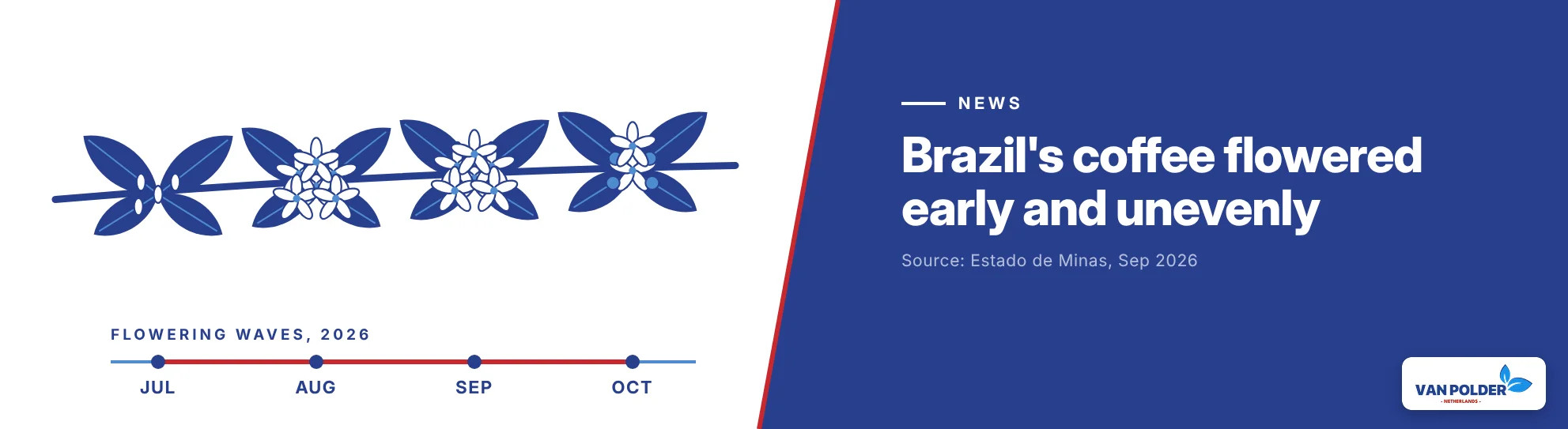

An unusually wet winter brought coffee flowering in Minas Gerais forward by about a month, in several separate waves. With October forecast to be hotter than normal and rain patchy, the question for 2027 is now how many of those flowers turn into fruit.
At Van Polder, we believe a strong flowering is only the starting point. As one cooperative leader in Minas Gerais put it, “florada não é café”: flowering is not yet coffee. What growers and their advisers do between bloom and fruit expansion will decide how much of this potential reaches the 2027 harvest.
What happened
Coffee in Sul de Minas and the Cerrado Mineiro, the two main coffee regions of Minas Gerais, flowered about a month ahead of normal, in August on average and in some areas in July, the newspaper Estado de Minas reported on 28 September. Cooperatives blame a rainy winter that replaced the usual dry season. “Coffee needs this dry period, mainly from May to August, to give a good flowering when the rains return,” said Guilherme Vinícius Teixeira of the Cooxupé cooperative. Without that water stress, flowering was not synchronized: most areas had several flowerings, and Cooxupé saw localized cases of three, with a fourth possible.
By early October, O Tempo reported strong flower opening across Sul de Minas, Cerrado Mineiro, Alta Mogiana, Matas de Minas and Espírito Santo, and named fruit set under heat and swinging weather as the main challenge.
The weather is not making that easier. Brazil’s national weather institute, Inmet, forecast October temperatures more than 2°C above normal in parts of Minas Gerais, with irregular rainfall across the state. On 13 October, Meteored forecast highs of 35°C in Franca and São Sebastião do Paraíso, followed by rain that varied widely from town to town. At Cooxupé’s coffee and climate forum, agrometeorologist Marco Antônio dos Santos warned that if flowerings coincide with high temperatures, fruit set can suffer.
The 2026 crop was a record 67.6 million bags, according to Brazil’s crop agency Conab, helped by a positive biennial year for arabica.
What it means in practice
Several flowerings mean several cohorts of fruit on the same tree. Estado de Minas lists the consequences growers are already planning for: uneven ripening, with green, ripe and overripe cherries at harvest; more cost for selective picking; a harvest that may start as early as mid-May 2027; and more food for the coffee berry borer, which survives on fruit left on the plant.
For nutrition, the main change is timing. Fruit set and early fruit growth are no longer one event in October, but a demand that is spread over several months, and that is falling into a hot, uneven spring.
Our advice
- Record each flowering per block. Note the date and the share of flowers in each wave. This record is the basis for spray timing, borer monitoring and the selective harvest plan for 2027.
- Time boron and zinc to the waves, not the calendar. A single pre-flowering foliar spray covers only the first flowering. Where leaf analysis shows boron or zinc on the low side, plan the next applications around the later waves. Spray in a dry window and in the cooler hours, and keep insecticides off open flowers to protect pollinators.
- Check the soil, not the forecast. Meteored notes that showers of less than 1 mm do not reach the roots. In irrigated blocks, check soil moisture under the canopy before cutting irrigation after a shower, and give priority to blocks with young fruit (chumbinhos).
- Plan for heat stress during fruit set. Biostimulants with an abiotic stress claim can help plants cope with heat during this phase. They support the plant but do not replace water or balanced nutrition.
Supporting coffee growers through a long fruit-set season
A staggered flowering stretches the window in which coffee needs well-timed trace elements, water-soluble nutrition and stress support, from a few weeks to several months. Distributors who can match foliar and fertigation products to each flowering wave will be in a better position to help their growers protect the 2027 crop.
If you supply coffee growers in Brazil and are planning your foliar and biostimulant range for this season, we are happy to look at the options with you. Contact the Van Polder team, and our agronomists will help you build a program around this year’s flowering pattern.


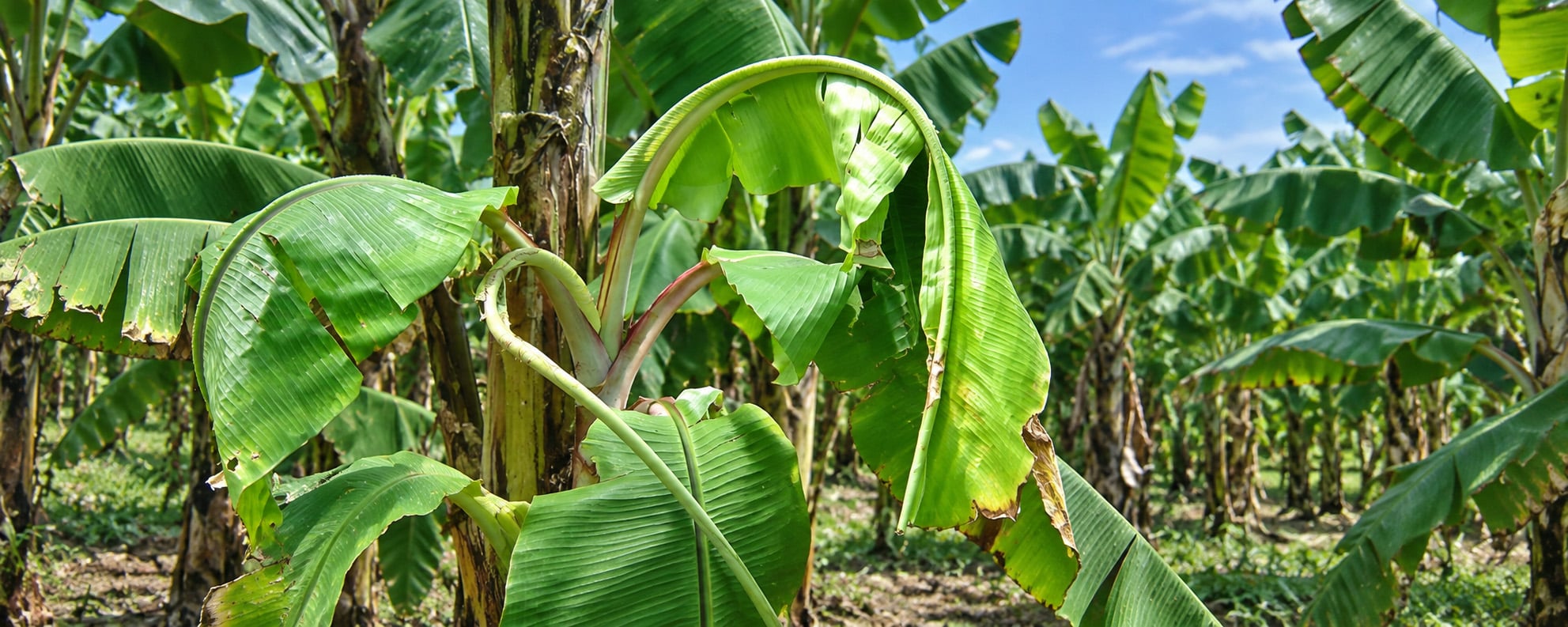
Calcium deficiency in banana shows first on the youngest leaves, as thickened veins and a saw-tooth pattern of yellow and dead tissue along the leaf margin, and in severe cases as “spike leaf”, new leaves with little or no blade, and poor-quality fruit (Turner, 1987; Martin-Prével, 1980). On most plantation soils it is not a […]
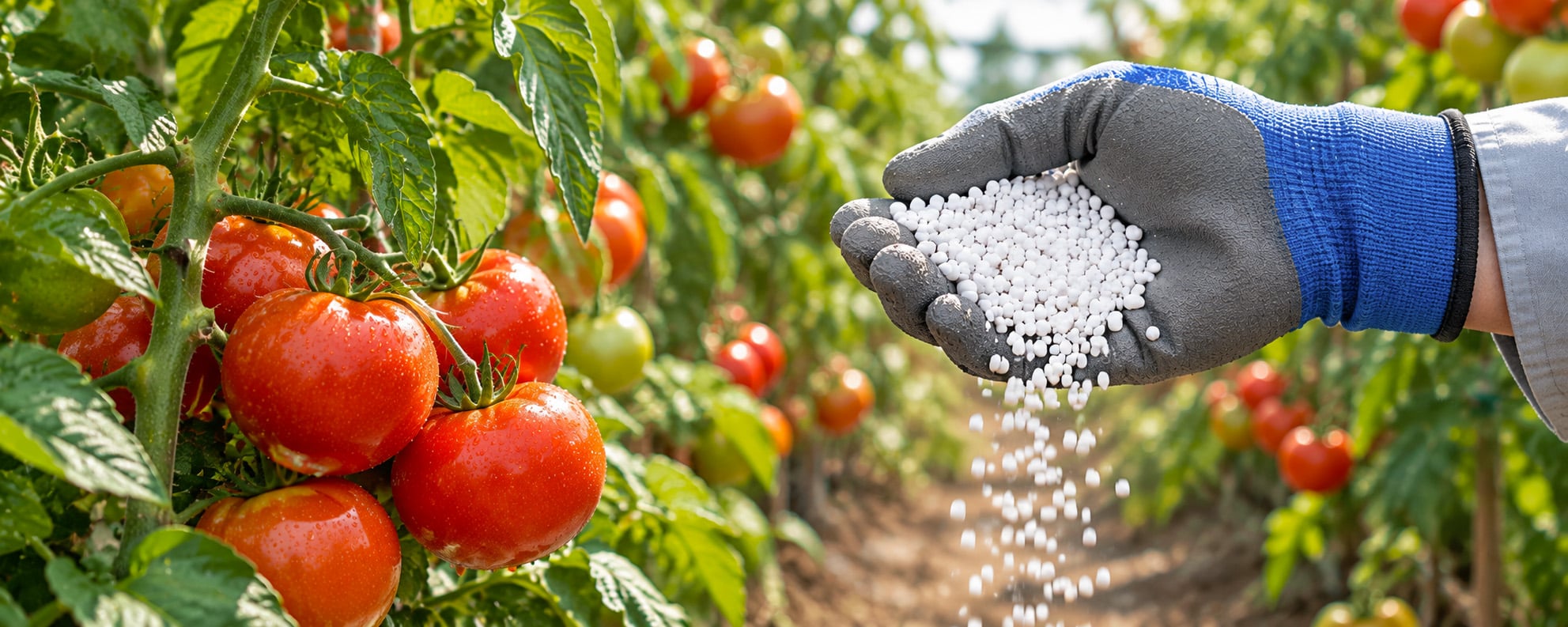
A calcium fertilizer supplies the calcium that holds plant cell walls and membranes together, but whether it reaches the fruit depends as much on water flow as on the fertilizer you choose. Calcium travels with water to the leaves and barely moves out of them again, so fruit and young leaves can run short even […]
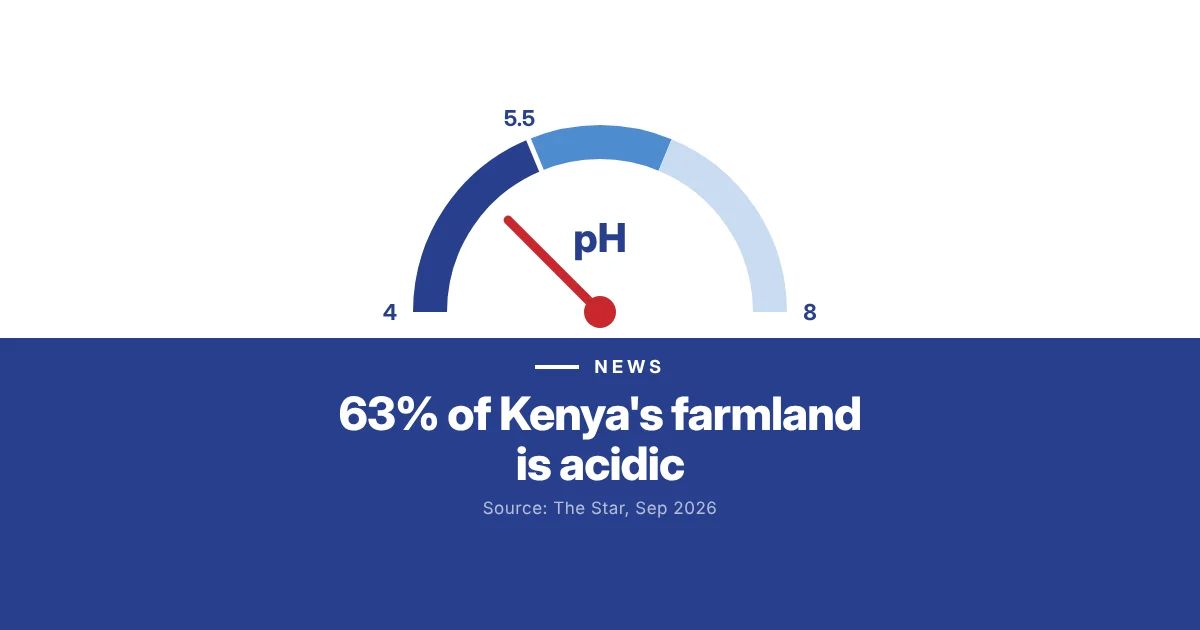
Kenya’s Ministry of Agriculture has launched a national soil health drive to move growers away from one-size-fits-all fertilizer recommendations. About 63% of the country’s arable land is acidic, and the government now wants fertilizer choices to start with a soil test. At Van Polder, we believe good crop nutrition starts with knowing what is already […]
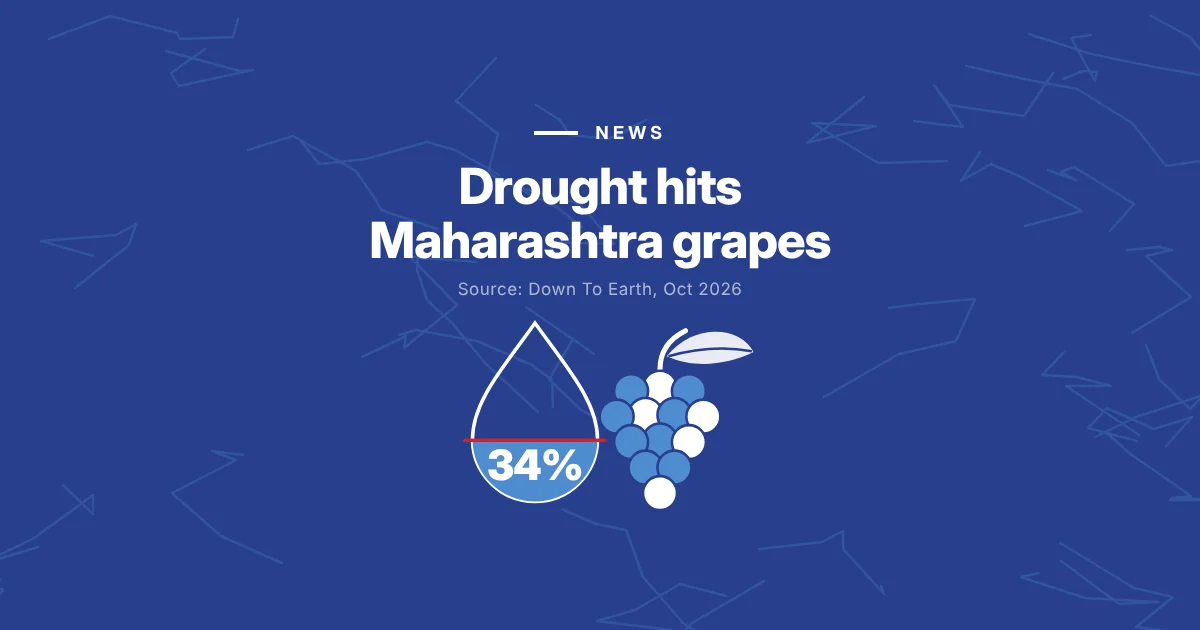
Maharashtra has declared drought in 265 talukas after a weak monsoon, and grape growers in Nashik fear losing at least 40% of this season’s harvest. For anyone supplying fruit growers in India, the next few months are about keeping crops and vines alive and productive with very little water. At Van Polder, we believe drought […]

Denmark’s new nitrogen regulation starts on 1 January 2027, but vegetable growers and several fruit, berry and nursery crops will stay on today’s nitrogen norms for one more year. For anyone supplying high-value horticulture, this is a short pause, not a change of direction. At Van Polder, we believe nitrogen efficiency will matter more every […]
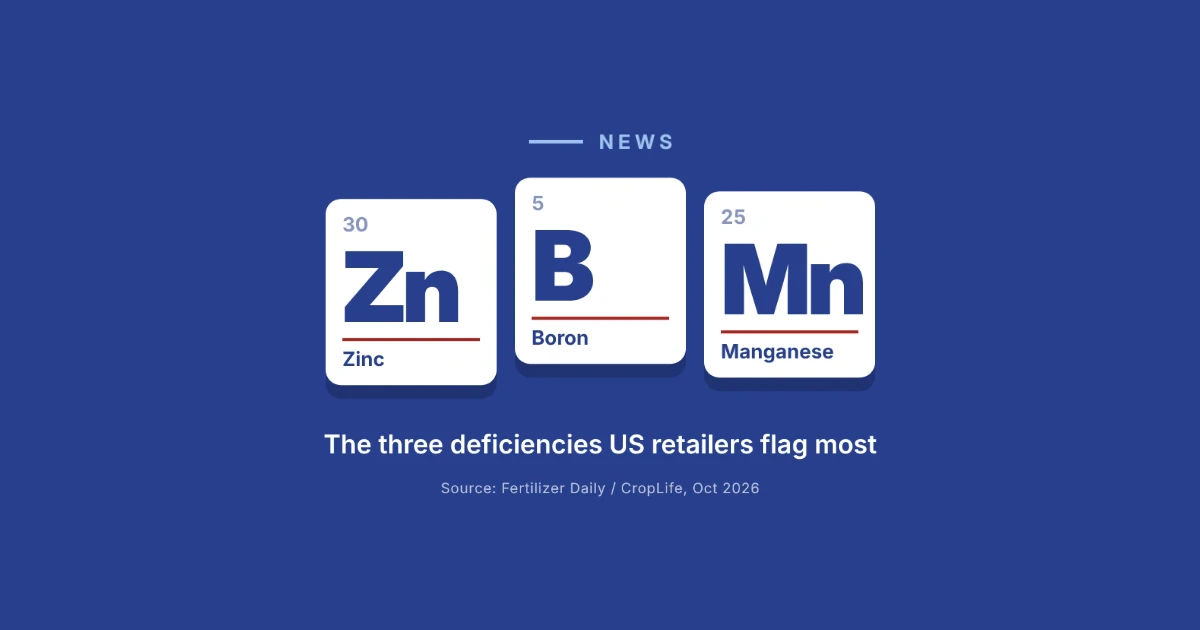
Retailers in the United States report that growers are trimming micronutrient spending this season, while tissue tests keep finding zinc, boron and manganese shortages. At Van Polder, we believe blanket cuts are the wrong place to save, and the same trade-off comes up wherever main-nutrient prices are high. When nitrogen, phosphate and potash bills rise, […]