







Denmark exempts fruit and vegetable growers from 2027 nitrogen limits
Denmark’s new nitrogen regulation starts on 1 January 2027, but vegetable growers and several fruit, berry and nursery crops will stay on today’s nitrogen norms for one more year. For anyone supplying high-value horticulture, this is a short pause, not a change of direction. At Van Polder, we believe nitrogen efficiency will matter more every […]


Denmark’s new nitrogen regulation starts on 1 January 2027, but vegetable growers and several fruit, berry and nursery crops will stay on today’s nitrogen norms for one more year. For anyone supplying high-value horticulture, this is a short pause, not a change of direction.
At Van Polder, we believe nitrogen efficiency will matter more every season in Europe, and that the best time to prepare is before the new rules apply. Denmark’s one-year exemption gives its horticulture sector time to adjust. We see it as a useful window, not a reason to wait.
What happened
Denmark’s parliament, the Folketing, passed the Act on Sustainable Management of Nutrients and Greenhouse Gases in Agriculture and Forestry by 119 votes to 34 on 3 September, Global Agriculture reports. From 1 January 2027, the law replaces field-level nitrogen limits with a model based on how much nitrogen reaches the aquatic environment.
Two days earlier, the Ministry of Nature and Animal Welfare announced a supplementary agreement that exempts vegetable production areas, both conventional and organic, from the new model in 2027. On those areas, growers follow the current nitrogen norms until 1 January 2028. According to the ministry, vegetables covered about 8,000 hectares in 2023, roughly 0.3% of Denmark’s agricultural land.
On 7 October, the parties extended the exemption to melons, rhubarb, strawberries, table grapes, pumpkins and woody nursery plants, the Danish news agency Ritzau reported. Conditions for potato growing were also improved under the new model. Minister Christian Rabjerg Madsen said: “I am pleased that we have the opportunity to also exempt some berry and fruit growers.”
The exemption applies to 2027 only. The ministry also said experts will review the knowledge base on nitrogen leaching from vegetables and potatoes, so the rules can be adjusted if there is a professional case for it.
What it means in practice
Fruit and vegetable crops often need a lot of nitrogen in a short season, and their margins depend on quality. When nitrogen supply is limited, every kilo has to work harder. Unless the rules change again, these crops are due to move to the new model from 2028. That makes 2027 a transition year for growers, and for the distributors and agronomists who advise them.
Our advice
- Build a baseline in 2027. Record nitrogen rates by crop and back them with soil mineral nitrogen and tissue tests.
- Split and target nitrogen. Smaller, well-timed doses through fertigation or foliar feeding match uptake more closely than large base dressings.
- Balance the whole program. Nitrogen is used best when phosphorus, potassium, magnesium, sulfur and trace elements are not limiting.
- Look at efficiency products. Biostimulants with a nutrient use efficiency claim under EU 2019/1009 can help crops make better use of the nitrogen available.
Getting your nitrogen range ready for 2028
Our water-soluble fertilizers comply with EU Fertilising Products Regulation (EU) 2019/1009. They are available under the Van Polder brand or as our partners’ private labels, with technical support from our agronomists.
If you are reviewing your horticulture range ahead of the 2028 changes, we are happy to look at it with you. Contact the Van Polder team, and our agronomists will help you build efficient nitrogen programs based on soil and tissue data from your market.


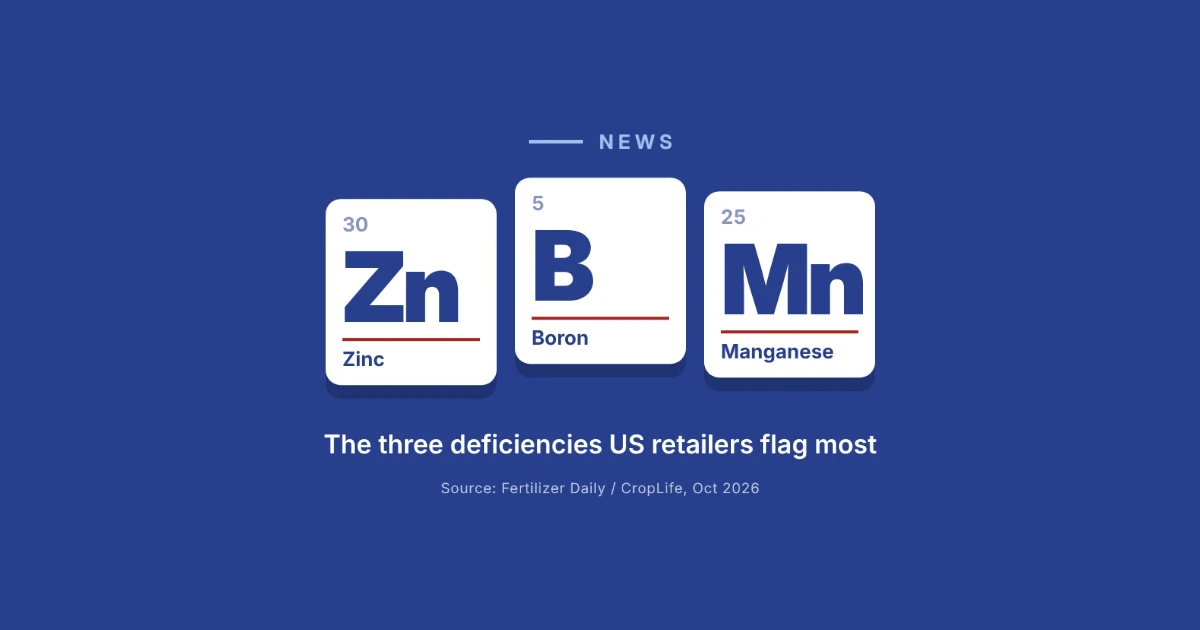
Retailers in the United States report that growers are trimming micronutrient spending this season, while tissue tests keep finding zinc, boron and manganese shortages. At Van Polder, we believe this is the wrong place to save, and the lesson applies to every market our partners serve. When nitrogen, phosphate and potash bills rise, micronutrient fertilizer […]
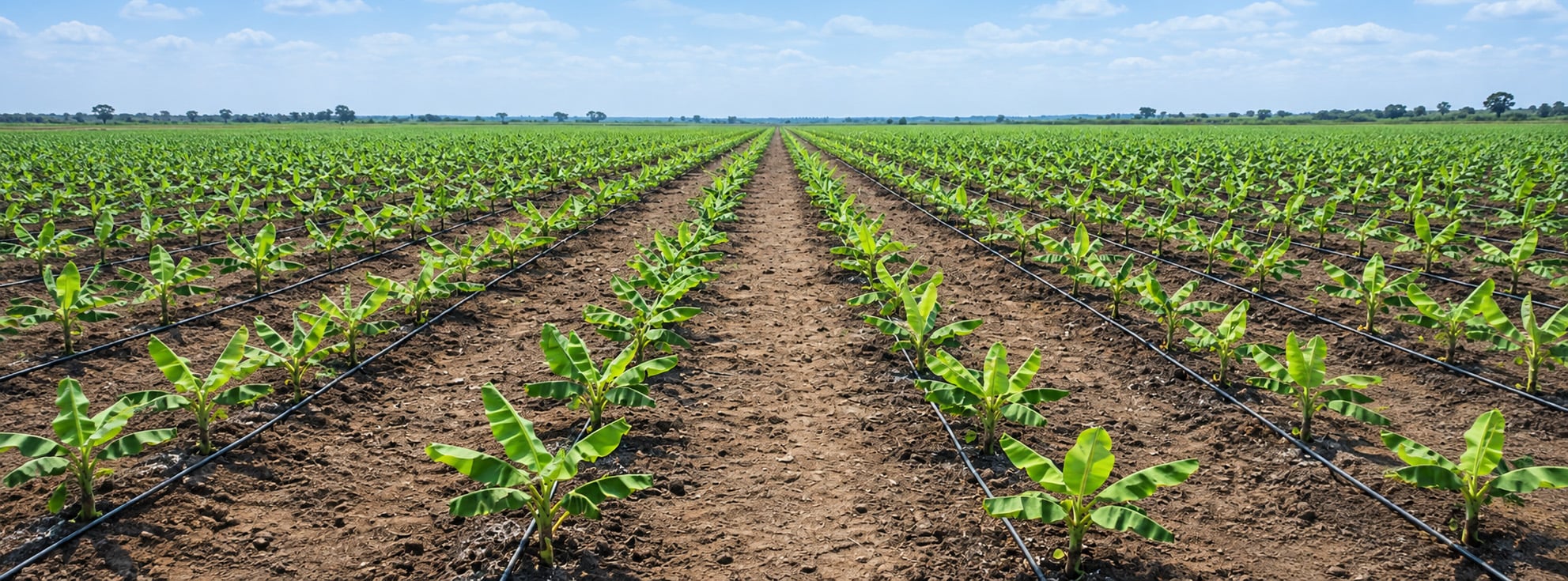
Water-soluble fertilizer for banana lets you feed the crop through drip in small doses that follow each growth stage, and in trials this gave more fruit from less fertilizer and water than soil-applied fertilizer. The best water-soluble fertilizer for banana is the one that dissolves cleanly in your water, matches the growth stage and costs […]
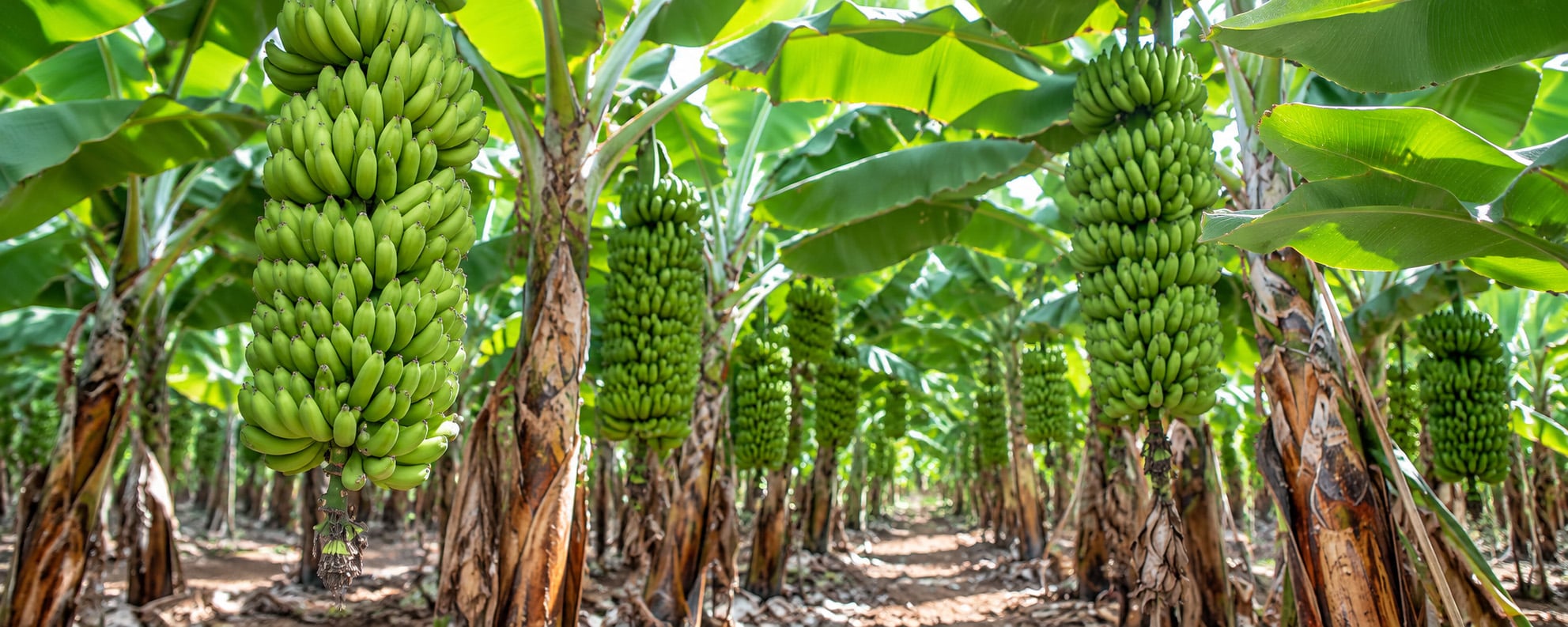
To increase banana bunch weight, build a large, healthy leaf canopy and good potassium reserves before the bunch emerges, keep water supply steady, and protect the leaves until harvest. Most of the bunch’s potential is set before shooting: the number of fruits depends on the leaf area the plant has when it initiates its flower […]
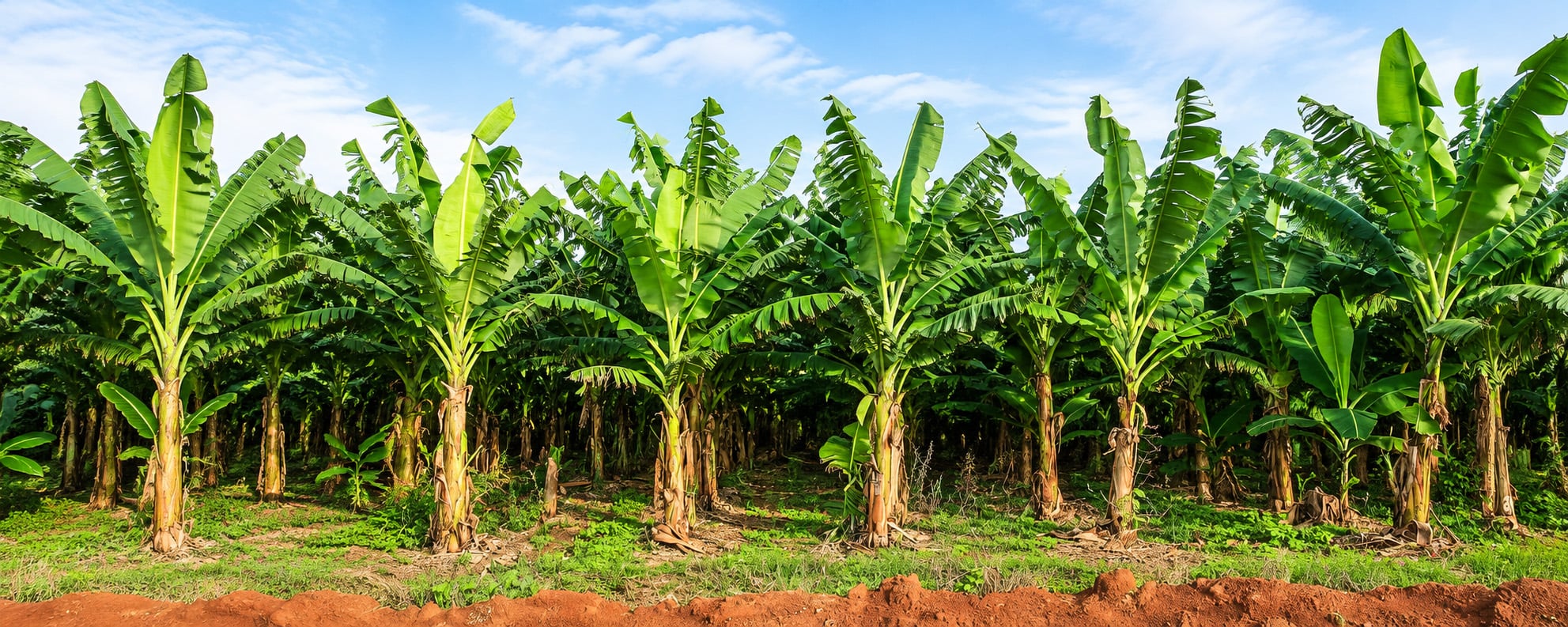
The right fertilizer for banana plants is the one that matches what the crop removes, what your soil already holds and the stage the plant is in. Banana takes up far more potassium than any other nutrient, followed by nitrogen and calcium, so K supply and timing decide much of the result. This guide covers […]
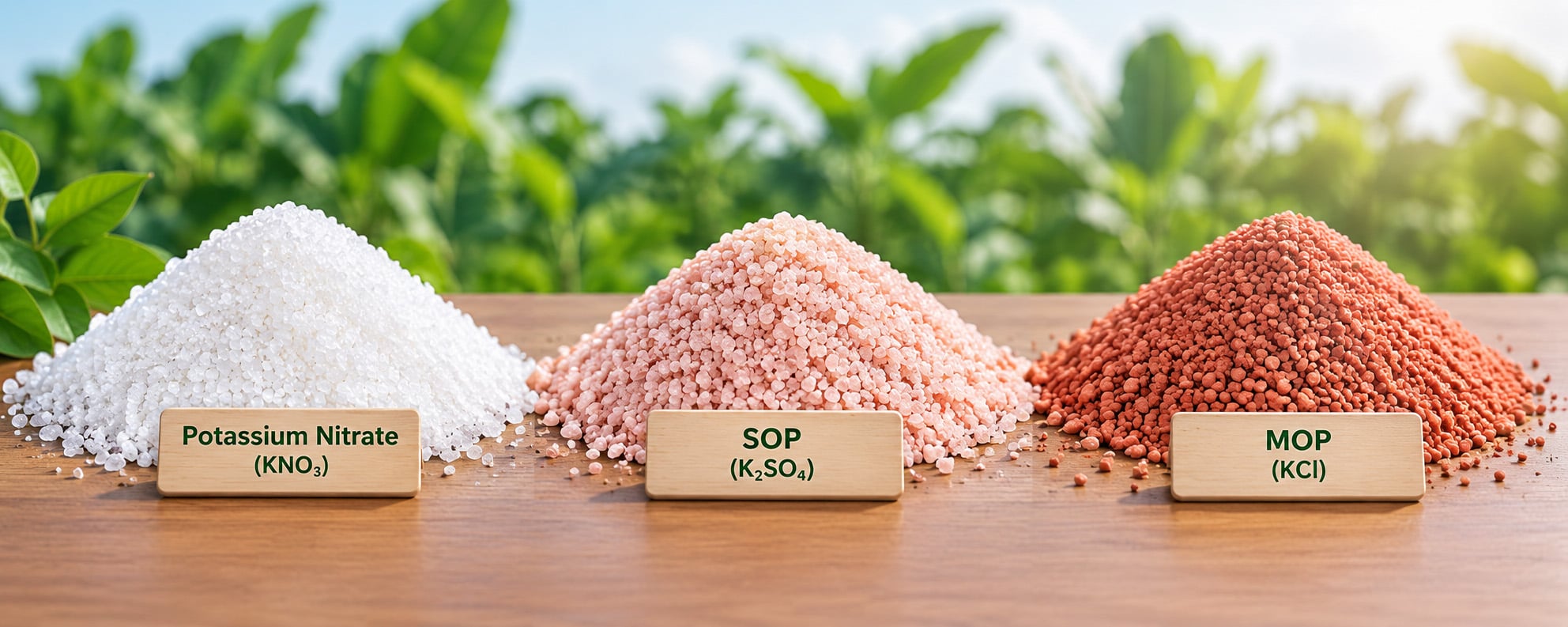
Potassium fertilizer replaces the potassium (K) your crop takes from the soil faster than the soil can release it. After nitrogen, potassium is the nutrient plants need in the largest amounts (Zörb et al., 2014), mainly to move water and sugars and to keep their cells working under stress. The common sources (muriate of potash, […]
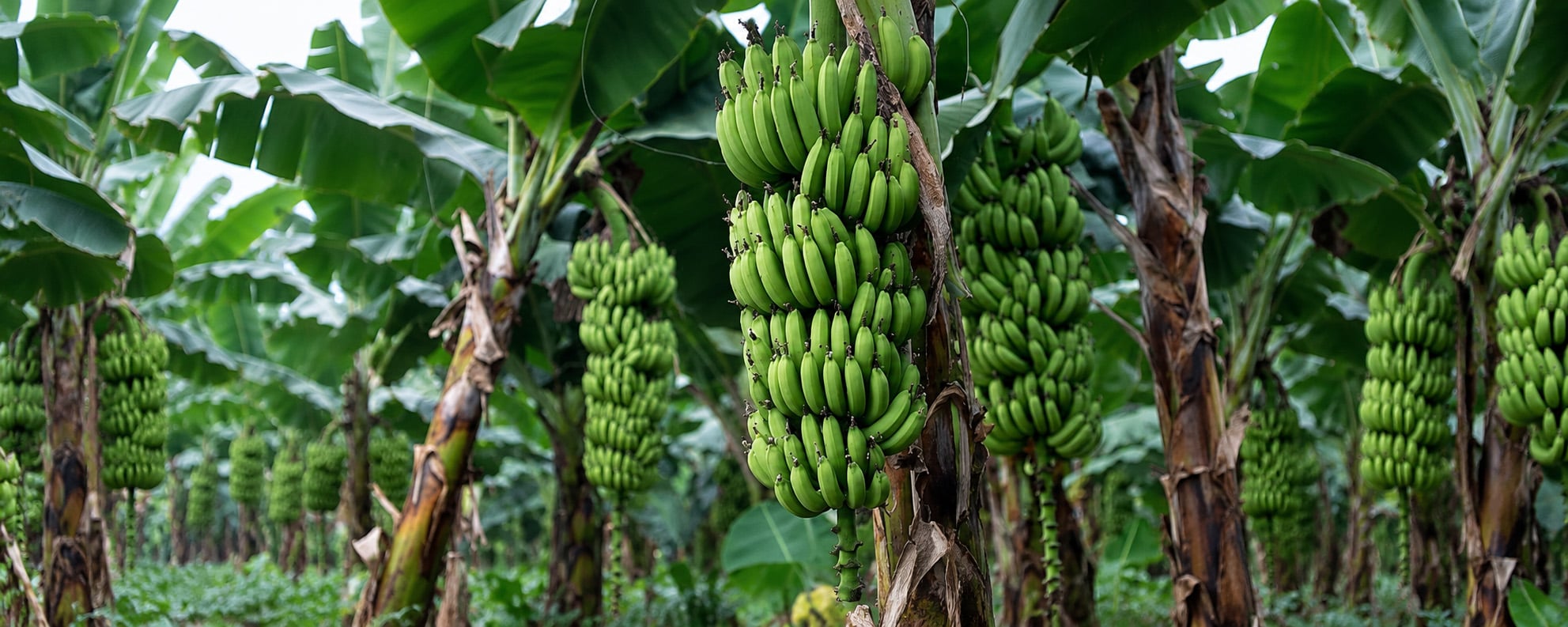
Muriate of potash (MOP), sulfate of potash (SOP) and potassium nitrate all supply the potassium a banana crop needs, so the best potash for banana plants depends on your water, soil, application method and budget, not on the potassium itself. MOP is the cheapest and most widely used source; SOP adds the least salt and […]