







Micronutrients for Banana Plants: The Key to Healthy Bunches and Higher Profits
Micronutrients for banana plants play a vital role in supporting healthy growth, efficient photosynthesis, strong bunch development, and consistent fruit quality throughout the growing season. Although these nutrients are only required in trace amounts, deficiencies can quickly reduce plant vigor, lower yields, and increase susceptibility to environmental stress. This guide explains the seven essential micronutrients […]


Micronutrients for banana plants play a vital role in supporting healthy growth, efficient photosynthesis, strong bunch development, and consistent fruit quality throughout the growing season. Although these nutrients are only required in trace amounts, deficiencies can quickly reduce plant vigor, lower yields, and increase susceptibility to environmental stress. This guide explains the seven essential micronutrients for banana plants, their functions, deficiency symptoms, and the best management practices to maximize productivity.
1. 7 Essential Micronutrients for Banana Plants
Here’s a closer look at the essential micronutrients every banana plant needs, along with their roles and how they influence plant performance.
1.1. Iron – Essential for Chlorophyll and Respiration
Iron is a key micronutrient involved in energy production and chlorophyll formation. Banana plants absorb approximately 80% of their total iron requirement during the first half of their growth cycle, making an adequate early supply particularly important.
- Supports chlorophyll synthesis: Acts as a cofactor in chlorophyll formation and electron transport through ferredoxin and cytochromes, enabling efficient photosynthesis.
- Drives cellular respiration: Participates in cytochrome oxidase and respiratory dehydrogenases to maintain energy production.
- Protects plant metabolism: Activates enzymes such as catalase and peroxidase to reduce oxidative stress while supporting nitrate and sulfate reduction.
1.2. Manganese (Mn) – Supporting Photosynthesis and Plant Defense
Manganese plays a vital role in photosynthesis while strengthening the plant’s natural defense system against environmental and disease stresses.
- Essential for Photosystem II (PSII): Forms part of the water-splitting complex that releases oxygen and electrons required for photosynthesis and starch production.
- Strengthens stress tolerance: Activates Manganese Superoxide Dismutase (MnSOD), helping neutralize reactive oxygen species (ROS), particularly under temperatures above 35°C.
- Supports lignin formation: Promotes lignin synthesis through peroxidase activity, strengthening vascular tissues and improving resistance to Panama wilt and Black Sigatoka.
1.3. Zinc (Zn) – Regulating Plant Growth and Fruit Development
Zinc is essential for hormone production, enzyme activity, and normal plant development. Under zinc-deficient conditions, proper supplementation has been reported to increase bunch weight by up to four times.
- Promotes auxin synthesis: Supports the production of auxin, which regulates root growth, shoot development, and flowering.
- Activates over 300 enzymes: Including carbonic anhydrase, which contributes to carbon dioxide metabolism and photosynthesis.
- Maintains cellular integrity: Helps stabilize cell membranes and proteins involved in water and nutrient transport, improving drought tolerance.
1.4. Boron (B) – Strengthening Cell Walls and Improving Pollination
Boron supports both structural development and reproductive success while working closely with calcium throughout the plant.
- Strengthens fruit tissues: Cross-links pectin within cell walls, producing firmer fruit skins and reducing cracking during ripening.
- Improves pollination: Promotes pollen viability and pollen tube growth, increasing fertilization success by approximately 20%.
- Enhances sugar transport: Facilitates carbohydrate movement into developing fruits, contributing to higher Total Soluble Solids (TSS) and improved sweetness.
1.5. Copper (Cu) – Supporting Stem Strength and Plant Metabolism
Copper contributes to nutrient metabolism while reinforcing the structural strength needed to support heavy banana bunches.
- Supports metabolic processes: Participates in enzymes involved in respiration, photosynthesis, and hormone metabolism through electron transport.
- Improves stem strength: Promotes lignification, producing stronger pseudostems that are less prone to lodging or umbrella-like bending.
- Enhances plant defense: Supports polyphenol oxidase activity, helping convert phenolic compounds into antimicrobial substances.
1.6. Molybdenum (Mo) – Improving Nitrogen Utilization
Molybdenum is essential for converting applied nitrogen into forms that plants can efficiently use for growth.
- Supports nitrate assimilation: Forms part of the nitrate reductase enzyme that converts nitrate into ammonium for protein synthesis.
- Regulates stress responses: Contributes to abscisic acid (ABA) production through aldehyde oxidase activity.
- Improves nitrogen efficiency: Foliar molybdenum applications have been reported to increase nitrogen use efficiency by approximately 18% under nitrogen-deficient conditions.
1.7. Chlorine (Cl) – Maintaining Water Balance and Stomatal Function
Chlorine regulates water movement throughout the banana plants and supports normal gas exchange during photosynthesis.
- Maintains cell turgor: Regulates osmotic pressure to keep plant tissues firm and hydrated.
- Controls stomatal activity: Governs stomatal opening and closing, balancing water loss with carbon dioxide uptake.
- Supports Photosystem II: Assists in water photolysis during photosynthesis.
2. Banana Micronutrient Deficiency Symptoms
Each micronutrient deficiency produces a distinct set of visual symptoms. The table below summarizes the most common signs to help you quickly identify which nutrient your banana plants may be lacking.
| Micronutrient | Common Deficiency Symptoms |
| Iron (Fe) | Young leaves develop interveinal chlorosis(yellow leaf tissue with green veins). Photosynthesis and carbohydrate production may decline by up to 30%, resulting in stunted growth and reduced yields. |
| Manganese (Mn) | Leaves develop characteristic comb-tooth chlorosis, beginning at the margins and progressing inward. Weakened tissues also increase susceptibility to Panama wilt and Black Sigatoka. |
| Zinc (Zn) | Plants become stunted, with height reduced by up to 20%. Leaves are narrow and strap-shaped, young leaves develop purple anthocyanin pigmentation on the underside, and bunches produce smaller, twisted, or deformed fruits. |
| Boron (B) | Leaves become curled and distorted, with white streaks perpendicular to the midrib on the underside. Plants flower poorly, pseudostems may crack, and immature fruits often drop prematurely. |
| Copper (Cu) | Leaf veins bend backward, creating an umbrella-like appearance, while foliage develops a distinctive bronze-yellow coloration. |
| Molybdenum (Mo) | Plants show symptoms similar to nitrogen deficiency, including general chlorosis and stunted growth, because nitrate cannot be efficiently converted into usable nitrogen. |
| Chlorine (Cl) | Plants wilt easily, develop necrotic leaf spots, and experience accelerated leaf aging, especially under drought conditions. |

3. 3 Factors Affecting Micronutrient Absorption in Bananas
To get the most from micronutrient applications, start by understanding the three factors that have the greatest impact on nutrient absorption in banana plants.
3.1. Soil pH Levels
Soil pH is one of the most important factors affecting micronutrient availability. When the soil is too acidic or too alkaline, many trace elements become chemically unavailable, even if they are present in sufficient amounts.
- Alkaline soils (pH > 7.5): High-pH or calcareous soils significantly reduce the availability of Iron (Fe), Manganese (Mn), and Zinc (Zn). These micronutrients readily react with carbonates and phosphates, forming insoluble compounds that banana roots cannot absorb.
- Acidic soils (pH < 5.5): In s t rongly acidic soils, Molybdenum (Mo) becomes immobilized after binding with iron oxides, reducing the plant’s ability to assimilate nitrogen. At the same time, Manganese (Mn) and Aluminum (Al) become excessively soluble, increasing the risk of root toxicity and damaging root development.
3.2. Nutrient Antagonism
Micronutrients interact with one another inside the soil. An excessive amount of one nutrient can reduce the availability or uptake of another, making nutrient balance more important than simply applying higher fertilizer rates.
- Phosphorus-Zinc antagonism: Excessive phosphorus fertilization can inactivate Zinc (Zn) in the soil solution, leading to zinc deficiency even when adequate zinc is present.
- Excess manganese: High concentrations of Manganese (Mn) compete with other divalent cations for the same uptake pathways. Studies have shown that excessive Mn can reduce Calcium (Ca) uptake by 30%, Magnesium (Mg) by 40%, and Zinc (Zn) by 20%.
- High sodium or magnesium: Elevated Sodium (Na) or Magnesium (Mg) levels in irrigation water or soil can disrupt nutrient balance, reducing the overall uptake of essential micronutrients while also interfering with potassium utilization.
See also: Micronutrients for Maize Crop: Essential Nutrients and Deficiency Symptoms
3.3. Environmental Conditions
Besides soil chemistry, environmental conditions strongly influence whether micronutrients remain available in the root zone and can be transported throughout the plant.
- Soil texture and leaching: Sandy soils have a low cation exchange capacity (CEC), making mobile nutrients such as Boron (B) highly susceptible to leaching. Chlorine (Cl) is also easily washed out in regions with heavy rainfall and often requires replenishment.
- Reduced transpiration: Calcium (Ca) and Boron (B) are transported almost entirely through the transpiration stream. During drought or prolonged periods of high humidity, reduced transpiration limits their movement to developing leaves and fruits, increasing the risk of localized deficiencies and fruit cracking.
- Poor drainage and high water tables: Waterlogged soils restrict root respiration, reducing the metabolic activity required for efficient Iron (Fe) uptake.
4. Optimal Micronutrient Timing for Banana Growth Stages
Below is the optimal timing for micronutrient delivery across the four key growth stages of the banana plants:
- Establishment Stage: During the early establishment phase, micronutrients support the formation of new tissues and the development of a strong root system. Maintaining an adequate supply at this stage helps prevent early growth limitations and establishes a solid foundation for subsequent plant development.
- Vegetative Growth Stage: Micronutrient demand reaches its highest level during rapid vegetative growth. Iron (Fe) is particularly important, as approximately 80% of the plant’s total iron requirement is absorbed during the first half of its life to support photosynthesis and cellular respiration.
- Flowering Stage: As the inflorescence emerges, Boron (B) and Zinc (Zn) become the most important micronutrients for reproductive development. Boron supports pollen viability and pollen tube elongation, helping increase fertilization rates by approximately 20%.
- Fruit Fill to Harvest: During fruit development, Boron (B), Copper (Cu), Iron (Fe), and Zinc (Zn) contribute to fruit quality. Together, they help increase total soluble solids (TSS) and vitamin C content, while Boron and Copper improve peel firmness and integrity to reduce fruit cracking and extend shelf life.
5. Effective Micronutrient Application for Bananas
Micronutrient application methods should be selected according to soil conditions and crop requirements to maximize nutrient uptake. The two most effective methods for banana production are described below.
5.1. Foliar Application
Foliar application provides a rapid way to correct micronutrient deficiencies by delivering nutrients directly to the leaves, making it especially useful during periods of high demand such as flowering and fruit development.
- Nano-fertilizer technology: Nano-formulations, including Nano-Zinc and Nano-Iron, improve nutrient uptake because their small particle size allows more efficient absorption through leaf tissues. Uptake efficiency can reach up to 90%, compared with 20 – 30% for conventional fertilizers.
- Improving fruit shelf life: Foliar application of Nano-Copper increases peel thickness and strength. Field trials have shown that this can extend the post-harvest shelf life of bananas by up to seven days, providing an advantage for export markets.
- Recommended spray schedule: A foliar mixture containing ZnSO₄ (0.5%), FeSO₄ (0.2%), CuSO₄ (0.2%), and H₃BO₃ (0.1%) is recommended during the 3rd, 5th, and 7th months after planting to match periods of high micronutrient demand.
See also: Micronutrient for Coconut Tree: Deficiency Symptoms, Fertilizer Types, and Application Guide
5.2. Soil and Root-Zone Management
Soil and root-zone management helps maintain micronutrient availability around the root system and improves long-term nutrient uptake.
- Chelated fertilizers for alkaline soils: In soils with pH above 7.5, applying chelated micronutrients such as Fe-EDDHA and Zn-EDTA helps keep Iron and Zinc in plant-available forms, reducing nutrient fixation. The same chelated approach underpins most effective citrus micronutrient fertilizer programs, since citrus is equally prone to iron and zinc lockout in high-pH soils.
- Precision fertigation: Delivering micronutrients through drip irrigation (fertigation) supplies nutrients directly to the active root zone at stable concentrations. This approach reduces nutrient losses and improves fertilizer use efficiency by 20 – 30% compared with conventional broadcasting.
- Integrated Nutrient Management (INM): Combining inorganic fertilizers with organic amendments and beneficial microorganisms further improves micronutrient availability. Arbuscular Mycorrhizal Fungi (AMF) can increase Boron uptake by up to 25%, while Trichoderma and other beneficial microbes help solubilize Iron and Zinc, making them more accessible to banana roots.
Effective micronutrient management should be integrated into every banana nutrition program rather than treated as a corrective measure. With the right strategy, growers can build healthier plantations, achieve more stable production, and improve long-term profitability.


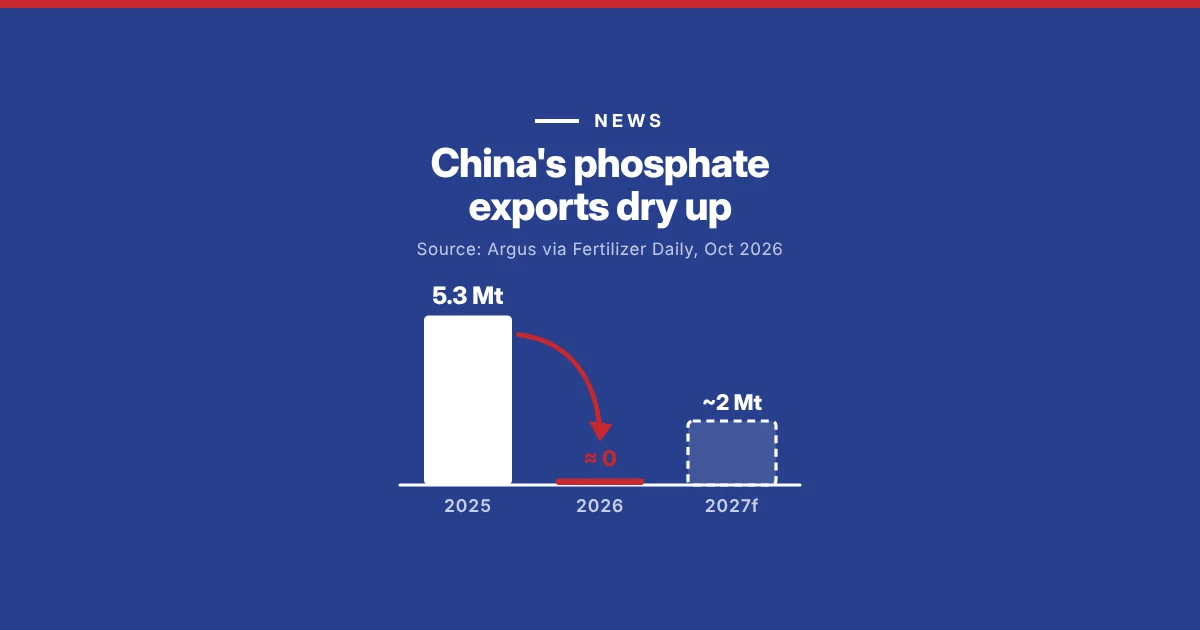
China, which exported about 5.3 million tonnes of phosphate fertilizer in 2025, has shipped almost none in 2026. With sulfur scarce and phosphate prices high, import-dependent markets face a tight season, and every kilo of phosphorus needs to work harder. At Van Polder, we believe a tight phosphate market is a reason to look again […]
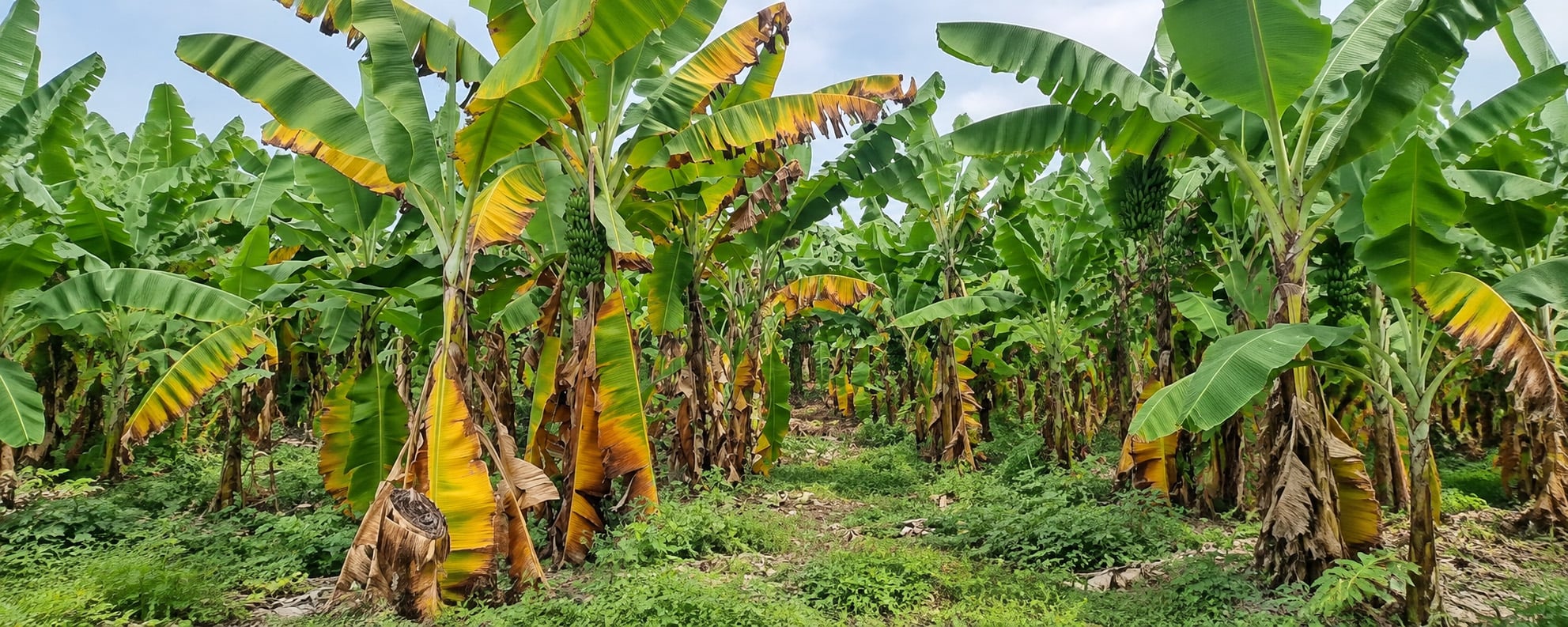
If you are starting a banana farm, Panama disease (Fusarium wilt of banana) is the risk to plan for. How to prevent Panama disease in bananas comes down to keeping the fungus out, because no fertilizer prevents or cures it and once it is in the soil it stays for decades (Pegg et al., 2019; […]
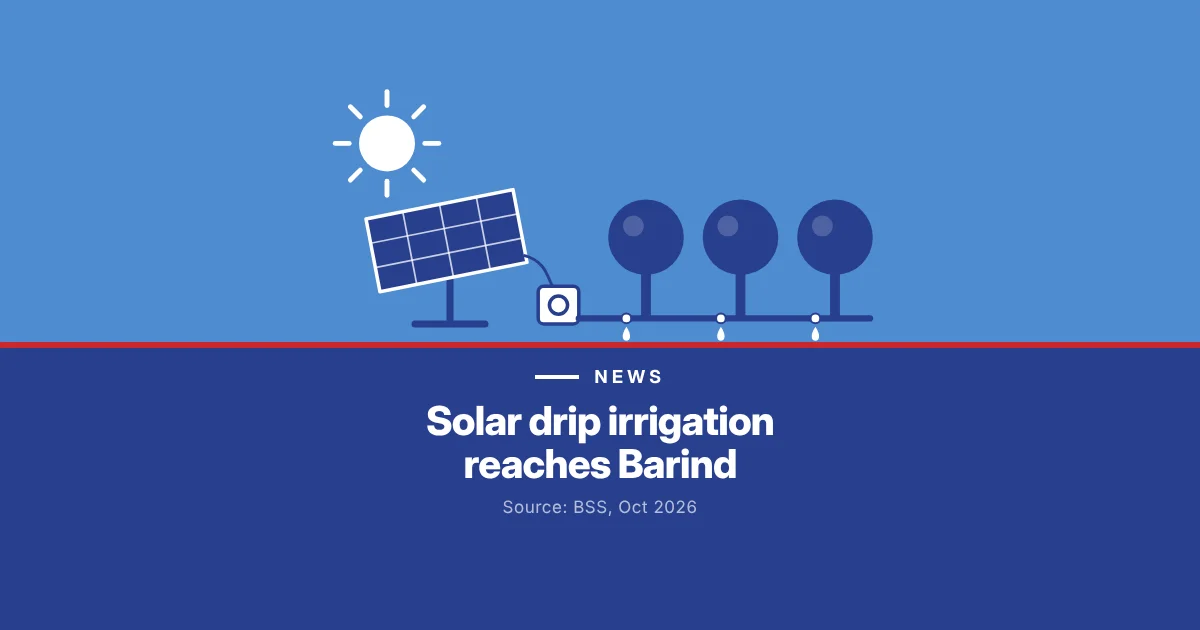
A government project in Bangladesh’s Rajshahi Division has brought solar-powered pumps, including solar drip systems for orchards, to drought-prone land where groundwater has been falling for decades. The Prime Minister wants all diesel irrigation pumps converted to solar within five years. For growers who move to drip, the next step is to feed the crop […]
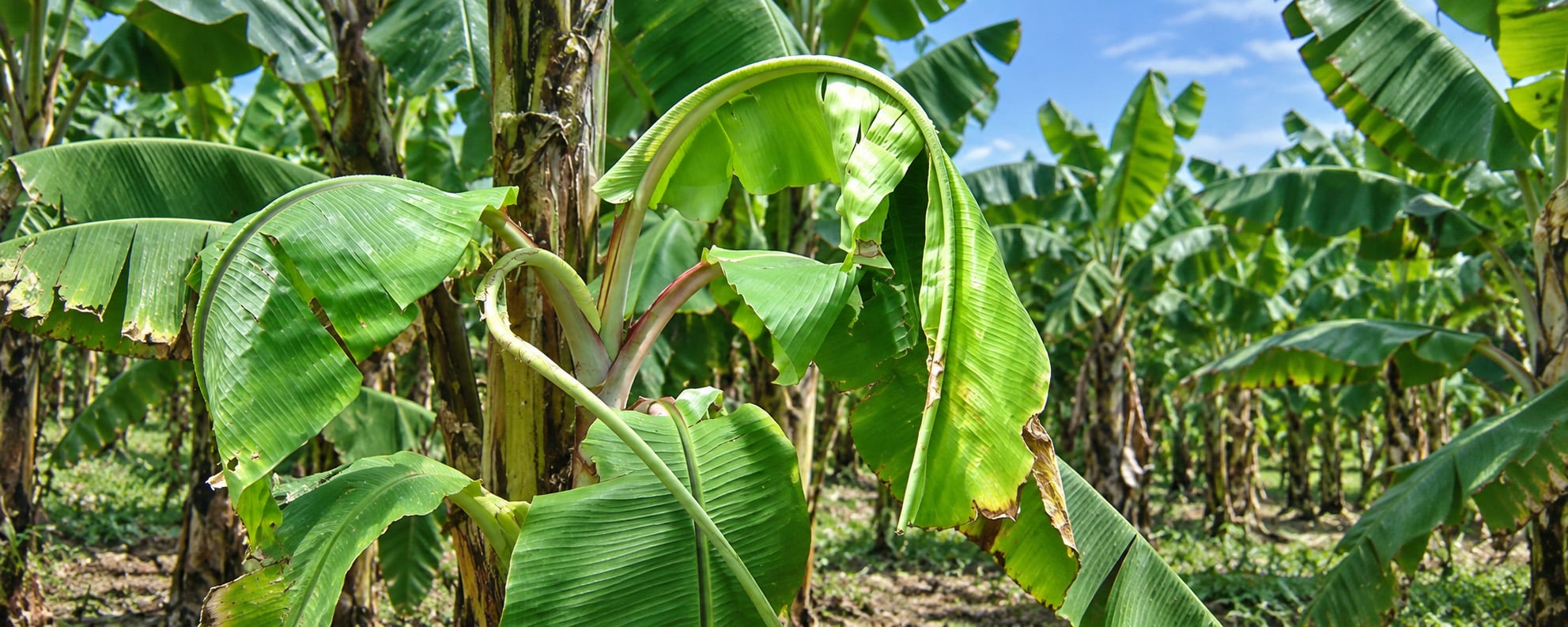
Calcium deficiency in banana shows first on the youngest leaves, as thickened veins and a saw-tooth pattern of yellow and dead tissue along the leaf margin, and in severe cases as “spike leaf”, new leaves with little or no blade, and poor-quality fruit (Turner, 1987; Martin-Prével, 1980). On most plantation soils it is not a […]
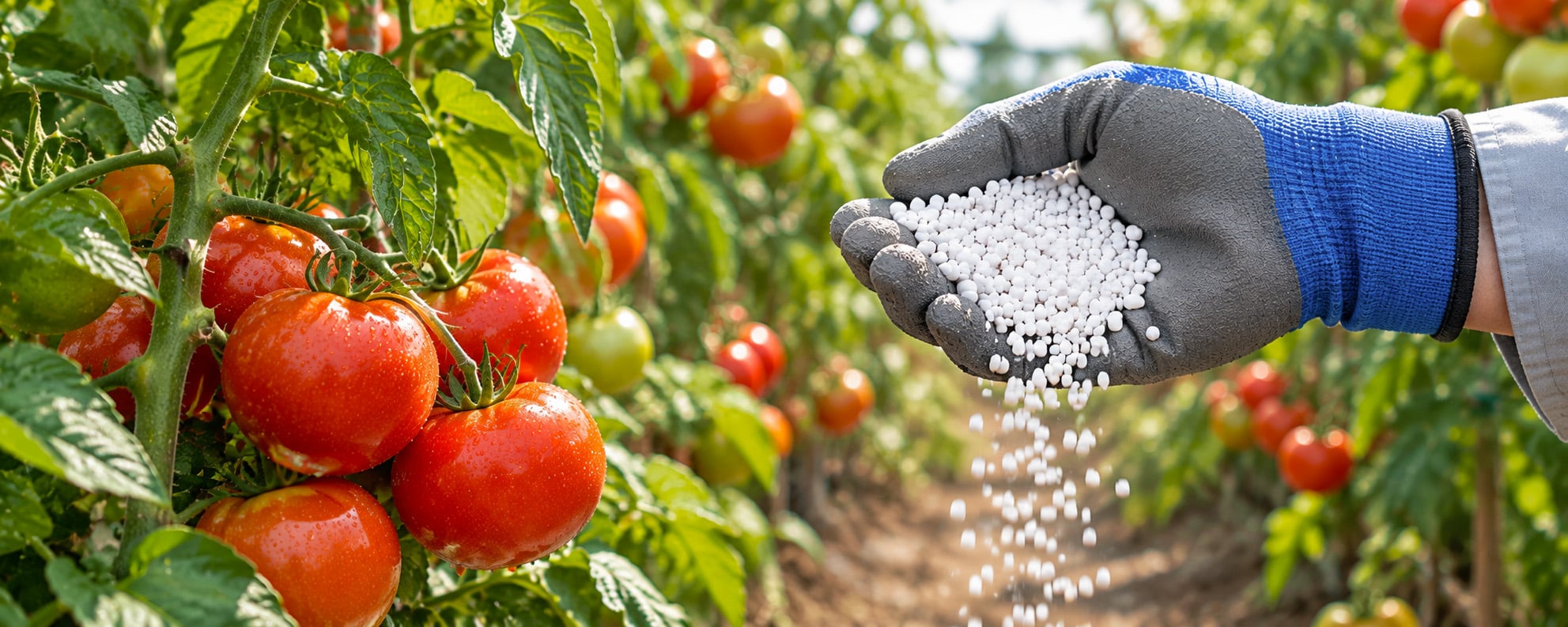
A calcium fertilizer supplies the calcium that holds plant cell walls and membranes together, but whether it reaches the fruit depends as much on water flow as on the fertilizer you choose. Calcium travels with water to the leaves and barely moves out of them again, so fruit and young leaves can run short even […]

An unusually wet winter brought coffee flowering in Minas Gerais forward by about a month, in several separate waves. With October forecast to be hotter than normal and rain patchy, the question for 2027 is now how many of those flowers turn into fruit. At Van Polder, we believe a strong flowering is only the […]