







9 Micronutrients for Soybeans to Optimize Yield and Grain Quality
Soybean yield depends not only on nitrogen, phosphorus, and potassium but also on an adequate supply of essential micronutrients. Although required in small amounts, these nutrients regulate critical processes such as photosynthesis, nitrogen fixation, enzyme activation, and seed development. This guide explores the 9 essential micronutrients for soybeans, their functions, deficiency symptoms, and the most […]
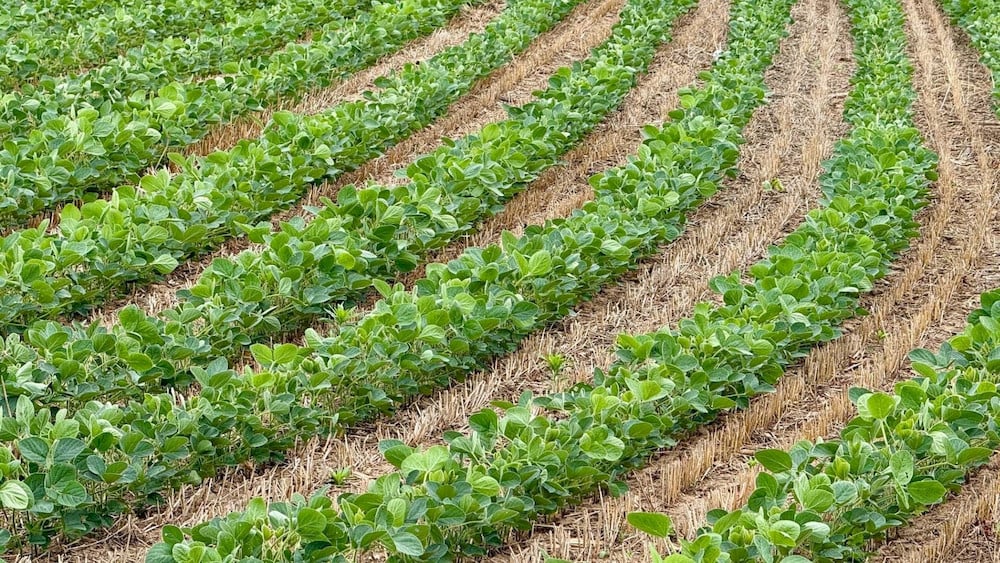

Soybean yield depends not only on nitrogen, phosphorus, and potassium but also on an adequate supply of essential micronutrients. Although required in small amounts, these nutrients regulate critical processes such as photosynthesis, nitrogen fixation, enzyme activation, and seed development. This guide explores the 9 essential micronutrients for soybeans, their functions, deficiency symptoms, and the most effective application methods to support healthy growth and maximize yield.
1. Iron (Fe): The Catalyst for Green Leaves & Nitrogen Fixation
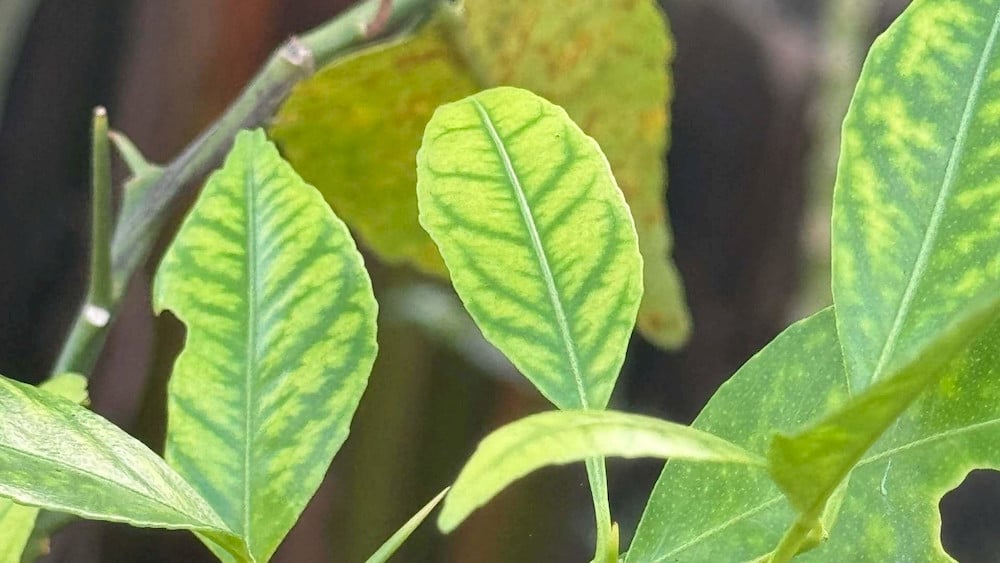
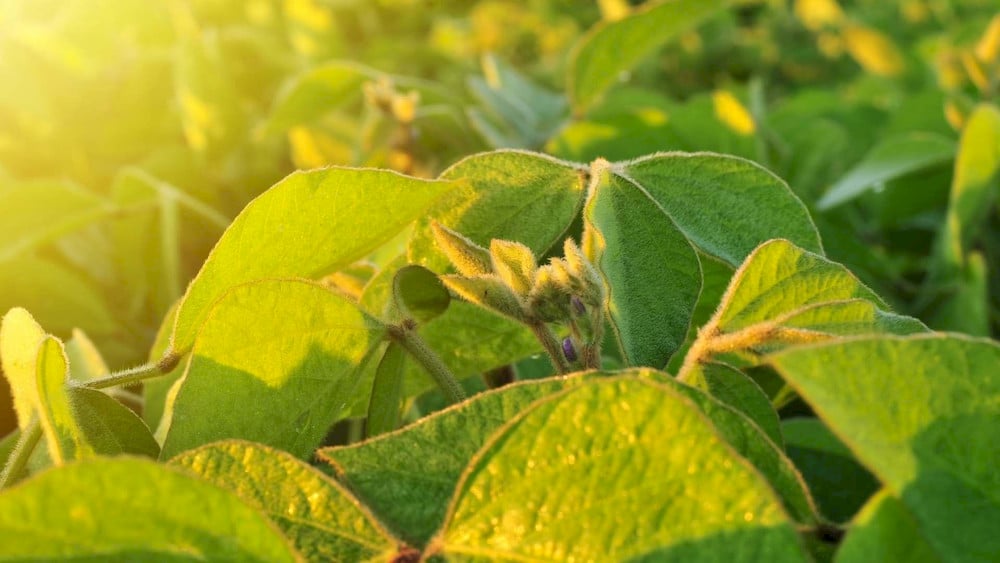
Iron is the most abundant micronutrient in terms of total plant content, yet it is also the most common limiting factor due to its low solubility in certain soils. Soybeans are highly sensitive to iron deficiency, which manifests as iron deficiency chlorosis (IDC).
- Crucial Roles: Iron is essential for chlorophyll synthesis and electron transport during photosynthesis. Critically for legumes, it is a core component of leghaemoglobin, which protects the enzymes responsible for fixing atmospheric nitrogen within root nodules.
- Deficiency Symptoms: Symptoms include interveinal chlorosis(yellowing between green veins) in young leaves. In severe cases, plants become stunted and may eventually die.
- Influencing Factors: High soil pH (>7.4), large amounts of calcium carbonate (bicarbonates), and poorly drained or cool, wet soils significantly reduce iron availability.
- Strategic Solutions:
- The most effective prevention is selecting IDC-tolerant soybean varieties.
- Research indicates that applying chelated iron, specifically the ortho-ortho-EDDHA (o-o-EDDHA) form, directly into the seed furrow at planting is the most stable and effective strategy. In some trials, this has increased yields by approximately 55% in IDC-prone conditions.
2. Boron (B): Strengthening Cell Walls & Boosting Pod Set
Boron plays a specialized role in plant structure and reproduction. Approximately 90% of cellular boron is localized in the cell wall fraction.
- Crucial Roles: It is fundamental for cell wall biosynthesis, membrane function, and tissue differentiation. It also facilitates pollen germination and pollen tube growth, which are essential for successful flowering and pod formation. Boron further supports the development of nitrogen-fixing nodules.
- Deficiency Symptoms: Because it is immobile, deficiency appears at growing points as stunting, swollen nodes, and the death of terminal buds. Leaves may become brittle, leathery, and cup downward.
- Soil Characteristics: Organic matter is the primary source of boron. It is easily leached in humid areas or coarse-textured (sandy) soils and becomes less available during droughts as microbial decomposition slows.
- The Toxicity Warning: Soybeans are highly sensitive to boron excess, with a very narrow margin between sufficiency and toxicity. Broadcast rates as low as 2 lbs/acre can cause toxicity, visible as scorching on leaf edges. To avoid injury, boron should never be applied in-furrow or in contact with the seed.
- Fertilizers: Common sources include water-soluble Sodium Borate and Boric Acid solutions.
3. Copper (Cu): Metabolism & Structural Integrity
Soybean is considered one of the least susceptible crops to copper deficiency, but the element remains essential for metabolic efficiency.
- Crucial Roles: Copper is a component of enzymes vital for photosynthesis, respiration, and the metabolism of carbohydrates and proteins. It is specifically required for the synthesis of lignin, which provides structural strength to cell walls.
- Deficiency Symptoms: Symptoms include stunted growth, reduced nodulation, delayed flowering, and necrosis of leaf tips and stems. Reduced lignin leads to weak stems and loss of turgor.
- Conditions for Deficiency: Deficiencies are most likely in organic (muck/peat) soils, highly leached sandy soils, or calcareous soils with pH between 7 and 8. Cool, wet weather can also trigger symptoms.
4. Zinc (Zn): Stimulating Growth Hormones & Stress Resistance
Soybeans have low to medium susceptibility to zinc deficiency, though it is vital for early-season vigor.
- Crucial Roles: Zinc is a critical co-factor for enzymes and is required for the formation of carbohydrates, proteins, and chlorophyll. It is essential for synthesizing Auxin, a key plant growth hormone, and aids in root development and drought tolerance.
- Deficiency Symptoms: Symptoms appear as interveinal mottling or chlorosis in the upper plant canopy. Severe deficiency can result in small, narrow leaves and shortened internodes.
- Influencing Factors: Availability decreases as soil pH increases. Risk is highest in sandy or eroded soils. High levels of phosphorus (P) fertilization can induce zinc deficiency in marginal soils.
- Fertilizers: Common sources include Zinc Sulfate(highly water-soluble), zinc oxides, and synthetic chelates.
5. Manganese (Mn): Optimizing Photosynthesis & Enzyme Activity
Manganese is an absolute requirement for the water-oxidizing system in Photosystem II, making it a primary engine of photosynthesis.
- Crucial Roles: Beyond its role in photosynthesis, Mn activates numerous enzymes, including those involved in symbiotic nitrogen (N) fixation by legumes. It also serves to protect plant cells from damage by free radicals.
- Deficiency Symptoms: Manifests as distinctive interveinal chlorosis where leaf tissue turns yellow while veins remain dark green. It can appear similar to iron or zinc deficiencies, requiring tissue tests to differentiate.
- Influencing Factors: Availability is highly pH-dependent; uptake is severely restricted in soils with pH > 7.0. Conversely, Mn can become toxic to plants in highly acidic soils. Soils with high organic matter (>6.0%) are also more prone to deficiency.
- Strategic Solutions: Foliar sprays or planter-banded applications are the most effective strategies because Mn broadcast to the soil is rapidly fixed and becomes unavailable.
- Special Note: Growers using glyphosate-tolerant (RR) varieties should note that foliar Mn can antagonize glyphosate herbicides in tank mixtures, reducing herbicide efficacy. Using strongly chelated forms like Mn-EDTA is recommended to minimize this interaction.
6. Molybdenum (Mo): Maximizing Nitrogen Uptake in Root Nodules
Molybdenum is required in the lowest concentrations of all essential elements, yet it is indispensable for the soybean’s ability to acquire nitrogen.
- Crucial Roles: It is an essential component of the enzymes nitrate reductase and nitrogenase, which are required by Rhizobia bacteria for biological nitrogen fixation in root nodules.
- Deficiency Symptoms: Symptoms often mimic nitrogen deficiency, appearing as general leaf yellowing and poor nodulation.
- Soil Characteristics: Unlike most micronutrients, Mo availability decreases as soils become more acidic(pH < 5.8).
- Strategic Solutions: Liming acidic soils to adjust pH to an optimal level is the most effective and common practice to prevent deficiency. Alternatively, seed treatments or low-concentration foliar sprays can be used.

7. Nickel (Ni): Supporting Nitrogen Metabolism
Nickel is the most recent element added to the list of essential plant nutrients and is particularly vital for legumes.
- Crucial Roles: It serves as a structural component of the urease enzyme, which is responsible for converting urea into ammonia for plant use. It is highly beneficial for overall growth and the efficient functioning of root nodules.
- Deficiency Symptoms: Field-grown soybeans often exhibit“hidden deficiency” with no visible leaf symptoms. When symptoms do appear, they include necrosis of the leaf tips(due to the accumulation of toxic ureides) and reduced leaf expansion.
- The Toxicity Warning: Nickel toxicity is occasionally documented and typically mimics the symptoms of Iron Deficiency Chlorosis (IDC).
8. Cobalt (Co): Supporting Atmospheric Nitrogen Fixation
Cobalt is uniquely essential for the Rhizobia bacteria hosted by soybeans, making it a key factor for successful legume production.
- Crucial Roles: It is essential for efficient nodulation and biological nitrogen fixation. It also supports enzymes that regulate general plant growth and metabolism.
- Deficiency Symptoms: Deficiency results in general plant yellowing and stunting.
- Soil Characteristics: Co deficiency is extremely rare and typically only occurs in highly weathered, coarse-textured sandy soils.
9. Chlorine (Cl): Regulating Water Balance & Nutrient Stability
Chlorine exists in nature as the chloride anion (Cl-) and is required in trace amounts, though it is rarely a limiting factor in the Midwest.
- Crucial Roles: It plays a fundamental role in osmotic regulation(water balance) and neutralizing cation charges within the plant. It also contributes to gas exchange, photosynthesis, and disease resistance.
- Deficiency Symptoms: Very rare, as Cl- is readily supplied by rainfall and potash (KCl) fertilizers. Symptoms, when they occur, include chlorosis and wilting of young leaves.
- The Toxicity Warning: Chlorine toxicity is a more common concern, particularly in poorly drained soils or dry areas where Cl- accumulates. Toxicity is identified by premature leaf yellowing, necrosis of leaf tips, and early leaf drop.
10. Strategic Timing for Micronutrient Application
Soybean micronutrient requirements vary throughout the growing season. The table below summarizes the key growth stages, periods of highest nutrient demand, and the optimal timing for micronutrient applications.
| Growth stage | Micronutrient demand & recommendations |
| Vegetative stage (before R1) | Overall micronutrient demand is relatively low. Iron (Fe) is the main exception, with plants absorbing up to 25% of their total seasonal Fe requirement before flowering. |
| R2 – R4 (Full flower to full pod) | This is the peak micronutrient uptake period and the most critical stage for yield formation. Deficiencies during this window can lead to pod abortion and reduced seed size. |
| Before R3 (Beginning pod) | Best timing for foliar micronutrient application. Applying nutrients before R3 ensures they are available when crop demand rises rapidly. |
| Manganese (Mn) | Foliar Mn performs best when applied at R1 (beginning flower), R3 (beginning pod), or split between both stages for improved uptake. |
| After R5.5 (Seed filling) | Nutrient movement changes significantly. Zinc (Zn) and Copper (Cu) are remobilized from leaves and stems into developing seeds, while Iron (Fe) and Manganese (Mn) depend primarily on continued root uptake because they have little or no remobilization from vegetative tissues. |
11. 4 Optimal Application Methods for Maximum Efficiency
The following four methods are commonly used to improve nutrient uptake, reduce losses, and match soybean nutrition with different field conditions and growth stages.
11.1. Soil Application
Soil application is the traditional approach and is generally preferred if a deficiency has been identified via soil testing prior to the growing season.
- Methods: Nutrients can be broadcast and incorporated into the soil or applied in concentrated bands near the seed at planting.
- Advantages: This method provides a steady supply of nutrients over a longer duration. For micronutrients with limited soil mobility, such as Copper (Cu), Manganese (Mn), Iron (Fe), Boron (B), and Zinc (Zn), banding or in-furrow applications are significantly more effective than broadcasting.
- Disadvantages: Efficiency is often compromised in alkaline or calcareous soils where nutrients like Manganese (Mn) are rapidly “fixed” into insoluble forms, making them unavailable to the roots.
- Special Highlight: Applying ortho-ortho-EDDHA (o-o-EDDHA) chelated iron directly into the seed furrow is the most stable and successful strategy for managing Iron Deficiency Chlorosis (IDC) in high-pH soils.
See also: Lawn Micronutrients Fertilizer: Types, Benefits, and How to Apply
11.2. Foliar Spray
Foliar application is the fastest solution for correcting visible deficiency symptoms that appear during the growing season.
- Advantages: Nutrients are absorbed directly through the leaf cuticle and stomata, bypassing soil fixation issues. This method is highly flexible as most micronutrient solutions can be tank-mixed with herbicides or other pesticides to reduce application costs.
- The “Golden Window”: For maximum yield impact, foliar applications should be performed between the R1 (beginning flower) and R3 (beginning pod) stages to coincide with the soybean’s peak nutrient uptake period. A similar timing principle holds for other flowering row crops — cotton, for instance, sees the greatest response when growers identify the best micronutrients for cotton crop and time foliar sprays around early flowering to support boll retention and fiber quality.
- Limitations: Foliar feeding provides only short-term relief and carries a risk of leaf burn if concentrations are too high.
- Manganese Note: Foliar Manganese can antagonize Glyphosate herbicides, reducing weed control. Using the Mn-EDTA chelated form is essential to minimize this negative interaction.

11.3. Seed Treatment
Seed treatment involves coating or soaking soybean seeds with micronutrients before they are planted.
- Cost-Effectiveness: This is the most economical solution for nutrients required in extremely minute quantities, such as Molybdenum (Mo), Zinc (Zn), or Nickel (Ni).
- Applications: Treating seeds with Molybdenum (Mo) is a common practice to support Rhizobia bacteria in efficient nodule formation and nitrogen fixation. Additionally, coating seeds with o-o-EDDHA chelated iron has been shown to increase yields by 55% in IDC-prone environments.
- Warning: This method should never be used for Boron (B) because soybean seeds are highly sensitive to Boron, and direct contact can cause severe toxicity and reduced stands.
11.4. Fertigation
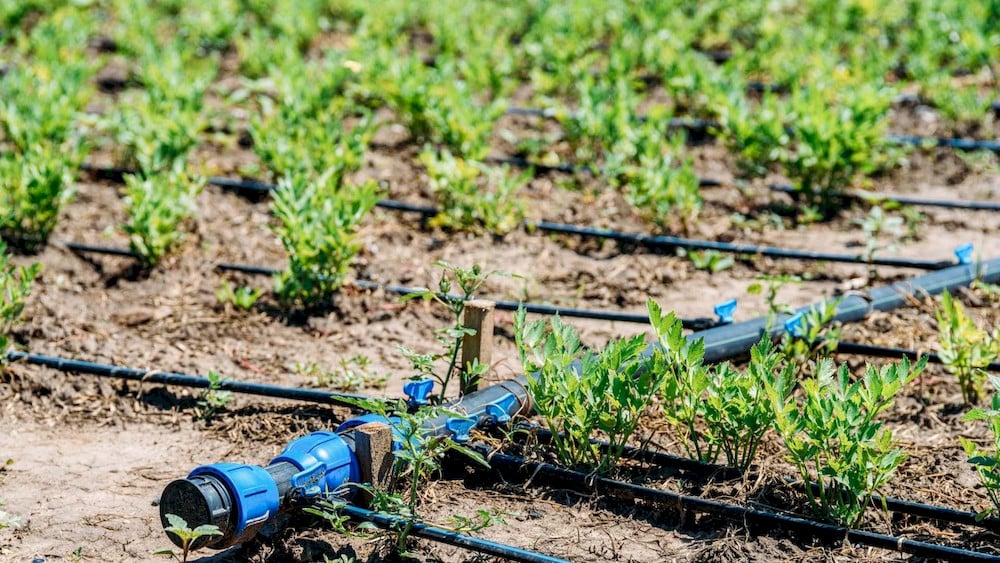
Fertigation is the process of applying water-soluble nutrients through a farm’s existing irrigation system.
- Advantages: It ensures an exceptionally uniform distribution of nutrients across the entire field.
- Suitability: This method is ideal for irrigated soybean systems where water management is already established.
- Benefits: Fertigation allows growers to precisely time nutrient delivery to match the plant’s changing needs at specific growth stages. Because it uses the irrigation system, it eliminates the need for additional machinery passes, thereby reducing fuel costs and preventing soil compaction.
Although required in small amounts, micronutrients for soybeans play an essential role in every stage of crop development, from early vegetative growth to seed filling. Providing the right micronutrients at the appropriate growth stage and through effective application methods helps improve nutrient efficiency, support healthier plants, and maximize both soybean yield and grain quality. The same principle applies to other crops as well — if you’re growing sugarcane, check out this article on micronutrient for sugarcane.


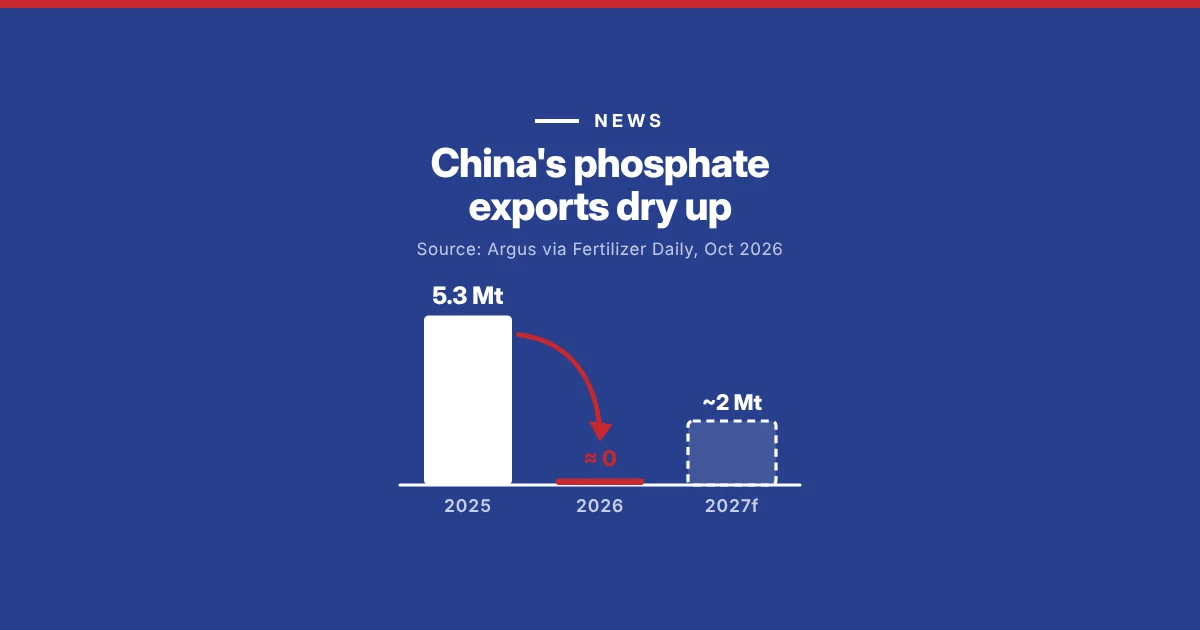
China, which exported about 5.3 million tonnes of phosphate fertilizer in 2025, has shipped almost none in 2026. With sulfur scarce and phosphate prices high, import-dependent markets face a tight season, and every kilo of phosphorus needs to work harder. At Van Polder, we believe a tight phosphate market is a reason to look again […]
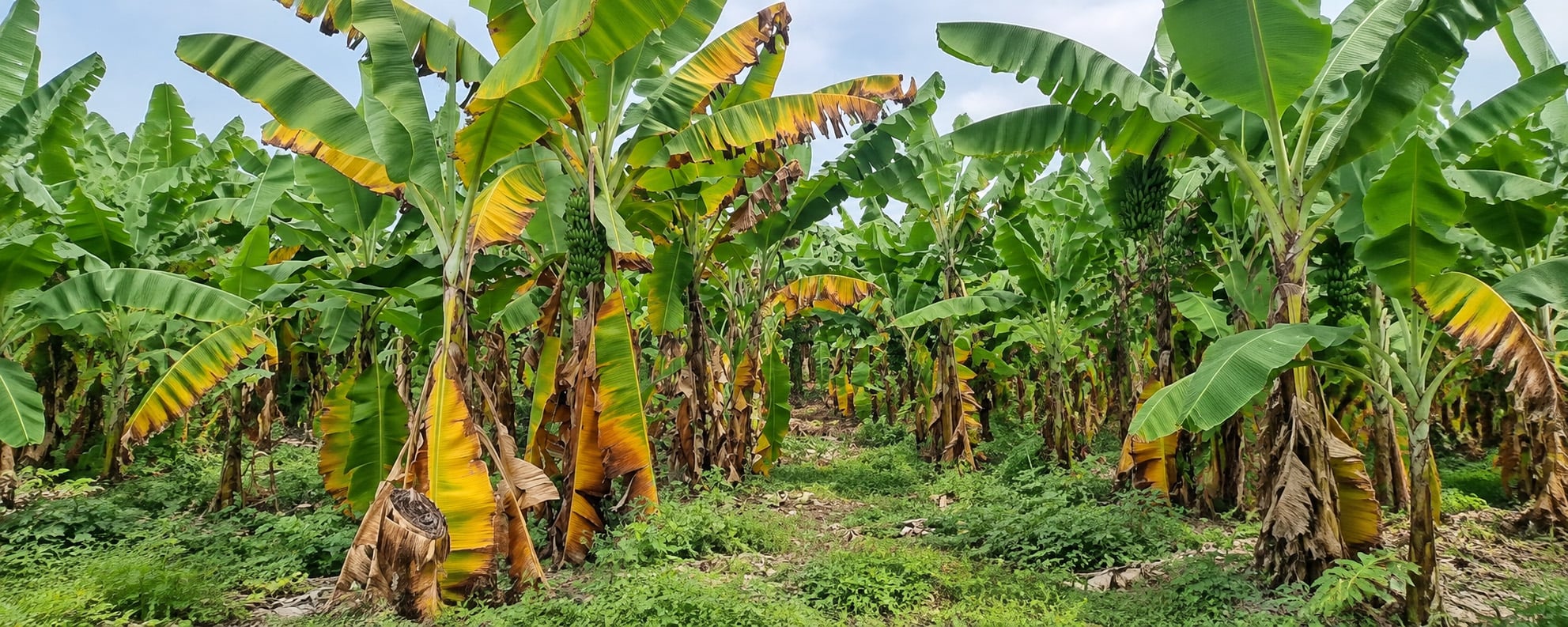
If you are starting a banana farm, Panama disease (Fusarium wilt of banana) is the risk to plan for. How to prevent Panama disease in bananas comes down to keeping the fungus out, because no fertilizer prevents or cures it and once it is in the soil it stays for decades (Pegg et al., 2019; […]
A government project in Bangladesh’s Rajshahi Division has brought solar-powered pumps, including solar drip systems for orchards, to drought-prone land where groundwater has been falling for decades. The Prime Minister wants all diesel irrigation pumps converted to solar within five years. For growers who move to drip, the next step is to feed the crop […]
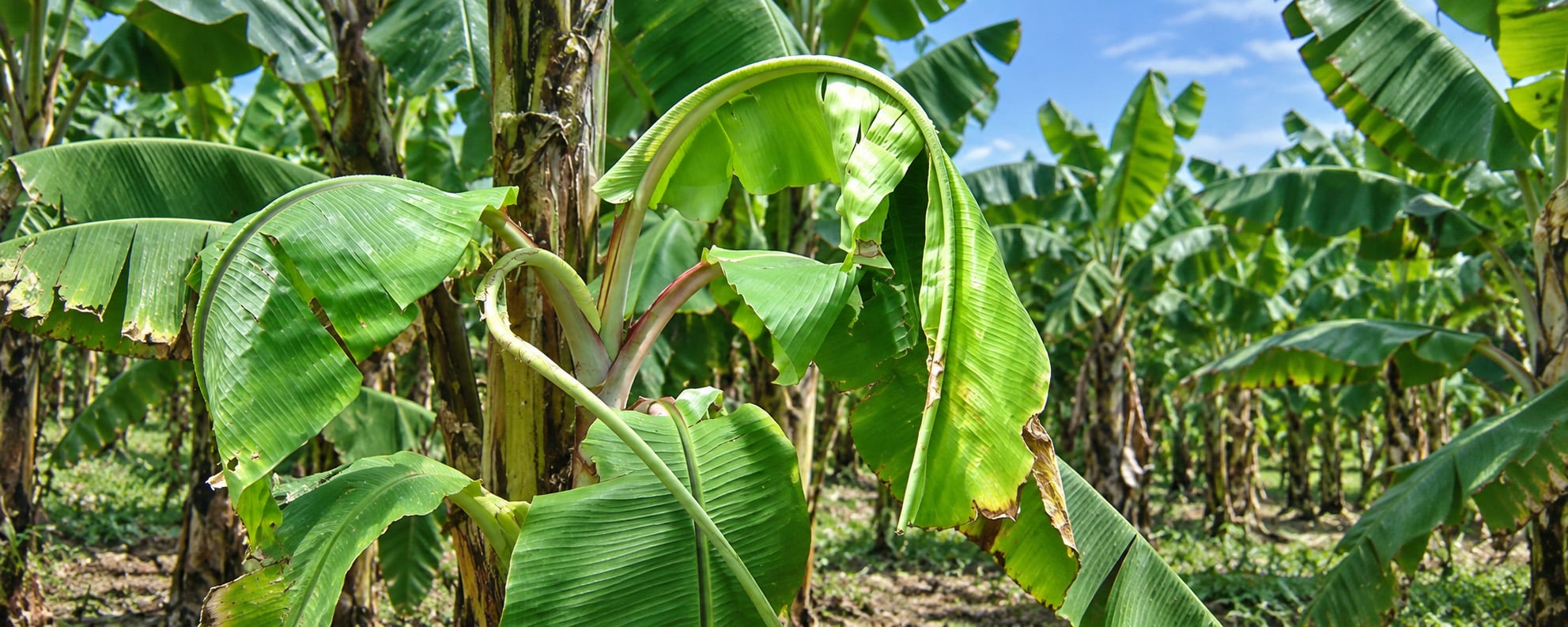
Calcium deficiency in banana shows first on the youngest leaves, as thickened veins and a saw-tooth pattern of yellow and dead tissue along the leaf margin, and in severe cases as “spike leaf”, new leaves with little or no blade, and poor-quality fruit (Turner, 1987; Martin-Prével, 1980). On most plantation soils it is not a […]
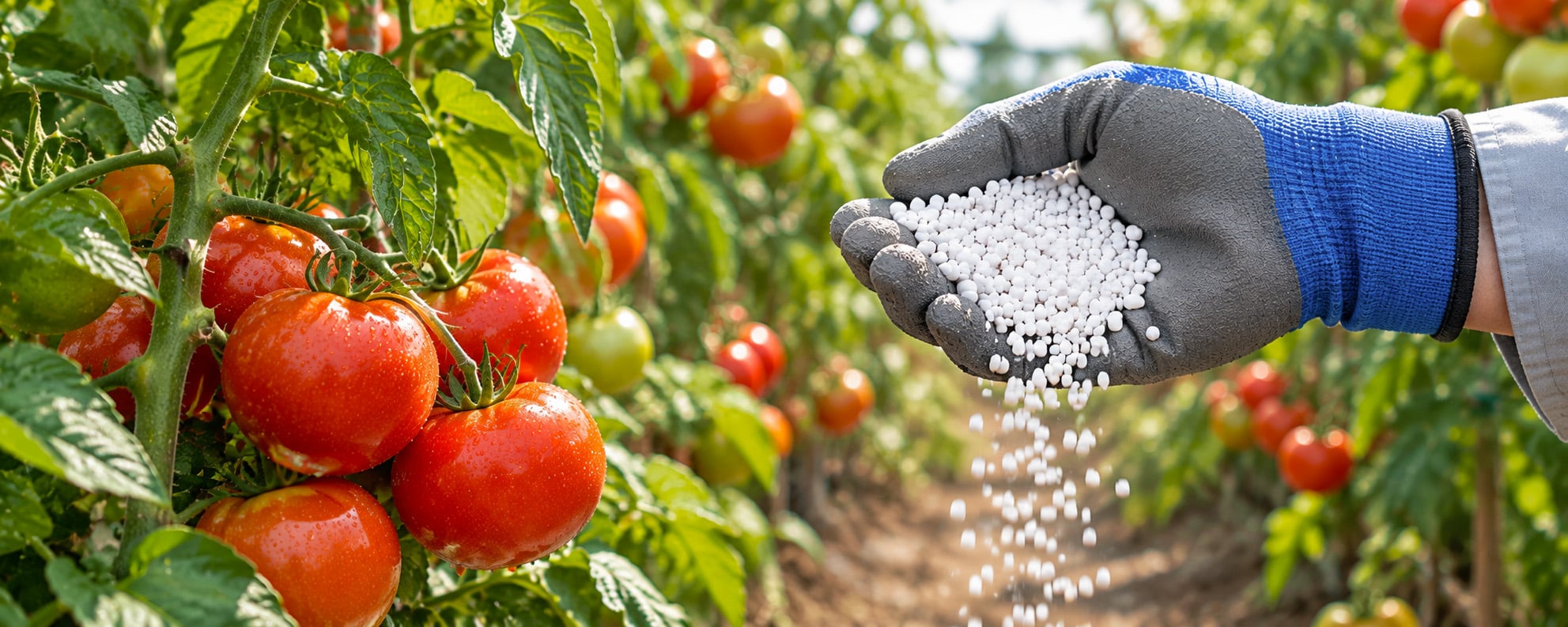
A calcium fertilizer supplies the calcium that holds plant cell walls and membranes together, but whether it reaches the fruit depends as much on water flow as on the fertilizer you choose. Calcium travels with water to the leaves and barely moves out of them again, so fruit and young leaves can run short even […]
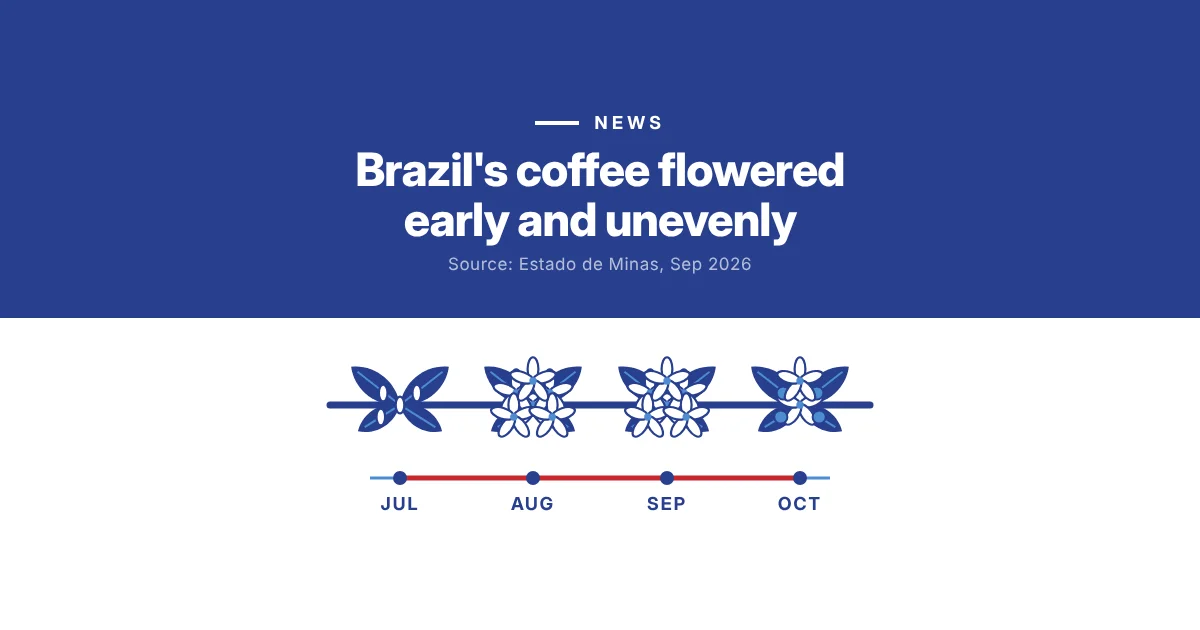
An unusually wet winter brought coffee flowering in Minas Gerais forward by about a month, in several separate waves. With October forecast to be hotter than normal and rain patchy, the question for 2027 is now how many of those flowers turn into fruit. At Van Polder, we believe a strong flowering is only the […]