







Micronutrients in the Soil: Easy Basics You Need to Know
Besides primary macronutrients and secondary ones, soil also supplies several key micronutrients: Copper (Cu), Iron (Fe), Manganese (Mn), Zinc (Zn), Boron (B), Molybdenum (Mo), and Nickel (Ni) that plants need only in tiny amounts, yet they activate enzymes, support chlorophyll formation and help crops absorb and use macronutrients more efficiently. Read on to learn what […]


Besides primary macronutrients and secondary ones, soil also supplies several key micronutrients: Copper (Cu), Iron (Fe), Manganese (Mn), Zinc (Zn), Boron (B), Molybdenum (Mo), and Nickel (Ni) that plants need only in tiny amounts, yet they activate enzymes, support chlorophyll formation and help crops absorb and use macronutrients more efficiently. Read on to learn what micronutrients in the soil are, which factors control their availability, and how to spot deficiency symptoms before they hurt your harvest.
1. What Are Micronutrients in Soil? Why They Matter for Plants
Micronutrients are essential plant nutrients found in tiny trace amounts that are absolutely necessary for a plant to grow, develop, and reproduce. This category consists of several key elements: Copper (Cu), Iron (Fe), Manganese (Mn), Zinc (Zn), Boron (B), Molybdenum (Mo), and Nickel (Ni). Despite being needed in such small quantities, these elements are just as important as macronutrients like Nitrogen, Phosphorus, and Potassium for maintaining optimal plant health.
Micronutrients play a crucial role in maintaining high-quality soil that can support healthy plant growth. Here are the primary ways they benefit the soil environment:
- Enhancement of soil biological activity: These elements support the vital microorganisms responsible for nutrient cycling and organic matter decomposition. For example, iron and manganese are essential for the microbial enzymes that power these processes, leading to improved soil fertility.
- Improvement of soil physical properties: Micronutrients like boron and copper help in the formation and stability of soil aggregates, which improves the overall structure and porosity. This creates a better environment for root penetration, air movement, and water infiltration.

1.1. Zinc (Zn)
Core Biological Roles
- Structural component and activator for over 80 proteins and enzymes.
- Activates RNA polymerase, maintains ribosome structure, and supports protein synthesis.
- Directly determines the speed of photosynthesis.
Technical Notes & Soil Management
- Excess phosphorus (P) fertilizer inhibits zinc uptake or movement from roots to stems.
- The P/Zn ratio is more critical than zinc concentration alone.
- Most effective when applied as zinc chelate or ZnSO₄·7H₂O (2.5 – 10 kg/ha).
1.2. Iron (Fe)
Core Biological Roles
- Catalyst for chlorophyll biosynthesis.
- Essential for respiration, photosynthesis, and symbiotic nitrogen fixation.
- Stored in plants as ferritin protein.
Technical Notes & Soil Management
- High pH (alkaline), limestone soils, or excess manganese (Mn) can immobilize iron.
- Plants may release H⁺ or organic acids to chelate iron.
- Foliar FeSO₄ is more effective than soil application due to rapid oxidation into Fe³⁺.
1.3. Manganese (Mn)
Core Biological Roles
- Activates growth-related enzymes.
- Involved in water-splitting during photosynthesis to release oxygen.
- Component of superoxide dismutase (SOD), which neutralizes free radicals.
Technical Notes & Soil Management
- Excess Mn can induce localized iron (Fe) deficiency.
- Difficult to manage in high-pH soils due to rapid oxidation.
- Best option: 0.5% MnSO₄ foliar spray (~10× more efficient than soil application).
1.4. Copper (Cu)
Core Biological Roles
- Component of oxidative enzymes involved in electron transport and energy production.
- Supports vitamin A formation and protein metabolism.
Technical Notes & Soil Management
- Toxic at low concentrations → soil testing is essential before application.
- Often deficient in sandy soils or high organic matter soils (Cu binding).
- Excess Cu is detoxified via phytochelatins (sulfur-containing peptides).
1.5. Boron (B)
Core Biological Roles
- Regulates cell division in meristem tissues.
- Essential for cell wall formation.
- Supports sugar transport and pollen germination.
Technical Notes & Soil Management
- Non-mobile in plants → must be supplied continuously.
- Easily leached in high rainfall as boric acid B(OH)₃.
- Availability decreases in high pH or drought conditions.
1.6. Chlorine (Cl)
Core Biological Roles
- Regulates osmotic pressure and ionic balance.
- Involved in stomatal function and photosynthetic water splitting.
- Highly mobile in plant tissues.
Technical Notes & Soil Management
- Naturally abundant in the environment (rainwater, fertilizers, air).
- Deficiency is rare; toxicity is more common.
- Chloride fertilizers can improve wheat yield in deficient soils.
1.7. Molybdenum (Mo)
Core Biological Roles
- An essential component of Nitrogenase (for fixing nitrogen) and Nitrate reductase (for converting nitrate into usable nitrogen)
- Highly mobile in plants; critical for legumes and crops with root nodules.
Technical Notes & Soil Management
- Unique factor: Unlike other micronutrients, its availability increases with higher soil pH.
- Frequently becomes deficient in acidic soils.
- Essential for all biological nitrogen fixation systems.
1.8. Molybdenum (Mo)
Core Biological Roles
- Essential micronutrients involved in nitrogen metabolism and plant detoxification.
- Structural component of the urease enzyme, which converts toxic urea into usable ammonium (NH₄⁺).
- Supports nitrogen utilization, biological nitrogen fixation, seed development, and seedling vigor.
Technical Notes & Soil Management
- Availability is affected by soil pH, organic matter, and competition with other micronutrients.
- Apply nickel sulfate (NiSO₄) or nickel chelate only when deficiency is confirmed.
- Excess nickel can cause toxicity; use balanced application.

2. Deficiency Symptoms of Each Micronutrient
When plants lack essential trace elements, they exhibit clear physical warning signs that can lead to stunted growth and significant yield losses. To help identify these issues early, here are the most common visual symptoms for each micronutrient deficiency:
Zinc (Zn)
- Stunted growth with very short stems and internodes.
- “Rosette” formation (leaves clustered in a rose-like shape at shoot tips).
- Mottled yellowing between green veins (interveinal chlorosis).
- Red spots on leaves.
- Poor flower bud development.
- White striping on corn leaves.
Iron (Fe)
- Interveinal chlorosis on young leaves (veins stay green while tissue turns yellow).
- Leaves may become completely pale or creamy white in severe cases.
- Death of shoot tips.
- Branch dieback.
- Possible whole-plant death in extreme deficiency.
Manganese (Mn)
- Interveinal yellowing on young leaves (less sharply defined than iron deficiency).
- Brown spots or streaks (especially in barley).
- White striping in wheat.
- Gray spotting in oats.
Copper (Cu)
- Dark blue or yellowish leaves with curled edges.
- Dieback of young shoots.
- Reduced flowering.
- Bark cracking with gum exudation in fruit trees.
- Formation of gum pockets in citrus fruits (e. g., oranges).
Boron (B)
- Death of growing tips and flower buds.
- Short, thickened, clustered stems.
- Twisted or distorted leaves with yellow veins.
- Severe bud, flower, and young fruit drop.
Chlorine (Cl)
- Young leaves turn dark blue-green before wilting.
- Progression to yellowing and necrosis.
- Bronze-like sheen on leaves.
- Excessive lateral root growth.
- Yellow spotting and dead tissue in crops like tomato and barley.
Molybdenum (Mo)
- Mottled yellowing between green veins.
- Leaf curling or cupping.
- Leaf margins appear scorched or burnt.
- General chlorosis similar to nitrogen deficiency.
Nickel (Ni)
- Leaf tip necrosis caused by toxic urea accumulation in severe deficiency.
- Chlorosis (yellowing) of young leaves, sometimes resembling iron or sulfur deficiency.
- Stunted growth, shortened internodes, weak shoots, and possible death of terminal buds.
- “Mouse-ear” leaves in pecan and some ornamental plants, where leaflets develop rounded and stunted tips instead of normal pointed growth.
3. The 4 Main Factors Affecting Micronutrient Availability
Even when micronutrients are present in the soil, plants cannot always absorb them. The following are four key factors affecting micronutrient availability.
3.1. Soil PH – Directing Micronutrient Availability
Soil pH acts as the main control factor determining whether micronutrients are available for plant uptake. It influences how easily these nutrients dissolve in soil water, how they move through the soil, and how readily roots can absorb them.
- The “Locking” Effect: When soil becomes too alkaline (high pH), micronutrients like Iron, Zinc, Copper, and Manganese become much harder for plants to absorb. This happens because certain iron-rich surfaces in the soil act like strong magnets, grabbing these nutrients and holding them so tightly that the roots cannot pull them away
- The Boron Exception: Boron is unique because, in most soils (with a pH below 8), it stays in a neutral form that carries no electric charge. This special characteristic allows it to stay dissolved in the soil water and move more freely than other minerals.
3.2. Organic Matter – Enhancing Nutrient Uptake
Soil organic matter acts as a storage and protective system for micronutrients, reducing their fixation in soil and improving their availability to plants. It binds micronutrients through complex formation, preventing them from being locked by soil particles.
Soil organic matter is mainly divided into two groups:
- Water-insoluble fraction: mainly humin and stable humic substances, which contribute to long-term nutrient retention and soil structure.
- Water-soluble fraction: mainly humic and fulvic acids, which actively form chelates with micronutrients and enhance their mobility in soil water.
How it works: Think of organic matter as having “natural magnets” that carry a negative charge. These magnets attract and grab onto the positive charges of micronutrients like Zinc, Iron, and Copper.
Natural Protection: This process, known as natural chelation, surrounds these minerals with organic molecules, forming a protective complex. As a result, instead of being fixed onto soil particles or turning into insoluble forms, the nutrients remain dissolved in soil water and stay in a plant-available “ready-to-absorb” state for root uptake.
3.3. Temperature – Impact on Root Activity and Nutrient Absorption
Soil temperature acts as a “biological engine” for your plants. When the ground gets too cold, the availability of essential micronutrients drops significantly, making it much harder for plants to grow and stay healthy.
How it works: Low temperatures slow down the activity of both the roots and the tiny microbes living in the soil. This sluggishness delays the natural process of breaking down and releasing nutrients (mineralization), which directly reduces the amount of usable Copper (Cu) that is normally held in the soil’s organic matter.
| The Root of Iron Deficiency: When roots grow and breathe slowly in cold soil, they cannot process gases efficiently. This leads to an increase in dissolved CO₂ and a buildup of bicarbonates (HCO₃⁻). This chemical buildup is the core reason why plants suffer from severe Iron (Fe) deficiency during cold periods. |

3.4. Moisture – Balancing Mineral Mobility and Root Oxygen Levels
Water acts as the main transport medium for plants, carrying dissolved micronutrients to the roots and supporting the chemical reactions that make these nutrients available for uptake. Maintaining proper soil moisture is essential to keep this system balanced.
- Dry Soil (Drought): When the soil dries out, nutrients stop moving freely. Instead of dissolving in water where roots can “drink” them, micronutrients become stuck tightly to the surface of soil particles. In this state, even if the nutrients are physically in the ground, the plant cannot absorb them.
- Heavy Rain (Leaching): On the other hand, excessive rainfall can wash these tiny elements deep into the lower layers of the earth. This process, known as leaching, moves nutrients so far down that the plant’s roots can no longer reach them..
- Waterlogged Soil (Lack of Oxygen): When soil is flooded, water fills the spaces normally occupied by air, preventing oxygen from reaching the roots. This lack of air triggers chemical reactions that cause a severe drop in the amount of usable Manganese (Mn) available to the plant.
4. How Soil Types Dictate Micronutrient Levels
Soil texture and chemistry strongly influence how well plants can access micronutrients. Each soil type affects nutrient retention, movement, and uptake in different ways.
- Sandy Soils: Sandy soils have large particles and low surface area, so they cannot hold nutrients effectively. As a result, micronutrients such as boron (B) and zinc (Zn) are easily lost through leaching during rain or irrigation, often leading to deficiencies.
- Clay Soils: Clay soils consist of very fine particles with a high surface area, allowing them to strongly bind and retain nutrients. However, when clay soils become compacted or waterlogged, oxygen levels drop, restricting root growth and reducing the plant’s ability to absorb the stored micronutrients.
- Calcareous and Alkaline Soils: These high-pH soils, often rich in lime, can “lock” nutrients such as iron (Fe) and zinc (Zn). Chemical reactions cause these elements to precipitate into insoluble forms, making them unavailable for plant uptake.
- Peat and Organic Soils: Although organic matter is generally beneficial, excessive amounts can create nutrient imbalances. In peat-rich soils, organic compounds can bind copper (Cu) very strongly, limiting its availability and causing localized copper deficiency despite its presence in the soil.

5. How to Replenish Micronutrients in Soil
Below are five effective methods to restore and maintain micronutrient availability in soil.
- Micronutrient fertilization: Apply nutrients directly to soil, leaves, or seeds using suitable micronutrient sources based on crop needs and soil conditions. Chelated forms may be used in specific situations, such as high-pH soils, where they can help improve micronutrient availability and plant uptake efficiency.
- Organic matter addition: Mulching with compost or manure supplies natural trace elements while supporting beneficial soil microbes that help keep nutrients available for plant use.
- Soil pH management: Test soil every 2 – 3 years. Use lime to raise pH in acidic soils or sulfur to lower pH in alkaline soils, ensuring micronutrients stay in plant-available forms.
- Crop rotation: Growing crops with different root systems improves nutrient use from various soil depths and helps prevent localized depletion of specific micronutrients.
- Biofertilizers: Beneficial microorganisms help solubilize and mobilize “locked” micronutrients in the soil, converting them into forms that plants can easily absorb.

The balance of micronutrients in the soil is shaped by complex interactions between pH, organic matter, temperature, moisture, and soil type. When properly managed, these elements support strong plant development, efficient metabolism, and stable yields. By recognizing how availability changes and applying the right soil practices, growers can prevent deficiencies and maintain long-term soil productivity.


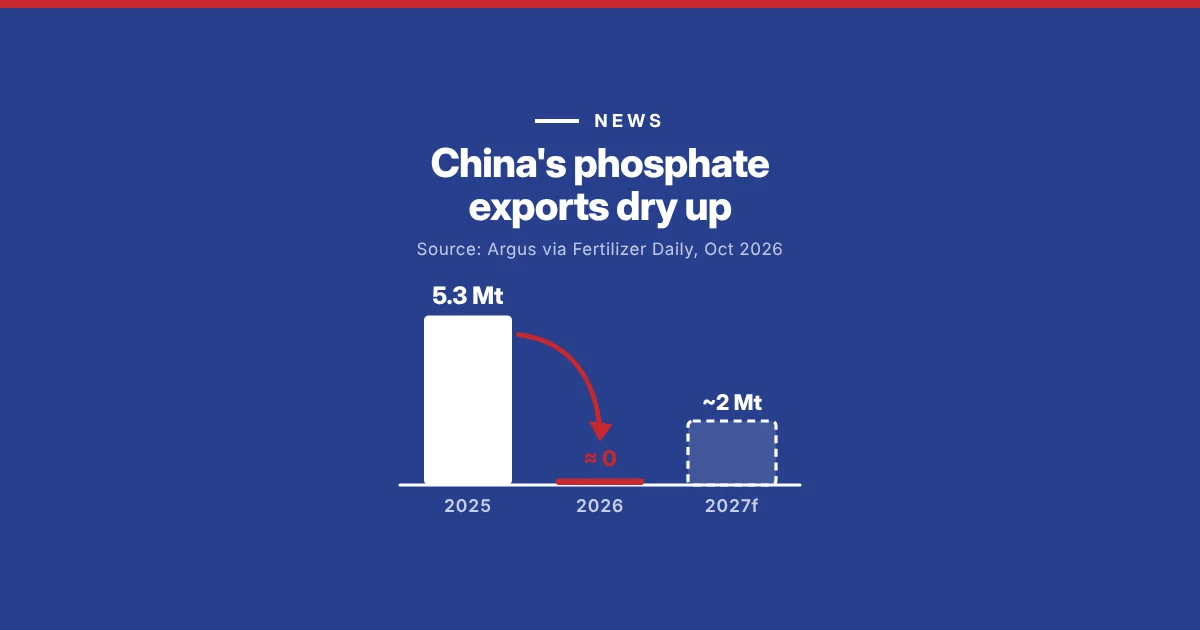
China, which exported about 5.3 million tonnes of phosphate fertilizer in 2025, has shipped almost none in 2026. With sulfur scarce and phosphate prices high, import-dependent markets face a tight season, and every kilo of phosphorus needs to work harder. At Van Polder, we believe a tight phosphate market is a reason to look again […]

If you are starting a banana farm, Panama disease (Fusarium wilt of banana) is the risk to plan for. How to prevent Panama disease in bananas comes down to keeping the fungus out, because no fertilizer prevents or cures it and once it is in the soil it stays for decades (Pegg et al., 2019; […]

A government project in Bangladesh’s Rajshahi Division has brought solar-powered pumps, including solar drip systems for orchards, to drought-prone land where groundwater has been falling for decades. The Prime Minister wants all diesel irrigation pumps converted to solar within five years. For growers who move to drip, the next step is to feed the crop […]
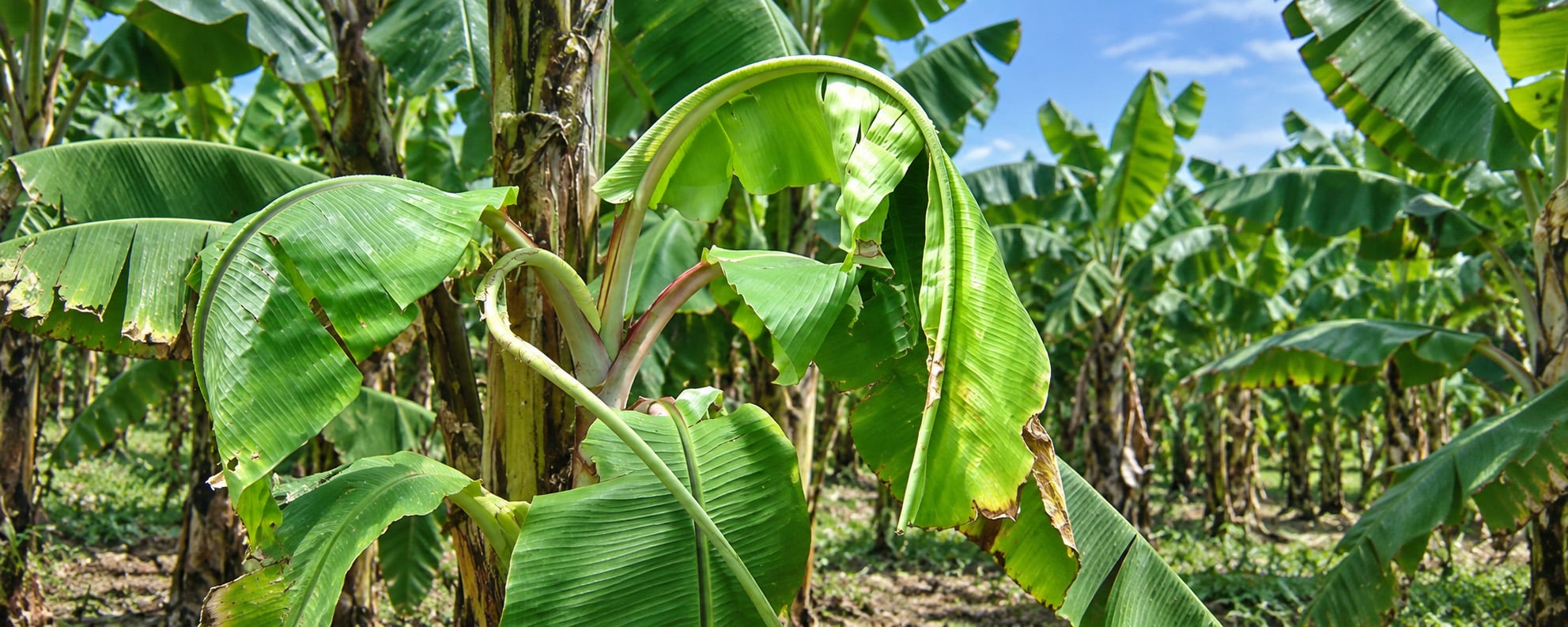
Calcium deficiency in banana shows first on the youngest leaves, as thickened veins and a saw-tooth pattern of yellow and dead tissue along the leaf margin, and in severe cases as “spike leaf”, new leaves with little or no blade, and poor-quality fruit (Turner, 1987; Martin-Prével, 1980). On most plantation soils it is not a […]
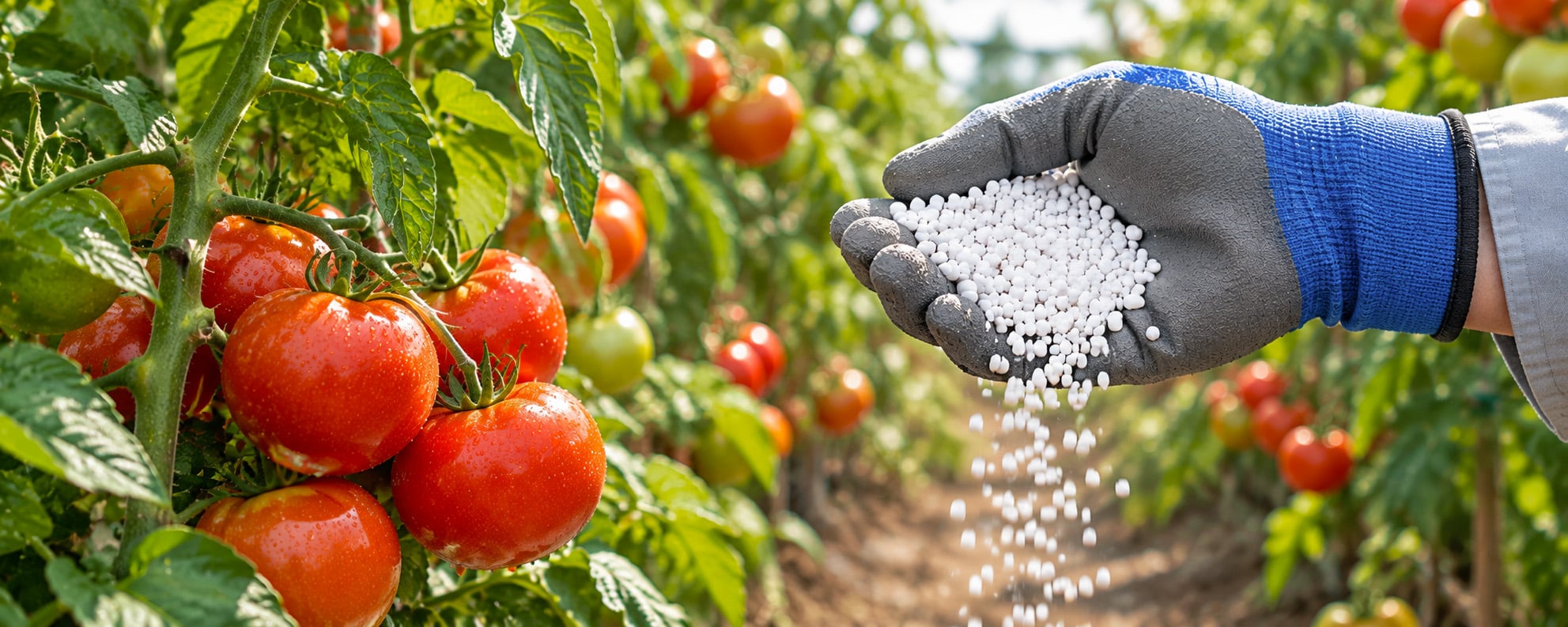
A calcium fertilizer supplies the calcium that holds plant cell walls and membranes together, but whether it reaches the fruit depends as much on water flow as on the fertilizer you choose. Calcium travels with water to the leaves and barely moves out of them again, so fruit and young leaves can run short even […]

An unusually wet winter brought coffee flowering in Minas Gerais forward by about a month, in several separate waves. With October forecast to be hotter than normal and rain patchy, the question for 2027 is now how many of those flowers turn into fruit. At Van Polder, we believe a strong flowering is only the […]