







Enhancing Growth and Fruit Quality with Micronutrients for Papaya Plants
Achieving uniform, high-quality papaya fruits requires more than just a balanced NPK supply. Micronutrients for papaya plants, including Boron, Zinc, Iron, Manganese, and Copper, regulate key processes such as flowering, fruit formation, sugar accumulation, and plant defense. Understanding the function of each micronutrient and recognizing early deficiency symptoms allows growers to develop a more precise […]
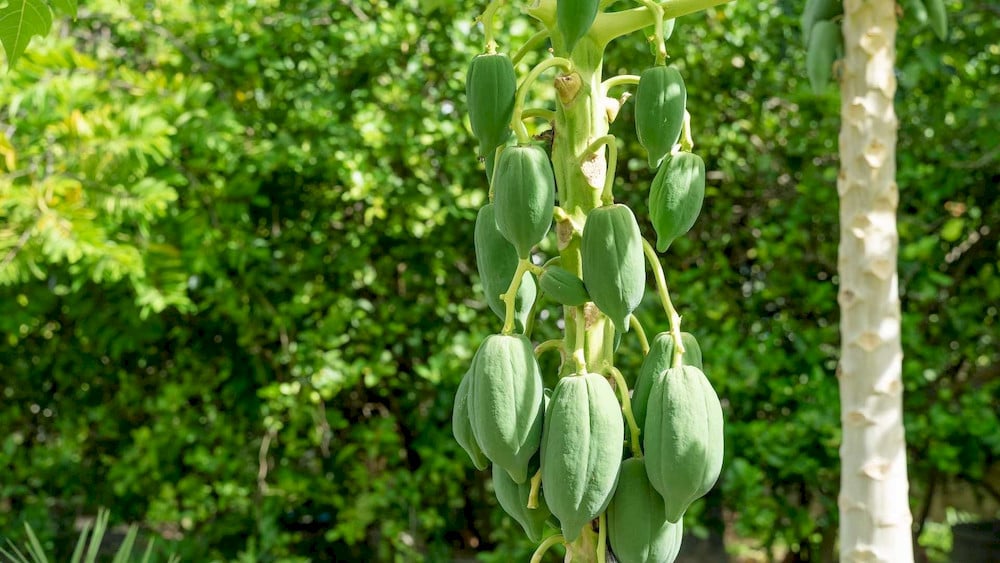

Achieving uniform, high-quality papaya fruits requires more than just a balanced NPK supply. Micronutrients for papaya plants, including Boron, Zinc, Iron, Manganese, and Copper, regulate key processes such as flowering, fruit formation, sugar accumulation, and plant defense. Understanding the function of each micronutrient and recognizing early deficiency symptoms allows growers to develop a more precise nutrition program for healthier plants and improved fruit production.
1. Vital Roles of 5 Micronutrients for Papaya Plants
Each micronutrient contributes to a different aspect of papaya growth and fruit production. The following section highlights the specific roles of the five essential micronutrients:
1.1. Boron (Bo) – The Most Critical Element
Boron is one of the most important micronutrients for papaya production due to its limited mobility within the plant. A continuous supply is required to support active growing tissues, especially during flowering and fruit development.
- Flowering and Fruit Set: Boron plays an essential role in cell division at growing points and pollen tube elongation, helping improve pollen viability, flower development, and successful fruit formation.
- Sugar Transport and Fruit Development: Boron contributes to carbohydrate movement by forming sugar-borate complexes, supporting uniform fruit development and reducing disorders such as misshapen or unevenly ripened fruit.
- Fruit Quality Improvement: When applied together with Zinc, Boron can improve yield performance, Total Soluble Solids (TSS), sweetness, and Vitamin C content in papaya fruits.
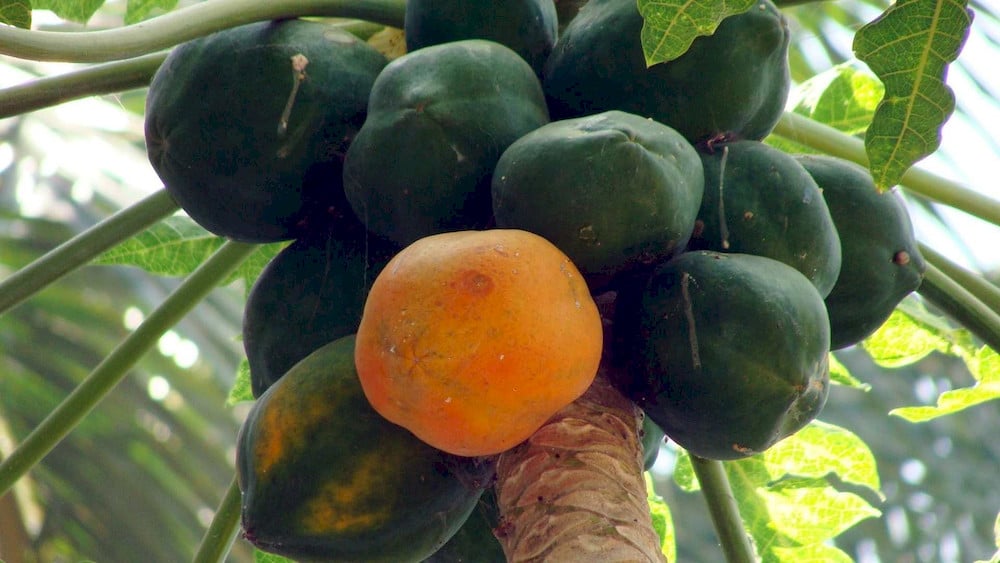
1.2. Zinc (Zn) – Metabolism and Growth Regulator
Zinc functions as an important regulator of plant growth by supporting enzyme activity, hormone synthesis, and essential metabolic pathways.
- Growth Hormone Production: Zinc contributes to tryptophan synthesis, which is required for auxin production. This hormone promotes cell division, cell expansion, leaf development, and overall vegetative growth.
- Photosynthesis and Nutrient Metabolism: Zinc participates in enzyme systems involved in chlorophyll formation, carbon metabolism, and water regulation, helping maintain efficient photosynthetic activity.
- Yield Improvement: Adequate Zinc availability, particularly through foliar application, has been associated with increased fruit weight, fruit number, and papain (latex) production.
1.3. Iron (Fe) – Sweetness and Cellular Protection
Iron is essential for energy metabolism and cellular protection, supporting both fruit quality development and plant resilience.
- Improving Fruit Quality: Foliar application of ferrous sulfate (FeSO₄) has been reported to increase total sugar content and TSS levels, contributing to sweeter papaya fruits.
- Oxidative Stress Protection: Iron is a key component of catalase, an enzyme involved in detoxifying reactive oxygen species (ROS) and protecting plant tissues from oxidative damage under stressful conditions.
1.4. Manganese (Mn) – Photosynthesis Catalyst
Manganese plays a central role in energy production and nutrient metabolism, particularly through its involvement in photosynthesis.
- Photosystem II Function: Manganese acts as a cofactor in the oxygen-evolving complex of Photosystem II, enabling water splitting and supporting the production of electrons required for photosynthesis.
- Nitrogen Metabolism: It activates enzymes involved in nitrate assimilation and respiration, improving the plant’s ability to utilize nitrogen for protein synthesis and growth.
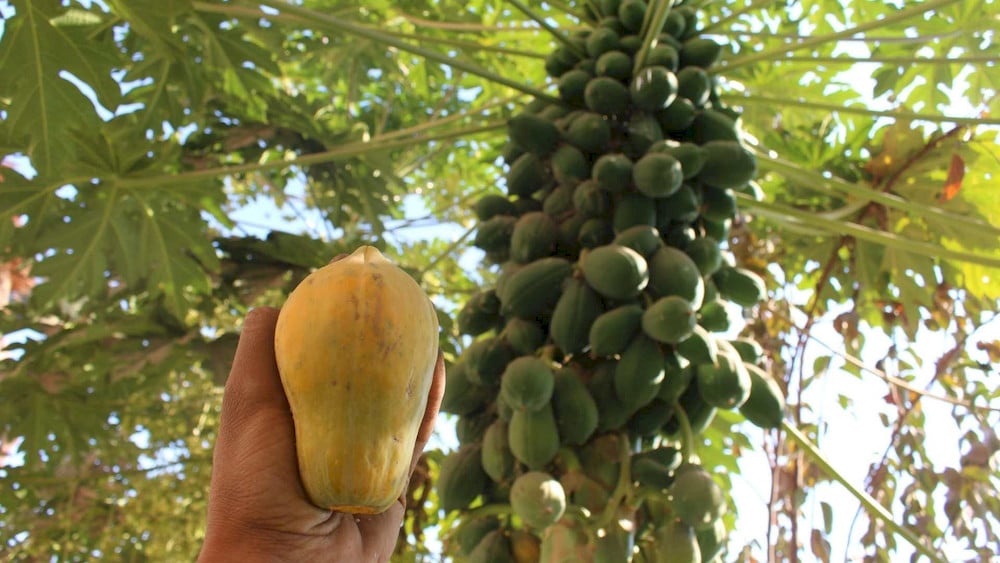
1.5. Copper (Cu) – Structural Integrity and Defense
Copper contributes to both physical plant strength and biochemical defense mechanisms.
- Stem and Branch Strength: Copper supports lignin biosynthesis, a process responsible for strengthening cell walls and improving the structural stability of stems and branches.
- Disease Resistance Support: By promoting lignin formation and enzyme activity, Copper helps reinforce plant tissues and contributes to natural defense responses against pathogens.
- Seed Development and Enzyme Activity: Copper is involved in reproductive development and regulates enzymes associated with plant metabolism and defense systems.
| The Synergistic Role of Micronutrients in Plant Defense The combined action of micronutrients can provide broader support for papaya plant health compared with the function of individual elements alone. Zinc, Iron, Manganese, and Copper are involved in the formation and activation of antioxidant defense enzymes, including Superoxide Dismutase (SOD), Catalase (CAT), and Peroxidase (POD). These enzymes help regulate reactive oxygen species (ROS) levels in plant tissues, reducing oxidative stress and supporting normal metabolic activity under unfavorable conditions. Maintaining adequate micronutrient availability also contributes to stronger plant structure, efficient physiological functions, and more stable fruit production. |
2. Identifying Micronutrient Deficiency Symptoms in Papaya
Recognizing micronutrient deficiency symptoms at an early stage is important for maintaining healthy papaya growth and preventing reductions in fruit production. Since several micronutrients have limited mobility within the plant, deficiency symptoms often appear first in young tissues, growing points, flowers, and developing fruits.
Boron (B) deficiency: Because Boron is relatively immobile within the plant, deficiency symptoms mainly occur in actively growing tissues.
- Young leaves become wrinkled, thickened, and light green at the base, while the terminal growing point may show restricted development or stop growing.
- Flowers may shed prematurely, and impaired pollen tube development can reduce successful fruit sets.
- Developing fruits may become deformed, bumpy, and unevenly ripened due to irregular fertilization and seed development. Pinkish-white to brown latex secretion may also appear during fruit development.
Zinc (Zn) deficiency: Zinc deficiency mainly affects vegetative growth due to its role in hormone synthesis and cell development.
- Stem internodes become shortened, creating a compact or rosette-like growth appearance.
- Young leaves may become smaller, narrow, pointed, and chlorotic, resulting in reduced leaf expansion and weaker plant growth.
Iron (Fe) deficiency: Iron deficiency is less common in papaya but may occur in high-pH or calcareous soils where Iron availability is reduced.
- Young leaves develop interveinal chlorosis, with yellowing between the veins while the veins remain green.
- Under severe deficiency, leaves may become pale or nearly white due to reduced chlorophyll formation, while older leaves often remain greener.
Manganese (Mn) deficiency: Manganese deficiency commonly appears on young, fully expanded leaves and affects photosynthetic performance.
- Leaves develop light green mottling between veins, while darker green bands remain along the main veins.
- In severe cases, leaf tissues may turn yellowish and develop brown necrotic spots.
Copper (Cu) deficiency: Copper deficiency can affect the development of young tissues and reduce structural strength in papaya plants.
- Terminal growth becomes restricted, and the growing points may weaken or experience dieback.
- Young leaves may become twisted, distorted, or bleached, with brown necrotic spots appearing along leaf margins and tips.
See also: 9 Micronutrients for Soybeans to Optimize Yield and Grain Quality
3. Optimized Micronutrient Application for Papaya
The following guidelines summarize the recommended dosage, delivery methods, timing, and important considerations for managing essential micronutrients for papaya plants.
| Nutrient | Recommended Dosage | Application Method | Timing | Key Notes |
| Boron (B) | A total of 20 – 40 g Boron per tree is generally sufficient. | Apply to soil as Borax (20 g/tree) or spray foliage with 0.1% boric acid solution. | – Soil application: At planting.
– Foliar spray: Every 3 months, starting from the 6th month after planting. |
Boron is the most critical micronutrient for pollination and fruit development. Since excessive Boron can cause toxicity, soil application and foliar spraying should not be carried out at the same time. |
| Zinc + Boron (Zn + B) | Foliar spray with a mixture of 0.5% ZnSO₄ + 0.1% boric acid. | Foliar application. | Apply at the 4th and 8th months after planting. | The combination of Zinc and Boron improves fruit weight, fruit number per tree, and papain latex yield. |
| Iron (Fe) | Foliar application using 0.15% ferrous sulfate (FeSO₄). | Foliar spray or soil drenching with chelated Iron depending on soil pH conditions. | Apply monthly, beginning 15 days after planting. | Iron application improves total sugar content and Total Soluble Solids (TSS). In high-pH soils, use EDDHA-chelated Iron through soil application to maintain availability. |
| Manganese (Mn) | Soil application: 25 – 50 g manganese sulfate/tree. Foliar application: 0.1 – 0.5% concentration. | Soil application or foliar spray. | Apply monthly during periods of active plant growth. | Foliar spraying is more effective in high-pH soils or heavily limed soils, where Manganese can become immobilized and unavailable to roots. |
| Copper (Cu) | 10 – 15 g copper sulfate/tree/year or foliar spray at 0.2% concentration. | Soil incorporation or foliar application. | Apply periodically to maintain plant structural development. | Copper supports structural integrity and plant defense. Do not combine Copper and Zinc in the same foliar spray, as their antagonistic interaction may cause leaf tip burning. |
See also: Best Micronutrients for Sugarcane: Essential Nutrients, Deficiency Symptoms, and Application Guide
Important Management Guidelines
- Application frequency: Micronutrients should generally be applied no more than once per month to reduce the risk of nutrient toxicity.
- Soil pH considerations:
- Low pH soils (≤ 7): Manganese, Zinc, and Iron sulfate can be effectively applied through the soil.
- High pH soils (> 7): Foliar application of Manganese and Zinc should be prioritized because these nutrients are easily fixed and become less available in alkaline conditions.
- Disease resistance: Maintaining optimal levels of these five micronutrients supports the production of defense-related enzymes, including Catalase and Peroxidase, helping papaya plants strengthen their natural defense system against Papaya Ring Spot Virus (PRSV).
See also: Lawn Micronutrient Supplement: Types, Benefits, and How to Apply
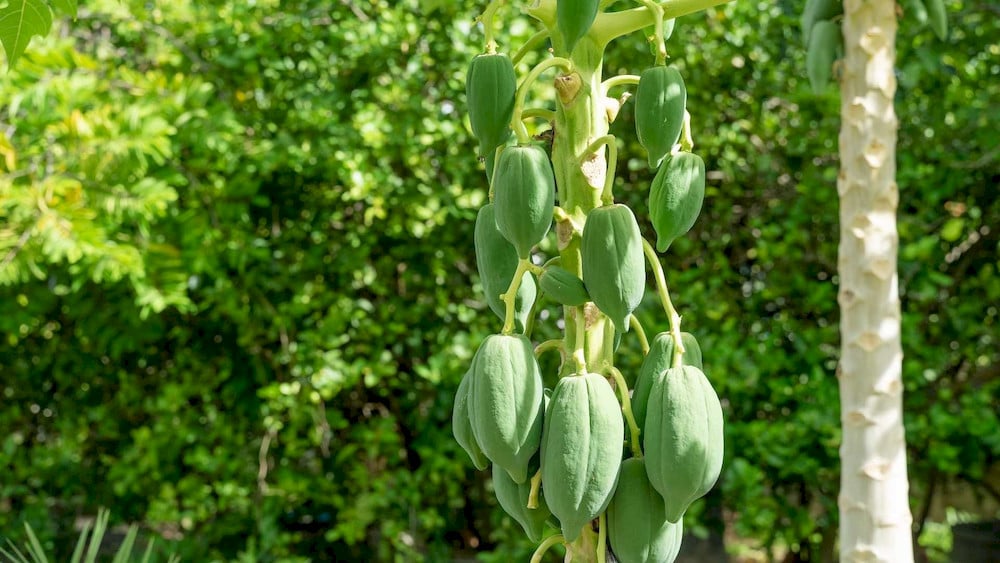
Healthy papaya production relies on more than strong vegetative growth; it requires an effective management program for micronutrients for papaya plants to support flowering, fruit formation, sweetness, and plant resilience. Maintaining adequate micronutrient availability helps papaya plants express their full yield potential, produce higher-quality fruits, and remain more stable under changing growing conditions.


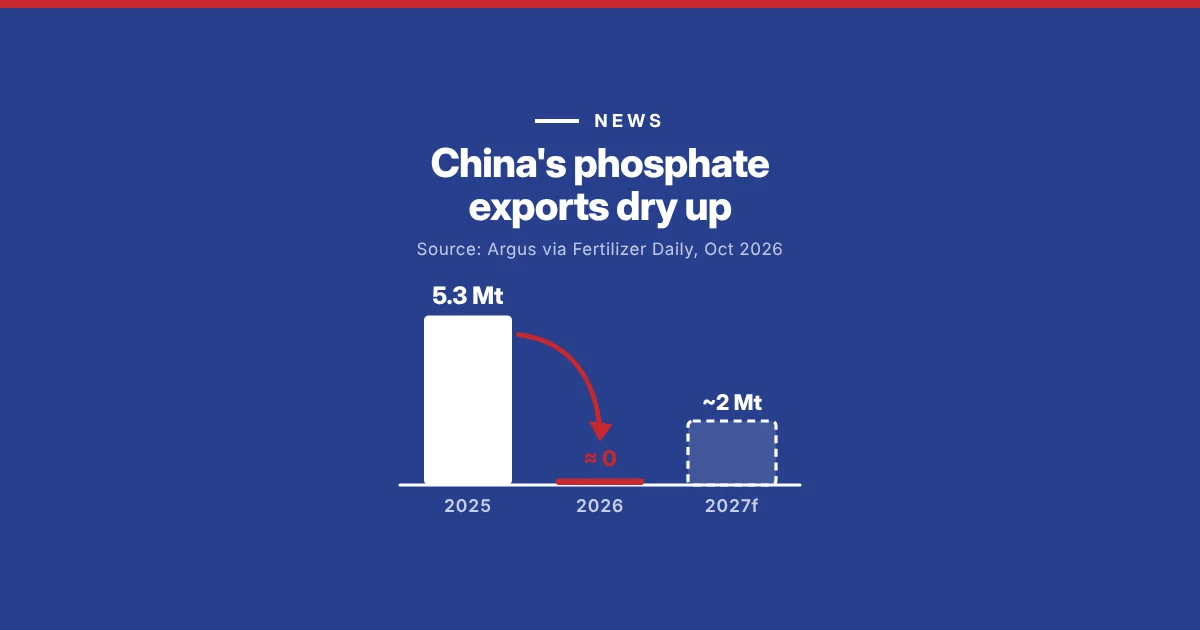
China, which exported about 5.3 million tonnes of phosphate fertilizer in 2025, has shipped almost none in 2026. With sulfur scarce and phosphate prices high, import-dependent markets face a tight season, and every kilo of phosphorus needs to work harder. At Van Polder, we believe a tight phosphate market is a reason to look again […]
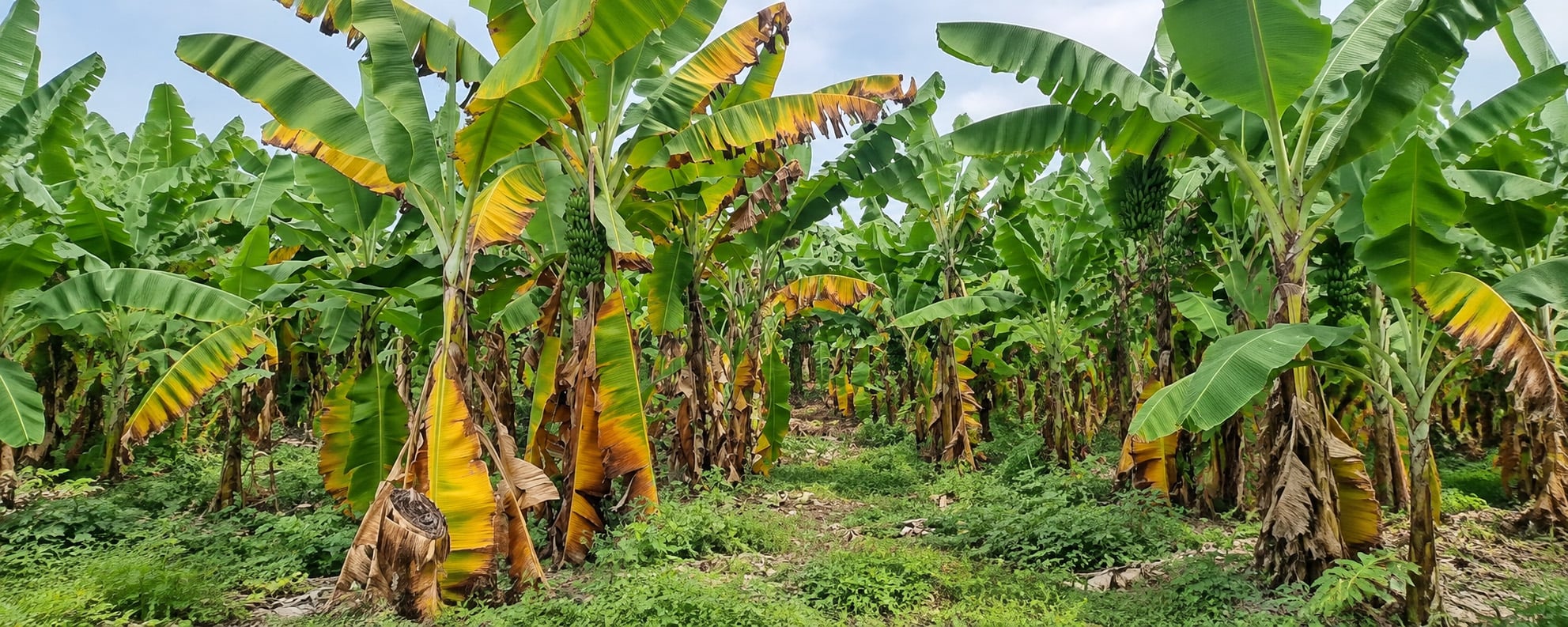
If you are starting a banana farm, Panama disease (Fusarium wilt of banana) is the risk to plan for. How to prevent Panama disease in bananas comes down to keeping the fungus out, because no fertilizer prevents or cures it and once it is in the soil it stays for decades (Pegg et al., 2019; […]
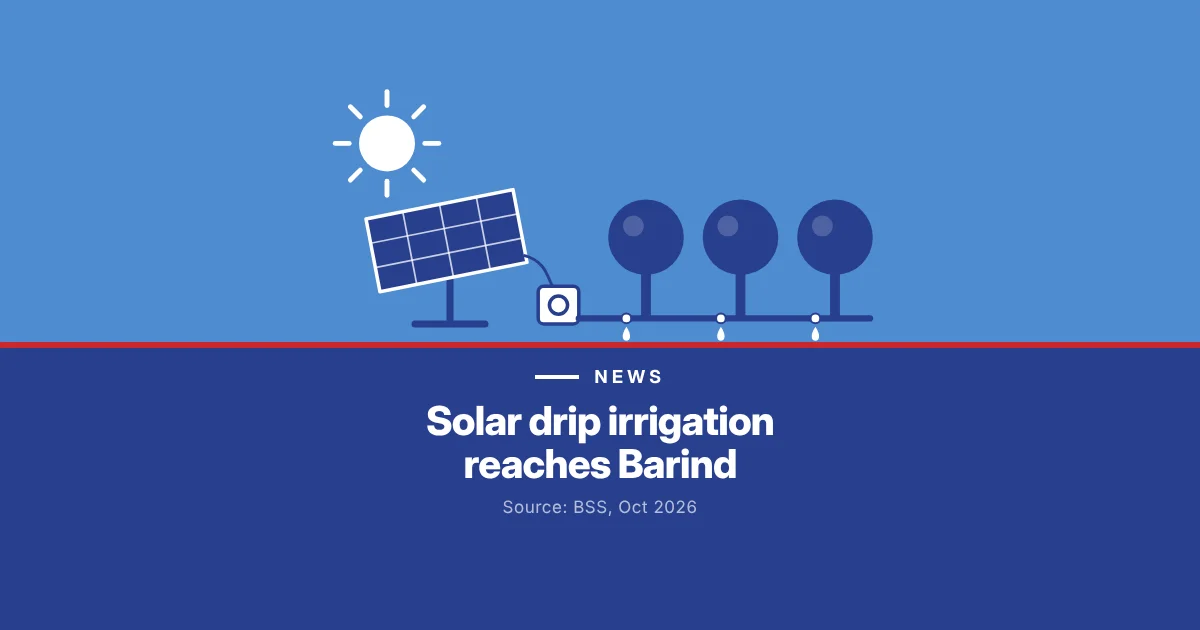
A government project in Bangladesh’s Rajshahi Division has brought solar-powered pumps, including solar drip systems for orchards, to drought-prone land where groundwater has been falling for decades. The Prime Minister wants all diesel irrigation pumps converted to solar within five years. For growers who move to drip, the next step is to feed the crop […]
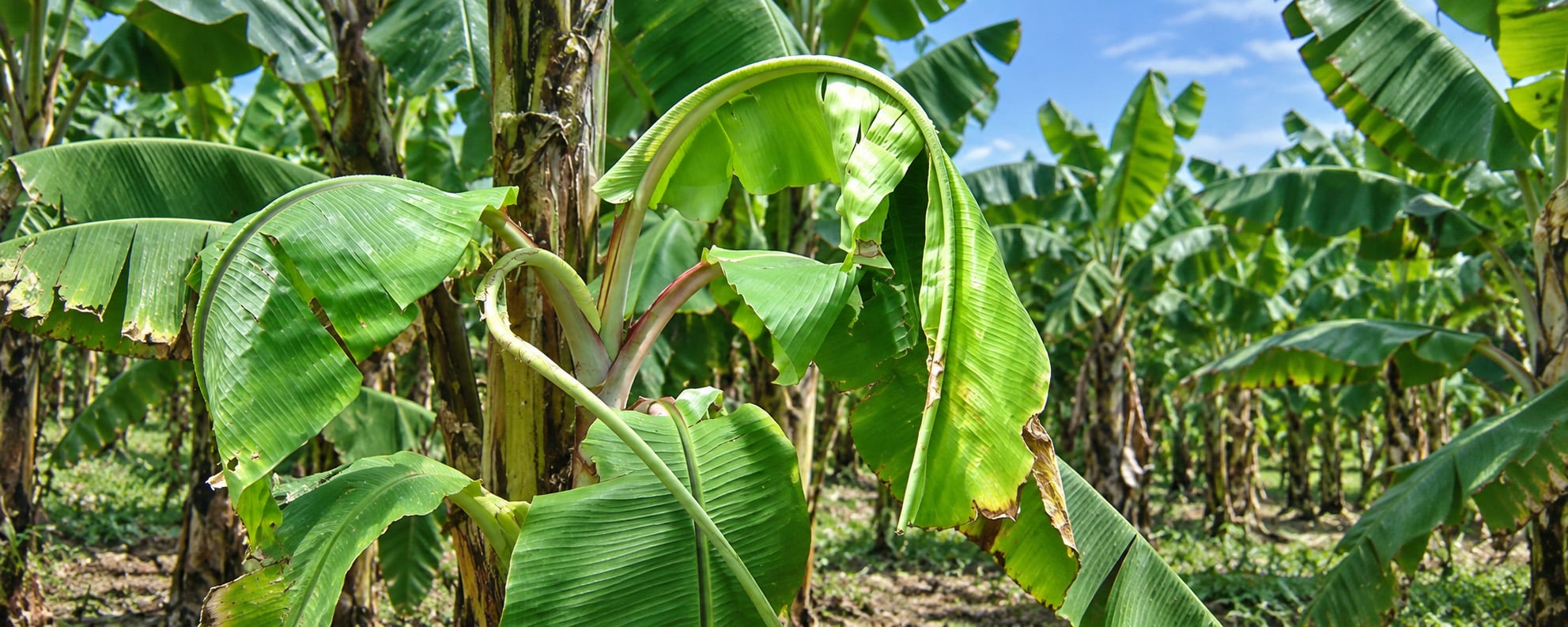
Calcium deficiency in banana shows first on the youngest leaves, as thickened veins and a saw-tooth pattern of yellow and dead tissue along the leaf margin, and in severe cases as “spike leaf”, new leaves with little or no blade, and poor-quality fruit (Turner, 1987; Martin-Prével, 1980). On most plantation soils it is not a […]
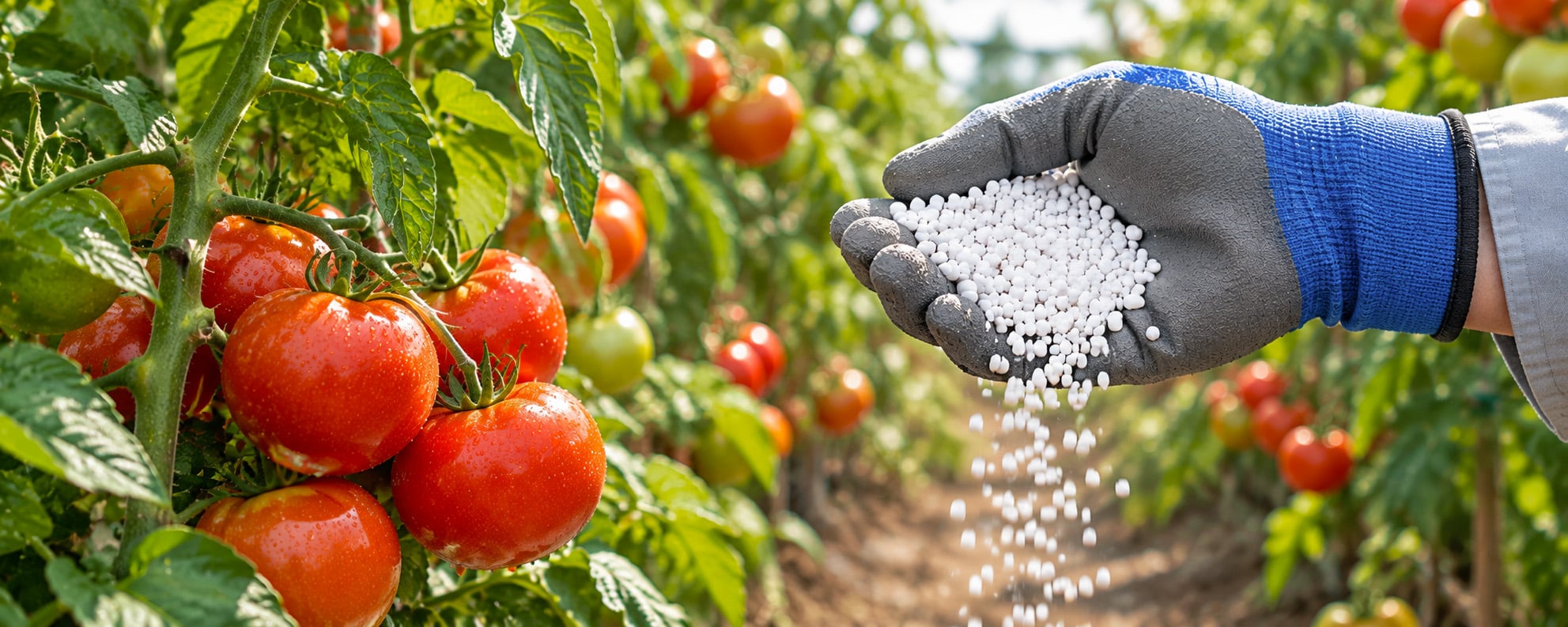
A calcium fertilizer supplies the calcium that holds plant cell walls and membranes together, but whether it reaches the fruit depends as much on water flow as on the fertilizer you choose. Calcium travels with water to the leaves and barely moves out of them again, so fruit and young leaves can run short even […]

An unusually wet winter brought coffee flowering in Minas Gerais forward by about a month, in several separate waves. With October forecast to be hotter than normal and rain patchy, the question for 2027 is now how many of those flowers turn into fruit. At Van Polder, we believe a strong flowering is only the […]