







3 Micronutrient Fertilizer Types Every High-Yield Grower Needs To Know
Micronutrient fertilizers play an important role in supplying essential trace elements that support healthy crop growth and optimize yield potential. However, not everymicronutrient fertilizer typeperforms the same, as nutrient availability and effectiveness can vary depending on soil conditions and application requirements. From inorganic sources and synthetic chelates to natural organic complexes, each option offers unique […]


Micronutrient fertilizers play an important role in supplying essential trace elements that support healthy crop growth and optimize yield potential. However, not everymicronutrient fertilizer typeperforms the same, as nutrient availability and effectiveness can vary depending on soil conditions and application requirements. From inorganic sources and synthetic chelates to natural organic complexes, each option offers unique advantages and limitations that growers should consider before making a choice.
1. Inorganic Micronutrient Sources Fertilizer
As one of the keytypes of micronutrient fertilizer, inorganic sources are commonly supplied in the form of metallic salts, oxides and oxysulfate.
1.1. Metallic Salts (Sulfates, Chlorides, and Nitrates) – The Most Common Form
Metallic salts, especially Sulfates, are the “go-to” choice in the industry because they are highly reliable and provide nutrients in a form plants can use immediately.
- Characteristics & Solubility: These sources are 100% water-soluble and release free ions (such as Zn²⁺ and Mn²⁺) that are immediately available for uptake by plant roots.
- Advantages: This is the most budget-friendly option and leaves a residual value in the soil, meaning it continues to provide nutrients for your next crop cycle.
- Disadvantages: They can easily wash away (leach) in sandy soils. In high pH (alkaline) soils, the nutrients can get “locked up” and become unavailable if you apply them directly to the root zone.

1.2. Oxides
Oxides are like a “slow-burn” nutrient bank. They contain a very high concentration of nutrients but won’t work unless you follow specific application rules.
- Nature: Oxide compounds are highly stable and practically insoluble in water, resulting in very slow nutrient release.
- Technical Requirement: Oxide fertilizers should be applied in finely ground powder form. The smaller particle size increases the surface area exposed to soil reactions, allowing root exudates and other soil processes to gradually release nutrients from the oxide particles. Granular oxides generally break down too slowly to provide effective short-term correction of micronutrient deficiencies.
- Advantages: They offer the highest pure analysis (nutrient content) at the lowest cost. Their slow-release characteristics make them well suited for building long-term soil nutrient reserves and for application well in advance of planting.
- Disadvantages: They have zero immediate effect. If your crop is already showing yellowing or stunted growth, oxides will not save the current season.
1.3. Oxysulfate
Oxysulfates serve as a bridge between immediate and long-term nutrition, allowing growers to manage soil needs efficiently with a single application. This hybrid category is designed to be more effective than raw oxides while remaining a cost-conscious choice.
- Nature: These fertilizers are produced by treating metallic oxides with sulfuric acid, creating a mixture that contains both fast-acting sulfate and slow-release oxide components
- Technical Requirement: To be agronomically effective for the current growing season, the product must meet a minimum standard of 50% water-solubility
- Advantages: They provide a continuous nutrient flow that supports the plant from early development through harvest and often feature a higher nutrient concentration than pure sulfates
- Disadvantages: Because they are not 100% soluble, they are less effective than pure metallic salts for treating severe, late-season deficiencies that require an instant nutritional fix.
2. Synthetic Chelates Micronutrient Fertilizer
Within theclassification of micronutrient fertilizer,synthetic chelates represent a high-performance category designed to keep essential elements available to plants even under challenging soil conditions. By bonding a metal ion to a protective organic molecule, these fertilizers help ensure consistent nutrient availability and efficient plant uptake.
- Nature: These fertilizers consist of complex artificial organic macromolecules, including well-known ligands such as EDTA, EDDHA, and DTPA.
- Mechanism: The term chelate originates from the Greek word meaning “claw,” referring to the way the ligand surrounds and binds the metal ion. This protective structure helps prevent the micronutrient from reacting with soil constituents or precipitating into insoluble forms, thereby maintaining its availability for plant uptake.
- Advantages: Chelates are highly water-soluble and remain available to plants even under challenging soil conditions, particularly in alkaline soils and this stability is exactly why many multi micronutrient fertilizer uses rely on chelated blends to correct several deficiencies at once. Their high efficiency makes them ideal for high-value crops and rapid correction of micronutrient deficiencies.
- Disadvantages: Due to their complex chemical structure, synthetic chelates are the most expensive options available, which often limits their use to premium production systems. Furthermore, they offer very limited residual value after the growing season, requiring growers to apply them more frequently than lower-cost inorganic alternatives.
3. Natural Organic Complexes Fertilizer
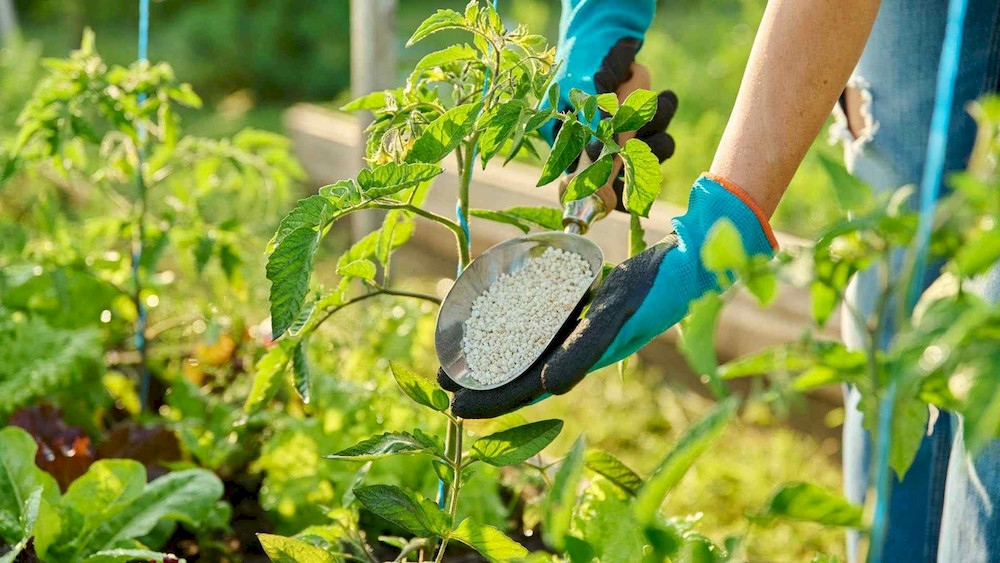
Natural organic complexes offer an eco-friendly and budget-conscious alternative for growers looking to improve nutrient delivery. By using natural materials to shield minerals, these micronutrient fertilizer types provide a more sustainable approach to crop nutrition
- Nature: These fertilizers are made by bonding inorganic minerals with natural by-products, such as citric acid, wood pulp extracts (lignosulfonates), or various amino acids.
- Mechanism: They create a protective “wrap” around the nutrient ion; however, this natural structure is much looser and less rigid than the heavy-duty “claws” found in synthetic chelates.
- Advantages: They are more cost-effective than synthetic chelates and are highly compatible with soil biological activity. Their natural origin also makes them a popular choice for sustainable and environmentally conscious farming systems.
- Disadvantages: Their natural bonds are relatively weak and may break down in high-pH soils, allowing micronutrients to react with soil constituents and become unavailable to plants.

4. 4 Major Soil Factors Shaping Micronutrient Availability
Even when micronutrients are present in the soil, unfavorable conditions can reduce their availability to plants. The following four soil factors play a key role in determining nutrient uptake and fertilizer effectiveness.
4.1. Soil Organic Matter
Organic matter acts as a primary storage bank for nutrients; when this bank is empty or poorly managed, crops suffer immediately.
- Low-OM Mineral Soils: Soils with very low organic matter, such as Gray soils, are naturally prone to micronutrient shortages.
- Peaty and Muck Soils: While high in organic content, these soils are highly likely to show deficiencies, particularly in Copper (Cu) and Manganese (Mn).
4.2. Soil Texture
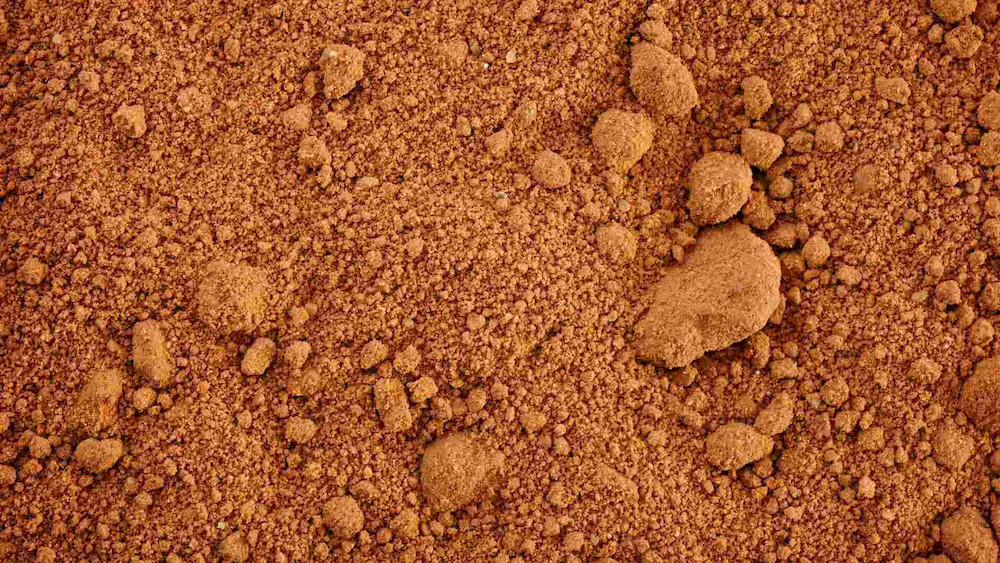
Sandy soils are more prone to micronutrient deficiencies because of their low cation exchange capacity (CEC) and limited nutrient retention. As a result, micronutrients can be easily lost through leaching during heavy rainfall or irrigation. In contrast, clay soils generally retain nutrients more effectively, reducing the risk of nutrient losses but sometimes limiting nutrient mobility.
4.3. Soil pH
For most micronutrients, availability decreases as soil pH increases. In alkaline soils, micronutrients are more likely to react with other soil components and form compounds that are less available for plant uptake. Iron is the clearest example of this, which is largely what is iron fertilizer used for — correcting lime-induced chlorosis.
| Molybdenum (Mo) is the only micronutrient that breaks the rule; it actually becomes easier for plants to absorb as the soil pH rises. |
4.4. Management, Climatic, and Spatial Variability
Environmental conditions and field management practices can significantly influence nutrient availability, creating localized areas where plants may struggle to access essential micronutrients.
- Moisture and Temperature: Cold, wet soils in the spring restrict root growth, limiting the area roots can explore. You may see deficiency symptoms early in the season that naturally disappear as the soil warms up and dries out.
- Macronutrient Link: A shortage of Nitrogen, Phosphorus, Potassium, or Sulfur will stunt root development. For example, low Phosphorus (P) prevents the formation of strong early roots, making it impossible for the plant to reach deeper micronutrients.
- Spatial Variability (Patches): Deficiencies rarely cover an entire field evenly; they typically appear in irregular patches or streaks because nutrient levels vary according to the landscape and soil erosion.
- Manure Impact: Regularly applying livestock manure is a practical way to boost the soil, as it significantly increases the amount of available Copper (Cu) and Zinc (Zn).
5. 4 Methods of Applying Micronutrient Fertilizer
Let’s explore the four most effective ways to apply different micronutrient fertilizer types to ensure crops receive nutrients efficiently throughout the growing season.
5.1. Fertilizer Fortification (Soil Application)
This refers to how fortified fertilizers containing micronutrients are applied to soil to ensure efficient nutrient uptake by plants.
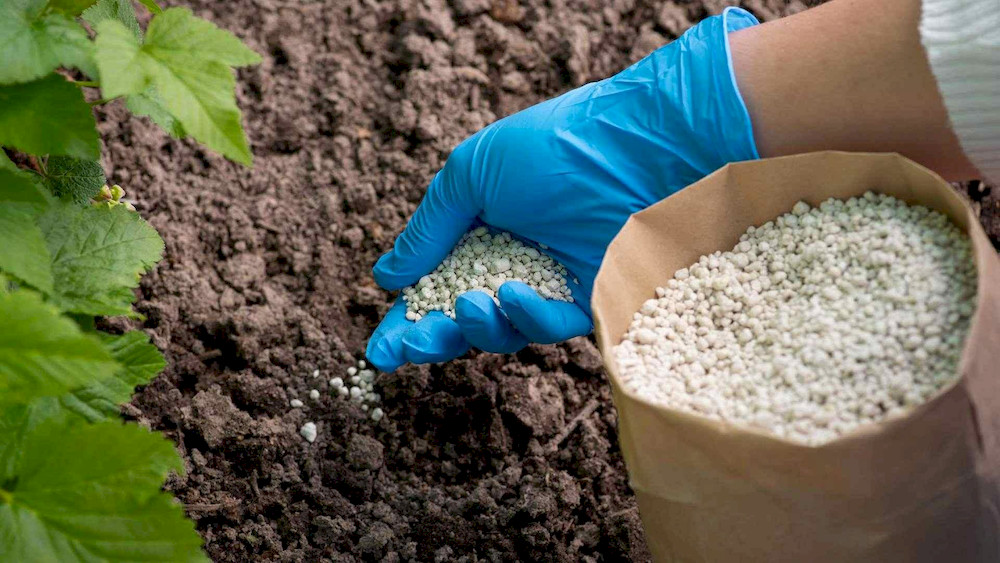
- Broadcast Application: Fertilizer is spread evenly over the soil surface before planting or during crop growth, then incorporated by irrigation or rainfall. Suitable for large fields but may be less precise.
- Band Application (Row Placement): Fertilizer is placed in concentrated strips near seed rows or root zones. This improves nutrient efficiency and reduces waste compared to broadcasting.
- Side-dressing: Fertilizer is applied alongside growing plants during the growing season to meet additional nutrient demands, especially for high-demand crops.
- Fertigation: Nutrients are delivered through irrigation systems (drip or sprinkler). This allows precise, frequent, and efficient nutrient delivery directly to the root zone.
- Top-dressing: Fertilizer is applied on the soil surface around established plants without incorporation. Common in pastures and cereal crops.
5.2. Foliar Spray
Spraying leaves acts like an “emergency room” for crops, delivering nutrients when soil conditions like high pH block root uptake.
- Advantages: Costs 5 – 10 times less than soil application and can help fight off leaf fungi.
- Disadvantages: Results are short-lived, and you risk leaf burn if applied during the heat of the day.
5.3. Fertigation
Fertigation is particularly effective for water-solubleforms of micronutrient fertilizer, delivering nutrients directly to the root zone through irrigation systems.
- Advantages: Extreme precision enables accurate nutrient dosing at different growth stages, improving nutrient-use efficiency and reducing waste.
- Disadvantages: Setting up pumps and filters is expensive, and the system needs regular maintenance to avoid clogs.
5.4. Seed Treatment and Alternative Methods
These targeted methods focus on delivering nutrients at a very small, highly efficient scale.
- Seed Treatment: Coating seeds (like Molybdenum for beans) ensures every seedling starts with exactly what it needs.
- Root Dipping: Rice seedlings are dipped in a 2 – 4% zinc oxide suspension before transplanting to prevent or correct zinc deficiency during early growth.
- Trunk Injection: Micronutrients are injected directly into the trunk as liquid or solid formulations. Due to its high cost, this method is typically reserved for correcting deficiencies in high-value fruit trees and ornamental trees.
Selecting the right micronutrient fertilizer types requires more than simply comparing products. Soil conditions, nutrient availability, and crop requirements all influence which source will deliver the best results. By understanding the strengths and limitations of each option, growers can make more effective fertilizer decisions and support long-term crop performance.


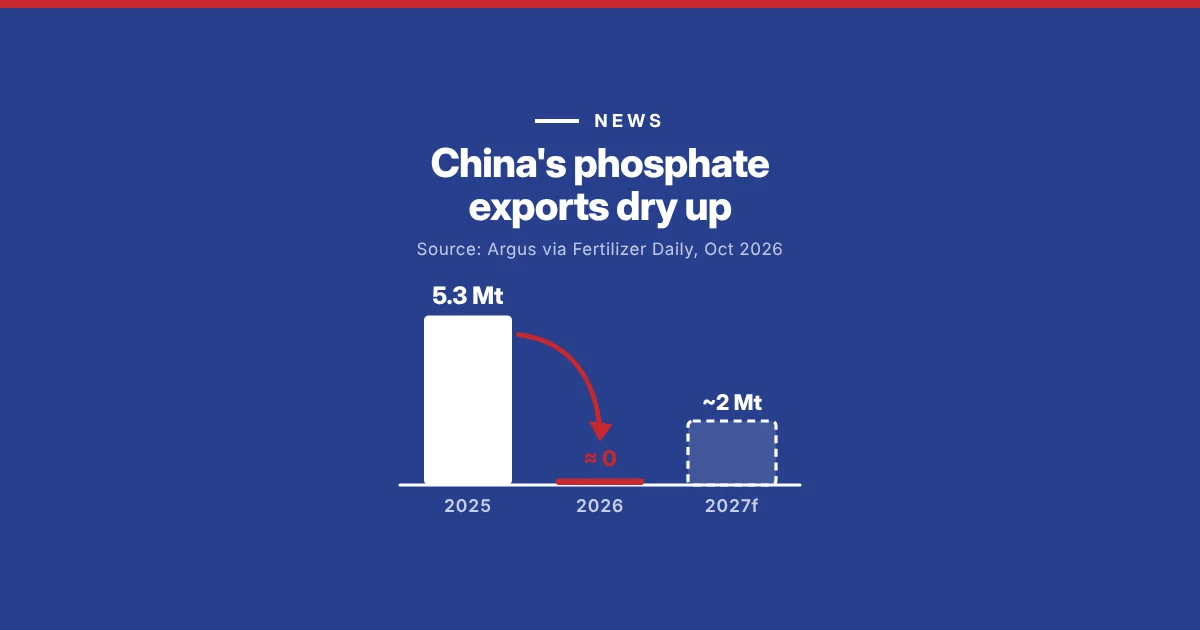
China, which exported about 5.3 million tonnes of phosphate fertilizer in 2025, has shipped almost none in 2026. With sulfur scarce and phosphate prices high, import-dependent markets face a tight season, and every kilo of phosphorus needs to work harder. At Van Polder, we believe a tight phosphate market is a reason to look again […]
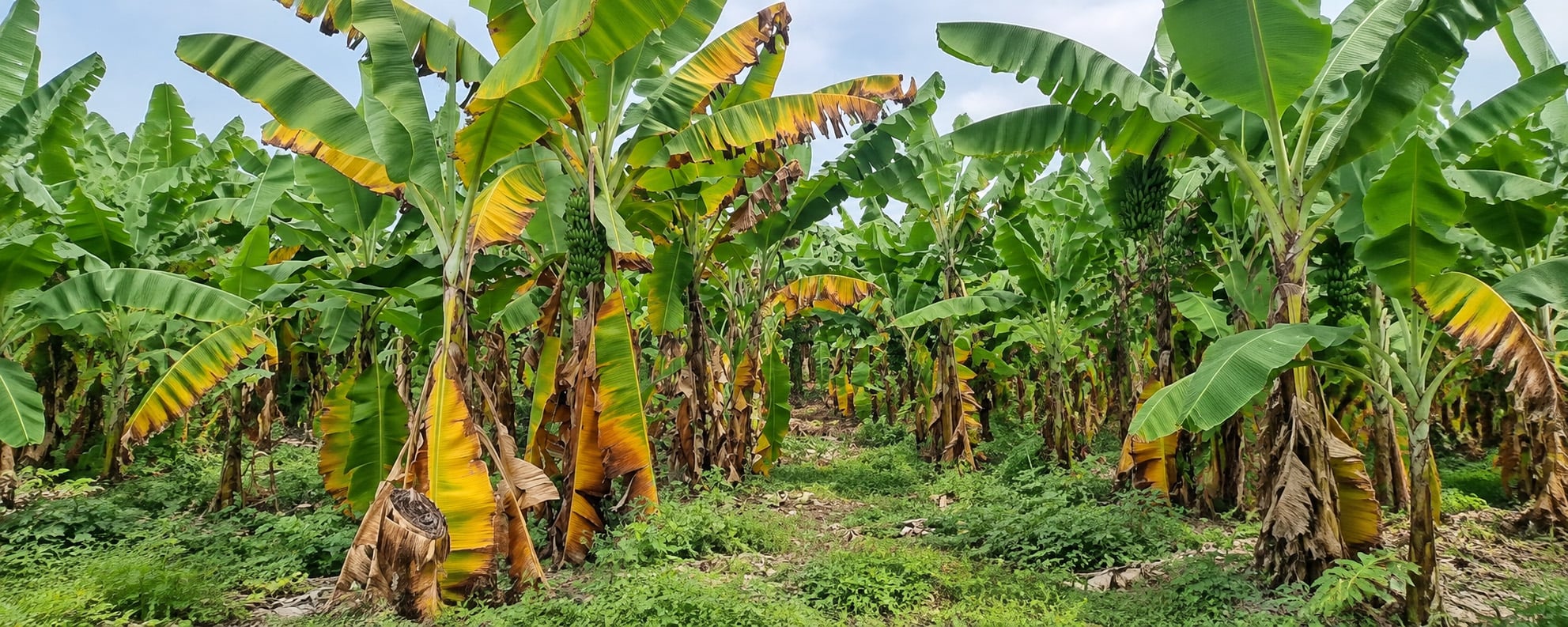
If you are starting a banana farm, Panama disease (Fusarium wilt of banana) is the risk to plan for. How to prevent Panama disease in bananas comes down to keeping the fungus out, because no fertilizer prevents or cures it and once it is in the soil it stays for decades (Pegg et al., 2019; […]
A government project in Bangladesh’s Rajshahi Division has brought solar-powered pumps, including solar drip systems for orchards, to drought-prone land where groundwater has been falling for decades. The Prime Minister wants all diesel irrigation pumps converted to solar within five years. For growers who move to drip, the next step is to feed the crop […]
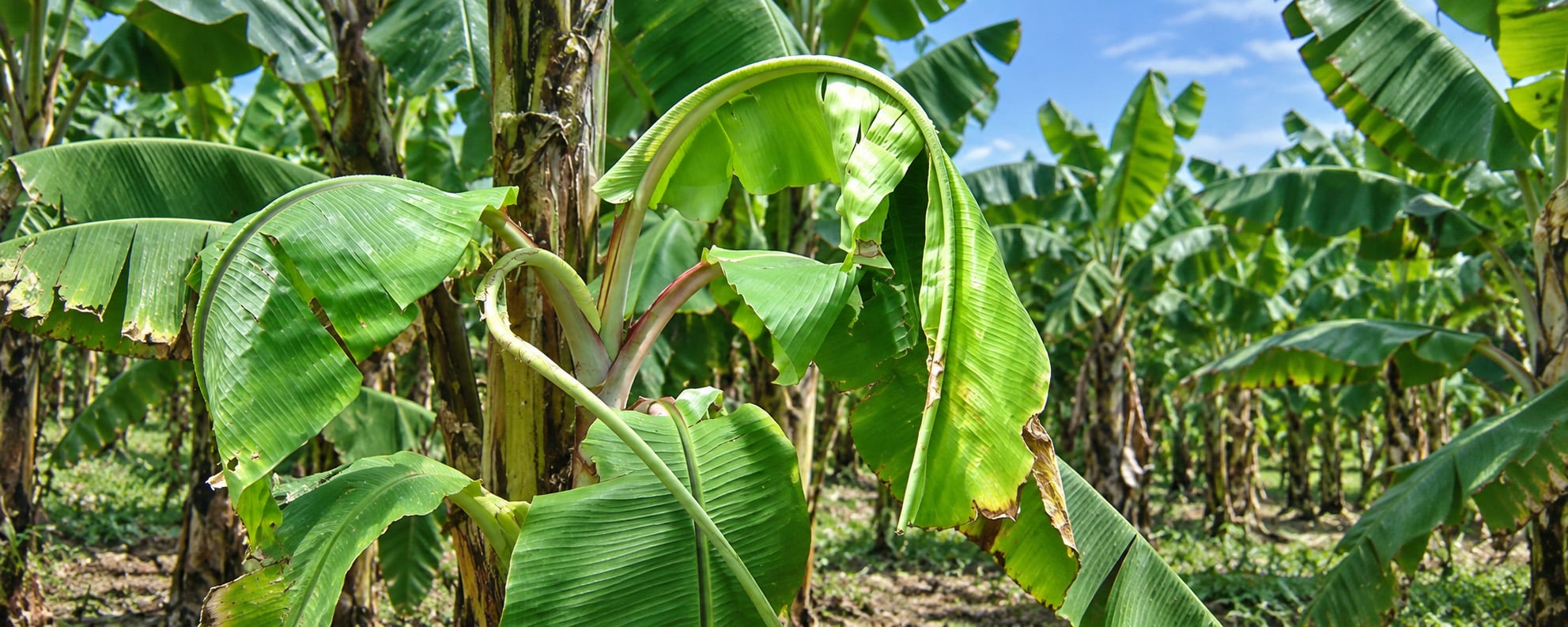
Calcium deficiency in banana shows first on the youngest leaves, as thickened veins and a saw-tooth pattern of yellow and dead tissue along the leaf margin, and in severe cases as “spike leaf”, new leaves with little or no blade, and poor-quality fruit (Turner, 1987; Martin-Prével, 1980). On most plantation soils it is not a […]
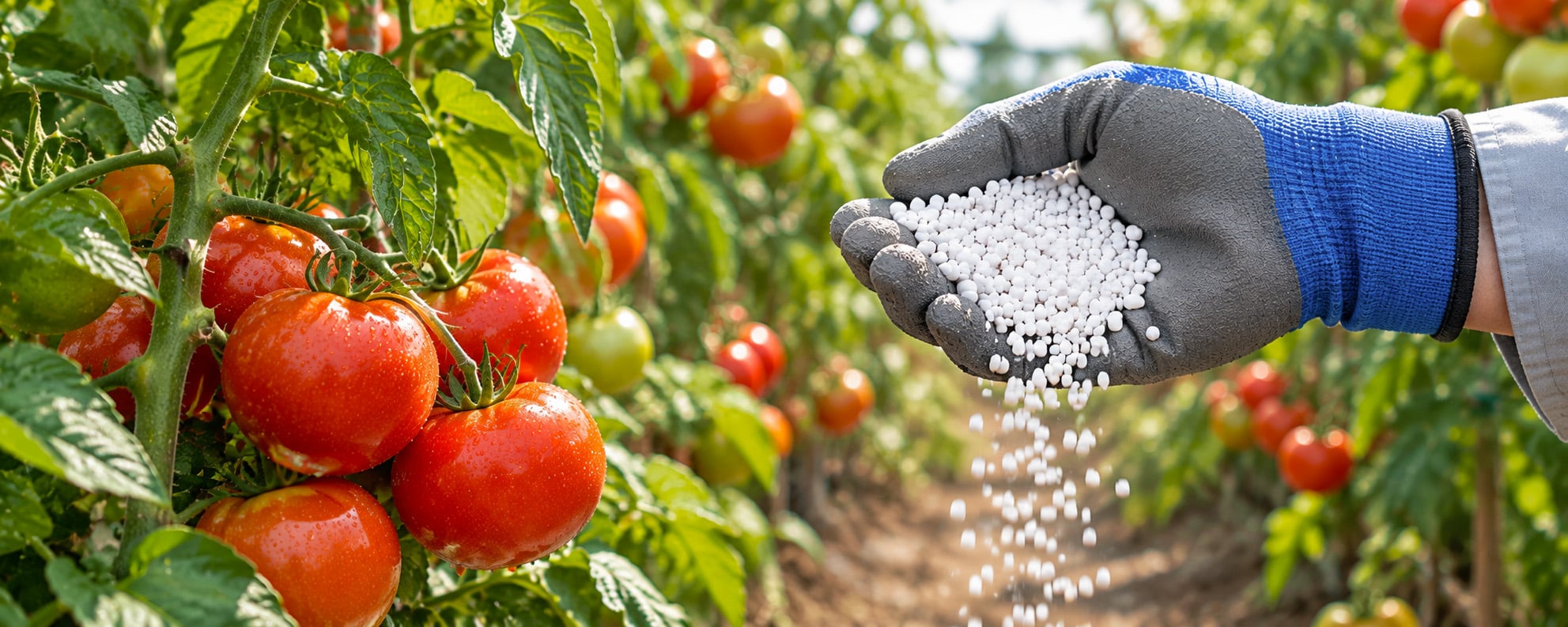
A calcium fertilizer supplies the calcium that holds plant cell walls and membranes together, but whether it reaches the fruit depends as much on water flow as on the fertilizer you choose. Calcium travels with water to the leaves and barely moves out of them again, so fruit and young leaves can run short even […]
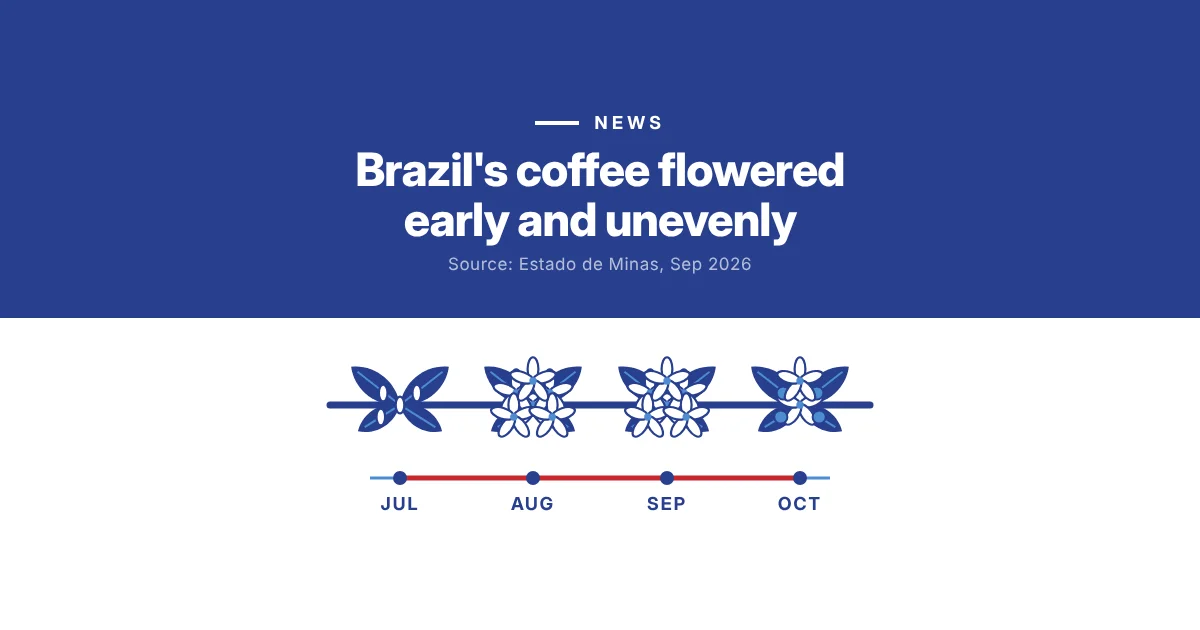
An unusually wet winter brought coffee flowering in Minas Gerais forward by about a month, in several separate waves. With October forecast to be hotter than normal and rain patchy, the question for 2027 is now how many of those flowers turn into fruit. At Van Polder, we believe a strong flowering is only the […]