







Micronutrients for Citrus Trees: How to Diagnose Deficiencies & Maximize Yield
Micronutrients for citrus trees are just as important as NPK fertilizers for producing sweeter fruit, better peel color, and consistently high yields. Without an adequate supply of essential trace elements, citrus trees can develop nutrient deficiencies that reduce fruit quality, weaken growth, and limit overall productivity even when macronutrient requirements are met. This guide explains […]

Micronutrients for citrus trees are just as important as NPK fertilizers for producing sweeter fruit, better peel color, and consistently high yields. Without an adequate supply of essential trace elements, citrus trees can develop nutrient deficiencies that reduce fruit quality, weaken growth, and limit overall productivity even when macronutrient requirements are met. This guide explains the essential micronutrients for citrus trees, how to recognize deficiency symptoms, and the most effective practices to maximize tree performance and fruit quality.
1. The Vital Roles of Micronutrients for Citrus Tree
The six essential micronutrients below contribute to different aspects of citrus growth, from photosynthesis and nutrient metabolism to flowering and fruit quality.
1.1. Zinc (Zn)
Zinc is the most frequently deficient micronutrient in citrus orchards and plays a central role in regulating plant growth and development. It is required for auxin (IAA) synthesis, activates enzymes involved in nitrogen and protein metabolism, supports carbohydrate utilization, and promotes pollen tube development, contributing to healthy shoot growth, leaf expansion, flowering, and fruit set.
1.2. Iron (Fe)
Iron is essential for maintaining normal photosynthetic activity and continuous growth in citrus trees. It is required for chlorophyll synthesis, forms part of the electron transport system during photosynthesis and respiration, supports flower initiation, and must be supplied continuously because it is largely immobile within the plant.
1.3. Manganese (Mn)
Manganese supports several biochemical processes that sustain citrus growth and productivity. It participates directly in the water-splitting reaction of Photosystem II, activates enzymes involved in nitrogen metabolism, supports respiration and protein synthesis, and promotes normal chloroplast development.
1.4. Boron (B)
Boron is indispensable for structural development and reproductive growth in citrus trees. It strengthens cell wall structure, facilitates sugar transport, promotes pollen germination and fruit set, and improves fruit quality by increasing Total Soluble Solids (TSS/Brix) and Vitamin C when applied appropriately..
1.5. Copper (Cu)
Copper is an important component of several oxidative enzymes and plays a key role in root metabolism and overall plant physiology. It contributes to photosynthesis and respiration, supports chlorophyll formation, strengthens cell walls, and regulates multiple enzymatic processes required for healthy citrus growth.
1.6. Molybdenum (Mo)
Although required in extremely small amounts, molybdenum is essential for nitrogen metabolism and protein synthesis. It forms part of the nitrate reductase enzyme, enables the conversion of nitrate into ammonia, and supports starch and vitamin formation, helping citrus trees utilize nitrogen more efficiently.
2. Citrus Micronutrient Deficiency Symptoms
Correct identification of these symptoms is vital because the manifestations of Zinc (Zn), Manganese (Mn), and Iron (Fe) deficiencies often appear simultaneously and can mask one another.
| Micronutrient | Deficiency Risk | Leaf Symptoms | Fruit Symptoms |
| Zinc (Zn) | The most common micronutrient deficiency in citrus worldwide. Frequently found in acid-leached sandy soils and high-pH alkaline soils. | – Irregular yellow patches between green veins (mottle leaf/frenching).
– Leaves become small, narrow, pointed, and grow upright in rosettes under severe deficiency. |
– Fruits are small, smooth-skinned, pale-colored, and low in juice and flavor.
– Fruits on vigorous water sprouts may become large, coarse, and puffy. |
| Iron (Fe) | Most common in alkaline and calcareous soils (pH > 6.5 – 7.0) where iron becomes unavailable for uptake. | – Young leaves develop interveinal chlorosis, with green veins against a yellow or ivory-white background.
– Severe deficiency causes almost completely white leaves and shoot dieback. |
– Fruits may become small, hard, and pale-colored under prolonged deficiency. |
| Manganese (Mn) | Often occurs together with zinc and iron deficiencies and is more severe in shaded canopies. | – Dark green bands remain along the midrib and main veins, while the interveinal tissue becomes light green or yellowish-bronze.
– Leaves generally retain their normal size and shape. |
– Fruits may become smaller, softer, and lighter in rind color. |
| Boron (B) | Increasingly common in acidic sandy soils, or under drought and excessive liming. | – Mature leaves become distorted, twisted, and brittle.
– Veins and midribs become thickened and corky. – Leaf margins may turn brown, and terminal buds often die. |
– Causes stony (hard) fruit with brown gum pockets in the albedo or around the core.
– Fruits become misshapen and frequently drop within the first 3 – 4 months. |
| Copper (Cu) | Less common than Zn or Fe deficiencies and usually occurs where copper-based fungicides are not applied. | – Leaves become unusually dark green and grow on twisted S-shaped shoots.
– Transparent gum pockets may appear at twig nodes. |
– Brownish-red gum eruptions develop on the rind, sometimes causing rind cracking and fruit drop.
– Internal gum pockets may form around the seeds or central core. |
| Molybdenum (Mo) | Rare under field conditions and mainly associated with acidic soils. | – Yellow spot disease begins as water-soaked lesions before developing into bright yellow spots between the veins.
– Gummy exudates may appear on the underside of affected leaves. |
– Severe deficiency may occasionally lead to fruit cracking. |
3. 4 Factors Affecting Citrus Micronutrient Uptake
Micronutrient absorption in citrus trees depends not only on the amount of nutrients in the soil but also on the following four factors.
3.1. Soil Properties & Chemistry
Soil properties directly influence the availability and mobility of micronutrients.
- Soil pH: Soil pH is the primary factor controlling micronutrient availability. In alkaline or calcareous soils (pH > 7.0), Iron (Fe), Zinc (Zn), and Manganese (Mn) readily convert into insoluble forms that citrus roots cannot absorb. In contrast, Molybdenum (Mo) becomes less available in strongly acidic soils.
- Calcium Carbonate (CaCO₃): High-lime soils, which typically maintain a pH of around 8.3, commonly induce deficiencies of Fe, Zn, Mn, and Copper (Cu).
- Soil Structure and Texture: Sandy soils generally have low fertility and low cation exchange capacity (CEC), making micronutrients, especially Boron (B), more susceptible to leaching during heavy rainfall or excessive irrigation. Hardpans, compacted layers, or limestone deposits can also restrict root growth and reduce nutrient uptake.
3.2. Fertilizer Management & Interactions
Fertilizer practices can either improve or limit micronutrient availability.
- Excessive NPK Application: Applying excessive Phosphorus (P) or Nitrogen (N) may worsen micronutrient deficiencies. High phosphorus levels reduce the availability of Zn, Fe, and Cu, while excessive nitrogen can intensify Copper deficiency.
- Elemental Antagonism: High concentrations of certain nutrients can suppress the uptake of others. For example, excessive Manganese (Mn) can interfere with Iron (Fe) absorption, while elevated Calcium (Ca) levels in calcareous soils reduce the availability of several micronutrients.
- Fertilizer Form: Conventional sulfate fertilizers, such as ferrous sulfate, quickly become insoluble when applied to alkaline soils. Using chelated micronutrients(e. g., Fe-EDTA or Fe-EDDHA) helps keep metal ions soluble and available for root uptake under high-pH conditions.
See also: Micronutrients for Papaya Trees: Essential Nutrients, Deficiency Symptoms, and Application Guide
3.3. Environmental & Irrigation Conditions
Environmental conditions directly affect both root activity and nutrient movement within the soil.
- Temperature: Low soil temperatures reduce root activity and metabolic processes, limiting micronutrient uptake.
- Water Conditions: Both waterlogging and drought can restrict nutrient absorption. Poor drainage damages roots through oxygen deficiency, often resulting in Fe and Zn deficiencies, while prolonged drought reduces Boron availability and movement in the soil solution.
- Salinity: High salinity in soil or irrigation water disrupts the absorption, transport, and distribution of mineral nutrients throughout the tree.
3.4. Citrus Health & Rootstock Characteristics
Tree health and rootstock selection also influence micronutrient efficiency.
- Disease Impact (HLB/Blight): Diseases such as Huanglongbing (HLB) and Citrus Blight interfere with nutrient transport within the tree, reducing the movement of micronutrients from roots to developing tissues.
- Rootstock Differences: Rootstocks vary in their ability to absorb and transport micronutrients. For example, Swingle citrumelo is more sensitive to alkaline soils, making grafted trees more prone to iron chlorosis.
- Growth Stage: Micronutrient demand changes throughout the season and is highest during the flowering and fruit set stage, when adequate supplies of Zn, B, and Mn are essential for maximizing fruit yield and quality.
4. Optimal Timing for Citrus Micronutrient Feeding
The effectiveness of micronutrients for citrus trees depends largely on supplying the right nutrients at the right developmental stage. As trees transition from vegetative growth to flowering and fruit production, their nutrient requirements shift to support different physiological processes and maintain optimal productivity.
Below is the recommended application schedule for each major citrus growth stage.
- Pre-flowering (Early Spring): Apply Zinc (Zn), Manganese (Mn), and Boron (B) before flowering to support flower initiation, pollen germination, pollen tube growth, and successful fruit set.
- Spring Flush (Leaves 1/2 – 2/3 Expanded): Spray micronutrients when new leaves have expanded to approximately one-half to two-thirds of their final size. At this stage, young leaves have high permeability and metabolic activity, allowing rapid nutrient absorption. Foliar application is particularly effective for correcting deficiencies and can be 10 – 20 times more efficient than soil application under unfavorable soil conditions.
- Fruit Development (Summer): Continue supplying Zinc and Boron to support cell expansion, maintain fruit structure, maximize fruit size, and reduce the risks of stony fruit and premature fruit drop.
- Final 120 Days Before Harvest: Apply Boric acid to improve carbohydrate transport and fruit quality, helping increase Total Soluble Solids (Brix), Vitamin C content, and juice content. Where appropriate, Brassinolide may also be used to enhance fruit sweetness and external appearance.
See also: Micronutrients for Lemon Tree: Essential Nutrients, Deficiency Symptoms, and Application Guide
5. 2 Effective Application Methods for Citrus
Below are two effective application methods to improve micronutrient uptake and maintain healthy citrus tree growth.
- Foliar Application: Foliar spraying is the fastest way to correct micronutrient deficiencies or supply nutrients when root uptake is restricted. It is particularly effective for Zinc (Zn), Manganese (Mn), and Boron (B), allowing nutrients to be absorbed directly through the leaves for rapid utilization.
- Soil Application: Soil application provides a more sustained nutrient supply and remains the preferred approach for long-term micronutrient management. It is especially effective for correcting Iron (Fe) deficiency when chelated iron fertilizers are applied directly to the root zone.
| Use Chelated Micronutrients: Chelated forms such as EDTA and EDDHA are recommended because they keep micronutrient ions stable and available for root uptake across a wider soil pH range. Compared with conventional sulfate fertilizers, chelated products are less likely to become unavailable after application, making them a more reliable option for citrus production. |
See also: How to Use Micronutrients for Mango Plants: Timing, Methods, and Dosage Guide
Consistent fruit size, attractive peel color, high sugar content, and reliable yields all begin with balanced plant nutrition. When micronutrients are supplied strategically throughout the growing season, citrus trees are better equipped to convert their genetic potential into higher-quality harvests and greater economic returns.


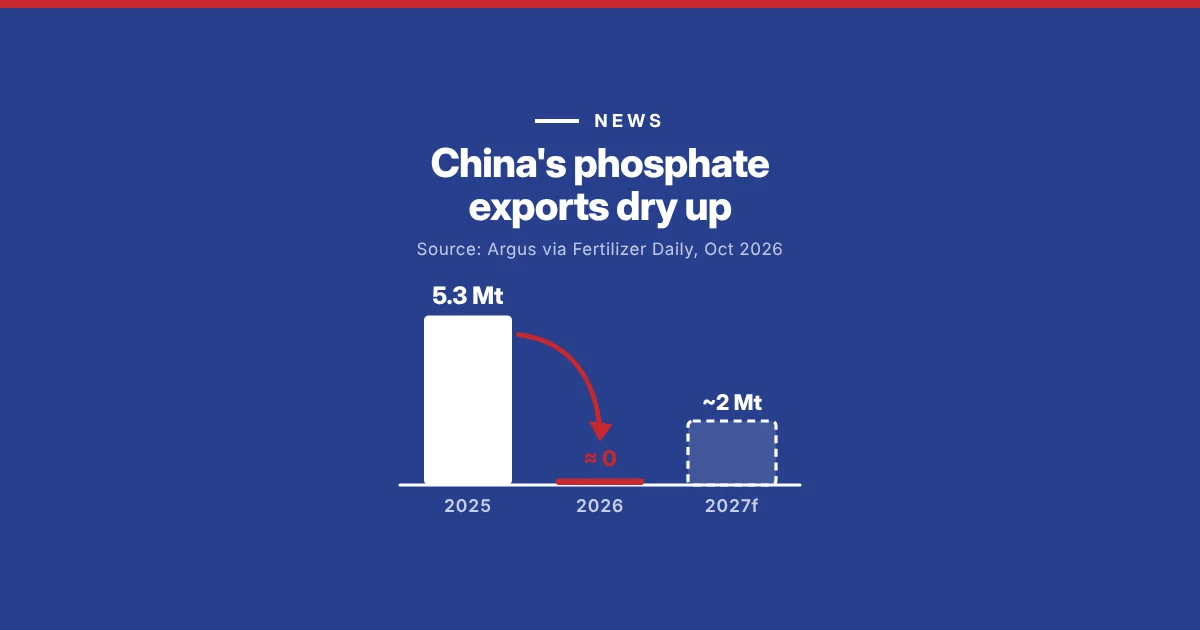
China, which exported about 5.3 million tonnes of phosphate fertilizer in 2025, has shipped almost none in 2026. With sulfur scarce and phosphate prices high, import-dependent markets face a tight season, and every kilo of phosphorus needs to work harder. At Van Polder, we believe a tight phosphate market is a reason to look again […]
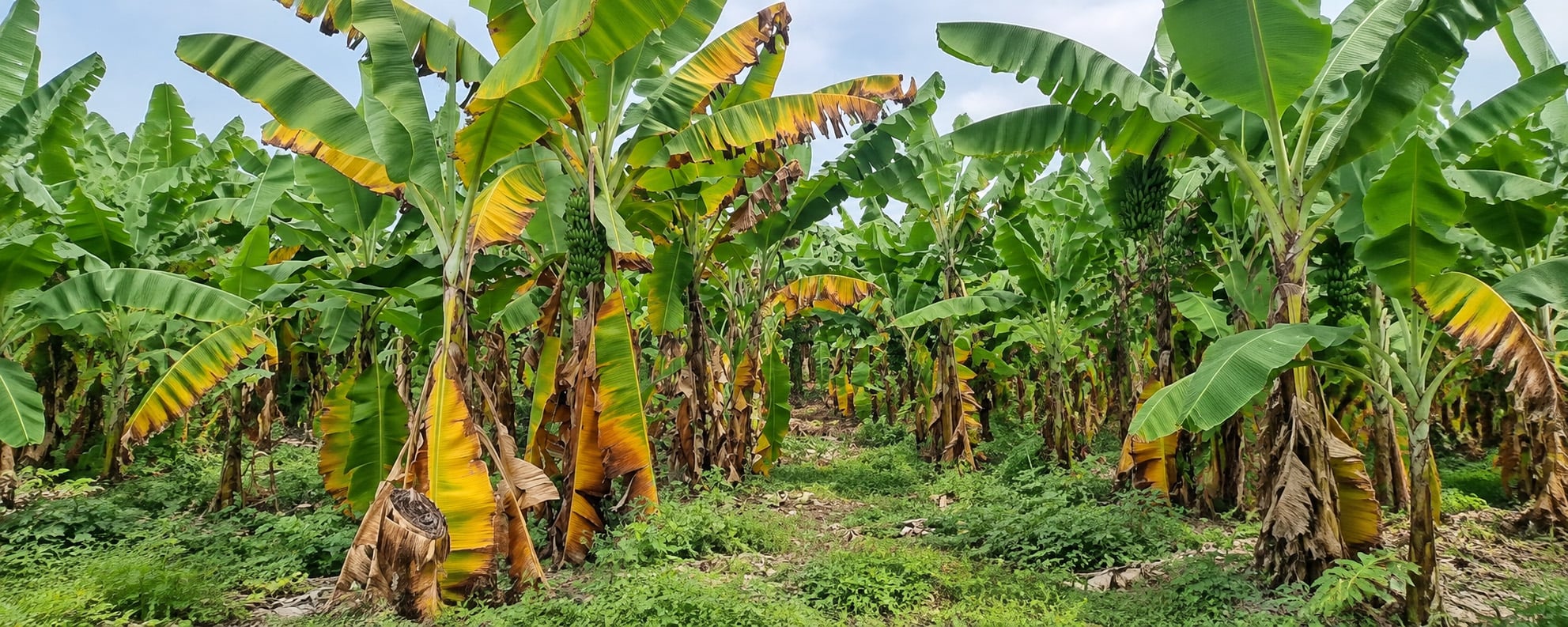
If you are starting a banana farm, Panama disease (Fusarium wilt of banana) is the risk to plan for. How to prevent Panama disease in bananas comes down to keeping the fungus out, because no fertilizer prevents or cures it and once it is in the soil it stays for decades (Pegg et al., 2019; […]

A government project in Bangladesh’s Rajshahi Division has brought solar-powered pumps, including solar drip systems for orchards, to drought-prone land where groundwater has been falling for decades. The Prime Minister wants all diesel irrigation pumps converted to solar within five years. For growers who move to drip, the next step is to feed the crop […]
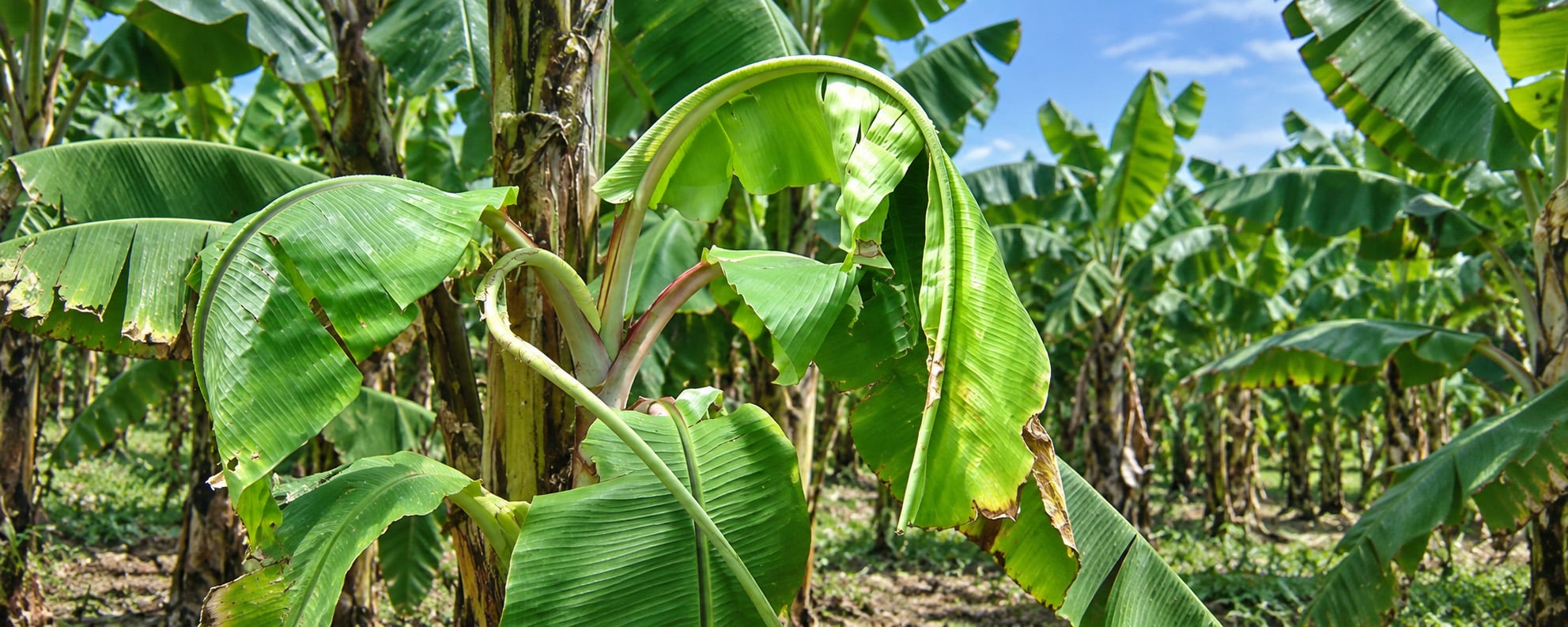
Calcium deficiency in banana shows first on the youngest leaves, as thickened veins and a saw-tooth pattern of yellow and dead tissue along the leaf margin, and in severe cases as “spike leaf”, new leaves with little or no blade, and poor-quality fruit (Turner, 1987; Martin-Prével, 1980). On most plantation soils it is not a […]
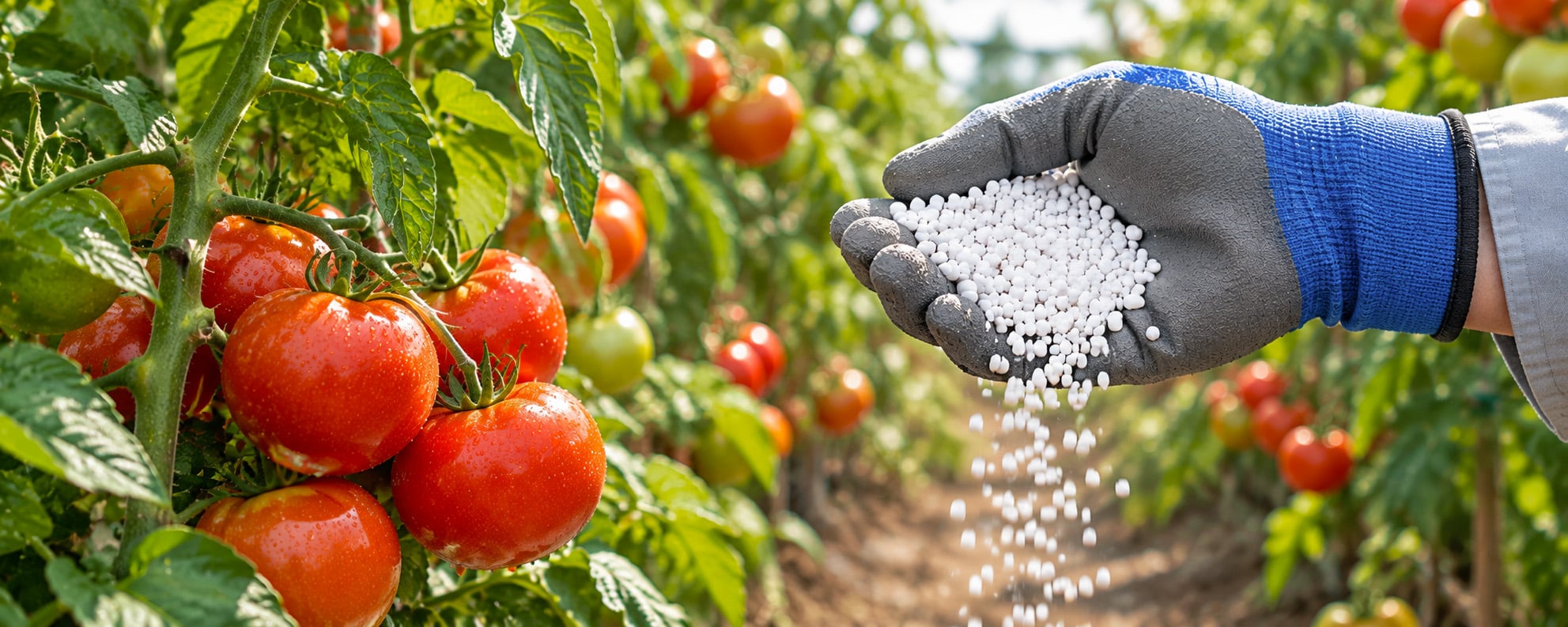
A calcium fertilizer supplies the calcium that holds plant cell walls and membranes together, but whether it reaches the fruit depends as much on water flow as on the fertilizer you choose. Calcium travels with water to the leaves and barely moves out of them again, so fruit and young leaves can run short even […]

An unusually wet winter brought coffee flowering in Minas Gerais forward by about a month, in several separate waves. With October forecast to be hotter than normal and rain patchy, the question for 2027 is now how many of those flowers turn into fruit. At Van Polder, we believe a strong flowering is only the […]