







5 Essential Micronutrients for Lemon Trees to Boost Yield and Juicy Fruits
Low fruit production, poor fruit quality, and premature fruit drop are common challenges that many lemon growers face, even with regular watering and fertilization. In many cases, the problem comes from micronutrient deficiencies that are difficult to notice but directly affect flowering, fruit set, and overall tree productivity. Discover the 5 essential micronutrients for lemon […]


Low fruit production, poor fruit quality, and premature fruit drop are common challenges that many lemon growers face, even with regular watering and fertilization. In many cases, the problem comes from micronutrient deficiencies that are difficult to notice but directly affect flowering, fruit set, and overall tree productivity. Discover the 5 essential micronutrients for lemon trees and learn how the right nutrient management can help you grow healthier trees, increase yield, and produce bigger, juicier fruits.
1. Boron
Below are the key functions of Boron and the common deficiency symptoms that may impact lemon tree growth and productivity.
1.1. Role of Boron in Lemon Trees
Boron (B) is absorbed primarily as boric acid (H₃BO₃). Once absorbed, it becomes immobile, requiring a continuous supply to support new growth and fruit development. Its key roles include:
- Supporting vegetative growth and structure: Boron contributes to cell wall formation and plant development. Studies showed that Boron – treated lemon trees increased in height by 21.34 cm (8.4 inches), compared with 14.76 cm (5.8 inches) in untreated trees. It also supports auxin transport for new vegetative growth.
- Improving flowering and fruit set: Boron supports flower development, pollen germination, and pollen tube growth, which directly influence fruit formation. Field experiments showed Boron application increased fruit set to 11.29%, with treated trees producing 68 fruits per plant compared with 52 fruits in untreated trees.
- Enhancing physiological functions: Boron helps transport sugars from leaves to other plant parts, supporting photosynthesis and plant energy distribution. It also contributes to nitrogen metabolism and helps maintain Calcium (Ca) in a soluble form for plant use.
- Improving fruit quality: Boron application improves fruit weight, volume, and juice content. Research found treated lemon trees achieved approximately 36.5% juice content, increased Vitamin C levels by more than 36% to 48.26 mg/100g, and improved Total Soluble Solids (TSS), which contributes to better fruit sweetness.

1.2. Boron Deficiency Symptoms in Lemon Trees
Boron deficiency is one of the most common micronutrient disorders in citrus trees, ranking second only to Zinc deficiency. A lack of Boron can negatively affect lemon tree growth, fruit set, and harvest quality.
- Stunted growth: Boron deficiency restricts overall plant development, resulting in weaker growth and reduced canopy expansion.
- Poor fruit set and premature fruit drop: Insufficient Boron affects flowering and pollination, leading to fewer fruits and a higher risk of early fruit drop.
- Lower fruit quality: Deficient lemon trees may produce smaller fruits with reduced juice content and lower nutritional value.
Boron Deficiency Correction
|
2. Zinc
Here is an overview of how Zinc influences tree development and the common symptoms of its deficiency.
2.1. Role of Zinc in Lemon Trees
Zinc (Zn) is absorbed as Zn²⁺ ions and regulates biological processes critical for growth, health, and yield. Its key functions include:
- Supporting hormone synthesis and growth: Zinc is required for tryptophan production, which is a precursor of Auxin (Indole Acetic Acid), a plant hormone responsible for leaf expansion and cell elongation. Adequate Zinc helps promote stronger vegetative growth and larger leaf development.
- Activating essential enzymes: Zinc activates enzyme systems involved in photosynthesis, nitrogen metabolism, and carbohydrate processing, helping lemon trees maintain efficient growth and energy production.
- Improving nutrient efficiency: Zinc helps lemon trees absorb and utilize nitrogen more effectively, supporting stronger branches and healthier vegetative development.
- Maintaining cellular structure: Zinc contributes to cell membrane stability and supports protein functions involved in transporting essential ions throughout the plant.
- Increasing yield and fruit quality: Zinc promotes cell division and fruit development, helping increase fruit size and weight. Studies showed that lemon trees treated with a 0.2% Zinc Sulphate (ZnSO₄) spray produced 7.8 kg (17.2 lbs) of fruit per plant, compared with 5.2 kg (11.5 lbs) in untreated trees. Zinc treatment also improved juice content and increased Vitamin C levels to 47.32 mg/100g.

2.2. Zinc Deficiency Symptoms in Lemon Trees
Zinc deficiency is one of the most common micronutrient disorders in citrus trees worldwide. A lack of Zinc can reduce tree growth, limit photosynthesis, and negatively affect fruit production.
Common symptoms include:
- Small leaves and interveinal chlorosis: Zinc deficiency often causes “Little Leaf” symptoms, where leaves become unusually small. Yellowing between leaf veins while the veins remain green may also appear, especially on young leaves.
- Rosetting: Zinc deficiency prevents normal stem elongation, causing leaves to grow closely together in dense clusters known as rosettes.
- Reduced canopy growth: Affected lemon trees may show restricted growth, smaller canopies, and reduced leaf area, limiting their ability to produce energy through photosynthesis.
- Lower yield before visible symptoms appear: Zinc deficiency can reduce fruit production even before obvious leaf symptoms develop, making regular nutrient monitoring important.
Zinc Deficiency Correction
|
3. Iron
The following sections explain the role of Iron in lemon tree health and how to identify its deficiency.
3.1. Role of Iron in Lemon Trees
Iron (Fe) is absorbed by lemon trees mainly in the form of Fe²⁺ ions. Unlike some nutrients, Iron becomes highly immobile after entering plant tissues, meaning the tree cannot easily transfer it from older leaves to support new growth.
Its key roles include:
- Supporting photosynthesis and energy production: Iron is a key component of cytochromes and iron proteins involved in electron transport during photosynthesis and respiration. It also supports important processes such as nitrogen fixation.
- Promoting chlorophyll production: Iron activates enzymes involved in chlorophyll synthesis, helping leaves maintain their green color and allowing lemon trees to produce energy efficiently for growth.
- Improving fruit quality and size: Adequate Iron supply helps increase fruit weight, volume, and diameter. It also improves nutritional quality by increasing Vitamin C (ascorbic acid) levels and Total Soluble Solids (TSS).
- Increasing yield performance: Field trials showed that a 0.1% Iron Sulphate (FeSO₄) spray increased lemon yield to 6.7 kg (14.8 lbs) per plant, compared with 5.0 kg (11 lbs) in untreated trees.

3.2. Iron Deficiency Symptoms in Lemon Trees
Iron deficiency, also known as Iron Chlorosis, is a common nutritional disorder that can significantly affect lemon tree health and productivity. The deficiency is often associated with poor Iron availability in alkaline soils.
Common symptoms include:
- Interveinal chlorosis: The most recognizable symptom is yellowing between leaf veins while the main veins remain green or pale green. In severe cases, leaves may turn completely yellow or white.
- Reduced growth and yield decline: Long – term Iron deficiency can stop new leaf production, cause leaf drop, and lead to severe tree growth reduction and lower fruit yield.
- Poor Iron availability in alkaline soils: Iron deficiency commonly occurs in soils with a pH above 7.8, especially limestone – rich soils where Iron becomes unavailable for root absorption.
Iron Deficiency Correction
|
4. Copper
Below, find a breakdown of Copper’s impact on tree health along with the symptoms indicative of a deficiency.
4.1. Role of Copper in Lemon Trees
Copper (Cu) is required in small amounts but plays an important role in many enzymatic and metabolic processes that maintain lemon tree health and productivity.
Its key roles include:
- Supporting chlorophyll production and energy generation: Copper helps produce and stabilize chlorophyll, improving photosynthetic activity and allowing lemon trees to convert sunlight into energy for growth.
- Activating enzymes and metabolism: Copper acts as a key component of enzymes involved in carbohydrate and protein metabolism, supporting essential plant functions.
- Improving disease resistance: Adequate Copper levels strengthen the tree’s natural defense system, helping it better withstand pathogens and environmental stress.
- Enhancing Iron utilization: Copper supports Iron transport to chloroplasts, helping lemon trees maintain efficient photosynthesis and energy production.
- Increasing yield and fruit quality: Copper application can significantly improve productivity. Research showed that a 0.05% Copper Sulphate (CuSO₄) spray produced 8.3 kg (18.3 lbs) of fruit per plant. A 0.4% Copper application also increased fruit retention to 46%, compared with 23% in untreated trees. When combined with Zinc and Boron, Copper improved juice content to 35.68% and increased Vitamin C levels.
See also: 6 Essential Micronutrients for Mango Plants to Boost Yield and Fruit Quality

4.2. Copper Deficiency Symptoms in Lemon Trees
Copper deficiency can disrupt important growth processes, reducing photosynthesis, fruit quality, and overall lemon tree productivity. Common symptoms include:
- Reduced chlorophyll production and growth: A lack of Copper limits energy production, resulting in weaker growth, poor fruit quality, and lower yields.
- Abnormally large leaves: Copper deficiency may cause unusually large, dark green leaves with a curved midrib, which is a distinctive visual symptom.
- S – shaped twigs: Young branches may become long, soft, and weak, developing an “S” shape and drooping due to reduced structural strength.
- Dieback and leaf drop: Severe deficiency can cause young twigs to die back from the tips, while small yellow – green leaves fall prematurely, leaving unproductive branches.
Copper Deficiency Correction
|
5. Manganese
Here is how Manganese supports tree productivity and how to spot deficiency symptoms early.
5.1. Role of Manganese in Lemon Trees
Manganese (Mn) is absorbed by lemon trees mainly in the form of Mn²⁺ ions and acts as an important catalyst for many biological processes that maintain tree health and productivity.
Its key roles include:
- Supporting photosynthesis and enzyme activation: Manganese participates in photosynthesis and chlorophyll formation while activating enzyme systems involved in essential plant processes.
- Improving nitrogen metabolism: Manganese supports nitrate reduction, helping lemon trees convert nitrogen into amino acids and proteins required for healthy growth and development.
- Supporting cellular respiration: Manganese plays an important role in plant respiration, allowing trees to efficiently utilize the energy produced during growth processes.
- Increasing yield and fruit quality: Manganese plays an important role in improving lemon yield and fruit characteristics. Under specific field trial conditions, foliar Manganese application combined with Iron achieved yields of up to 78.23 kg (172.5 lbs) per plant and increased fruit volume to 198 cc. The treatment also improved the TSS/Acid ratio to 14.23, contributing to better fruit flavor.

5.2. Manganese Deficiency Symptoms in Lemon Trees
Manganese deficiency affects the tree’s energy production and can reduce overall growth, fruit quality, and market value. Common symptoms include:
- Interveinal mottling on leaves: Deficient leaves develop light green or yellowish – green areas between the main veins, while the tissue along the veins remains darker green, creating a banded appearance.
- Reduced tree vigor: Severe Manganese deficiency slows growth, resulting in a thin, weak canopy and reduced plant performance.
- Lower fruit production and quality: A lack of Manganese can reduce the number of fruits produced. Fruits from deficient trees are often smaller, softer, and less suitable for market requirements.
Manganese Deficiency Correction
|
6. Critical Timing for Micronutrient Application
To maximize lemon tree health and productivity, applying micronutrients at the right growth stages is just as important as selecting the right nutrients. Research shows that two key foliar spray timings can significantly improve fruit set, reduce fruit drop, and enhance overall fruit quality.
- First application – Flowering stage: The first foliar spray should be applied when lemon trees begin to bloom. Supplying nutrients such as Boron and Zinc during this stage supports reproductive development, with Boron improving pollen germination and pollen tube growth to increase initial fruit set.
- Second application – Peach – size fruit stage (approximately 30 days later): Apply the second spray about 30 days after flowering when fruits reach the peach – size stage (around 2.5 – 3 cm or 1 inch in diameter). At this stage, Zinc helps strengthen fruit retention by reducing the risk of premature fruit drop.
See also: Enhancing Growth and Fruit Quality with Micronutrients for Papaya Plants

7. 2 Effective Application Methods for Lemon
To ensure lemon trees receive micronutrients efficiently, growers commonly use two main application methods: foliar spray and soil application. Each method has a different role, with foliar application providing a rapid nutrient response and soil application supporting long – term tree nutrition.
7.1. Foliar Spray: The “Immediate Rescue” Method
Foliar application involves spraying nutrient solutions directly onto lemon tree leaves, allowing nutrients to be absorbed quickly through leaf surfaces. This method is especially effective for correcting acute micronutrient deficiencies.
- Why it works: Lemon leaves can absorb water – soluble nutrients directly, helping bypass soil conditions where nutrients may become unavailable due to chemical interactions.
- Best for: Foliar sprays are commonly used to correct micronutrient deficiencies, especially Zinc (Zn), Manganese (Mn), and Boron (B).
- Research results: Studies show foliar application can be more effective than soil application for many micronutrients. For example, a 0.2% Borax spray (approximately 2 g/L or 0.27 oz/gallon) applied during critical growth stages increased net returns by more than 105%.
- Application tip: Use a knapsack sprayer to ensure even leaf coverage and apply around 2 liters (0.5 gallons) of solution per tree for optimal results.

7.2. Soil Application: The “Sustainable Growth” Method
Soil application involves applying fertilizers directly into the root zone, from several inches away from the trunk to the tree’s drip line. This method provides a steady nutrient supply for long – term lemon tree growth.
- Why it works: Soil application improves soil nutrient availability over time and supports continuous nutrient uptake as trees develop.
- Iron advantage: Soil application is particularly effective when using chelated Iron (Fe). In alkaline soils with pH above 7.8, conventional Iron sources may become less available to roots, while chelated forms help maintain Iron availability and improve nutrient uptake.
- Best for: Maintaining long – term nutrient balance, supporting overall soil fertility, and supplying Iron in alkaline or limestone – rich soils.
- Application tip: For granular fertilizers, distribute the material evenly around the tree base and water thoroughly to help nutrients move into the root zone.
See also: 9 Micronutrients for Soybeans to Optimize Yield and Grain Quality
With the right micronutrient strategy, lemon growers can unlock the full potential of their trees and move toward more productive, sustainable harvests. By maintaining a balanced supply of Boron, Zinc, Iron, Copper, and Manganese throughout key growth stages, lemon trees can develop stronger canopies, produce more flowers, retain more fruits, and deliver higher – quality harvests. Investing in proper micronutrient management today creates the foundation for healthier trees and more consistent yields in the seasons ahead.


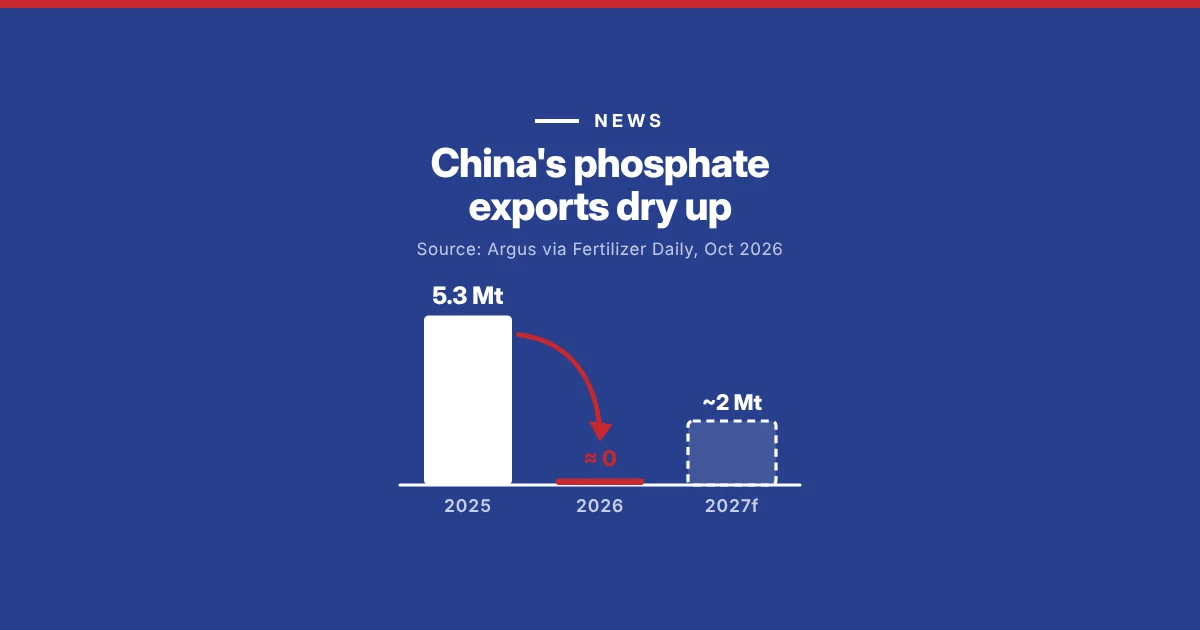
China, which exported about 5.3 million tonnes of phosphate fertilizer in 2025, has shipped almost none in 2026. With sulfur scarce and phosphate prices high, import-dependent markets face a tight season, and every kilo of phosphorus needs to work harder. At Van Polder, we believe a tight phosphate market is a reason to look again […]
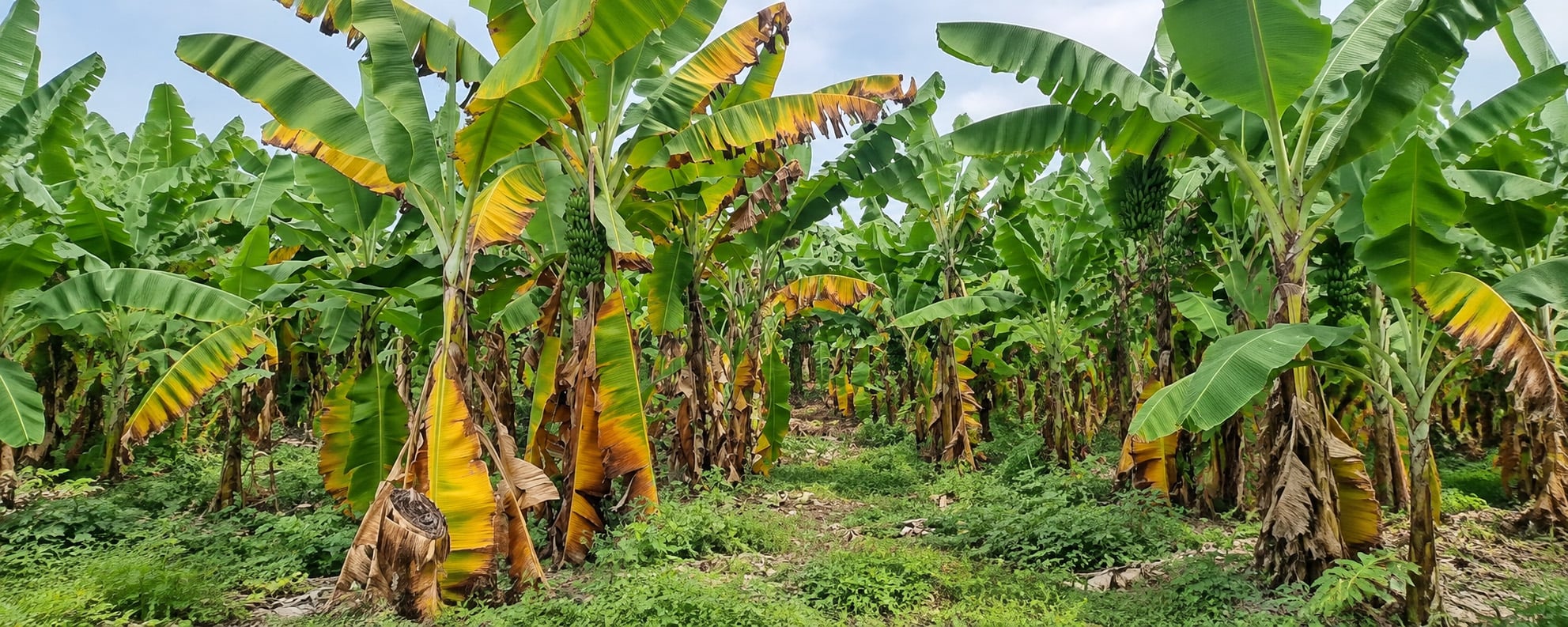
If you are starting a banana farm, Panama disease (Fusarium wilt of banana) is the risk to plan for. How to prevent Panama disease in bananas comes down to keeping the fungus out, because no fertilizer prevents or cures it and once it is in the soil it stays for decades (Pegg et al., 2019; […]
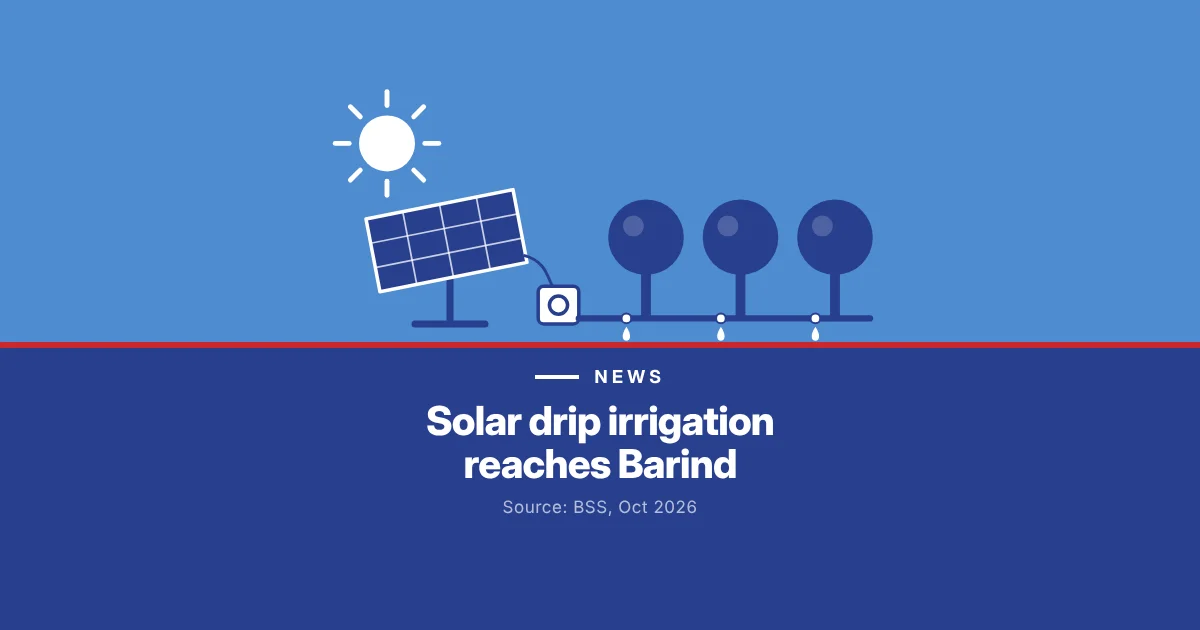
A government project in Bangladesh’s Rajshahi Division has brought solar-powered pumps, including solar drip systems for orchards, to drought-prone land where groundwater has been falling for decades. The Prime Minister wants all diesel irrigation pumps converted to solar within five years. For growers who move to drip, the next step is to feed the crop […]
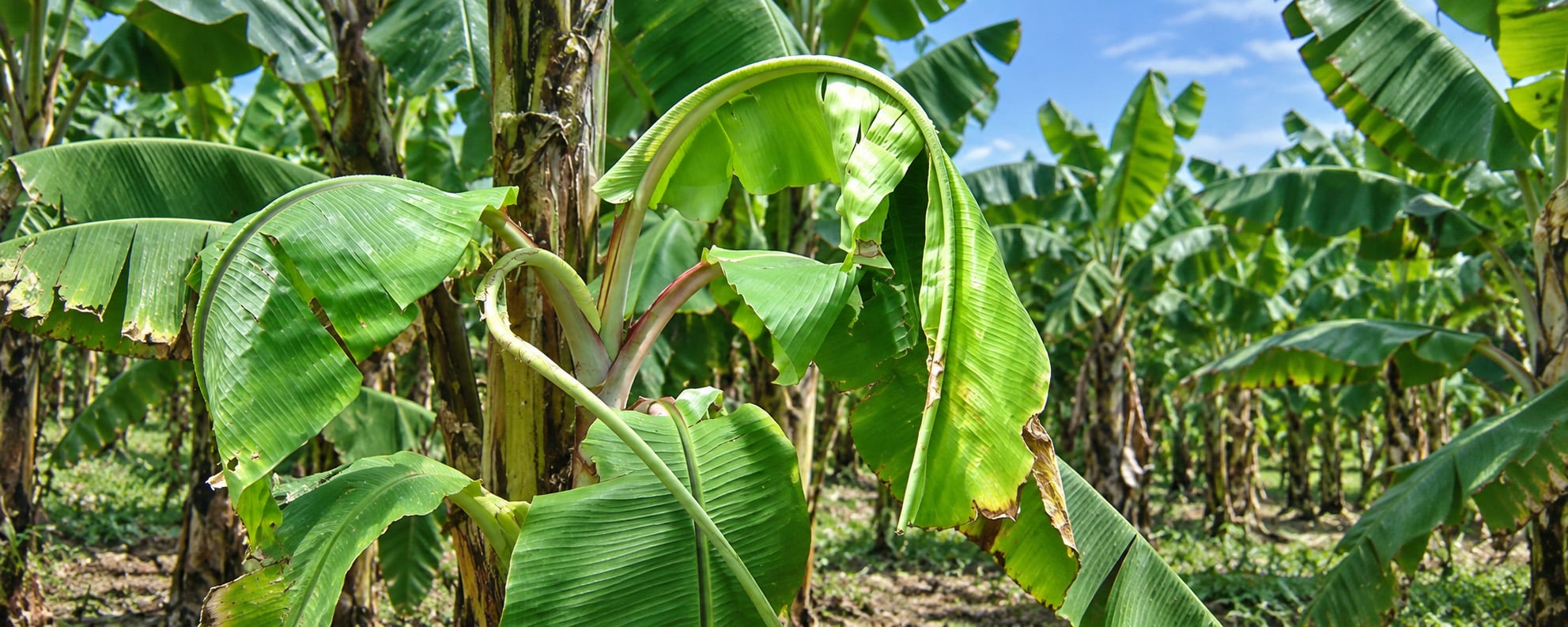
Calcium deficiency in banana shows first on the youngest leaves, as thickened veins and a saw-tooth pattern of yellow and dead tissue along the leaf margin, and in severe cases as “spike leaf”, new leaves with little or no blade, and poor-quality fruit (Turner, 1987; Martin-Prével, 1980). On most plantation soils it is not a […]
A calcium fertilizer supplies the calcium that holds plant cell walls and membranes together, but whether it reaches the fruit depends as much on water flow as on the fertilizer you choose. Calcium travels with water to the leaves and barely moves out of them again, so fruit and young leaves can run short even […]

An unusually wet winter brought coffee flowering in Minas Gerais forward by about a month, in several separate waves. With October forecast to be hotter than normal and rain patchy, the question for 2027 is now how many of those flowers turn into fruit. At Van Polder, we believe a strong flowering is only the […]