







6 Micronutrients for Coconut Tree to Boost Growth and Fruit Production
Coconut palms can remain green and vigorous for years yet still produce fewer nuts or develop uneven fruit quality. These hidden declines are often linked to micronutrient imbalances that are difficult to recognize in the early stages. In this guide, you’ll discover 6 micronutrients for coconut tree and learn how each one supports healthier growth, […]


Coconut palms can remain green and vigorous for years yet still produce fewer nuts or develop uneven fruit quality. These hidden declines are often linked to micronutrient imbalances that are difficult to recognize in the early stages. In this guide, you’ll discover 6 micronutrients for coconut tree and learn how each one supports healthier growth, stronger flowering, and more productive palms.
1. Boron (B): The Critical Element for Cell Growth and Fruit Setting
As the architectural backbone of coconut development, Boron is indispensable for cell stability and reproductive success. Without it, palms struggle to maintain structural integrity, leading to stunted growth and poor nut yields.
Role
- Strengthens cell development: Boron is essential for the formation and stability of cell walls and plasma membranes, allowing new tissues to grow and develop normally.
- Supports successful fruit set: It promotes pollen germination and pollen tube growth, which are critical for fertilization and consistent nut production.
- Improves vegetative growth: Adequate boron nutrition enhances trunk circumference, tree height, functional leaf production, and overall canopy development.
Deficiency Symptoms
- Young leaves become deformed: Because boron is immobile within the palm, deficiency first appears on newly emerging tissues, causing characteristic hook leaves, zigzag leaflets, wrinkled leaves, or unopened spear leaves.
- Flowers and nuts are damaged: Female flowers may dry prematurely, while developing nuts often crack, significantly reducing marketable yield.
- Growth declines: Long-term boron deficiency results in stunted palm growth and a noticeable reduction in annual nut production.
Critical Nutrient Interactions
- High potassium can reduce boron uptake: Heavy applications of Potassium Chloride (KCl) may induce boron deficiency because chloride ions compete with boron during nutrient absorption.
- High soil pH limits boron availability: Excessive liming or naturally alkaline soils can reduce boron availability, making deficiencies more likely even when boron is present in the soil.

2. Chlorine (Cl): The Key to Salt Tolerance and Nutrient Synergy
Note: While grouped here with micronutrients, Chlorine is technically a “beneficial nutrient” required in large quantities, exceeding the removal rate of many macronutrients.
Often underestimated, Chlorine is a high-demand nutrient vital for water regulation and stress tolerance. It acts as the palm’s primary hydration manager, ensuring the tree remains productive even during dry, challenging conditions.
Role
- Regulates water balance: Chlorine plays a critical role in the osmotic regulation of stomatal guard cells, allowing the palm to maintain proper water pressure and efficient gas exchange.
- Improves drought tolerance: Adequate chlorine nutrition enhances cell turgidity and water relations, helping coconut palms remain productive during dry periods.
- Enhances potassium efficiency: Chlorine works synergistically with potassium, improving the palm’s response to potassium fertilization. Applications of Potassium Chloride (KCl) have been shown to increase leaf chlorine concentrations and support higher nutrient-use efficiency.
- Supports high nutrient demand: Coconut palms remove large amounts of chlorine from the field approximately 125 kg/ha, making it the second most exported nutrient after harvest and even exceeding nitrogen removal.
Deficiency Symptoms
- Reduced canopy development: Chlorine-deficient palms typically produce fewer total fronds and fewer functional green leaves, limiting the canopy’s photosynthetic capacity.
- Poor water regulation: A lack of chlorine increases stomatal resistance, reducing the palm’s ability to regulate water loss and resulting in poorer physiological performance, especially under drought conditions.
- Higher risk in inland plantations: Deficiency is uncommon in coastal areas where sea spray naturally supplies chlorine, but it is frequently observed in inland plantations located far from marine influences.
Critical Nutrient Interactions
- Works closely with potassium: Chlorine improves the effectiveness of potassium fertilization, making the combination particularly important for sustaining high coconut yields.
- Common salt can serve as a chlorine source: Applying 1 kg of common salt (NaCl) per palm annually has been shown to increase the number of functional fronds and improve the palm’s water status.
- Can partially substitute potassium in specific soils: In laterite soils, sodium chloride may replace up to 50% of the potassium requirement, highlighting the coconut palm’s unique adaptation to saline nutrients.

3. Iron (Fe): Essential for Nitrogen Fixation and Photosynthesis
Iron serves as the essential engine for photosynthesis and energy production. By fueling chlorophyll synthesis, it ensures the palm remains lush, green, and biologically active, directly influencing the tree’s overall vigor.
Role
- Supports chlorophyll production: Iron acts as a catalyst for chlorophyll synthesis, enabling coconut palms to efficiently convert sunlight into energy for growth and development.
- Promotes biological nitrogen fixation: Iron is a key component of the nitrogenase enzyme, making it essential for biological nitrogen fixation (BNF) in integrated systems where legumes are grown alongside coconut palms.
- Maintains plant productivity: Adequate iron supports normal metabolic activity, helping coconut palms achieve vigorous growth and optimum yield potential.
Deficiency Symptoms
- Young leaf chlorosis: The earliest symptom is interveinal chlorosis on newly emerging leaves, where leaf tissue turns yellow while the veins remain green.
- Reduced growth: Continued deficiency leads to smaller leaves, necrotic leaflet tips, and overall growth stunting.
- Weak palm structure: Severe iron deficiency weakens palm development and prevents trees from growing straight and robustly.
Critical Nutrient Interactions
- Soil aeration affects availability: Iron deficiency commonly occurs in poorly aerated or waterlogged soils, as well as in palms planted too deeply, where restricted root activity reduces iron uptake.
- Excess iron may limit other nutrients: High iron concentrations can suppress the uptake of zinc, copper, and calcium because of nutrient antagonism.
- Soil conditions matter more than supply: Iron deficiency is often caused by poor availability rather than a lack of total iron in the soil, making proper soil management essential for maintaining healthy palms.

4. Manganese (Mn): Promoting Growth and Disease Resistance
Manganese is the secret to a healthy, disease-resistant canopy. It activates critical enzymes that drive early development and protect the palm from physiological stress, forming the foundation of a robust, productive tree.
Role
- Supports photosynthesis: Manganese contributes to chlorophyll formation, enabling coconut palms to efficiently convert sunlight into the energy required for growth.
- Activates key enzymes: It functions as an enzyme activator that promotes vegetative growth while supporting the biochemical processes involved in flowering and fruit development.
- Strengthens early development: Manganese is especially important during the juvenile stage, creating favorable conditions for healthy canopy formation and vigorous palm growth.
Deficiency Symptoms
- Frizzle top: The most characteristic symptom is“frizzle top,” where newly emerging leaves become chlorotic with longitudinal necrotic streaks before the leaflets curl, wither, and develop a scorched appearance.
- Stunted leaf growth: As the deficiency progresses, leaflet tips become necrotic and may fall off, leaving ragged leaves. In severe cases, palm growth may stop completely, with only necrotic petiole stubs emerging.
- Reduced disease resistance: According to the provided source, manganese deficiency weakens the palm’s natural defenses and may increase susceptibility to diseases such as blast and black leaf spot.
Critical Nutrient Interactions
- Soil pH influences availability: Manganese deficiency is most common in alkaline soils, poorly drained growing media, or during periods of low soil temperature that limit nutrient uptake.
- Can be confused with other deficiencies: Manganese deficiency is often mistaken for boron deficiency or advanced potassium deficiency, but the distinctive longitudinal streaking on young leaflets helps differentiate it.
- Balanced micronutrient supply is important: Long-term palm health is supported by applying a balanced micronutrient program containing iron, manganese, zinc, boron, and copper, particularly in plantations with recurring deficiencies.

5. Zinc (Zn): Vital for Healthy Metabolism and Fruit Quality
Zinc acts as a powerful metabolic catalyst, regulating the essential enzymes that drive flowering and fruit development. Maintaining adequate levels is key to preventing stunted foliage and ensuring a consistent, healthy harvest.
Role
- Activates metabolic enzymes: Zinc is an important component of numerous enzyme systems that regulate the palm’s metabolism and overall physiological functions.
- Supports fruit setting: It plays a direct role during the reproductive stage by promoting successful fruit set after flowering.
- Maintains productive growth: Adequate zinc nutrition helps coconut palms develop normally and reach their full yield potential.
Deficiency Symptoms
- Small leaf syndrome: The most distinctive symptom is the development of abnormally small leaves, with leaf size often reduced by up to 50%.
- Leaflet deformation: Deficient palms produce chlorotic, narrow, and noticeably shorter leaflets than healthy palms.
- Poor fruit production: Severe zinc deficiency delays flowering and causes button shedding, where young developing nuts drop prematurely before maturity.
Critical Nutrient Interactions
- Soil salinity increases deficiency risk: Zinc deficiency is more commonly observed in saline soils where nutrient uptake is restricted.
- Interactions with other nutrients: Excessive phosphorus (P) levels can inhibit zinc absorption, while accumulated iron (Fe) or excessive nitrogen (N) can also reduce zinc absorption through nutrient antagonism.
See also: Micronutrient Fertilizer for Citrus: Types, Dosage, and Application Guide

6. Copper (Cu): Enhancing Resilience and Tree Vigor
While needed in trace amounts, Copper provides immense benefits for structural strength and reproductive resilience. It is crucial for flower initiation and serves as a vital shield, boosting the palm’s resistance to environmental and disease threats.
Role
- Promotes reproductive growth: Copper supports flower initiation and contributes to normal reproductive development.
- Strengthens plant resilience: Adequate copper nutrition improves the palm’s natural ability to withstand environmental stress.
- Supports enzyme activity: Like zinc, copper functions as an enzyme activator involved in numerous metabolic processes required for healthy growth.
Deficiency Symptoms
- Copper-colored foliage: Deficient leaves may develop a characteristic coppery-blue, bleached, or grayish appearance.
- Leaf rolling: Terminal leaves often roll or curl as cells lose their internal water pressure (turgor).
- Flowering failure: Severe copper deficiency can prevent palms from producing flowers, resulting in complete loss of nut production.
- Greater disease susceptibility: Low copper levels weaken the palm’s natural defenses, increasing vulnerability to airborne fungal diseases.
Critical Nutrient Interactions
- Higher macronutrient demand increases copper requirement: As applications of nitrogen (N), phosphorus (P), and potassium (K) increase, coconut palms require more copper to maintain nutritional balance.
- Balanced micronutrient nutrition is essential: Copper performs best when supplied alongside other micronutrients such as iron, manganese, zinc, and boron, ensuring stable growth and long-term productivity.

7. Factors Influencing the Absorption of Micronutrients for Coconut
Micronutrient availability does not depend solely on fertilizer application. The following four factors play a critical role in determining nutrient absorption and overall palm performance.
7.1. Soil Physical and Chemical Properties
The physical and chemical properties of the soil directly influence how effectively coconut palms absorb micronutrients.
- Soil texture: Coastal sandy soils often contain very low levels of micronutrients due to their limited clay and organic matter content. This results in a low Cation Exchange Capacity (CEC), making nutrients more susceptible to leaching before roots can absorb them.
- Soil pH: The availability of Iron (Fe), Manganese (Mn), and Zinc (Zn) declines significantly in neutral or alkaline soils. Boron (B) is best absorbed at a soil pH between 5.0 and 7.0, while its availability decreases sharply when the pH exceeds 7.5.
- Organic matter: Organic matter serves as the primary natural source of Boron and helps improve micronutrient availability. Soils with low organic matter are more likely to experience long-term micronutrient deficiencies.
7.2. Antagonistic Nutrient Interactions
The absorption of one nutrient can be reduced when another is present in excessive amounts, creating nutrient imbalances within the palm.
- Potassium vs. Boron: Excessive applications of Potassium Chloride (KCl) may reduce Boron uptake because chloride ions compete with borate ions during absorption, increasing the risk of Boron deficiency.
- Chlorine vs. Nitrogen: High concentrations of chloride can also compete with nitrate ions, interfering with nitrogen uptake and reducing overall nutrient-use efficiency.
See also: Micronutrients for Corn: Essential Nutrients, Deficiency Symptoms, and Application Guide
7.3. Environmental Conditions and Soil Moisture Levels
Climate and soil moisture strongly affect nutrient mobility and root absorption throughout the growing season.
- Rainfall: In tropical regions with frequent heavy rainfall, highly soluble micronutrients such as Boron are easily leached from the topsoil, particularly in sandy soils, making regular replenishment necessary.
- Moisture balance: Dry soils limit nutrient dissolution and movement toward the roots, while waterlogged soils create oxygen-deficient conditions that restrict root activity and reduce micronutrient uptake.

7.4. Agricultural Management
Proper cultivation practices play an important role in maintaining micronutrient availability and improving nutrient-use efficiency.
- Liming practices: Although lime is commonly applied to correct soil acidity, excessive liming can increase soil pH, reducing the availability of Boron, Iron, Manganese, and Zinc.
- Moisture conservation: Applying mulch such as coconut fronds, husks, or coir pith helps retain soil moisture, reduce nutrient losses, and create favorable conditions for micronutrient dissolution and root absorption.
8. Effective Methods for Applying Micronutrients to Coconut
The following application methods are commonly used in coconut cultivation, depending on plantation conditions and the type of nutrient being supplied.
8.1. Common Application Techniques
Depending on plantation conditions and the severity of nutrient deficiency, micronutrients can be supplied through four commonly used application methods.
Soil application
- Suitable for routine micronutrient management and long-term nutrient supply.
- Nutrients are incorporated into circular basins or shallow trenches 1.8 – 2.0 m from the trunk, where feeder roots are concentrated.
- A balanced micronutrient mixture (Fe, Mn, Zn, B, and Cu) is commonly applied at 1 kg per palm annually together with organic manure.
- Apply 50 – 200g of Borax per palm per year depending on the severity of the deficiency and soil type. Avoid exceeding 300g to prevent boron toxicity.
Axillary application
- Delivers nutrients directly through the leaf axils, bypassing soil-related limitations such as nutrient fixation or weak root activity.
- Approximately 30 g of boric acid per palm can provide an effective boron supply without approaching toxic levels.
Foliar application
- Used when rapid correction is required or when soil conditions limit nutrient availability.
- Recommended spray concentrations include:
- Iron (Fe): 0.5 – 2% Ferrous Sulfate (FeSO₄)
- Manganese (Mn): 0.5 – 1% Manganese Sulfate (MnSO₄)
- Zinc (Zn): 0.5% Zinc Sulfate (ZnSO₄)
- Boron (B): 0.2% Borax for young palms and 0.1 – 0.5% boron solutions for mature palms.
Fertigation
- Suitable for plantations equipped with drip or micro-irrigation systems, providing a continuous nutrient supply to the active root zone.
- Fully water-soluble micronutrients should be used to prevent clogging.
- Maintaining the nutrient solution at approximately pH 5.0 helps improve micronutrient solubility and supports more consistent nutrient uptake.
See also: Micronutrient Fertilizer for Lemon Trees: Types, Dosage, and Application Guide
8.2. Application Timing and Dosage
Besides choosing the right application method, timing and dosage also influence how efficiently micronutrients are absorbed. Adjusting application schedules according to environmental conditions helps reduce nutrient losses and supports continuous nutrient availability throughout the growing season.
- Split annual applications: Instead of applying the entire annual requirement at once, micronutrients are often divided into two or more applications. For example, the annual Borax recommendation can be split into two equal doses applied six months apart, helping reduce leaching losses while maintaining a more stable boron supply.
- Apply under adequate soil moisture: Soil-applied micronutrients perform more consistently when sufficient moisture is available. During dry periods, irrigation immediately after fertilizer application helps dissolve nutrients and move them into the active root zone.
- Choose suitable conditions for foliar spraying: Foliar applications are generally carried out during the early morning, late afternoon, or under cloudy conditions to improve nutrient absorption while reducing evaporation and the risk of leaf scorch.
- Avoid excessive boron application: Boron is required only in small quantities, and excessive application may result in toxicity. Annual Borax application should not exceed 500 g per palm, as excessive rates can cause leaf yellowing, marginal necrosis, and reduced palm vigor.

Micronutrients may only be required in small amounts, but they have a direct impact on canopy development, flowering, fruit set, and overall coconut yield. Identifying deficiencies early and applying the right nutrients at the appropriate time helps maintain healthy palms and more consistent production. A balanced micronutrient management program is one of the most effective ways to improve both tree performance and long-term orchard productivity.


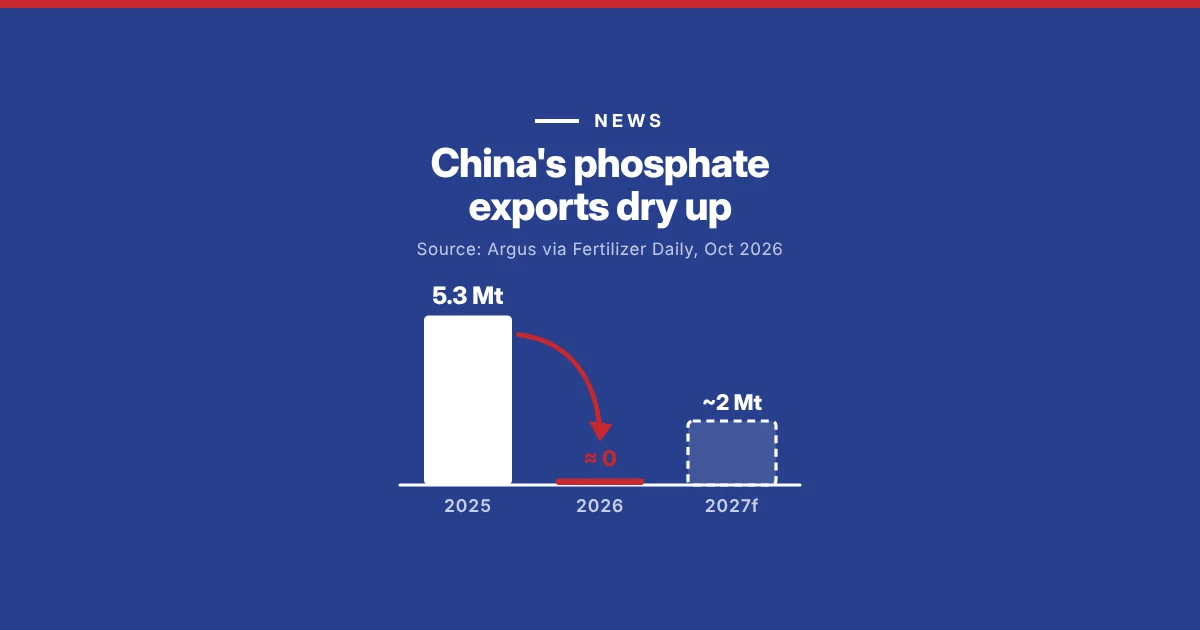
China, which exported about 5.3 million tonnes of phosphate fertilizer in 2025, has shipped almost none in 2026. With sulfur scarce and phosphate prices high, import-dependent markets face a tight season, and every kilo of phosphorus needs to work harder. At Van Polder, we believe a tight phosphate market is a reason to look again […]
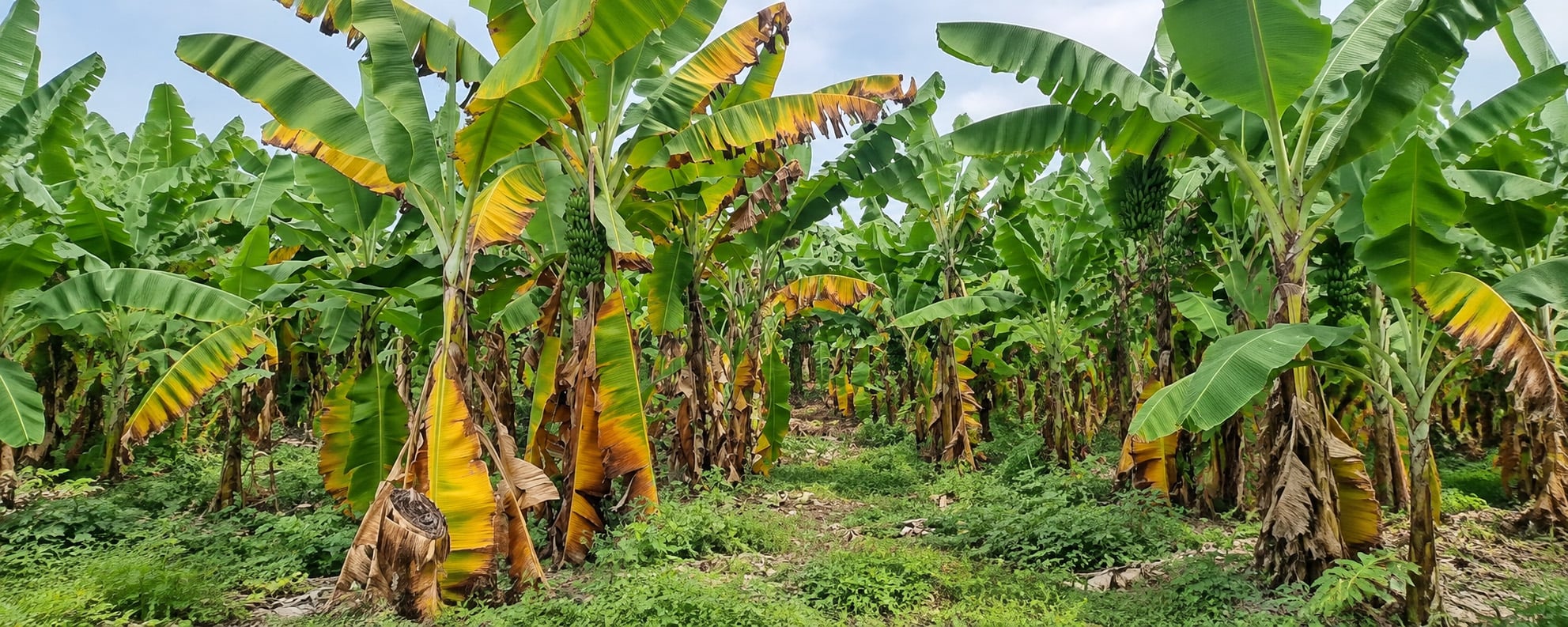
If you are starting a banana farm, Panama disease (Fusarium wilt of banana) is the risk to plan for. How to prevent Panama disease in bananas comes down to keeping the fungus out, because no fertilizer prevents or cures it and once it is in the soil it stays for decades (Pegg et al., 2019; […]
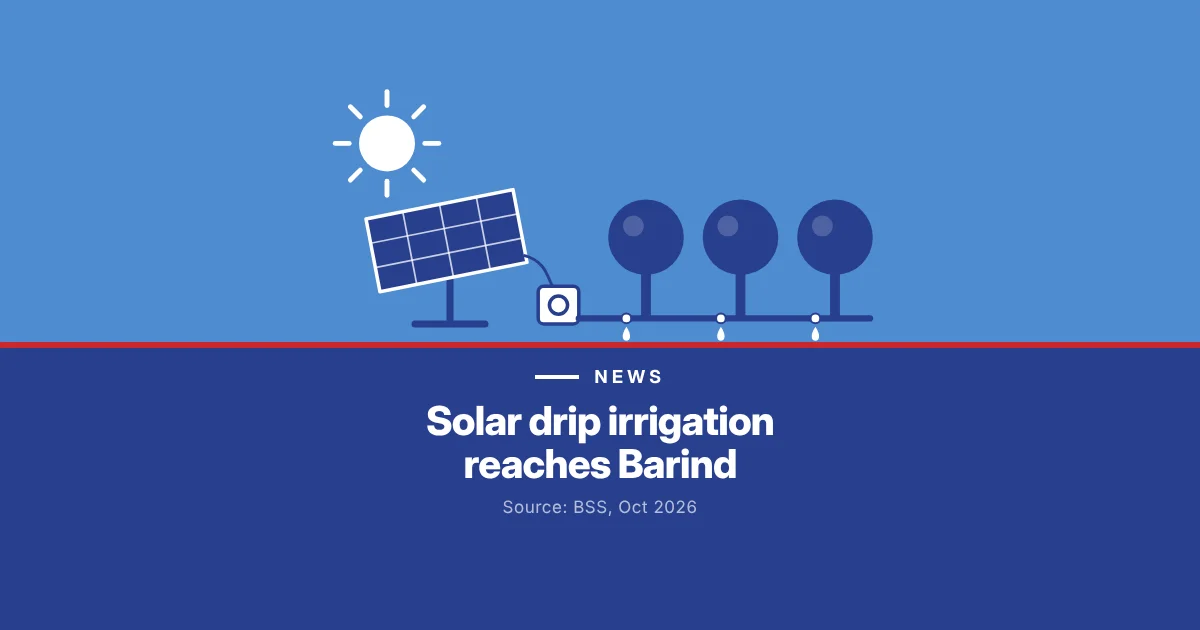
A government project in Bangladesh’s Rajshahi Division has brought solar-powered pumps, including solar drip systems for orchards, to drought-prone land where groundwater has been falling for decades. The Prime Minister wants all diesel irrigation pumps converted to solar within five years. For growers who move to drip, the next step is to feed the crop […]
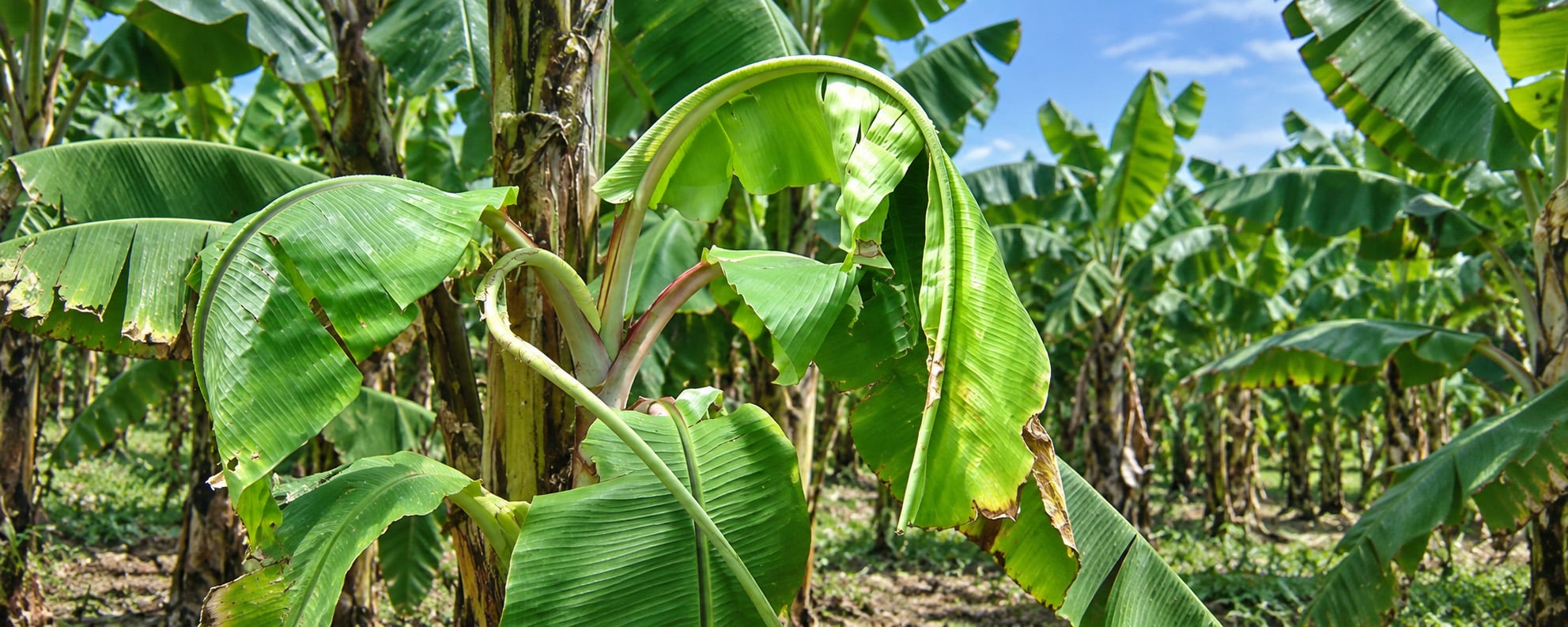
Calcium deficiency in banana shows first on the youngest leaves, as thickened veins and a saw-tooth pattern of yellow and dead tissue along the leaf margin, and in severe cases as “spike leaf”, new leaves with little or no blade, and poor-quality fruit (Turner, 1987; Martin-Prével, 1980). On most plantation soils it is not a […]
A calcium fertilizer supplies the calcium that holds plant cell walls and membranes together, but whether it reaches the fruit depends as much on water flow as on the fertilizer you choose. Calcium travels with water to the leaves and barely moves out of them again, so fruit and young leaves can run short even […]
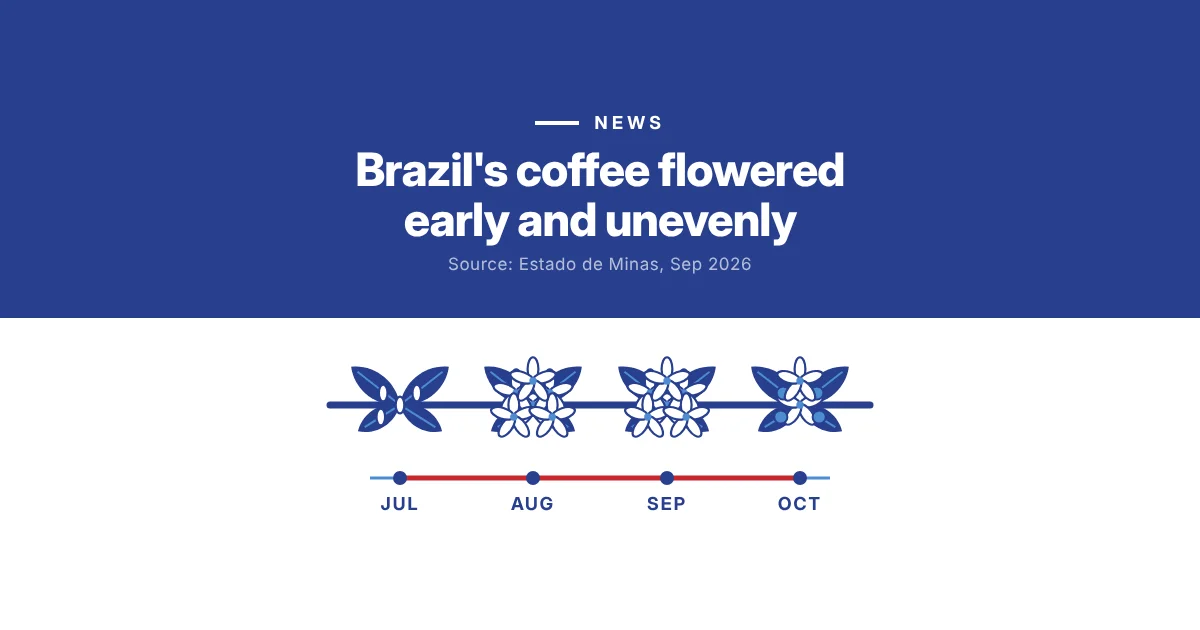
An unusually wet winter brought coffee flowering in Minas Gerais forward by about a month, in several separate waves. With October forecast to be hotter than normal and rain patchy, the question for 2027 is now how many of those flowers turn into fruit. At Van Polder, we believe a strong flowering is only the […]