



Blog
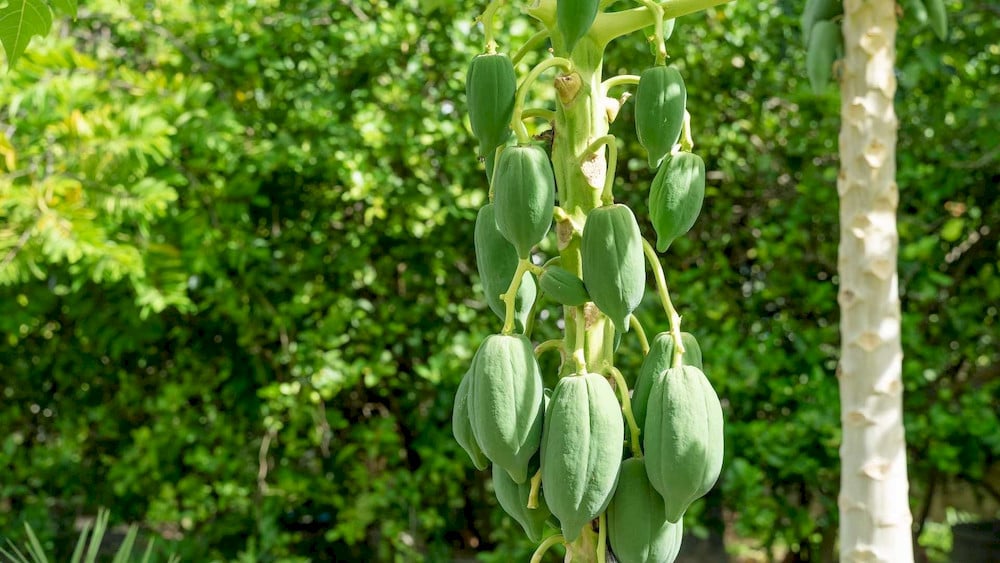
Enhancing Growth and Fruit Quality with Micronutrients for Papaya Plants
Achieving uniform, high-quality papaya fruits requires more than just a balanced NPK supply. Micronutrients for papaya plants, including Boron, Zinc, Iron, Manganese, and Copper, regulate key processes such as flowering, fruit formation, sugar accumulation, and plant defense. Understanding the function of each micronutrient and recognizing early deficiency symptoms allows growers to develop a more precise […]

9 Micronutrients for Soybeans to Optimize Yield and Grain Quality
Soybean yield depends not only on nitrogen, phosphorus, and potassium but also on an adequate supply of essential micronutrients. Although required in small amounts, these nutrients regulate critical processes such as photosynthesis, nitrogen fixation, enzyme activation, and seed development. This guide explores the 9 essential micronutrients for soybeans, their functions, deficiency symptoms, and the most […]

3 Micronutrient Fertilizer Types Every High-Yield Grower Needs To Know
Micronutrient fertilizers play an important role in supplying essential trace elements that support healthy crop growth and optimize yield potential. However, not everymicronutrient fertilizer typeperforms the same, as nutrient availability and effectiveness can vary depending on soil conditions and application requirements. From inorganic sources and synthetic chelates to natural organic complexes, each option offers unique […]

Micronutrients in the Soil: Easy Basics You Need to Know
Besides primary macronutrients and secondary ones, soil also supplies several key micronutrients: Copper (Cu), Iron (Fe), Manganese (Mn), Zinc (Zn), Boron (B), Molybdenum (Mo), and Nickel (Ni) that plants need only in tiny amounts, yet they activate enzymes, support chlorophyll formation and help crops absorb and use macronutrients more efficiently. Read on to learn what […]

2 Methods To Make Micronutrient Fertilizer: Practical DIY Approaches
Learning how to make micronutrient fertilizer at home is not as simple as mixing a few ingredients together. Micronutrients are required in very small amounts, and creating a balanced fertilizer depends on the right nutrient sources, accurate measurements, and plant needs. This guide explains two practical approaches: a simple natural method using seaweed and an […]

Top 6 Micronutrient Fertilizer Liquid Uses For Higher Crop Yield
Liquid micronutrient fertilizer is a fully dissolved solution of essential minerals like Iron and Zinc that are specially treated so plants can soak them up almost instantly. Because this formula is sediment-free, it prevents your sprayers from clogging while allowing you to easily control the exact amount of nutrients your garden receives. Discover these top […]

The 5 Practical Combi Fertilizer Uses for Modern Agriculture
Combi fertilizers are essential for boosting plant vigor and maintaining long-term soil health. Understanding the various combi fertilizer uses is key to overcoming “hidden hunger” in crops and maximizing farm efficiency. To learn how these benefits work, how to apply them for the best results, and the critical precautions needed to avoid common mistakes, read […]

Top 7 Chelated Zinc Fertilizer Uses for Plants and Soil & Best Application Methods
Chelated Zinc Fertilizer offers many important benefits for both plants and soil, helping to improve nutrient absorption, support stable growth, and enhance soil fertility. However, actual effectiveness depends heavily on how it is used, application timing, and soil/plant conditions. To understand each mechanism of action, optimal usage, and important precautions to avoid adverse effects, let’s […]
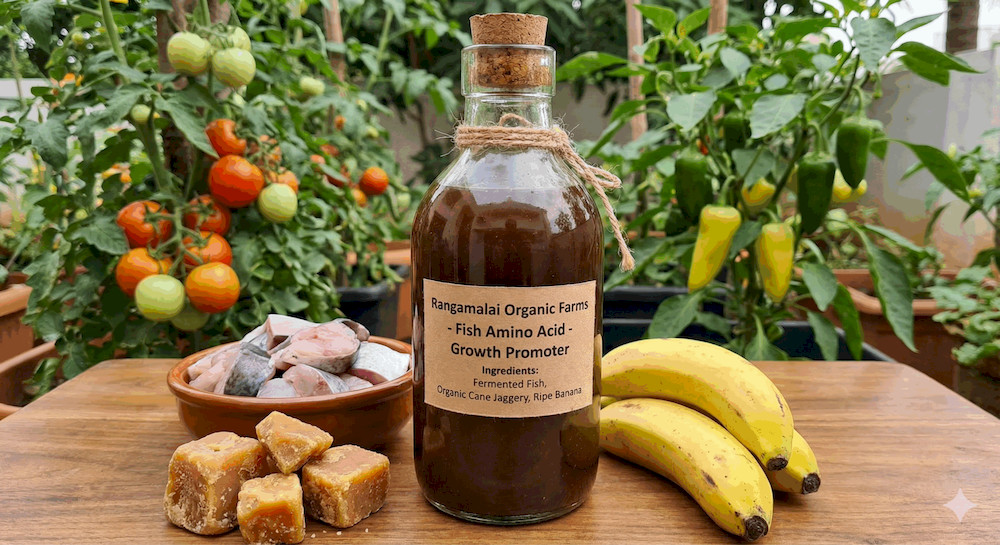
Does Fish Amino Acid Fertilizer Expire? Homemade and Commercial Explained
Fish amino acid fertilizer generally has a shelf life of around 3 months to 5 years, depending on whether it is homemade or commercial, as well as how it is fermented, formulated, and stored. Homemade batches tend to last for years, whereas commercial products follow the expiry date printed on the label. In most cases, […]