







Does Fish Amino Acid Fertilizer Expire? Homemade and Commercial Explained
Fish amino acid fertilizer generally has a shelf life of around 3 months to 5 years, depending on whether it is homemade or commercial, as well as how it is fermented, formulated, and stored. Homemade batches tend to last for years, whereas commercial products follow the expiry date printed on the label. In most cases, […]
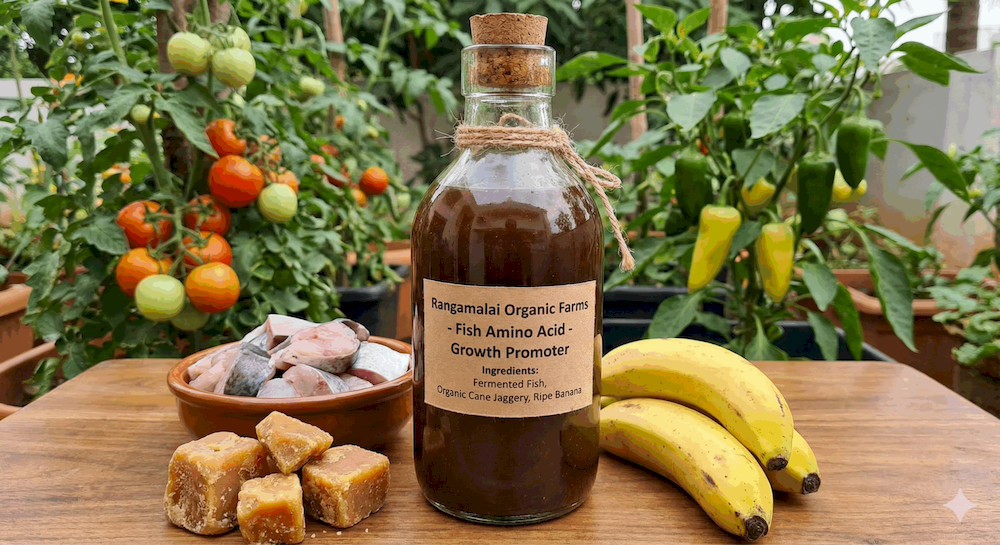

Fish amino acid fertilizer generally has a shelf life of around 3 months to 5 years, depending on whether it is homemade or commercial, as well as how it is fermented, formulated, and stored. Homemade batches tend to last for years, whereas commercial products follow the expiry date printed on the label. In most cases, proper storage conditions play a bigger role than time alone in determining its usability.
In this article, we will answer does fish amino acid fertilizer expire, and guide you through its shelf life, signs of spoilage, and the correct storage methods to help you use FAA effectively and safely.
1. Does Homemade Fish Amino Acid Fertilizer Expire?
Homemade fish amino acid (FAA) fertilizer doesn’t have a fixed expiration date as long as it is correctly fermented and stored under proper conditions.
The shelf life of homemade fish amino acid (FAA) solution depends greatly on the ingredient ratio used:
- With the standard formula (1:1 fish-to-sugar ratio): Mature homemade FAA typically has a shelf life of 1 to 5 years. When stored in a cool, shaded environment, the solution is very stable and can last for many years.
- With a low-sugar formula (3 parts fish: 1 part sugar): The low sugar content reduces osmotic resistance and leaves a large amount of free water, making the mixture more susceptible to bacterial spoilage and decomposition. As a result, the shelf life is significantly shorter – often only a few months.
Timing from the production date: The multi-year shelf life mentioned above applies to fully matured FAA solutions. From the initial soaking stage, the fermentation process required to fully break down cell tissues and stabilize the liquid typically takes 2 to 6 months.
Although some rapid fermentation methods allow the liquid to be used within 15 to 45 days, or even considered safe to seal and use after 7 to 10 days, achieving long-term stability of 1 to 5 years requires allowing the solution to fully mature using the standard 1:1 ratio.

Factors that reduce FAA shelf life:
- Direct Sunlight: Keep FAA in a cool, dark place. Sunlight and heat cause oxidation, which leads to bad smells and potentially harmful compounds.
- High Temperatures: Store in a cool area. Excess heat speeds up nutrient loss (like nitrogen) and makes the fertilizer spoil faster.
- Improper Sealing: During the first 1 – 2 weeks, cover the container with a breathable cloth or paper towel to let gases escape. Once bubbling stops, seal it tightly to prevent contamination and evaporation.
- Wrong Sugar Ratio: Always use a 1:1 fish-to-sugar ratio. Using too little sugar leaves too much water, which allows the mixture to rot and spoil.
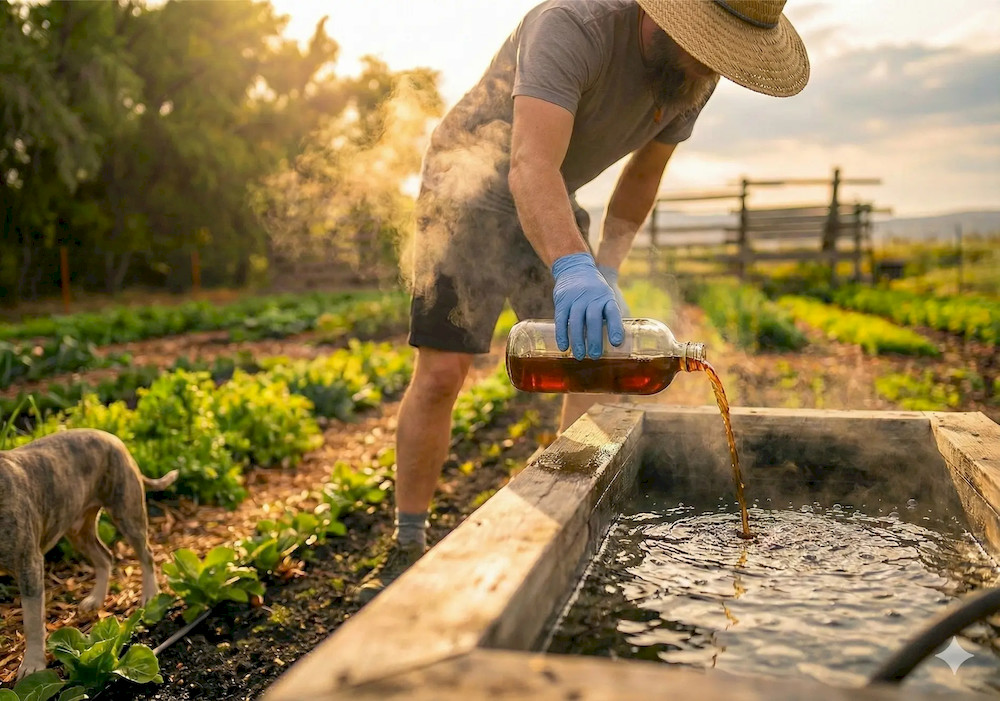
2. Does Commercial Fish Amino Acid Fertilizer Expire?
Yes, commercial Fish Amino Acid (FAA) fertilizer does have an expiration date, and its shelf life depends strongly on the formulation.
In general:
- Liquid commercial FAA: Shelf life is typically around 6 months to 1 year, depending on stabilization methods (such as added acids or pasteurization) and storage conditions.
- Powdered commercial FAA: Shelf life is usually longer, around 1 to 3 years, due to moisture removal through processes like spray drying.
Even before the expiration date, commercial FAA is usually at its highest quality and effectiveness during the recommended usage period stated by the manufacturer. After long storage, the product may still be usable if it has been stored properly, but the amino acids and other active compounds may gradually lose their effectiveness over time.
4 factors that reduce commercial FAA shelf life:
- Sunlight: UV rays break down nutrients and speed up oxidation, causing the fertilizer to spoil.
- High heat: Extreme temperatures trigger chemical reactions that destroy amino acids and reduce fertilizer quality.
- Poor sealing: If air gets in, oxygen and humidity can cause rapid spoilage and bacterial growth.
- Humidity (for powders): Moisture makes the powder clump together, which leads to nutrient loss and reactivates bad microbes.
3. Signs Your Fish Amino Acid Fertilizer Has Spoiled or Expired
There are several clear indicators that can help you determine whether your FAA has gone bad. Below are the key signs for each type.
3.1. Signs of Spoilage in Homemade FAA
Homemade FAA is more prone to fermentation imbalance, so spoilage is usually identified through noticeable changes in smell, color, and texture.
- Foul odor: A successful batch of FAA should smell sweet and slightly fishy, kind of like soy sauce or oyster sauce. If it starts to smell putrid or like rotting meat, the fermentation has failed.
- Fat issues: If you don’t deal with the fish fat layers (usually by tossing in some Indigenous Microorganisms or IMO), the fat will float to the top and go rancid, giving off a really heavy and gross smell.
- Dark black color: While ready-to-use FAA is a nice dark brown (often called “liquid gold”), if it turns pitch black and smells like stale fish, it means the product is breaking down and degrading.
- Loss of osmotic pressure: If the fish parts aren’t dissolving after a few days and the mix smells rotten, you probably didn’t use enough brown sugar to create osmotic pressure. You can easily save the batch just by adding more brown sugar.
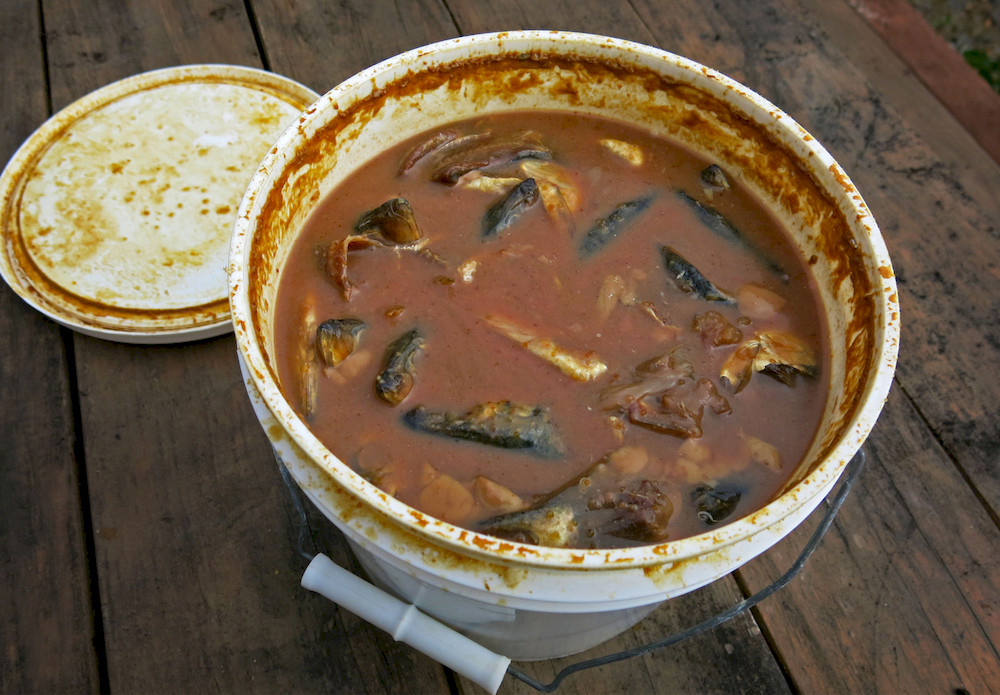
3.2. Signs of Spoilage or Degradation in Commercial FAA
While commercial FAA is formulated to have a longer shelf life, it can still go bad due to aging or poor storage. You can easily spot spoilage or severe degradation by looking for these clear physical and sensory signs:
- Putrid or rotting meat smell: Fresh commercial FAA typically has a mild, characteristic fishy or earthy smell. If it emits an overwhelmingly strong, putrid, or rotting meat odor, it is a major indicator of spoilage. This means harmful bacteria have severely decomposed the proteins, producing bad-smelling compounds like putrescine and cadaverine.
- Rancid oil odor: If the product smells like stale, oxidized oil or rancid fat, the remaining trace oils in the fertilizer have gone bad. This lipid oxidation usually happens when the product is exposed to too much oxygen, light, or heat.
- Pitch-black color with a stale smell (for liquids): A healthy liquid fish fertilizer usually has a dark brown or tawny color. If the liquid turns pitch black and is accompanied by a stale fish odor, it clearly shows that the product is expired and has entered a severe degradation phase.
- Clumping, stickiness, or hardening (for dry powders): For powdered FAA, moisture is the biggest enemy. If the dry powder absorbs humidity from the air, it will become sticky, caked, or clumped together into hard blocks. This physical change often leads to protein denaturation and nutrient loss.
- Unusual darkening and bitter off-odors: If the product gets noticeably darker than its original color and develops a burnt or bitter off-odor, it has undergone excessive “browning” (a chemical reaction caused by heat). This means the amino acids are locked up and have lost their nutritional value for plants. Since amino acids make up the core of the fish amino acid fertilizer composition, this kind of heat-induced locking is one of the most damaging forms of degradation FAA can undergo.
4. What to Do When Fish Amino Acid Fertilizer Expires?
If your Fish Amino Acid (FAA) fertilizer expires or starts going bad, you can either salvage it by adding brown sugar to rebalance the fermentation (for homemade batches) or discard it immediately if it’s completely rotten or a commercial product. Here is a quick guide on how to evaluate and handle your older FAA.
4.1. Homemade FAA That’s Been Stored Too Long or Looks Off
If Homemade FAA has been sitting in storage for a very long time or looks a bit weird, you should definitely check it before using it in your garden.
It’s still good to use if:
- The color is a rich dark brown (not pitch-black), and the liquid is slightly thick and syrupy.
- It smells sweet and pleasantly fishy, kind of like soy sauce or oyster sauce—absolutely no rotten meat smell.
- There are no signs of maggots, insects, or unwanted contamination.
If it’s still usable, just keep this in mind:
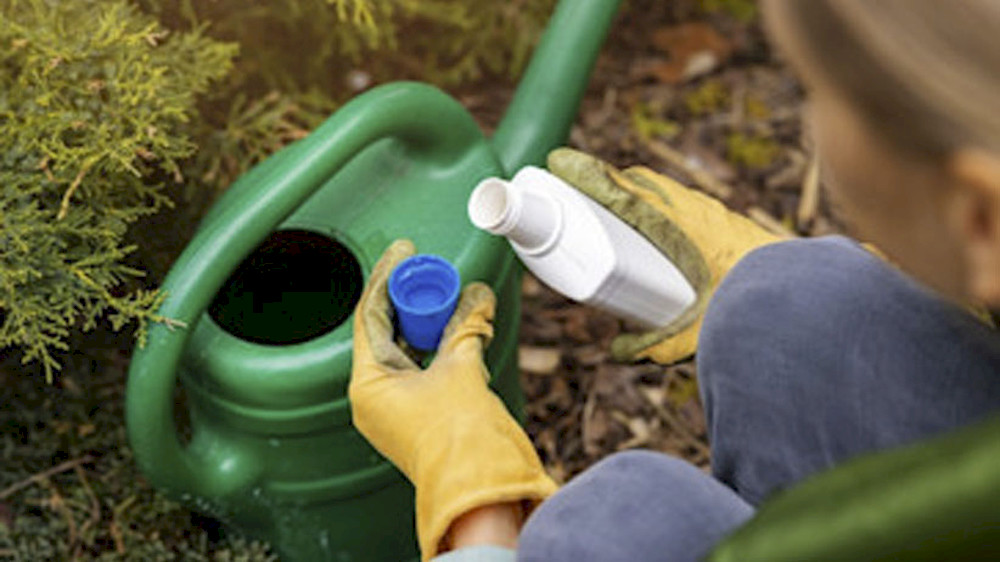
- Filter out any leftover sludge or large chunks before use so you don’t clog up your watering cans or sprayers.
- Always dilute it properly with water. Older FAA might have lost some moisture over time, making the remaining liquid more concentrated.
- Test it on a small section of your plants first just to see how they respond to an older batch.
Do NOT use it if you notice these signs of spoilage:
- It has a strong, putrid, or rotting meat smell instead of that sweet, fermented odor.
- The liquid has turned pitch-black.
- It is infested with maggots or has been severely contaminated by foreign organisms.
If the FAA only has a mild unusual odor (e. g., slightly sour or slightly too fishy), you can add brown sugar or molasses to help rebalance the fermentation process. Knowing how to rebalance a struggling batch comes much easier when you’ve followed a proper process from the start — our guide on fish amino acid fertilizer how to make covers the correct fish-to-sugar ratios that prevent this imbalance in the first place. However, if there is a clear putrid smell like decomposing fish carcasses, the product cannot be saved and must be discarded immediately.
4.2. Expired Commercial FAA
You can often still use store-bought FAA (like liquid fish hydrolysate or dry powder) even after its expiration date, as long as it hasn’t actually spoiled. Just keep in mind that it won’t be as potent as a fresh batch.
It’s still safe to use if:
- It looks and feels the same as when you first bought it.
- It smells normal (absolutely no rancid oil or rotting meat odors).
- The packaging stayed tightly sealed with zero moisture sneaking in.
Keep your expectations in check, because expired FAA:
- Has fewer active amino acids left.
- Won’t give your plants that explosive growth boost like a fresh bottle would.
- Is better used as a general soil conditioner to add organic matter, rather than a quick-acting plant stimulant.
Throw it out immediately if:
- It smells like stale fish, rotting meat, or rancid fat.
- The liquid has separated weirdly or shows obvious signs of contamination.
- The dry powder absorbed humidity, turned into hard sticky clumps, and won’t dissolve in water anymore.

5. How to Store Fish Amino Acid Fertilizer?
Proper storage is the secret to getting a long shelf life and the best results from your Fish Amino Acid (FAA) fertilizer. Good storage habits keep it from spoiling, lock in those valuable nutrients, and help both homemade and store-bought FAA last as long as possible.
General rules for both types:
- Keep it cool and dry: Always store your fertilizer in a cool, dry spot.
- Keep it in the dark: Direct sunlight and UV rays can break down the good stuff and harm the beneficial microbes.
- Seal it up tight: Always close the lid tightly after using it to keep out humidity, dust, and bad bacteria, and to stop any remaining fats from going rancid.
- Steady temperatures: Try to avoid spots where the temperature swings wildly from hot to cold.
Tips specifically for Homemade FAA:
- The right container: Use clay jars, ceramic crocks, or food-grade plastic jugs. Avoid metal containers at all costs because the natural acids will cause them to rust or corrode.
- The lid trick: For the first 7 to 10 days of fermentation, just cover the top of your jar with a paper towel or breathable cloth held by a rubber band. This lets the gases escape while it bubbles. Once the active bubbling calms down, you can screw a solid lid on tight for long-term storage.
- Keep it out of the fridge! Refrigeration will stop the fermentation process and put the helpful microbes to sleep. Your homemade FAA is super stable and will happily sit on a shelf at room temperature for years.
- Fixing bad smells: If it ever starts smelling foul or rotten instead of sweet and fishy (like soy sauce), it needs a boost. Just stir in some more brown sugar to rebalance the fermentation.
Tips specifically for Commercial FAA:
- Watch the heat: Most store-bought liquid FAA are commonly recommended to be kept below 40°C (104°F). Some high-end industrial products are even kept refrigerated at 4°C before they are shipped to maintain their freshness, so keeping them in a cool place is key.
- Go dry for the long haul: If you need to store fertilizer for a very long time, dry powder is usually a better choice than liquid. It’s much more stable and easier to store (since the liquid versions are about 90% water).
- Block the moisture: If you are using the powder form, keeping it bone-dry is absolutely critical. If humidity gets in, the powder will turn into hard, sticky clumps and lose its nutritional value.
- Check the label: Always follow the manufacturer’s expiration date. Commercial products are specially processed (like bringing fish oil down to below 0.5% to stop rancidity) or have preservatives added, so they behave a bit differently than your homemade batches.
In summary, whether fish amino acid fertilizer expires depends largely on the type and how it is stored. While both homemade and commercial FAA can remain stable for long periods, their quality and effectiveness will gradually decline if storage conditions are not properly maintained. By recognizing the signs of spoilage and following proper storage practices, you can extend the usability of FAA and ensure it continues to deliver optimal benefits for plant growth.


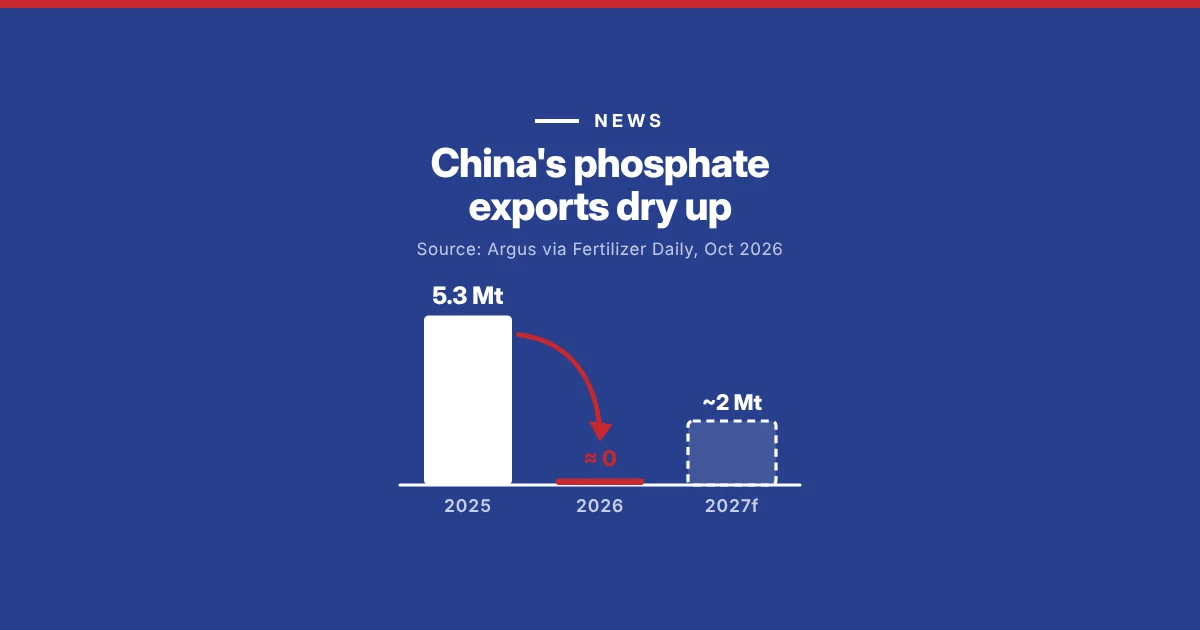
China, which exported about 5.3 million tonnes of phosphate fertilizer in 2025, has shipped almost none in 2026. With sulfur scarce and phosphate prices high, import-dependent markets face a tight season, and every kilo of phosphorus needs to work harder. At Van Polder, we believe a tight phosphate market is a reason to look again […]
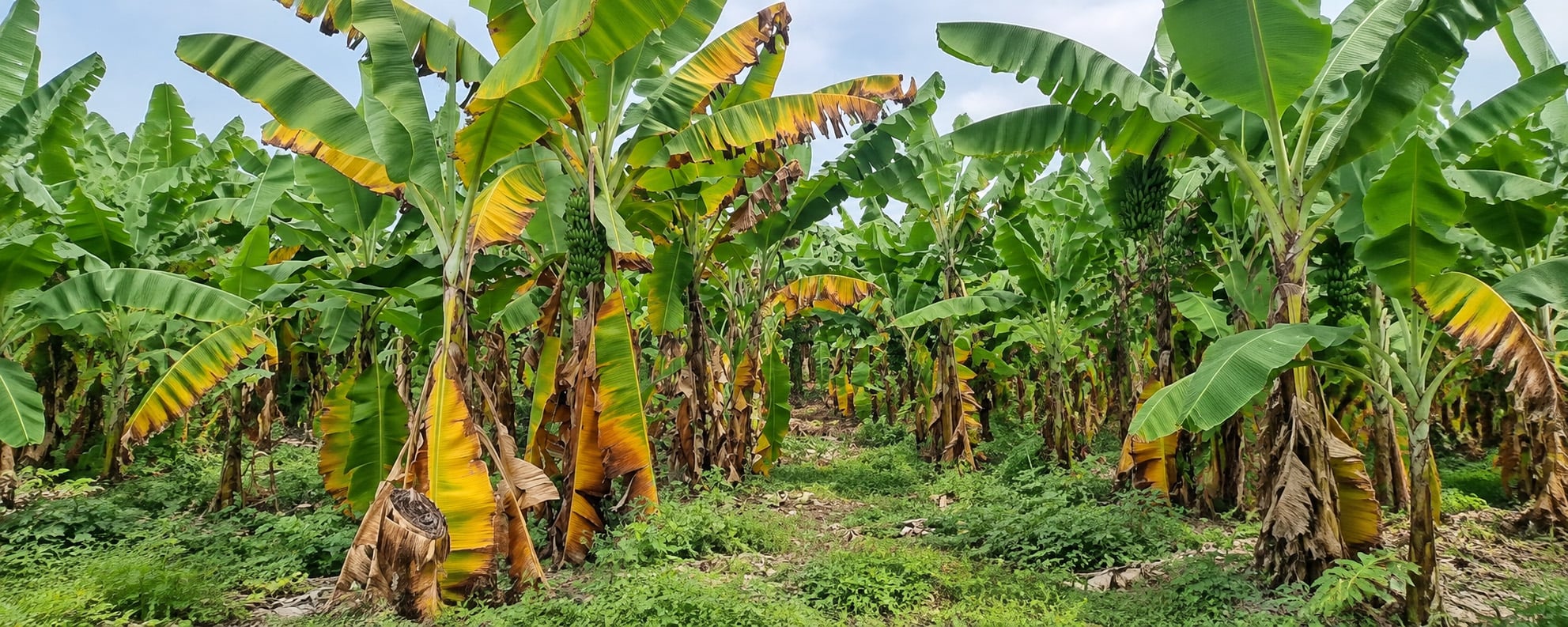
If you are starting a banana farm, Panama disease (Fusarium wilt of banana) is the risk to plan for. How to prevent Panama disease in bananas comes down to keeping the fungus out, because no fertilizer prevents or cures it and once it is in the soil it stays for decades (Pegg et al., 2019; […]
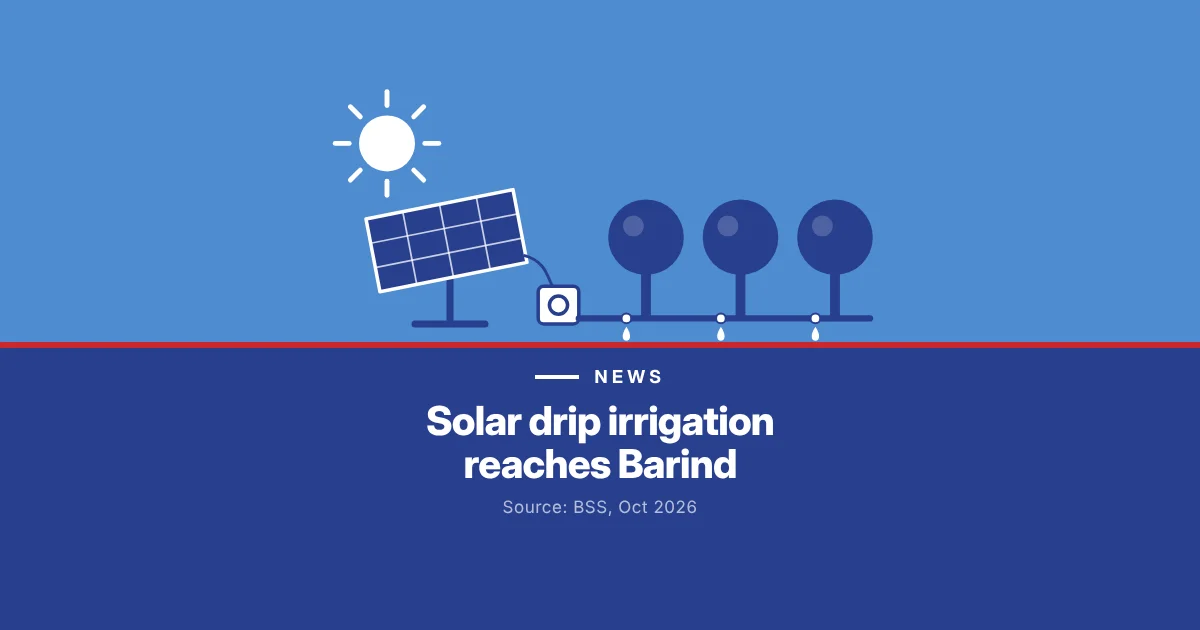
A government project in Bangladesh’s Rajshahi Division has brought solar-powered pumps, including solar drip systems for orchards, to drought-prone land where groundwater has been falling for decades. The Prime Minister wants all diesel irrigation pumps converted to solar within five years. For growers who move to drip, the next step is to feed the crop […]
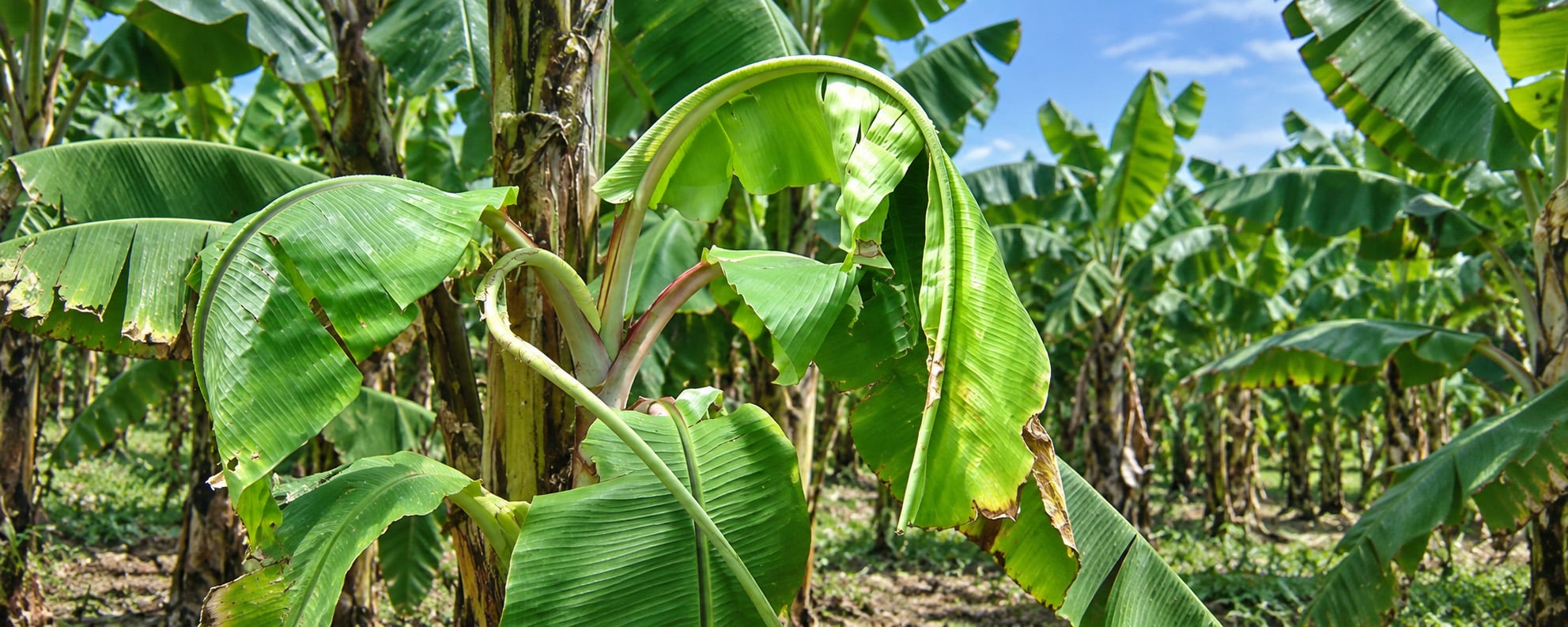
Calcium deficiency in banana shows first on the youngest leaves, as thickened veins and a saw-tooth pattern of yellow and dead tissue along the leaf margin, and in severe cases as “spike leaf”, new leaves with little or no blade, and poor-quality fruit (Turner, 1987; Martin-Prével, 1980). On most plantation soils it is not a […]
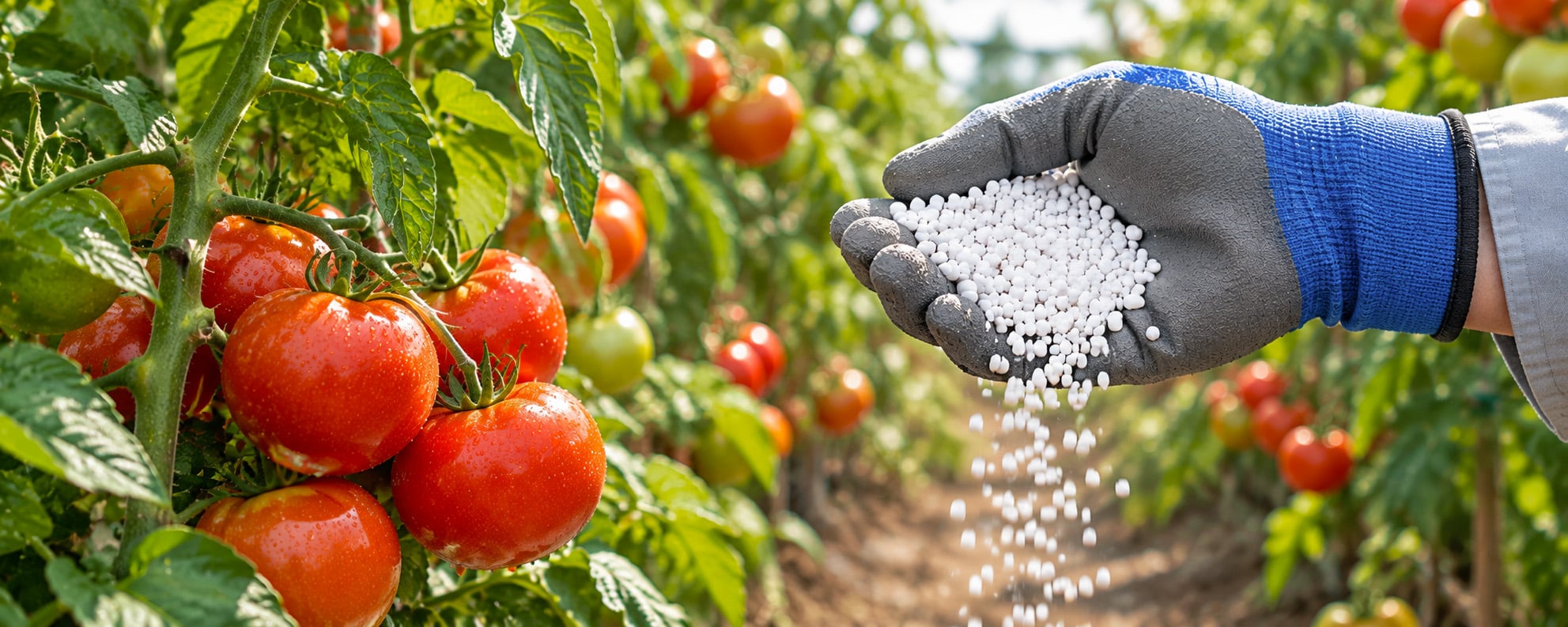
A calcium fertilizer supplies the calcium that holds plant cell walls and membranes together, but whether it reaches the fruit depends as much on water flow as on the fertilizer you choose. Calcium travels with water to the leaves and barely moves out of them again, so fruit and young leaves can run short even […]

An unusually wet winter brought coffee flowering in Minas Gerais forward by about a month, in several separate waves. With October forecast to be hotter than normal and rain patchy, the question for 2027 is now how many of those flowers turn into fruit. At Van Polder, we believe a strong flowering is only the […]