







Top 6 Micronutrient Fertilizer Liquid Uses For Higher Crop Yield
Liquid micronutrient fertilizer is a fully dissolved solution of essential minerals like Iron and Zinc that are specially treated so plants can soak them up almost instantly. Because this formula is sediment-free, it prevents your sprayers from clogging while allowing you to easily control the exact amount of nutrients your garden receives. Discover these top […]


Liquid micronutrient fertilizer is a fully dissolved solution of essential minerals like Iron and Zinc that are specially treated so plants can soak them up almost instantly. Because this formula is sediment-free, it prevents your sprayers from clogging while allowing you to easily control the exact amount of nutrients your garden receives. Discover these top 6 micronutrient fertilizer liquid uses to improve your soil fertility and help your crops reach their full potential
1. 3 Micronutrient Fertilizer Uses For Plants
Check out how these high-performance liquids solve common growing problems and boost your plant’s health from the inside out.
1.1. Rapid Foliar Uptake for Fast Deficiencies Correction
Micronutrients such as Zinc, Boron, and Iron are essential for flowering, fruit development, and healthy leaf growth. However, unfavorable soil conditions or pH imbalances can limit their availability, preventing plants from absorbing them efficiently even when they are present in the soil.
Foliar spraying helps overcome this challenge by delivering nutrients directly through the leaves, allowing faster absorption than traditional soil applications. This rapid uptake can produce noticeable improvements within just a few days, including:
- Greener foliage: Helps correct chlorosis and restore healthy leaf color.
- Improved flowering and fruit set: Supports flower development and reduces premature fruit drop.
- Higher crop quality: Enhances fruit size, appearance, flavor, and overall market value.

1.2. Mitigating Environmental and Abiotic Stress
Environmental stresses such as flooding, drought, frost, or extreme heat can reduce root activity and limit nutrient uptake. Foliar micronutrient applications help plants maintain growth and recover more quickly under these challenging conditions.
- Provides rapid nutritional support: Nutrients are absorbed directly through the leaves, allowing plants to receive essential elements even when root function is impaired.
- Improves stress tolerance: Micronutrients help maintain important physiological processes, enabling plants to better withstand adverse environmental conditions.
- Accelerates recovery after stress: Foliar feeding supports the development of new shoots and encourages plants to resume normal growth more quickly.
- Strengthens root and plant resilience: Zinc plays an important role in root regeneration and overall plant recovery, helping crops become more resilient to future stress events.
1.3. Preventing Nutrient Fixation
Applying minerals such as Iron or Zinc directly to the soil is often inefficient because they can quickly react with soil particles and become unavailable for plant uptake. This process, known as nutrient fixation, prevents roots from accessing nutrients even when they are present in the soil.
Liquid micronutrient fertilizers solve this by using a “protective shell” (known as a chelate). Think of this like a suit of armor that keeps the nutrients safe from getting trapped in the soil. This ensures the minerals stay dissolved and free-moving in the water around the roots, so your plants can soak them up easily whenever they need a boost.
2. Micronutrient Fertilizer Use For Soil
Chelated liquid micronutrients, such as EDTA, DTPA, and EDDHA formulations, remain highly soluble in water, allowing plants to absorb them more efficiently after application. Because nutrient uptake is improved, less fertilizer is left behind in the soil.
By using these clean liquids instead of traditional powders, you avoid the problem of leftover minerals building up and damaging your land over time. This prevents your garden from turning into a hard or crusty surface and keeps the ground from becoming too sour or acidic. Instead of struggling with packed and unhealthy dirt, your land stays soft, breathable, and ready for your next planting season

3. 2 Micronutrient Fertilizer Uses For Farming Practices
Liquid formulations offer three practical advantages that make modern farm equipment more reliable and nutrient management significantly easier.
3.1. Ensuring Zero Clogging in Smart Fertigation Systems
When you mix your own powders, they often do not dissolve completely, leaving behind solid bits that can block your equipment. In contrast, liquid micronutrients are fully dissolved and remain completely clear without any sediment.
- This makes them the best choice for:
- Automatic feeding systems that deliver nutrients through water.
- Drip irrigation lines used in greenhouses.
- Hydroponic setups or spraying with drones.
Because the liquid stays uniform, your pipes and nozzles stay clean. This protects your machinery and saves you money on frequent repairs and cleaning.

3.2. Flexible Fertilizer Application
Liquid micronutrient fertilizers are available in different styles to fit the size of your garden and your management style.
- Strong Concentrates: These allow you to mix precise amounts into your own custom nutrient blends to fix specific health problems in your plants.
- Ready-to-Use Sprays: These can be used immediately without any mixing or preparation. This is a major time-saver, especially for large farming operations that need to cover many plants quickly
4. 4 Methods Of Application Micronutrient Fertilizer Liquid
Here are the four most effective methods to deliver these essential minerals to your crops for the best results.
- Feeding through watering systems: This method mixes liquid nutrients directly into your water supply so they flow through irrigation pipes. It ensures that every plant receives an equal amount of nutrients while reducing manual labor. This is the best choice for large greenhouses or farms that already have irrigation systems installed.
- Spraying directly on leaves: This is the fastest way for plants to absorb nutrients. It is especially useful for quickly correcting issues like yellow leaves or giving an urgent boost during important growth stages when plants need immediate support.
- Pouring directly on roots: By applying liquid fertilizer directly into the soil at the base of the plant, nutrients go straight to the root zone. This helps strengthen root growth and supports beneficial soil life. It also allows precise control over dosage, making it ideal for potted plants, nurseries, and high-value crops.
- Soaking seeds before planting: Treating seeds with a nutrient solution before sowing helps improve germination speed and uniformity. This gives young plants a stronger start and promotes healthier early growth.

5. 3 Important Notes When Using Micronutrient Fertilizer Liquid
To get the best results and keep your crops safe, follow these essential guidelines for identifying plant problems, timing your feeding, and keeping your fertilizer fresh.
5.1. Signs Indicating Micronutrient Deficiency
Pay attention to these physical changes in your plants to know when they are starving for specific minerals:
- Boron Deficiency: Young leaves look pale or yellow, the top growing buds die off, and the plant starts growing too many side shoots.
- Iron Deficiency: Plants look short and stunted. You will see yellow leaves with green veins, appearing as stripes between the leaf edges and the center vein.
- Copper Deficiency: Stunted growth, yellowing young leaves, and top buds that look dried out or dead. You may also see the ends of the leaves wilting or dying.
- Nickel Deficiency: Seeds do not sprout well. Young leaves turn yellow (including the areas between the veins), which eventually leads to brown dead spots on the leaves.
5.2. Time For Applying Micronutrient Fertilizer Liquid
Timing is the most important factor in how well your plants can drink the nutrients you provide.
- Apply the liquid early in the morning or late in the evening when the breathing holes on the leaves are naturally open.
- Never apply fertilizer in the middle of the day because the hot sun can easily burn wet leaves.
- If your ground is dry, give the soil a light watering before you add the fertilizer. This helps the roots soak up the nutrients much more effectively.

5.3. Proper Storage of Micronutrient Fertilizer Liquid
Proper storage prevents your nutrients from breaking down and keeps your farm safe.
- Keep all containers tightly sealed and store them in a cool, dark, and dry area away from sunlight.
- Always store fertilizers where children and pets cannot reach them, and keep them away from your food.
Do not use the fertilizer if you notice these signs that it has gone bad.
|
By following these micronutrient fertilizer liquid uses, you can protect your equipment from clogs and ensure your garden remains healthy and productive all season long. Start feeding your plants smarter today to enjoy a much larger and higher-quality harvest.


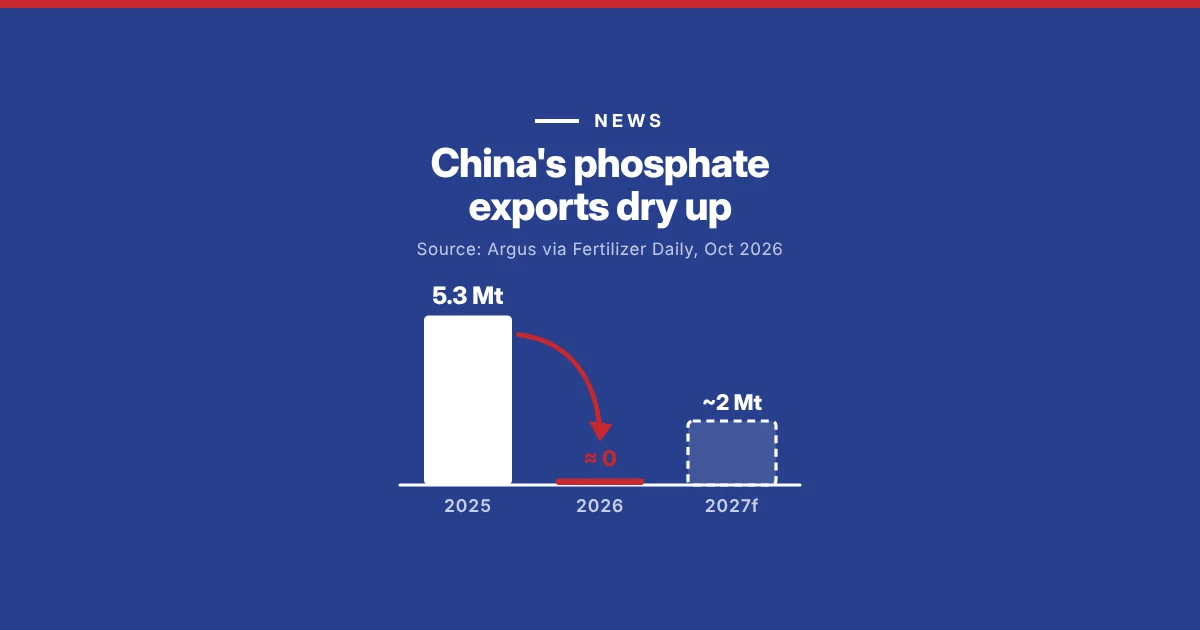
China, which exported about 5.3 million tonnes of phosphate fertilizer in 2025, has shipped almost none in 2026. With sulfur scarce and phosphate prices high, import-dependent markets face a tight season, and every kilo of phosphorus needs to work harder. At Van Polder, we believe a tight phosphate market is a reason to look again […]

If you are starting a banana farm, Panama disease (Fusarium wilt of banana) is the risk to plan for. How to prevent Panama disease in bananas comes down to keeping the fungus out, because no fertilizer prevents or cures it and once it is in the soil it stays for decades (Pegg et al., 2019; […]
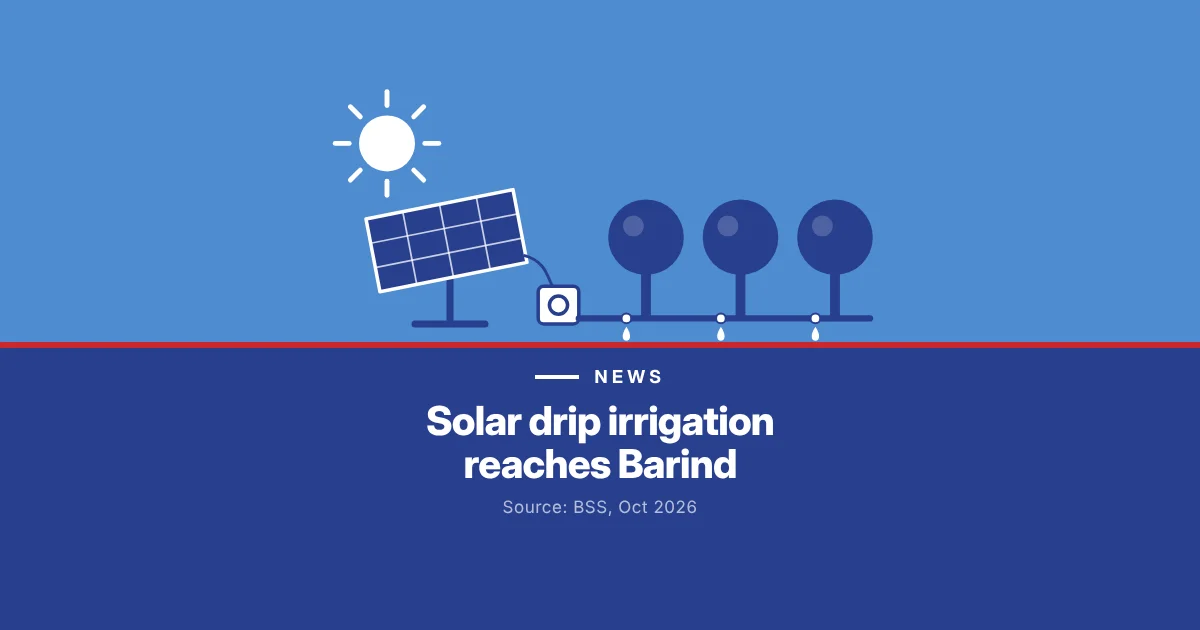
A government project in Bangladesh’s Rajshahi Division has brought solar-powered pumps, including solar drip systems for orchards, to drought-prone land where groundwater has been falling for decades. The Prime Minister wants all diesel irrigation pumps converted to solar within five years. For growers who move to drip, the next step is to feed the crop […]

Calcium deficiency in banana shows first on the youngest leaves, as thickened veins and a saw-tooth pattern of yellow and dead tissue along the leaf margin, and in severe cases as “spike leaf”, new leaves with little or no blade, and poor-quality fruit (Turner, 1987; Martin-Prével, 1980). On most plantation soils it is not a […]

A calcium fertilizer supplies the calcium that holds plant cell walls and membranes together, but whether it reaches the fruit depends as much on water flow as on the fertilizer you choose. Calcium travels with water to the leaves and barely moves out of them again, so fruit and young leaves can run short even […]

An unusually wet winter brought coffee flowering in Minas Gerais forward by about a month, in several separate waves. With October forecast to be hotter than normal and rain patchy, the question for 2027 is now how many of those flowers turn into fruit. At Van Polder, we believe a strong flowering is only the […]