







6 Essential Micronutrients for Mango Plants to Boost Yield and Fruit Quality
Healthy mango production depends on more than water and macronutrients. A balanced supply of micronutrients for mango plants is essential for strong flowering, fruit retention, sweetness, and overall fruit quality, while deficiencies can lead to poor yields and physiological disorders. This guide explains the six essential micronutrients, their functions, deficiency symptoms, and the best application […]
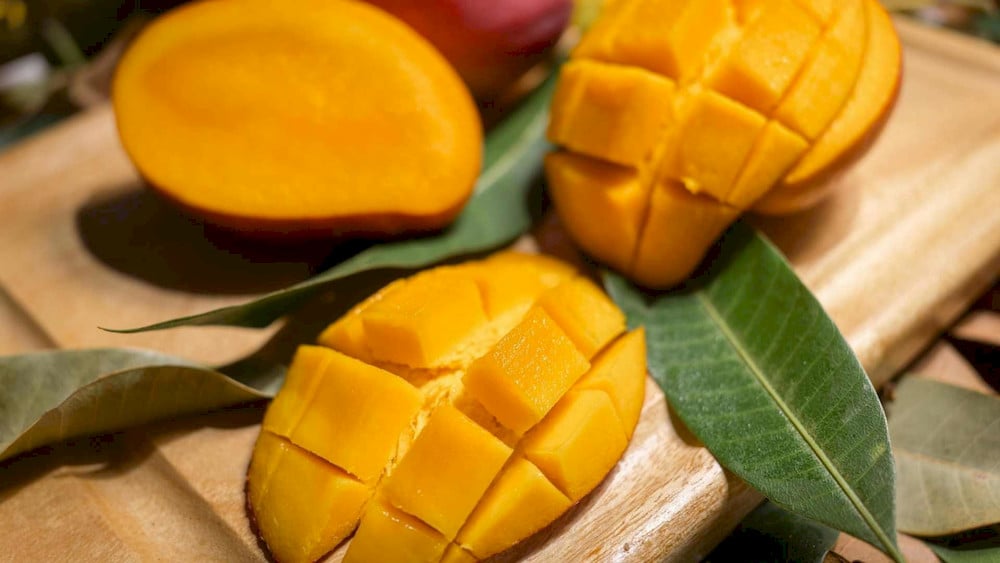

Healthy mango production depends on more than water and macronutrients. A balanced supply of micronutrients for mango plants is essential for strong flowering, fruit retention, sweetness, and overall fruit quality, while deficiencies can lead to poor yields and physiological disorders. This guide explains the six essential micronutrients, their functions, deficiency symptoms, and the best application methods for maximizing orchard performance.
1. Boron (B) – The Key to Flowering, Fruit Set, and Flesh
Boron is arguably one of the most critical micronutrients for producing high-quality mangoes. It plays a vital role across various stages of the tree’s life cycle, from initial cell development to final fruit ripening.
Essential roles:
- Cell growth and metabolism: Boron is necessary for the growth and enlargement of new reproductive cells and plant tissues. It facilitates the movement of plant hormones and sugars while supporting nucleic acid synthesis, protein synthesis, and carbohydrate metabolism.
- Reproduction and fruit set: Boron is a key nutrient for successful flowering and fruiting. It is essential for pollen germination and pollen tube growth, both of which are required for effective pollination.
- Structural integrity: Boron is a major component of cell walls, improving structural strength and supporting the transport of Calcium to developing cell walls.
- Fruit quality improvement: Adequate Boron increases Total Soluble Solids (TSS) and sugar content while reducing fruit acidity. It also improves fruit size, volume, and peel color.
- Prevention of physiological disorders: Proper Boron nutrition helps reduce fruit pitting, lumpy or bumpy fruit, fruit cracking, flesh browning, and internal flesh breakdown.
Symptoms of Boron deficiency:
- On leaves: The characteristic“shot hole” symptom appears as small holes in the leaf blade. Leaves may also become asymmetrical, distorted, or unevenly developed.
- On flowers: Flower panicles may bend sharply at a right angle, resulting in poor flowering and reduced fruit set.
- On fruit: Fruits become lumpy, bumpy, deformed, or cracked, often accompanied by internal flesh browning and internal flesh breakdown.
- On stems and branches: Trees may lose apical dominance, while swollen nodes, bark splitting, and gummosis become more apparent.
Boron toxicity: Boron has a very narrow margin between deficiency and toxicity, making correct application rates essential. Excessive Boron can cause the following symptoms:
- Leaf margin burning: A wavy burn pattern develops along the margins of older leaves, usually beginning at the leaf tip.
- Discoloration: Dark brown to black discoloration appears between the leaf veins.
- Necrosis: As toxicity progresses, black lesions merge along the leaf margins, eventually causing marginal leaf necrosis.
2. Zinc (Zn) – Stimulating Growth Hormones and Reducing Fruit Drop
Zinc is an essential micronutrient for mango plants, playing a fundamental role in metabolic processes, enzymatic activity, and redox reactions within plant cells. It is particularly important for regulating growth hormones, improving fruit retention, and maintaining stable yields.
Crucial roles:
- Hormone synthesis: Zinc is required for the synthesis of tryptophan, the precursor of the growth hormone Indole Acetic Acid (IAA). Adequate auxin production promotes cell elongation and regulates normal plant development.
- Fruit retention: By maintaining sufficient auxin levels, Zinc helps reduce premature fruit drop and improves fruit retention throughout the growing season.
- Energy metabolism: Zinc activates enzymes involved in photosynthesis, protein synthesis, and other metabolic pathways while contributing to water regulation within the plant.
- Cellular protection and disease defense: Zinc strengthens cell membrane integrity and stability. Adequate Zinc nutrition reduces the leakage of sugars and other low-molecular-weight compounds that can promote fungal infections.
- Leaf expansion: Zinc is essential for the normal expansion and development of young leaves, helping maintain a healthy canopy for efficient photosynthesis.
Symptoms of Zinc deficiency: Zinc deficiency is common in mango orchards, especially in calcareous or alkaline soils where nutrient availability is limited.
- “Little leaf” (rosetting): Affected trees develop clusters of small, thick leaves that fail to expand fully. The leaf blade may become stunted on one side, resulting in distorted growth.
- Reduced tree health: Zinc deficiency increases membrane leakage, allowing sugars to accumulate on leaf surfaces and increasing the susceptibility to fungal diseases such as powdery mildew (Oidium).
- Yield reduction: Insufficient Zinc leads to excessive fruit drop, poor fruit set, and lower overall fruit yield.
3. Copper (Cu) – Enhancing Structural Strength and Disease Resistance
Although required in relatively small amounts, Copper is essential for maintaining the structural strength of mango trees and improving their resistance to diseases. It is often supplied indirectly through routine orchard management, but prolonged deficiency can result in serious physiological disorders and increased susceptibility to pathogens.
Critical roles:
- Enzyme activation and photosynthesis: Copper is a key component of several enzymes, including polyphenol oxidase and diamine oxidase, and is essential for activating enzymatic reactions involved in photosynthesis and plant metabolism.
- Cell wall integrity: Copper plays a major role in lignin synthesis, strengthening cell walls and improving the structural rigidity of stems and branches. Reduced lignification caused by Copper deficiency is closely associated with higher disease incidence.
- Natural disease resistance: Copper possesses natural antimicrobial properties and enhances the tree’s defense against biotic stress. Deficiency can alter lipid structures involved in plant defense, making mango trees more vulnerable to pathogen infection.
- Fruit quality and yield: Adequate Copper nutrition has been associated with higher yields and an improved sugar-to-acid ratio, contributing to better fruit flavor and quality.
Symptoms of Copper deficiency: Copper deficiency typically appears as a gradual decline in tree vigor and is recognized as one of the nutritional factors associated with Mango Sudden Decline (MSD).
- Weak shoots and dieback: Trees develop weak terminal shoots followed by defoliation and progressive branch dieback, with symptoms advancing from the shoot tips downward.
- Drooping canopy: Long, drooping branches often develop in the upper canopy, creating a characteristic appearance.
- Cankers and gummosis: Severe deficiency may cause rotting cankers and excessive gummosis on the trunk and main branches, often accompanied by vascular discoloration beneath the bark.
4. Manganese (Mn): Driving Photosynthesis and Nutrient Metabolism
Manganese is an essential micronutrient that supports energy production and metabolic activity in mango trees. It functions as an enzyme activator, playing a central role in photosynthesis, respiration, nutrient metabolism, and overall tree productivity.
Critical roles:
- Supporting nutrient metabolism: Manganese acts as a cofactor for numerous enzymes involved in the synthesis of proteins, carbohydrates, and lipids, providing the building blocks required for healthy growth.
- Driving photosynthesis and respiration: It activates key oxidative processes and is indispensable for photosynthesis and cellular respiration, allowing the tree to efficiently convert sunlight into energy.
- Enhancing stress tolerance: Manganese helps protect plant tissues from oxidative stress caused by intense sunlight and fluctuating environmental conditions.
- Improving yield stability: Adequate Mn nutrition contributes to larger fruit size and may help reduce alternate bearing in mature mango trees, resulting in more consistent production across seasons.
Symptoms of Manganese deficiency:
- Leaf symptoms: Deficiency usually appears on young to middle-aged leaves as interveinal chlorosis or light necrotic areas between the veins. As the condition progresses, these spots enlarge and may eventually lead to premature leaf drop.
- Distinctive diagnosis: Unlike iron deficiency, the leaf tissue farthest from the veins often remains green, making Mn deficiency easier to distinguish.
- Shoot development: Young shoots may become stunted with reduced terminal growth, and new shoots can develop a characteristic S-shaped appearance.
- Severe deficiency: Necrosis commonly begins at the leaf tips before gradually spreading toward the base of the leaf.
5. Iron (Fe): Promoting Leaf Flushing and Chlorophyll Synthesis
Iron is a vital micronutrient that serves as a fundamental building block for the mango tree’s energy production system. Although required only in trace amounts, it plays an indispensable role in photosynthesis, chlorophyll formation, and metabolic regulation, supporting both vegetative growth and reproductive development.
Critical roles:
- Vegetative vigor and leaf flushing: Iron is essential for healthy leaf flushing and vigorous new shoot development, particularly during active vegetative growth after harvest.
- Reproductive success: Adequate Iron nutrition supports flower growth and development, contributing to improved flowering and fruit set.
- Chlorophyll formation and metabolism: Iron is an essential component of chlorophyll synthesis and numerous enzymes involved in photosynthesis, respiration, metabolic regulation, and water balance within the plant.
Symptoms of Iron deficiency:
- Interveinal chlorosis: Deficiency first appears on young leaves as interveinal chlorosis, where the leaf tissue turns pale yellow while the veins remain green.
- Progressive decline: As the deficiency becomes more severe, chlorosis gradually spreads across the entire leaf and may eventually develop into tissue necrosis.
- Stunted shoot development: Severe Iron deficiency results in compact or compressed terminal shoots that fail to expand normally, restricting canopy development and reducing tree vigor.
6. Molybdenum (Mo): Optimizing Nitrogen Assimilation and Nutrient Uptake
Although Molybdenum is required in the smallest amount among all essential micronutrients, it plays a fundamental role in nitrogen metabolism and nutrient utilization. Without an adequate Mo supply, mango trees cannot efficiently convert absorbed nitrogen into proteins, limiting vegetative growth, flowering, and overall productivity.
Critical roles:
- Optimizing nitrogen assimilation: Molybdenum is an essential component of enzymes responsible for converting absorbed nitrogen into forms the tree can utilize for growth and development.
- Supporting nutrient uptake: Adequate Mo enhances the absorption and utilization of other important nutrients, particularly Potassium (K), Calcium (Ca), and Iron (Fe).
- Promoting nitrogen fixation and metabolism: Molybdenum participates in key biochemical reactions involved in nitrogen fixation and nitrate reduction, supporting healthy plant metabolism.
See also: Soybean Micronutrient Needs: Essential Nutrients, Deficiency Symptoms, and Application Guide
Symptoms of Molybdenum deficiency:
- Restricted tree growth and lower yields: Insufficient Mo limits nitrogen metabolism, resulting in weaker vegetative growth and reduced fruit production.
- Nutrient imbalance: Deficiency reduces the plant’s ability to utilize nitrogen efficiently while also limiting the uptake of Potassium, Calcium, and Iron.
- Poor development of new tissues: Because Molybdenum is relatively immobile within the plant, newly developing leaves require a continuous supply to grow normally.
- Higher deficiency risk in acidic or compacted soils: Low soil pH and poor soil structure significantly reduce Mo availability, increasing the likelihood of deficiency.
7. 5 Key Factors Influencing Micronutrient Absorption
The following five factors have the greatest impact on micronutrient absorption and determine how effectively mango trees utilize applied nutrients.
| Factor | Key Impact on Micronutrient Uptake |
| Soil pH | – Acidic soils (pH < 5.5): Reduce the availability of Boron (B) and several other micronutrients.
– Alkaline or calcareous soils: Iron (Fe), Zinc (Zn), Manganese (Mn), and Boron (B) become chemically fixed and unavailable for root uptake. – Under high-pH conditions, foliar application is generally more effective than soil application. |
| Soil Texture & Structure | – Sandy soils: Low cation exchange capacity (CEC) causes micronutrients, especially Boron to leach easily.
– Low organic matter: Reduces the availability of Zinc, Boron, and Copper. – Excess organic matter: May decrease Copper availability. – Compacted soils: Restrict root growth and reduce the uptake of most micronutrients. |
| Moisture & Humidity | – Drought: Reduces root activity and limits the uptake of Manganese (Mn) and Boron (B).
– High humidity: Slows transpiration, reducing Boron transport through the xylem and limiting its movement to growing tissues. |
| Nutrient Interactions | – Excess Calcium (Ca): Inhibits the uptake of Zinc (Zn), Boron (B), and Copper (Cu).
– Excess Molybdenum (Mo): Reduces Iron (Fe) availability. – Excess Nitrogen (N): Can aggravate Boron deficiency and reduce its uptake efficiency. |
| Tree Physiology & Health | – Growth stage: Boron demand is highest during flowering and fruit set to support pollen tube growth and cell division.
– Tree health: Pest- or disease-stressed trees have impaired nutrient transport, reducing micronutrient absorption and overall nutrient-use efficiency. |
8. Optimal Timing for Micronutrient Fertilization of Mango Plants
Applying micronutrients at the right growth stage helps maximize nutrient uptake, support flowering and fruit development, and improve both yield and fruit quality. The following stages are considered the most effective windows for micronutrient application.
8.1. Post-Harvest Care
The post-harvest period is essential for restoring nutrient reserves and preparing the tree for the next production cycle.
- Soil application: Apply micronutrients together with organic matter and NPK fertilizers to replenish nutrients removed during fruit production. A common recommendation is 100 g Zinc sulfate, 50 g Copper sulfate, and 50 g Borax per tree.
- Foliar application: Apply approximately 50% of the annual micronutrient requirement (B, Zn, Fe, Mn, and Cu) immediately after harvest to stimulate tree recovery and support new vegetative growth.
8.2. The Vegetative Flush
Young flushes are the most efficient stage for foliar nutrient absorption because newly expanded leaves absorb micronutrients much better than mature foliage.
- Zinc (Zn): Apply during new shoot development to promote auxin synthesis, leaf expansion, and vigorous vegetative growth.
- Copper (Cu): Supplement only when necessary, especially if copper-based fungicides have not recently been applied, since these products often provide adequate Copper.
8.3. Pre-Flowering to Full Bloom
This is the most critical period for micronutrient fertilization because it directly influences flowering, pollination, fruit set, and early fruit retention.
- Pre-flowering: Apply Boron, Zinc, and Copper to improve panicle development and prepare flowers for successful pollination.
- Full bloom: A second foliar spray supports pollen germination and pollen tube growth, helping reduce flower drop and improve fruit set.
8.4. Fruit development
Maintaining adequate micronutrient levels during fruit growth enhances fruit size, sweetness, and overall market quality while reducing physiological disorders.
- Marble stage: Apply a combined foliar spray of Zinc, Boron, and Copper to increase fruit weight, improve fruit retention, and maximize yield.
- Active fruit growth: Continue supplying Boron and other micronutrients to increase Total Soluble Solids (TSS), improve sugar accumulation, and reduce physiological disorders such as spongy tissue and internal flesh breakdown.
See also: Enhancing Growth and Fruit Quality with Micronutrients for Papaya Plants
9. Application Methods: Best Practices for Maximum Efficiency
Selecting the appropriate application method is essential to maximize micronutrient absorption and improve fertilizer-use efficiency. Depending on orchard conditions and production systems, growers can apply micronutrients through the following methods:
9.1. Foliar Application
Foliar spraying is the fastest and most effective way to correct micronutrient deficiencies because nutrients are absorbed directly through leaves and other actively growing tissues.
- Application timing: Spray in the late afternoon and target soft tissues such as new leaf flushes and flower panicles, where nutrient absorption is highest. Mature leaves and developing fruits absorb micronutrients much less efficiently.
- Critical growth stages: The most effective application windows are pre-flowering and the marble stage. Note that leaf tests taken shortly after a foliar spray are unreliable – residue in the cuticle reports as tree content.
- Recommended concentrations:
- Zinc (Zn): Zinc sulfate at 0.2 – 0.8%.
- Boron (B): Boric acid or Solubor at 0.1 – 0.3%.
- Copper (Cu): Copper sulfate or copper oxychloride at 0.1 – 0.2%.
- Iron (Fe): Iron sulfate at 0.2%.
- Manganese (Mn): Manganese sulfate at 0.5%, especially for orchards with alkaline soils.
9.2. Soil Application
Soil application provides a long-term nutrient supply and is commonly combined with organic matter and NPK fertilizers to replenish nutrients removed during the growing season.
- Application method: Apply micronutrients in a trench beneath the canopy drip line. In heavy clay soils, band placement helps reduce nutrient fixation and improves root availability.
- Best timing: Apply immediately after harvest to restore nutrient reserves and support the next vegetative and reproductive cycle.
- Typical dosage (trees ≥10 years old):
- Zinc sulfate:~100 g/tree.
- Borax: 25 – 50 g/tree.
- Copper sulfate:~50 g/tree.
See also: Sugarcane Micronutrients: Essential Nutrients, Deficiency Symptoms, and Application Guide
9.3. Fertigation
For orchards equipped with drip or micro-sprinkler irrigation systems, fertigation offers an efficient way to deliver micronutrients directly to the active root zone.
- How it works: Water-soluble micronutrients, particularly chelated Iron, are injected into the irrigation system for rapid root uptake.
- Key advantages: Improves nutrient-use efficiency, minimizes leaching losses, reduces labor requirements, and allows smaller, more frequent applications. In suitable production systems, fertigation may reduce total annual fertilizer requirements by up to 25% while maintaining tree performance.
A successful mango harvest starts with balanced nutrition, and micronutrients for mango plants are the key to unlocking the tree’s full productive potential. By supplying the right trace elements at the right growth stage and using the appropriate application method, growers can improve flowering, reduce fruit drop, enhance sweetness, and produce healthier, export-quality mangoes season after season.


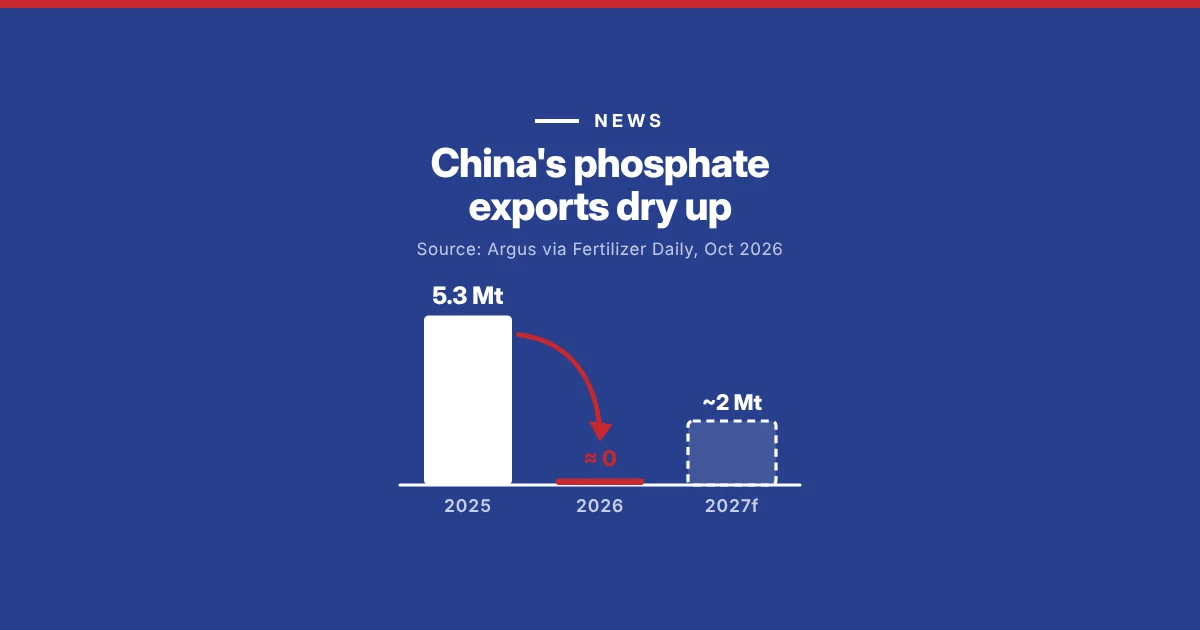
China, which exported about 5.3 million tonnes of phosphate fertilizer in 2025, has shipped almost none in 2026. With sulfur scarce and phosphate prices high, import-dependent markets face a tight season, and every kilo of phosphorus needs to work harder. At Van Polder, we believe a tight phosphate market is a reason to look again […]
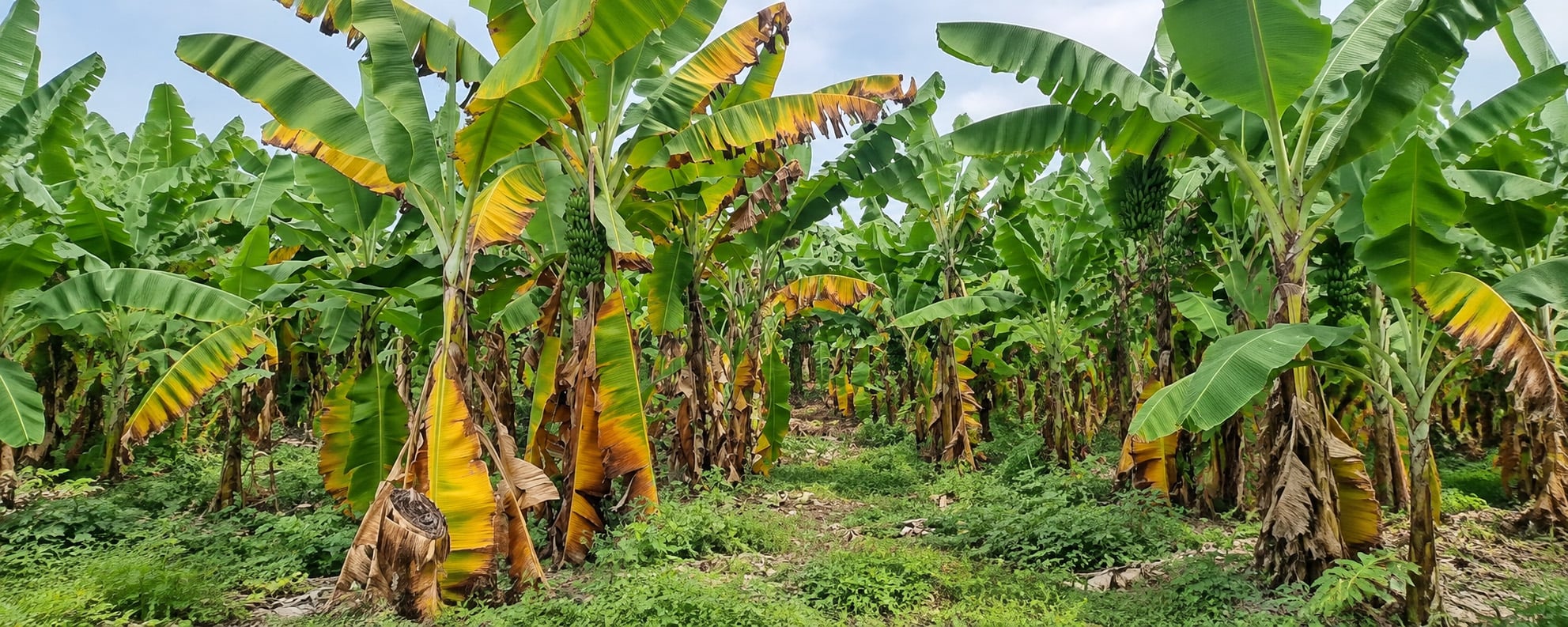
If you are starting a banana farm, Panama disease (Fusarium wilt of banana) is the risk to plan for. How to prevent Panama disease in bananas comes down to keeping the fungus out, because no fertilizer prevents or cures it and once it is in the soil it stays for decades (Pegg et al., 2019; […]

A government project in Bangladesh’s Rajshahi Division has brought solar-powered pumps, including solar drip systems for orchards, to drought-prone land where groundwater has been falling for decades. The Prime Minister wants all diesel irrigation pumps converted to solar within five years. For growers who move to drip, the next step is to feed the crop […]
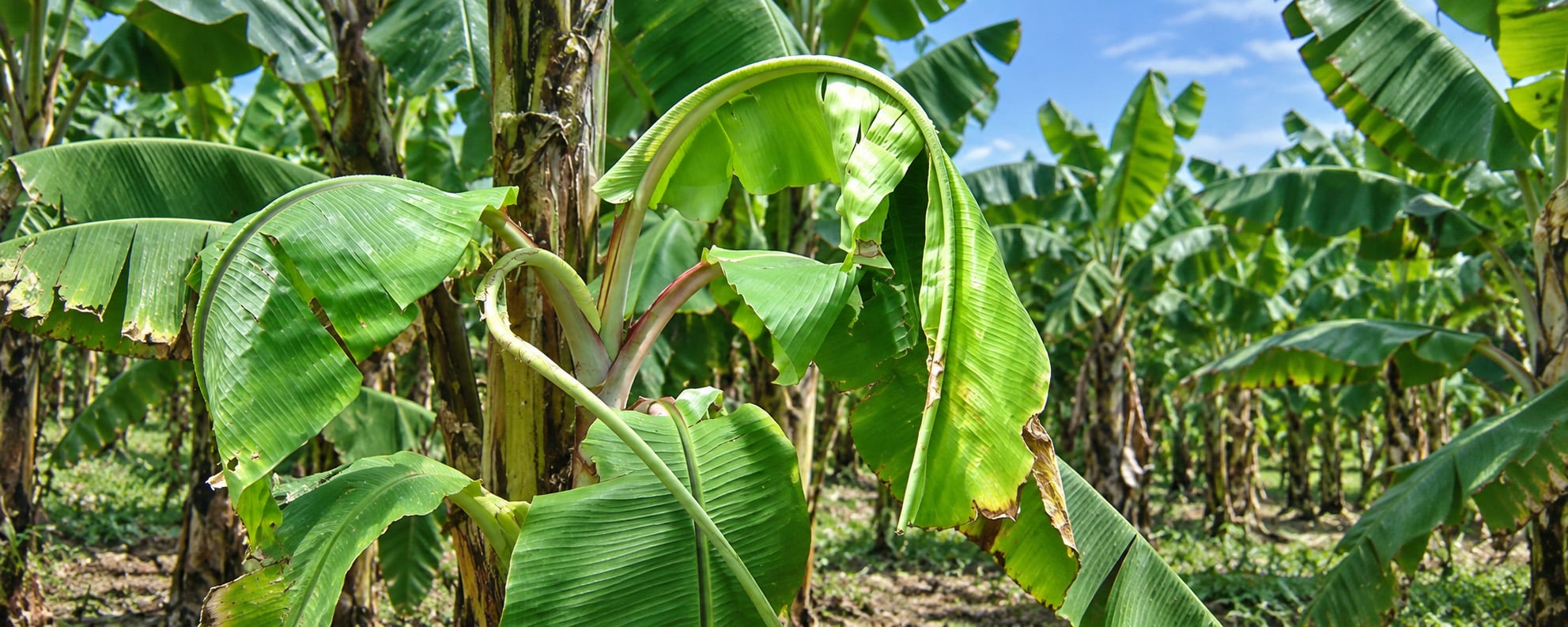
Calcium deficiency in banana shows first on the youngest leaves, as thickened veins and a saw-tooth pattern of yellow and dead tissue along the leaf margin, and in severe cases as “spike leaf”, new leaves with little or no blade, and poor-quality fruit (Turner, 1987; Martin-Prével, 1980). On most plantation soils it is not a […]
A calcium fertilizer supplies the calcium that holds plant cell walls and membranes together, but whether it reaches the fruit depends as much on water flow as on the fertilizer you choose. Calcium travels with water to the leaves and barely moves out of them again, so fruit and young leaves can run short even […]

An unusually wet winter brought coffee flowering in Minas Gerais forward by about a month, in several separate waves. With October forecast to be hotter than normal and rain patchy, the question for 2027 is now how many of those flowers turn into fruit. At Van Polder, we believe a strong flowering is only the […]