







What Is Fish Amino Acid Fertilizer? Benefits, Risks, How to Use, & Proper Storage Guide
Fish amino acid fertilizeris a potent organic biostimulant derived from fermented fish waste, rich in free amino acids and organic nitrogen. This biostimulant works to boost plant growth, improve nutrient absorption, and enhance stress tolerance in crops. To fully understand and utilize this powerful resource, you should refer to this guide to define FAA fertilizer, […]
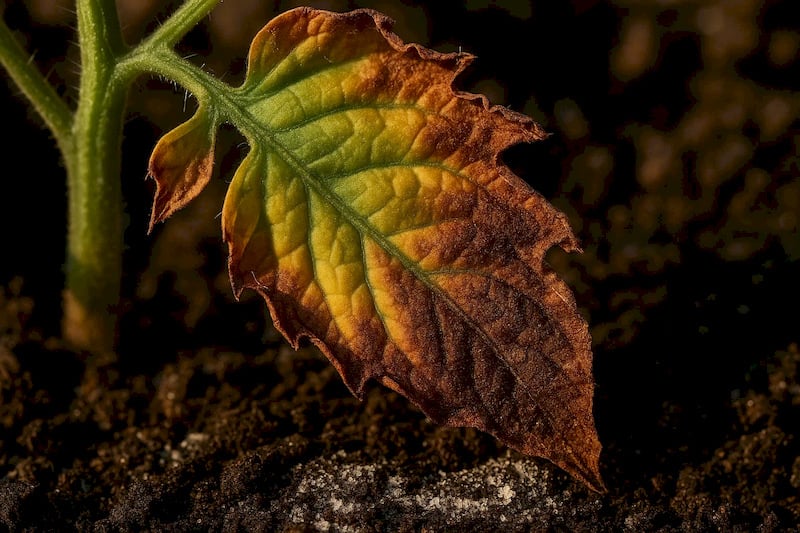

Fish amino acid fertilizeris a potent organic biostimulant derived from fermented fish waste, rich in free amino acids and organic nitrogen. This biostimulant works to boost plant growth, improve nutrient absorption, and enhance stress tolerance in crops. To fully understand and utilize this powerful resource, you should refer to this guide to define FAA fertilizer, details its production methods, explains how it works, and covers the potential disadvantages, proper usage, and essential storage guidelines to ensure maximum effectiveness.
1. Definition, Production, and Core Composition of FAA Fertilizer
To gain a comprehensive understanding of FAA Fertilizer, this section will clarify its definition, production process, and the core components that contribute to its biological effectiveness.
1.1. Definition of FAA Fertilizer
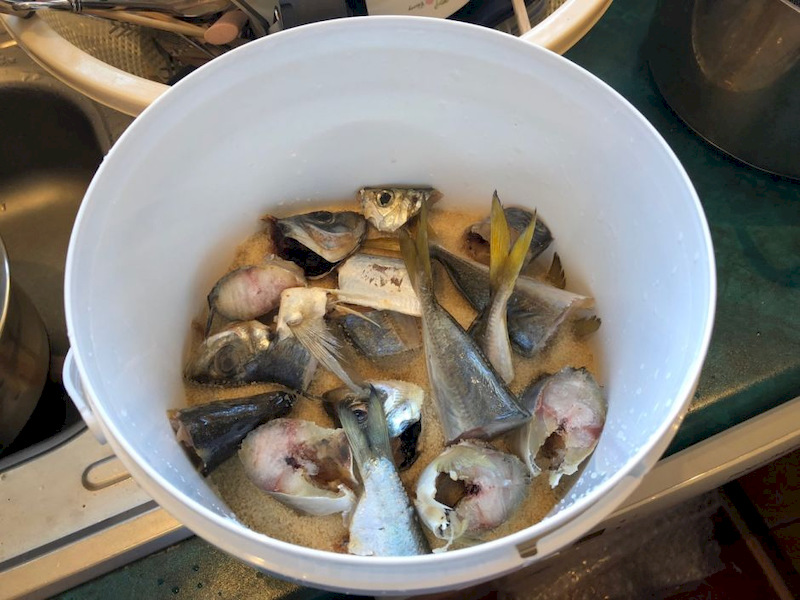
Fish amino acid fertilizer (FAA Fertilizer) is an organic nutrient bioformulation(available in liquid or powder form), rich in organic nitrogen, derived from fish by-products (such as heads, bones, offal). It is produced through traditional anaerobic fermentation with brown sugar or modern enzymatic hydrolysis.
FAA Fertilizer acts both as an organic fertilizer (providing biological nitrogen) and as a biostimulant, promoting growth and helping plants cope with abiotic and biotic stress.
1.2. Production of FAA Fertilizer
There are two main production methods for Fish Amino Acid fertilizer, which differ significantly in scale, technology, processing time, and quality control: the traditional homemade method (KNF natural farming) and the modern industrial method (commercial production). Each is described in detail below.
- Homemade FAA fertilizer (KNF method): Fresh fish by-products are mixed with brown sugar or molasses (1:1 ratio) and fermented for 2 – 6 months using Indigenous Microorganisms (IMO). This method is low-cost but produces variable quality.
- Commercial FAA fertilizer (industrial methods): Produced via enzymatic hydrolysis (using proteases like Alcalase), controlled microbial fermentation with formulated consortia, or advanced circular extraction (e. g., LimoFish process). These methods yield standardized products with significant free L‑amino acid content (commonly ≥12% or ≥35% in concentrated formulations) and consistent NPK ratios (e. g., 15‑1‑1). Commercial FAA Fertilizer is available in both liquid and powder forms (powder can bestored for 1 to 2 years).
>>>> See more: inlink BV 13 – production of fish amino acid fertilizer.`
1.3. Core Composition of FAA Fertilizer
The core composition of fish amino acid fertilizer (FAA) mainly consists of a combination of organic nitrogen, proteins, and amino acid chains. However, depending on whether it is homemade or commercially produced, the structure and concentration of these components can differ significantly.
Core Composition of Homemade FAA: In natural farming methods, FAA largely depends on natural biological decomposition processes, so its composition is more generalized and not precisely standardized:
- Organic nitrogen and minerals: FAA provides abundant organic nitrogen, phosphorus, potassium, and naturally occurring trace minerals for plants.
- Nutrient and amino acid complex: The core composition contains many nutrients and various amino acids released when fish by-products (such as heads, bones, skin, scales, and intestines) are fermented together with brown sugar, molasses, or palm sugar.
- Physical characteristics: This core mixture usually exists as a highly viscous liquid (emulsion-like), with a sweet and mildly fishy smell.
Core Composition of Commercial FAA: Commercial FAA products commonly use enzymatic hydrolysis technology or advanced industrial extraction methods to break down proteins, lipids, and complex minerals into smaller molecules. As a result, their composition is much more detailed and tightly controlled:
- System of 16 amino acids: Scientific analyses of modern commercial organic fertilizers (such as fish-derived products like AnchoisFert) have identified the presence of 16 amino acids, including essential, semi-essential, and non-essential amino acids.
- Most abundant amino acids: Leucine, glycine, glutamic acid, and alanine are among the most concentrated amino acids in the formulation.
- Other common amino acids: Proline, aspartic acid, arginine, serine, lysine, and phenylalanine are also present in relatively high proportions.
>>> See More: Fish Amino Acid Fertilizer Composition: Complete Nutrient Breakdown & NPK Ratio [2026]
2. How Fish Amino Acid Fertilizer Works
FAA Fertilizer acts through the following physiological and biochemical mechanisms:
- Direct absorption and energy conservation: Through microbial fermentation or enzymatic hydrolysis, complex proteins are broken down into free-form amino acids and low-molecular-weight peptides. Plants can absorb these directly at the cellular level, saving the substantial metabolic energy usually required to assimilate and convert inorganic nitrogen into amino acids.
- Biostimulant effects and phytohormone precursors: Free amino acids actively influence gene expression, activate enzyme synthesis, and regulate plant metabolism. Crucially, specific amino acids serve as direct precursors for plant hormones – for instance, tryptophan is the precursor for auxin (IAA), while methionine is the precursor for ethylene. These synthesized hormones play key roles in promoting cell division, regulating growth, and mediating stress responses.
- Natural chelation: Amino acids are excellent natural chelating ligands. They bind with micronutrients (such as Fe, Zn, Cu, and Mn) to form amino acid-micronutrient chelates. This process significantly increases the solubility, mobility, and transport of these essential nutrients within the plant.
- Soil microbiome stimulation: Beyond direct plant nutrition, FAA Fertilizer serves as a highly nutritious and easily degradable food base for beneficial soil microorganisms. This stimulates microbial activity in the rhizosphere, which in turn improves soil structure, enhances nutrient mineralization, and fosters a healthy ecosystem for root development.
3. Main Benefits of Fish Amino Acid Fertilizer
When applied correctly, FAA fertilizer delivers a range of benefits that go beyond simple nutrition:
- Promotes growth, increases yield, and conserves plant energy: FAA Fertilizer provides readily available free-form amino acids and low-molecular-weight peptides that are absorbed directly through the root system and leaf stomata. This saves the plant substantial metabolic energy that would otherwise be needed to convert nitrate (NO₃⁻) or ammonium (NH₄⁺) into amino acids. Consequently, it improves plant height, leaf area, biomass, and overall yield—and may even replace part of inorganic fertilizers under certain conditions.
- Improves soil health and feeds beneficial microbes: FAA Fertilizer serves as a highly nutritious food source for beneficial soil microorganisms, such as Plant Growth-Promoting Rhizobacteria (PGPR) and mycorrhizal fungi. This increases microbial biomass, improves soil structure, enhances nutrient cycling, and creates a healthier root zone for plants.
- Enhances photosynthesis and chlorophyll content: FAA Fertilizer is naturally rich in glycine and glutamic acid, which are direct precursors of chlorophyll. As a result, it helps increase chlorophyll content, expand leaf area, improve photosynthetic efficiency, and enhance certain quality parameters such as vitamin content.
- Increases stress tolerance (Biostimulant): Acting as a natural biostimulant, FAA Fertilizer helps plants recover faster from adverse environmental conditions such as drought, salinity, extreme heat, or chemical stress. It protects cells from oxidative stress, stabilizes cell membranes, and helps the plant maintain resilience during harsh conditions.
- Enhances nutrient use efficiency (NUE) and natural chelation: FAA Fertilizer supplementation reduces nitrogen losses and improves overall NUE. Concurrently, amino acids act as natural chelators, binding with micronutrients (such as Fe, Zn, Cu, and Mn) to ensure they remain in highly absorbable forms for the plant.
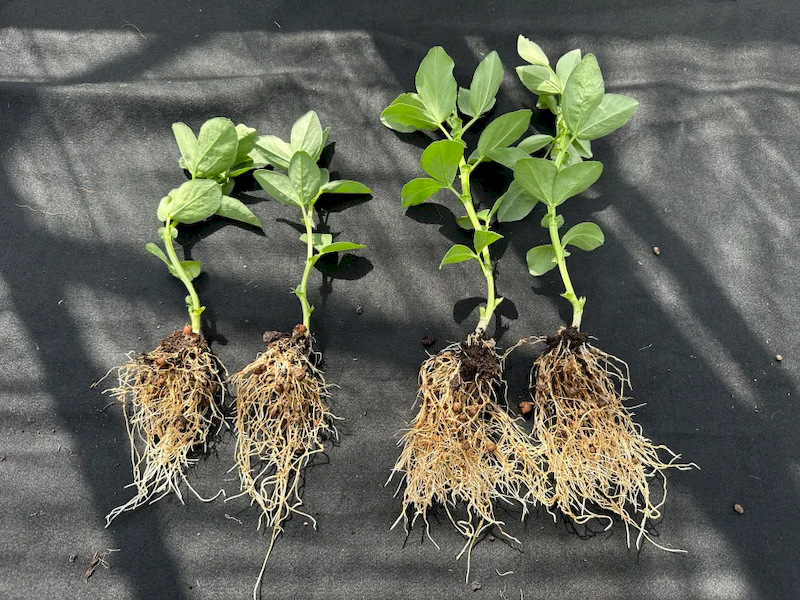
| Important note: To ensure effectiveness and safety, before using FAA Fertilizer on a large scale, conduct small – area trials to determine the appropriate concentration and frequency for each specific crop. |
For a deeper breakdown of each mechanism and supporting research data, see our full guide on fish amino acid fertilizer benefits.
>>> If you want to make FAA Fertilizer at home using organic fermentation methods, see our detailed step – by – step guide here: How to make fish amino acid fertilizer: The complete step-by-step guide
4. Risks of Fish Amino Acid Fertilizer
FAA Fertilizer is not a perfect nutritional solution and improper use can cause many negative effects. The main limitations can be grouped into three categories below.
- Timing and dosage sensitivity: FAA Fertilizer cannot be used during the flowering/fruit-setting stage, and excessive dosage can reduce fruit quality (decrease soluble solids content).
- Consistency: Producing FAA Fertilizer using traditional methods is time‑consuming and it is very difficult to control quality uniformity between batches. Improper fermentation can cause foul odors.
- Not a complete fertilizer: By nature, FAA Fertilizer primarily provides nitrogen and amino acids, so it still needs to be combined with other fertilizers. Understanding the fish amino acid fertilizer ingredients can help growers better understand its nutrient profile and determine which additional nutrients may be needed.
5. How to Use Fish Amino Acid Fertilizer: Application Methods & Dosage Guidelines
FAA Fertilizer is primarily used through two main methods to maximize absorption and minimize leaching:
For Homemade FAA: There is only one method of use – Soil drenching.
Homemade FAA is usually a crude liquid extract containing many unrefined organic matter and suspended solid particles. Therefore, direct drenching into the rhizosphere is the optimal method to stimulate root structure and soil microbial activity. It should absolutely be avoided in drip irrigation systems as suspended particles can cause physical clogging of the nozzles.
Note on use: According to studies on lettuce, the optimal drenching dosage is 3 mL/L of water, applied precisely on days 0, 14, and 24 after transplanting seedlings to increase biomass and leaf area. For tomato plants, drenching with a dosage of 0.5 mL/plant diluted in 2 L of water increases yield by half and significantly improves vegetative growth.
Commercial FAA: There are two methods
- Foliar Spray: Commercial FAAs possess a moderate molecular weight, allowing them to readily penetrate the leaf cuticle to directly support cellular metabolism. This method boosts amino acid and peptide levels within the plant by bypassing absorptive competition with soil microorganisms.
- Drip Irrigation & Fertigation: These products are available as soluble powders or refined liquids, having undergone rigorous enzymatic hydrolysis and industrial filtration (such as centrifugation and ultrafiltration) to remove insoluble solids. They are highly compatible with precision irrigation systems, posing zero risk of emitter clogging.
Note on use:
- Dosage Control: Precise calibration is critical, as peak agronomic efficacy is typically achieved at low concentrations.
- Foliar Application: A 0.20% dilution rate provides the optimal growth stimulation effect.
- Soil Drench/Fertigation: Safe concentrations range from 0.1% to 0.5% (or a 1:500 dilution).
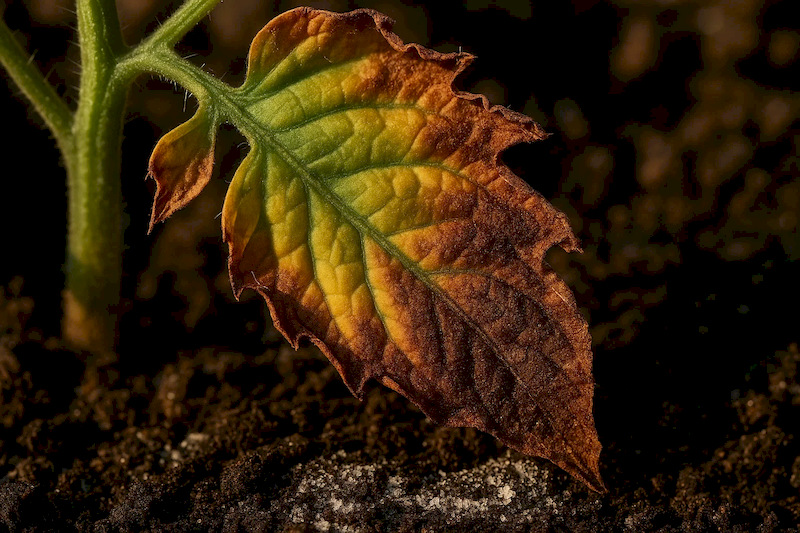
- Caution: Strictly avoid high-dose applications (2% to 10%), as this can lead to intracellular amino acid imbalance, reduced germination rates, root inhibition, or morphological abnormalities.
- Timing & Frequency: FAA can be applied three times throughout the crop cycle or at weekly intervals. When used to increase resistance to abiotic stress (salinity, drought, high temperatures), FAA should be applied immediately before or at the start of the stress period instead of waiting until the plant shows severe damage symptoms.
6. FAA Fertilizer Storage, Shelf Life & Expiration
To maintain the best quality of FAA Fertilizer – from storage conditions, container selection, to determining when the product is no longer usable – following the guidelines below is very important.
6.1. Storage Conditions
A fish amino acid fertilizer benefits (Kenya) showed that liquid organic fertilizers stored under cold conditions (00 – 50°C) maintain more stable quality compared to room temperature. However, the following distinctions are important:
- General rule for all FAA fertilizer types: Avoid high temperatures above 30°C (which accelerate decomposition of organic matter) and high humidity (which promotes mold growth). Always store in a cool, dry place away from direct sunlight.
- For commercial / sterilized FAA fertilizer: After opening, storage at cold temperatures (0–5°C) helps extend shelf life and maintain product quality.
- For homemade KNF FAA fertilizer (containing live microorganisms): Do not refrigerate. Cold storage can slow or stop ongoing fermentation, harming beneficial microbial strains. Instead, store in a cool, well‑ventilated place at 15–25°C.
6.2. Shelf Life & Expiration
The shelf life of FAA Fertilizer depends greatly on the product form (liquid vs. powder) and storage conditions.
- Commercial FAA fertilizer: The shelf life typically ranges from 1 to 2 years if stored unopened in a dark, cool place away from direct sunlight.
- Homemade FAA fertilizer: Homemade FAA fertilizer can be stored for up to 12 months after filtering.
- Post-opening or dilution: Once opened, commercial liquid FAA Fertilizer should be used within 6 to 12 months to ensure maximum efficacy. Because diluted FAA Fertilizer contains organic matter that spoils easily, any diluted mixture should be used immediately or within a few days. If you’re wondering can fish amino acid fertilizer spoil after opening or during storage, our dedicated guide covers the warning signs in detail.
| General advice: Always check the expiration date on the manufacturer’s label. If the FAA Fertilizer shows unusual signs such as putrid odor, mold growth, or severe irreversible phase separation, do not use it. |
In summary,what is fish amino acid fertilizeris not just a question of definition – it’s a gateway to sustainable, biostimulant – based crop care. FAA Fertilizer offers readily available organic nitrogen, stress tolerance, and improved soil health, but success depends on proper dosage, storage, and awareness of its limitations. Used wisely, this fermented fish by – product becomes a powerful ally for any grower seeking natural, high‑yield solutions.


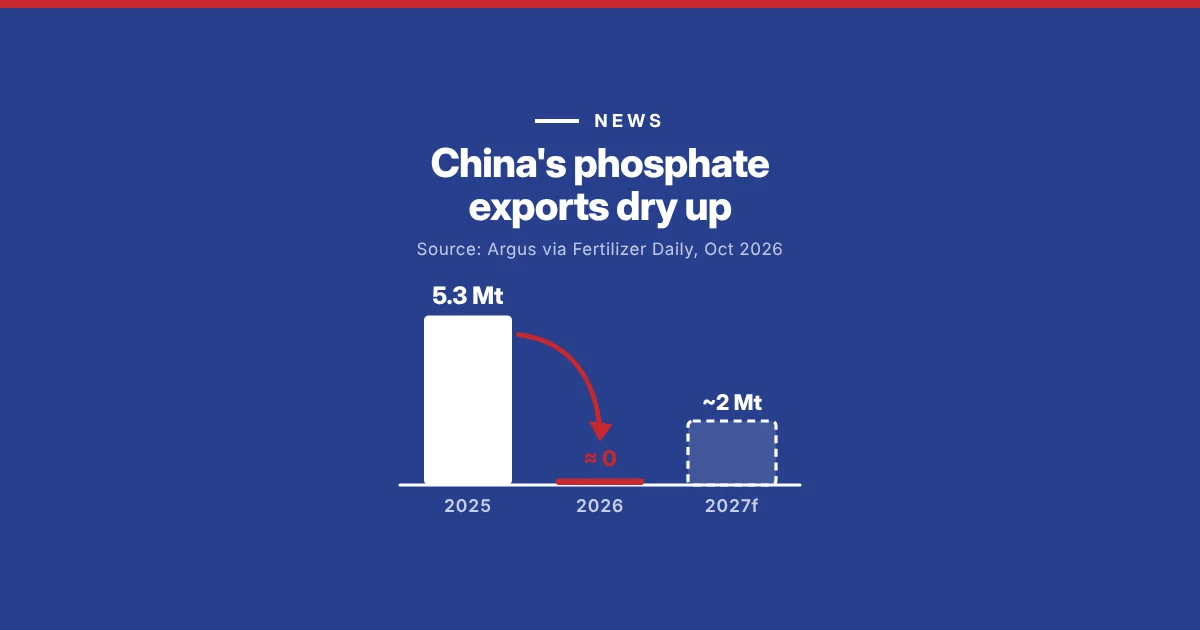
China, which exported about 5.3 million tonnes of phosphate fertilizer in 2025, has shipped almost none in 2026. With sulfur scarce and phosphate prices high, import-dependent markets face a tight season, and every kilo of phosphorus needs to work harder. At Van Polder, we believe a tight phosphate market is a reason to look again […]
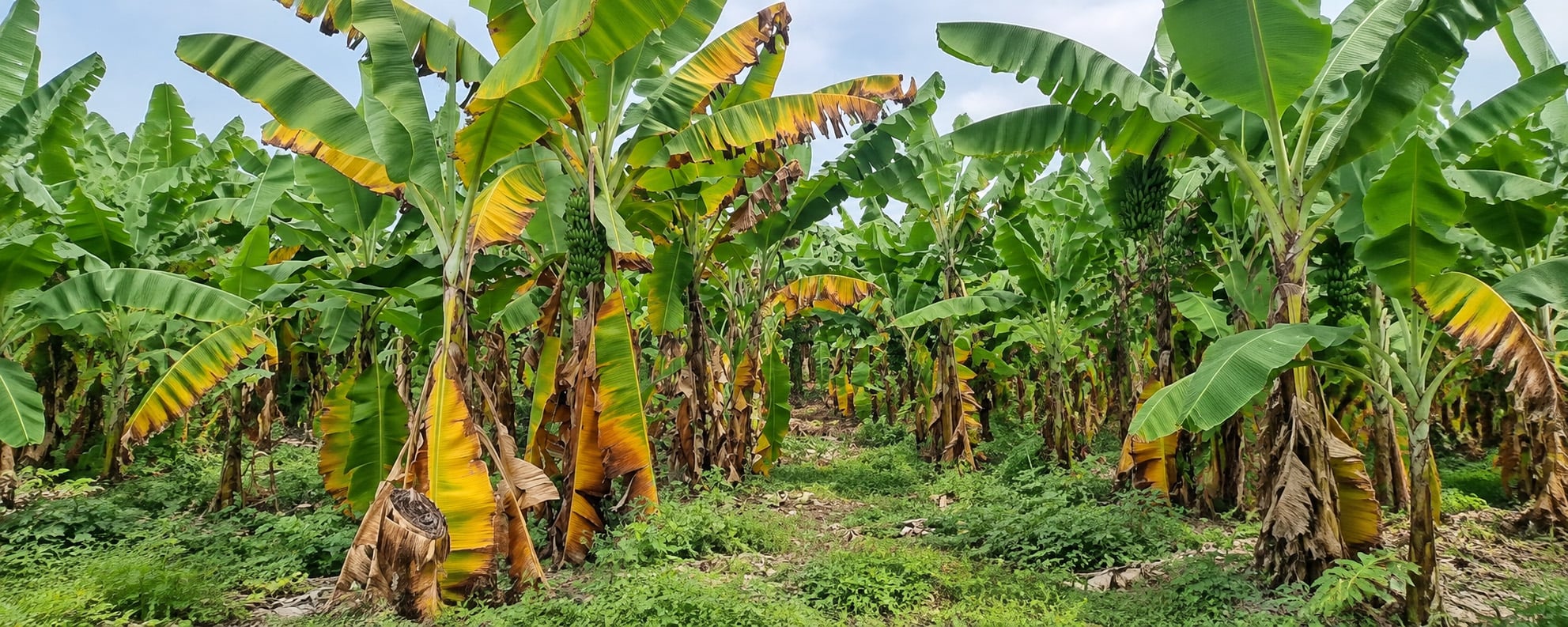
If you are starting a banana farm, Panama disease (Fusarium wilt of banana) is the risk to plan for. How to prevent Panama disease in bananas comes down to keeping the fungus out, because no fertilizer prevents or cures it and once it is in the soil it stays for decades (Pegg et al., 2019; […]
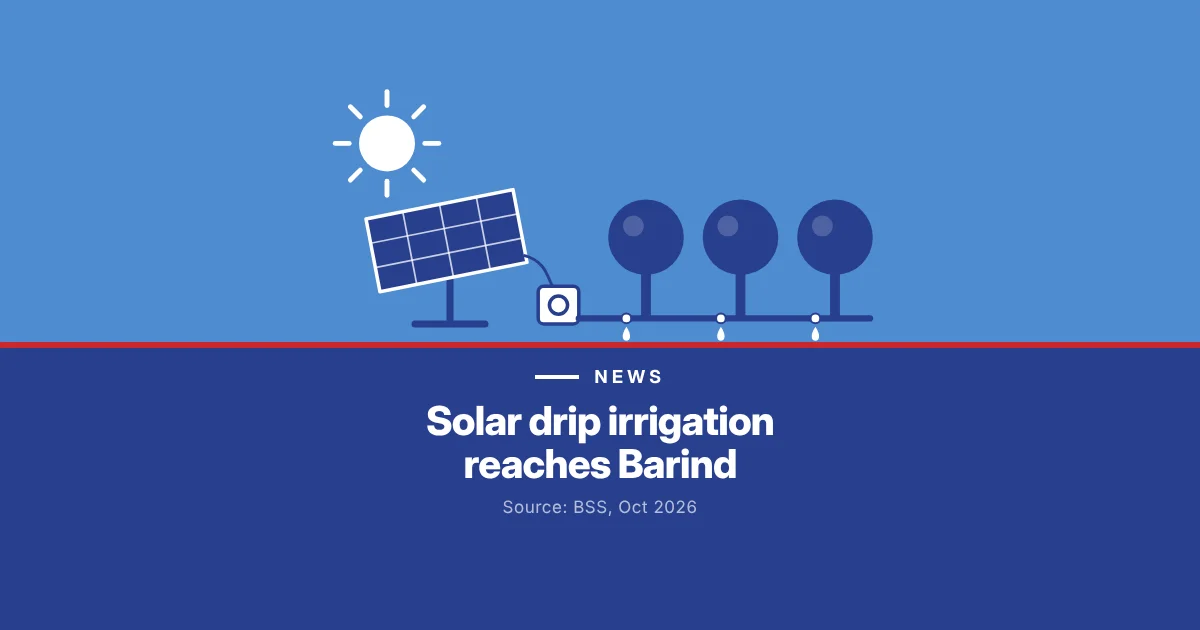
A government project in Bangladesh’s Rajshahi Division has brought solar-powered pumps, including solar drip systems for orchards, to drought-prone land where groundwater has been falling for decades. The Prime Minister wants all diesel irrigation pumps converted to solar within five years. For growers who move to drip, the next step is to feed the crop […]
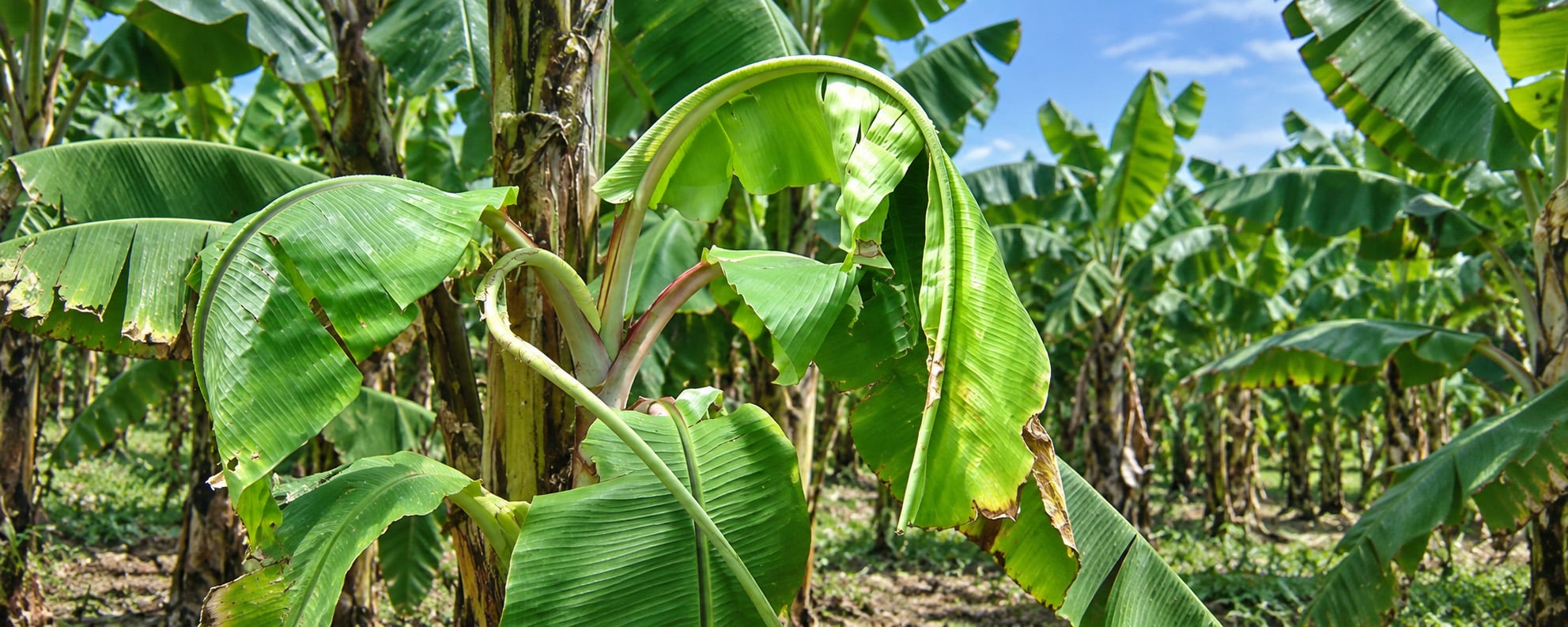
Calcium deficiency in banana shows first on the youngest leaves, as thickened veins and a saw-tooth pattern of yellow and dead tissue along the leaf margin, and in severe cases as “spike leaf”, new leaves with little or no blade, and poor-quality fruit (Turner, 1987; Martin-Prével, 1980). On most plantation soils it is not a […]
A calcium fertilizer supplies the calcium that holds plant cell walls and membranes together, but whether it reaches the fruit depends as much on water flow as on the fertilizer you choose. Calcium travels with water to the leaves and barely moves out of them again, so fruit and young leaves can run short even […]

An unusually wet winter brought coffee flowering in Minas Gerais forward by about a month, in several separate waves. With October forecast to be hotter than normal and rain patchy, the question for 2027 is now how many of those flowers turn into fruit. At Van Polder, we believe a strong flowering is only the […]