







Fish Amino Acid Fertilizer Composition: Complete Nutrient Breakdown & NPK Ratio [2026]
Fish amino acid fertilizer composition includes 18 amino acids, an NPK ratio of around 4:1:1, and key trace minerals such as Ca, Mg, Fe, and Zn. This profile provides readily absorbable nitrogen and supports efficient plant growth and nutrient uptake. Understanding the exact fish amino acid fertilizer composition helps growers balance nutrient inputs more precisely. […]
![Fish Amino Acid Fertilizer Composition: Complete Nutrient Breakdown & NPK Ratio [2026]](https://vanpolder.com/wp-content/uploads/2026/06/fish-amino-acid-fertilizer-composition.jpg)

Fish amino acid fertilizer composition includes 18 amino acids, an NPK ratio of around 4:1:1, and key trace minerals such as Ca, Mg, Fe, and Zn. This profile provides readily absorbable nitrogen and supports efficient plant growth and nutrient uptake. Understanding the exact fish amino acid fertilizer composition helps growers balance nutrient inputs more precisely. The breakdown below explains each component and its role in plant growth.
Table: Composition of Fish Amino Acid Fertilizer
| Component Group | Homemade (KNF) | Commercial | Main Function |
| Nitrogen (N) | ~4% | 5 – 15% | Provides easily absorbable nitrogen from fish protein, promotes leaf and stem growth |
| Phosphorus (P) | ~1% | 0.5 – 1% | Supports root development, flowering, and fruit set |
| Potassium (K) | ~1% | 1 – 2% | Enhances nutrient transport, strengthens plant structure |
| L‑Amino Acids | 20 – 40% (estimated) | > 80% (as free L‑amino acids) | Direct absorption, stimulates protein synthesis, increases resistance |
| Ca, Mg, Fe, Zn, S | Moderate levels | Actively supplemented | Cell structure, chlorophyll formation, enzyme catalysis |
| DHA/EPA | Depends on raw material | Can be supplemented | Unsaturated fatty acids, support overall plant health |
| Peptides + Enzymes | Present from natural fermentation | High, controlled levels | Activate biological activity, enhance nutrient uptake |
1. Fish Amino Acid Fertilizer Nutrient Composition
The nutritional components of Fish Amino Acid fertilizer are divided into three main groups, including:
- NPK Macronutrient Group: Provides nitrogen (N), phosphorus (P), and potassium (K) for plants.
- 21 Types of Amino Acids: Includes both essential amino acids (EAAs) and non-essential amino acids (NEAAs).
- Secondary and Micronutrient Group: Elements such as Ca, Mg, Fe, Zn, S… play important roles in cell structure and catalyzing biochemical reactions.
1.1. Macronutrient Profile – The NPK Ratio
The macronutrient content in FAA fertilizer differs significantly between homemade (traditional KNF fermentation) and commercial
- Nitrogen (N): Accounts for the highest proportion among the macronutrients, existing in the form of organic nitrogen (easily available). It helps develop biomass and promotes thick, green leaves.
- Phosphorus (P) & Potassium (K): Their content is typically lower than nitrogen, mainly dissolved from fish bones and viscera, supporting root development and energy metabolism.
The nutrient ratios in FAA fertilizer differ between homemade FAA fertilizer (KNF) and commercial FAA fertilizer, specifically:
Table listing the macronutrient composition ratios in Homemade FAA Fertilizer (KNF) and Commercial FAA Fertilizer
| Nutrient | Homemade FAA Fertilizer (KNF) | Commercial FAA Fertilizer |
| Nitrogen (N) | ~4% | 5 – 15% |
| Phosphorus (P) | ~1% | 0.5 – 1% (some products may contain 0%) |
| Potassium (K) | ~1% | 1 – 2% |
| NPK Ratio | 4:1:1 (typical) | 15-1-1, 15-0-0.5, 6-1-1 |
General assessment:
- Homemade fish amino acid fertilizer using the KNF method typically has an NPK ratio of 4:1:1, rich in nitrogen and low in phosphorus and potassium. In addition, homemade products also contain micronutrients and secondary nutrients such as calcium and magnesium.
- Commercial fish fertilizers can reach NPK 15‑0.5‑0.5 or 3‑0.5‑5, are rich in macro‑ and micronutrients, have high enzyme content, and over 80% L‑amino acids.
Why N is high:
Fish contain 60% to 80% protein (on a dry weight basis). Fermentation or hydrolysis breaks down these proteins into a mixture of amino acids and peptides. This is an abundant source of organic nitrogen that plants can absorb directly through roots and leaves without intermediate conversion by soil microorganisms.
A 2025 study published in Scientific Reports showed that fish protein fertilizer can promote microbial growth by supplying carbon and nitrogen sources, enhance soil enzyme activity, thereby promoting phosphorus activation and improving plant nutrient uptake efficiency.
1.2. 21 Amino Acid Types in FAA Fertilizer
Fish Amino Acid fertilizer contains up to 21 different amino acids, including both essential amino acids (EAAs) and non-essential amino acids (NEAAs). This diversity helps FAA not only provide organic nitrogen but also support many important physiological processes in plants. The common amino acids found in high proportions in the product include: Glycine, Glutamic Acid, Proline, Lysine, and Alanine.
Table 2: Typical Amino Acid Ratios in FAA Fertilizer
| Amino Acid | Percentage of total amino acids | Main function |
| Glutamic Acid | 10 – 15% | Central nitrogen metabolism; activates growth signals |
| Glycine | 5 – 10% | Enhances micronutrient uptake (Fe, Zn) through chelation; improves chlorophyll formation |
| Proline | 5 – 10% | Acts as an osmotic regulator; protects proteins and cell membranes under drought or salinity stress |
| Aspartic Acid | 4 – 7% | Participates in protein synthesis and energy metabolism |
| Valine | 4 – 7% | Stimulates plant growth; enhances resistance to biotic and abiotic stress |
| Lysine | 4 – 7% | Supports protein synthesis; improves seed quality and stress tolerance |
1.3. Secondary & Micronutrients
In addition to the NPK macronutrient group, FAA fertilizer also provides a significant amount of secondary and micronutrients, which play important roles in cell structure and catalyzing biochemical reactions within the plant.
| Nutrient Group | Components | Typical Content |
| Secondary Nutrients | Ca, Mg, S,… | CaO: 0.60%, MgO: 0.09% |
| Micronutrients (ppm) | Fe, Zn, Mn, Cu,… | Fe (26 – 225 ppm), Zn (13 – 57 ppm), Mn (3 – 43 ppm), Cu (1 – 176 ppm) |
Note: The values above are based on a typical commercial FAA product analysis. Homemade KNF fertilizers may have lower and more variable levels of secondary and micronutrients.
Calcium (Ca) and magnesium (Mg) are derived from fish bones and play important roles in plant cell structure: Ca helps strengthen plants and reduce young fruit drop, while Mg is the central component of the chlorophyll molecule, enhancing photosynthesis.
Micronutrients (iron, zinc, copper, boron, manganese, etc.) are only needed in small amounts but act as “catalysts”, activating enzymes in plants, participating in photosynthesis, respiration, and synthesis of organic compounds.
1.4. Beneficial Microorganisms
FAA not only provides nutrition but also serves as a substrate for beneficial soil microorganisms, acting as a biostimulant. When FAA is added to soil, beneficial bacteria and mycorrhizal fungi thrive, thereby:
- Improving soil structure and water retention
- Decomposing organic matter, releasing available nutrients in the soil
- Enhancing natural plant resistance by activating defense mechanisms
Field studies have shown that FAA application increases total soil bacteria by 66.6% and total fungi by 85.71%(according to test data from Biocore Land fish fertilizer product by Biocore Agri), while also increasing microbial biomass by 85% and organic matter content by 27%.
An independent trial on bhendi also recorded that FAA enhances beneficial soil microorganisms, resulting in higher yields and more nutrient‑rich products compared to chemical fertilizers and unfertilized soil. Fish‑based fertilizers support the development of mycorrhizal fungi, helping plants expand their root zone and increase uptake of water as well as difficult‑to‑absorb nutrients such as phosphorus and zinc.
1.5. Organic Carbon & Bioactive Compounds
FAA provides a significant amount of organic carbon (in some products up to 40% – according to information from several commercial products), playing a key role in building soil fertility.
Bioactive compounds in FAA bring many benefits to plants, specifically:
- Bioactive peptides: Short protein chains that stimulate natural plant growth processes, thereby increasing nutrient synthesis and promoting faster, healthier development.
- DHA/EPA (omega‑3 fatty acids): Not only found in fish, these substances also help nourish soil microorganisms. When microorganisms thrive, roots absorb water and nutrients more effectively.
- Natural enzymes: Enzymes present in FAA help decompose organic matter in the soil into easily absorbable forms, thus providing nutrients to plants more quickly.
A study published in Scientific Reports(Nature) indicates that FAA supplies carbon and nitrogen sources for microorganisms, promotes soil enzyme activity, thereby activating phosphorus and enhancing plant nutrient use efficiency.
2. Raw Ingredients of Fish Amino Acid Fertilizer
Understanding input materials is the key to producing high‑quality, stable fish amino acid fertilizer. Whether choosing the KNF homemade method or industrial production, final quality depends heavily on the fish source, fermentation catalyst, and supplementary ingredients. For the complete step-by-step process, from selecting raw materials to final fermentation, see our guide on fish amino acid fertilizer preparation.
2.1. Primary Ingredient: Fish Source
Ideal fish groups: Anchovy, sardine, and mackerel are considered ideal.
Parts used: Whole fish or by‑products (heads, bones, viscera) can be used. In industrial production, whole fish such as anchovy are ground to produce amino acid fertilizer.
Table 1: Comparison of fish groups by protein and fat content
| Fish Group | Protein | Fat | Characteristics |
| Anchovy, sardine, mackerel | 21.46 – 22.75% | 2.24 – 8.23% | Ideal for FAA: high protein, balanced amino acids, especially rich in glutamate, lysine, leucine. Sardine has highest protein quality, mackerel highest digestibility (96.99%). Provide trace minerals (Fe, Zn) and macro minerals (Ca, Mg). |
| Tilapia | ~16.8 – 18.3% | ~5 – 6% | Popular for homemade due to availability and low cost. Medium protein, moderate fat. When making acid silage, can utilize whole culled fish. |
| Catfish | ~14 – 21% (species‑dependent) | Wide range (up to ~13%) | Potential for large‑scale production due to availability and low cost. Fat content must be controlled during fermentation to avoid off‑odors. |
| Salmon | 13.9 – 16.4% (by‑products like heads) | 0.9 – 10.9% (heads) | Rich in DHA and EPA, as well as essential amino acids. Moderate protein, variable fat. Salmon bones are rich in collagen, which can improve plant strength when applied regularly. |
| By‑products (viscera, bones, skin) | 12 – 18% (viscera), 9 – 15 (bones), skin > 20% | 2 – 19% (depending on part) | Utilizes fishery waste, reduces production costs. Viscera and skin rich in proteases that aid auto‑hydrolysis, shortening fermentation time. |
Note: Protein percentages are based on fresh weight. On a dry matter basis, values are approximately 4 – 5 times higher.

2.2. Biological catalyst: Brown sugar or molasses
Role: Sugar (brown, jaggery, or molasses) acts as a fermentation agent, helping break down fish protein into amino acids and preventing mixture putrefaction.
Ratios: 1:1 or 3:1 ratio – mix fish by‑products with brown sugar by weight.
Short comparison: Brown sugar vs. Jaggery vs. Molasses
- Jaggery(rich in Cr, Mg, Mn, Zn): A study in the Journal of AOAC INTERNATIONAL showed jaggery provides the highest percentages of Cr, Mg, Mn, and Zn. Another study found that compared to raw sugar, jaggery has 74% higher chromium content.
- Brown sugar (rich in Cl, Fe, K, Na): The same study showed brown sugar provides the highest percentages of Cl, Fe, K, and Na.
- Molasses (richest in phenolics): Provides the highest phenolic content (3751 μg GAE/g) among the sugars.

2.3. Supplementary ingredients (optional)
Extract from brown seaweed Ascophyllum nodosum acts as a biostimulant. It has been shown to help plants increase drought tolerance, improve water and nutrient uptake, and enhance resistance.
3. What Affects Fish Amino Acid Fertilizer Composition?
The composition of fish amino acid fertilizer is a complex system that can vary significantly under the influence of many factors. Below is a detailed analysis of key factors based on scientific data and practical guidelines.
3.1. Source of Raw Materials
The type of fish used is the fundamental factor determining FAA nutrient composition. Differences in protein and fat content between fish species directly affect final product quality:
- Fatty fish(mackerel, sardine, anchovy) generally yield higher amino acid content, especially free amino acids – which plants absorb more quickly and efficiently.
- Lean fish still provide protein but often have lower nutritional value compared to fatty fish.
- Marine fish are generally richer in protein and minerals than freshwater fish, thereby improving output FAA quality.
The richer the raw material in protein and amino acids, the higher the quality of thefish amino acid fertilizer composition, especially nitrogen and L‑amino acid content – the two most important factors for plant growth.

3.2. Fermentation duration – The critical window
Fermentation time is the “golden window” determining hydrolysis efficiency and FAA quality. Refer to these specific time points:
- Early stage (under 2 – 3 weeks): Hydrolysis just begins, proteins are mainly cut into peptides, so plant absorption is still limited.
- Optimal stage (about 1 – 3 months): Free amino acid content increases markedly, allowing faster and more efficient plant uptake. This is when FAA reaches its highest biological value.
- Stable stage (over 3 months): Nutrient composition gradually stabilizes, smell becomes milder, suitable for long‑term storage and use.
Proper control of fermentation time optimizes L‑amino acid content while ensuring stability and effectiveness under actual cultivation conditions.
3.3. Processing Conditions
The method of fish protein processing is one of the decisive factors influencing FAA quality and biological value:
- Enzymatic hydrolysis: High‑quality method that maximally preserves amino acids and bioactive compounds. Thanks to mild processing conditions, the product maintains good absorbability and high use efficiency for plants.
- Microbial fermentation: Common in traditional and small‑scale production, low cost but limited control, so quality may vary.
- Combined method: Combining enzymes and microorganisms is a modern trend, balancing efficiency, cost, and product stability.
The more optimized the processing method, the better the amino acid preservation, thereby enhancing fertilizer effectiveness during plant growth.
3.4. Temperature & storage conditions
Temperature and storage conditions directly affect the stability offish amino acid fertilizer compositionover time.
- Low temperature: Helps limit nutrient degradation, especially amino acids and proteins, thereby maintaining better FAA quality.
- High temperature or unstable environment: Can reduce nutritional value and affect fertilizer effectiveness.
In practice, FAA should be stored in sealed containers in a cool place away from direct sunlight. Under suitable conditions, the product remains stable for a long time. If an unusual odor appears during storage, additional sugar can be added to help re‑stabilize fermentation. Good control of temperature and storage environment helps maintain nutrient quality and extend FAA shelf life.
4. FAQs
4.1. What Are The Main Ingredients In Fish Amino Acid Fertilizer?
Main ingredients include: fresh fish or fish by‑products (providing 20–25% protein by fresh weight, equivalent to >60% on a dry weight basis), sugar (molasses/jaggery) as fermentation catalyst at a 1:1 or 3:1 ratio depending on the method, and water to create a liquid medium. Optional supplementary ingredients may include seaweed, plant extracts, and microbial inoculants.
4.2. How Much Nitrogen Does the FAA Fertilizer Contain Per Liter?
Nitrogen content varies by concentration and production method:
- KNF homemade (1:1): About 4% N, equivalent to 40 g organic nitrogen per liter.
- Commercial liquid: 2 – 15% N (20 – 150 g/L).
- Commercial water‑soluble powder: Can reach 14 – 15% N, equivalent to 140 – 150 g organic nitrogen per kg of product.
4.3. Is FAA Better Than Fish Emulsion?
Yes, in terms of nutrition. Fish amino acid (or fish hydrolysate) is produced by enzymatic hydrolysis or microbial fermentation at low temperatures, preserving maximum amino acids, enzymes, vitamins, and minerals found in fish.
In contrast, fish emulsion is typically processed with high heat and acid, significantly degrading heat‑sensitive and bioactive compounds. FAA contains mainly L‑amino acids – the form plants can absorb directly without metabolic conversion.
4.4. Can I Use FAA For All Vegetables?
Yes. FAA has been studied and proven effective on many vegetables, including kale ( 43.35% fresh weight increase), spinach ( 40% yield increase at 2 mL/plant), and tomato ( 48% yield increase at 0.5 mL/plant).
4.5. What Fish Gives The Best FAA Composition?
Anchovy is considered the most ideal due to its high protein content (20–25% of fresh weight, equivalent to 60 – 70% on a dry matter basis) and balanced amino acid profile, including 16 rich essential amino acids with leucine, glycine, glutamic acid, and alanine being the most common. Sardine is also an excellent choice, especially when using viscera to take advantage of endogenous enzymes during autolysis.
4.6. How To Know If Your FAA Has The Highest Nutrient Quality?
Signs of high‑quality FAA include:
- Color & smell: Reddish‑brown to dark brown; mild fermented fish aroma (no putrid/chemical smell). Commercial products have a “pleasant fishy” smell.
- Water solubility: 100% soluble, no sediment. Powder products: pH 5.0 – 7.0, ash ≤6%.
- Biological response: Plants show greener leaves, stronger stems, vigorous roots within 7 – 14 days.
- Homemade FAA – completion indicators: No gas bubbles rising, fishy smell greatly diminished, solution becomes clearer.
Understandingfish amino acid fertilizer composition- a multi‑dimensional system of amino acids, balanced NPK, micronutrients, and bioactives – is essential whether you choose homemade KNF (4:1:1) or commercial products (15‑1‑1 / 6‑1‑1). Strictly control raw materials, fermentation time, and storage to ensure quality. When applied at the correct dosage, FAA not only boosts yields but also builds a healthy, sustainable soil ecosystem for seasons to come.


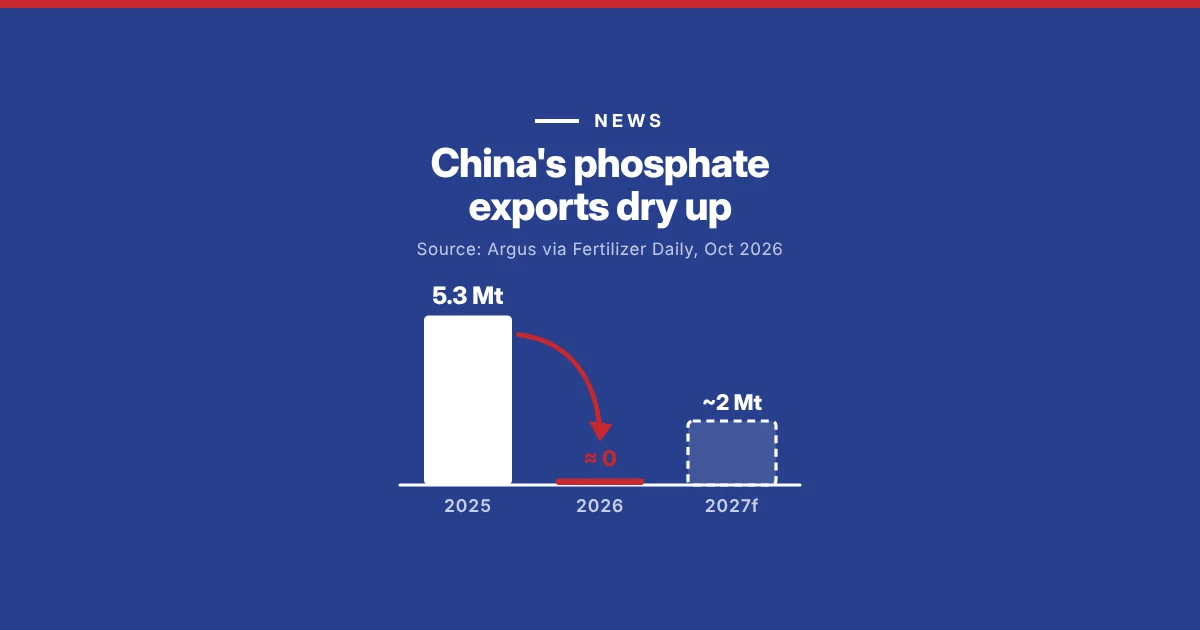
China, which exported about 5.3 million tonnes of phosphate fertilizer in 2025, has shipped almost none in 2026. With sulfur scarce and phosphate prices high, import-dependent markets face a tight season, and every kilo of phosphorus needs to work harder. At Van Polder, we believe a tight phosphate market is a reason to look again […]
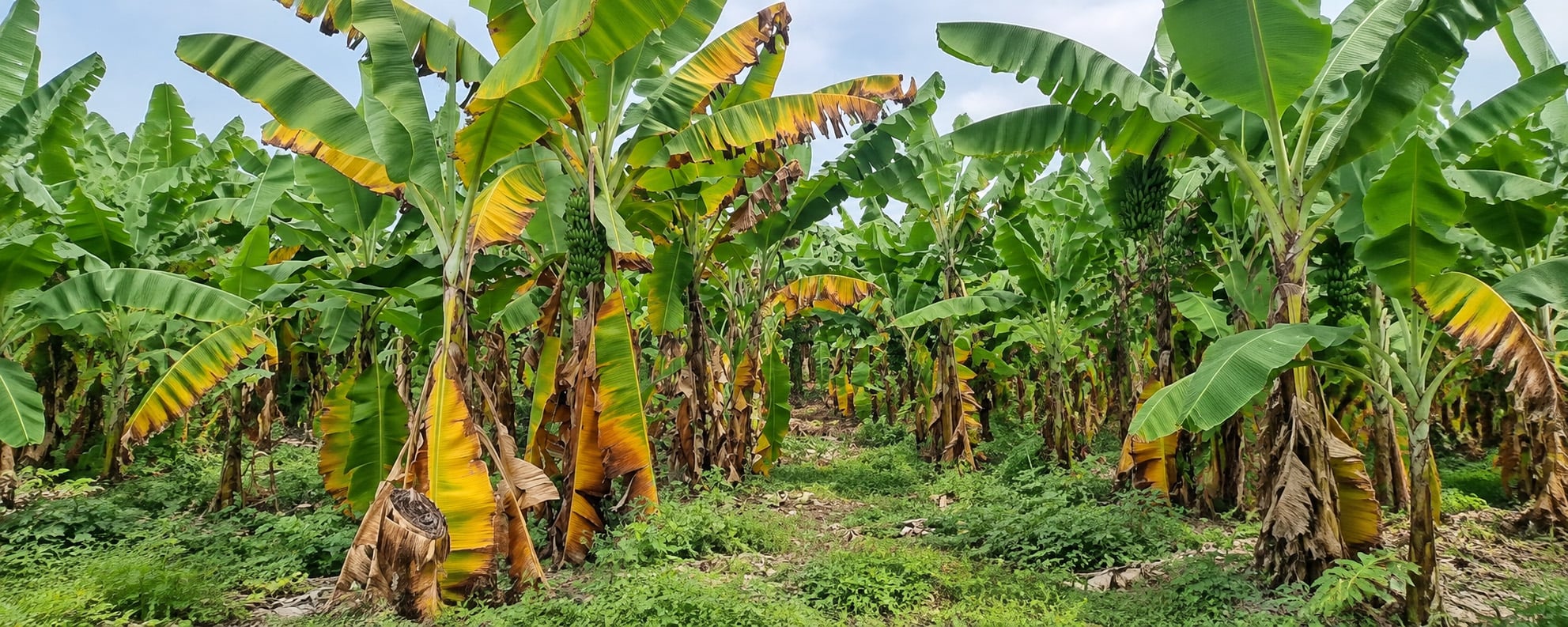
If you are starting a banana farm, Panama disease (Fusarium wilt of banana) is the risk to plan for. How to prevent Panama disease in bananas comes down to keeping the fungus out, because no fertilizer prevents or cures it and once it is in the soil it stays for decades (Pegg et al., 2019; […]
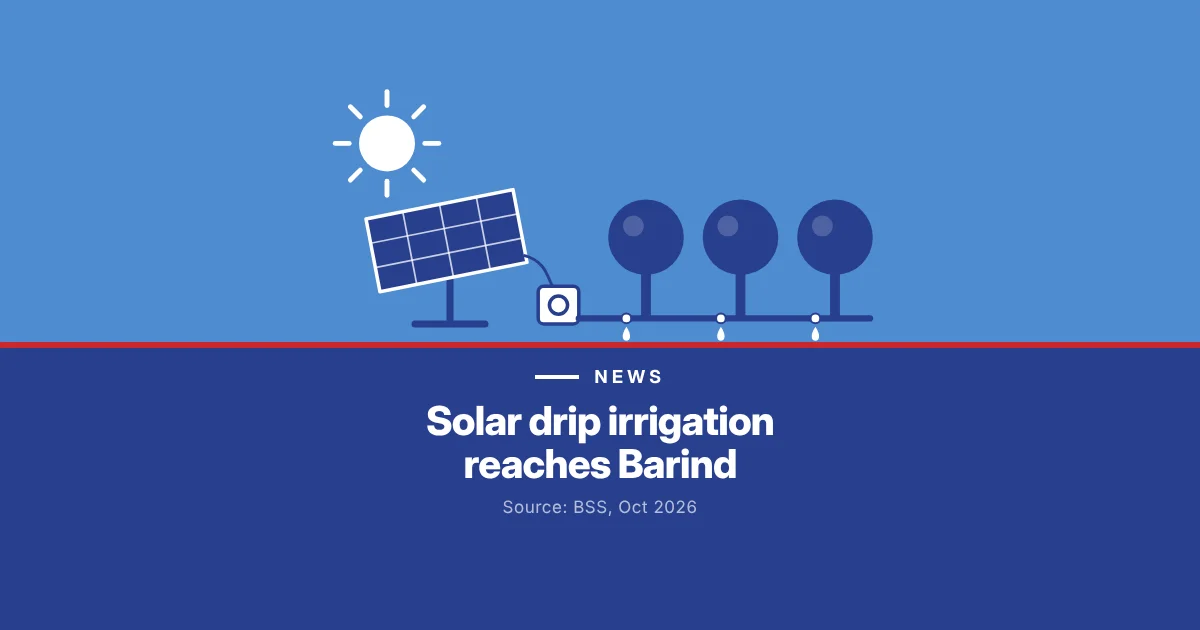
A government project in Bangladesh’s Rajshahi Division has brought solar-powered pumps, including solar drip systems for orchards, to drought-prone land where groundwater has been falling for decades. The Prime Minister wants all diesel irrigation pumps converted to solar within five years. For growers who move to drip, the next step is to feed the crop […]
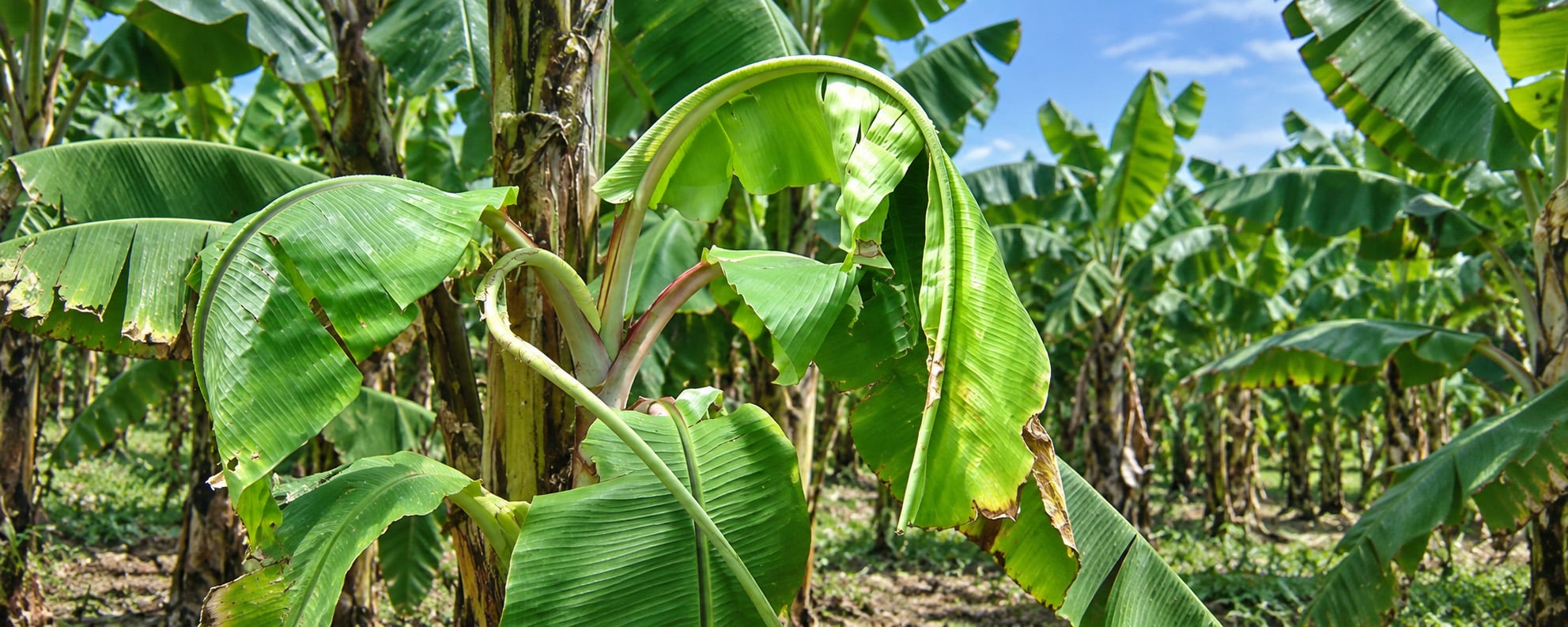
Calcium deficiency in banana shows first on the youngest leaves, as thickened veins and a saw-tooth pattern of yellow and dead tissue along the leaf margin, and in severe cases as “spike leaf”, new leaves with little or no blade, and poor-quality fruit (Turner, 1987; Martin-Prével, 1980). On most plantation soils it is not a […]
A calcium fertilizer supplies the calcium that holds plant cell walls and membranes together, but whether it reaches the fruit depends as much on water flow as on the fertilizer you choose. Calcium travels with water to the leaves and barely moves out of them again, so fruit and young leaves can run short even […]

An unusually wet winter brought coffee flowering in Minas Gerais forward by about a month, in several separate waves. With October forecast to be hotter than normal and rain patchy, the question for 2027 is now how many of those flowers turn into fruit. At Van Polder, we believe a strong flowering is only the […]