



Blog

Amino Acid Fertilizer for Lawns: How to Choose the Right One
Maintaining a dense, healthy, and resilient lawn can be challenging under frequent mowing, summer heat, water restrictions, and disease pressure. Amino acid biostimulants can support turf growth, nutrient uptake, stress tolerance, and recovery when selected and applied according to the lawn’s specific needs. This guide covers the key benefits of amino acids, suitable formulations for […]
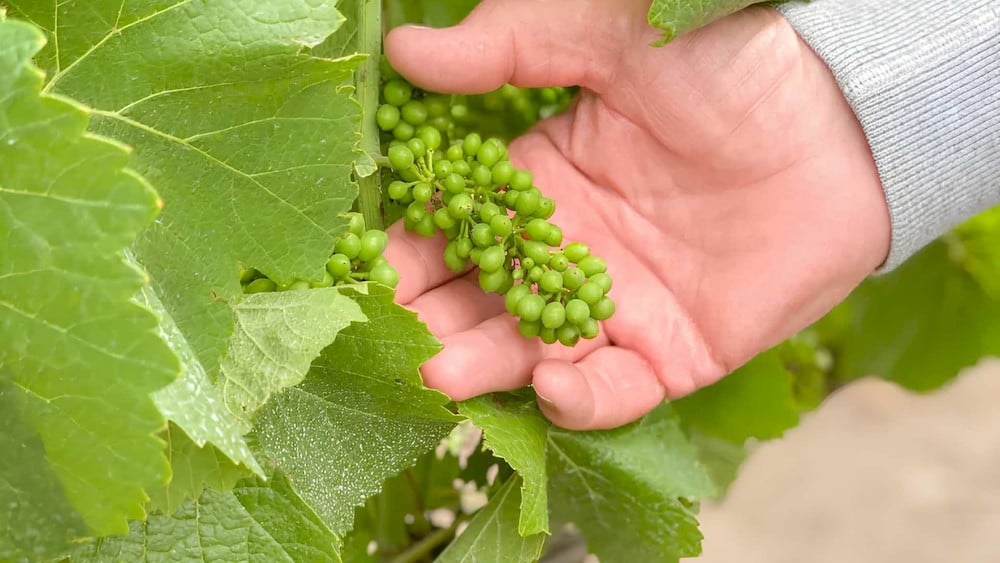
Amino Acid Fertilizer for Grapes: Boost Cluster Size, Sweetness & Quality
Grapevines have different nutritional needs as they move from early vegetative growth to flowering, fruit development, and post-harvest recovery. Amino acid fertilizer for grapes can provide readily available organic compounds to support vines during these changing demands. This guide explores its key benefits, suitable formulations for each growth stage, and how to choose products based […]
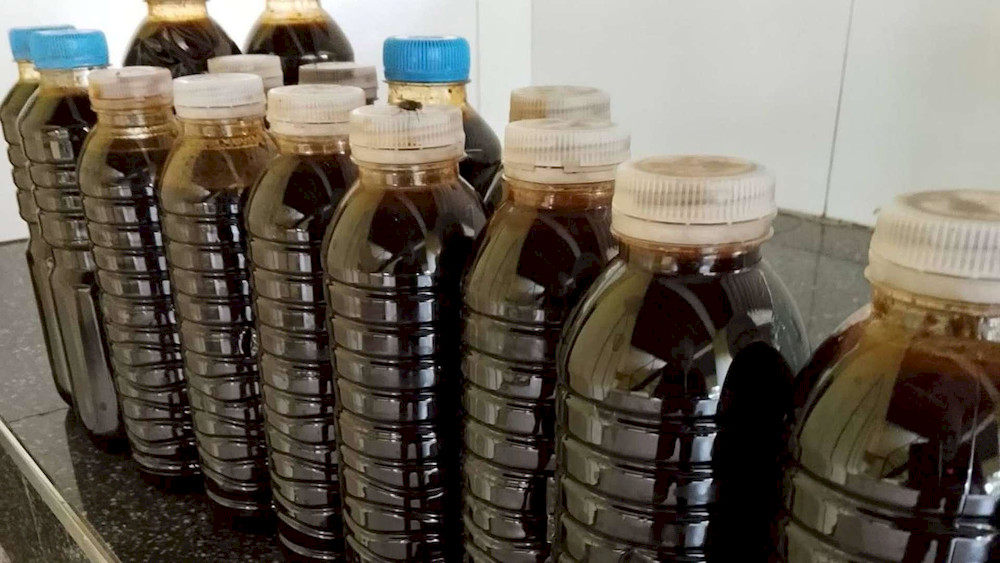
Fish Amino Acid Production: 3 Methods & Criteria for Optimal Selection
Fish amino acid (FAA) fertilizer can be produced through bio-fermentation, chemical alkaline hydrolysis, or enzymatic hydrolysis, with each method differing in processing time, cost, nutrient profile, and product quality. This guide compares 3 production methods and 5 key selection criteria to help manufacturers choose a suitable process based on raw materials, target product, production scale, […]

NPK 12-61-00 Uses for Stronger Roots and Maximum Yield
NPK 12-61-00, commonly supplied as Monoammonium Phosphate (MAP), contains 12% nitrogen (N) and 61% phosphate (P₂O₅). Its high phosphorus content makes it well suited to early crop development, supporting root growth and strong crop establishment. This guide covers the key applications of NPK 12-61-00 across different stages of crop growth. 1. Stimulating Root Development and […]

4 Essential 13-40-13 Fertilizer Uses for Stronger Roots and Better Yields
NPK 13-40-13 is a fully water-soluble fertilizer containing 13% nitrogen (N), 40% phosphorus (P₂O₅), and 13% potassium (K₂O). With its phosphorus-rich formulation, it is particularly suited to growth stages when crops have a high demand for phosphorus, from early establishment and root development to flowering and fruit formation. In this guide, discover four key uses […]

Top 4 Uses of NPK 19-19-19 Fertilizer for Better Crop Yield & Quality
NPK 19-19-19 is a balanced water-soluble fertilizer containing 19% nitrogen (N), 19% phosphorus (P₂O₅), and 19% potassium (K₂O) by weight. Its 1:1:1 ratio supports crops when all three primary macronutrients are required together, particularly during establishment and active growth. Let’s explore the four key uses of NPK 19-19-19 fertilizer and how it can support better […]

4 Main Uses of NPK 20-20-20 Fertilizer to Boost Plant Growth and Yield
NPK 20-20-20 fertilizer supplies nitrogen, phosphorus, and potassium in a balanced 1:1:1 ratio, making it a practical option when plants require relatively even nutrient support. Its value lies in how this balanced formulation can be used to address different growth requirements throughout the crop cycle. This article explores four main uses of NPK 20-20-20 fertilizer […]

How to Use NPK 20-20-20 Water-Soluble Fertilizer Safely for Burn-Free Growth
NPK 20-20-20 water-soluble fertilizer provides equal proportions of nitrogen, phosphorus, and potassium to support balanced plant growth. However, incorrect dilution, application timing, or handling can cause root burn, leaf scorch, and nutrient loss. This guide explains how to use NPK 20-20-20 safely, from preparing the fertilizer solution to selecting the right application method and dosage […]

NPK 20-20-20 Fertilizer: What is it, Benefits & Usage
NPK 20-20-20 fertilizer is a balanced compound fertilizer that supplies equal proportions of nitrogen, phosphorus, and potassium. It is commonly used to support healthy plant growth and address nutrient deficiencies. This guide explains its key benefits, application methods, and important considerations for effective use. 1. What Is NPK 20-20-20 Fertilizer? The numbers 20-20-20 indicate the […]