



Blog
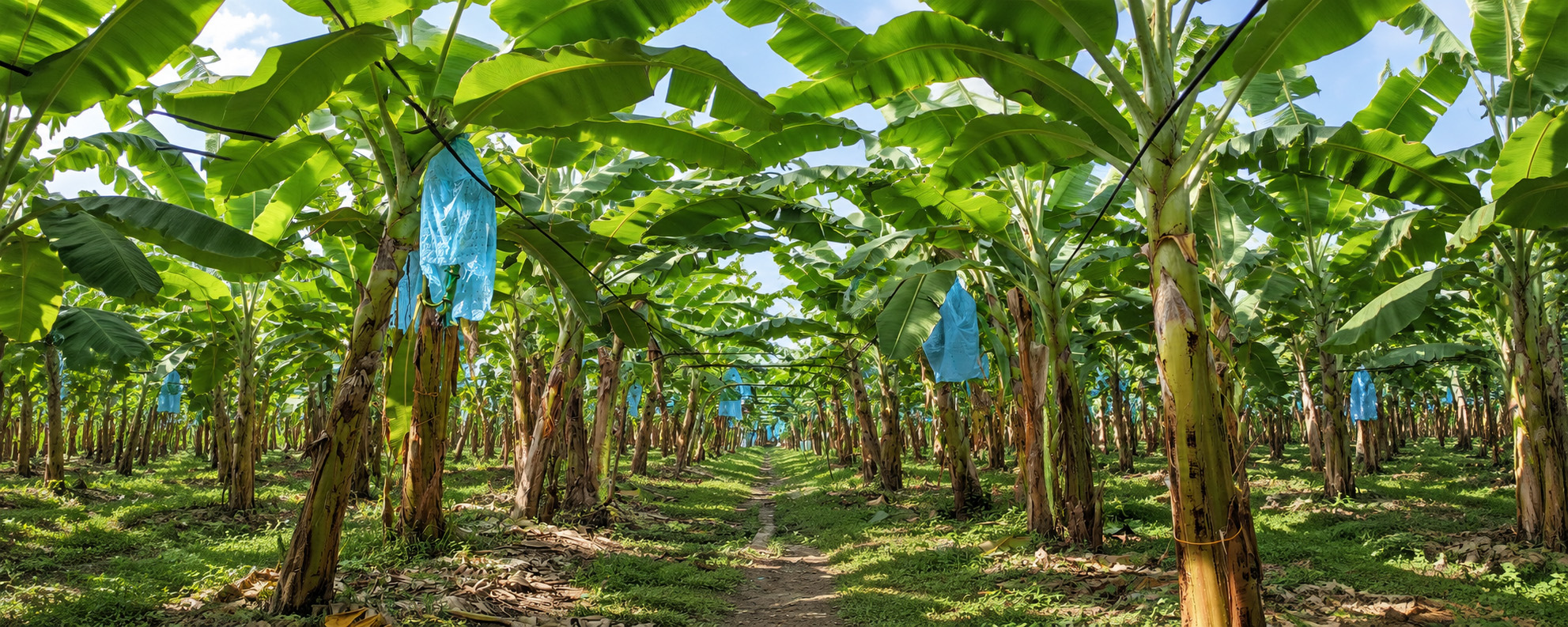
Potassium Deficiency in Banana: Symptoms and Correction
Potassium deficiency in banana shows first on the oldest leaves, as an orange-yellow chlorosis that is followed by rapid leaf death, and it ends in smaller bunches with thin fruit. Below: how to recognize it, why it appears even on high-K soils, how to confirm it with leaf analysis and how to correct it without […]
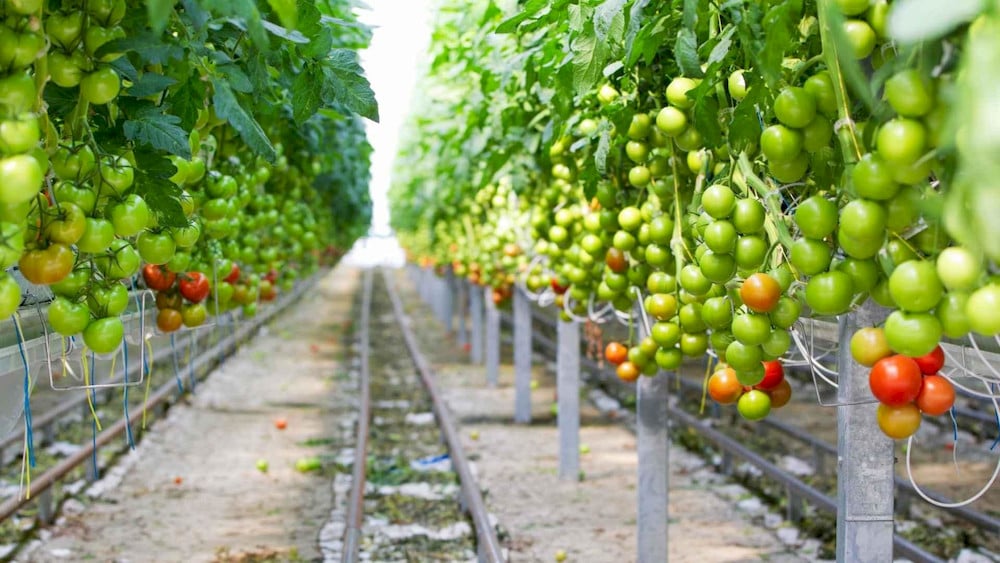
How to Use NPK Water Soluble Fertilizer for Healthier and Stronger Plants
NPK water soluble fertilizer is a fully soluble fertilizer containing nitrogen (N), phosphorus (P), and potassium (K) that can be delivered directly to plants through irrigation water or foliar application. Its flexible application methods allow growers to adjust nutrient delivery to crop needs, growth stages, and growing conditions. This guide explains four practical ways to […]

NPK 20-20-20+TE Meaning: What Does “TE” Stand For in Fertilizer?
NPK 20-20-20+TE is a balanced, water-soluble fertilizer containing 20% Nitrogen (N), 20% Phosphate (P₂O₅), 20% Potash (K₂O), plus essential Trace Elements (TE). It supports general plant nutrition and healthy crop growth across vegetables, fruit trees, cash crops, and ornamentals. In this guide, let’s break down what NPK 20-20-20+TE means, what “TE” stands for, and how […]

How to Use NPK 19-19-19 Water Soluble Fertilizer for Healthier Plant Growth
NPK 19-19-19 Water-Soluble Fertilizer is a water-soluble fertilizer grade containing 19% nitrogen (N), 19% phosphate (P₂O₅), and 19% potash (K₂O) by weight, giving it a balanced 1:1:1 ratio of the three primary macronutrients. When dissolved in water, it provides soluble nutrients that can be delivered to the root zone through fertigation or applied to foliage […]
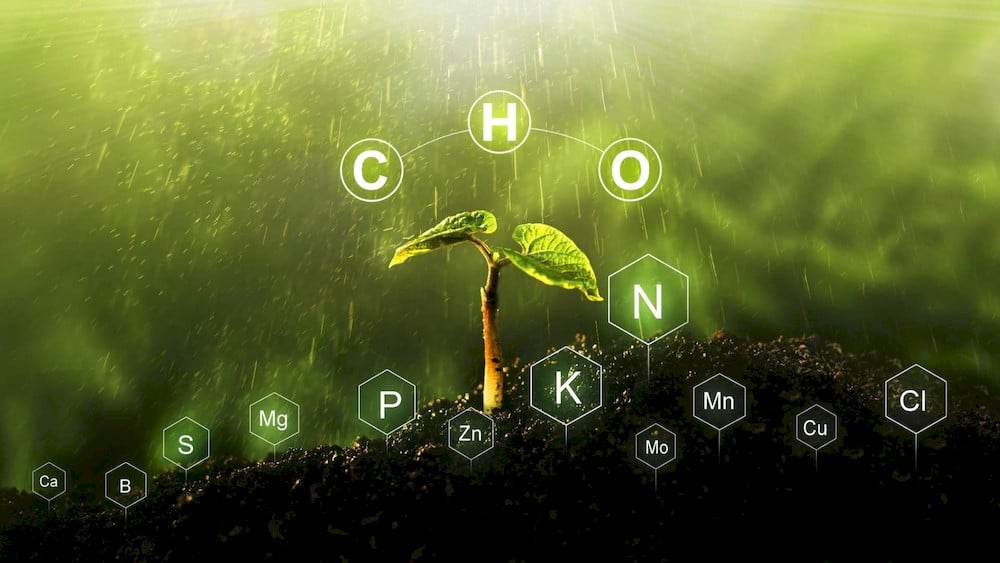
Macronutrients and Micronutrients for Plants: A Complete Technical Guide
Macronutrients and micronutrients are both required for plants to complete their life cycle, but they differ in the amount plants need, their primary biological functions, application frequency, and safety range. While macronutrients are needed in relatively large amounts to support plant structure, energy, biomass, and yield, micronutrients are required in much smaller quantities to support […]
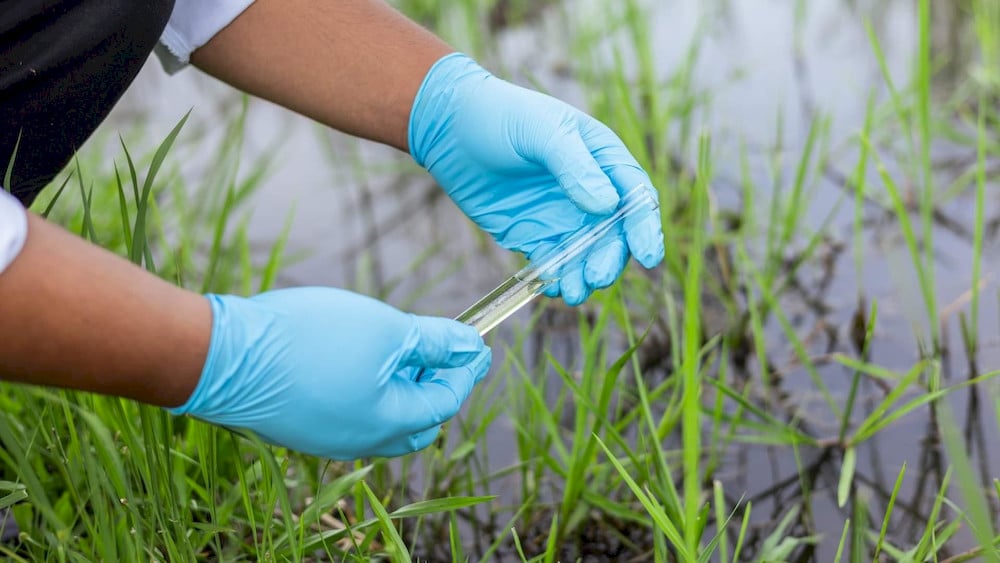
4 Hydroponic Micronutrient Fertilizers for High-Yielding Systems
Choosing micronutrient fertilizers for hydroponics is more complicated than simply adding trace elements to a nutrient solution. The wrong fertilizer form can cause precipitation, clog irrigation systems, reduce nutrient availability, or create toxicity when doses are not carefully controlled. This guide compares the main types of hydroponic micronutrient fertilizers and explains how to choose a […]

What is EDTA Chelated Micronutrient? 6 Benefits & How to Use It
EDTA-chelated micronutrients are fertilizer forms that bind essential trace elements such as iron, zinc, manganese, and copper with EDTA to help maintain their availability under specific growing conditions. For growers, understanding how these chelates work is important because nutrient stability, soil pH, application method, and dosage can all influence their effectiveness. This guide explores the […]

What Is Amino Acid Fertilizer? Definition, Types and Its Benefits
An amino acid fertilizer is an organic plant nutrition product containing free amino acids and peptides that provide pre-formed organic nitrogen. It can support plant growth, nutrient uptake, and plant resilience under environmental stress. In this guide, we’ll explore the types of amino acid fertilizers, how they work, their key benefits, and the main application […]
Amino Acid Fertilizers Production: Analysis & Selection of the Optimal Methods
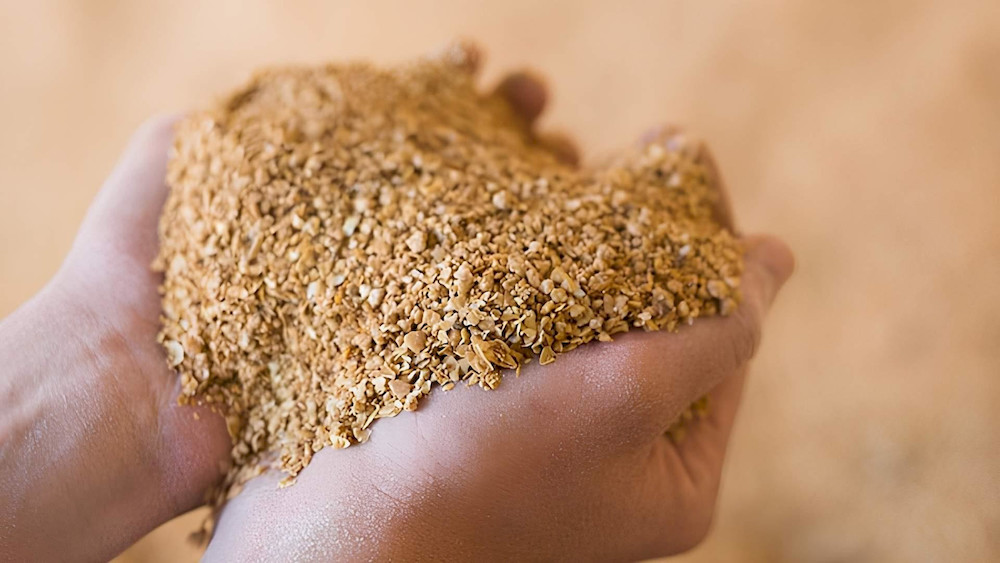
Amino acid fertilizer production involves more than simply converting protein into plant nutrients. The production process can directly affect cost, processing efficiency, amino acid quality, and the value of the final product. With several approaches available, choosing the right one can be challenging for manufacturers. Let’s explore the key production methods and how to select […]