



Amino Acid Fertilizer for Grapes: Boost Cluster Size, Sweetness & Quality
Grapevines have different nutritional needs as they move from early vegetative growth to flowering, fruit development, and post-harvest recovery. Amino acid fertilizer for grapes can provide readily available organic compounds to support vines during these changing demands. This guide explores its key benefits, suitable formulations for each growth stage, and how to choose products based […]
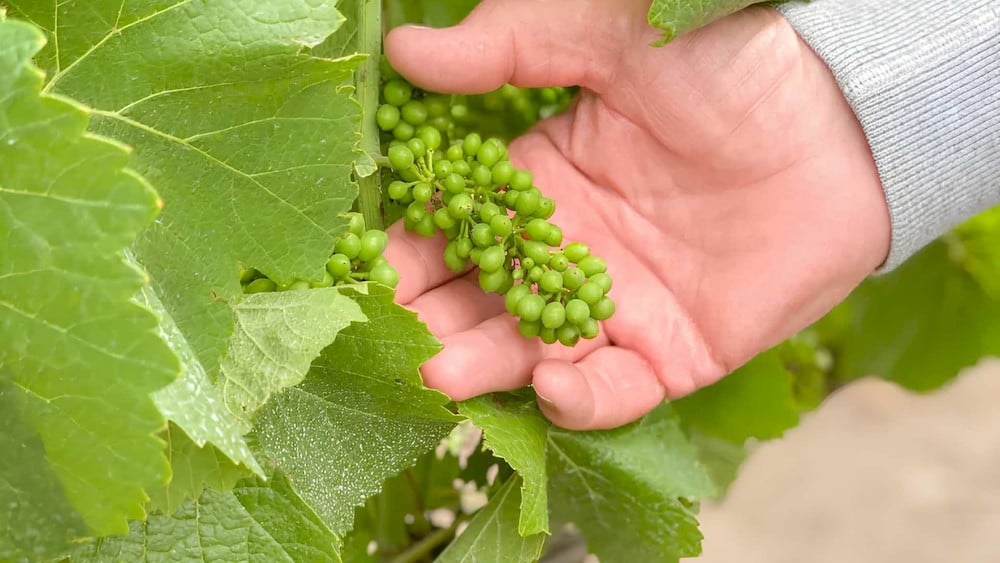

Grapevines have different nutritional needs as they move from early vegetative growth to flowering, fruit development, and post-harvest recovery. Amino acid fertilizer for grapes can provide readily available organic compounds to support vines during these changing demands. This guide explores its key benefits, suitable formulations for each growth stage, and how to choose products based on vineyard conditions.
1. 4 Key Benefits of Amino Acid Fertilizer for Grapes
Amino acid fertilizers play a vital physiological role in grapevines that goes far beyond simply serving as basic building blocks for proteins. When applied directly, grapevines can absorb these ready-to-use organic nitrogen compounds without expending valuable metabolic energy to synthesize them from scratch.
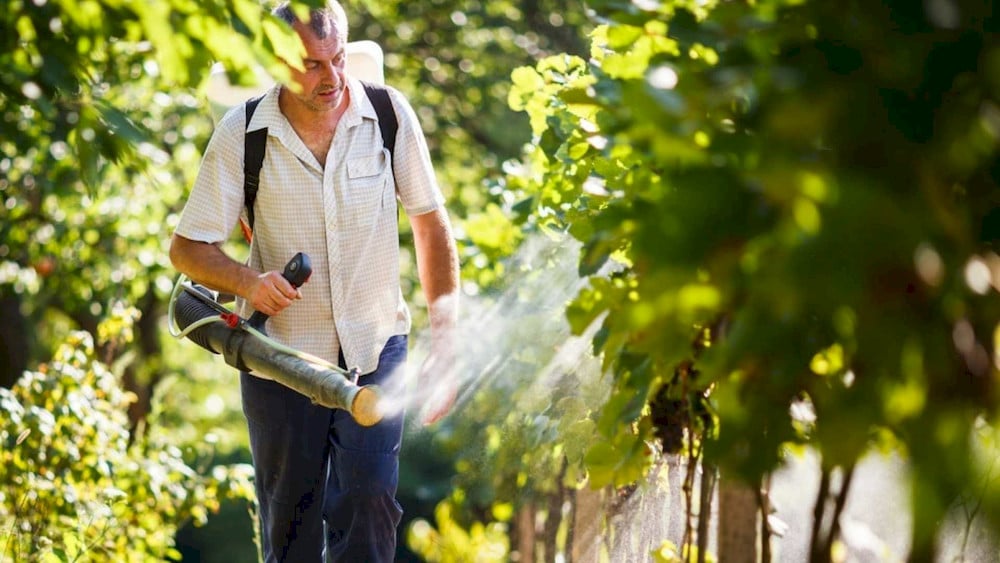
Scientific research highlights four key benefits of applying amino acid biostimulants to vineyards:
Stimulates Vegetative Growth and Canopy Biomass:
- Amino acids act as natural signaling molecules and energy-saving compounds that promote cell division, shoot extension, and hormone activity.
- Foliar spraying with amino acid fertilizers significantly increases leaf count per vine, individual leaf area, shoot growth, and total leaf dry biomass in grape cultivars. This helps build a stronger canopy capable of supporting higher fruit loads throughout the season.
Enhances Leaf Chlorophyll and Photosynthetic Efficiency
- Amino acids boost leaf chlorophyll content, the green pigment responsible for capturing light, and support carbon and nitrogen metabolism.
- By increasing chlorophyll levels, amino acid applications help grapevine leaves convert light energy into sugars more efficiently during critical growth stages.
Boosts Fruit Yield and Cluster Quality
- Studies show that foliar amino acid sprays increase the number of fruit clusters per vine, improve cluster length, width, and weight, and raise the berry count per cluster, resulting in substantial total yield gains per vine.
- Amino acids also support fruit color development through anthocyanin accumulation and promote sugar accumulation, measured as total soluble solids, in ripening berries.
Stimulates Root Development and Improves Nutrient Uptake
- Amino acids encourage root initiation and modify root architecture, allowing roots to explore more soil volume.
- They also stimulate key plant enzymes, such as nitrate reductase and glutamine synthetase, that facilitate the assimilation of nitrogen and other minerals from the soil.
- A healthy root system supports the uptake of water and mineral nutrients.
2. Amino acid fertilizers Compatible with Grapevine Growth Stages
The following three growth stages highlight the key nutritional needs of grapevines and the role amino acid fertilizers can play at each stage.
2.1. Bud Burst, Shoot Emergence, and Vegetative Growth
Early in the season, grapevines must rapidly establish a functional photosynthetic canopy while expanding young shoot tissues that are particularly sensitive to chemical nutrient imbalances.
- Recommended Formulations: Plant-derived amino acid hydrolysates produced via enzymatic hydrolysis, rich in Glutamic acid and Alanine.
- Physiological Action: Delivers readily absorbed organic nitrogen to accelerate chlorophyll synthesis and early leaf expansion, building sturdy shoots while avoiding the soft, tender growth surges and shoot-cracking risks often caused by synthetic nitrogen overload.
2.2. Pre-Bloom to Fruit Set
The flowering window represents the most delicate phase of the annual cycle, where localized heat waves and key micronutrient shortages can cause severe reproductive failure.
- Recommended Formulations: Fast-acting liquid foliar amino acid sprays fortified with essential Boron and Zinc.
- Physiological Action: Provides rapidly absorbed Proline to protect pollen grain vitality and cellular stability during high-temperature bloom days, while Boron and Zinc assist pollen tube growth to secure higher fertilization rates and reduce flower and berry drop.
2.3. Berry Enlargement and Veraison (Color Change to Ripening)
As veraison begins, grapevines redirect their metabolic focus away from foliage growth toward sugar transport, pigment synthesis, and skin tissue maturation in the developing berries.
- Recommended Formulations: Animal-derived protein hydrolysates or specialized fermentation products rich in Methionine and Phenylalanine.
- Physiological Action: Methionine acts as a natural building block for ripening pathways to ensure uniform cluster maturity, while Phenylalanine drives anthocyanin biosynthesis for rich, even skin color, promotes sugar accumulation (°Brix), and strengthens berry cell walls against rain splitting near harvest.
3. How to Select Amino Acid Fertilizers for Different Vineyard Conditions
The most suitable amino acid fertilizer depends on the specific condition of the vineyard. The following sections cover three common situations:
3.1. Post-Harvest Recovery and Pre-Dormancy Storage
Following a demanding harvest, grapevines enter a critical window where they must rebuild depleted carbohydrate and nitrogen reserves in their roots and permanent wood before winter dormancy.
- Recommended Formulation & Method: Soluble powder or granular amino acid formulas applied directly to the root zone via soil drenching or fertigation.
- Physiological Action: Root-applied amino acids supply slow-release organic nitrogen that encourages late-season root activity and carbohydrate storage without triggering unwanted late canopy flushes. This ensures vines enter winter fully energized, powering uniform bud break and early cluster formation in the following spring.
3.2. Abiotic and Chemical Stress Recovery (Drought, Heat Shock, Waterlogging, or Pesticide Toxicity)
Severe environmental stress or chemical exposure induces systemic physiological shock in grapevines, causing stomatal closure and halting root nutrient uptake.
- Recommended Formulation & Method: Highly concentrated liquid amino acid products derived from enzymatic hydrolysis, applied as a foliar spray.
- Physiological Action: Foliar spraying delivers readily usable, pre-digested organic nitrogen directly into leaf cells, bypassing inactive roots and eliminating the metabolic energy needed to synthesize proteins from scratch. This rapidly restores cellular turgor, quenches harmful reactive oxygen species (ROS), and neutralizes chemical stress without risking root damage from heavy synthetic chemical fertilizers.
3.3 Matching Amino Acid Products to Vineyard Soil Characteristics
Soil physical and chemical properties heavily govern nutrient solubility and microbial health, making customized amino acid applications vital for overcoming site-specific soil limitations.
Alkaline and Calcareous Soils (High pH and High Lime):
- Recommended Formulation & Method: Enzymatically hydrolysed or microbially fermented liquid amino acid formulations applied via drip fertigation or soil drenching.
- Physiological Action: High soil pH locks up essential micronutrients such as iron (Fe), zinc (Zn), and manganese (Mn), leading to interveinal yellowing (chlorosis). Specific amino acids, particularly glycine and glutamic acid, act as natural chelating agents that bind tightly to metal ions, preventing alkaline soil fixation and keeping micronutrients soluble for easy root absorption.
Organic-Poor, Sandy, or Compacted Soils:
- Recommended Formulation & Method: Soluble powder or granular amino acid formulations incorporated into the soil around the drip line or applied via root drenching.
- Physiological Action: Raw amino acid powder acts as a premium carbon and organic nitrogen substrate that stimulates native soil microbial populations. As beneficial soil microbes multiply, they improve soil aggregate stability, enhance water-holding capacity in coarse sandy soils, and loosen compacted ground, establishing a healthier rhizosphere for grapevine roots.
4. Key Precautions and Guidelines for Using Amino Acid Fertilizers on Grapevines
While amino acid biostimulants can provide significant benefits for grapevines, their effectiveness depends on how and when they are applied. The following key considerations can help growers avoid common application mistakes and get the most from each treatment.
- Application Timing: Spray early in the morning or late afternoon when stomata are open. Avoid spraying in temperatures above 30°C (86°F) or when rain is expected within 3 – 4 hours.
- Foliar vs. Soil Balance: Use foliar sprays as targeted biostimulant boosts (2 – 3 times/season during critical stages); rely on soil drenching or fertigation as the primary nutritional foundation.
- Tank-Mixing Warnings: Use caution when combining with Copper, Sulfur, mineral oils, or high-pH solutions (>8.0). Amino acid chelation increases copper uptake, which can cause severe leaf burn. Always perform a small jar test first.
- Dosage Discipline: Stick strictly to recommended rates. Over-application can cause leaf tip burn and attract sap-sucking pests due to excessive free nitrogen on the canopy.
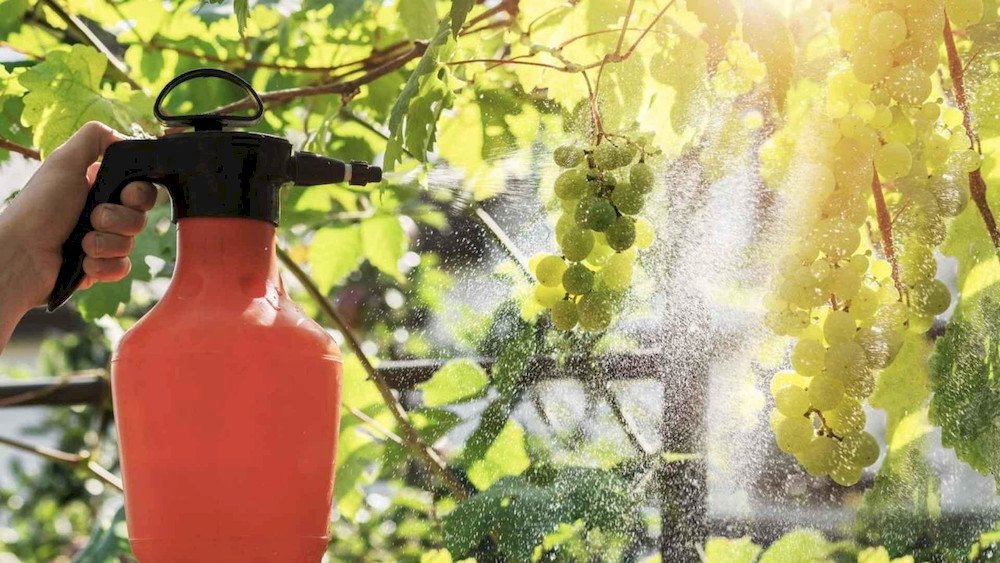
Amino acid fertilizer for grapes can be a useful addition to a vineyard nutrition program when it is matched to the vine’s growth stage, health status, and growing conditions. Rather than relying on a single product or application method, growers can use the guidance above to make more targeted choices and avoid common application mistakes that may reduce treatment effectiveness.



If you are starting a banana farm, Panama disease (Fusarium wilt of banana) is the risk to plan for. How to prevent Panama disease in bananas comes down to keeping the fungus out, because no fertilizer prevents or cures it and once it is in the soil it stays for decades (Pegg et al., 2019; […]

A government project in Bangladesh’s Rajshahi Division has brought solar-powered pumps, including solar drip systems for orchards, to drought-prone land where groundwater has been falling for decades. The Prime Minister wants all diesel irrigation pumps converted to solar within five years. For growers who move to drip, the next step is to feed the crop […]
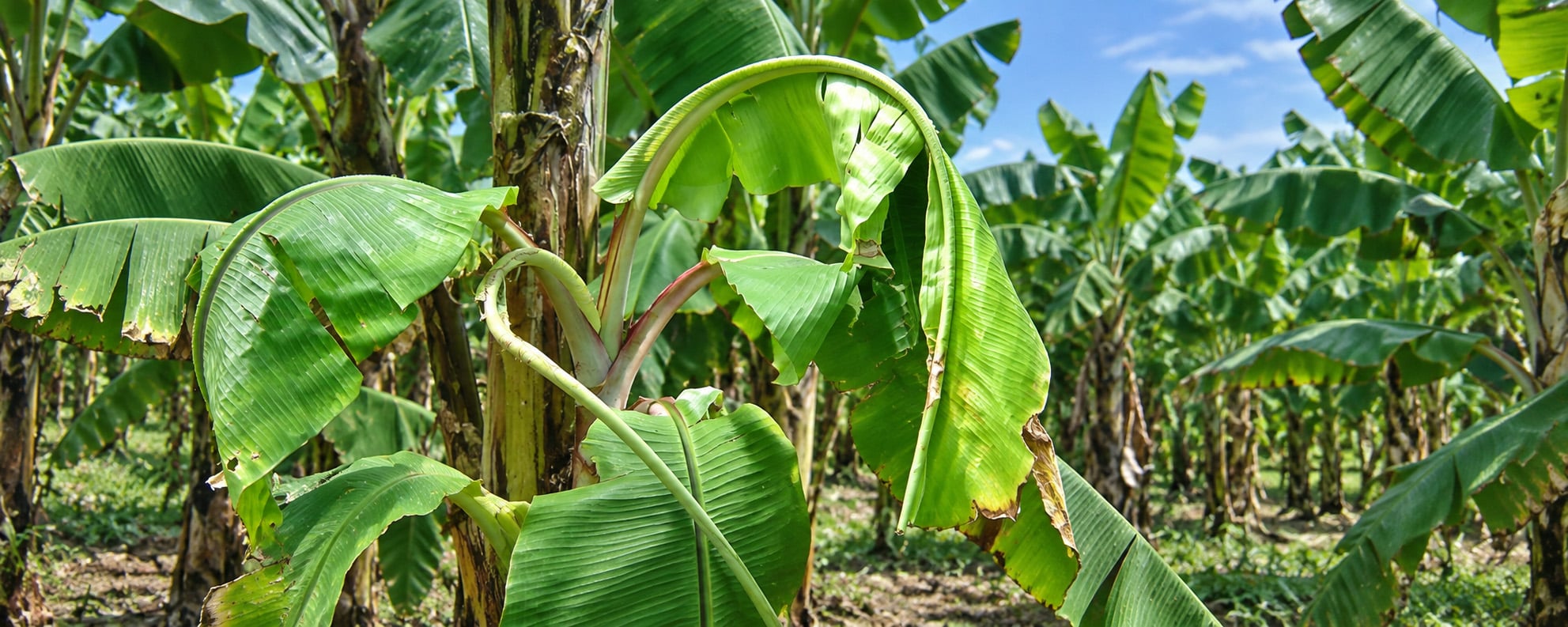
Calcium deficiency in banana shows first on the youngest leaves, as thickened veins and a saw-tooth pattern of yellow and dead tissue along the leaf margin, and in severe cases as “spike leaf”, new leaves with little or no blade, and poor-quality fruit (Turner, 1987; Martin-Prével, 1980). On most plantation soils it is not a […]
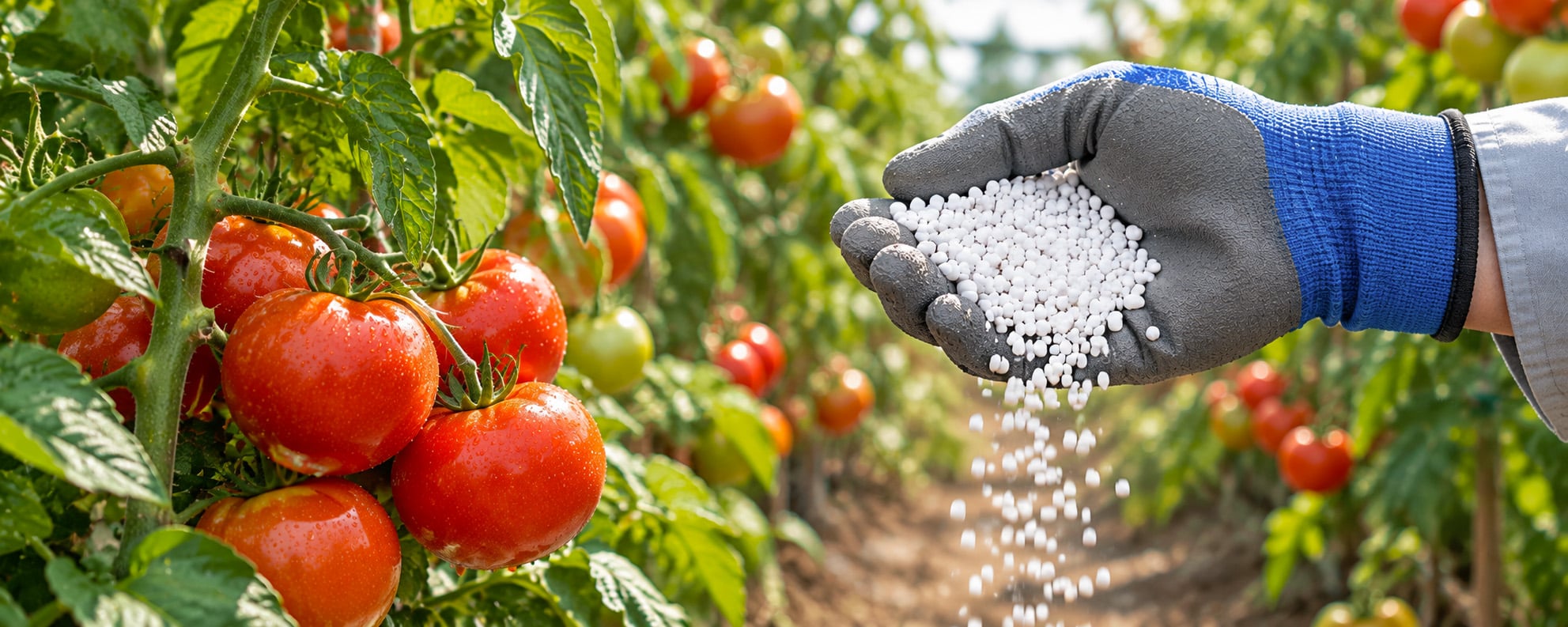
A calcium fertilizer supplies the calcium that holds plant cell walls and membranes together, but whether it reaches the fruit depends as much on water flow as on the fertilizer you choose. Calcium travels with water to the leaves and barely moves out of them again, so fruit and young leaves can run short even […]

An unusually wet winter brought coffee flowering in Minas Gerais forward by about a month, in several separate waves. With October forecast to be hotter than normal and rain patchy, the question for 2027 is now how many of those flowers turn into fruit. At Van Polder, we believe a strong flowering is only the […]
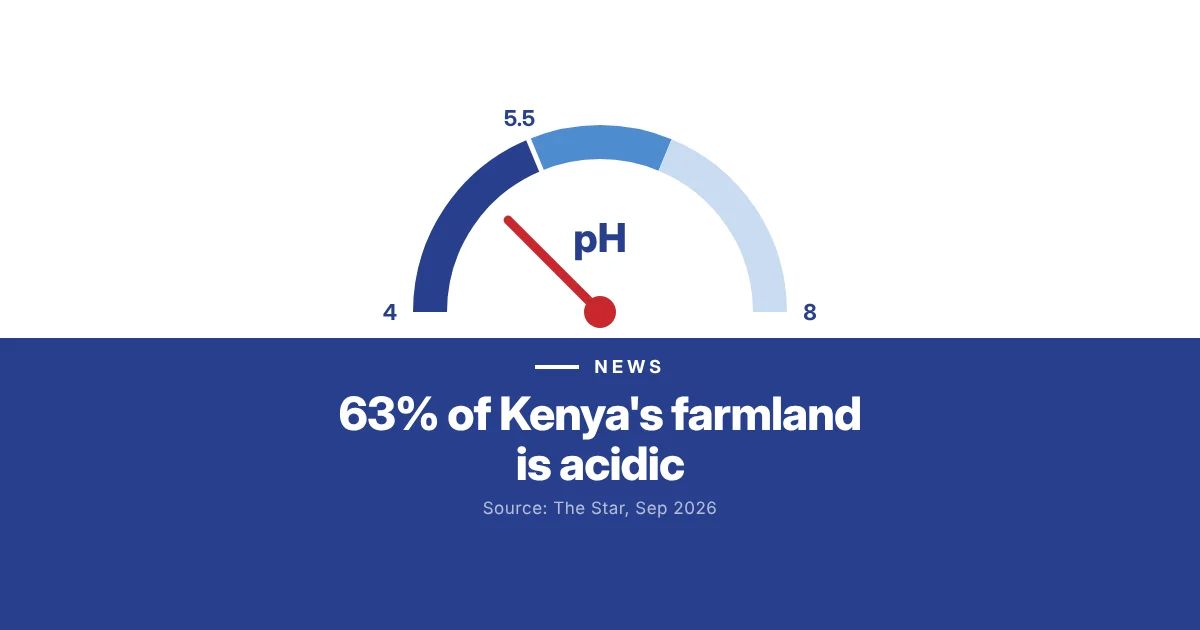
Kenya’s Ministry of Agriculture has launched a national soil health drive to move growers away from one-size-fits-all fertilizer recommendations. About 63% of the country’s arable land is acidic, and the government now wants fertilizer choices to start with a soil test. At Van Polder, we believe good crop nutrition starts with knowing what is already […]