



Fish Amino Acid Production: 3 Methods & Criteria for Optimal Selection
Fish amino acid (FAA) fertilizer can be produced through bio-fermentation, chemical alkaline hydrolysis, or enzymatic hydrolysis, with each method differing in processing time, cost, nutrient profile, and product quality. This guide compares 3 production methods and 5 key selection criteria to help manufacturers choose a suitable process based on raw materials, target product, production scale, […]
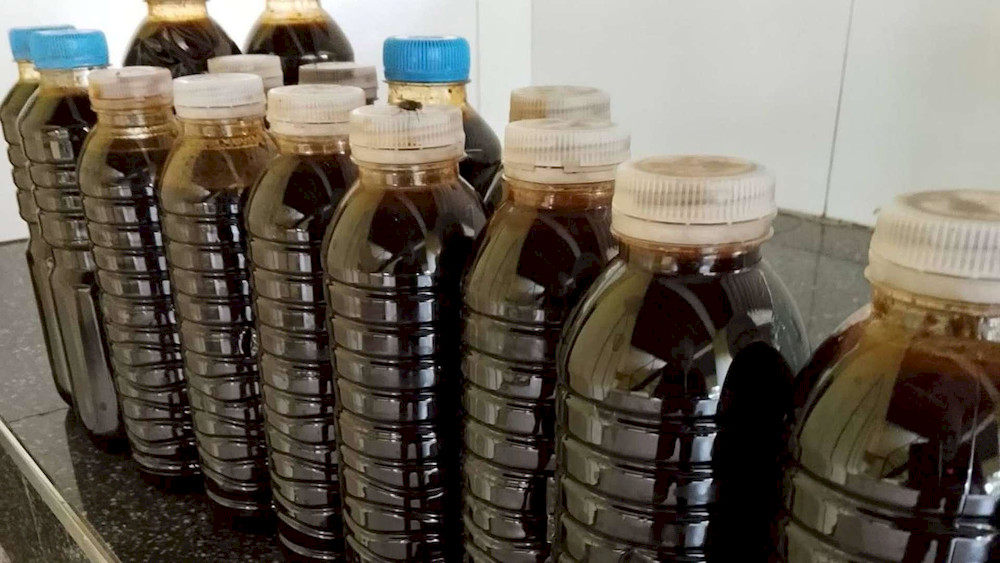

Fish amino acid (FAA) fertilizer can be produced through bio-fermentation, chemical alkaline hydrolysis, or enzymatic hydrolysis, with each method differing in processing time, cost, nutrient profile, and product quality. This guide compares 3 production methods and 5 key selection criteria to help manufacturers choose a suitable process based on raw materials, target product, production scale, and investment requirements.
1. Method 1: Fish Amino Acid (FAA) Fertilizer Production via Bio-Fermentation (Traditional & Low-Cost)
Suitable for:
- Smallholder farmers and small-scale organic growers.
- Agricultural producers seeking low-cost, eco-friendly plant nutrition.
- Experimental setups or farm-level organic fertilizer trial batches.
Raw Materials:
- Fresh fish processing waste: Heads, bones, skins, fins, and viscera from fresh fish processing.
- Unrefined carbon and sugar sources: Jaggery, sugarcane molasses, or dark brown sugar to nourish fermenting microbes.
- Optional microbial inoculants: Effective Microorganisms (EM), Lactic Acid Bacteria (such as Lactobacillus plantarum or L. acidophilus), or proteolytic bacteria ( Bacillus cereus).
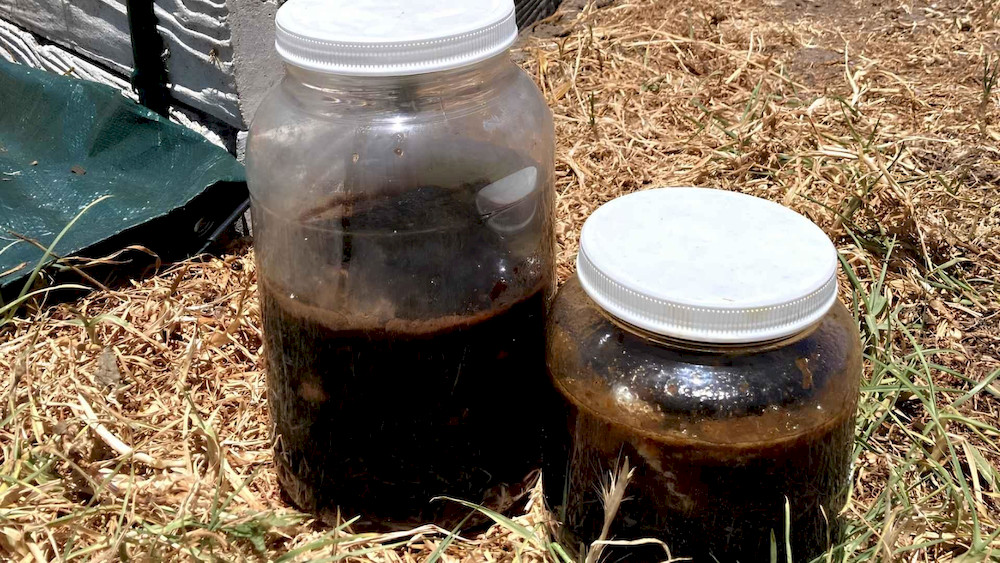
Three-Stage Production Process:
- Stage 1 – Pre-Treatment & Mixing
-
- Pre-Treatment: Clean the fish waste with fresh water and chop or grind it into small pieces to increase the surface area for microbial breakdown.
- Traditional Fermentation: Mix the chopped fish waste with jaggery or brown sugar at a 1:1 weight ratio.
- Controlled Microbial Fermentation (Biosilage): Combine the fish waste with 15% sugarcane molasses and a 5% active microbial starter culture.
- Stage 2 – Fermentation
-
- Traditional Method: Transfer the mixture into a clean container, cover it loosely, and allow natural fermentation at room temperature for 21 days.
- Controlled Microbial Fermentation: Incubate the mixture in a warm environment at 40 – 45°C, with light daily mixing, for 48 hours to several days.
- pH Control: Maintain the acid level within a stable range of pH 5.5 – 6.5 throughout fermentation to suppress harmful human pathogens and reduce foul odors.
- Stage 3 – Lipid Skimming & Product Recovery
-
- Lipid Removal: After fermentation, completely skim off the floating lipid layer to improve long-term liquid stability.
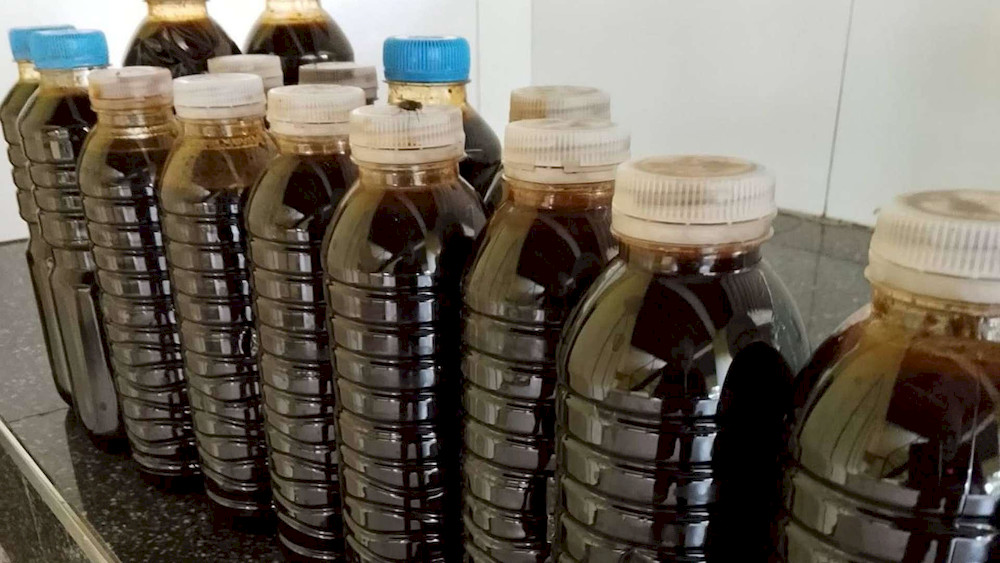
- Liquid Fertilizer: Filter the remaining liquid through a fine mesh or filter cloth to obtain clear Fish Amino Acid fertilizer.
- Powder Fertilizer: Alternatively, dry the liquid under low-temperature vacuum conditions at 55 – 60°C, then mill it into a fine, soluble organic powder.
Advantages and Disadvantages:
- Advantages:
-
- Highly economical, simple to operate on-farm, and completely free of synthetic chemical additives.
- Delivers soluble organic nitrogen, essential free amino acids such as glutamic acid and leucine, and beneficial microbes that support plant vigor and soil biological health.
- Disadvantages:
-
- Traditional natural decomposition proceeds slowly over several weeks.
- Uncontrolled acidity during fermentation can generate unpleasant odors and increase the risk of pathogenic bacterial growth if pH is not monitored.
- Nutrient concentrations vary across batches depending on the specific fish species and body parts utilized.
Important Operating Notes:
- Pest Prevention: Cover the container mouth tightly with a breathable cotton cloth and brush a thin layer of unrefined sugar around the inner rim to block flies and egg-laying insects.
- Fat Removal: Skim off the floating fat layer thoroughly, as fat oxidation causes rancidity, unpleasant odors, and rapid product spoilage.
- Salt Management: Marine fish waste contains elevated sodium levels that can cause root toxicity. Dilute the liquid fertilizer thoroughly, typically 1:500 to 1:1000 with clean water, or leach excess salts before applying to soil or leaves.
2. Method 2: Amino Acid Fertilizer Production via Chemical Alkaline Hydrolysis
Suitable for:
- Commercial fertilizer manufacturing plants and semi-industrial processing facilities.
- Agricultural processors managing tough, collagen-rich marine residues such as skins, scales, and bones from species like flounder, sea bass, or red snapper.
- Fertilizer production operations requiring rapid protein breakdown and high-volume output.
Raw Materials:
High-efficiency alkaline hydrolysis requires a combination of organic waste inputs and chemical agents:
- Fresh fish processing waste: Skins, scales, heads, tails, and viscera from marine species such as flounder, sea bass, and red snapper.
- Alkaline extraction and hydrolysis solutions: Sodium hydroxide (NaOH), potassium hydroxide (KOH), or calcium hydroxide (Ca(OH)₂) prepared at dilute concentrations (0.05M to 0.2M) for initial protein extraction and concentrated solutions (10% to 30%) for deep hydrolysis.
- Neutralizing acid agents: Inorganic or organic acids, specifically phosphoric acid (H₃PO₄), hydrochloric acid (HCl), sulfuric acid (H₂SO₄), or acetic acid (CH₃COOH).
- Micronutrient mineral salts: Essential trace elements including iron, copper, zinc, manganese, boron, and molybdenum.
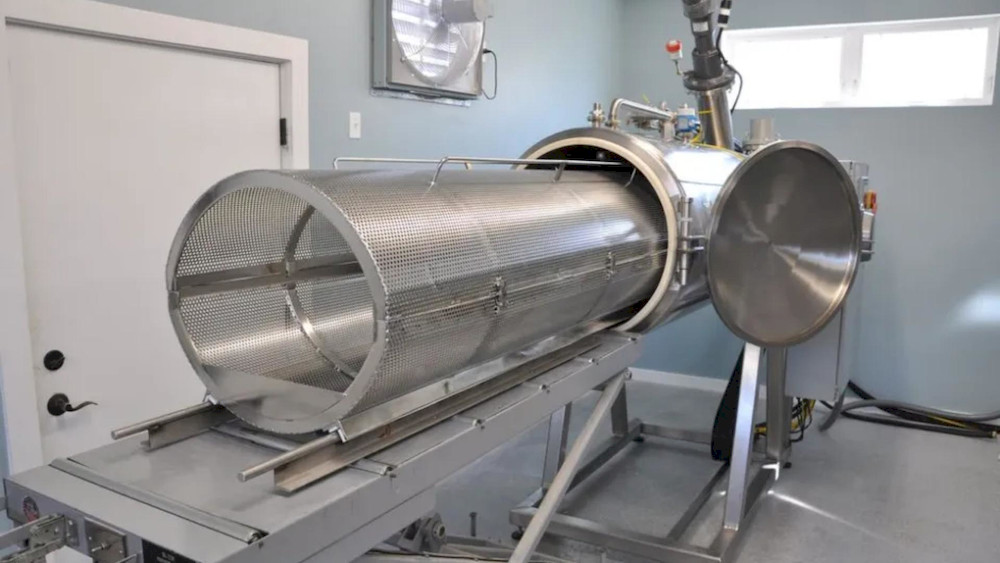
Five-Step Production Process
- Step 1 – Raw Material Grinding: Collect fish skins, scales, and by-products, wash them thoroughly with fresh water, and grind them into a fine powder to maximize surface area for chemical contact.
- Step 2 – Dilute Alkaline Extraction: Mix the ground fish powder with a dilute alkaline solution (0.05M to 0.2M NaOH, KOH, or Ca(OH)₂) to dissolve non-collagenous proteins and separate soluble protein fractions from tough collagenous tissues.
- Step 3 – Deep Alkaline Hydrolysis: Combine the liquid protein fraction (10% to 50% by weight) with a concentrated alkaline solution (10% to 30% concentration, forming 50% to 90% by weight of the reaction mixture). Heat the mixture between 30°C and 200°C under atmospheric or pressurized conditions to cleave long peptide chains into soluble oligopeptides and amino acid salts.
- Step 4 – Acid Neutralization: Add a neutralizing acid, most effectively phosphoric acid (H₃PO₄) to neutralize excess base and adjust the final pH to a safe, neutral range of pH 6.5 to 9.0.
- Step 5 – Micronutrient Blending: Incorporate essential trace minerals into the neutralized liquid fertilizer to complete the nutritional formulation.
Advantages and Disadvantages:
- Advantages
-
- Extremely fast reaction rates completely break down tough skin, scale, and bone protein structures within a short processing timeframe.
- Neutralizing the alkaline solution with phosphoric acid (H₃PO₄) generates soluble phosphate and potassium salts, adding valuable crop-available nutrients to the fertilizer.
- Disadvantages
-
- Harsh alkaline conditions combined with high heat can decompose or destroy sensitive sulfur-containing amino acids such as cysteine and methionine.
- Concentrated bases and acids cause severe machinery corrosion and introduce high inorganic salt levels that require careful management.
Important Operating Notes:
- Neutralization Control: Tightly monitor the neutralization step to ensure the fertilizer pH reaches 6.5 to 9.0, preventing over-alkalinity or over-acidity that can burn crop roots and cause soil salinization.
- Corrosion-Resistant Equipment: Utilize heavy-duty, corrosion-resistant reaction vessels and piping built to withstand strong alkaline and acidic chemicals.
- Filtration: Filter the liquid thoroughly after hydrolysis to remove any remaining insoluble protein or bone residues for a smooth, sprayable product.
3. Method 3: Production Fish Amino Acid Fertilizer via Complex Enzymatic Hydrolysis
Suitable for:
- Commercial fertilizer manufacturers and modern agricultural biostimulant producers.
- High-tech farming operations requiring premium foliar sprays and root fertigation inputs rich in short-chain peptides.
- Agricultural enterprises seeking maximum nitrogen recovery and consistent product quality from fish skins, scales, and slurry.
Raw Materials:
- Fresh fish processing waste: Fresh fish skins, scales, ground fish residues, or concentrated fish soluble slurry.
- Targeted protease enzymes: Commercial alkaline and neutral proteases such as Alcalase and Flavourzyme, or Pepsin, alongside natural digestive enzymes extracted from fish viscera.
- Nutritional mineral fortifiers: Essential macro-, secondary-, and micronutrient salts including calcium nitrate, magnesium sulfate, zinc sulfate, potassium phosphate, borax, and ammonium molybdate, combined with urea, potassium sorbate (preservative), or peat moss filler.
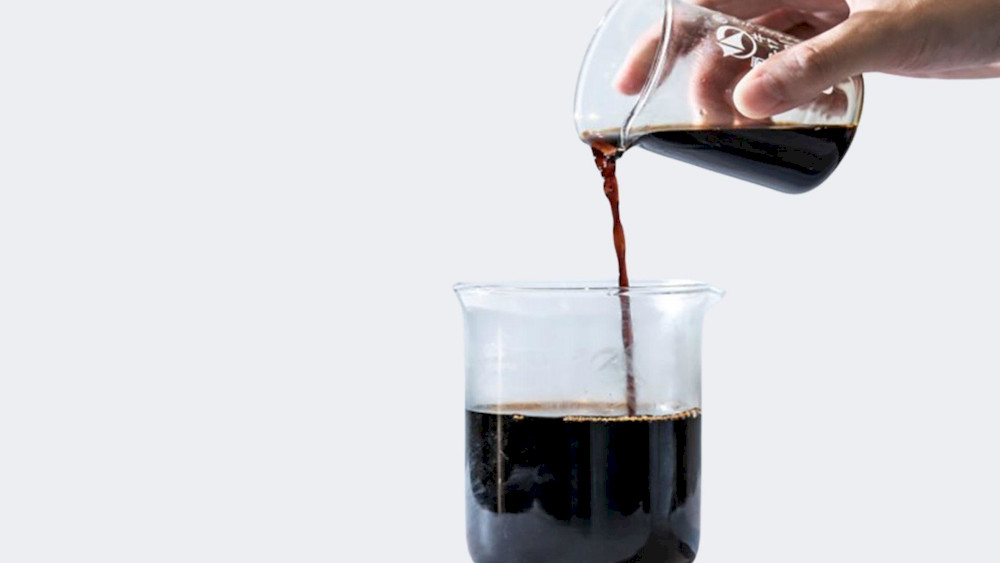
Four-Stage Production Process
- Stage 1 – Thermal Denaturation & Primary Hydrolysis
-
- Thermal Denaturation: Heat fresh fish skins and scales with water at 90 – 95°C for 60 – 90 minutes to unfold dense protein structures and improve enzymatic access.
- pH Adjustment: Cool the mixture to 45 – 55°C and adjust the acidity to pH 3.1 – 5.0 using dilute hydrochloric acid.
- Primary Hydrolysis: Introduce endogenous fish stomach extract (0.15 – 0.2%) or Pepsin enzyme and maintain the warm, acidic environment for 60 – 90 minutes to complete initial protein breakdown.
- Stage 2 – Deep Enzymatic Cleavage
- Alkaline Adjustment: Adjust the solution pH to 7.5 – 8.5 using 20% sodium hydroxide.
- Alcalase Hydrolysis: Add Alcalase (0.2 – 0.3%) and hold at 55°C for 30 – 60 minutes to rapidly break long proteins into smaller peptide chains.
- Flavourzyme Hydrolysis: Add Flavourzyme (0.1 – 0.2%) for an additional 60 – 90 minutes. This secondary enzyme cleaves terminal peptide bonds to release free amino acids while eliminating bitter flavors and fishy odors.
- Stage 3 – Mineral Fortification & Thermal Enzyme Inactivation
- Mineral Fortification: Incorporate the measured macro- and micronutrient mineral salts into the liquid hydrolysate to create a complete plant nutrient formulation.
- Rapid Heating: Heat the liquid at a rate of 15 – 20°C per minute until it reaches 90 – 100°C.
- Enzyme Inactivation: Hold at 90 – 100°C for 5 – 10 minutes to permanently deactivate all remaining enzymes and stop further protein degradation.
- Stage 4 – Filtration, Concentration & Product Formulation
-
- Filtration & Separation: Pass the liquid through a plate-and-frame filter press and a three-phase centrifuge to completely separate solid residues and floating fish oil from the aqueous protein solution.
- Vacuum Concentration: Concentrate the clear liquid under gentle vacuum conditions at 40 – 60°C until it reaches 50% – 54% total solids.
- Product Formulation: Finish the concentrate into one of three commercial formats:
- Liquid Foliar Spray: Add 1.5% potassium sorbate as a natural preservative and package in sealed foil bags. Dilute 1:500 with water before crop spraying.
- Spray-Dried Foliar Powder: Atomize the concentrated liquid in a spray dryer with an inlet air temperature of 170 – 180°C and an outlet temperature of 70 – 80°C to achieve a moisture content below 3%. Dilute 1:900 with water for foliar feeding.
- Soil Granular Fertilizer: Blend the concentrated liquid with 20% dried filter cake powder and 25% peat moss, extrude into 20-mesh granules, and dry at 60 – 80°C for soil application.
Advantages and Disadvantages:
- Advantages:
-
- Delivers high nitrogen recovery efficiency and consistent batch quality with high biostimulant activity.
- Produces short-chain peptides and free amino acids that plants absorb almost instantly through leaves and roots without expending metabolic energy.
- Operates under eco-friendly, chemical-free conditions that preserve soil biology and environmental health.
- Disadvantages:
-
- Requires significant investment in commercial enzymes and specialized equipment such as pH controllers, centrifuges, vacuum evaporators, and spray dryers.
- Demands precise multi-step technical monitoring of temperature, pH, and incubation times throughout processing.
Important Operating Notes:
- Immediate Thermal Inactivation: Perform the rapid thermal inactivation step by heating quickly to 90 – 100°C immediately after hydrolysis to prevent ongoing enzyme activity from degrading nitrogen quality.
- Spray-Drying Temperature Control: Carefully control the spray dryer outlet air temperature within a mild 70 – 80°C range to avoid scorching or heat-damaging sensitive free amino acids.
- Complete Oil & Solid Removal: Ensure complete removal of oily fats and fine solid particles during centrifugation and filtration to prevent clogging foggers, misting equipment, or drip irrigation emitters in the field.
4. 5 Key Factors For Selecting The Appropriate FAA Production Method
Selecting the right FAA production method requires evaluating five key factors, from raw materials and processing efficiency to product requirements, safety, and investment.
4.1. Raw Material Characteristics and Processing Risks
The selection process starts with the raw material, as the physical structure, lipid content, and salinity of fish waste can directly affect processing requirements, product quality, and nutrient retention.
- Soft vs. Hard Waste Structures: Soft fish tissues such as viscera, guts, and fish soluble slurry contain readily soluble proteins and active endogenous enzymes, making them ideal for microbial bio-fermentation (biosilage). Conversely, tough collagenous residues such as skins, scales, fins, and bones require chemical alkaline hydrolysis or multi-enzyme hydrolysis with a thermal pre-denaturation step at 90 – 95°C for 60 – 90 minutes to unfold dense protein chains.
- Lipid Oxidation Hazards: Fresh fish waste degrades rapidly, and floating grease oxidizes easily, causing rancid odors and product spoilage if not removed via lipid skimming during processing.
- Salinity & Nutrient Retention: Marine fish residues contain elevated sodium levels; while water leaching removes excess salt, it also washes away over 60% of valuable soluble potassium, making surface lipid skimming and post-processing potassium replenishment necessary.
4.2. Production Costs, Reaction Speeds, and Nitrogen Yields
Once the raw material is assessed, manufacturers need to compare processing time, operating costs, and nitrogen recovery to determine the most practical approach for their production scale.
- Chemical Hydrolysis Speeds: Alkaline chemical hydrolysis offers the fastest reaction timeframe (1 – 3 hours) under elevated temperatures of 30 – 200°C.
- Enzymatic Breakdown: Commercial protease hydrolysis requires 3 – 10 hours at mild temperatures of 30 – 55°C, achieving free α-amino acid concentrations around 100 mM with nitrogen recovery rates between 20% and 33%.
- Bio-Fermentation Efficiency: Microbial biosilage aging typically takes 48 hours to 10 days. However, combining Alcalase enzymes with Lactic Acid Bacteria (LAB) accelerates free α-amino group release to approximately 226 mM in under 24 hours, while recovering 33% of soluble nitrogen.
- Operating Costs (OPEX): Bio-fermentation maintains the lowest production cost, roughly half the cost of commercial fishmeal. In contrast, enzymatic hydrolysis incurs commercial enzyme expenses, while alkaline hydrolysis requires chemical reagents and heating energy.
4.3. Output Product Formats and Target Market Applications
The intended application and target market also play an important role, as liquid biostimulants, soluble powders, and granular fertilizers require different processing and formulation conditions.
- Concentrated Liquid Biostimulants: Enzymatic hydrolysis or vacuum-concentrated biosilage at 40 – 60°C yields a premium liquid fertilizer with 50% – 54% total solids, preserved with 1.5% potassium sorbate. This liquid is rich in short-chain peptides and free amino acids—especially glutamic acid and leucine—for rapid foliar absorption and chlorophyll synthesis.
- Soluble Dry Powders: Concentrated hydrolysate passed through a spray-drying tower (inlet 170 – 180°C, outlet 70 – 80°C) or a vacuum freeze-dryer (−30°C, 50 Pa) creates a shelf-stable powder suitable for long-distance transport and export markets.
- Soil Granular Fertilizers: Blending liquid concentrate with 20% dry filter cake powder and 25% peat moss produces extruded granules dried at 60 – 80°C for soil conditioning, while neutralized alkaline hydrolysates supply soluble phosphate and potassium salts directly to field soils.
4.4. Odor Control, Biological Safety, and Quality Compliance
Beyond production efficiency, odor management and biological safety must be controlled throughout processing to maintain product quality and meet the requirements for agricultural use.
- Odor & Bitterness Removal: Skimming the floating lipid layer prevents rancid fat oxidation. Adding 5% – 10% adsorbents such as diatomaceous earth or peat, or incorporating Flavourzyme in final hydrolysis stages, neutralizes unpleasant odors and bitter peptide flavors.
- Pathogen Elimination: Biological acidification via lactic fermentation, lowering pH to 5.5 – 6.5, or rapid thermal enzyme deactivation at 90 – 100°C completely destroys pathogenic bacteria such as E. coli and Salmonella, meeting international organic fertilizer safety standards.
4.5. Infrastructure Requirements and Capital Investment (CAPEX)
Finally, manufacturers should evaluate the equipment, processing infrastructure, and capital investment required to implement the selected technology at the intended production scale.
- Low-to-Medium CAPEX (Biosilage Facility): Requires temperature-controlled stainless-steel fermenters (40 – 45°C), surface oil skimmers, vacuum evaporators, and vacuum dryers.
- High CAPEX (Industrial Multi-Enzyme & Spray-Drying Complex): Demands heavy-duty infrastructure including plate-and-frame filter presses (0.1 – 0.3 MPa), 3-phase decanter centrifuges, vacuum membrane evaporators (−0.05 to −0.085 MPa), and spray-drying towers or lyophilizers.
Choosing the right fish amino acid production method depends on more than processing cost or speed. Raw material characteristics, desired product form, nutrient quality, odor and safety control, processing efficiency, and equipment investment should all be considered together to determine the most suitable production approach.


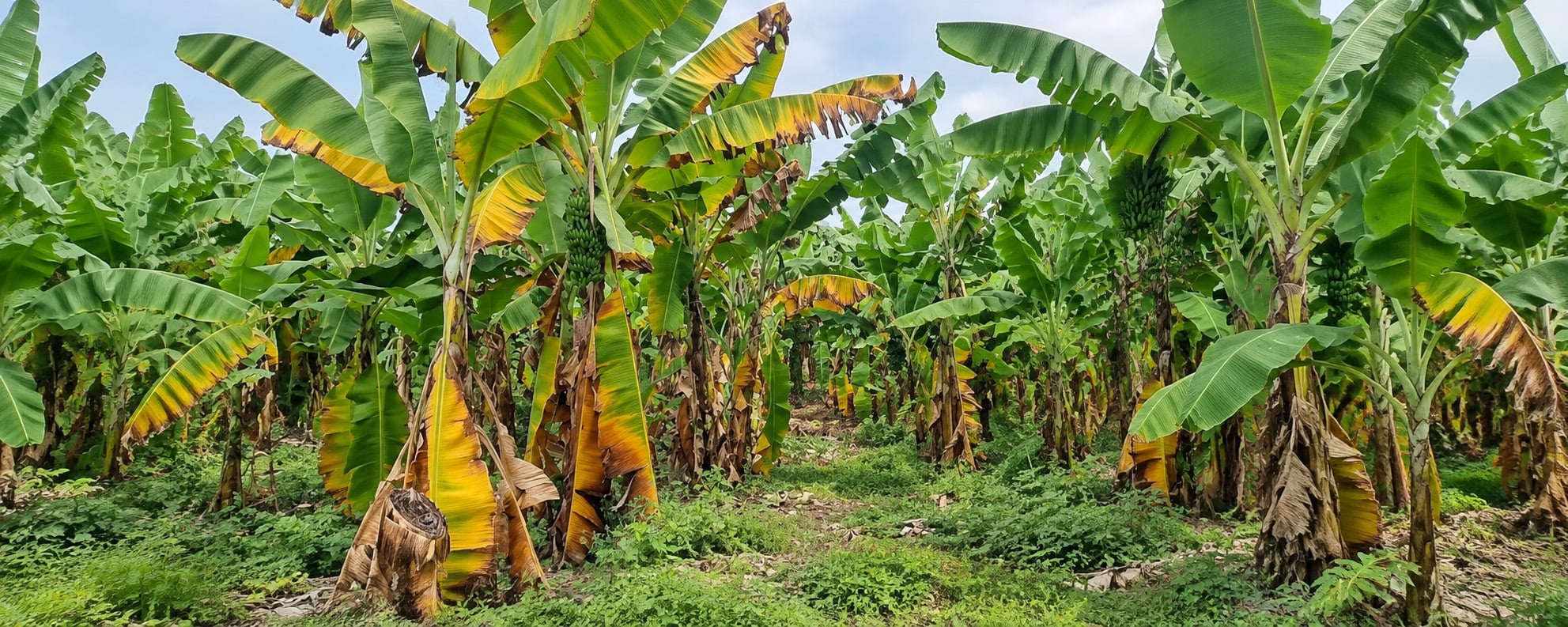
If you are starting a banana farm, Panama disease (Fusarium wilt of banana) is the risk to plan for. How to prevent Panama disease in bananas comes down to keeping the fungus out, because no fertilizer prevents or cures it and once it is in the soil it stays for decades (Pegg et al., 2019; […]
A government project in Bangladesh’s Rajshahi Division has brought solar-powered pumps, including solar drip systems for orchards, to drought-prone land where groundwater has been falling for decades. The Prime Minister wants all diesel irrigation pumps converted to solar within five years. For growers who move to drip, the next step is to feed the crop […]
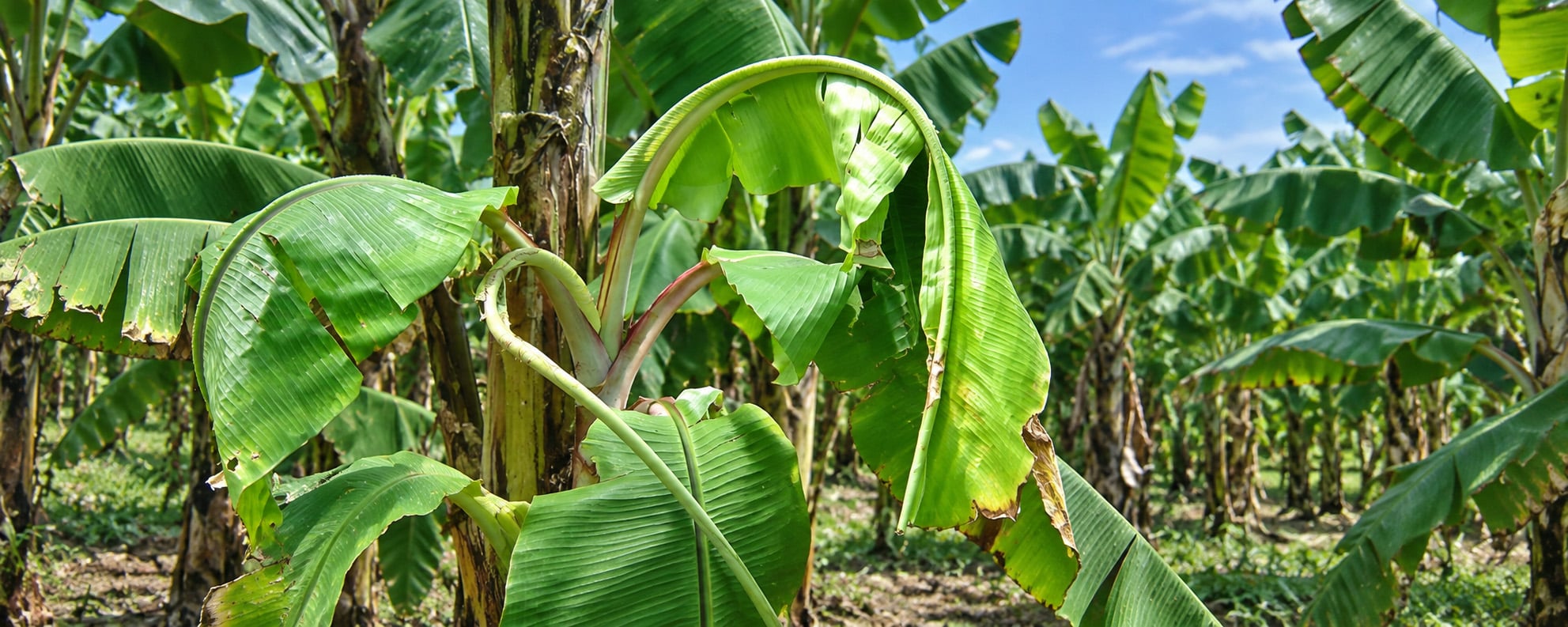
Calcium deficiency in banana shows first on the youngest leaves, as thickened veins and a saw-tooth pattern of yellow and dead tissue along the leaf margin, and in severe cases as “spike leaf”, new leaves with little or no blade, and poor-quality fruit (Turner, 1987; Martin-Prével, 1980). On most plantation soils it is not a […]
A calcium fertilizer supplies the calcium that holds plant cell walls and membranes together, but whether it reaches the fruit depends as much on water flow as on the fertilizer you choose. Calcium travels with water to the leaves and barely moves out of them again, so fruit and young leaves can run short even […]

An unusually wet winter brought coffee flowering in Minas Gerais forward by about a month, in several separate waves. With October forecast to be hotter than normal and rain patchy, the question for 2027 is now how many of those flowers turn into fruit. At Van Polder, we believe a strong flowering is only the […]
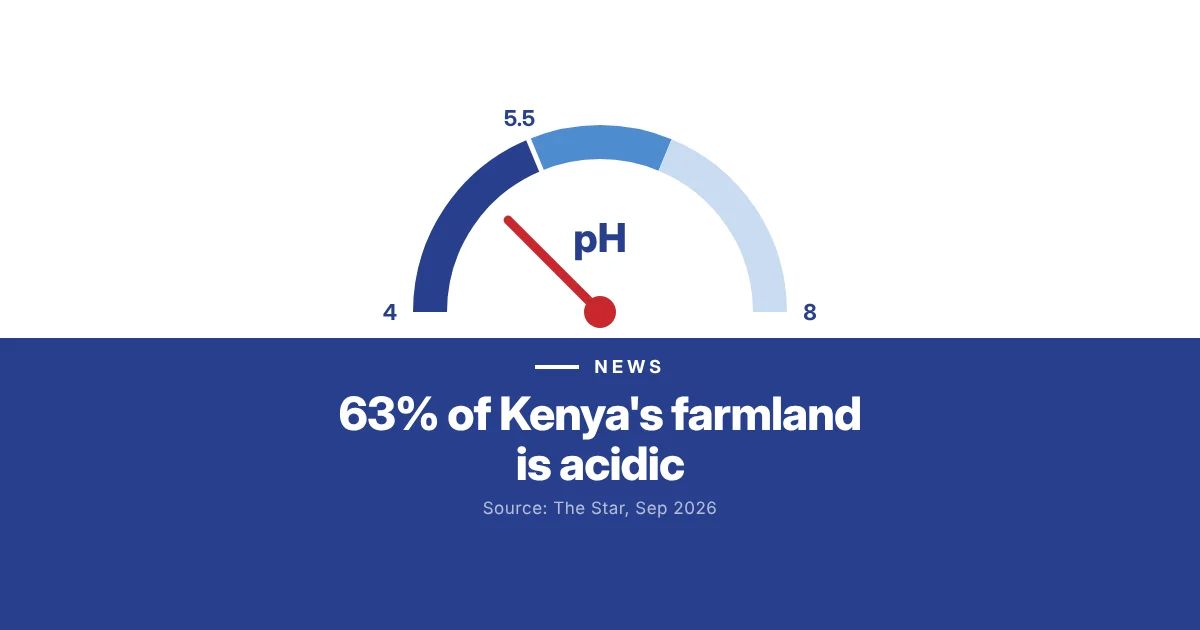
Kenya’s Ministry of Agriculture has launched a national soil health drive to move growers away from one-size-fits-all fertilizer recommendations. About 63% of the country’s arable land is acidic, and the government now wants fertilizer choices to start with a soil test. At Van Polder, we believe good crop nutrition starts with knowing what is already […]