







4 Essential 13-40-13 Fertilizer Uses for Stronger Roots and Better Yields
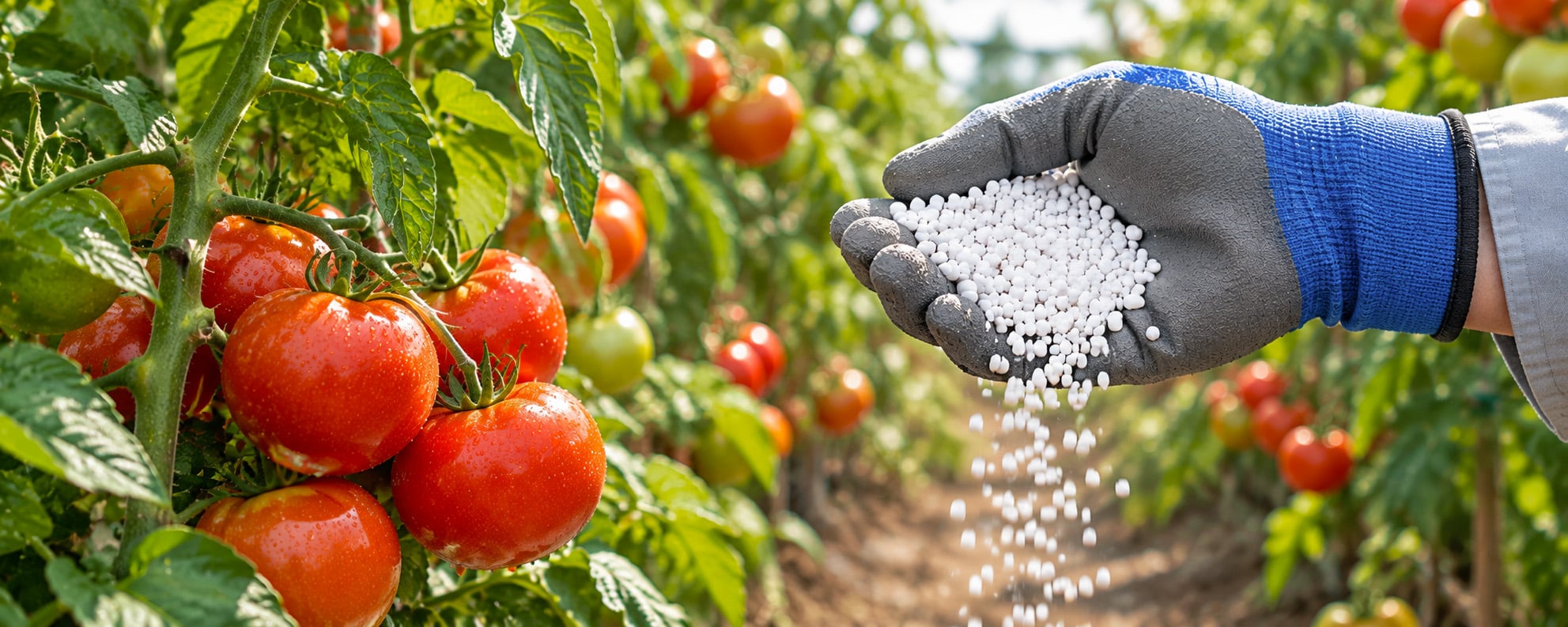
NPK 13-40-13 is a fully water-soluble fertilizer containing 13% nitrogen (N), 40% phosphorus (P₂O₅), and 13% potassium (K₂O). With its phosphorus-rich formulation, it is particularly suited to growth stages when crops have a high demand for phosphorus, from early establishment and root development to flowering and fruit formation. In this guide, discover four key uses […]


NPK 13-40-13 is a fully water-soluble fertilizer containing 13% nitrogen (N), 40% phosphorus (P₂O₅), and 13% potassium (K₂O). With its phosphorus-rich formulation, it is particularly suited to growth stages when crops have a high demand for phosphorus, from early establishment and root development to flowering and fruit formation. In this guide, discover four key uses of NPK 13-40-13 and how to apply it effectively to support stronger crop growth, better yield formation, and improved harvest quality.
1. Promoting Root Development
During establishment, phosphorus availability plays an important role in root development and early plant growth. The fully water-soluble formulation makes the product suitable for soilless and precision fertigation systems, where nutrients need to be delivered consistently during rooting.
- Promotes root development: The high-phosphate formulation supplies phosphorus for root growth during establishment.
- Fits precision fertigation: The product dissolves into a clear solution, making it suitable for soilless and precision fertigation systems.
- Maintains broader nutrient supply: Nitrogen and potassium accompany phosphorus in the formulation, allowing the fertilizer to support continued crop development rather than supplying phosphorus alone.

2. Encouraging Early Flowering and Fruit Set
The transition from rooting into early flowering is a key application window for NPK 13-40-13. Its high-phosphate profile provides the phosphorus involved in the energy transfer of early flowering, while the accompanying nitrogen and potassium continue to supply the crop as it moves into reproductive development.
- Supports early flowering: The high phosphorus supply supports the energy transfer associated with early flowering and reproductive development.
- Maintains nutrient supply during the transition: Nitrogen and potassium remain available as crops move beyond rooting, allowing the fertilizer to function as a continuing developmental feed rather than a short-term rooting treatment.
- Supports early fruit set: The product is suitable for the transition from rooting into early flowering and fruit set, providing continued NPK nutrition during this early reproductive stage.

3. Supporting Continued Crop Development
After the rooting stage, crops still need a steady supply of nutrients as they move toward early flowering. NPK 13-40-13 is positioned as a sustaining developmental feed during this transition, providing continued nutrition rather than serving only as a short-term rooting treatment.
- Supports development after rooting: The formulation provides continued nitrogen, phosphorus, and potassium as crops progress beyond establishment and continue active development.
- Supports the transition into early flowering: It is suitable for the stage between rooting and early flowering, helping maintain nutrient supply as crops move toward reproductive development.
- Provides a broader developmental feeding window: Unlike a strongly phosphate-dominant starter intended primarily for a brief rooting trigger, this formulation retains meaningful nitrogen and potassium, allowing it to be used through rooting and into early flowering.

4. Supporting Water Regulation and Early Crop Development
Potassium plays an important role in water regulation as crops establish and progress through early development. In NPK 13-40-13, potassium is combined with phosphorus, nitrogen, and micronutrients to provide a broader nutrient supply during rooting and the transition into early reproductive growth.
- Supports water regulation: The potassium component contributes to water regulation and helps maintain crop performance during establishment and early development.
- Complements early crop nutrition: Potassium works alongside phosphorus and nitrogen to support continued crop development rather than functioning as a standalone potassium treatment.
- Supports the crop through early development: The balanced nutrient profile allows the fertilizer to remain relevant from rooting through early flowering, providing continued nutrition as crop demand changes.

5. Recommended Crops for NPK 13-40-13 Application
NPK 13-40-13 is suitable for crops managed through protected, soilless, and precision fertigation systems, with applications focused on establishment, rooting, bud development, and the transition into flowering.
- Fruiting vegetables: Suitable for soilless fruiting vegetables such as tomatoes, peppers, and cucumbers during establishment and up to first flowering.
- Strawberries: Designed for substrate-grown strawberries from establishment through flower initiation.
- Young trees and vines: Suitable for young fruit trees and vines during rooting and bud development.
- Ornamentals and flowers: Appropriate for ornamental and flowering crops during rooting and bud set.

6. Optimal Timing and Methods of NPK 13-40-13 Application
NPK 13-40-13 is best positioned around establishment, root development, and the transition into early flowering. Its fully water-soluble formulation makes it suitable for precision fertigation and soilless production, while foliar application provides an additional method of supplying nutrients during these key growth stages.
Application Timing
- Establishment and rooting: Apply during crop establishment and root development to support developing roots and continued early growth.
- Transition to flowering: Use as crops move from rooting into early flowering, when nutrient demand remains important for early reproductive development.
Application Methods
- Precision fertigation: The fully water-soluble formulation dissolves into a clear solution, making it suitable for precise nutrient delivery through irrigation systems.
- Soilless production: The fertilizer is suited to soilless crops where nutrient concentrations and solution EC can be managed precisely.
- Foliar application: Foliar spraying can be used at the appropriate crop stage, with application kept toward the lower end of the recommended concentration range.
Application Rates
- Fertigation: Start at 1–2 g/L for establishing and early reproductive crops.
- Young or sensitive crops: Use around 0.5 g/L where lower nutrient concentrations are appropriate, including in soilless systems.
- Foliar application: Use the crop-specific rates shown in the application guide and spray during the cooler parts of the day.
- Adjustment: Fine-tune the rate according to crop, growth stage, water quality, and the crop’s tolerance to solution EC.

NPK 13-40-13 can be a valuable part of a crop nutrition program when its phosphorus-rich formulation is matched with the plant’s nutritional demands. Its applications extend from early root establishment and reproductive development to yield quality and stress resilience. The key is not simply applying more fertilizer, but using the right amount at the right stage and through the right method so crops can make efficient use of the nutrients and reach their production potential.


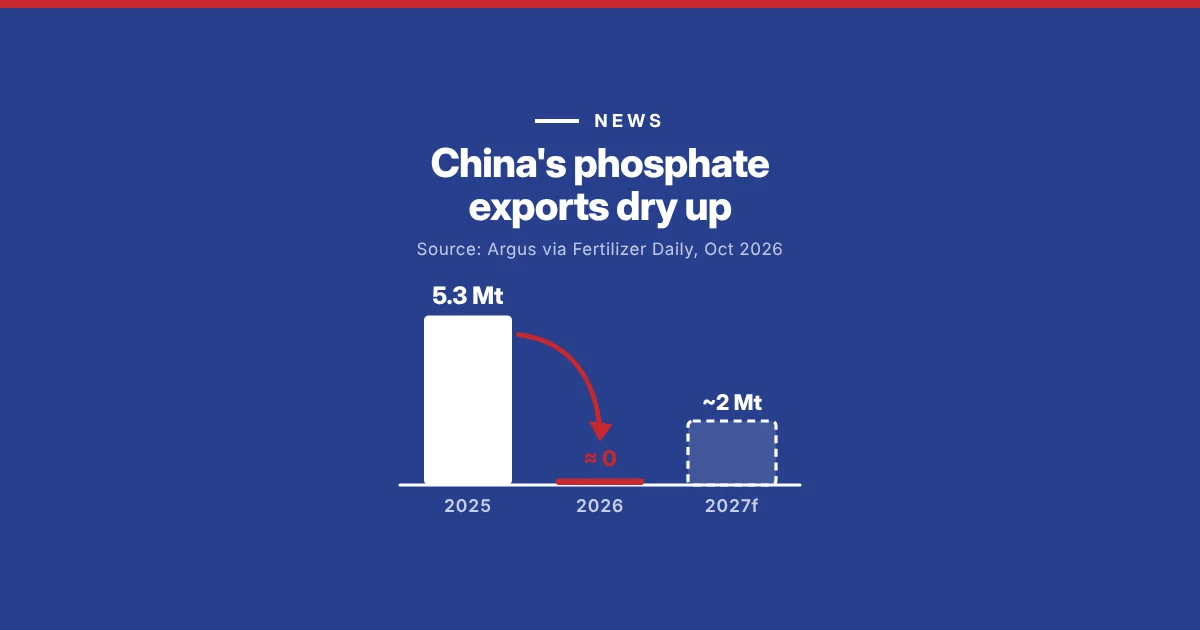
China, which exported about 5.3 million tonnes of phosphate fertilizer in 2025, has shipped almost none in 2026. With sulfur scarce and phosphate prices high, import-dependent markets face a tight season, and every kilo of phosphorus needs to work harder. At Van Polder, we believe a tight phosphate market is a reason to look again […]
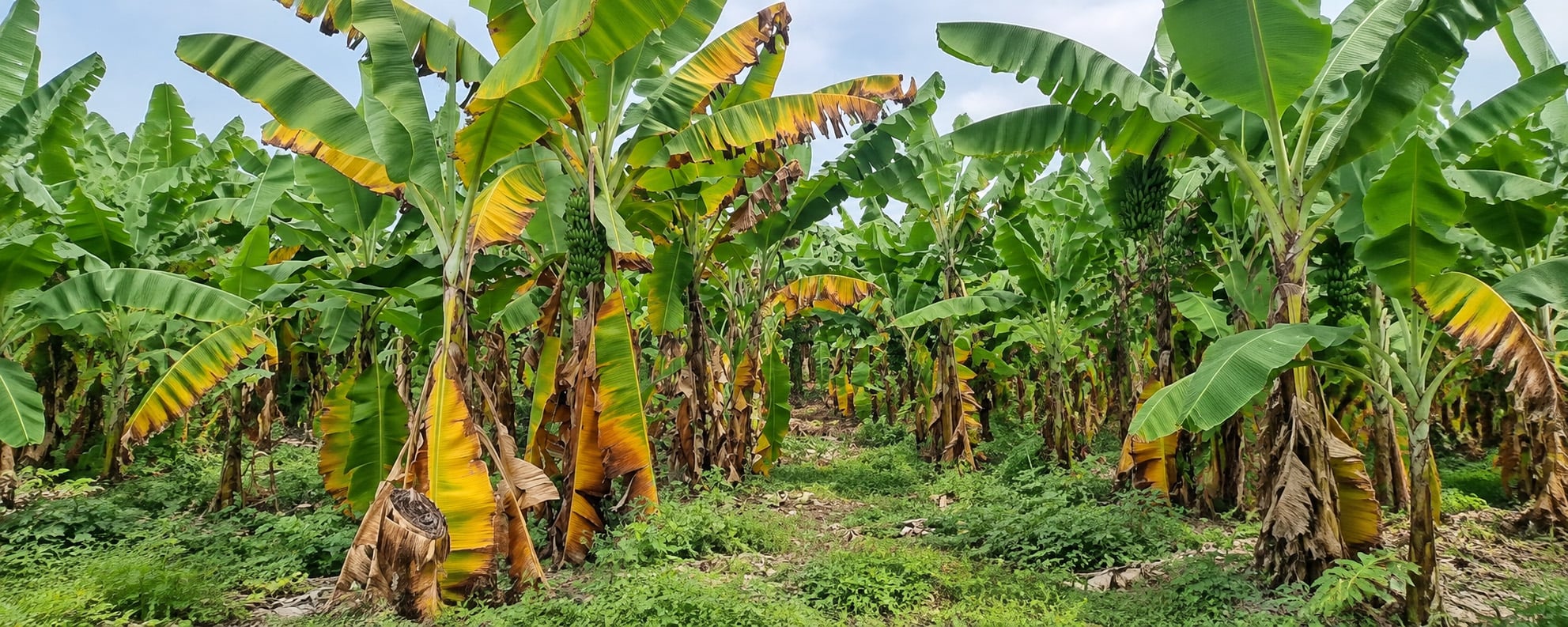
If you are starting a banana farm, Panama disease (Fusarium wilt of banana) is the risk to plan for. How to prevent Panama disease in bananas comes down to keeping the fungus out, because no fertilizer prevents or cures it and once it is in the soil it stays for decades (Pegg et al., 2019; […]
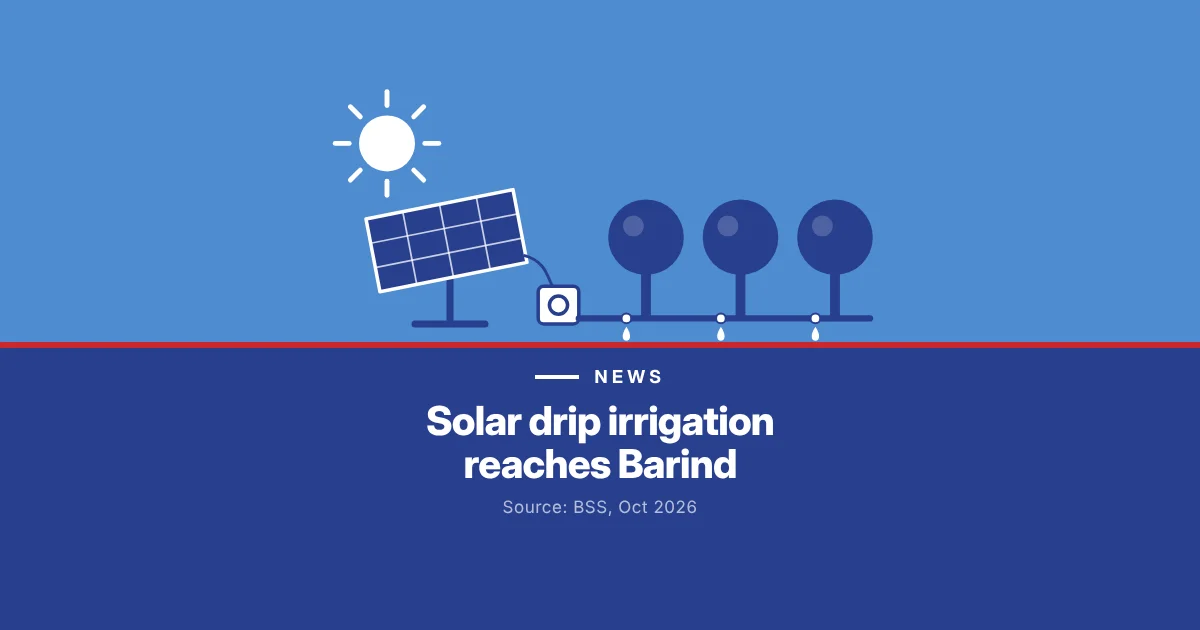
A government project in Bangladesh’s Rajshahi Division has brought solar-powered pumps, including solar drip systems for orchards, to drought-prone land where groundwater has been falling for decades. The Prime Minister wants all diesel irrigation pumps converted to solar within five years. For growers who move to drip, the next step is to feed the crop […]
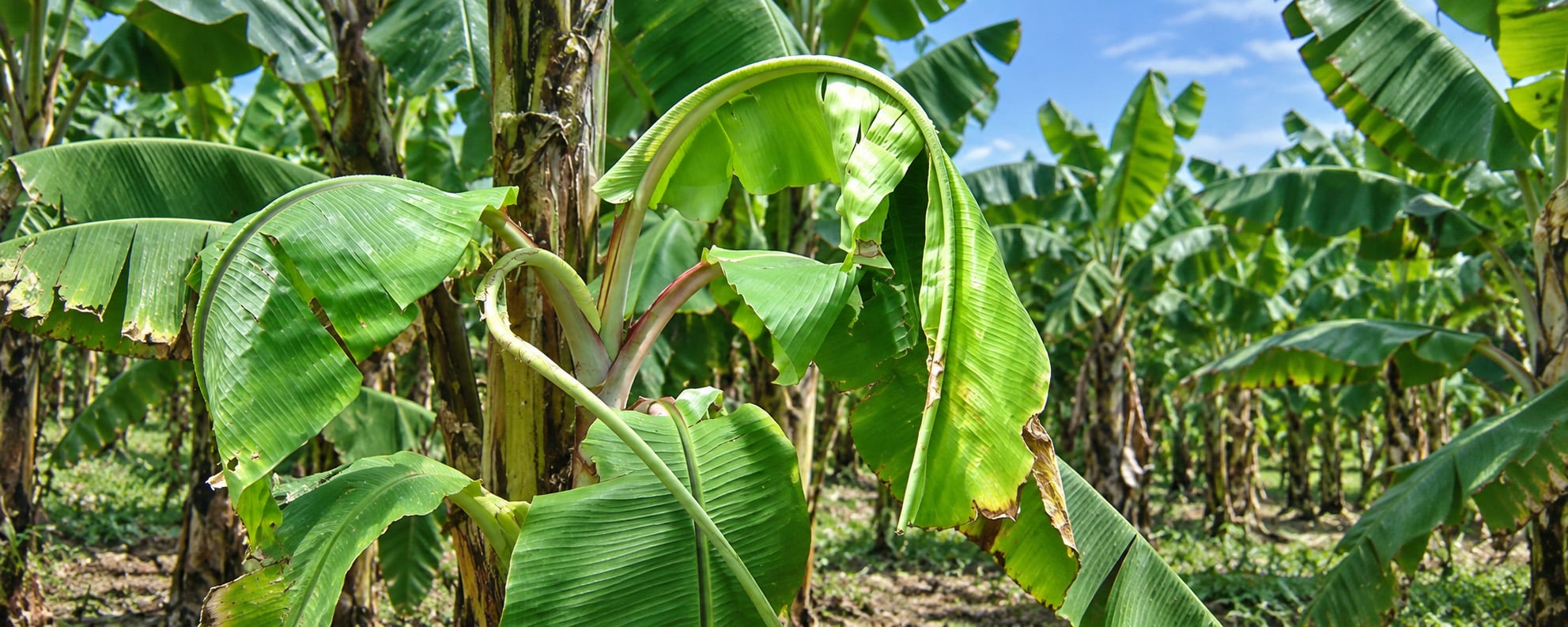
Calcium deficiency in banana shows first on the youngest leaves, as thickened veins and a saw-tooth pattern of yellow and dead tissue along the leaf margin, and in severe cases as “spike leaf”, new leaves with little or no blade, and poor-quality fruit (Turner, 1987; Martin-Prével, 1980). On most plantation soils it is not a […]
A calcium fertilizer supplies the calcium that holds plant cell walls and membranes together, but whether it reaches the fruit depends as much on water flow as on the fertilizer you choose. Calcium travels with water to the leaves and barely moves out of them again, so fruit and young leaves can run short even […]
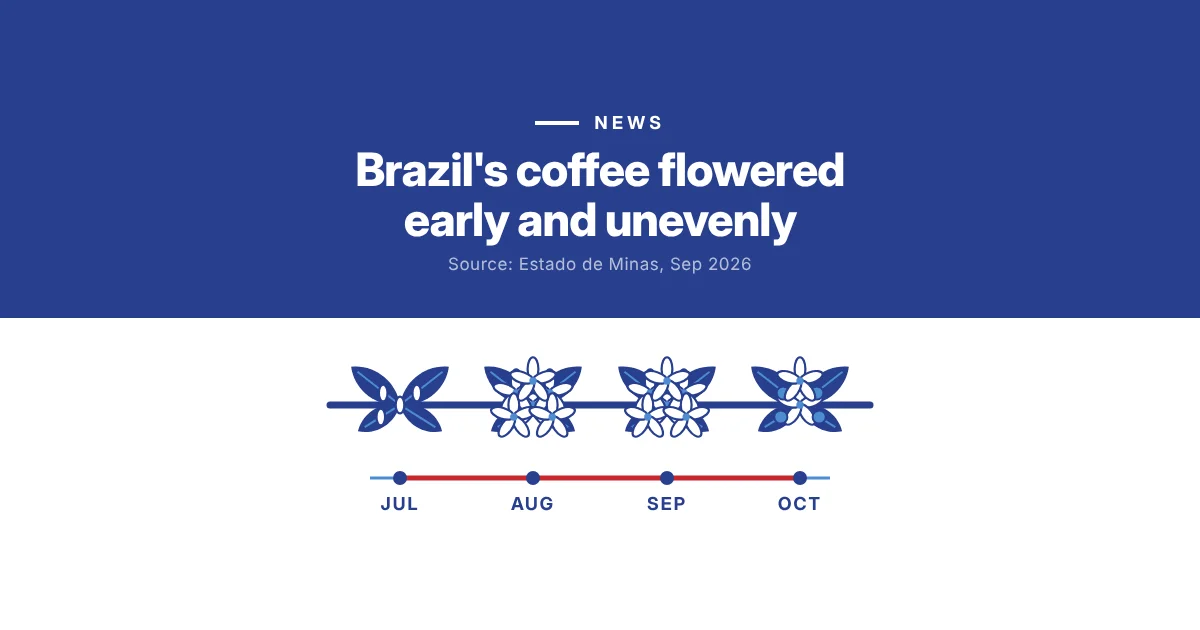
An unusually wet winter brought coffee flowering in Minas Gerais forward by about a month, in several separate waves. With October forecast to be hotter than normal and rain patchy, the question for 2027 is now how many of those flowers turn into fruit. At Van Polder, we believe a strong flowering is only the […]