







How to Use NPK 20-20-20 Water-Soluble Fertilizer Safely for Burn-Free Growth
NPK 20-20-20 water-soluble fertilizer provides equal proportions of nitrogen, phosphorus, and potassium to support balanced plant growth. However, incorrect dilution, application timing, or handling can cause root burn, leaf scorch, and nutrient loss. This guide explains how to use NPK 20-20-20 safely, from preparing the fertilizer solution to selecting the right application method and dosage […]


NPK 20-20-20 water-soluble fertilizer provides equal proportions of nitrogen, phosphorus, and potassium to support balanced plant growth. However, incorrect dilution, application timing, or handling can cause root burn, leaf scorch, and nutrient loss. This guide explains how to use NPK 20-20-20 safely, from preparing the fertilizer solution to selecting the right application method and dosage for healthy, burn-free growth.
Summary table by fertilization method
| Method | Main Target Crops | Reference Dosage | Frequency |
| Soil Drench | Potted plants, flowers, and vegetables | 2 teaspoons (tsp) of powder per 1 gallon of water (1 quart of liquid per 1 sq ft of soil) | Every 1 to 3 weeks |
| Soil Application | Large field plots and orchard fruit trees | 300 to 500 kg of powder per hectare (mixed into top 0–20 cm of soil or watered in immediately) | Applied in two separate batches depending on crop maturity stages |
| Drip Fertigation | Greenhouse crops, open fields of vegetables, and orchards | 2 to 5 kg of powder per 1,000 liters of water (creating a 0.2% to 0.5% concentration) | 1 to 2 times per week for vegetables; every 10 to 14 days for fruit trees |
| Foliar Spray | Ornamental flowers, vegetables, and fruit trees | 2 to 3 grams per 1 liter of water for sensitive crops; 3 to 5 grams per 1 liter of water for hardy trees | Every 10 to 15 days |
Critical Pre-Application Notes:
- Read the Product Label First: Review the guaranteed analysis on the packaging, including the nitrogen, phosphorus, and potassium content. Follow the manufacturer’s instructions for dilution, application, and compatibility.
- Use Accurate Measuring Tools: Use a precise scale for grams or graduated measuring tools for teaspoons and milliliters. Avoid estimating quantities, as excessive fertilizer can increase salt concentrations in the soil and cause root damage or leaf scorch.
- Check Water Quality: Test the water’s pH and mineral hardness, especially when using large-scale drip fertigation systems. Highly alkaline water can reduce micronutrient availability and react with fertilizer salts, forming deposits that may clog filters and drip emitters.
1. Soil Drench / Root Application
The soil drench method delivers water-soluble NPK 20-20-20 directly to the root zone for efficient nutrient uptake. Dissolving the fertilizer in water helps distribute nitrogen, phosphorus, and potassium evenly through the soil. This method supports vegetative growth, root development, and overall plant health while helping reduce nutrient waste.
Quick Specs & Quantities
- Best For: Vegetables, flowers, shrubs, trees, lawns, and potted plants.
- Best Timing: Spring and summer during active growth, or right before flower buds set.
- Frequency: Every 1 to 3 weeks.
- Soil Limits: Do not apply if soil is saline (EC > 4.0), highly alkaline (pH > 8.5), or already high in phosphorus (> 50 ppm).
- The Mix Ratio: 2 teaspoons (tsp) of fertilizer powder per 1 gallon of water.
- The Application Rate: 1 quart (approx. 0.95 liters) of mixed liquid per 1 square foot of soil.

Step-by-Step Application Guide
- Step 1: Calculate Your Needs: Measure the length and width of your plant bed to calculate its total area in square feet, then use this measurement to determine the required amount of water and fertilizer. For example, a 4-square-foot plant bed requires 4 quarts (1 gallon) of mixed solution, prepared by dissolving 2 teaspoons of NPK 20-20-20 powder in the water.
- Step 2: Start with Water: Fill a clean mixing bucket or watering can with exactly half of the total water you calculated in Step 1. For best results, use warm water (25 – 30°C) which helps the powder dissolve quickly.
- Step 3: Measure the Fertilizer: Add the exact amount of NPK 20-20-20 powder (e. g., 2 teaspoons for a 1-gallon batch) directly into the half-filled water bucket.
- Step 4: Dissolve Thoroughly: Add the remaining half of the water and stir continuously for 5 minutes. Ensure the powder dissolves completely without leaving crystals or sediment to promote even feeding and prevent clogged tools or root burn.
- Step 5: Apply to the Roots: Gently pour the dissolved liquid onto the soil around the base of the plant. Pour it 15 to 20 cm away from the main stem. This delivers the nutrients directly to the active feeder roots while keeping the concentrated liquid off the sensitive stem.
Critical Safety Notes & Tips
- Avoid Applying to Dry Soil: Do not apply fertilizer to bone-dry soil or during hot, dry weather. Concentrated fertilizer salts can draw moisture from root tissues, causing root burn, leaf scorch, yellowing margins, stunted growth, or wilting.
- Moisten the Soil First: Apply a root drench only when the soil has moderate moisture. If the soil is dry, lightly water it with clean water before applying the fertilizer to help protect the roots.
- Avoid Leaf Contact: This method is intended for root application. Keep the fertilizer solution off young or sensitive leaves to reduce the risk of leaf burn.
- Take Care with Potted Plants: Limited soil volume makes potted plants more susceptible to salt buildup. Ensure pots have adequate drainage holes and occasionally flush them with clean water to remove accumulated salts.
2. Fertigation
The fertigation method combines irrigation and fertilization by delivering liquid nutrients directly through a drip irrigation system. Water-soluble NPK 20-20-20 reaches the root zone evenly, supporting efficient nutrient uptake while reducing fertilizer runoff and waste. This method is suitable for greenhouse cultivation, open-field crops, and orchard farming across different soil types.
Quick Specs & Quantities
- Best For: Greenhouse crops and open fields of vegetables (like tomatoes, cucumbers, peppers, and potatoes) or fruit orchards (including citrus, apples, and grapes).
- Best Timing: Apply throughout all growth stages, from the development of the third true leaf to fruit maturation.
- Frequency: Apply once or twice weekly for vegetables, and once every 10 to 14 days for fruit trees.
- The Mix Ratio: Dissolve 2 to 5 kg of fertilizer powder per 1,000 liters of irrigation water (this creates a dilute concentration of 0.2% to 0.5% or 2 to 5 grams per liter).

Step-by-Step Application Guide
- Step 1: Check and Adjust pH: . Test the source water with a digital pH meter. If the pH is above the recommended range, use a properly diluted acid solution, such as sulfuric or phosphoric acid, to adjust it to 5.5 – 6.5. Avoid highly concentrated acids, including 93 – 98% solutions, because of their corrosion and safety risks.
- Step 2: Dissolve the Fertilizer: Add your measured NPK 20-20-20 powder into a mixing tank filled with warm water (25 – 30°C). Stir the mixture continuously for 5 minutes until the powder is fully dissolved and no solid crystals remain at the bottom. Pass this liquid solution through a fine debris filter screen before feeding it into your system to prevent any solid particles from clogging your equipment.
- Step 3: Run Clean Water First: Turn on your irrigation system and run pure, clean water for 15 to 20 minutes. This initial run fills the entire pipeline network, stabilizes water pressure, and ensures that water is flowing evenly from every emitter before the fertilizer enters the lines.
- Step 4: Inject the Fertilizer: Activate the fertilizer injector, such as a Venturi injector or dosing pump, to introduce the dissolved fertilizer into the irrigation lines. Continue injection for 30 to 45 minutes to distribute nutrients evenly throughout the root zone.
- Step 5: Flush the System: Turn off your fertilizer injector, but keep the clean irrigation water running for an additional 10 to 15 minutes. This final flush clears out any remaining fertilizer salts from the lines and emitters, keeping the system clean and preventing mineral buildup.
Critical Safety Notes & Tips
- Maximum Limit: Never exceed 5 kg of fertilizer per 1,000 liters of water to avoid salt toxicity and root burn.
- Prevent Clogging: Skipping the clean water flush at the end of the cycle will cause phosphate minerals to crystallize, clogging your drip emitters and filters. Always perform the final clean flush.
- Check the Weather: Do not fertigate on days with heavy rain forecasts to prevent expensive nutrients from leaching out of the soil and polluting groundwater.
3. Foliar Spray
Foliar spraying applies liquid fertilizer directly to plant leaves rather than the soil, allowing nutrients to enter through the leaf surface. This method provides rapid nutrient delivery and can help address sudden deficiencies, leaf yellowing, or growth delays caused by root damage. It is particularly useful when poor soil conditions limit nutrient uptake, but it should supplement rather than replace soil fertilization.
Quick Specs & Quantities
- Best For: Vegetables, roses, ornamental flowers, shrubs, fruit trees, and potted crops.
- Best Timing: Apply during the spring and summer active growth seasons, or right before flower buds set. Spray only during the cool hours of the early morning (6:00 AM to 9:00 AM) or late afternoon (4:00 PM to 6:00 PM).
- Frequency: Repeat every 10 to 14 days for flowers and ornamentals, and every 10 to 15 days for vegetables.
- The Mix Ratio:
- Standard garden crops: Mix 2 tablespoons (TBS) of fertilizer powder into 1 gallon of clean water (equivalent to 5 lbs of powder per 100 gallons of water).
- Vegetables and sensitive crops: Mix 2 to 3 grams of fertilizer powder per 1 liter of water.
- Hardy fruit trees and woody plants: Mix 3 to 5 grams of fertilizer powder per 1 liter of water.

Step-by-Step Application Guide
- Step 1: Calculate and Measure: Check the total volume of your sprayer tank and calculate the required amount of NPK 20-20-20 powder. For example, a 5-liter handheld sprayer requires 10 – 15 grams of fertilizer at the recommended rate of 2 – 3 grams per liter.
- Step 2: Fill the Sprayer Halfway: Ensure your spray tank is clean and free of chemical residues. Fill the tank with exactly half of the total clean water you need for your mixture.
- Step 3: Add and Mix: Pour your measured NPK 20-20-20 powder directly into the half-filled sprayer tank, then pour in the remaining half of the water over the powder.
- Step 4: Shake to Dissolve: Securely close the sprayer lid. Shake the tank vigorously and continuously for several minutes until the fertilizer powder is 100% dissolved in the water. Make sure there are no solid crystals or sediments left at the bottom of the tank, as undissolved particles can clog your spray nozzle and cause uneven feeding.
- Step 5: Apply to the Leaves: Adjust your spray nozzle to the finest mist setting possible. Spray the liquid evenly over the entire plant canopy until the leaves are thoroughly wet but not dripping. Make sure to spray the underside of the leaves carefully. Stomata (leaf pores) are highly concentrated on the lower leaf surface, meaning the plant will absorb the dissolved nutrients much more effectively from underneath.
Critical Safety Notes & Tips
- Avoid Full Bloom: Do not spray when plants are in full flowering, as the wet spray can physically damage pollen grains and reduce your crop’s fruit set.
- Prevent Leaf Burn (Scorch): Never spray during the hot mid-day sun (11:00 AM to 3:00 PM) or when temperatures exceed 29°C (85°F). Extreme heat causes liquid droplets to evaporate rapidly, leaving concentrated chemical salts on the leaves that pull moisture out of the foliage and cause leaf scorch.
- Do Not Mix with Incompatible Chemicals: Avoid mixing NPK 20-20-20 with alkaline pesticides or mineral oils, as they can react and neutralize each other.
- The Compatibility Jar Test: If you plan to mix NPK 20-20-20 with a pesticide or fungicide, test the combination first in a clean 1-quart (approximately 1-liter) glass jar.
- Fill the jar with 1 pint (approximately 473 ml) of clean water.
- Add each product separately, gently shaking for 10 seconds after each addition, following the W-A-L-E-S order: W– Wettable powders or dry dispersible granules; A– Adjuvants; L– Liquid or flowable products; E– Emulsifiable concentrates; S– Surfactants.
- Let the mixture stand undisturbed for 30 minutes.
- Check for clumping, crystallization, heavy sludge, or layer separation. If any appear, do not mix the products in the spray tank.
- If the mixture passes the jar test, spray a small branch first and observe it for 24 hours before treating the entire crop.
4. Useful Tips When Using NPK 20-20-20 Water Soluble Fertilizer
Incorrect application of NPK 20-20-20 can reduce nutrient efficiency and harm crop health. Proper handling, storage, and application timing help prevent root damage and improve nutrient uptake. The following tips highlight common mistakes to avoid.
- Use diluted solution on the same day: Use the entire diluted fertilizer solution within the day. Leaving it in a tank for 2 – 3 days can promote algae and bacterial growth, clog equipment, and reduce solution quality. A concentrated stock solution may last longer if stored in a tightly sealed, dark container.
- Seal the package tightly after opening: NPK 20-20-20 powder is hygroscopic and absorbs moisture from the air. Moisture can cause clumping, slower dissolution, and inaccurate weighing. Store it in a cool, dry area at 15 – 30°C, elevated on wooden pallets, and away from lime, pesticides, and organic fertilizers.
- Avoid mixing with incompatible spray chemicals: Do not mix NPK 20-20-20 with alkaline pesticides, mineral oils, or copper- and sulfur-based compounds unless compatibility has been confirmed. Incompatible mixtures can reduce product effectiveness and increase the risk of leaf burn.
- Delay feeding stressed plants: Avoid fertilizing plants affected by transplant shock, wilting, active disease, pest damage, or extreme weather stress. Wait until the plants recover, then resume feeding at half-strength.
- Reduce dosage during dormancy or rest periods: Plants absorb fewer nutrients during winter dormancy or after heavy flowering. Applying full-strength fertilizer during these periods can cause salt accumulation in the soil or growing medium, leading to root dehydration and damage.

Using NPK 20-20-20 water-soluble fertilizer safely requires accurate measurement, proper dilution, and application at the right growth stage. Avoiding overfertilization, incompatible mixtures, and feeding during periods of plant stress can help prevent root and leaf damage. When applied according to crop needs and product instructions, this balanced fertilizer can support healthy growth and efficient nutrient uptake without unnecessary risk of fertilizer burn.


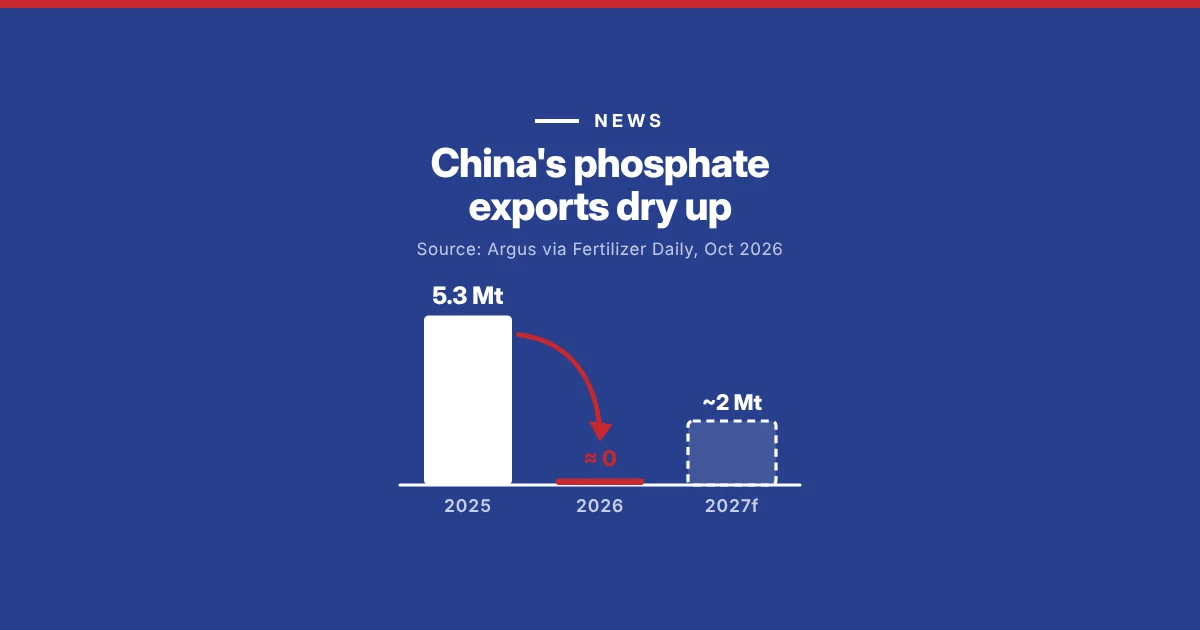
China, which exported about 5.3 million tonnes of phosphate fertilizer in 2025, has shipped almost none in 2026. With sulfur scarce and phosphate prices high, import-dependent markets face a tight season, and every kilo of phosphorus needs to work harder. At Van Polder, we believe a tight phosphate market is a reason to look again […]
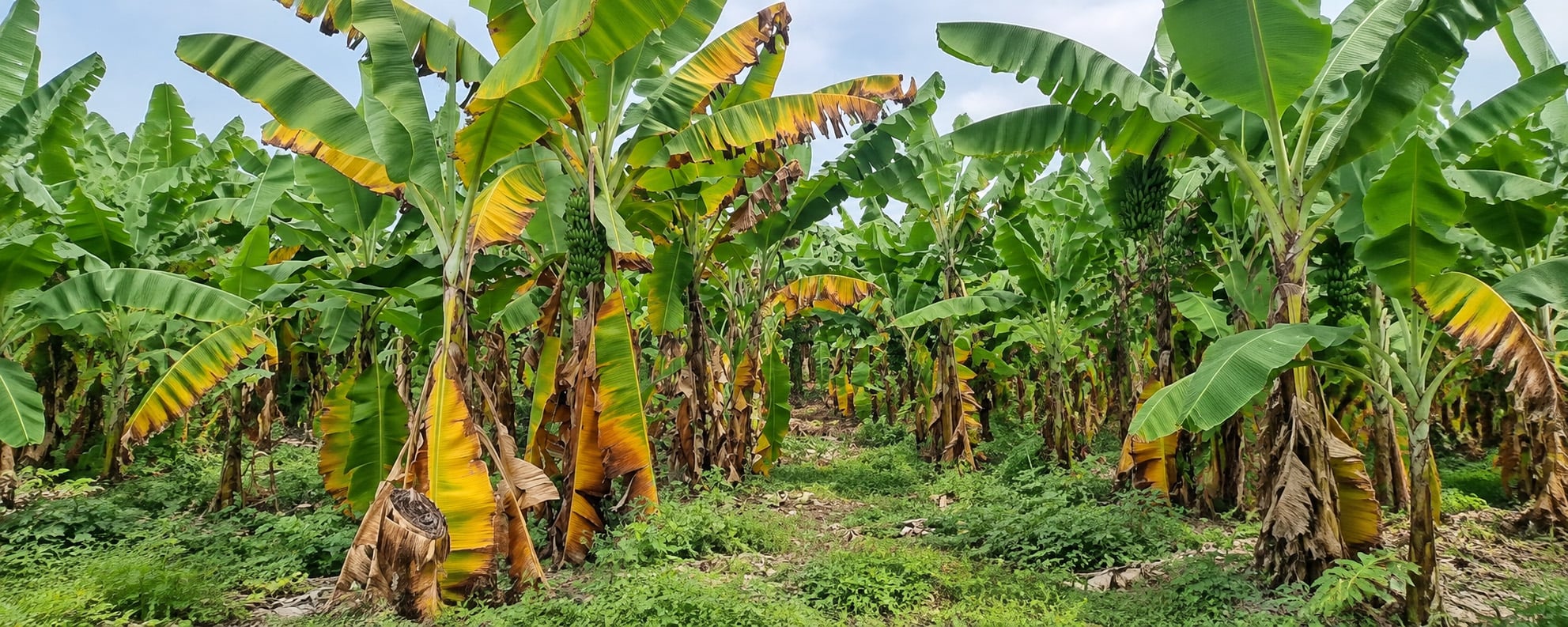
If you are starting a banana farm, Panama disease (Fusarium wilt of banana) is the risk to plan for. How to prevent Panama disease in bananas comes down to keeping the fungus out, because no fertilizer prevents or cures it and once it is in the soil it stays for decades (Pegg et al., 2019; […]
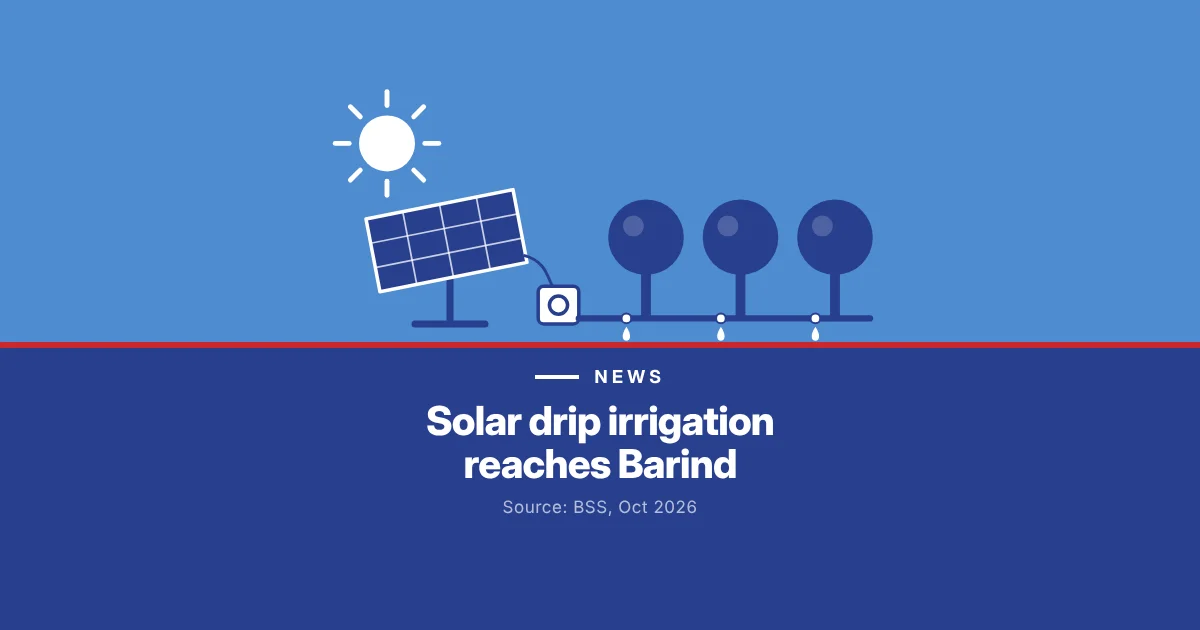
A government project in Bangladesh’s Rajshahi Division has brought solar-powered pumps, including solar drip systems for orchards, to drought-prone land where groundwater has been falling for decades. The Prime Minister wants all diesel irrigation pumps converted to solar within five years. For growers who move to drip, the next step is to feed the crop […]
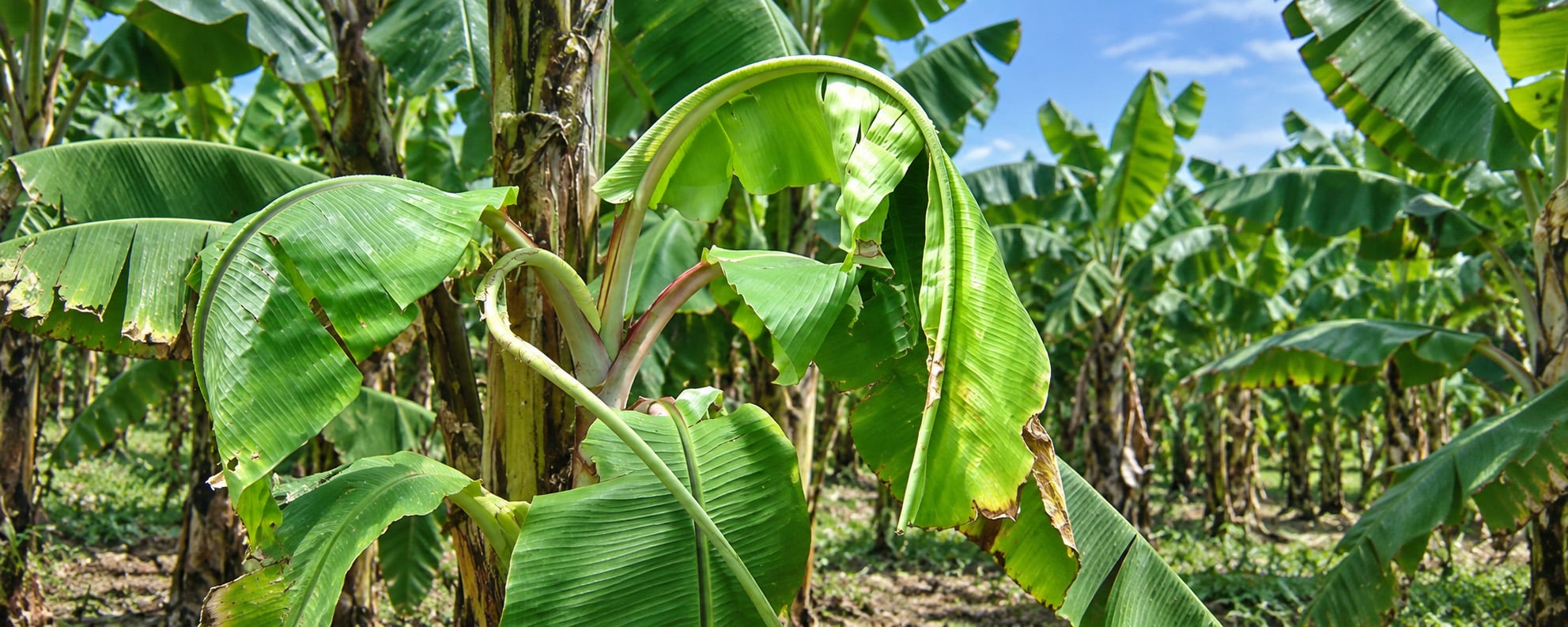
Calcium deficiency in banana shows first on the youngest leaves, as thickened veins and a saw-tooth pattern of yellow and dead tissue along the leaf margin, and in severe cases as “spike leaf”, new leaves with little or no blade, and poor-quality fruit (Turner, 1987; Martin-Prével, 1980). On most plantation soils it is not a […]
A calcium fertilizer supplies the calcium that holds plant cell walls and membranes together, but whether it reaches the fruit depends as much on water flow as on the fertilizer you choose. Calcium travels with water to the leaves and barely moves out of them again, so fruit and young leaves can run short even […]

An unusually wet winter brought coffee flowering in Minas Gerais forward by about a month, in several separate waves. With October forecast to be hotter than normal and rain patchy, the question for 2027 is now how many of those flowers turn into fruit. At Van Polder, we believe a strong flowering is only the […]