



Amino Acid Fertilizer for Lawns: How to Choose the Right One
Maintaining a dense, healthy, and resilient lawn can be challenging under frequent mowing, summer heat, water restrictions, and disease pressure. Amino acid biostimulants can support turf growth, nutrient uptake, stress tolerance, and recovery when selected and applied according to the lawn’s specific needs. This guide covers the key benefits of amino acids, suitable formulations for […]


Maintaining a dense, healthy, and resilient lawn can be challenging under frequent mowing, summer heat, water restrictions, and disease pressure. Amino acid biostimulants can support turf growth, nutrient uptake, stress tolerance, and recovery when selected and applied according to the lawn’s specific needs. This guide covers the key benefits of amino acids, suitable formulations for different growth stages and health conditions, and practical application considerations to help turf managers make more effective fertilizer choices.
1. 5 Key Benefits of Amino Acids for Lawns
Unlike synthetic fertilizers that merely supply raw nitrogen, foliar amino acids provide ready-to-use biological building blocks. Below are the 5 primary benefits of integrating amino acids into your turf management program.
Optimizing Photosynthetic Efficiency and Chlorophyll Synthesis
Photosynthesis is the process by which grass converts sunlight, water, and carbon dioxide into energy and sugars. Amino acids act as direct precursors to chlorophyll, the green pigment responsible for capturing light energy.
- Direct Chlorophyll Production: Specific amino acids, such as glutamic acid (glutamate), serve as fundamental starting materials for chlorophyll biosynthesis. Applying them topically increases overall leaf chlorophyll content and foliage greenness.
- Higher Energy Efficiency: Under stress, grass normally slows down energy conversion. Foliar amino acids help maintain high photochemical efficiency, the plant’s ability to convert light into chemical energy without damaging its cell structures.
- Sustained Canopy Vitality: Measurements using the Normalized Difference Vegetation Index (NDVI), a tool used to gauge plant health and green color, show that amino acid-treated lawns maintain significantly higher vegetation density and dark green color during stressful growing periods.

Enhancing Lawn Quality and Aesthetics
A visually appealing lawn requires high shoot density, uniform leaf texture, and vibrant color. Amino acid biostimulants improve the overall visual quality (“boning value”) and structural traits of turfgrass.
- Improved Turf Density and Fineness: Regular applications stimulate lateral shoot growth, leading to a tighter, denser turf canopy with finer leaf blades.
- Better Nutrient Assimilation: Amino acids act as natural chelating agents, improving the uptake and transport of vital soil macronutrients, such as nitrogen (N), phosphorus (P), potassium (K), calcium (Ca), and magnesium (Mg), into plant tissues.
- Enhanced Overwintering and Vigor: Lawns treated with amino acid preparations demonstrate superior recovery after mowing and better survival rates through cold winters, emerging faster and greener in spring.
Promoting Robust and Deep Root System Development
A lawn is only as strong as its root system. Traditional high-nitrogen synthetic fertilizers often cause rapid leaf growth at the expense of root length, leading to shallow, weak roots during summer months. Amino acids help maintain a healthy balance between root and shoot growth.
- Stimulating Root Hormones: Certain amino acids, particularly tryptophan, serve as the primary chemical precursor for auxin (indole-3-acetic acid / IAA), the plant hormone responsible for root initiation, branching, and elongation.
- Increased Root Biomass and Surface Area: Field trials demonstrate that foliar amino acid applications can increase root biomass by 37% to 41%, expanding total root volume and surface area.
- Greater Root Viability: Deep, active roots allow turfgrass to pull water and nutrients from deeper soil layers during dry spells, preventing summer root decline.
Boosting Resistance to Abiotic Stress (Drought & Heat)
Abiotic stress, such as prolonged drought, scorching heat, and soil salinity, causes plants to accumulate damaging molecules called Reactive Oxygen Species (ROS), such as hydrogen peroxide (H₂O₂), which can damage plant cells. Amino acids protect grass cells from oxidative damage.
- Energy Conservation: Grass normally expends significant metabolic energy converting soil nitrate (NO₃⁻) into ammonium (NH₄⁺) and then into amino acids. Applying free amino acids directly to the leaves bypasses this energy-draining process, allowing stressed plants to conserve vital energy.
- Natural Osmotic Protection: When water is scarce, plants naturally synthesize protective compounds called osmolytes, such as proline and GABA, to retain cell water and prevent wilting. Exogenous amino acid sprays are rapidly absorbed and converted into proline, helping cells remain turgid under drought conditions.
- Activating Antioxidant Defenses: Amino acid biostimulants boost the activity of protective enzymes like Superoxide Dismutase (SOD), which actively neutralizes toxic ROS and reduces leaf cell breakdown.
Enhancing Defense Against Fungal Diseases
While amino acids are not synthetic chemical fungicides, they play a vital role in systemic plant health and natural disease suppression. Healthy, well-nourished plant cells are far more resistant to pathogen invasion.
- Reduced Disease Severity: Research shows that applying amino acid biostimulants significantly lowers the incidence of common turf fungal pathogens, including Fusarium patch / Snow mold ( Microdochium nivale) by 6% to 16%, Drechslera leaf spot ( Drechslera siccans) by up to 20%, and Brown patch ( Rhizoctonia solani) by 12%.
- Thicker Cell Walls and Stronger Vigor: By enhancing potassium and micronutrient absorption, amino acids help strengthen leaf tissue structure, making it physically harder for fungal hyphae to penetrate.
- Complements Integrated Pest Management (IPM): Incorporating amino acid biostimulants into regular maintenance programs reduces the turf’s reliance on harsh synthetic chemicals, promoting a more sustainable and eco-friendly agronomic approach.
2. Amino Acid Fertilizers Compatible With Lawn Growth Stages
Different growth phases require specific nutritional support. Choosing the right source, whether plant-derived or animal-derived, ensures that grass receives the appropriate peptide profiles and organic nutrients without causing metabolic stress.
Below is a breakdown of the optimal amino acid formulations and application methods tailored to key lawn development stages.
2.1. Seedling and Initial Establishment Stage
During seeding, sod laying, or sprigging, young turfgrass experiences high environmental shock and possesses a fragile, undeveloped root system. At this critical phase, the primary objective is to encourage rapid root anchoring while preventing root burn.
- Most Suitable Type: Plant-Derived Amino Acids (Liquid Form).
- Application Method: Soil drenching or fine foliar misting directly onto newly laid sod or emerging seedlings.
- Agronomic Rationale:
- High Biological Compatibility: Plant-sourced amino acids have high biological compatibility with turf tissues, making them safe and rapidly bioavailable.
- Root-Stimulating Precursors: They supply key precursor molecules, such as tryptophan and glutamic acid, that trigger the plant’s natural synthesis of root-stimulating hormones (auxins) without demanding heavy metabolic energy.
- Low Salt Index: Unlike high-concentration synthetic nitrogen fertilizers, plant-derived amino acids have a very low salt index, eliminating the risk of root burn or osmotic toxicity in tender young roots.

2.2. Tillering, Shoot Growth, and Post-Mowing Recovery Stage
Once the lawn is established, regular mowing and foot traffic create continuous physical stress. During active vegetative growth, the focus shifts to thickening the turf canopy, regenerating cut leaf blades, and protecting soil structure.
- Most Suitable Type: Animal-Derived Amino Acids (particularly Fish Amino Acids & Hydrolyzed Proteins), combining liquid foliar sprays with granular soil applications.
- Application Method: Periodic granular broadcasting into the root zone, paired with foliar sprays immediately following mowing cycles.
- Agronomic Rationale:
- Organic Nitrogen and Peptides: Regenerating damaged leaf tissues requires readily available organic nitrogen and diverse peptide chains, which animal-derived products abundantly provide.
- Rapid Leaf Recovery: Foliar sprays deliver quick nitrogen assimilation to rebuild green leaf mass and boost chlorophyll synthesis.
- Soil and Microbial Support: Granular soil applications supply organic matter that feeds indigenous soil microorganisms, improving soil aggregation and alleviating compaction caused by maintenance machinery and heavy foot traffic.
3. Amino Acid Fertilizers Suitable for Different Turfgrass Condition
Environmental stress and fungal disease outbreaks require targeted biochemical support to prevent turf decline. Adjusting the source, dosage, and application method according to the lawn’s physiological condition can support rapid stress mitigation and sustainable recovery.
Below is the recommended application guide tailored to specific lawn stress conditions.
3.1. Drought and Localized Heat Stress Stage
During acute heat waves or drought spells, turfgrass closes its leaf stomata to limit moisture loss, which reduces normal carbon fixation and nutrient transport. At this stage, the primary objective is to maintain cellular hydration while reducing metabolic energy expenditure.
- Most Suitable Type: Plant-Derived Amino Acids (Liquid Form) for rapid foliar uptake.
- Application Method: Apply fine foliar sprays immediately before, during, or after extreme heat exposure.
- Agronomic Rationale:
- Osmotic Protection: Plant-derived amino acids supply critical osmoprotectants, specifically L-proline and glutamic acid, which can pass through leaf cuticles and help maintain internal cell turgor pressure.
- Energy Conservation: Pre-formed amino acids allow the grass to bypass the energy-intensive process of reducing nitrate into ammonium.
- Avoid Heavy Organic Inputs: Heavy animal-derived proteins should be avoided during acute abiotic stress because unabsorbed organic matter can accumulate on leaf blades and foster opportunistic pathogens under hot, humid conditions..

3.2. Recovery Stage Following Fungal Pathogen Infection
After recovering from fungal disease outbreaks, turfgrass leaves may suffer structural damage and reduced photosynthetic capacity. At this stage, the lawn requires biostimulation to rebuild damaged foliage and strengthen its natural cellular defenses.
- Most Suitable Type: Plant-Derived Amino Acids (Liquid Foliar Spray) to stimulate leaf tissue repair.
- Application Method: Apply as a foliar spray at a dosage rate of 2.0 to 3.0 L/ha during early recovery cycles.
- Agronomic Rationale:
- Leaf Tissue Repair: Amino acid applications support leaf tissue vigor and the accumulation of essential macronutrients.
- Potassium Support: In particular, potassium (K) helps regulate stomatal function and cell wall strength, supporting turf recovery after disease-related damage.
- Field-Tested Disease Reduction: Replicable field trials confirm that foliar applications at 2.0 – 3.0 L/ha can reduce the severity of destructive fungal turf diseases:
- Snow Mold / Fusarium Patch( Microdochium nivale): infection rates reduced by 6% to 16%.
- Drechslera Leaf Spot( Drechslera siccans): incidence reduced by up to 20%.
- Brown Patch( Rhizoctonia solani): development reduced by 8% to 12%.
4. Important Notes When Using Amino Acids for Lawns
To apply amino acid biostimulants effectively, turf managers should pay attention to application timing, foliar and soil application frequency, nutrient combinations, NPK integration, and tank-mixing compatibility.
- Application Timing and Environmental Conditions: Apply foliar amino acids in the early morning or late afternoon when stomata are open and temperatures are mild. Avoid mid-day sunlight or temperatures above 35°C to reduce rapid evaporation and leaf scorching. Applying biostimulants 1 – 2 days before anticipated heatwaves or drought allows turfgrass to pre-accumulate protective osmolytes such as proline.
- Balancing Foliar and Soil Application Frequency: During active growth, maintain a biweekly foliar schedule at the research-proven rate of 2.0 – 3.0 L/ha for rapid nutrient absorption through the leaf cuticle. Granular soil or drench applications should be less frequent, typically seasonally or during turf establishment, to support indigenous soil microorganisms and root development without excessive organic nitrogen accumulation in the soil profile.
- Synergistic Combination with Humic Acids and Micronutrients: Amino acids act as natural chelating agents and can perform well when tank-mixed with humic/fulvic acids or micronutrients such as Titanium (Ti) and Iron (Fe). Field studies show that these combinations can increase dry matter yield, chlorophyll index (SPAD), and tissue absorption of essential macronutrients, including phosphorus (P), potassium (K), calcium (Ca), and magnesium (Mg), compared with standalone fertilizers.
- Integrating with Standard Mineral NPK Fertilizers: Use amino acid biostimulants as a supplement to balanced mineral NPK programs rather than as a complete replacement. Exogenous amino acids can improve Nitrogen Use Efficiency (NUE), helping reduce reliance on heavy applications of quick-release synthetic nitrogen while maintaining dark green color and dense turf quality.
- Tank-Mixing Precautions and Pesticide Compatibility: Before mixing amino acids with fungicides, herbicides, or insecticides, perform a small jar compatibility test to confirm solution stability. Avoid highly alkaline spray solutions or concentrated copper-based compounds, as strong alkaline conditions can denature bioactive peptides and reduce overall product efficacy.

Amino acid fertilizers can support turf growth, root development, stress tolerance, and recovery when matched to the lawn’s growth stage and health condition. Selecting the right amino acid source, application method, dosage, and nutrient combination can help turf managers maintain healthier, denser, and more resilient lawns.


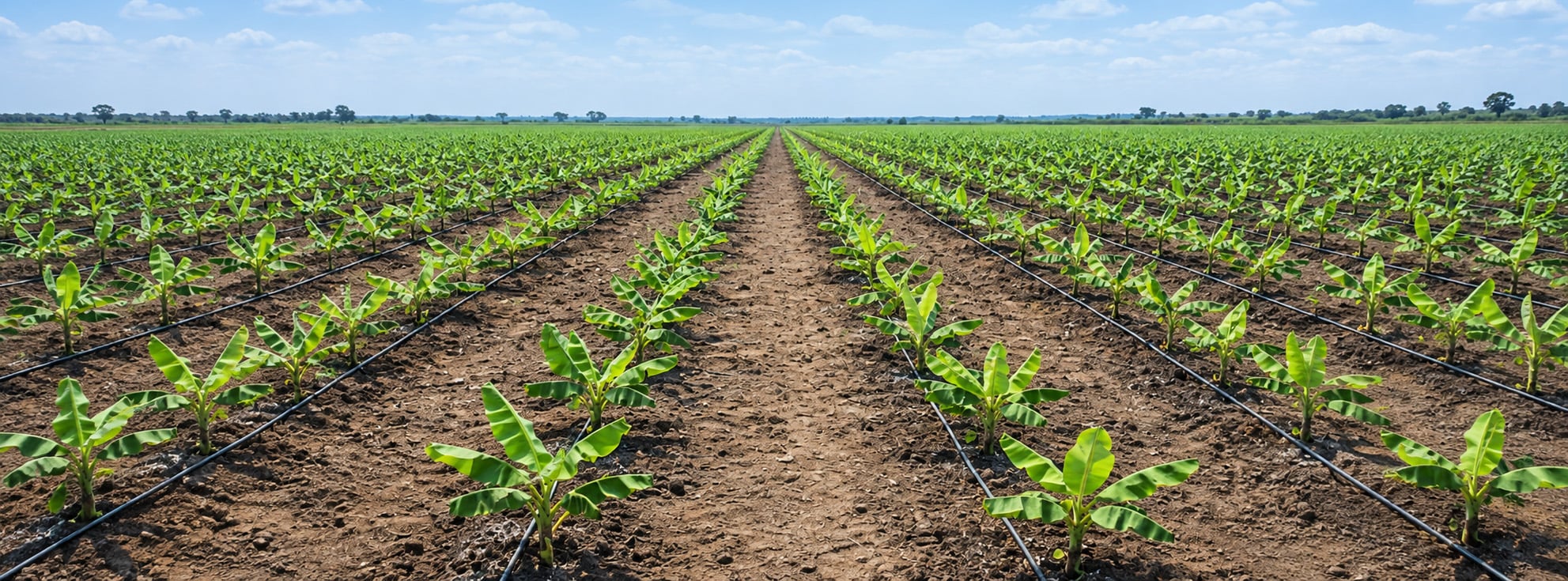
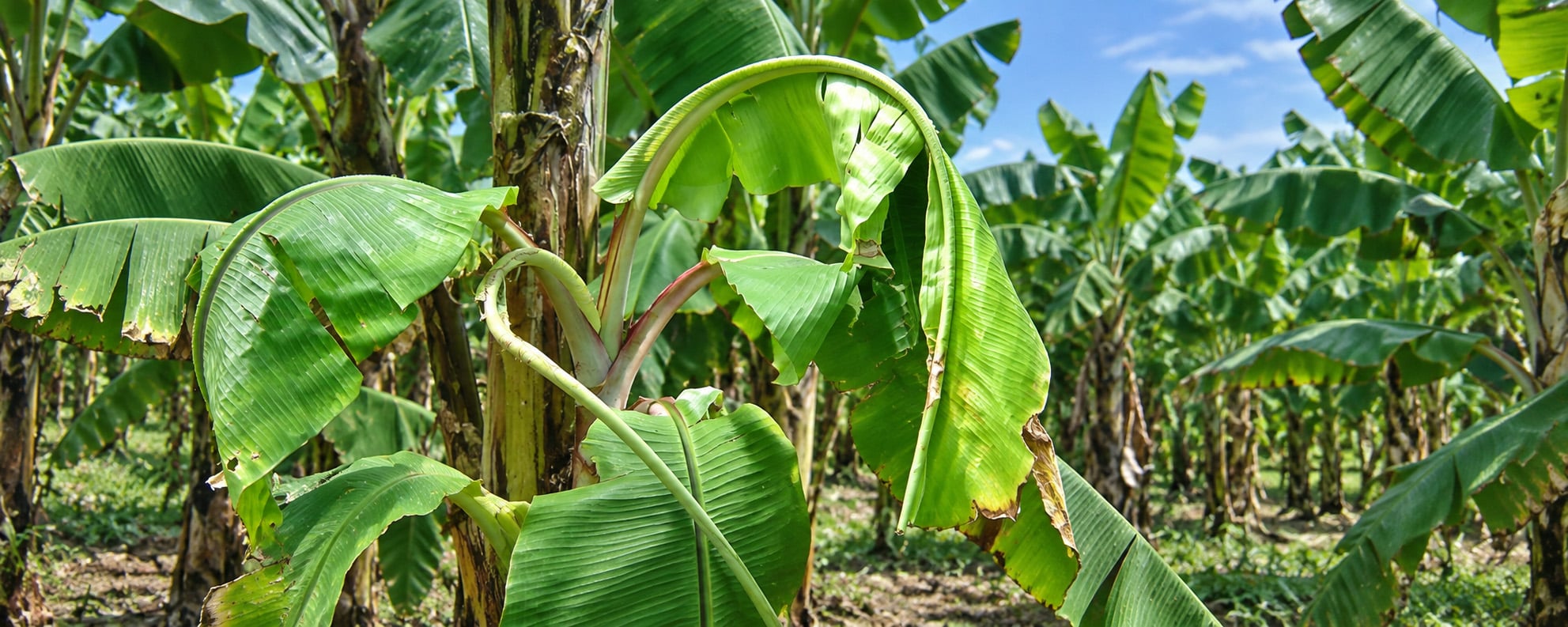
Calcium deficiency in banana shows first on the youngest leaves, as thickened veins and a saw-tooth pattern of yellow and dead tissue along the leaf margin, and in severe cases as “spike leaf”, new leaves with little or no blade, and poor-quality fruit (Turner, 1987; Martin-Prével, 1980). On most plantation soils it is not a […]
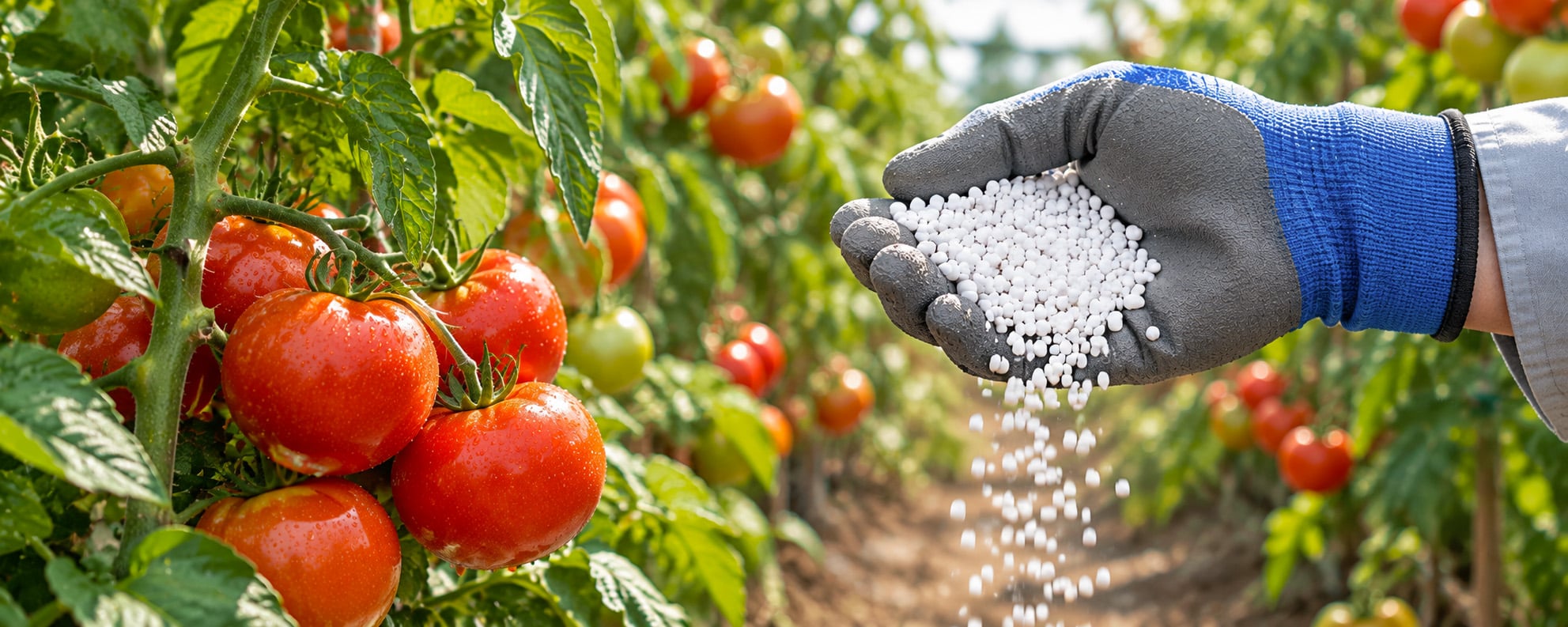
A calcium fertilizer supplies the calcium that holds plant cell walls and membranes together, but whether it reaches the fruit depends as much on water flow as on the fertilizer you choose. Calcium travels with water to the leaves and barely moves out of them again, so fruit and young leaves can run short even […]

An unusually wet winter brought coffee flowering in Minas Gerais forward by about a month, in several separate waves. With October forecast to be hotter than normal and rain patchy, the question for 2027 is now how many of those flowers turn into fruit. At Van Polder, we believe a strong flowering is only the […]
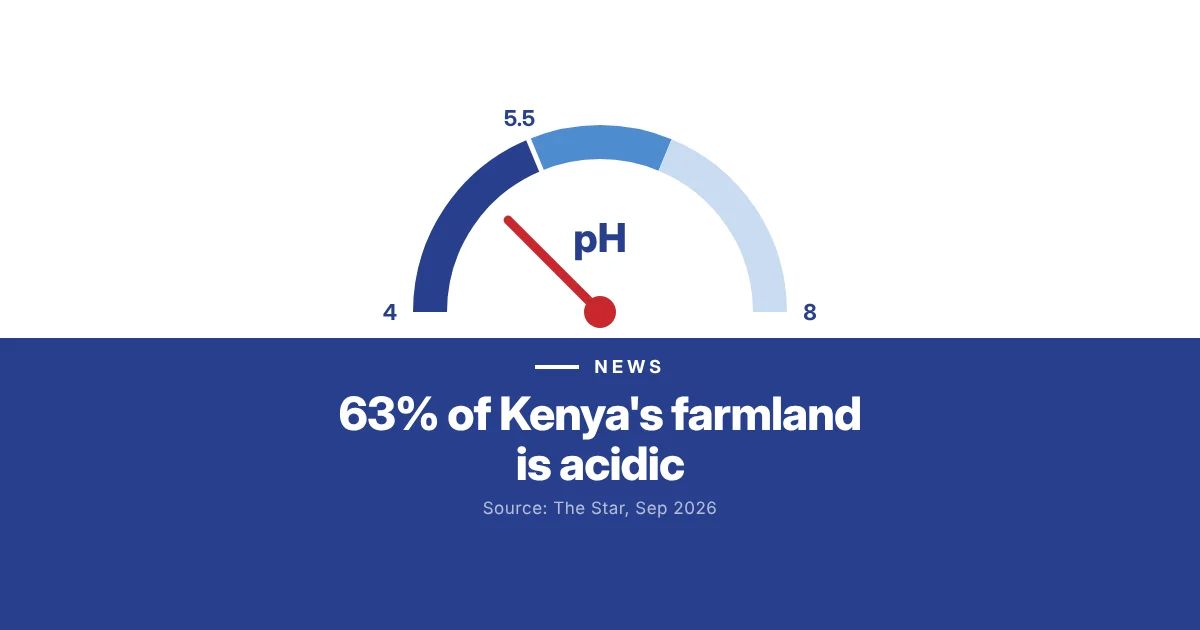
Kenya’s Ministry of Agriculture has launched a national soil health drive to move growers away from one-size-fits-all fertilizer recommendations. About 63% of the country’s arable land is acidic, and the government now wants fertilizer choices to start with a soil test. At Van Polder, we believe good crop nutrition starts with knowing what is already […]
Maharashtra has declared drought in 265 talukas after a weak monsoon, and grape growers in Nashik fear losing at least 40% of this season’s harvest. For anyone supplying fruit growers in India, the next few months are about keeping crops and vines alive and productive with very little water. At Van Polder, we believe drought […]

Denmark’s new nitrogen regulation starts on 1 January 2027, but vegetable growers and several fruit, berry and nursery crops will stay on today’s nitrogen norms for one more year. For anyone supplying high-value horticulture, this is a short pause, not a change of direction. At Van Polder, we believe nitrogen efficiency will matter more every […]