







Micronutrients for Sugarcane: The Key to Elevating Sugar Content and Stalk Quality
Sugar content, cane weight, and juice quality are the key factors that determine the value of every sugarcane harvest. While NPK provides the foundation for crop growth, the right micronutrient for sugarcane plays an equally important role in improving stalk development and sugar accumulation. This guide explores the essential micronutrients, common deficiency symptoms, and practical […]


Sugar content, cane weight, and juice quality are the key factors that determine the value of every sugarcane harvest. While NPK provides the foundation for crop growth, the right micronutrient for sugarcane plays an equally important role in improving stalk development and sugar accumulation. This guide explores the essential micronutrients, common deficiency symptoms, and practical application methods to support healthier, higher-quality sugarcane.
1. The Vital Role of Micronutrients in Sugarcane
The six essential micronutrients below contribute to healthy growth, efficient nutrient metabolism, and improved sugarcane productivity.
1.1. Zinc (Zn)
Zinc is one of the most critical trace elements, often found deficient in many sugarcane-growing regions.
- Growth regulation: Zinc is essential for the biosynthesis of plant growth regulators. It acts as a precursor to indole acetic acid (IAA), a key hormone responsible for cell expansion and elongation.
- Enzyme activation: The activity of numerous enzymes in sugarcane depends directly on an adequate supply of zinc.
- Yield and quality: Zinc application significantly improves root mass, cane yield, and Commercial Cane Sugar (CCS). Research indicates that applying zinc sulfate at 37.5 kg/ha is the optimum rate for maximizing sugarcane productivity while improving juice quality parameters such as Brix and Pol.

1.2. Boron (B)
Boron plays a specialized role in maintaining cell structure, supporting sugar transport, and promoting overall sugarcane development.
- Cell structure and division: Boron is primarily responsible for strengthening cell walls while supporting cell division and the development of new cells.
- Sugar translocation: By forming sugar-borate complexes, boron facilitates sugar movement throughout the plant. It also suppresses excessive starch formation at the site of sugar synthesis, helping maintain higher sugar accumulation in the cane.
- Hormone development: Boron participates in the development of hormones required for normal sugarcane growth.
- Foliar effectiveness: Foliar boron application has been shown to increase cane yield and improve Total Soluble Solids (°Brix), reaching up to 23.0%.
1.3. Copper (Cu)
Copper is required in small amounts but plays an indispensable role in metabolism, structural stability, and photosynthetic activity.
- Protein and carbohydrate metabolism: Copper is a component of several enzyme systems involved in converting amino acids into proteins and regulating carbohydrate metabolism.
- Structural robustness: Copper is essential for lignin formation in cell walls. Lignin provides the rigidity and structural strength required for healthy cane stalks, helping prevent the droopy-top and rubbery stalk symptoms associated with deficiency.
- Photosynthesis: Copper functions as a catalyst in the electron transport chain through plastocyanin, supporting chlorophyll formation and overall photosynthetic efficiency.
1.4. Manganese (Mn)
Manganese is a versatile micronutrient that supports plant metabolism, energy production, and overall crop health.
- Protein synthesis: Manganese activates enzymes involved in protein and carbohydrate synthesis, contributing to improved cane juice quality.
- Photosynthesis and the Krebs cycle: It participates in photosynthesis, cell proliferation, respiration, and reactions within the Krebs cycle.
- Yield and plant health: Adequate manganese nutrition helps improve yield, crop quality, and the overall nutritional value of sugarcane.
- Disease support: Foliar manganese application has been shown to reduce symptom severity and improve leaf performance in sugarcane affected by orange rust.

1.5. Molybdenum (Mo)
Molybdenum is essential for the efficient utilization of nitrogen, one of the most heavily applied nutrients in sugarcane production.
- Nitrogen fixation and uptake: Molybdenum directly influences the activity of the nitrogenase and nitrate reductase enzymes, enabling biological nitrogen fixation and the assimilation of nitrate (NO₃⁻) into organic compounds.
- Vegetative growth: Efficient nitrogen utilization supported by molybdenum promotes vigorous vegetative development and healthy stalk growth.
1.6. Iron (Fe)
Iron is the fourth most abundant element in the Earth’s crust and is indispensable for the energy metabolism of sugarcane.
- Chlorophyll and photosynthesis: Iron is essential for chlorophyll synthesis and plays a direct role in primary photosynthesis and other metabolic processes.
- Growth and dry matter: Iron promotes root growth and dry matter accumulation. Foliar application of 0.5% iron sulfate has been shown to significantly increase chlorophyll content and cane yield, particularly in alkaline or calcareous soils where iron availability is often limited.
2. Micronutrient Deficiency Symptoms in Sugarcane
Each micronutrient deficiency produces characteristic symptoms that affect sugarcane growth, stalk development, and sugar accumulation. The following signs can help identify nutrient imbalances at an early stage.
2.1. Zinc (Zn) Deficiency
Zinc deficiency is a critical micronutrient disorder that commonly occurs in alkaline soils, significantly reducing enzymatic activity and growth hormone biosynthesis. It is characterized by noticeable changes in leaf color, plant growth, and stalk development.
- Leaf chlorosis: The leaf blades gradually turn yellow while the midrib and leaf margins remain green, creating a characteristic deficiency pattern.
- Red leaf lesions: Zinc-deficient tissues are more susceptible to Curvularia brachyspora, which may cause red spots or lesions on the leaves.
- Stunted growth: Plants produce fewer tillers with shortened internodes, resulting in a dwarf or stunted appearance.
- Weak stalks: The stalks become thinner, softer, and less rigid, reducing overall plant vigor.
2.2. Boron (B) Deficiency
Boron deficiency mainly affects cell division and the development of young tissues, causing symptoms to appear first in the growing points and newly emerged leaves.
- Restricted shoot growth: The apical meristem may become deformed or die, causing excessive tillering and a bunched appearance.
- Young leaf deformities: Newly emerging leaves fail to unfurl properly, becoming distorted or brittle with necrotic leaf tips that may split.
- Water-filled lesions: Translucent lesions or water-filled sacs may develop between the leaf veins, a distinctive symptom of boron deficiency.

2.3. Copper (Cu) Deficiency
Copper deficiency weakens cell wall development and reduces stalk strength, leading to poor structural integrity.
- Droopy leaves: Leaves lose their normal upright posture and begin to droop, producing the characteristic “droopy top” symptom.
- Dark green patches: Small dark green patches appear on an otherwise chlorotic or pale leaf blade.
- Rubbery stalks: Insufficient lignin causes stalks to become soft, flexible, and rubbery, reducing plant vigor.
- Reduced internode growth: Internodes become shorter, and tillering is noticeably reduced.
2.4. Manganese (Mn) Deficiency
Manganese deficiency impairs chlorophyll formation and the enzymes driving photosynthesis, so symptoms usually appear as interveinal discoloration and streaking on younger to mid-aged leaves.
- Interveinal striping: Pale longitudinal stripes develop between the veins, usually extending from the middle of the leaf toward the tip.
- Leaf blade damage: Leaves become more prone to splitting or fraying under windy conditions.
- Severe chlorosis: In advanced cases, the entire leaf may turn yellow or even white as chlorophyll production declines.
2.5. Molybdenum (Mo) Deficiency
Molybdenum is required in very small amounts but is indispensable for nitrogen metabolism and healthy vegetative growth. Its deficiency can resemble certain fungal diseases, making accurate diagnosis important.
- Chlorotic streaks: Short longitudinal yellow streaks develop on the upper one-third of the leaf.
- Premature leaf drying: Older leaves dry out early, with symptoms progressing from the middle of the leaf toward the tip.
- Slender stalks: Reduced growth results in stalks that are shorter and thinner than normal.

2.6. Iron (Fe) Deficiency
Iron deficiency directly limits chlorophyll synthesis, making symptoms most evident on newly developed leaves.
- Longitudinal striping: Pale stripes develop between the veins, extending from the leaf base to the tip.
- Complete bleaching: Under severe deficiency, the entire leaf, including the veins and midrib may turn completely white.
- Poor root development: Young ratoon shoots may fail to produce new roots, limiting their ability to absorb water and nutrients.
3. 2 Factors Affecting Micronutrient Absorption in Sugarcane
The two factors below play an important role in determining how efficiently sugarcane absorbs and utilizes micronutrients.
3.1. Soil Factors
Soil properties directly influence the availability of micronutrients in the root zone, affecting how easily sugarcane plants can take up these essential elements.
- Soil pH: Micronutrient availability is greatest when soil pH remains between 6.5 and 7.5. Outside this range, especially in alkaline soils, nutrients such as Zinc (Zn), Iron (Fe), and Copper (Cu) become less available because they are chemically fixed in the soil.
- Calcareous soils: Soils with high calcium carbonate content commonly induce deficiencies of Zinc (Zn), Boron (B), and Sulfur (S). Excess calcium also reduces the solubility and uptake of several metallic micronutrients.
- Declining soil fertility: Continuous sugarcane cultivation without proper soil fertility management gradually depletes the natural supply of micronutrients. Integrating organic amendments and balanced fertilization helps maintain long-term micronutrient availability.
See also: Lawn Micronutrients: Types, Benefits, and How to Apply

3.2. Plant Factors
The sugarcane plant itself also influences how efficiently micronutrients are absorbed and utilized throughout the growing season.
- Sugarcane variety: Different cultivars vary in their ability to absorb and utilize micronutrients. Some varieties may experience significant yield losses from Zinc deficiency without showing obvious visual symptoms, while others are more sensitive to unfavorable soil conditions.
- Plant age: Micronutrient demand changes throughout the crop cycle, with the highest uptake occurring during the tillering stage, approximately 3 – 6 months after planting. As plants mature, leaf micronutrient concentrations also change, making tissue analysis a useful tool for assessing nutritional status.
4. 3 Methods of Micronutrient Application for Sugarcane
Sugarcane growers commonly use the following three methods to supply micronutrients, depending on field conditions and crop requirements.
4.1. Basal Application
Basal application is the most widely used method for supplying micronutrients at planting, creating an initial nutrient reserve for developing roots and early crop establishment.
- In-furrow placement: Micronutrient sources such as zinc sulfate (ZnSO₄), ferrous sulfate (FeSO₄), and Borax are commonly applied at the bottom of the planting furrow before the cane setts are covered. These fertilizers are often mixed with a thin layer of soil or organic manure to minimize direct contact while keeping nutrients readily available around the root zone.
- Band placement: Fertilizers are placed in narrow bands approximately 15 cm deep on both sides of the cane row before being covered with soil. This placement helps reduce nutrient losses and improves fertilizer-use efficiency.
See also: 6 Micronutrients for Paddy to Maximize the Harvest and Grain Quality

4.2. Foliar Application
Foliar spraying is commonly used when sugarcane requires a rapid supply of micronutrients, particularly when deficiency symptoms become visible or root uptake is temporarily restricted.
- Rapid deficiency correction: Foliar application quickly delivers micronutrients to leaves showing symptoms such as chlorosis or bleaching. Because nutrients are absorbed directly through leaf tissues, plant responses are generally faster than with soil applications.
- Application timing: Spraying is best carried out during the morning when environmental conditions favor nutrient absorption. Adding a wetting or sticking agent, such as Teepol, helps improve spray coverage and reduces runoff from the leaf surface.
- Safe spray concentrations: To minimize the risk of leaf scorch, micronutrient solutions should be prepared at appropriate concentrations, typically not exceeding 1% for zinc sulfate or copper sulfate.
4.3. Application on Billets
This method applies micronutrients directly to sugarcane setts before or during planting, providing young plants with immediate access to essential trace elements during early establishment.
- Chelated micronutrient sources: Chelated forms of copper (Cu), manganese (Mn), and zinc (Zn) are commonly used because they remain more stable and reduce the risk of fertilizer injury compared with conventional inorganic salts.
- Balanced nutrient priming: These chelated micronutrients are often combined with Boron (B) and Molybdenum (Mo), creating a balanced nutrient package that supports early cell division, root establishment, and nitrogen metabolism from the beginning of crop growth.
Effective micronutrient management is not limited to correcting nutrient deficiencies. It also helps maintain balanced plant nutrition throughout the sugarcane growth cycle. By selecting the right micronutrient for sugarcane and applying it at the appropriate growth stage using suitable application methods, growers can promote stronger crop growth, improve juice quality, and achieve more consistent yields across successive harvests.
Growing a different crop? See our guide on the best micronutrient fertilizer for cotton for crop-specific recommendations.


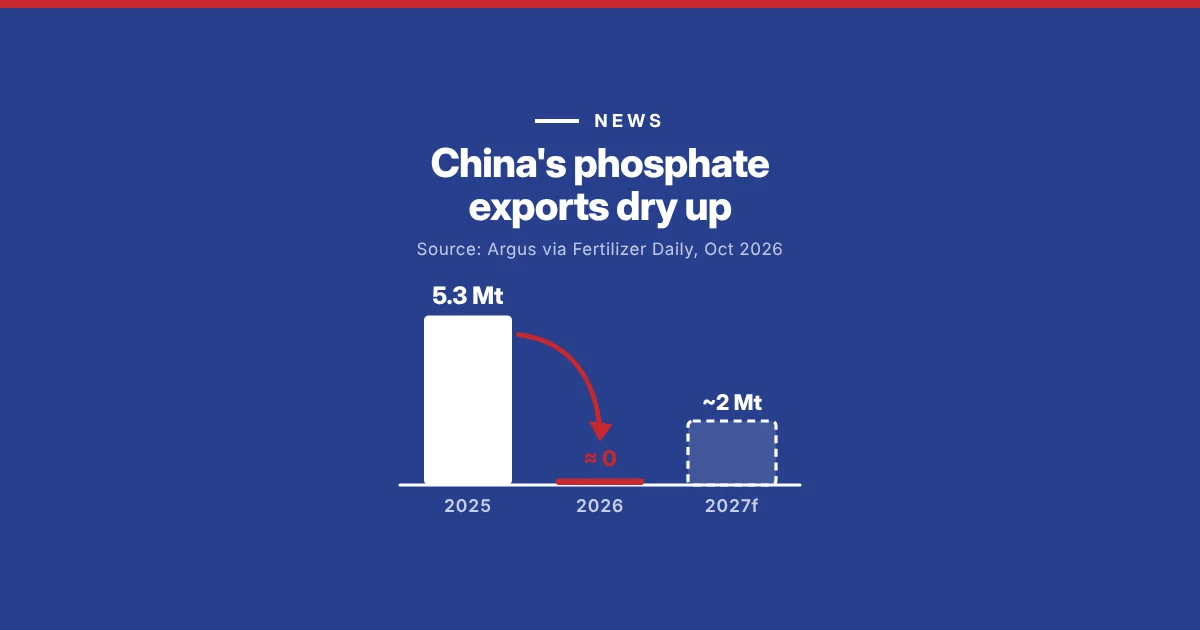
China, which exported about 5.3 million tonnes of phosphate fertilizer in 2025, has shipped almost none in 2026. With sulfur scarce and phosphate prices high, import-dependent markets face a tight season, and every kilo of phosphorus needs to work harder. At Van Polder, we believe a tight phosphate market is a reason to look again […]
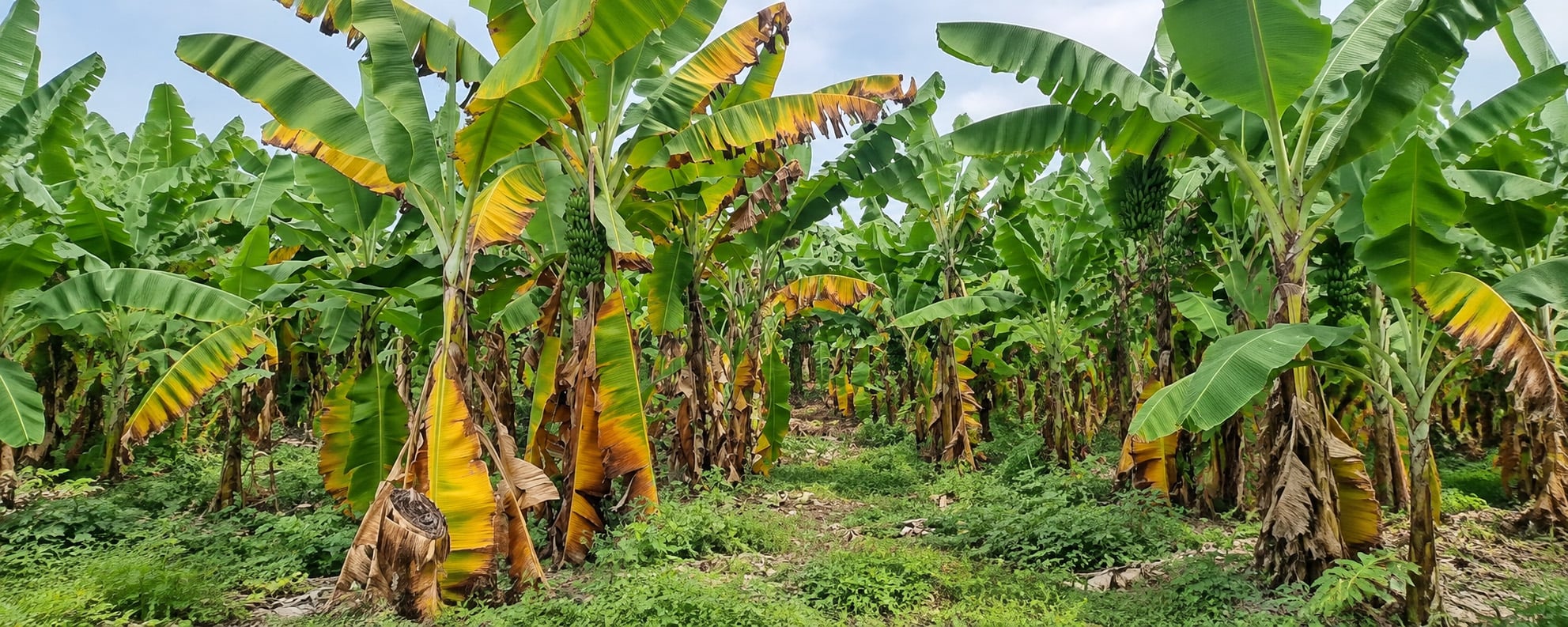
If you are starting a banana farm, Panama disease (Fusarium wilt of banana) is the risk to plan for. How to prevent Panama disease in bananas comes down to keeping the fungus out, because no fertilizer prevents or cures it and once it is in the soil it stays for decades (Pegg et al., 2019; […]
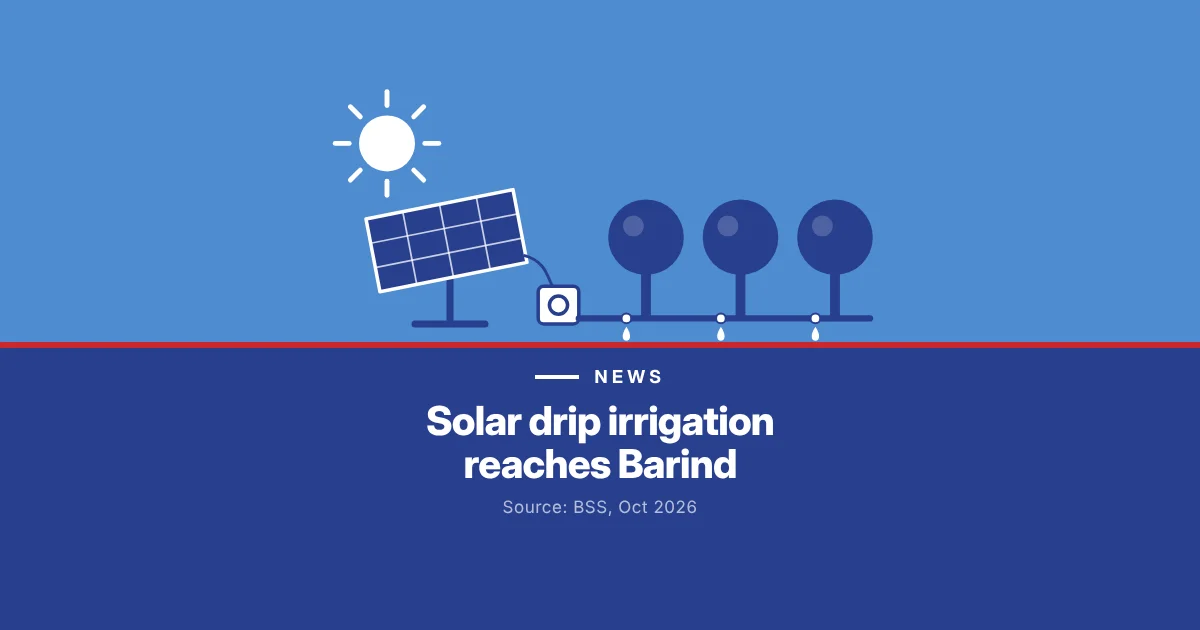
A government project in Bangladesh’s Rajshahi Division has brought solar-powered pumps, including solar drip systems for orchards, to drought-prone land where groundwater has been falling for decades. The Prime Minister wants all diesel irrigation pumps converted to solar within five years. For growers who move to drip, the next step is to feed the crop […]
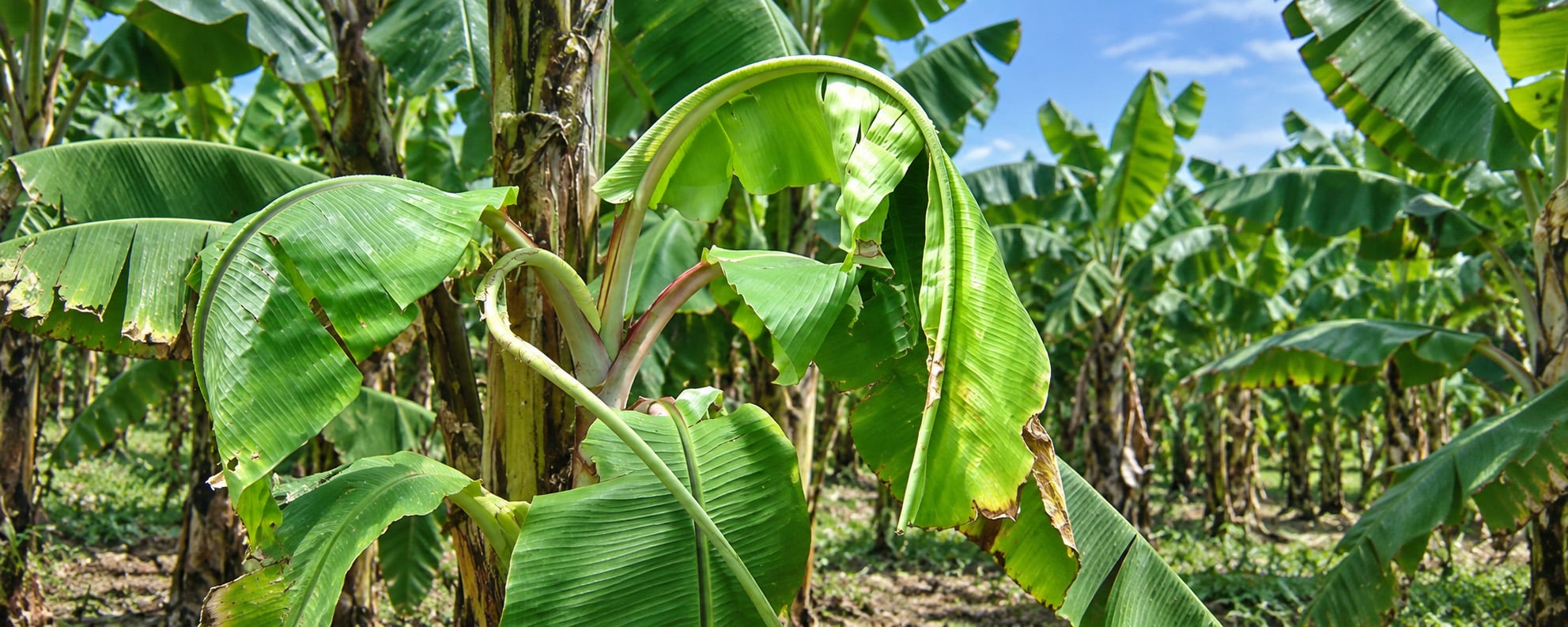
Calcium deficiency in banana shows first on the youngest leaves, as thickened veins and a saw-tooth pattern of yellow and dead tissue along the leaf margin, and in severe cases as “spike leaf”, new leaves with little or no blade, and poor-quality fruit (Turner, 1987; Martin-Prével, 1980). On most plantation soils it is not a […]
A calcium fertilizer supplies the calcium that holds plant cell walls and membranes together, but whether it reaches the fruit depends as much on water flow as on the fertilizer you choose. Calcium travels with water to the leaves and barely moves out of them again, so fruit and young leaves can run short even […]

An unusually wet winter brought coffee flowering in Minas Gerais forward by about a month, in several separate waves. With October forecast to be hotter than normal and rain patchy, the question for 2027 is now how many of those flowers turn into fruit. At Van Polder, we believe a strong flowering is only the […]