







5 Essential Micronutrients for Cotton: Optimizing Yield and Boll Quality
Cotton is a nutrient-demanding crop that requires balanced nutrition throughout its growth cycle to achieve high yields and premium fiber quality. While macronutrients form the foundation of crop development, even a slight deficiency of trace elements can result in stunted growth, poor flowering, and significant boll loss. In this guide, we’ll explore the best micronutrients […]
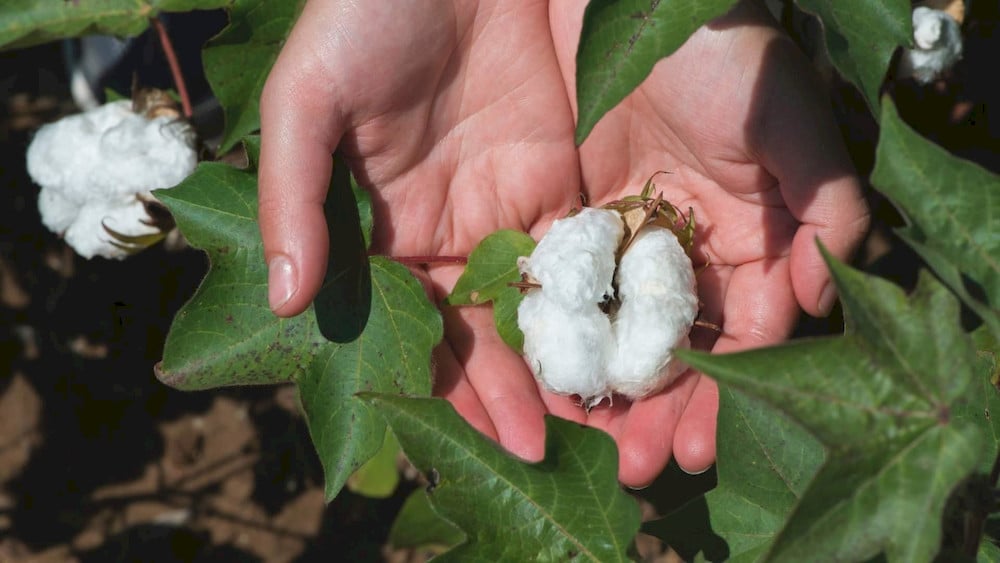

Cotton is a nutrient-demanding crop that requires balanced nutrition throughout its growth cycle to achieve high yields and premium fiber quality. While macronutrients form the foundation of crop development, even a slight deficiency of trace elements can result in stunted growth, poor flowering, and significant boll loss. In this guide, we’ll explore the best micronutrients for cotton and how they support healthier plants, better fiber quality, and improved harvest value.
1. Boron (B) – The Critical Element for Flowering and Boll Development
Boron is widely considered the most essential micronutrient for cotton because the crop requires more Boron than any other trace element. As a dicotyledonous plant, cotton has a significantly higher Boron demand than grasses or cereals, and this requirement becomes even greater in modern, high-yielding varieties with rapid boll development.
Function:
- Cell formation and protein synthesis: Boron is essential for plant cell wall formation and helps convert nitrogen and carbohydrates into proteins.
- Sugar transport and metabolism: It supports sugar transport, promotes the production of nucleic acids and plant hormones, and maintains cell membrane integrity.
- Flowering and boll development: Boron is critical for pollen viability, successful flowering, boll retention, and boll development.
- Nutrient utilization: It improves the efficient use of Nitrogen and Potassium while enhancing Calcium uptake and movement throughout the plant. When high Calcium rates are applied, additional Boron may be required to maximize Calcium absorption.
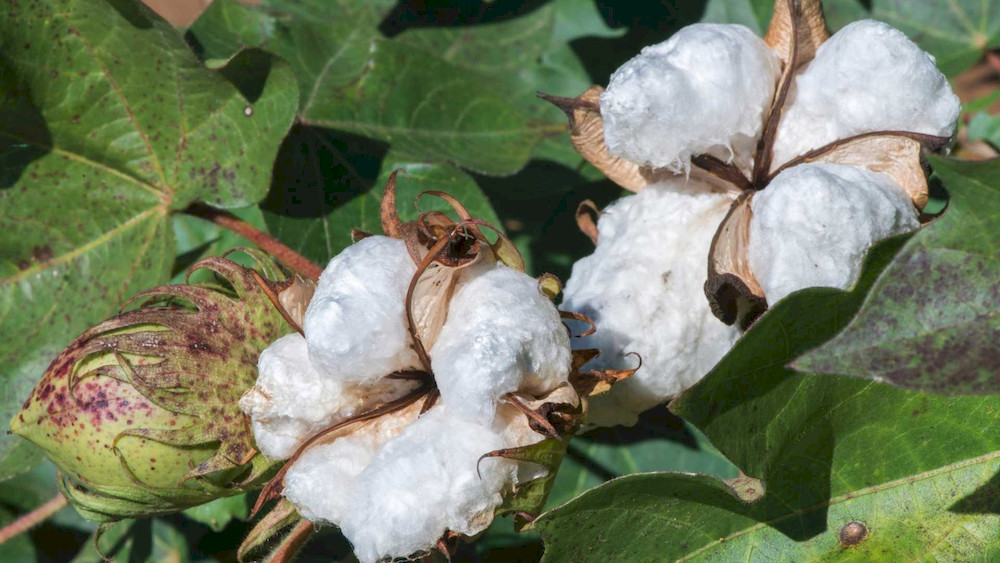
Deficiency Symptoms:
- Young leaf deformation: Because Boron is relatively immobile within the plant, deficiency symptoms appear first on young leaves. Upper leaves become distorted or malformed, while root elongation is restricted.
- Dark petiole bands: Dark concentric bands develop on the leaf petioles, serving as one of the characteristic symptoms of Boron deficiency.
- Flower and boll shedding: Boron deficiency causes the abortion of squares, flowers, and young bolls, leading to significant yield losses.
Soil Factors and Management:
- High leaching risk: Boron is highly soluble and easily leached from sandy soils, tropical soils, or soils with low cation exchange capacity (CEC).
- Soil pH effects: In alkaline soils with a pH above 7.5, Boron becomes tightly bound to soil particles and less available for plant uptake. Excessive liming can further reduce its availability.
- Environmental conditions: Drought can temporarily limit Boron uptake by restricting root growth, while high light intensity and long-day conditions may increase the crop’s susceptibility to deficiency.
2. Zinc (Zn) – The Activator of Enzyme Systems
Zinc is an essential micronutrient for cotton, although it is required in relatively small amounts. It functions as a key catalyst for numerous metabolic processes and plays an important role in plant growth, photosynthesis, and stress tolerance.
Function:
- Enzyme activation: Zinc is a structural and functional component of more than 300 enzymes involved in a wide range of metabolic processes.
- Chlorophyll synthesis and photosynthesis: It supports chlorophyll formation and helps maintain efficient photosynthetic activity.
- Cell membrane protection: Zinc stabilizes cell membranes and helps regulate free radicals that can damage membrane lipids.
- Growth and water regulation: It contributes to seed germination, stomatal regulation, osmolyte synthesis, and improved water use efficiency.
Deficiency Symptoms:
- Leathery, curled leaves: Young leaves become thick and leathery, with margins that curl upward.
- Interveinal chlorosis: Yellowing develops between the leaf veins while the veins remain green. In severe cases, the affected tissue may die prematurely.
- Stunted growth: Zinc deficiency reduces leaf size, shortens internodes, and results in stunted plant growth.
- Symptom timing: Deficiency symptoms generally appear about one month after seed germination.
Soil Factors and Management:
- High soil pH: Zinc availability decreases as soil pH increases. Deficiency is especially common in alkaline, calcareous soils rich in calcium carbonate.
- Excess phosphorus: High phosphate levels in the soil can reduce Zinc availability and increase the risk of deficiency.
- Environmental stress: Maintaining adequate Zinc nutrition helps cotton better tolerate drought and heat stress by improving plant water status and antioxidant defense mechanisms.
3. Manganese (Mn) – Boosting Photosynthesis and Disease Resistance
Manganese is an essential micronutrient that supports both plant metabolism and natural defense mechanisms in cotton. Although only small amounts are required, adequate Manganese nutrition contributes to higher yields and earlier crop maturity.
Function:
- Photosynthesis and chlorophyll synthesis: Manganese is directly involved in chlorophyll production and helps maintain efficient photosynthesis.
- Nitrogen utilization: It improves the plant’s ability to utilize Nitrogen efficiently, supporting healthy growth.
- Disease resistance: Adequate Manganese nutrition strengthens the plant’s resistance to root diseases.
- Yield and maturity: Research shows that sufficient Manganese can increase cotton yield while helping the crop reach maturity earlier.
Deficiency Symptoms:
- Interveinal chlorosis: The most common symptom is pale yellowing between the veins of young and medium-aged leaves, while the veins remain green.
- Difficult diagnosis: Manganese deficiency often resembles Zinc or Iron deficiency, making soil and tissue testing important for accurate identification.
Toxicity:
- Acidic or waterlogged soils: Manganese toxicity is most likely to occur in soils with a pH below 5.0 or under prolonged waterlogged conditions, where soluble Manganese levels increase.
- Toxicity symptoms: Affected plants become stunted, and the leaves develop a crinkled or cupped appearance.
- Misdiagnosis: These symptoms are often mistaken for thrips damage.
- Correction: Raising the soil pH above 5.8 through liming can effectively reduce Manganese toxicity.
Soil Factors and Management:
- High soil pH: Manganese availability decreases as soil pH increases. Deficiency is more common in sandy soils with a pH above 6.0, while heavier soils have a higher critical pH threshold. Excessive liming can further reduce availability.
- Geographic risk: Deficiency is frequently observed in Coastal Plain soils and other regions with naturally alkaline soils.
- Nutrient antagonism: Excess Potassium (K) or Calcium (Ca) can restrict Manganese uptake. High Iron levels may also induce Manganese deficiency, while excessive Manganese can reduce Iron availability.
See also: 8 Critical Micronutrients for Vegetable Garden Health and Disease Resistance
4. Iron (Fe) – The Catalyst for Chlorophyll Integrity
Iron is an essential micronutrient for cotton that supports chlorophyll formation and overall plant productivity. Although required in relatively small amounts, maintaining adequate Iron is important for healthy growth and optimum yield.
Function:
- Chlorophyll production: Iron is essential for the synthesis and maintenance of chlorophyll, helping plants maintain healthy green foliage.
- Photosynthesis: By supporting chlorophyll function, Iron enables efficient photosynthesis and energy production.
- Crop growth and yield: Adequate Iron nutrition promotes healthier plants and contributes to improved cotton yield.
Deficiency Symptoms:
- Interveinal chlorosis: Young and medium-aged leaves develop yellowing between the veins while the veins remain green.
- Severe leaf yellowing: As the deficiency progresses, the entire leaf may turn yellow or even pale white.
- Leaf margin necrosis: In advanced cases, tissue death begins along the leaf margins before spreading toward the interveinal areas.
- Difficult diagnosis: Iron deficiency symptoms closely resemble those of Zinc and Manganese deficiencies, making soil and tissue analysis important for accurate identification.
Soil Factors and Management:
- High soil pH: Iron availability declines as soil pH increases, making deficiency more common in alkaline and calcareous soils.
- Waterlogged conditions: Poorly drained or waterlogged soils can reduce Iron availability and limit plant uptake.
- Nutrient antagonism: Excessive levels of Copper, Zinc, or Manganese can interfere with Iron absorption. A strong antagonistic relationship also exists between Iron and Manganese, where an excess of one may reduce the availability of the other.
5. Copper (Cu) – Supporting Structural Health and Metabolism
Copper is one of the seven essential micronutrients required by cotton in relatively small amounts. It supports key metabolic processes that contribute to plant health, structural development, and overall productivity.
Function:
- Plant health: Copper helps maintain healthy plant growth throughout the growing season.
- Yield improvement: Adequate Copper nutrition is associated with higher cotton yields.
- Metabolic processes: It functions as a component of enzyme systems that regulate essential metabolic activities.
Deficiency Symptoms:
- Interveinal chlorosis: Yellowing develops between the leaf veins, particularly on affected leaves.
- Necrosis: As the deficiency becomes more severe, the chlorotic tissue gradually turns necrotic.
- Symptom progression: Leaf damage usually begins along the margins before spreading toward the center of the leaf.
See also: Best Micronutrient Fertilizer for Wheat Crop: Types, Dosage, and Application Guide
Soil Factors:
- High soil pH: Copper availability decreases as soil pH rises from 4.0 to 7.0.
- Soil type: Deficiency is more common in organic soils, calcareous soils, sandy soils, and reclaimed heathlands.
- Excess Nitrogen: Over-application of Nitrogen (N) can reduce Copper uptake and increase the risk of deficiency.
Management:
- Application timing: Copper is commonly applied during the 4 to 6 leaf stage, at squaring, and after flowering when needed.
- Foliar application: A concentrated foliar copper product (around 500 g/l Cu) can be applied at about 0.25 l/ha during these critical growth stages.
- Soil pH management: Maintaining a soil pH between 6.0 and 7.0 helps achieve a better balance for overall micronutrient availability, although Copper itself is generally more available under slightly acidic conditions.
6. 3 Methods for Micronutrient Application in Cotton
Micronutrients can be applied through the following three methods, depending on crop growth stage, soil conditions, and the severity of nutrient deficiency.
6.1. Foliar Application
Foliar application is the fastest way to correct micronutrient deficiencies because nutrients are absorbed directly through the leaves. It is particularly useful when soil conditions limit nutrient availability.
- Boron (B): Apply 0.5 lb/acre (approximately 0.56 kg/ha) of elemental Boron. This can be divided into two applications of 0.25 lb/acre (0.28 kg/ha) between the first square and first bloom. Another effective approach is 0.1 lb/acre (using 0.5 lb/acre of Solubor) beginning at early bloom, followed by 3 to 5 weekly applications.
- Zinc (Zn): Spray a 0.5% Zinc Sulfate (ZnSO₄) solution (5 g/L) on the 20th, 30th, and 40th days after sowing (DAS).
- Copper (Cu): Apply a concentrated foliar copper product at 0.25 l/ha during the 4 to 6 leaf stage, squaring, and after flowering if required.
- Manganese (Mn): Since Manganese is not readily redistributed from older to younger leaves, repeated foliar applications are recommended. If tissue analysis confirms a deficiency between first square and first bloom, apply foliar Manganese promptly.
- Iron (Fe): Foliar application is considered the most effective method for rapidly correcting iron deficiency and relieving chlorosis symptoms. However, soil and tissue testing should be conducted before application to confirm iron deficiency and ensure foliar sprays are used only when necessary.
6.2. Soil Application
Soil application provides a long-term supply of micronutrients and is commonly used as part of the basal fertilization program before or during early crop establishment.
- Zinc (Zn): Apply 25 kg/ha of Zinc Sulfate (ZnSO₄) as a basal application. Combining soil and foliar Zinc applications has been shown to provide better results than either method alone.
- Boron (B): Soil application is suitable for loamy soils, although Boron can be easily leached from sandy or low-CEC soils. The recommended basal rate is 0.5 lb/acre (0.56 kg/ha) of elemental Boron.
- Manganese (Mn): Small amounts of Manganese can be incorporated into starter fertilizers. However, applications should not exceed 5 lb/acre (5.6 kg/ha) in a single treatment because higher rates are not considered economical.
See also: Best Micronutrients for Paddy: Essential Nutrients, Deficiency Symptoms, and Application Guide
6.3. Seed Treatment
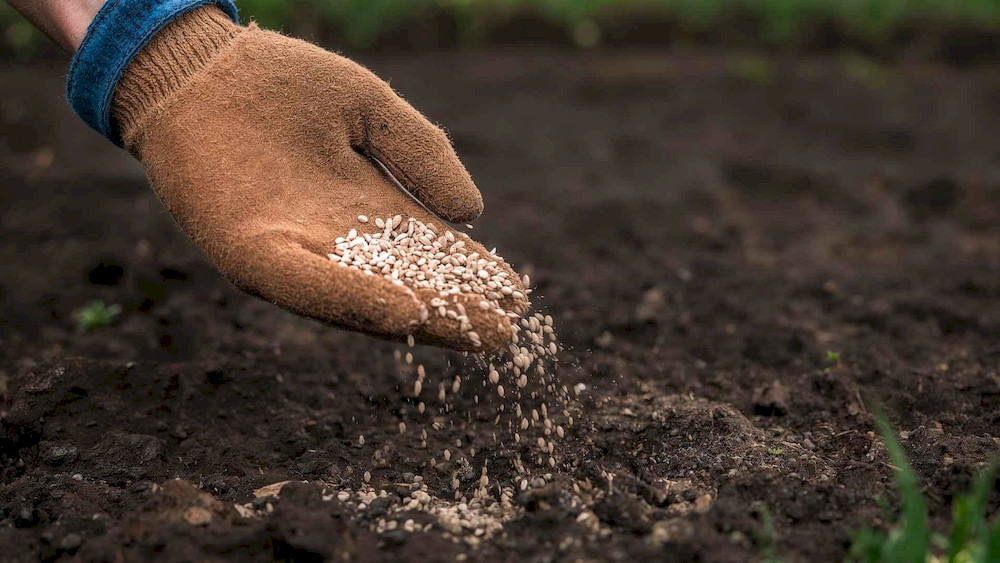
Zinc (Zn): This method is particularly suitable for Zinc application. Treating seeds with Zinc promotes vigorous early growth and improves cotton productivity, especially in soils with low Zinc availability. It also helps minimize the effects of unfavorable soil acidity and temperature on nutrient uptake during seedling establishment.
Selecting the best micronutrients for cotton is not simply about preventing nutrient deficiencies. A well-balanced micronutrient program helps the crop maintain vigorous growth, improve boll retention, and produce better fiber quality. Combined with proper soil management and timely application, these essential nutrients can support more consistent cotton performance throughout the season.


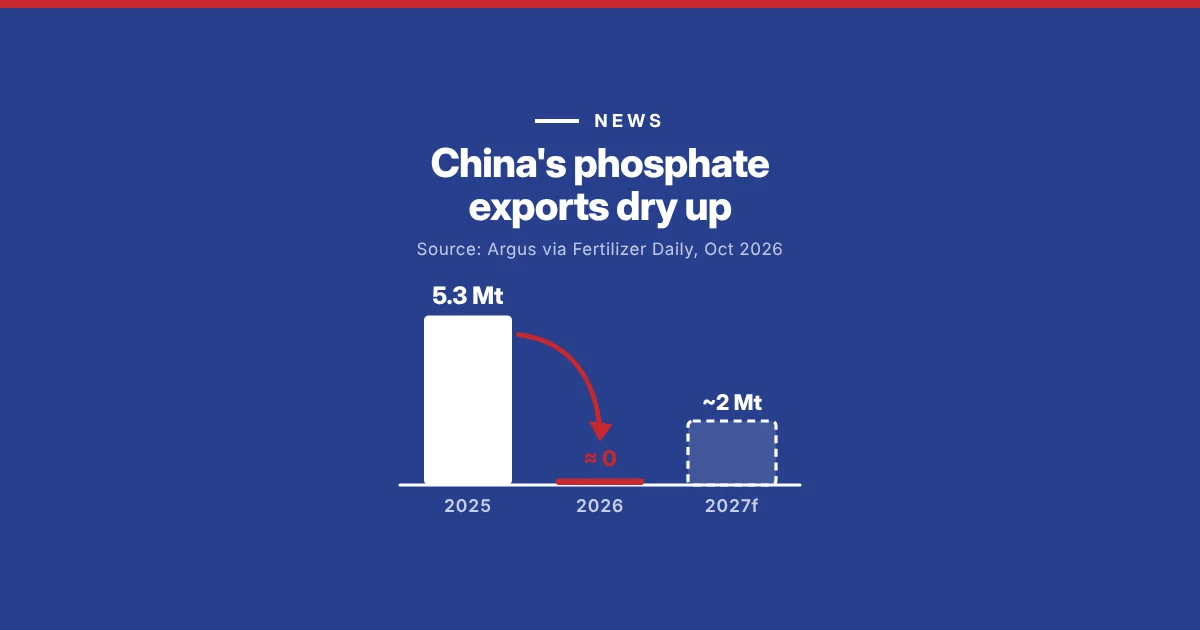
China, which exported about 5.3 million tonnes of phosphate fertilizer in 2025, has shipped almost none in 2026. With sulfur scarce and phosphate prices high, import-dependent markets face a tight season, and every kilo of phosphorus needs to work harder. At Van Polder, we believe a tight phosphate market is a reason to look again […]
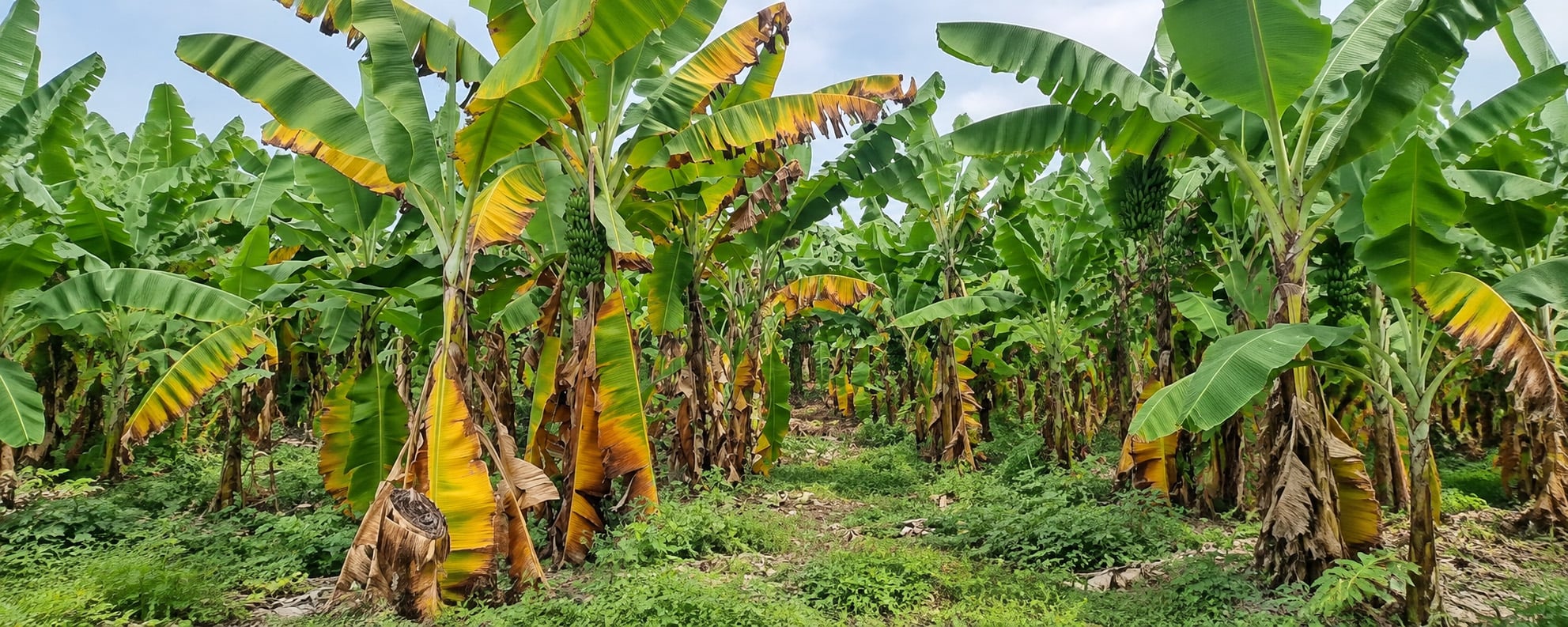
If you are starting a banana farm, Panama disease (Fusarium wilt of banana) is the risk to plan for. How to prevent Panama disease in bananas comes down to keeping the fungus out, because no fertilizer prevents or cures it and once it is in the soil it stays for decades (Pegg et al., 2019; […]

A government project in Bangladesh’s Rajshahi Division has brought solar-powered pumps, including solar drip systems for orchards, to drought-prone land where groundwater has been falling for decades. The Prime Minister wants all diesel irrigation pumps converted to solar within five years. For growers who move to drip, the next step is to feed the crop […]
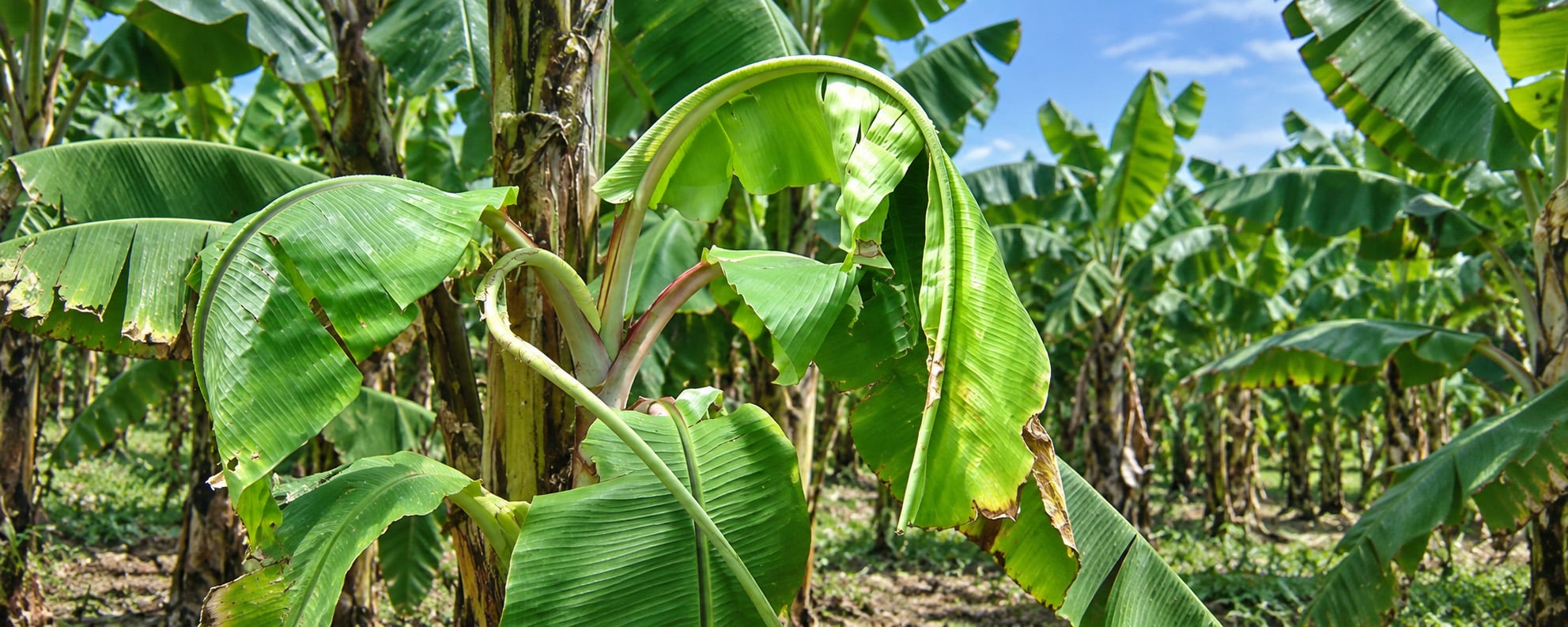
Calcium deficiency in banana shows first on the youngest leaves, as thickened veins and a saw-tooth pattern of yellow and dead tissue along the leaf margin, and in severe cases as “spike leaf”, new leaves with little or no blade, and poor-quality fruit (Turner, 1987; Martin-Prével, 1980). On most plantation soils it is not a […]
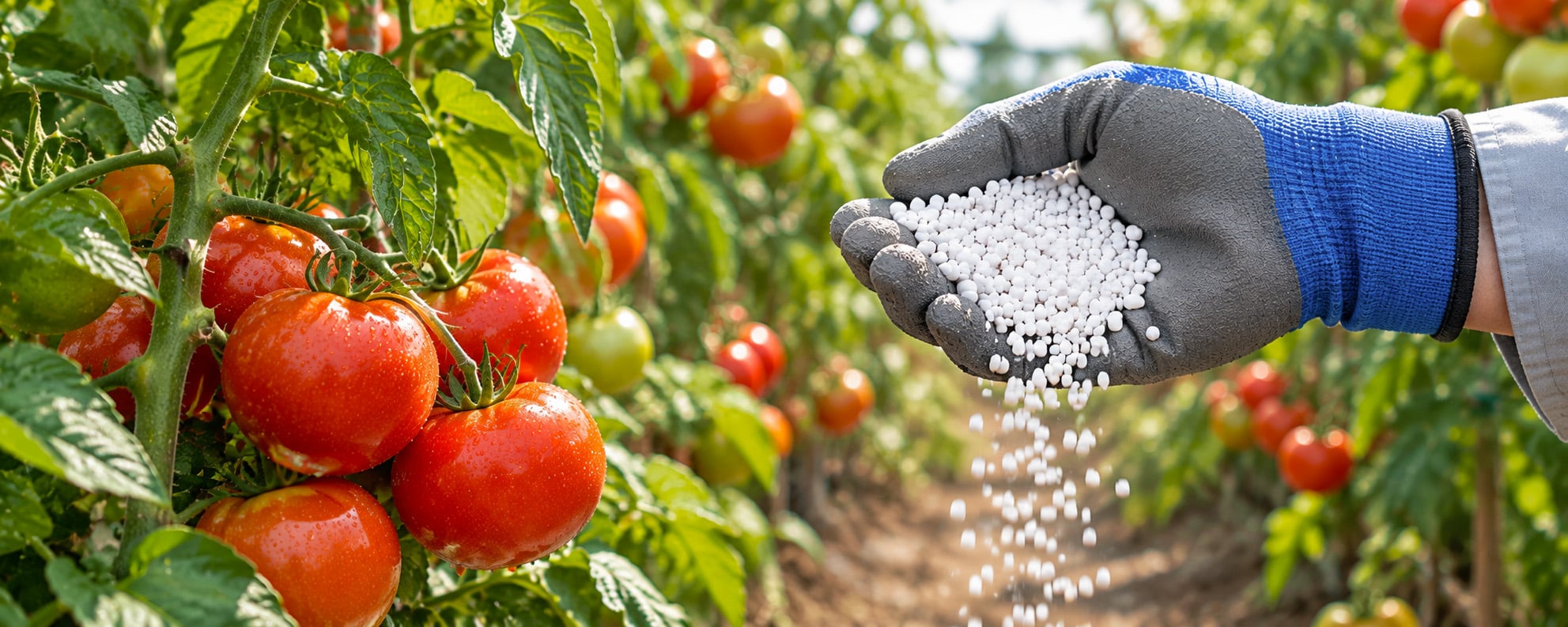
A calcium fertilizer supplies the calcium that holds plant cell walls and membranes together, but whether it reaches the fruit depends as much on water flow as on the fertilizer you choose. Calcium travels with water to the leaves and barely moves out of them again, so fruit and young leaves can run short even […]

An unusually wet winter brought coffee flowering in Minas Gerais forward by about a month, in several separate waves. With October forecast to be hotter than normal and rain patchy, the question for 2027 is now how many of those flowers turn into fruit. At Van Polder, we believe a strong flowering is only the […]