







Top 3 Iron Micronutrient Fertilizer Uses For Greener Crop And Higher Yield
Iron is an essential micronutrient that plays a fundamental role in plant growth and productivity. Although required only in small amounts, it supports many vital physiological processes that directly influence crop vigor, development, and harvest quality. In this article, we explore the top iron micronutrient fertilizer uses, explain how iron benefits different crops, and share […]


Iron is an essential micronutrient that plays a fundamental role in plant growth and productivity. Although required only in small amounts, it supports many vital physiological processes that directly influence crop vigor, development, and harvest quality. In this article, we explore the top iron micronutrient fertilizer uses, explain how iron benefits different crops, and share practical application tips to help maximize nutrient efficiency and achieve healthier, higher-yielding plants.
1. Correcting and Preventing Iron Chlorosis
The most common iron micronutrient fertilizer use is correcting and preventing iron chlorosis, a condition where young leaves turn pale yellow or white while the veins remain green due to iron deficiency.
Mechanism of Action
- Iron is indispensable for chlorophyll synthesis: Iron (Fe) is a non-substitutable catalyst for the synthesis of chlorophyll, the vital pigment that enables plants to capture solar energy.
- Iron supports photosynthetic machinery: At the cellular level, plant chloroplasts are exceptionally rich in iron-sulfur proteins, such as Photosystem I and ferredoxin, which drive photosynthetic electron transport.
- Iron maintains chloroplast integrity: Iron is also a core component of essential enzymes such as cytochromes, helping preserve the structural and functional integrity of chloroplasts.
- Iron deficiency disrupts chlorophyll production: When iron becomes deficient, the plant’s metabolic processes slow down because chlorophyll synthesis is impaired.
- Iron chlorosis develops first on young leaves: Since iron is relatively immobile within plants, it cannot be translocated efficiently from older leaves to newly developing tissues. As a result, young leaves lose their ability to produce chlorophyll, becoming pale yellow or white while the veins remain green due to the remaining iron-dependent proteins.

Results
- Restores chlorophyll synthesis: Applying specialized iron micronutrient fertilizers, such as Ferrocare or Chelafer, replenishes the iron supply and allows the plant to resume chlorophyll production, effectively reversing iron chlorosis.
- Produces a visible re-greening effect: The deep green color gradually returns, typically beginning at the leaf tips and progressing inward, restoring photosynthetic capacity and improving overall crop vigor.
Supporting Evidence
|
2. Supporting Plant Health and Structural Development
Beyond correcting iron deficiency, iron also supports plant growth by maintaining energy production, activating key enzymes, and strengthening plant structure. These functions help crops develop stronger stems, healthier roots, and greater resilience throughout the growing season.
Mechanism of Action
- Supports cellular respiration: Iron is a key component of cytochromes and other electron-transfer proteins that convert sugars into ATP, providing the energy required for vegetative growth, root development, and reproduction.
- Activates essential metabolic enzymes: Iron functions as a co-factor for metalloproteins involved in amino acid synthesis and the assimilation of nitrogen and sulfur, ensuring that fundamental metabolic processes operate efficiently. Zinc performs a comparable role on an even larger scale, a topic explored further in zinc micronutrient fertilizer uses.
- Strengthens plant structure: Iron-dependent enzymes contribute to lignin formation, helping reinforce cell walls and improve the structural strength of stems, shoots, and other plant tissues.
Results
- Promotes stronger shoot growth: Plants develop sturdier stems, thicker internodes, and more uniform, vigorous young shoots.
- Encourages healthier root development: A well-developed root system with more fine roots improves anchorage, water uptake, and nutrient absorption, helping plants better tolerate temporary drought or waterlogging.

| Supporting Evidence Even when NPK fertilizers are supplied in sufficient amounts, plants cannot fully utilize those nutrients if iron-dependent enzymatic reactions are limited. Maintaining adequate iron nutrition supports continuous energy production and metabolic activity, resulting in stronger plant structure, healthier growth, and improved crop performance. |
3. Elevating Crop Yield and Market Quality
Adequate iron nutrition not only supports plant growth but also plays an important role in increasing crop yield and improving the commercial quality of harvested products. By understanding these iron micronutrient fertilizer uses, growers can help plants allocate more resources to fruit, grain, and vegetable development.
Mechanism of Action
- Supports nitrogen fixation and assimilation: Iron is a key structural component of enzymes involved in nitrogen fixation and nitrogen assimilation. These enzymes convert nitrogen into plant proteins, supporting the development of protein-rich grains, seeds, and legumes.
- Promotes biomass allocation to reproductive growth: Efficient metabolic activity enables plants to allocate more energy and nutrients to flowering, fruit set, and seed filling, resulting in better reproductive performance.
Results
- Improves fruit quality: Fruit crops develop brighter color, greater juiciness, firmer skin, and better shelf life, making them more attractive to consumers.
- Increases grain and seed quality: Cereals produce plumper, well-filled grains, while legumes develop seeds with higher protein content.
- Enhances vegetable quality: Vegetables such as tomatoes and spinach achieve better nutritional value, improved firmness, and a more appealing appearance.
| Supporting Evidence According to the Law of the Minimum, crop productivity is limited by the nutrient that is in shortest supply, even when all other nutrients are available. Correcting iron deficiency eliminates this limitation, allowing crops to achieve higher yields and better market quality while improving the efficiency of the overall fertilization program. |

4. 5 Critical Factors Affecting Soil Iron Uptake
Even when sufficient iron is present in the soil, plants may still experience iron deficiency if environmental or soil conditions restrict its availability. The following factors have the greatest influence on iron uptake.
- Soil pH: Soil pH is the most important factor affecting iron availability. In alkaline or calcareous soils, iron readily reacts with carbonates and other compounds to form insoluble precipitates, making it unavailable for root uptake. In contrast, acidic soils keep iron in a more soluble form, allowing plants to absorb it more efficiently.
- Soil composition and organic matter: Soils rich in organic matter naturally improve iron availability by helping maintain iron in plant-accessible forms. Sandy soils, which contain little organic matter, are more susceptible to nutrient losses and are therefore more likely to develop iron deficiency.
- Soil moisture and aeration: Poor drainage and prolonged waterlogging create oxygen-deficient conditions that restrict root respiration and reduce the plant’s ability to absorb and utilize iron. Maintaining adequate soil aeration is essential for healthy root activity and efficient nutrient uptake.
- Temperature fluctuations: Low temperatures slow root growth and overall plant metabolism, reducing iron uptake efficiency. Cold conditions may also increase bicarbonate accumulation in the soil, further limiting iron transport and contributing to temporary iron chlorosis.
- Excess manganese (Mn): High manganese concentrations can interfere with iron uptake because both elements compete for similar absorption pathways. Maintaining a balanced micronutrient supply helps prevent nutrient antagonism and ensures efficient iron utilization.

5. 3 Types of Iron Micronutrient Fertilizers
Each iron source differs in terms of stability, availability, and optimal operating environment. Below is a comparison table of 3 types of iron micronutrient fertilizers.
| Fertilizer Type | Characteristics | Best Soil Environment | Common Application Methods |
| Iron Sulfate (FeSO₄) | – Contains 19.5 – 20.5% Fe.
– Low cost and highly water-soluble. – Easily becomes unavailable in alkaline soils. |
Acidic soils(pH < 6.5). | – Foliar spraying.
– Soil application. |
| Iron EDTA | – Contains 9 – 12% Fe. – Chelated form with good stability.
– Suitable for mildly acidic conditions. |
Slightly acidic to neutral soils(pH ≤ 6.0). | – Foliar spraying.
– Fertigation and irrigation systems. |
| Iron EDDHA | – Contains 6 – 10% Fe.
– Most stable chelated iron source. – Remains available even under high-pH conditions. |
Alkaline and calcareous soils(up to pH 9.0). | – Soil application.
– Drip irrigation. |

6. How to Apply Iron Micronutrient Fertilizers for Maximum Efficiency
Selecting the right application method is just as important as choosing the right iron fertilizer. Foliar spraying and soil application each have distinct advantages depending on crop conditions, deficiency severity, and soil characteristics.
6.1. Foliar Spraying
Provides the fastest correction of iron deficiency because nutrients are absorbed directly through leaf tissues, which maximizes the efficiency of your iron micronutrient fertilizer uses.
Advantages
- Provides the fastest correction of iron deficiency because nutrients are absorbed directly through leaf tissues.
- Bypasses soil limitations such as high pH or poor iron availability.
- Requires relatively small fertilizer doses while delivering quick visible results.
Disadvantages
- Provides a short-term effect and may require repeated applications during the growing season.
- Incorrect application, especially under high temperatures or strong sunlight, can cause leaf burn (phytotoxicity).
- Coverage depends on spraying quality, so uneven application may reduce effectiveness.
Application Guidelines
- Spray during the early morning or late afternoon to minimize leaf burn.
- Add a suitable wetting agent or sticker to improve leaf coverage and nutrient absorption.
- Ensure even coverage of the foliage without excessive runoff.

6.2. Fertigation & Soil Application
Fertigation and soil application deliver iron directly to the root zone, making them suitable for long-term iron management and maintaining adequate iron availability throughout crop development.
Advantages
- Provides a continuous supply of iron for root uptake.
- Suitable for long-term nutrient management, especially in perennial crops.
- Can be combined with organic matter to improve iron availability and overall soil fertility.
Disadvantages
- Iron availability is strongly influenced by soil conditions, particularly high pH, excessive carbonates, and poor drainage.
- Soil application generally corrects iron chlorosis more slowly than foliar spraying.
- Requires selecting the appropriate iron fertilizer according to soil characteristics to achieve good efficiency.
Application Guidelines
- Apply directly to the active root zone or through drip irrigation and fertigation systems.
- Incorporate organic matter where appropriate to improve iron availability.
- Adjust fertilizer type and application rate according to soil pH, crop requirements, and field conditions.
Critical Notes
|
Understanding iron micronutrient fertilizer uses helps growers choose the right iron source and application strategy for different crops and soil conditions. Rather than applying iron only after deficiency symptoms appear, a well-planned iron management program supports more efficient nutrient use throughout the growing season. This approach contributes to healthier crop development and more sustainable agricultural production.


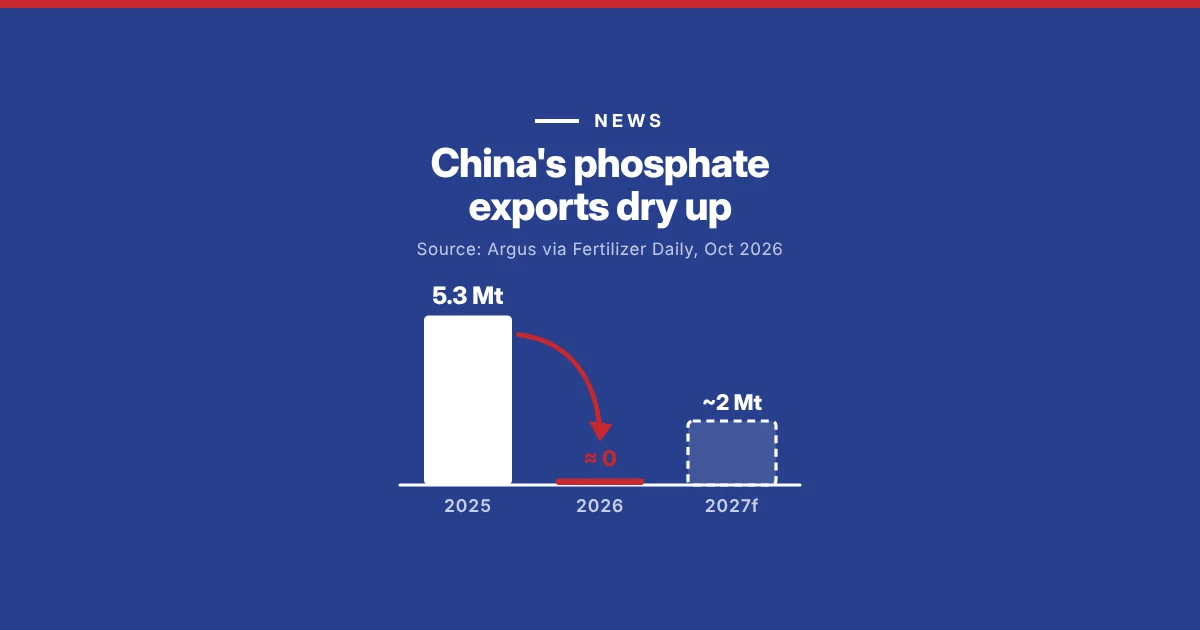
China, which exported about 5.3 million tonnes of phosphate fertilizer in 2025, has shipped almost none in 2026. With sulfur scarce and phosphate prices high, import-dependent markets face a tight season, and every kilo of phosphorus needs to work harder. At Van Polder, we believe a tight phosphate market is a reason to look again […]
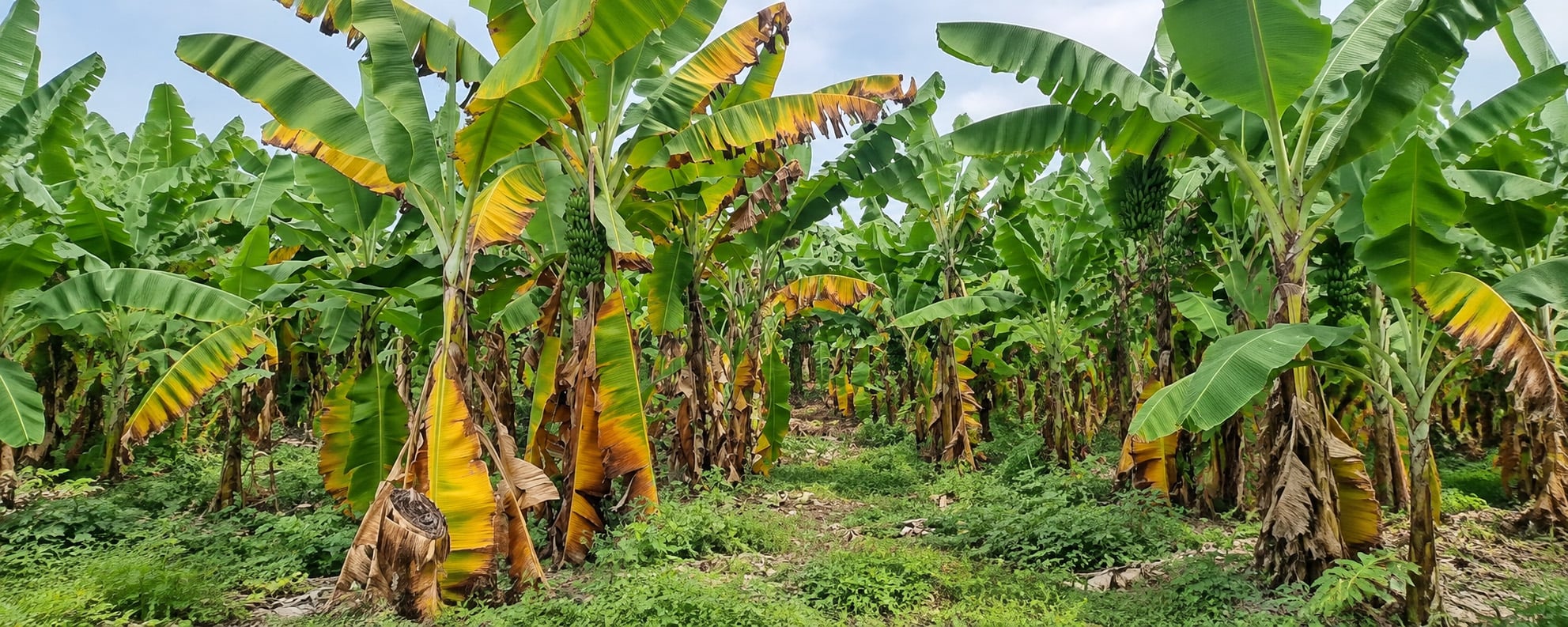
If you are starting a banana farm, Panama disease (Fusarium wilt of banana) is the risk to plan for. How to prevent Panama disease in bananas comes down to keeping the fungus out, because no fertilizer prevents or cures it and once it is in the soil it stays for decades (Pegg et al., 2019; […]
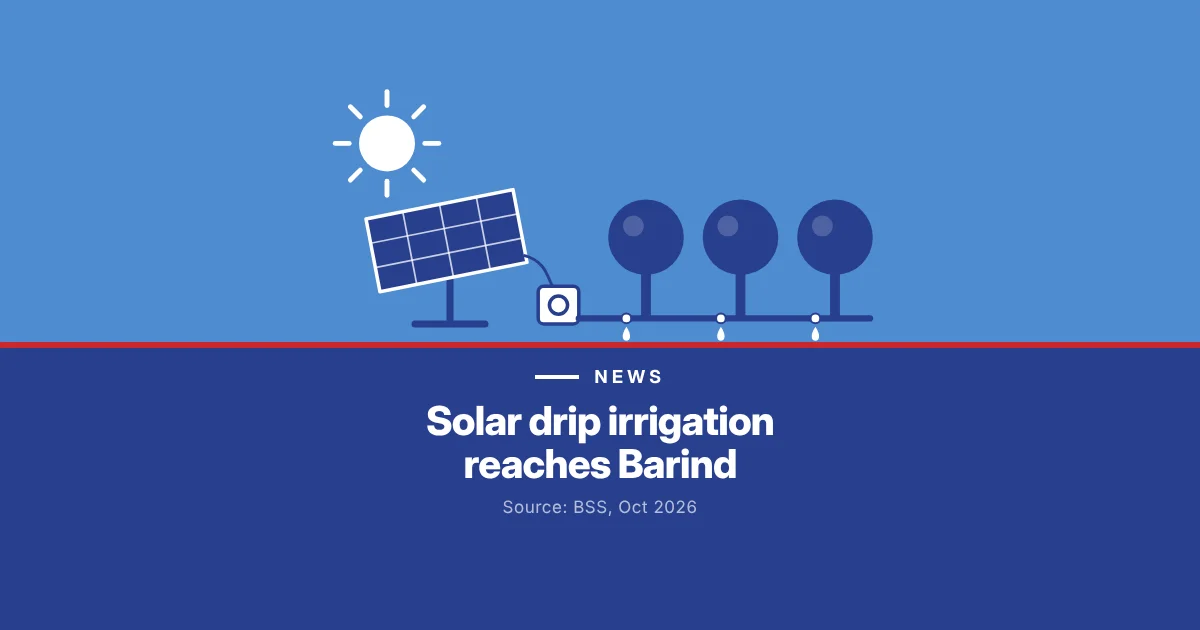
A government project in Bangladesh’s Rajshahi Division has brought solar-powered pumps, including solar drip systems for orchards, to drought-prone land where groundwater has been falling for decades. The Prime Minister wants all diesel irrigation pumps converted to solar within five years. For growers who move to drip, the next step is to feed the crop […]
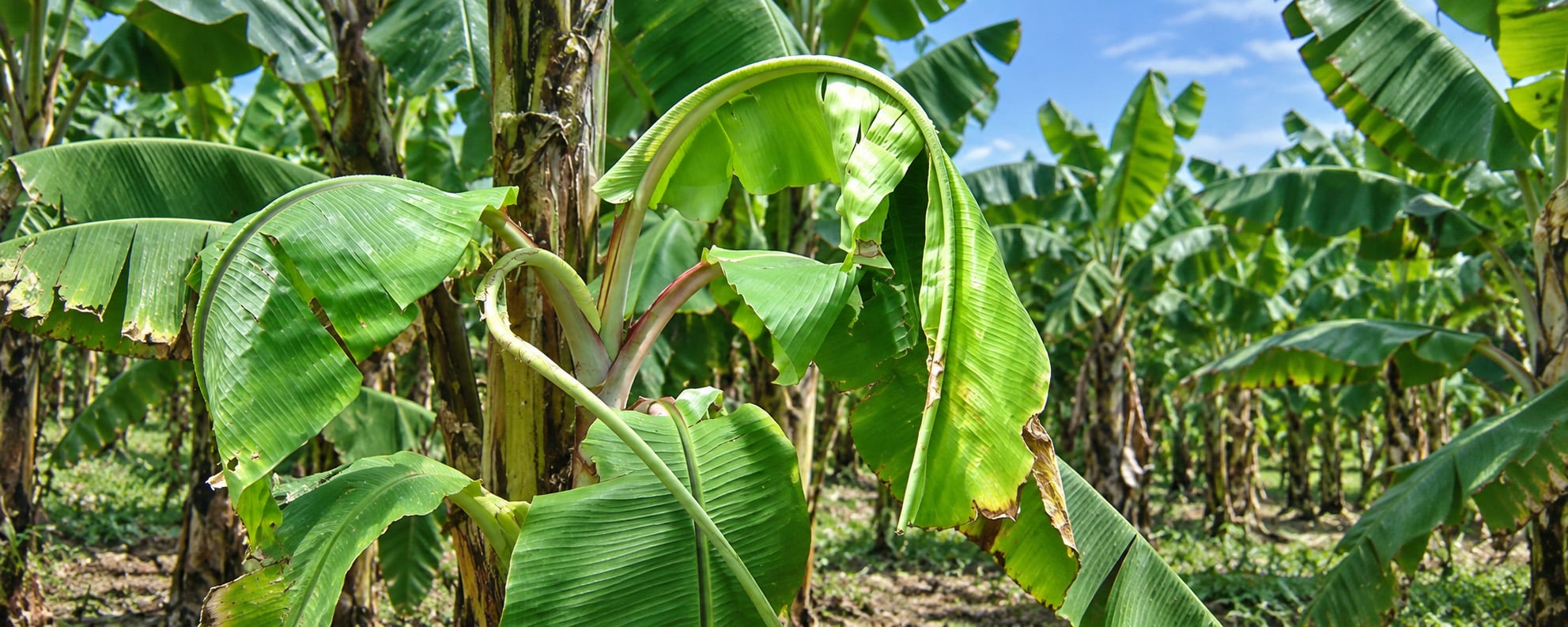
Calcium deficiency in banana shows first on the youngest leaves, as thickened veins and a saw-tooth pattern of yellow and dead tissue along the leaf margin, and in severe cases as “spike leaf”, new leaves with little or no blade, and poor-quality fruit (Turner, 1987; Martin-Prével, 1980). On most plantation soils it is not a […]
A calcium fertilizer supplies the calcium that holds plant cell walls and membranes together, but whether it reaches the fruit depends as much on water flow as on the fertilizer you choose. Calcium travels with water to the leaves and barely moves out of them again, so fruit and young leaves can run short even […]

An unusually wet winter brought coffee flowering in Minas Gerais forward by about a month, in several separate waves. With October forecast to be hotter than normal and rain patchy, the question for 2027 is now how many of those flowers turn into fruit. At Van Polder, we believe a strong flowering is only the […]