







Top 7 Chelated Zinc Fertilizer Uses for Plants and Soil & Best Application Methods
Chelated Zinc Fertilizer offers many important benefits for both plants and soil, helping to improve nutrient absorption, support stable growth, and enhance soil fertility. However, actual effectiveness depends heavily on how it is used, application timing, and soil/plant conditions. To understand each mechanism of action, optimal usage, and important precautions to avoid adverse effects, let’s […]

Chelated Zinc Fertilizer offers many important benefits for both plants and soil, helping to improve nutrient absorption, support stable growth, and enhance soil fertility. However, actual effectiveness depends heavily on how it is used, application timing, and soil/plant conditions. To understand each mechanism of action, optimal usage, and important precautions to avoid adverse effects, let’s explore the details of chelated zinc fertilizer uses below.
1. 4 Key Uses of Chelated Zinc Fertilizer for Plants
Below are the important uses of Chelated Zinc Fertilizer for crops, helping to improve growth, correct micronutrient deficiencies, and enhance overall yield.
1.1. Preventing and Correcting Zinc Deficiency
This use is typically applied when plants show observable signs of
zinc deficiency, including:
- Distorted young leaves: New leaves grow smaller than normal, pointed, narrow, and may be curled or deformed (often called “little-leaf”).
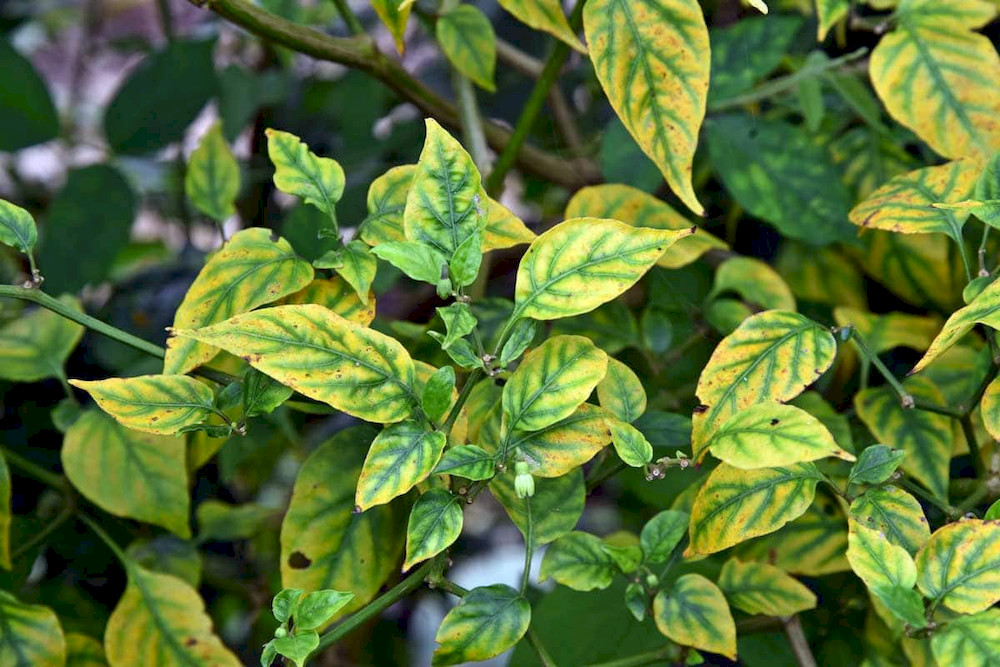
- Interveinal chlorosis: Yellowing between leaf veins on young or upper leaves, while veins remain green.
- Stunted growth, rosetted top: Internodes shorten significantly, causing leaves to cluster together in a rosette or “witch’s broom” appearance.
- Leaf scorch and early drop: In severe cases, leaves may turn bronze-brown, develop dead spots, and drop prematurely.
Ordinary zinc in soil is easily “fixed” (made unavailable) in alkaline conditions or high phosphorus levels, making it hard for plants to absorb even when present. Chelated Zinc solves this by surrounding the zinc ion with a protective shell, preventing it from reacting with the soil. As a result, zinc remains stable and more available, allowing plants to use it quickly through roots or leaves when needed.
Application methods:
- Prevention: Apply to soil or via root drench early when plants are actively growing or at planting.
- Quick correction: Apply as a soil drench, broadcast evenly near the root zone, or incorporate into the soil before planting to ensure sustained absorption.
- Timing: Apply during cool times (early morning or late afternoon) to avoid leaf burn and improve adhesion.
- Integration: Mix into drip irrigation or periodic liquid fertilizer applications.
Expected results (after 20-30 days):
- Greener, healthier leaves: New growth develops a natural dark green color with no signs of yellowing, indicating restored chlorophyll production.
- Expanded leaf area: Leaves grow significantly larger and longer, increasing the plant’s overall photosynthetic capacity.
- Normalized growth and development: Internodes elongate properly, plants overcome stunting, and rosette formation disappears completely.
- Improved reproductive performance: Healthier, more vigorous plants produce better flowering and set more fruit.

1.2. Boosting Photosynthesis and Plant Growth
This use is typically noted when plants show signs of slow growth or abnormal development, such as:
- Stunted growth: The plant fails to reach its expected height, and internodes become abnormally short, causing leaves to cluster into a rosette shape.
- Reduced leaf size: Newly emerging leaves are conspicuously small, narrow, and thin compared to normal foliage.
- Interveinal chlorosis: Leaf tissue between the veins turns pale yellow or white, while the veins themselves remain green.
- Poor overall vigor: Leaves appear lackluster and pale, indicating reduced chlorophyll content and compromised photosynthesis.
Zinc is a key micronutrient that “activates” many enzymes in plants, thereby promoting growth processes. It indirectly participates in chlorophyll formation, making leaves greener and photosynthesis more efficient. Zinc also supports auxin production, helping plants grow taller and develop larger leaves. Thanks to its chelated form, zinc remains stable and easily absorbed, allowing plants to use it quickly and efficiently during growth.
Application methods:
- Best timing: For correction, apply as soon as the first symptoms appear, regardless of the plant’s growth stage.
- Root application: Band or mix into drip irrigation to nourish roots and support vertical growth.
- Foliar spray (preferred for rapid recovery): Spray directly on leaves to deliver zinc to the photosynthetic apparatus when leaves appear pale.
- Important note: Always mix at recommended dosage and avoid spraying when plants are water-stressed or under intense sunlight to prevent leaf burn.
Expected results (after 20-30 days):
- Improved leaf color and size: New leaves develop a healthy dark green color, and the larger leaf area significantly increases the plant’s photosynthetic capacity.
- Increased plant height: Internodes elongate properly, and the plant fully overcomes stunting.
- Greater biomass production: Plants appear denser with firm stems, and branches develop evenly throughout the canopy.
1.3. Enhancing Tolerance to Abiotic Stress
This use focuses on a proactive strategy to strengthen plants against adverse environmental conditions before they occur.
- Wilting under adequate moisture: Drought or salt stress prevents roots from absorbing water, leading to loss of turgor pressure.
- Leaf margin burn and yellowing: Heat or salt stress triggers ROS accumulation, which damages leaf tissue and causes these symptoms.
- Growth arrest: Extreme heat or high salinity forces the plant into a protective dormant state.
- Premature shedding: Hormonal imbalances caused by environmental stress lead to the loss of leaves, flowers, and young fruit.
When plants experience stress like drought, salinity, or heat, internal processes become disrupted and generate harmful compounds that weaken the plant. Chelated Zinc helps plants increase self-defense by supporting the elimination of these “stress compounds” and limiting cellular damage. It also helps plants retain water better and maintain leaf function, allowing photosynthesis and growth to continue even under adverse conditions.
Application methods:
- For foliar application: Apply as a foliar spray when stress conditions are anticipated, as this allows rapid absorption through leaf tissue.
- For soil application: Apply to soil or as a root drench early, before peak drought or salinity periods, to build a strong root system and accumulate stress-resistance reserves.
- For preventive timing: Apply just before forecasted heatwaves or drought events, and repeat periodically during sensitive stages like flowering and fruit set.
- For safe application: Avoid spraying when plants are severely wilted; instead, apply in the early morning for best absorption and gradual recovery.
Expected results (after 20-30 days):
- Improved leaf turgor and plumpness: Wilting is noticeably reduced, and leaves stand tall with better elasticity due to improved water retention.
- Gradual darkening of leaf color: Stress-related yellowing decreases significantly, and new leaves emerge larger and healthier green.
- Continued shoot and flower production: Plants resume producing new shoots and flower buds despite ongoing challenging conditions.
- Reduced fruit drop: Fruit set and retention on branches improve significantly compared to untreated areas.

1.4. Increasing Crop Yield and Grain Biofortification
This use is most critical during the reproductive stage to maximize yield and grain quality.
- Reduced yield: Fewer grains per panicle or ear than normal.
- Goal of producing nutrient-dense food: When you want to increase zinc and protein content in cereals (rice, wheat, beans) for human and livestock health (biofortification).
Chelated Zinc plays a critical role in grain formation and yield. It improves pollination, ensures full grain formation, and reduces empty grains. Zinc also supports energy metabolism and starch accumulation, making grains larger, plumper, and heavier. This kind of targeted delivery into growing tissue is one of the core chelated micronutrients benefits that sets chelates apart from ordinary mineral salts. Thanks to the chelated form, zinc is more efficiently absorbed and transported into the grain, contributing to both yield and quality.
Application methods:
- For soil application (yield increase): Apply as a soil drench or incorporate into the root zone at planting or before sowing to build biomass and maximize grain number potential.
- For foliar application (grain biofortification): Apply as a foliar spray to deliver zinc directly into developing grains. For best results, begin at the start of flowering or the milk stage, and repeat 2-3 times at 5-10 day intervals after heading.
- For enhanced results (with Nitrogen): Combine with adequate nitrogen fertilization, as this helps the plant transport zinc from leaves to developing grains more effectively.
Expected results (observed at harvest):
- Larger, plumper, shinier grains: Grain weight increases by 5-18% compared to no zinc supplementation.
- Increased crop value: Zinc content in grains can increase by 24% to over 70%, and protein content also rises above normal.
- Overall yield increase: Total harvested yield can increase by 10-30% depending on crop type.
2. 2 Key Uses of Chelated Zinc Fertilizer for Soil
Besides effects on plants, Chelated Zinc Fertilizer also plays an important role in improving soil quality, supporting soil microbiota, and maintaining a healthy, sustainable root environment.
2.1. Improving Zinc Availability in High-pH and Calcareous Soils
Focus on this use when managing crops in high-pH soils (above 6.5-7.0) or calcareous soils. In these conditions, standard zinc fertilizers quickly react with soil compounds (like carbonates and hydroxides), forming insoluble zinc precipitates that plant roots cannot absorb. This is the phenomenon known as “zinc fixation.”
The primary benefit of chelated zinc for the soil is its ability to prevent this fixation. The chelation process forms a protective “shell” around the zinc ion, shielding it from these chemical reactions. This keeps the zinc in a soluble, plant-available form within the soil solution, ensuring that the root system can access the nutrient when needed.
By preventing fixation in the soil, chelated zinc ensures that the crop can access an adequate zinc supply throughout its growth. As a result, plants are spared from typical zinc deficiency disorders—such as chlorosis, stunted shoots, and “little-leaf” symptoms—that are common in high-pH soils. In essence, this use directly addresses the root cause of the problem in the soil, providing long-term prevention rather than a quick fix after symptoms have already appeared.
Application methods:
- Soil application: Band, side-dress, or inject directly into the root zone at planting or just after emergence. This is more effective than surface broadcasting.
- Foliar spray: If plants show clear deficiency symptoms due to roots being unable to absorb zinc from alkaline soil, spray directly on leaves for immediate uptake.
- Golden timing: Apply early in the season when the crop’s micronutrient demand is highest.
Expected results (after 20-30 days):
- New leaves turn green again: Yellowing/whitening of new shoots disappears, replaced by healthy green color.
- Shoots elongate: Internodes stretch, plants overcome stunting and grow to normal height.

2.2. Promoting Root-Microbe Symbiosis
Focus on this use when you notice soil exhaustion or root-zone ecosystem problems such as:
- Hard, infertile soil: After prolonged use of chemical fertilizers or synthetic chelates, soil becomes inert with poor water/nutrient retention due to disrupted microbial communities.
- Weak root development: Plants struggle to produce new roots; roots show poor development or are easily attacked by fungi due to lack of natural antagonistic microorganisms.
- Poor nutrient uptake: Despite heavy fertilization, plants remain yellowish and grow slowly due to lack of bacteria that solubilize and transform soil minerals into available forms.
- Fallow syndrome: Seedlings are stunted when planted after non-mycorrhizal crops (e. g., sugar beets), leading to severe reduction in beneficial mycorrhizal fungi in the soil.
Amino acid-based Chelated Zinc not only provides plant nutrition but also creates a “favorable environment” for the root-zone ecosystem to thrive. As it breaks down, the amino acid portion becomes an easily digestible nutrient source, “feeding” beneficial soil microorganisms. This helps beneficial bacteria like Bacillus and Pseudomonas grow stronger, assisting in nutrient solubilization and protecting roots from pathogens. It also stimulates roots to secrete natural signals that attract mycorrhizal fungi, expanding the root system and improving nutrient uptake. Simply put, this mechanism helps “revive” the soil, strengthens roots, and naturally improves plant uptake.
Application methods:
- For root zone delivery: Apply as a root drench or soil application to deliver nutrients and amino acids directly to the area where microorganisms are most active.
- For deep soil benefits: Place the product deeper in the soil profile to help beneficial bacteria in deeper layers access organic food sources and promote biological activity.
- For early establishment: Apply during land preparation or at planting (within 2 weeks after emergence) to build a healthy symbiotic system early in the crop cycle.
- For sustained microbial activity: Integrate with drip irrigation or apply periodically alongside other organic compounds to maintain stable microbial density throughout the season.
Expected results (after 20-30 days):
- Strong white root development: Number of root hairs and white roots increases markedly; roots are longer and stronger thanks to mycorrhizae and beneficial bacteria support.
- Looser, more aerated soil: Soil structure around the root zone improves due to microbial activity (secretion of soil-aggregating compounds), enhancing aeration and moisture retention.
- Consistently green plants: With microbial help in solubilizing hard-to-access nutrients (like phosphorus), plants absorb more minerals, leaves become naturally green and firm.
- Increased resistance: Plants are less attacked by soil-borne diseases thanks to protection and antagonism from beneficial microbial communities.

3. Important Precautions to Avoid Zinc Toxicity
To ensure effective use and avoid adverse effects, this section presents important precautions for using Chelated Zinc Fertilizer correctly, safely, and without causing toxicity to crops.
- Absolutely do not exceed recommended dosage: Overuse of zinc can backfire, causing toxicity to plants, damaging roots, and disrupting the balance of other nutrients in the soil. In cereals, zinc toxicity often manifests as iron deficiency (interveinal chlorosis) and loss of leaf green color.
- Be cautious with foliar spray on sensitive crops: Soft-stemmed vegetables (like cucumbers) or young seedlings (e. g., cotton plants under 15 cm) are very prone to leaf burn when sprayed directly. For these, soil application is usually preferred for safety.
- Avoid applying when plants are water-stressed: Do not apply the product when plants are wilting or severely lacking moisture. Applying micronutrients when plants are already weakened by water deficit increases the risk of tissue toxicity and worsens the plant’s condition.
- Do not use copper or aluminum equipment: Chelates can chemically react with copper or its alloys (brass, bronze) and aluminum containers. Use stainless steel, fiberglass, or specialized plastic containers to avoid degrading the fertilizer.
- Control pH and compatibility when mixing: Before large-scale mixing with other fertilizers (especially orthophosphates) or plant protection products, conduct a small jar test. Absolutely do not mix with strong acids, as they will destroy the chelate structure, causing zinc to precipitate and lose effectiveness.
- Avoid spraying in extreme weather conditions: Do not spray when rain is forecast, when frost is expected, or during excessive heat. Especially if the drying process on leaf surfaces is too slow (due to cloudy weather, very high humidity), prolonged zinc residue can cause fruit russeting or leaf margin burn.
Understanding chelated zinc fertilizer uses helps growers maximize the nutritional benefits of zinc while minimizing risks to plants and soil. When used correctly, it is an effective solution for sustainably improving crop yield and quality.



China, which exported about 5.3 million tonnes of phosphate fertilizer in 2025, has shipped almost none in 2026. With sulfur scarce and phosphate prices high, import-dependent markets face a tight season, and every kilo of phosphorus needs to work harder. At Van Polder, we believe a tight phosphate market is a reason to look again […]

If you are starting a banana farm, Panama disease (Fusarium wilt of banana) is the risk to plan for. How to prevent Panama disease in bananas comes down to keeping the fungus out, because no fertilizer prevents or cures it and once it is in the soil it stays for decades (Pegg et al., 2019; […]

A government project in Bangladesh’s Rajshahi Division has brought solar-powered pumps, including solar drip systems for orchards, to drought-prone land where groundwater has been falling for decades. The Prime Minister wants all diesel irrigation pumps converted to solar within five years. For growers who move to drip, the next step is to feed the crop […]

Calcium deficiency in banana shows first on the youngest leaves, as thickened veins and a saw-tooth pattern of yellow and dead tissue along the leaf margin, and in severe cases as “spike leaf”, new leaves with little or no blade, and poor-quality fruit (Turner, 1987; Martin-Prével, 1980). On most plantation soils it is not a […]

A calcium fertilizer supplies the calcium that holds plant cell walls and membranes together, but whether it reaches the fruit depends as much on water flow as on the fertilizer you choose. Calcium travels with water to the leaves and barely moves out of them again, so fruit and young leaves can run short even […]

An unusually wet winter brought coffee flowering in Minas Gerais forward by about a month, in several separate waves. With October forecast to be hotter than normal and rain patchy, the question for 2027 is now how many of those flowers turn into fruit. At Van Polder, we believe a strong flowering is only the […]