







Top 6 Chelated Micronutrients Uses for Plants, Soil, and Application Notes
Every farmer strives for healthy crops and fertile soil. Scientific research on chelated micronutrients uses demonstrates that these elements accelerate nutrient absorption, increase resilience against adverse weather, and maintain soil structure. To understand these chemical mechanisms, proper application protocols, and safety measures, refer to the detailed analysis below. 1. Direct Uses for Plants and Produce […]


Every farmer strives for healthy crops and fertile soil. Scientific research on chelated micronutrients uses demonstrates that these elements accelerate nutrient absorption, increase resilience against adverse weather, and maintain soil structure. To understand these chemical mechanisms, proper application protocols, and safety measures, refer to the detailed analysis below.
1. Direct Uses for Plants and Produce
Successful harvests depend on crop growth performance and marketable produce quality. While conventional micronutrient applications often fail because the soil fixes the nutrients, the chelated form enhances plant development through four specific physiological functions. The primary function involves addressing nutrient imbalances in the growth medium.
1.1. Preventing and Correcting Nutrient Deficiencies
Over 50% of the world’s soil lacks one or more micronutrients, which reduces yield and quality. Standard inorganic nutrients rarely resolve these deficiencies because chemical fixation occurs in the soil.
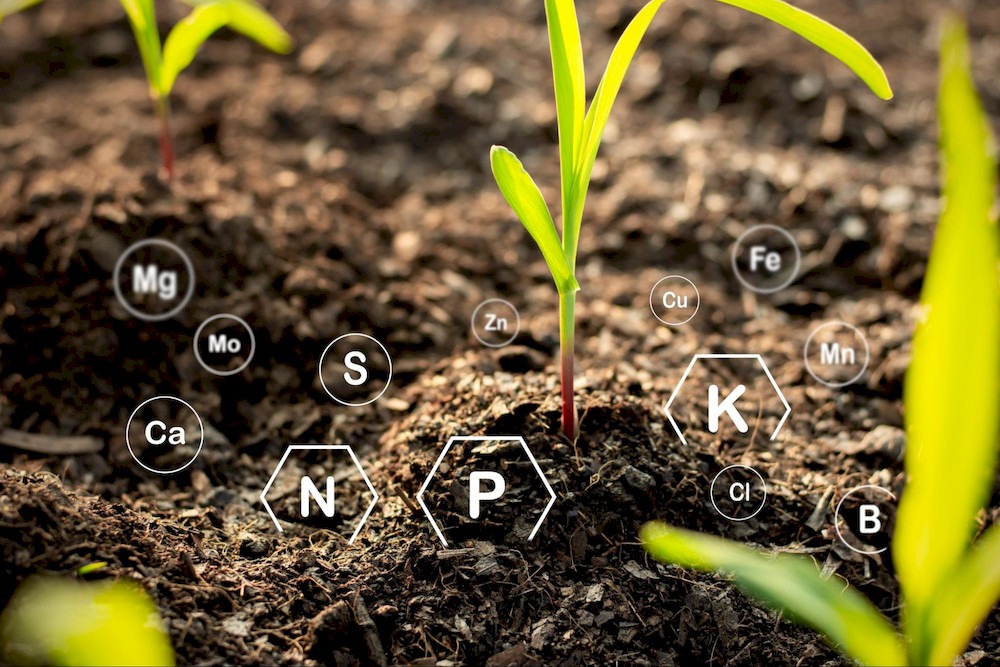
Consequently, chelated fertilizers provide the most effective remedy for these conditions. A chelate consists of an organic molecule that binds to a metal ion, such as Fe, Zn, Cu, or Mn. This structure prevents the nutrient from binding to clay particles or precipitating in high-pH soils, maintaining nutrient availability for plant uptake.
Growers implement one of two high-efficiency strategies based on the growth stage and the urgency of nutrient requirements:
- Foliar spray: This method corrects visible symptoms rapidly by delivering nutrients through the leaf surface, bypassing root-soil interactions.
- Soil drench/fertigation: Growers apply this at the beginning of the growing season to establish a nutrient reserve before symptoms appear.
Following application, plants typically show measurable recovery within 10 to 30 days:
- New foliage emerges healthy and uniformly green, old chlorotic leaves may not fully recover, but new growth will be normal
- Plant enzyme systems restore photosynthetic efficiency and growth rates once they receive these metals. Beyond nutrient correction, these complexes also provide critical protection during environmental stress.
1.2. Use in Protecting Plants from Environmental Stress
Chelated micronutrients, especially those bound to amino acids ( Amino Acid Chelates), perform a dual role under stress conditions:
- Water regulation: These molecules regulate cellular osmotic pressure, which maintains cell turgidity during drought or in saline environments.
- Antioxidant activation: Micronutrients like Mn and Zn activate the plant’s defense mechanisms to neutralize reactive oxygen species (free radicals) that damage cells during extreme weather.

Growers achieve optimal protection by applying foliar sprays before the onset of stress events. This proactive scheduling builds critical enzyme reserves, leading to measurable improvements in crop stamina:
By strictly adhering to this proactive treatment schedule, growers will observe significant, measurable improvements in crop stamina:
- Heat and drought resilience: Treated plants maintain active photosynthesis and reduced wilting during periods of thermal stress.
- Salinity protection: These applications reduce the incidence of marginal scorch in high-EC environments. This protection stems directly from the enhanced nutrient absorption capabilities of chelates.
1.3. Maximizing Nutrient Absorption
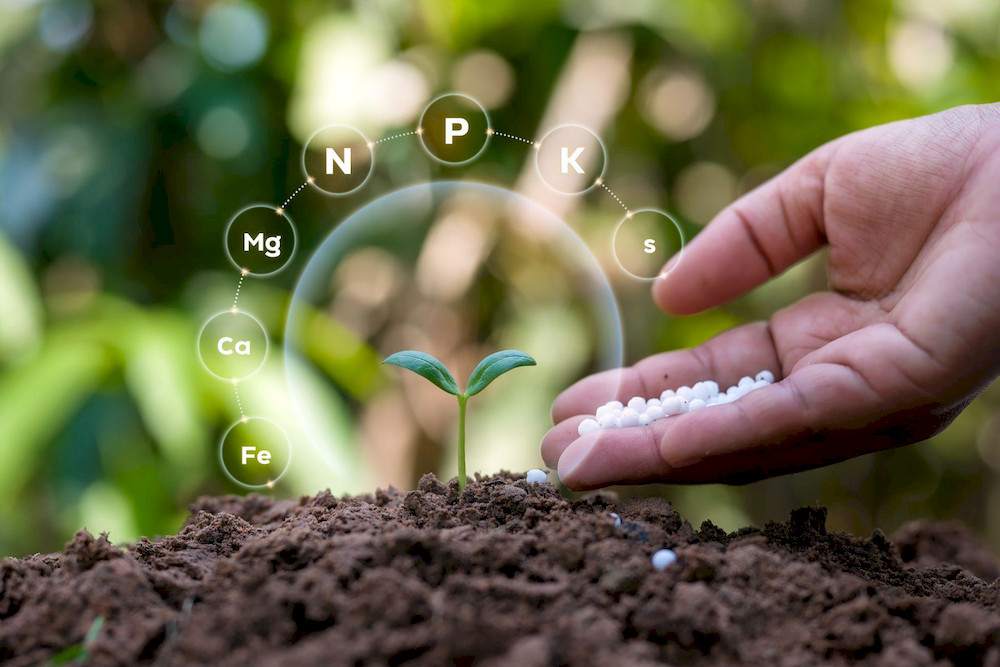
Chelated micronutrients – specifically Iron, Zinc, Copper, and Manganese-feature a stable organic ring structure. This chemical architecture neutralizes the reactive charges of metal ions, preventing them from forming insoluble precipitates. The organic nature of this structure provides two distinct advantages:
The organic nature of the chelate structure offers two distinct advantages:
- Absorption Efficiency: The plant metabolic system identifies the chelate complex as a compatible nutrient source, facilitating rapid absorption through roots and leaves.
- Systemic Availability: The chelate maintains nutrient solubility, which provides a consistent supply of minerals that aligns with real-time metabolic demands. This efficiency contributes significantly to the final quality and yield of the harvest.
1.4. Boosting Crop Yield, Growth, and Quality
Chelated micronutrients improve measurable outcomes such as yield, fruit size, color, and nutritional value. Zinc in particular delivers some of the most well-documented chelated zinc fertilizer benefits across cereal and fruit crops. Various agricultural studies demonstrate the impact of these fertilizers on specific species:
- Rice: Foliar applications of glycine-chelated zinc and iron at the booting stage increase protein content by 10% and enhance grain biofortification.
- Apples: Pre-harvest foliar applications of chelated zinc improve fruit skin color through higher redness values. These yield improvements correlate with broader changes in soil chemistry and farming practices.
- For apricot trees: Foliar spraying with nano-chelated zinc-iron led to improvements in both quantitative and qualitative traits of apricot fruits.

2. Uses in Soil and Farming Practices
Chelated micronutrients transform soil chemistry and optimize daily farming operations. They specifically address the chemical limitations found in various soil types.
2.1. Nourishing Soil Health and Beneficial Microbes
Amino acid chelates maximize crop nutrition while maintaining soil health. Unlike synthetic chelates such as EDTA, which persist in the environment, amino acid chelates serve as biodegradable substrates for beneficial microbes.
By providing carbon and nitrogen, these fertilizers increase the activity and diversity of the soil ecosystem through several biological pathways:
- Microbial growth: The degradation of these chelates provides nutrients for beneficial bacteria, including Pseudomonas and Bacillus.
- Metabolic enhancement: These applications increase soil respiration and enzyme activity without mobilizing heavy metals. The high solubility of these compounds also supports their use in modern agricultural technology.

2.2. Versatile Uses in Various Farming Methods
Chelated micronutrients possess high solubility in aqueous solutions, which optimizes performance in technical delivery systems:
- Hydroponics and drip irrigation: These solutions operate without causing line scaling or nozzle obstruction.
- Agricultural unmanned aerial vehicles application: Chelates maintain stability in highly concentrated drone sprays without sedimentation. To ensure these systems operate correctly, growers must follow specific application protocols.
Note: When mixing concentrated batches in large farm tanks, always dissolve each component separately in water before combining them. This prevents the thick chemicals from clashing and forming thick sludge or crystals at the bottom of the tank.
3. Scientific Guidelines for Chelated Micronutrient Application
While chelated micronutrients provide significant physiological benefits, growers must adhere to these five technical requirements to prevent phytotoxicity or nutrient antagonism:
- Choose the right chelate for your soil pH: Different chelates have different “stability zones” where they work best. For example, Fe-EDTA is only effective in acidic soils (pH below 6.5), whereas Fe-EDDHA remains highly effective even in alkaline soils up to pH 9.0.
- Toxicity prevention: Growers must monitor dosage rates, as excessive foliar application causes leaf tissue necrosis and disrupts the uptake of other essential elements.
- Thermal considerations: Application should occur during early morning or late afternoon. Midday heat increases evaporation rates, which leaves high salt concentrations on the leaf surface that cause tissue damage.
- Conduct a small-scale trial first: Plant sensitivity to fertilizers varies greatly by crop species and variety. Before treating your entire field, always test the mixture on a few branches or plants first to ensure it is safe.
- Check compatibility when mixing: While chelates are generally very stable, avoid mixing concentrated, undiluted forms directly with high-phosphate fertilizers, as this can cause nutrient precipitation (lockout). Always dilute each component in water separately before mixing.

Chelated micronutrients provide a technical method for managing growing seasons effectively. They deliver comprehensive value in correcting deficiencies, increasing stress tolerance, and protecting soil health. Growers who apply the appropriate chelate at precise rates and times ensure optimal results from every application.


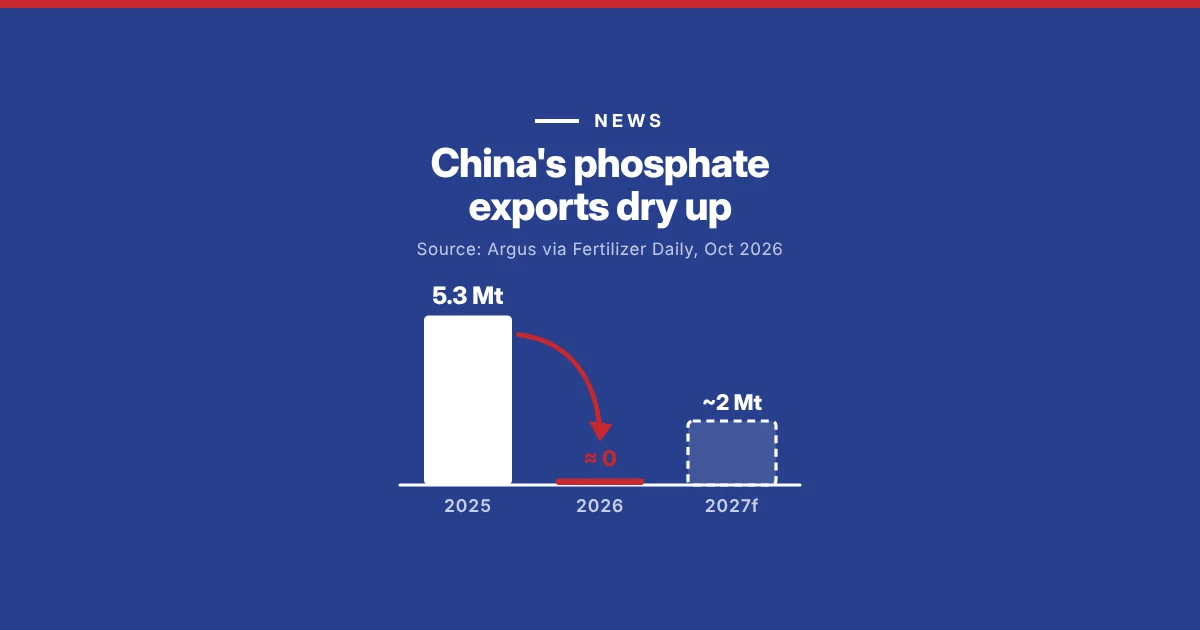
China, which exported about 5.3 million tonnes of phosphate fertilizer in 2025, has shipped almost none in 2026. With sulfur scarce and phosphate prices high, import-dependent markets face a tight season, and every kilo of phosphorus needs to work harder. At Van Polder, we believe a tight phosphate market is a reason to look again […]

If you are starting a banana farm, Panama disease (Fusarium wilt of banana) is the risk to plan for. How to prevent Panama disease in bananas comes down to keeping the fungus out, because no fertilizer prevents or cures it and once it is in the soil it stays for decades (Pegg et al., 2019; […]

A government project in Bangladesh’s Rajshahi Division has brought solar-powered pumps, including solar drip systems for orchards, to drought-prone land where groundwater has been falling for decades. The Prime Minister wants all diesel irrigation pumps converted to solar within five years. For growers who move to drip, the next step is to feed the crop […]

Calcium deficiency in banana shows first on the youngest leaves, as thickened veins and a saw-tooth pattern of yellow and dead tissue along the leaf margin, and in severe cases as “spike leaf”, new leaves with little or no blade, and poor-quality fruit (Turner, 1987; Martin-Prével, 1980). On most plantation soils it is not a […]
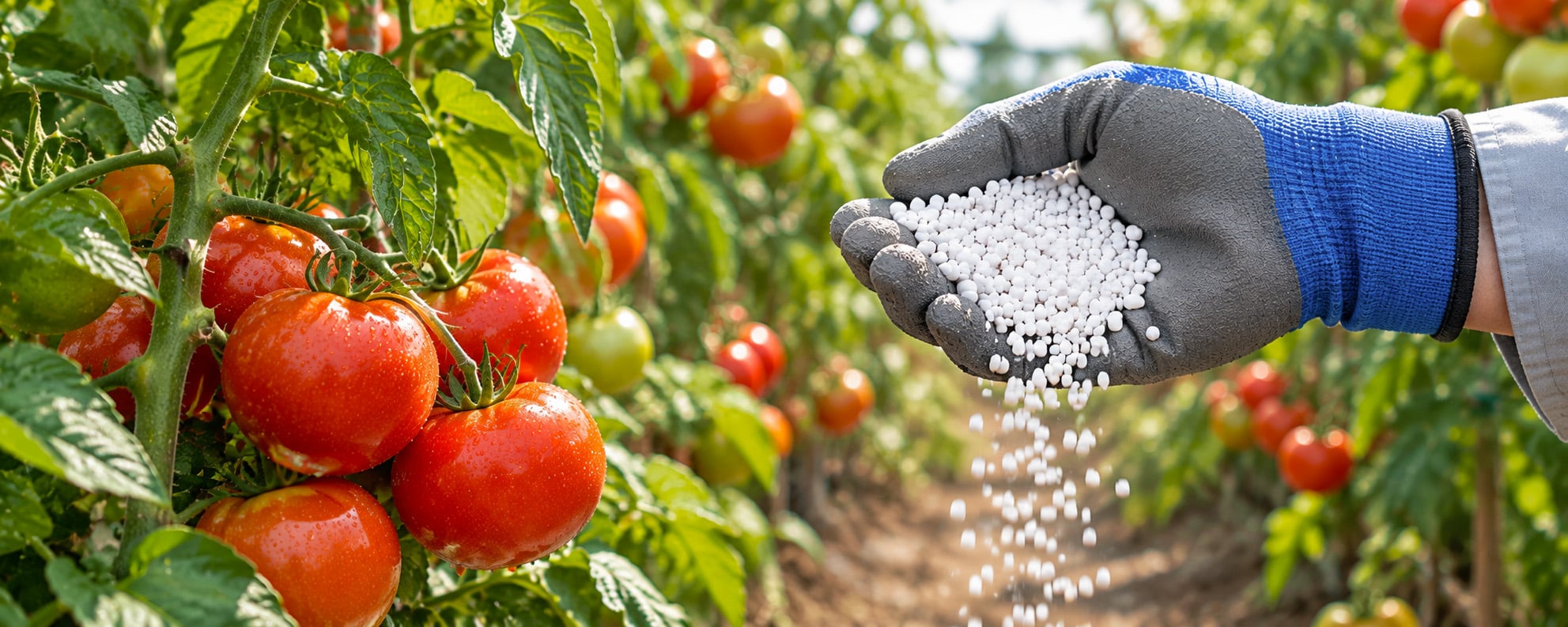
A calcium fertilizer supplies the calcium that holds plant cell walls and membranes together, but whether it reaches the fruit depends as much on water flow as on the fertilizer you choose. Calcium travels with water to the leaves and barely moves out of them again, so fruit and young leaves can run short even […]

An unusually wet winter brought coffee flowering in Minas Gerais forward by about a month, in several separate waves. With October forecast to be hotter than normal and rain patchy, the question for 2027 is now how many of those flowers turn into fruit. At Van Polder, we believe a strong flowering is only the […]