



What Is Amino Acid Fertilizer? Definition, Types and Its Benefits
An amino acid fertilizer is an organic plant nutrition product containing free amino acids and peptides that provide pre-formed organic nitrogen. It can support plant growth, nutrient uptake, and plant resilience under environmental stress. In this guide, we’ll explore the types of amino acid fertilizers, how they work, their key benefits, and the main application […]
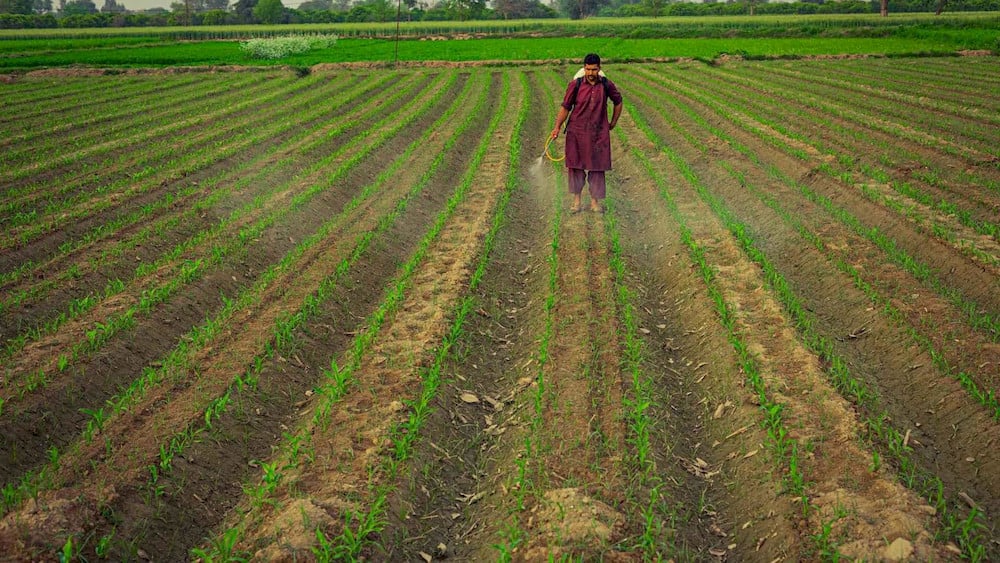

An amino acid fertilizer is an organic plant nutrition product containing free amino acids and peptides that provide pre-formed organic nitrogen. It can support plant growth, nutrient uptake, and plant resilience under environmental stress. In this guide, we’ll explore the types of amino acid fertilizers, how they work, their key benefits, and the main application methods to help growers better understand and use them effectively.
1. Amino Acid Fertilizer: Types & How it Works?
The composition of an amino acid fertilizer varies depending on its source and production process, which can influence the amino acids, peptides, minerals, and other compounds present in the final product.
Main Components in Amino Acid Mixtures:
A well-formulated amino acid fertilizer generally contains three main groups of ingredients:
- Amino Acids and Peptides: Free amino acids such as glutamic acid, glycine, and proline, along with short peptide chains that support protein synthesis and plant signaling.
- Microelements and Minerals: Nutrients such as iron (Fe), zinc (Zn), calcium (Ca), boron (B), and manganese (Mn), which may form complexes with amino acids to support nutrient mobility and uptake.
- Associated Organic Compounds & Biostimulants: Compounds such as carbohydrates, organic acids, phenols, and tryptophan, which may support root development, photosynthetic activity, and overall plant health.
1.1. Types of Amino Acid Fertilizer
Amino acid fertilizers can be classified according to three main criteria, allowing growers to choose the most suitable product for their specific crops and farming practices:
By Raw Material Origin
- Animal-Based Origin: Derived from livestock and food processing byproducts such as leather, feathers, blood, and fish scraps. They are generally cost-effective and rich in amino acids such as glycine and proline, but some products may have higher salt content and restrictions for certified organic agriculture.
- Plant-Based Origin: Derived from plant protein sources such as soybeans, corn, alfalfa, and seaweed. They are suitable for certified organic agriculture and can provide natural L-amino acids and bioactive peptides, but are typically more expensive to produce.
By Production Method
- Enzymatic Hydrolysis: Uses specialized natural enzymes under mild temperatures and neutral pH to break down proteins. This process helps preserve essential L-amino acids, including heat-sensitive tryptophan, and produces a high proportion of biologically active signaling peptides.
- Acid / Chemical Hydrolysis: Uses strong acids or alkalis under high heat and pressure to break down proteins. It is economical and produces a high concentration of free amino acids, but harsh processing conditions can destroy sensitive amino acids such as tryptophan and increase the final salt content.
- Microbial Fermentation: Uses beneficial microorganisms and microbial enzymes to break down protein substrates. The resulting product contains readily available amino acids along with beneficial organic metabolites and natural organic acids.
By Physical Form
- Liquid Form: Commonly used for foliar spraying and drip irrigation (fertigation). It is typically water-soluble, easy to mix into spray tanks, and suitable for rapid application through leaves or root systems.
- Powder / Granular / Solid Form: Available as dry powders, water-dispersible granules, or soil pellets. These forms are highly concentrated and easy to transport and store, making them suitable for soil mixing, basal fertilization, or seed treatments.
Animal-based amino acid fertilizer produced through enzymatic hydrolysis, available in liquid form
1.2. How’s the Amino Acid Fertilizer Work?
The following are the key mechanisms through which Amino Acid Fertilizer supports plant growth:
- Fast Energy Savings: Plants normally expend significant energy creating amino acids from inorganic nitrogen; supplying pre-made amino acids saves metabolic energy, redirecting it toward rapid growth and fruit development.
- Nutrient Helper (Chelation): Amino acids act as natural chelating agents that bind trace minerals (like iron and zinc), forming electrically neutral molecules that plants easily absorb and transport through tissues.
- Stress Defense: They act as cellular osmoprotectants, helping crops withstand and quickly recover from environmental stresses like heat waves, cold snaps, drought, and high soil salinity.
2. Main Benefits of Amino Acid Fertilizer
Applying amino acid fertilizers provides several critical physiological advantages for crops, acting as powerful biostimulants that enhance plant health, growth efficiency, and produce quality.
- Enhanced Environmental Stress Tolerance and Recovery: Free amino acids (such as proline and glutamic acid) act as cellular osmolytes and antioxidant triggers, protecting plant cells during heat, cold, drought, and salinity stress while accelerating crop recovery.
- Stimulated Root Development and Plant Vigor: B ioactive peptides and amino acid precursors display auxin- and gibberellin-like signaling activity, stimulating root cell elongation, lateral root branching, and overall vegetative biomass.
- Optimized Nutrient Uptake and Fertilizer Efficiency: Amino acids serve as natural chelating agents for essential micronutrients (such as iron and zinc), increasing mineral mobility and leaf/root absorption while lowering the metabolic energy cost of nitrogen assimilation.
- Improved Flowering, Fruit Setting, and Early Harvest: By optimizing hormonal balance and photosynthetic activity, these fertilizers improve pollen viability, reduce premature fruit drop, and enhance fruit size, firmness, sugar content, and overall market value.
| For a detailed explanation of these benefits, see our full guide to Amino Acid Fertilizer Benefits. |
3. How to Use Amino Acid Fertilizer
Amino acid fertilizers can be applied through three primary methods depending on your crop’s growth stage, target root or leaf zone, and immediate stress conditions:
- Soil Application / Soil Amendment: Best used during soil preparation, transplanting, or basal fertilization to enrich beneficial soil microbes, stimulate early root architecture, and enhance crop quality.
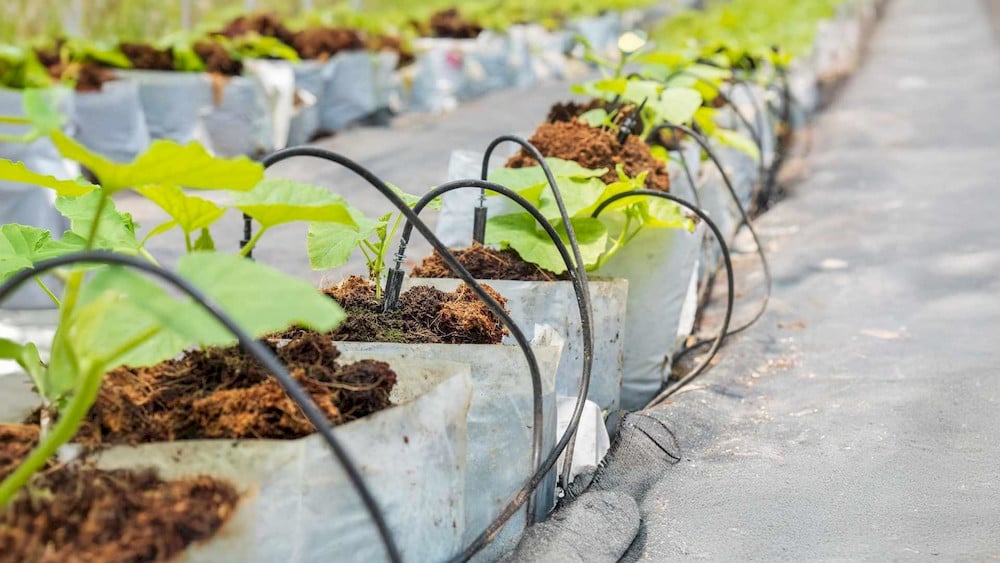
- Drip Irrigation / Fertigation: Ideal for routine, continuous plant nutrition throughout active growth cycles, delivering fully water-soluble organic nitrogen directly to the root zone with high uptake efficiency and minimal leaching risk.
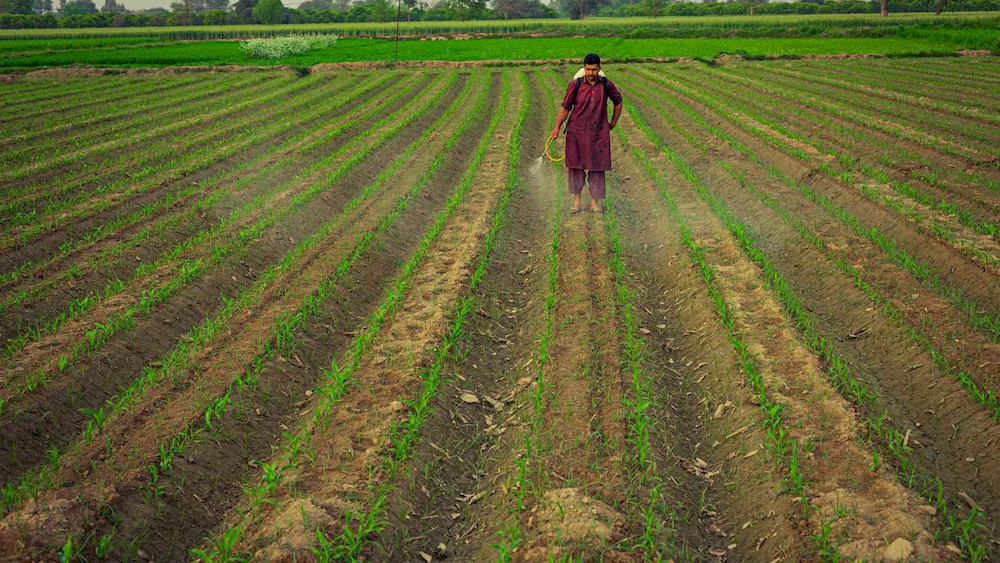
- Foliar Spray: The preferred method for rapid emergency stress recovery(during heatwaves, cold snaps, or drought) and key reproductive stages (flowering and fruit set), allowing leaves to absorb pre-made amino acids rapidly without requiring root energy.
| For specific crop dosages, dilution ratios, and tank-mixing rules, explore our full guide on How to Use Amino Acids for Plants. |
Amino acid fertilizers are becoming a useful tool in modern crop nutrition, particularly where growers aim to improve plant performance alongside conventional fertilization programs. Selecting a suitable formulation and using it according to crop conditions can help make amino acid applications more practical and effective.


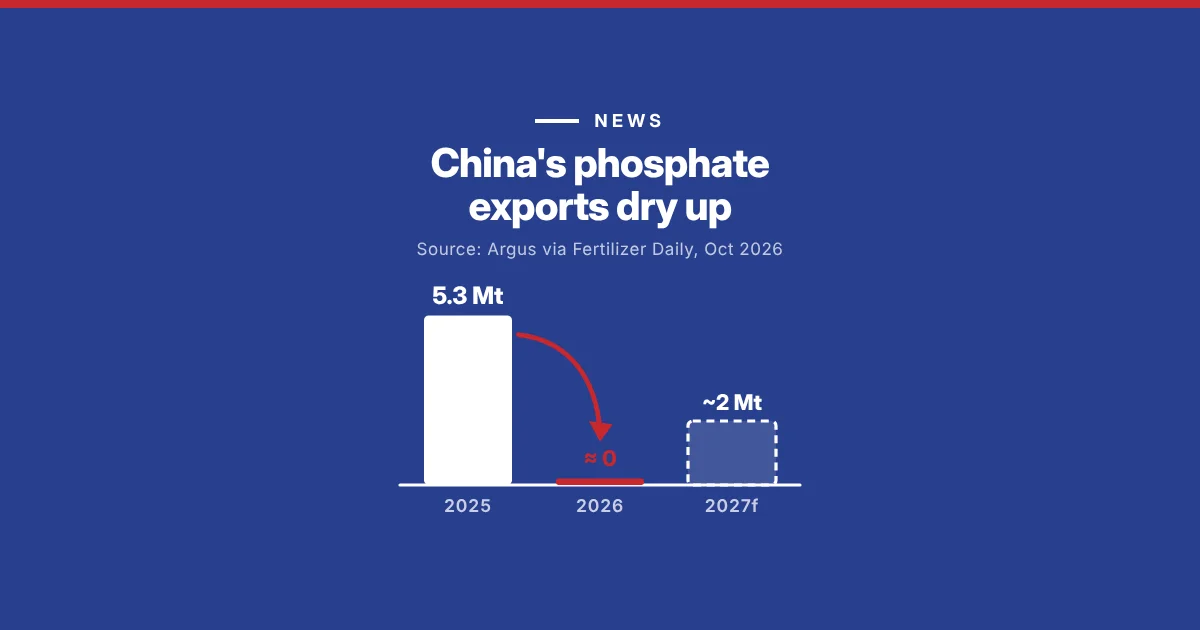
China, which exported about 5.3 million tonnes of phosphate fertilizer in 2025, has shipped almost none in 2026. With sulfur scarce and phosphate prices high, import-dependent markets face a tight season, and every kilo of phosphorus needs to work harder. At Van Polder, we believe a tight phosphate market is a reason to look again […]
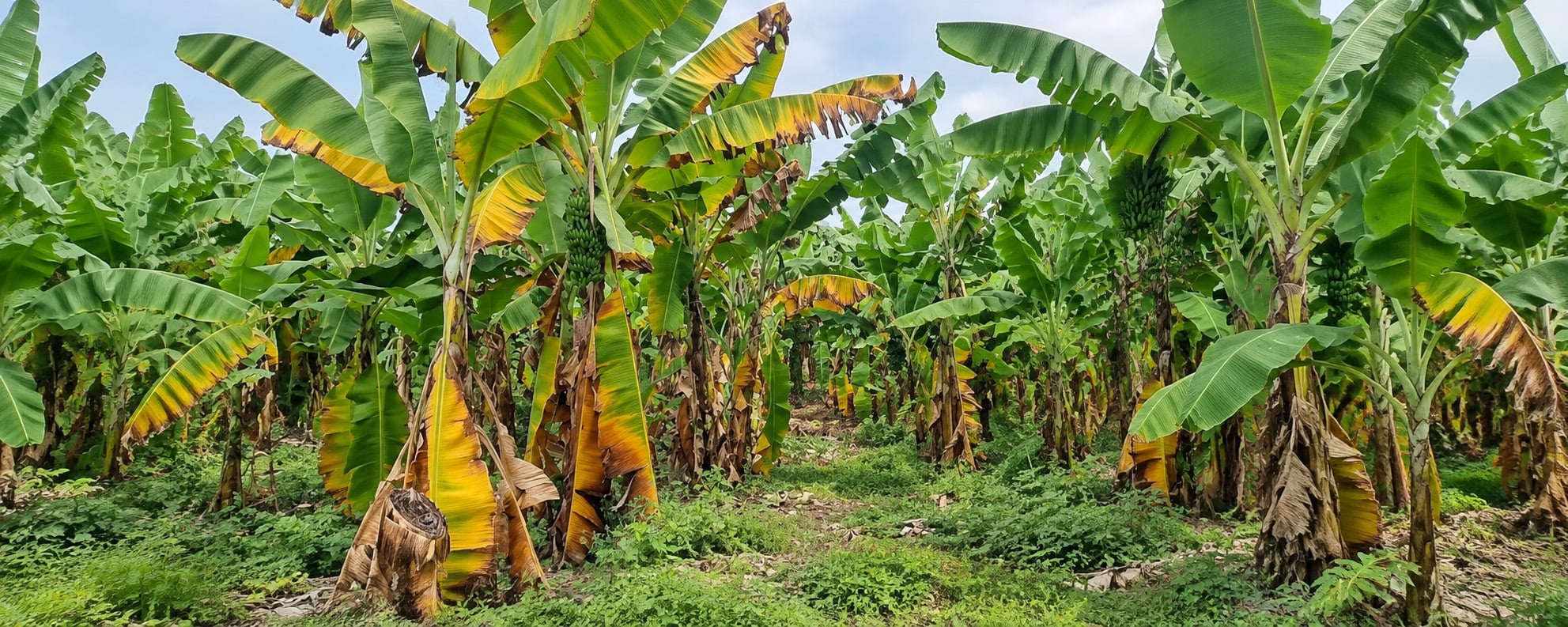
If you are starting a banana farm, Panama disease (Fusarium wilt of banana) is the risk to plan for. How to prevent Panama disease in bananas comes down to keeping the fungus out, because no fertilizer prevents or cures it and once it is in the soil it stays for decades (Pegg et al., 2019; […]
A government project in Bangladesh’s Rajshahi Division has brought solar-powered pumps, including solar drip systems for orchards, to drought-prone land where groundwater has been falling for decades. The Prime Minister wants all diesel irrigation pumps converted to solar within five years. For growers who move to drip, the next step is to feed the crop […]
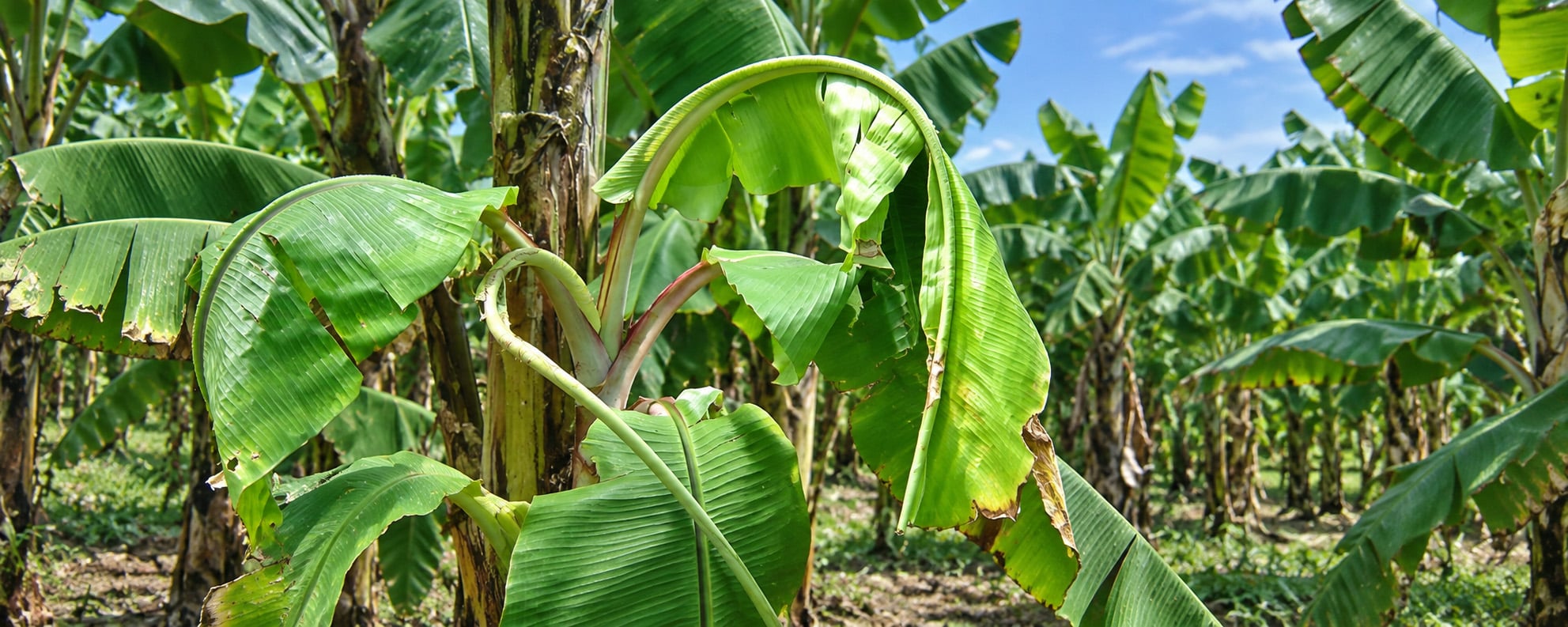
Calcium deficiency in banana shows first on the youngest leaves, as thickened veins and a saw-tooth pattern of yellow and dead tissue along the leaf margin, and in severe cases as “spike leaf”, new leaves with little or no blade, and poor-quality fruit (Turner, 1987; Martin-Prével, 1980). On most plantation soils it is not a […]
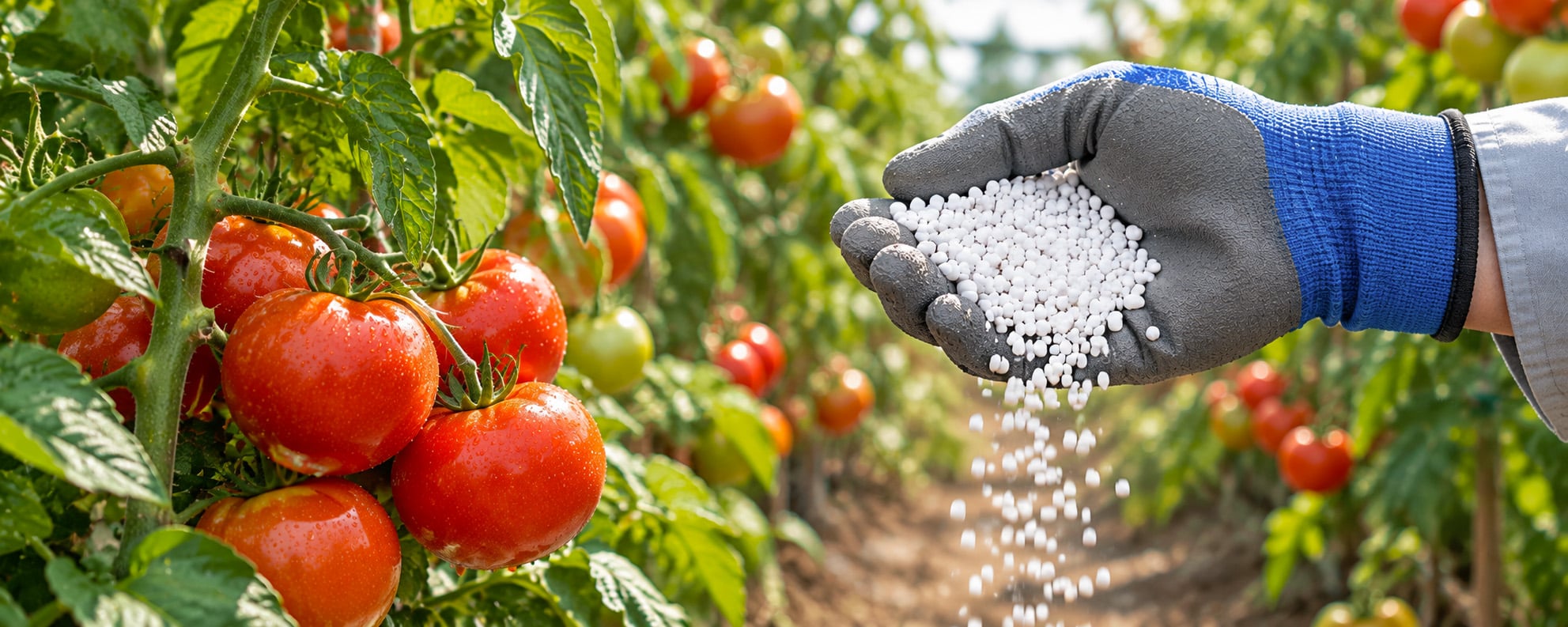
A calcium fertilizer supplies the calcium that holds plant cell walls and membranes together, but whether it reaches the fruit depends as much on water flow as on the fertilizer you choose. Calcium travels with water to the leaves and barely moves out of them again, so fruit and young leaves can run short even […]

An unusually wet winter brought coffee flowering in Minas Gerais forward by about a month, in several separate waves. With October forecast to be hotter than normal and rain patchy, the question for 2027 is now how many of those flowers turn into fruit. At Van Polder, we believe a strong flowering is only the […]