







Hair-Derived Amino Acid Fertilizer: Composition and Impact on Crop Growth
Rising fertilizer costs, declining soil health, and increasing environmental stresses are making it more challenging for growers to maintain high crop productivity. Hair-derived amino acid fertilizer offers a sustainable solution by transforming keratin-rich human hair into a valuable source of bioavailable amino acids and nutrients that support plant growth, nutrient uptake, and stress resistance. In […]


Rising fertilizer costs, declining soil health, and increasing environmental stresses are making it more challenging for growers to maintain high crop productivity. Hair-derived amino acid fertilizer offers a sustainable solution by transforming keratin-rich human hair into a valuable source of bioavailable amino acids and nutrients that support plant growth, nutrient uptake, and stress resistance. In this article, we will explore the composition of hair-derived amino acid fertilizer, its impact on crop development, and the key benefits this innovative fertilizer can bring to modern agriculture.
1. Abundant Source of Amino Acids from Hair
Human hair is a keratin-rich biomaterial, consisting of approximately 97% protein. Through the process of hydrolysis using acidic or alkaline catalysts, these complex protein structures are broken down into their smallest constituent units: amino acids. Research has confirmed that 14 distinct amino acids were specifically recovered from human waste hair in the study; however, hair keratin inherently contains a wider spectrum of amino acids, although recovery rates vary depending on the hydrolysis conditions.

Key Amino Acids Extracted:
- Aspartic Acid
- Arginine
- Serine
- Valine
- Leucine
- Phenylalanine
- Alanine
- Tyrosine
- Threonine
- Isoleucine
- Histidine
- Lysine
- Methionine
- Glutamic Acid: The recovery of this amino acid is highly sensitive to reaction conditions. It may not be obtained if the acid concentration is too low or if the reaction time is insufficient.
When hair is processed into a liquid hydrolysate, the amino acids are broken down into the smallest molecules that make up proteins, making them highly water-soluble. This provides significant advantages for agricultural applications.
2. 3 Benefits of Amino Acid Fertilizer Made from Hair
Here are the three key benefits of using amino acid fertilizer made from hair:
2.1. Abundant and Highly Bioavailable Nutrient Supply
Hair-derived amino acid fertilizer provides plants with a rich source of nutrients and bioactive compounds, supporting essential physiological processes and improving nutrient availability for crop development.
- Natural Nitrogen Source: Human hair is primarily composed of keratin, a protein with a high natural nitrogen content of approximately 16%. This water-soluble nitrogen form is also central to understanding how to use amino acids for plants through foliar or root application. The hydrolysis process breaks down complex protein structures, converting nitrogen into a water-soluble form that plants can readily absorb through their roots or leaves to support stem and foliage growth.
- Diverse Essential Elements: In addition to nitrogen, the resulting hydrolysate contains a wide range of essential nutrients, including potassium (K), calcium (Ca), magnesium (Mg), and sulfur (S), as well as important micronutrients such as iron (Fe) and zinc (Zn).
- Beneficial Bioactive Compounds: The fertilizer is rich in amino acids, fatty acids, and nucleotides, which act as plant boosters to support metabolism and accelerate protein synthesis.

2.2. Crop Yield and Growth Enhancement
The application of hair-derived amino acid fertilizer can positively influence plant growth, biomass accumulation, photosynthetic activity, and root system development, contributing to improved crop productivity.
- Increased Biomass and Plant Size: Experimental trials have shown that applying hair hydrolysate can significantly increase plant fresh weight, leaf area, and crown diameter. These results were achieved under specific application rates, which highlights why following the amino acid fertilizer recommended dose is essential to reproduce similar outcomes in field conditions. For example, high-performing formulations have achieved fresh weights of up to 3210 mg and crown diameters of 20.91 cm.
- Enhanced Photosynthesis: These nutrients, particularly nitrogen and sulfur, contribute to chlorophyll synthesis, resulting in greener foliage and improved photosynthetic efficiency.
- Robust Root Development: Hair-derived fertilizer promotes stronger root systems, allowing plants to establish more firmly in the soil and improving their ability to absorb water and essential minerals from the surrounding environment.
2.3. Stress Resilience and Plant Protection
Beyond promoting growth, hair-derived amino acid fertilizer also supports plant defense mechanisms and improves crop resilience against biological and environmental stresses.
- Disease Resistance: When applied to soil, hair-derived hydrolysate can increase the diversity of beneficial microorganisms. This microbial-boosting effect is similar to what is often reported for humic acid fulvic acid amino acid fertilizer benefits, where the combination further supports soil biology. This contributes to a natural defense mechanism against harmful pathogens such as bacterial wilt ( Ralstonia solanacearum).
- Insect and Environmental Stress Defense: The amino acids in hair-derived fertilizer support plant defense systems against insect attacks and improve tolerance to environmental stresses, including drought and temperature fluctuations.
3. Step-by-Step to Make Amino Acid Fertilizer from Hair
Producing human hair hydrolysate involves technical processes and specialized industrial equipment, such as high-temperature reactors and industrial dryers. Therefore, this method can be challenging and unsafe for small-scale home gardeners to perform.
3.1. Phase 1: Production of Amino Acid Extract (Acid Hydrolysis)
This phase focuses on breaking down the complex polypeptide chains in hair keratin to release free amino acids.
- Hydrolysis Reaction: Hair, hydrochloric acid ( 35% concentration), and water are added to a reactor at a mass ratio of 1: 2.5: 1.2. The reaction is carried out at high temperatures ranging from 120°C to 150°C for 8 – 10 hours. Studies indicate that high temperatures and acid concentrations are more effective in breaking down the resistant structure of hair.
- Cooling: After the reaction is completed, the mixture is cooled to normal room temperature.
- First Neutralization: Liquefied ammonia is added to the solution to neutralize the mixture until the pH reaches 2.5 – 3.5.
- First Filtration and Decoloring: The mixture undergoes an initial filtration process to remove insoluble impurities, followed by decolorization of the filtrate.
- Second Neutralization: Additional liquefied ammonia is added to further adjust the pH to 3.5 – 4.5.
- Second Filtration: A second filtration process is performed to obtain a transparent filtrate, which serves as the raw material for the next phase.

3.2. Phase 2: Formulating Finished Amino Acid Fertilizer
In this stage, the amino acid liquid is combined with other nutrients to create a complete compound fertilizer.
- Nutrient Blending:
-
- Biological organic matter, such as a mixture of acid sludge and rapeseed cake, is pulverized into a fine powder.
- Macronutrients, including nitrogen from urea, phosphorus from monoammonium phosphate, and potassium from potassium sulfate, are added.
- Secondary and trace elements, including silicon, calcium, magnesium, sulfur, iron, and zinc, are incorporated to provide a complete nutritional profile.
- The mixture is thoroughly stirred while the amino acid liquid obtained from Phase 1 is added.
- Drying and Steaming: The mixture is fed into a dryer operating at 60°C – 80°C. While the machine rotates forward, a moisture rapid steamer is activated for 1 – 3 minutes.
- Final Drying: The dryer is then rotated in the reverse direction until the product moisture content is reduced to 20% or below.
- Screening: A vibrating screener is used to separate standard fertilizer particles with a diameter of 2 – 5 mm.
- Finalizing: The pellets undergo a final quality inspection before packaging and storage.
Hair-derived amino acid fertilizer demonstrates how an underutilized resource can be transformed into a valuable agricultural input. By providing plants with readily available amino acids, essential nutrients, and bioactive compounds, this sustainable fertilizer can support stronger growth, improved nutrient uptake, and greater resilience against environmental challenges. As agriculture continues to seek cost-effective and eco-friendly solutions, utilizing hair as a raw material for amino acid production represents a promising approach to improving crop performance while reducing waste.


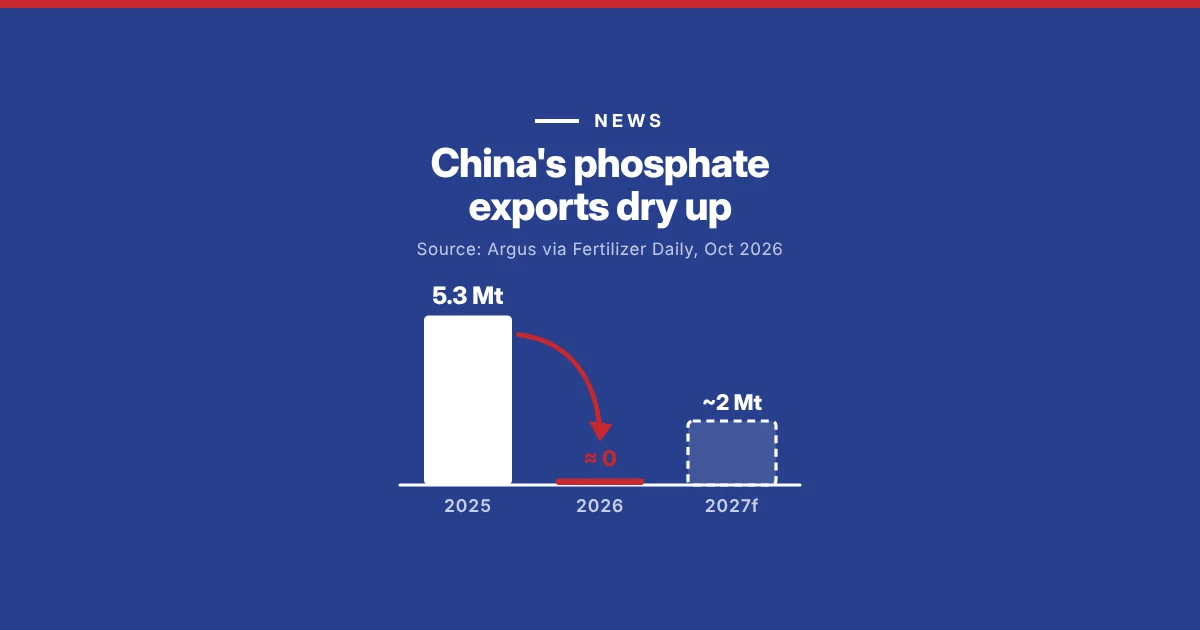
China, which exported about 5.3 million tonnes of phosphate fertilizer in 2025, has shipped almost none in 2026. With sulfur scarce and phosphate prices high, import-dependent markets face a tight season, and every kilo of phosphorus needs to work harder. At Van Polder, we believe a tight phosphate market is a reason to look again […]

If you are starting a banana farm, Panama disease (Fusarium wilt of banana) is the risk to plan for. How to prevent Panama disease in bananas comes down to keeping the fungus out, because no fertilizer prevents or cures it and once it is in the soil it stays for decades (Pegg et al., 2019; […]

A government project in Bangladesh’s Rajshahi Division has brought solar-powered pumps, including solar drip systems for orchards, to drought-prone land where groundwater has been falling for decades. The Prime Minister wants all diesel irrigation pumps converted to solar within five years. For growers who move to drip, the next step is to feed the crop […]

Calcium deficiency in banana shows first on the youngest leaves, as thickened veins and a saw-tooth pattern of yellow and dead tissue along the leaf margin, and in severe cases as “spike leaf”, new leaves with little or no blade, and poor-quality fruit (Turner, 1987; Martin-Prével, 1980). On most plantation soils it is not a […]
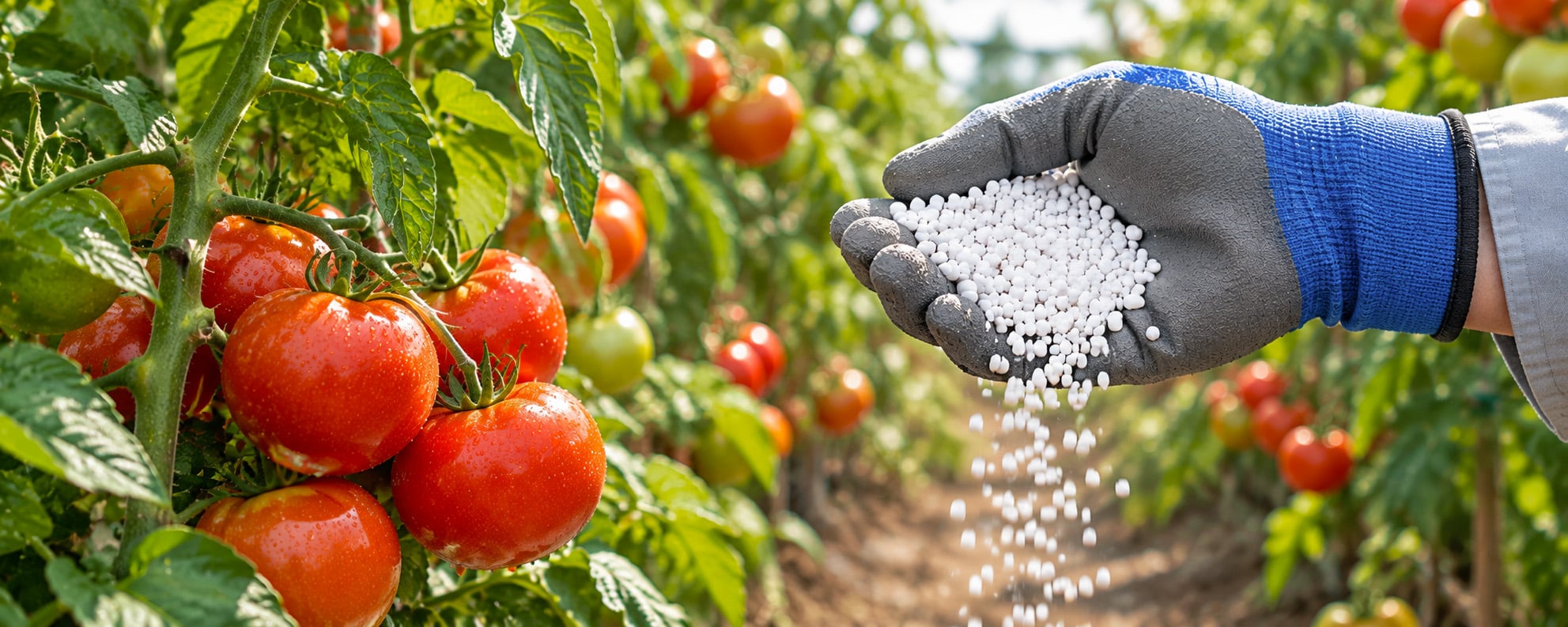
A calcium fertilizer supplies the calcium that holds plant cell walls and membranes together, but whether it reaches the fruit depends as much on water flow as on the fertilizer you choose. Calcium travels with water to the leaves and barely moves out of them again, so fruit and young leaves can run short even […]

An unusually wet winter brought coffee flowering in Minas Gerais forward by about a month, in several separate waves. With October forecast to be hotter than normal and rain patchy, the question for 2027 is now how many of those flowers turn into fruit. At Van Polder, we believe a strong flowering is only the […]