







Humic Acid, Fulvic Acid & Amino Acid Fertilizer Uses and How to Apply Correctly
To maximize crop potential, understanding humic acid fulvic acid amino acid fertilizer uses is essential, as these three biostimulants work synergistically to improve soil fertility, enhance nutrient absorption, and stimulate stronger plant growth. While Humic acid primarily improves soil structure and long-term soil health, Fulvic acid and Amino acids function as highly effective growth enhancers […]


To maximize crop potential, understanding humic acid fulvic acid amino acid fertilizer uses is essential, as these three biostimulants work synergistically to improve soil fertility, enhance nutrient absorption, and stimulate stronger plant growth. While Humic acid primarily improves soil structure and long-term soil health, Fulvic acid and Amino acids function as highly effective growth enhancers that promote faster nutrient transport, boost plant metabolism, and support rapid recovery from environmental stress. In this guide, we will explore the specific uses and benefits of each component to help you optimize crop performance and achieve higher yields.
1. Optimize Yield and Promote Comprehensive Plant Growth
Mechanism of Action:
The combination of Humic Acid, Fulvic Acid, and Amino Acid creates a strong synergistic effect that enhances the most important physiological processes in plants. Humic Acid improves soil structure, increases cation exchange capacity, and creates a healthier root environment for better nutrient and water absorption.
Due to its extremely small molecular size, Fulvic Acid acts as a natural chelator and nutrient transporter, helping minerals and growth-promoting substances move through plant cell membranes more efficiently.
Amino Acid provides readily available organic compounds that plants can directly use to produce proteins, enzymes, and essential metabolites without consuming excessive energy. Amino Acid also stimulates natural plant hormones such as auxin and cytokinin, which support cell division and vegetative growth.
Together, these three components increase chlorophyll production, improve photosynthesis, and enhance biomass accumulation, resulting in stronger plant growth, larger leaf area, and higher overall productivity compared with conventional fertilization alone.

Real-Life Example:
Think of crop production as a construction project. Humic Acid prepares and improves the soil foundation, Fulvic Acid works like a transportation system that quickly delivers nutrients into the plant, and Amino Acid acts as ready-made construction materials that plant cells can immediately use to build new tissues and increase yield without wasting energy producing those materials from scratch.
Practical Results:
- Bell Pepper: A combined treatment of 100% compost (containing Fulvic Acid) together with Humic Acid and Amino Acid achieved a total yield of 16,490 kg/m, nearly double compared with the conventional inorganic fertilizer control treatment (9,210 kg/m).
- Wheat: Foliar application of Humic Acid and Amino Acid significantly increased flag leaf area, plant height, and tiller numbers compared with single-component fertilizer applications.
Usage Notes:
Humic Acid, Fulvic Acid, and Amino Acid should not completely replace NPK fertilizers. These biostimulants are designed to improve nutrient efficiency and plant metabolism rather than serve as the main nutrient source. If plants do not receive enough essential macronutrients, they may become weakened because there are insufficient raw materials to support large-scale biomass development.
2. Enhance Plant Resistance to Environmental Stress (Salinity, Drought, and Temperature Stress)
Mechanism of Action:
When plants are exposed to unfavorable environmental conditions, the combination of Humic Acid, Fulvic Acid, and Amino Acid stimulates the production of Proline, a special amino acid that functions as an osmotic regulator and antioxidant. Proline helps stabilize proteins and cell membranes, reducing water loss and preventing ion toxicity under saline conditions.
In addition, this combination activates antioxidant defense enzymes such as Catalase (CAT) and Peroxidase (POX), helping plants neutralize harmful oxidative molecules generated during environmental stress. Humic Acid and Fulvic Acid in the soil also help release important nutrients such as Potassium (K) and Calcium (Ca), allowing plants to maintain osmotic balance and reduce the absorption of toxic Sodium (Na) into plant tissues.

Real-Life Example:
Applying Humic Acid, Fulvic Acid, and Amino Acid to crops is similar to providing an athlete with protective armor and electrolyte drinks before competing under extreme heat. The plant becomes better prepared to withstand harsh conditions without losing strength or performance.
Practical Results:
- Barley: Under saline soil conditions, plants treated with Humic Acid or Fulvic Acid showed significantly higher Proline accumulation, helping maintain plant survival and grain yield, while untreated plants suffered severe yield reduction.
- Xinjiang, China: The combined application of 100 kg/ha of Fulvic Acid and 750–1500 kg/ha of Amino Acid significantly improved saline soil conditions by reducing soil pH and soil bulk density within the 0–40 cm layer, while also substantially increasing microbial biomass.
Usage Notes:
For the best anti-stress performance, Humic Acid, Fulvic Acid, and Amino Acid should be applied before stress conditions occur or during the early growth stages. Early application allows plants to accumulate protective compounds that strengthen cell membranes and improve stress resistance before drought, salinity, or temperature stress becomes severe.
3. Stimulate Strong Root and Root Hair Development
Mechanism of Action:
Humic Acid, Fulvic Acid, and Amino Acid are considered natural root stimulants that promote stronger and more active root development. They stimulate cell division in root meristem tissues and enhance root cellular respiration. Fulvic Acid, due to its extremely small molecular size, can easily penetrate plant tissues and activate genes responsible for the formation of new root hairs.
A well-developed root system not only improves plant anchorage but also increases the contact surface area between roots and the soil solution, allowing more efficient nutrient and water uptake. In addition, Humic Acid helps stabilize soil particle structure around the rhizosphere, improving soil porosity and moisture retention so that root hairs continuously receive sufficient oxygen and water for optimal activity.
Real-Life Example:
This process is similar to expanding a building’s water supply network with more pipes and intake valves, allowing water and nutrients to be delivered efficiently and consistently to every floor of the structure.
Practical Results:
- Root Biomass: Experimental trials reported that plants treated with Humic Acid and Fulvic Acid developed root systems that were 20% to 50% heavier compared with untreated plants.
- Nutrient Uptake Efficiency: Root treatment with Humic Acid and Fulvic Acid increased Phosphorus (P) uptake by up to 78.80% and Nitrogen (N) uptake by up to 39.07% under controlled crop production experiments.

Usage Notes:
Avoid using excessively high concentrations(above 100 mg/L) during root stimulation or seed treatment stages. Overapplication of organic acids may inhibit young root growth or damage seedlings due to excessive stimulation stress.
4. Improve Photosynthesis and Foliar Nutrient Absorption
Mechanism of Action:
Humic Acid, Fulvic Acid, and Amino Acid all contribute to increasing chlorophyll content and improving the efficiency of photosynthesis and foliar nutrient uptake. Amino Acid plays an important role in r egulating the opening and closing of stomata on the leaf surface, supporting more efficient gas exchange and foliar micronutrient absorption.
Fulvic Acid functions as a highly effective natural chelating agent that surrounds minerals such as Iron (Fe) and Zinc (Zn), preventing precipitation while transporting these nutrients directly into metabolic sites within leaf cells.
In addition, Humic Acid helps extend the retention time of fertilizer solutions on the leaf surface, reducing nutrient loss caused by evaporation and improving overall foliar absorption efficiency.

Real-Life Example:
This process is similar to opening more windows in a house to allow better airflow and sunlight while also installing an advanced filtration system that ensures clean air and efficient energy use throughout the building.
Practical Results:
- Chlorophyll Content: Foliar application of a Humic Acid and Amino Acid mixture resulted in the highest Chlorophyll a, Chlorophyll b, and total chlorophyll levels in the flag leaves of wheat compared with single-component treatments or soil applications.
- Micronutrient Absorption in Olive Trees: Trials on olive trees showed that foliar spraying with Humic Acid and Amino Acid, such as Arginine or Glutamine, significantly increased protein content and chlorophyll concentration in the fruits.
Usage Notes:
Foliar spray concentrations should be maintained at relatively low levels, generally below 50 mg of dry matter per liter of water, to avoid leaf burn or osmotic stress around the stomata.
5. Improve Fruit Quality and Post-Harvest Storage Performance
Mechanism of Action:
The combination of Humic Acid, Fulvic Acid, and Amino Acid promotes the synthesis of important organic compounds such as sugars(Total Soluble Solids – TSS), proteins, and phenolic compounds responsible for fruit flavor and quality.
The enhanced Calcium (Ca) absorption supported by the chelating effects of Humic Acid and Fulvic Acid h elps strengthen and thicken fruit cell walls, improving flesh thickness and overall tissue firmness. Thicker cell walls and higher dry matter content help reduce water loss through the fruit skin while limiting the invasion of spoilage microorganisms. In addition, Amino Acid activates the plant’s natural defense system, helping fruits improve their resistance against environmental pathogens and post-harvest diseases.
Real-Life Example:
Fruits supplied with Humic Acid, Fulvic Acid, and Amino Acid are similar to products packaged with a strong protective outer layer and high-quality materials inside, allowing them to withstand transportation damage and remain fresh for a longer period in storage or retail conditions.
Practical Results:
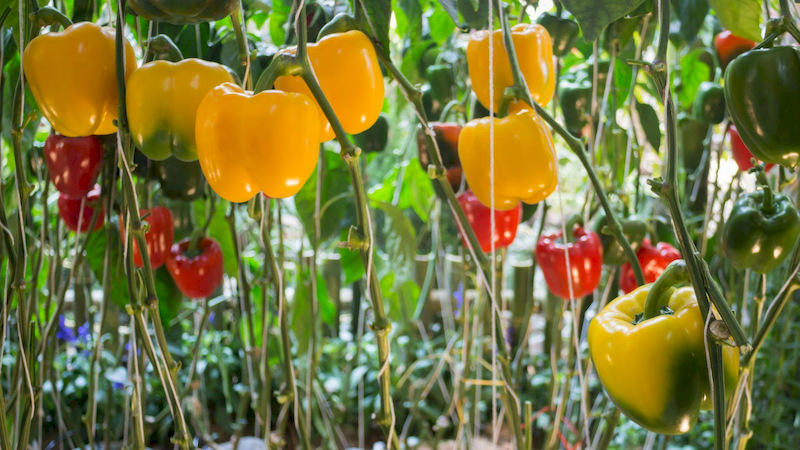
- Bell Pepper: Fruits treated with the combination of Humic Acid, Fulvic Acid, and Amino Acid lost only 7.21% of their weight after 20 days of storage, compared with 11.64% weight loss in fruits produced under conventional chemical fertilization.
- Fruit Flesh Thickness: Research studies showed that treatments supplemented with organic acids helped maintain optimal fruit flesh thickness at approximately 0.42–0.45 cm, outperforming treatments lacking organic acid applications.
Usage Notes:
It is recommended to prioritize products derived from natural sources such as Leonardite, as naturally extracted Humic Acid and Fulvic Acid contain more stable biological structures compared with industrial synthetic alternatives. This helps maintain more consistent crop quality and improves safety for consumers.
6. How to Use HFA Fertilizers for Maximum Effectiveness
Based on scientific studies and experimental data, the combined use of Humic Acid, Fulvic Acid, and Amino Acid is not simply a nutritional addition but a complete biological support system for crops. Agricultural experts emphasize that these components should not be applied individually because their combination creates a strong synergistic effect that optimizes every stage of plant development, improves nutrient efficiency, and supports long-term soil health.
Below is a detailed guide on how to use Humic Acid, Fulvic Acid, and Amino Acid fertilizers for maximum effectiveness:
Seed and Seedling Treatment Method (Early Growth Stage):
This is an important step to activate plant vigor from the beginning. HA and FA function as natural growth stimulants that help break seed dormancy and stimulate cell division.
- Mechanism of Action: When absorbed into seeds, these organic acids increase respiration activity and stimulate the formation of root meristem tissues, leading to faster germination and stronger early root development.
- Application Method: Soak seeds or irrigate seedlings with an HA/FA solution at a concentration of 20–100 mg/L.
- Important Note: Do not apply excessively high concentrations because over-stimulation may inhibit germination or damage young seedlings.
Soil Application Method (Building the Foundation)
Soil application is the best approach to utilize the soil-conditioning properties of HFA, especially Humic Acid, which has a large molecular structure and long-term effects on soil quality.
- Mechanism of Action: HA improves water retention capacity (up to seven times its volume), increases soil porosity, and enhances cation exchange capacity (CEC). Combined with AA, it supplies energy sources for beneficial soil microorganisms, helping release locked mineral nutrients into plant-available forms.
- Application Method: For saline-alkaline soils such as those found in Xinjiang, studies identified an effective combination of 100 kg/ha FA and 750–1500 kg/ha AA applied to soil to reduce soil pH and bulk density, allowing deeper and healthier root growth.
Foliar Application Method (Rapid Nutrient Absorption)
Fulvic Acid and Amino Acid are considered the key components for foliar feeding because of their small molecular size and excellent nutrient transport capability.
- Mechanism of Action: FA acts as a natural chelating agent that surrounds micronutrients and transports them through leaf cell membranes within approximately 8 hours. AA supports stomatal regulation, allowing leaves to absorb nutrients efficiently even under environmental stress conditions. If you’re sourcing the amino acid component separately, our guide to the best amino acid fertilizer can help you pick a product with reliable free-amino-acid content for this foliar combination.
- Application Method: Foliar spray concentrations should remain below 50 mg dry matter/L water to avoid leaf burn or osmotic stress.

Best Timing for Application The HFA combination delivers the best results when applied during active growth and critical stress periods.
Field experiments showed that regular HFA applications at 30, 45, and 60 days after sowing produced superior plant growth and productivity. |
7. FAQs
7.1. How long does it take to see results after applying HFA fertilizers?
With foliar application, nutrients can be absorbed within 8 hours, and changes in sugar and carbohydrate levels may appear aft er 24–48 hours. In degraded soils, long-term improvements usually begin with better crop quality before yield increases become noticeable in later growing seasons.
7.2. Can HFA fertilizers be mixed with pesticides or chemical fertilizers?
HFA is commonly combined with NPK fertilizers to improve nutrient uptake efficiency and reduce nutrient loss from leaching or volatilization. The organic acids in HFA can also bind and help neutralize certain pesticide residues and toxic compounds in the soil.
7.3. What is the optimal ratio of HA, FA, and AA in a combined fertilizer?
Research on saline soils showed that applying 100 kg/ha of FA together with 750 kg/ha of AA produced strong soil improvement effects. In sweet pepper cultivation, combining 1 g/L HA and 2 ml/L AA with an organic fertilizer base containing FA resulted in the highest total yield.
7.4. Which crops benefit most from HFA fertilizers?
Crops grown under environmental stress, such as barley, wheat, and cotton in saline or drought-prone soils, show the most noticeable improvements in stress tolerance and growth. High-value crops like sweet pepper and olive also benefit significantly through increased yield and improved fruit quality.
7.5. Are there any risks associated with overusing HFA fertilizers?
Using excessively high concentrations of organic acids may inhibit seed germination, damage seedlings, or reduce root development instead of stimulating growth. Overapplication can also disturb nutrient balance in the soil and gradually reduce overall soil fertility.
In conclusion,humic acid fulvic acid amino acid fertilizer usesplay an important role in improving soil conditions, enhancing nutrient uptake, and supporting stronger plant development under various growing conditions. With their synergistic effects on root growth, photosynthesis, and stress resistance, these biostimulants provide an effective solution for achieving higher productivity and better crop quality in sustainable agriculture.


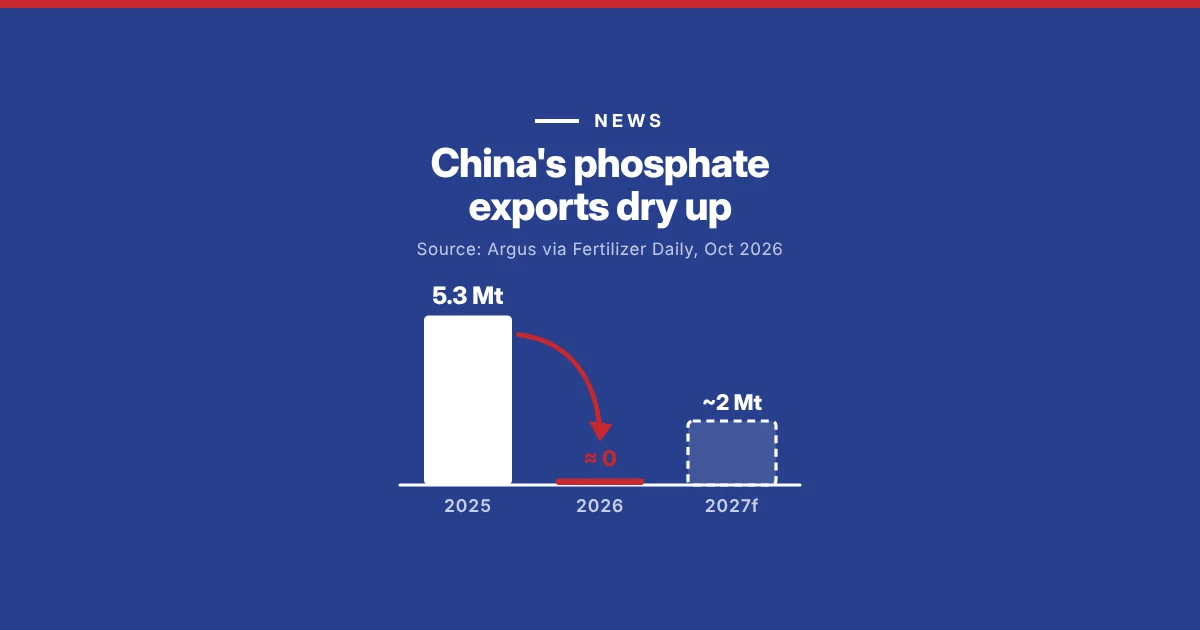
China, which exported about 5.3 million tonnes of phosphate fertilizer in 2025, has shipped almost none in 2026. With sulfur scarce and phosphate prices high, import-dependent markets face a tight season, and every kilo of phosphorus needs to work harder. At Van Polder, we believe a tight phosphate market is a reason to look again […]

If you are starting a banana farm, Panama disease (Fusarium wilt of banana) is the risk to plan for. How to prevent Panama disease in bananas comes down to keeping the fungus out, because no fertilizer prevents or cures it and once it is in the soil it stays for decades (Pegg et al., 2019; […]

A government project in Bangladesh’s Rajshahi Division has brought solar-powered pumps, including solar drip systems for orchards, to drought-prone land where groundwater has been falling for decades. The Prime Minister wants all diesel irrigation pumps converted to solar within five years. For growers who move to drip, the next step is to feed the crop […]
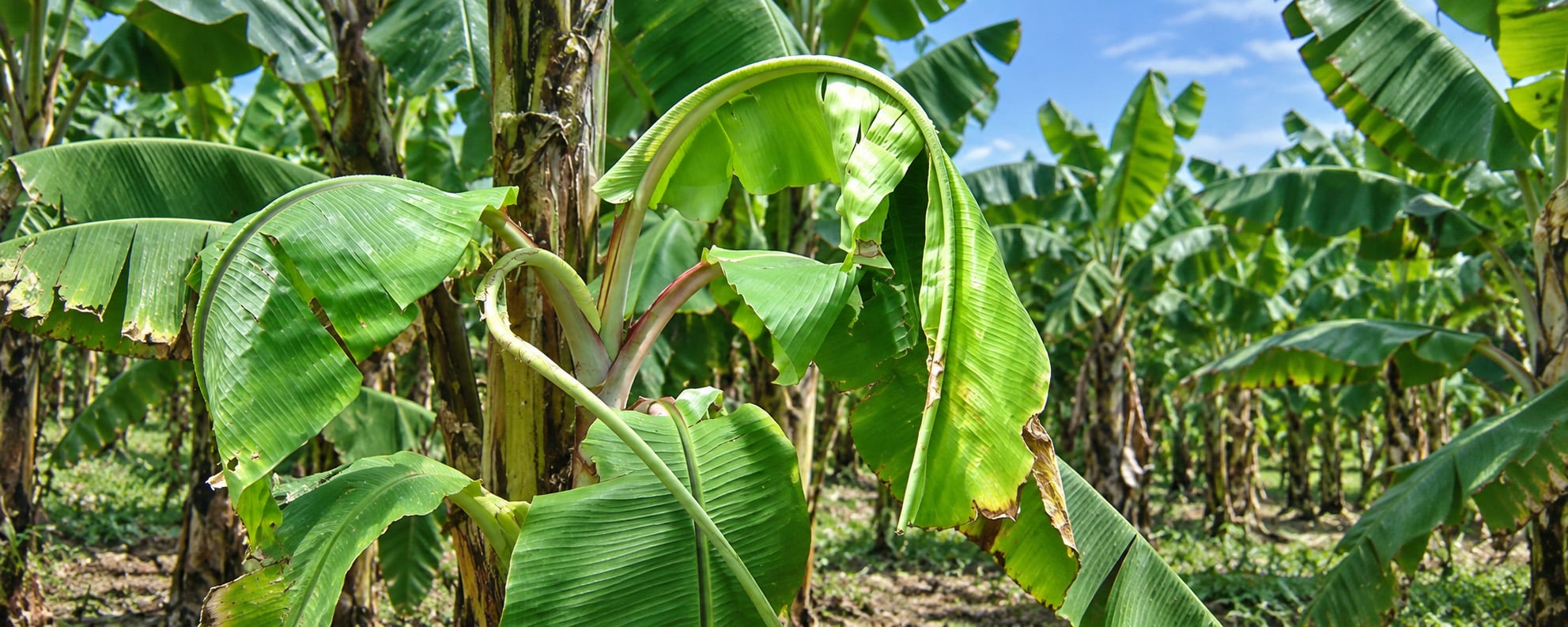
Calcium deficiency in banana shows first on the youngest leaves, as thickened veins and a saw-tooth pattern of yellow and dead tissue along the leaf margin, and in severe cases as “spike leaf”, new leaves with little or no blade, and poor-quality fruit (Turner, 1987; Martin-Prével, 1980). On most plantation soils it is not a […]
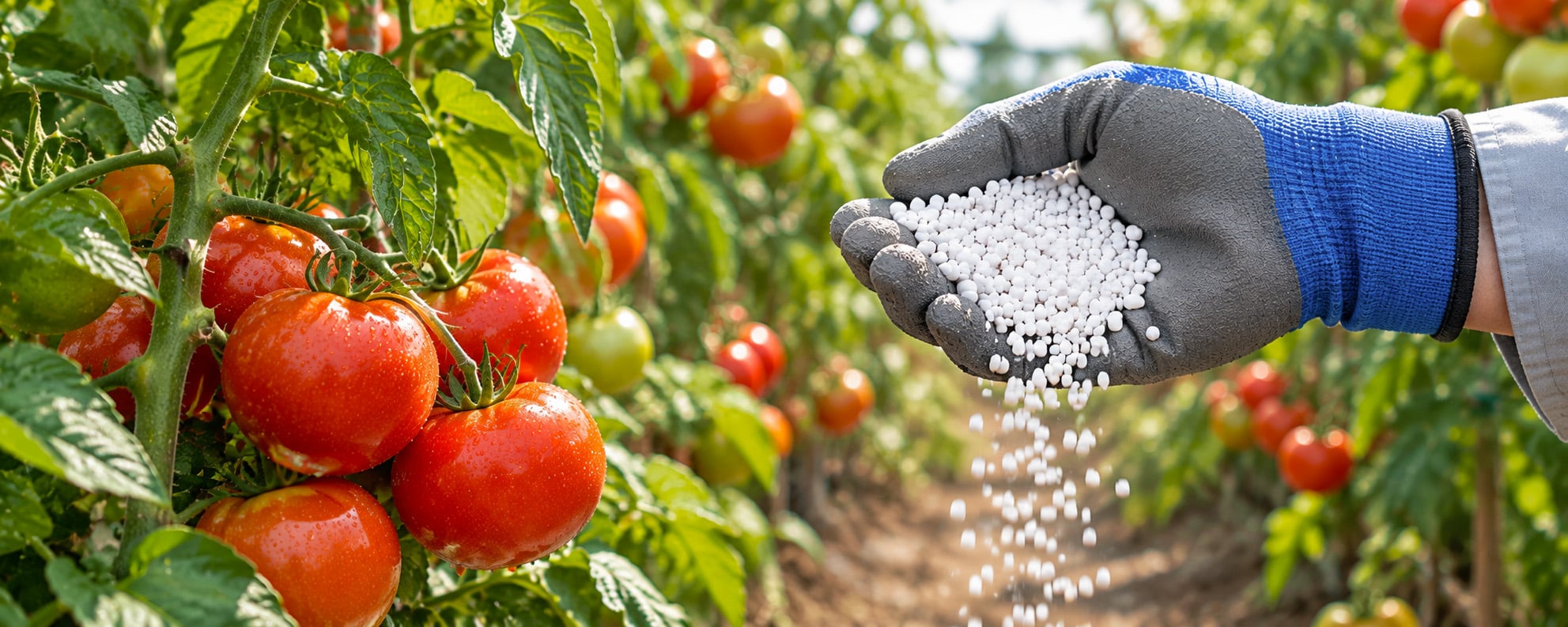
A calcium fertilizer supplies the calcium that holds plant cell walls and membranes together, but whether it reaches the fruit depends as much on water flow as on the fertilizer you choose. Calcium travels with water to the leaves and barely moves out of them again, so fruit and young leaves can run short even […]

An unusually wet winter brought coffee flowering in Minas Gerais forward by about a month, in several separate waves. With October forecast to be hotter than normal and rain patchy, the question for 2027 is now how many of those flowers turn into fruit. At Van Polder, we believe a strong flowering is only the […]