






How to Make Egg Amino Acid Fertilizer: A Step-by-Step Guide for Beginners
Learning how to make egg amino acid fertilizer at home is an effective organic solution to provide direct nutrition to your plants without relying on chemicals. Instead of breaking down slowly like raw fertilizers, EAA contains free amino acids thanks to the hydrolysis of proteins from eggs and sugar. This article will guide you step […]

Learning how to make egg amino acid fertilizer at home is an effective organic solution to provide direct nutrition to your plants without relying on chemicals. Instead of breaking down slowly like raw fertilizers, EAA contains free amino acids thanks to the hydrolysis of proteins from eggs and sugar. This article will guide you step by step through the proper fermentation process, helping you confidently create a quality “egg protein” source, enabling stable plant growth and saving farming costs.
1. Make EAA Fertilizer Using the Lemon & Jaggery Fermentation Method
Below are the step-by-step instructions for making EAA fertilizer using the lemon and jaggery fermentation method, from ingredient preparation to finished product.
1.1. Essential Ingredients for the Lemon & Jaggery EAA Method
Below is the list of essential ingredients used in the EAA method using lemon and jaggery, along with the role of each component in the process.
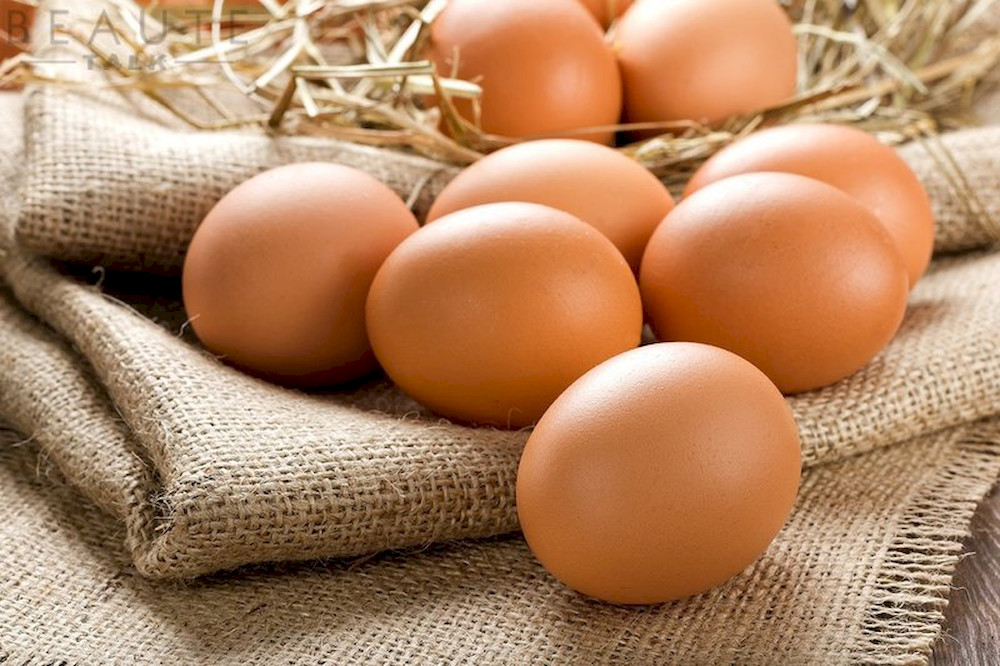
- Eggs: 10 eggs
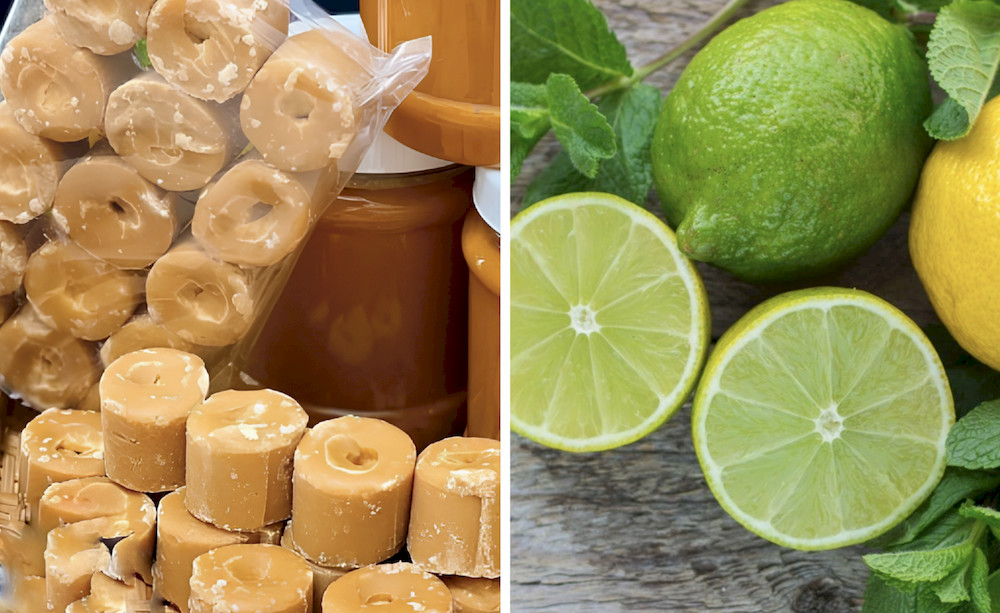
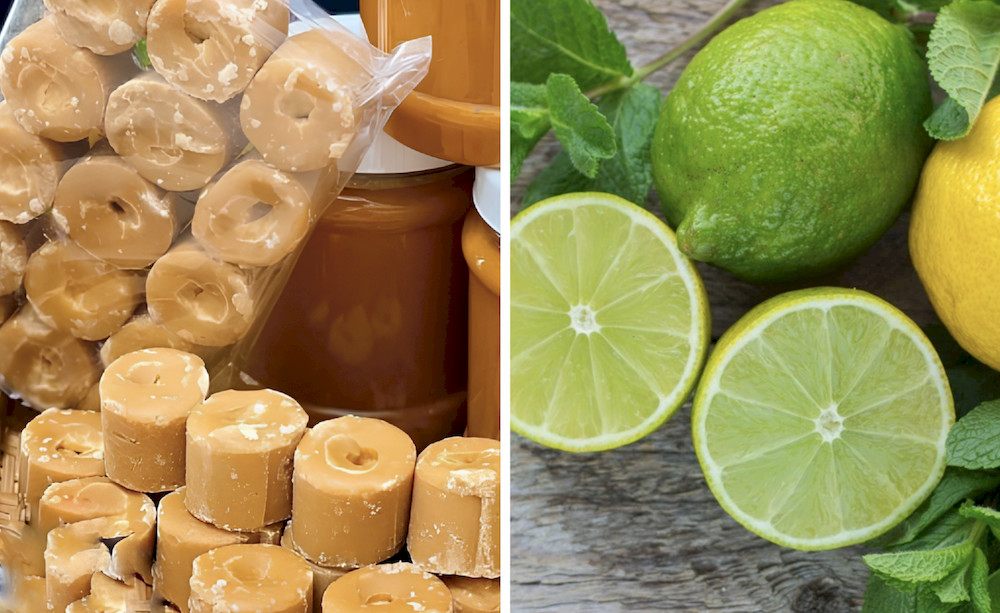
- Lemons: 10 to 15 lemons
- Jaggery: 250 grams
- Clean water: 250 ml
1.2. Required Equipment and Tools for Making EAA
Below are the necessary equipment and tools for the EAA process, helping to ensure the procedure is carried out smoothly and effectively.
- Glass or plastic jar: For soaking eggs in lemon juice
- Crushing tool: For crushing eggs after the initial soaking stage
- Syrup cooking/mixing tool: For preparing thick jaggery syrup
- Spray bottle: For spraying the solution after fermentation and dilution
- Cloth filter or fine mesh strainer
1.3. Step-by-Step EAA Fermentation Instructions
The fermentation process takes a total of 20 days, divided into two main stages:
Stage 1 (first 10 days):
- Step 1: Place 10 eggs into the jar.
- Step 2: Squeeze lemon juice and pour it into the jar until the eggs are completely submerged.
- Step 3: Leave the mixture undisturbed for 10 days.
Stage 2 (next 10 days):
- Step 4: After 10 days, crush the eggs (the shells will have softened) and stir well to form a liquid. Put 250g of jaggery and 250ml of clean water into a pot. Simmer over low heat, stirring constantly until the jaggery is completely dissolved and the syrup thickens slightly (about 5 – 7 minutes). Allow to cool completely before use. The syrup volume will be approximately 350 – 400ml.
- Step 5: Measure the volume of the egg-lemon solution after crushing (typically 300 – 500ml). Add an equal volume of cooled syrup. If the syrup is insufficient, make more at a 1:1 ratio (sugar:water).
- Step 6: Leave the mixture aside for another 10 days to complete fermentation.
- Step 7: After a total of 20 days, the solution is ready to use.
- Step 8: The solution after 20 days may still contain softened eggshells and floating yolk membranes. Pour the solution through a cloth or fine mesh strainer (0.5mm holes) to collect the clear liquid. The residue can be added to compost. The filtered liquid can be put into a spray bottle or storage bottle.
1.4. How to Identify Successful EAA Fermentation
Below are the signs of successful EAA fermentation, helping you evaluate the quality and completeness of the product after the fermentation process:
- Sign 1 – Eggshell structure: Midway (after the first 10 days), the acid from the lemons will soften the eggshells so they can be easily crushed and fully dissolved into the solution.
- Sign 2 – Smell: The finished product has a mild, pleasant sour smell or a fermented fruit smell, with no foul odor.
2. Make EAA Fertilizer by Fermenting with Molasses & FFJ
Below is the guide for making EAA fertilizer using fermentation with molasses and FFJ (Fermented Fruit Juice).
2.1. Ingredients for the Molasses & FFJ Method
Below is the guide for making EAA fertilizer using fermentation with molasses and FFJ (Fermented Fruit Juice), including preparation steps and procedures to achieve optimal results:
- Eggs: 2 fresh eggs (use only the inside, not the shells)
- Molasses: 5 tablespoons
- Rice washing water: 500 ml (from rinsing or soaking rice)
- Fermented Fruit Juice (FFJ): 200 ml
2.2. Equipment and Tools Needed
To prepare this organic amino acid fertilizer, you need the following ingredients:
- Clean container: For mixing the initial ingredients
- Glass or plastic bottle/jar: For holding the mixture during fermentation
- Stirring tool: To dissolve molasses and eggs
2.3. Step-by-Step EAA Fermentation Process
The process is quite fast, taking only 5 to 7 days:
- Step 1: In a clean container, mix 5 tablespoons of molasses with 500 ml of rice washing water.
- Step 2: Crack 2 eggs into the mixture (be careful not to let any shell fall in).
- Step 3: Add about 200 ml of Fermented Fruit Juice (FFJ) to the mixture.
- Step 4: Stir thoroughly and pour the entire mixture into a bottle or jar.
- Step 5: Cover loosely (do not seal tight). If you seal tightly, you must open the lid once a day to release gas produced during fermentation, to avoid pressure buildup and explosion.
- Step 6: Place the jar in a cool, shaded place and let it ferment for 5 to 7 days.
2.4. How to Identify Successful EAA Fermentation
The success of the fermentation can be recognized by the following signs:
- Smell: A successful batch will have no unpleasant odor. If you notice a strong putrid smell, the batch may have been contaminated and should be discarded.
- Completion time: After 5 – 7 days, your homemade amino acid solution is ready to use.
- Solution state: Fermentation breaks down complex proteins in the eggs into amino acids that plants can easily absorb.
Note when using: After successful fermentation, store the solution in a cool, dry place and use it within 2 – 3 weeks for best results.
3. Notes When Making Egg Amino Acid Fertilizer
EAA (Egg Amino Acid) is a highly concentrated fertilizer. You must dilute it properly to avoid shocking your plants or overloading them with nutrients. These principles are part of a broader set of practices covered in how to use amino acid fertilizer for plants, which apply beyond EAA to amino acid fertilizers in general.
To ensure best nutrient absorption, follow these notes:
- Foliar spray (1:1000): Mix 1 ml of EAA with 1 liter of water. This is the most effective method for quick nutrient absorption through leaf stomata.
- Root drench (1:500): Mix 2 ml of EAA with 1 liter of water. This improves soil health and provides sustained nutrition to the root system.
- Timing: Spray or water in the early morning or late afternoon. This avoids leaf burn caused by sunlight interacting with the fertilizer.
- Growth stage: Best used during the vegetative stage (leaf and stem development) and early flowering stage.
- Frequency: Apply every 7 – 10 days for optimal results.
- Note: Shake the mixture well before use to ensure the EAA is fully dissolved in water.
“Based on the principles of Korean Natural Farming (KNF) standardized by Dr. Cho Han-kyu, the safest and most effective dilution ratio for EAA is 1:1000. According to the Janong Institute’s guide, this concentration allows free amino acids to penetrate directly through the leaf epidermis, helping plants recover quickly after stress without disrupting the local microbiome.” This 1:1000 ratio works for small garden-scale spraying, but growers managing larger fields still need to convert it into a precise amino acid fertilizer dose per acre before scaling up application.
4. FAQs
4.1. How Long Can I Store Egg Amino Acid?
Storage time depends on the method:
- Lemon & jaggery method (20-day fermentation): Store in a cool, shaded place away from direct sunlight. Can be used for 6 – 12 months.
- Molasses & FFJ method: Store in the refrigerator and use within 2 – 3 weeks. Always check the smell before use; if there is a rotten or moldy odor, discard immediately.
4.2. Eggshells vs. Whole Eggs: Why Use the Whole Egg for EAA?
Making fertilizer with only eggshells results in Water-Soluble Calcium (WCA), which is different. To get the full spectrum of amino acids, you need the whole egg (yolk and white), since it is the protein — not the shell — that hydrolyzes into amino acids. Other keratin-rich materials work on this same protein-hydrolysis principle, which is why growers also explore amino acid from hair for fertilizer as an alternative nitrogen-rich source when eggs aren’t readily available.
4.3. Is EAA Safe for Succulents, Orchids, and Sensitive Plants?
Yes, you can use EAA for succulents and orchids, but only in very diluted concentrations to avoid root burn. Apply as a foliar spray or light root feed during active growth, not during dormancy.
4.4. Understanding Fermentation Time: Lemon/Jaggery vs. Molasses/FFJ
Making your own Egg Amino Acid (EAA) fertilizer is not only a cost-saving method but also an important step toward practicing sustainable agriculture. By providing an abundant source of amino acids, it helps plants absorb nutrients directly for healthy growth and contributes to a balanced garden ecosystem.
Making your own Egg Amino Acid (EAA) fertilizer is a simple way to utilize natural nutrients from eggs, supplementing amino acids and organic nitrogen for your plants. With the step-by-step guide on how to make egg amino acid fertilizer above, you can easily produce high-quality EAA solution at home using a suitable fermentation method. When used at the correct dilution, EAA will support healthy plant growth, improve fruit and flower quality, and move toward a more sustainable garden.


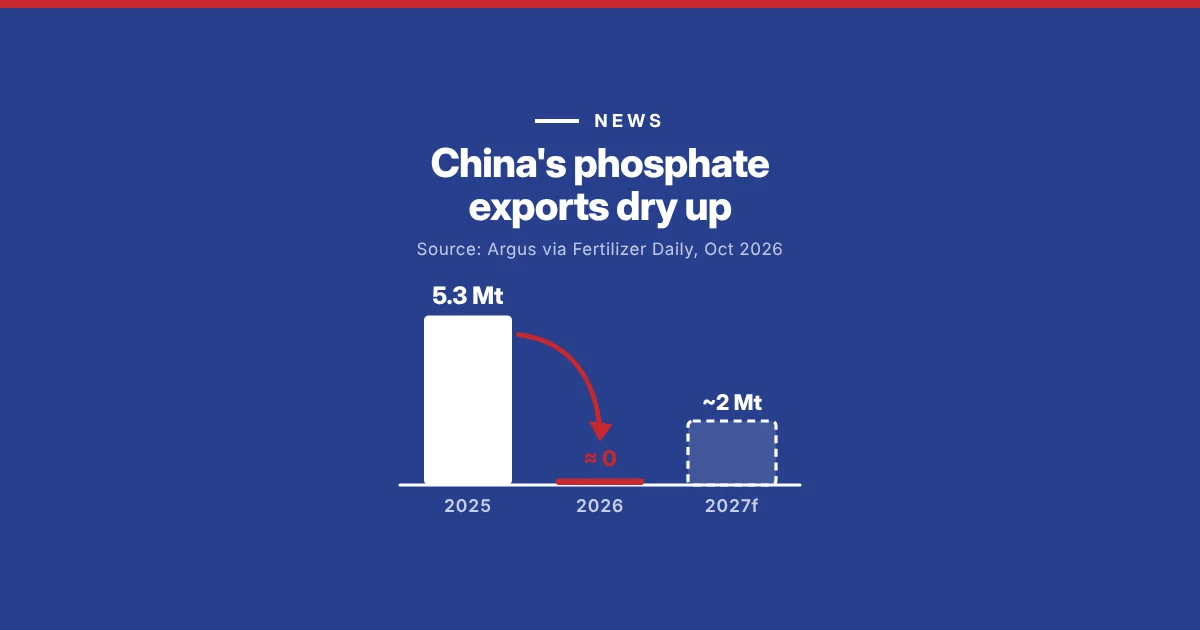
China, which exported about 5.3 million tonnes of phosphate fertilizer in 2025, has shipped almost none in 2026. With sulfur scarce and phosphate prices high, import-dependent markets face a tight season, and every kilo of phosphorus needs to work harder. At Van Polder, we believe a tight phosphate market is a reason to look again […]
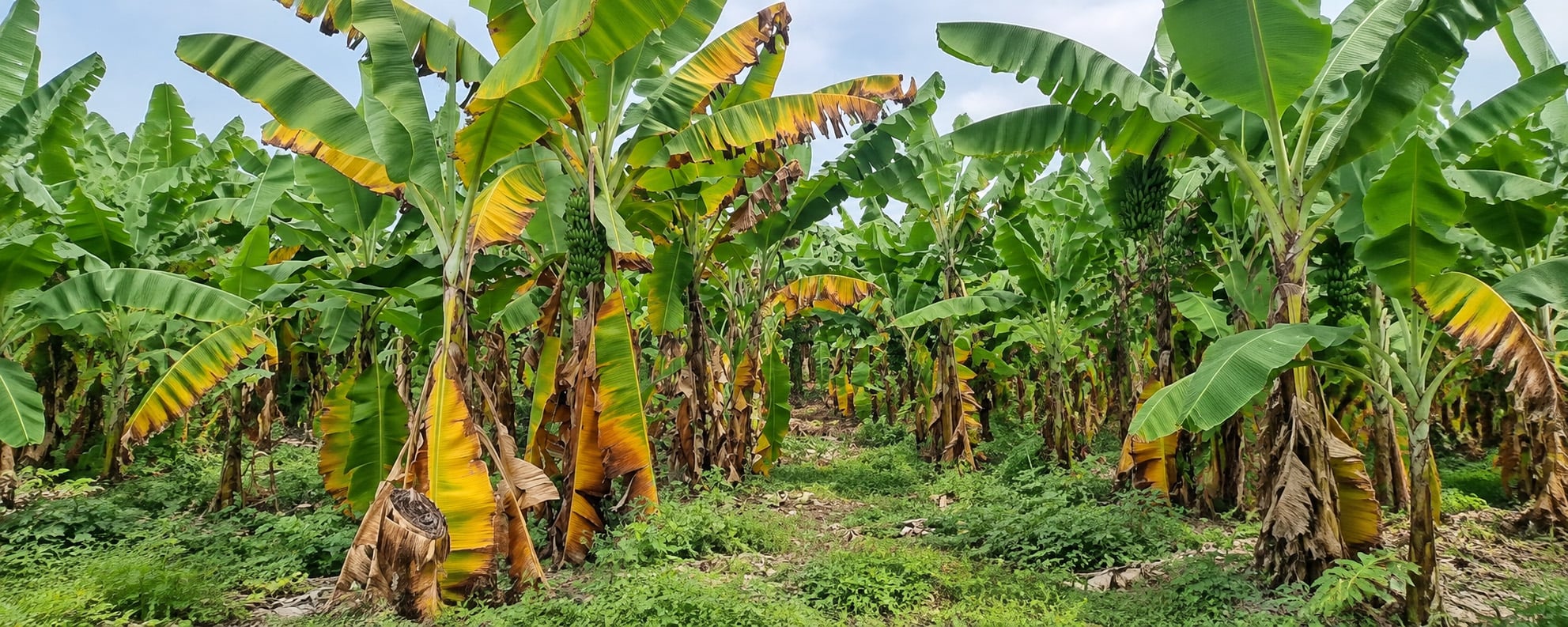
If you are starting a banana farm, Panama disease (Fusarium wilt of banana) is the risk to plan for. How to prevent Panama disease in bananas comes down to keeping the fungus out, because no fertilizer prevents or cures it and once it is in the soil it stays for decades (Pegg et al., 2019; […]
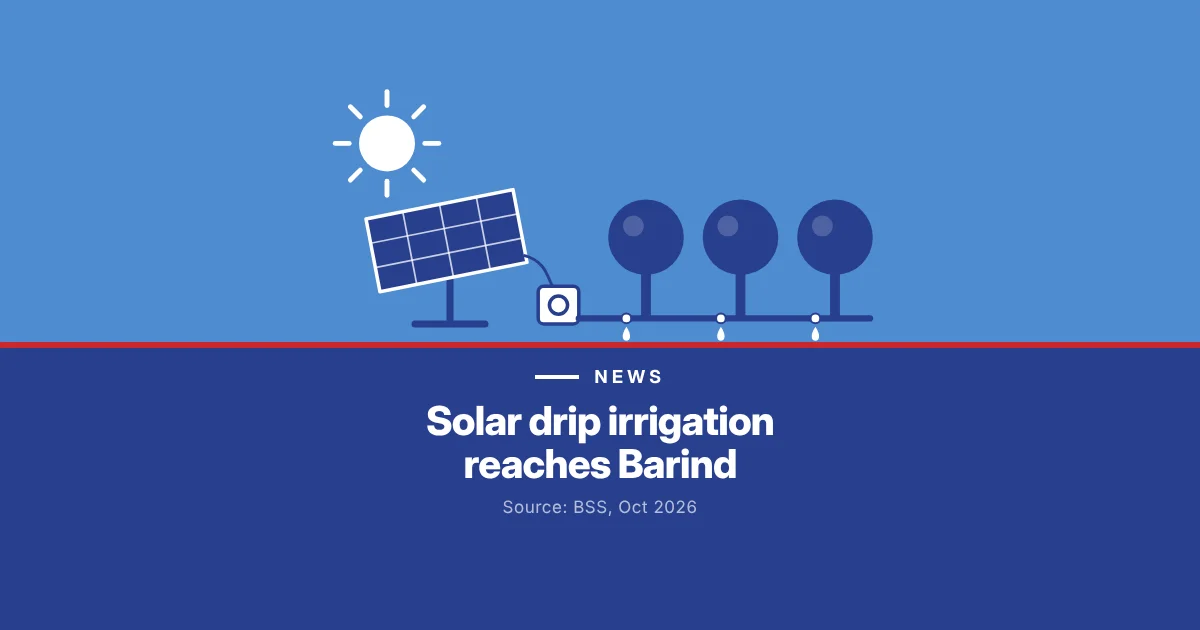
A government project in Bangladesh’s Rajshahi Division has brought solar-powered pumps, including solar drip systems for orchards, to drought-prone land where groundwater has been falling for decades. The Prime Minister wants all diesel irrigation pumps converted to solar within five years. For growers who move to drip, the next step is to feed the crop […]
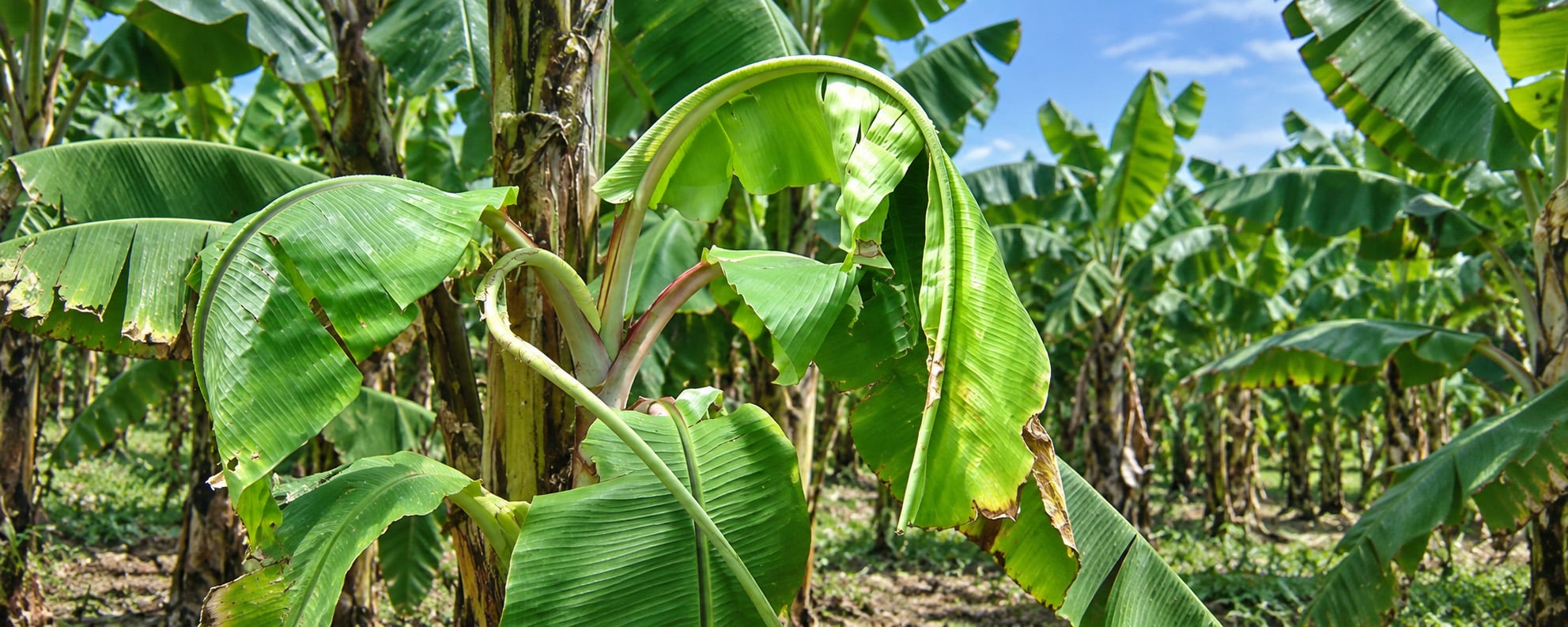
Calcium deficiency in banana shows first on the youngest leaves, as thickened veins and a saw-tooth pattern of yellow and dead tissue along the leaf margin, and in severe cases as “spike leaf”, new leaves with little or no blade, and poor-quality fruit (Turner, 1987; Martin-Prével, 1980). On most plantation soils it is not a […]
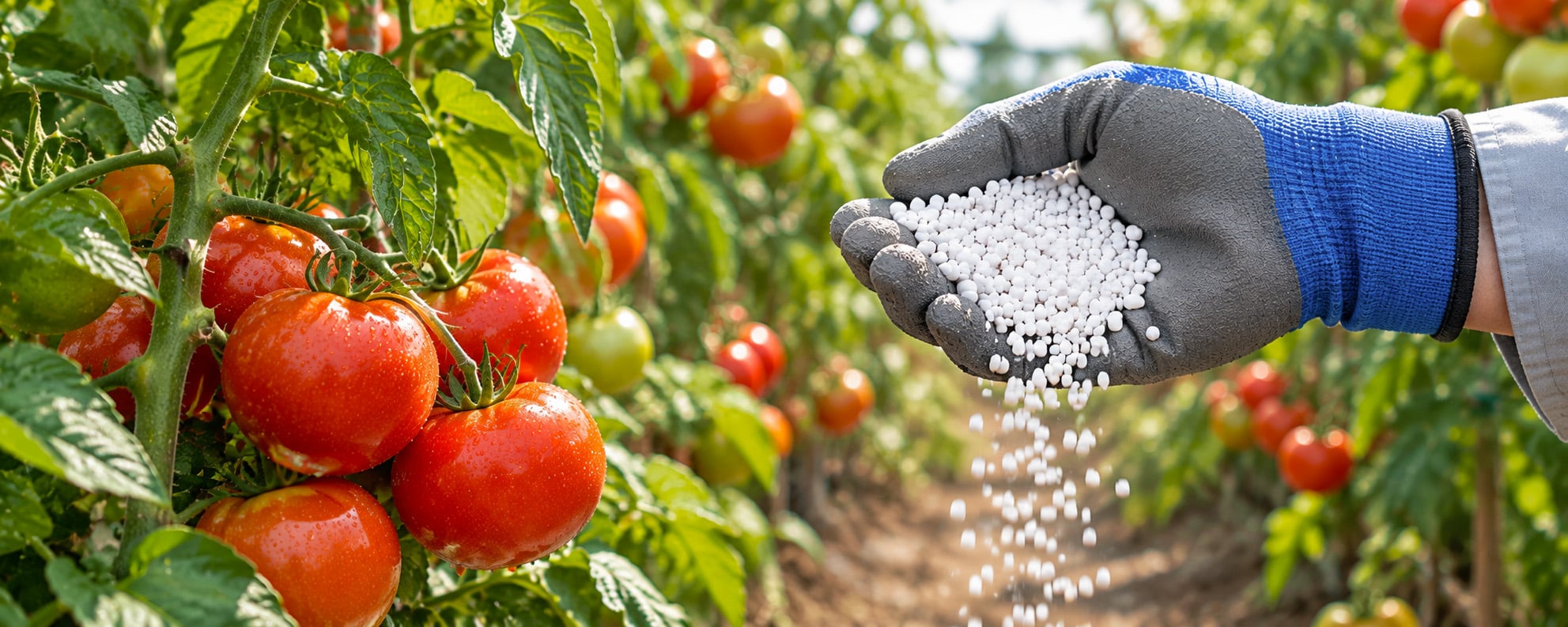
A calcium fertilizer supplies the calcium that holds plant cell walls and membranes together, but whether it reaches the fruit depends as much on water flow as on the fertilizer you choose. Calcium travels with water to the leaves and barely moves out of them again, so fruit and young leaves can run short even […]
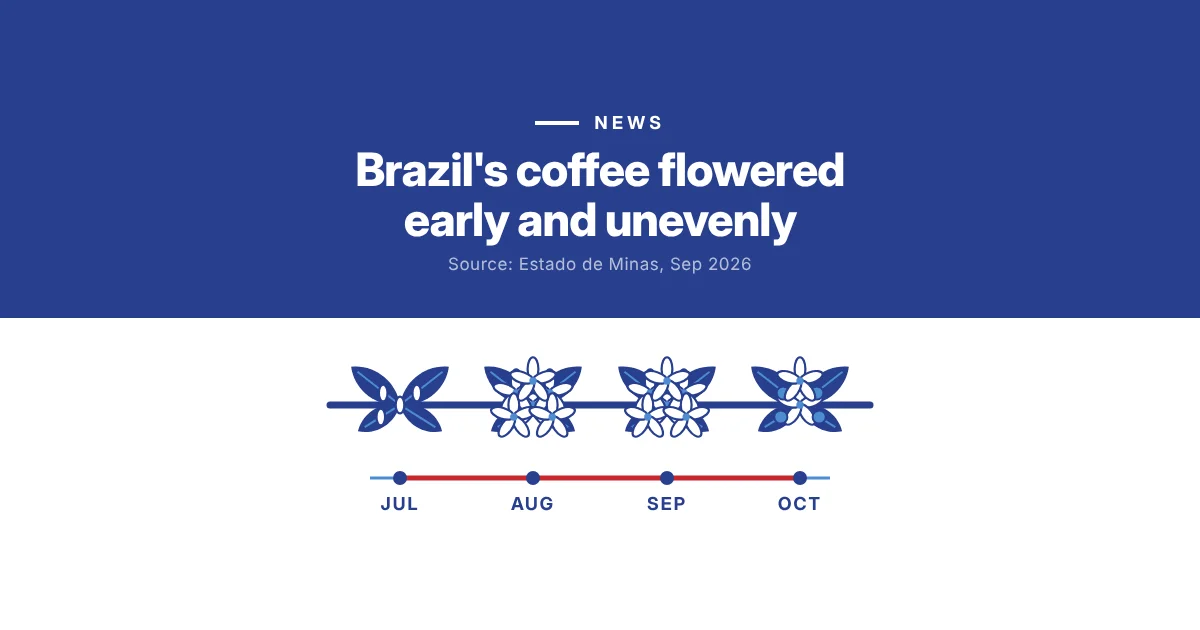
An unusually wet winter brought coffee flowering in Minas Gerais forward by about a month, in several separate waves. With October forecast to be hotter than normal and rain patchy, the question for 2027 is now how many of those flowers turn into fruit. At Van Polder, we believe a strong flowering is only the […]