







The Peptionics Hydrolysis Process
PEPTIONICS™ The Peptionics™ Process: Amino Acid Biostimulants from Collagen Hydrolysis Van Polder supplies amino acid biostimulants produced through Peptionics™, a controlled collagen hydrolysis process that turns selected animal by-products into free amino acids and short-chain peptides. Proven, differentiated, and continuously evolving, our product range is positioned at the higher end of the quality spectrum, delivering […]

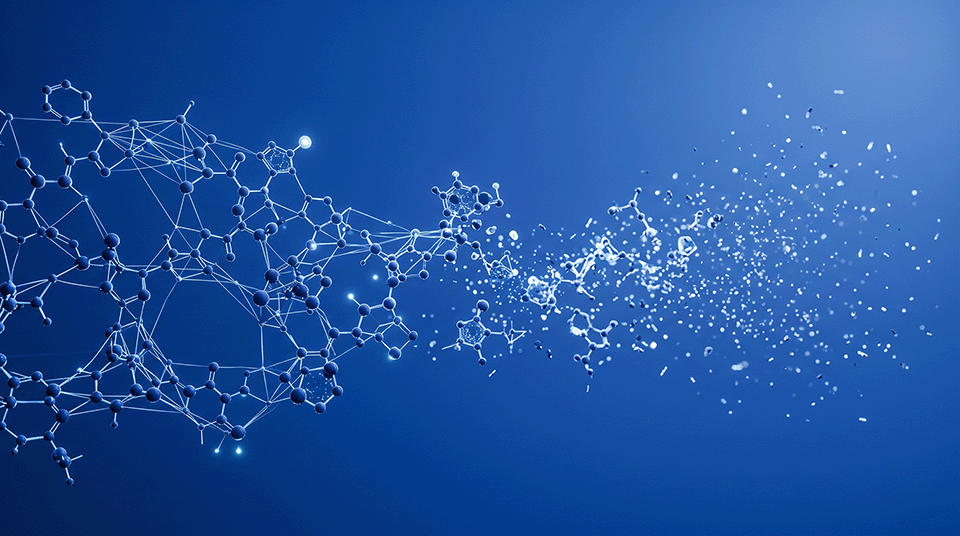

PEPTIONICS™
The Peptionics™ Process: Amino Acid Biostimulants from Collagen Hydrolysis
Van Polder supplies amino acid biostimulants produced through Peptionics™, a controlled collagen hydrolysis process that turns selected animal by-products into free amino acids and short-chain peptides. Proven, differentiated, and continuously evolving, our product range is positioned at the higher end of the quality spectrum, delivering performance-driven results that help farmers maximise their return on investment.
Premium Collagen Raw Material
The quality of an amino acid biostimulant is determined first and foremost by its raw material. The Peptionics process uses premium collagen-rich raw materials sourced from the leather tanning industry, specifically by-products generated before the tanning step, so the collagen never comes into contact with tanning agents such as chromium.
Collagen is one of the richest protein sources of glycine and proline:
- Glycine: the most abundant amino acid in collagen; a key building block for plant proteins, cell wall components, and the antioxidant glutathione.
- Proline: plays a central role as an osmoprotectant, helping plants maintain cell turgor and tolerate drought, salinity, and temperature stress.
By starting from premium, well-defined raw materials rather than unspecified mixed protein waste, the Peptionics process delivers a consistent, reproducible amino acid profile across every production batch. Hydrolysis time and temperature are then tuned to maximise both the total quantity and the relative abundance of free amino acids in the final product.
The Peptionics Hydrolysis Process
Hydrolysis is the core transformation at the heart of the Peptionics process. It is a controlled chemical reaction in which the peptide bonds holding collagen’s protein chains together are broken under the combined action of heat, pressure, and pH adjustment, releasing free amino acids and short-chain peptides that plants can absorb directly.
Understanding the hydrolysis process is essential to understanding why Peptionics amino acid products perform differently from conventional nitrogen fertilizers. The sections below walk through each stage in detail.
The Four Hydrolysis Control Parameters
Every Peptionics production run is governed by a specific hydrolysis protocol. Four parameters are defined and tightly controlled for every batch:
| pH | The alkalinity of the reaction mixture is precisely managed at each stage. pH directly determines the type of chemical bonds that are broken and the form in which amino acids are released. Alkaline conditions at extreme pH accelerate racemisation, the conversion of biologically active L-form amino acids into the inactive D-form. Controlling pH within the optimal range is therefore the first line of defence in preserving L-form integrity throughout the process. |
|---|---|
| Temperature | Temperature controls the rate and completeness of hydrolysis. It is also the primary driver of racemisation: the higher and longer the heat exposure, the greater the risk of L-form amino acids converting to the biologically inactive D-form. The Peptionics process applies temperature across a carefully controlled range, achieving the heat levels needed for complete peptide bond cleavage while minimising the thermal racemisation of amino acids. |
| Pressure | Used in combination with temperature during the thermal treatment stage. Applying controlled pressure raises the effective boiling point of the reaction mixture, so hydrolysis is completed in a shorter time at a given temperature. Shorter heat exposure helps protect the quality of the final product. |
| Reaction Time | Duration of hydrolysis directly influences both the degree of hydrolysis (how completely proteins are broken down) and the resulting amino acid profile. Longer reaction times increase the proportion of free amino acids relative to longer peptide chains but also increase racemisation risk. Reaction time is therefore optimised to the minimum needed to achieve the target molecular weight and amino acid composition, balancing hydrolysis completeness against L-form preservation. |
The Alkaline Hydrolysis Stage
All raw materials go through alkaline hydrolysis, the main chemical step of the Peptionics process. Calcium hydroxide (lime) is added to the ground raw material in water and the mixture is heated under controlled conditions for several hours. This alkaline environment breaks down the collagen protein structure, progressively cleaving peptide bonds and solubilising the collagen into a liquid hydrolysate rich in free amino acids and short-chain peptides. The mixture then proceeds to the thermal treatment stage.
Downstream Processing
Once hydrolysis is complete, all material follows the same downstream processing sequence. The primary finished product is a liquid concentrate; spray drying and granulation are additional steps applied only where powder or granule formats are required.
Thermal TreatmentHigh-temperature, high-pressure stage that completes hydrolysis and evens out the batch.
FiltrationInsoluble fractions removed; repeated for clarity and purity.
CaCO₃ SeparationCalcium carbonate precipitated and separated using bicarbonate or CO₂.
Activated Carbon Treatment & ConcentrationActivated carbon removes colour and haze; product concentrated.
Special ProductionSemi-finished amino acid product formulated into finished product lines.
Spray Drying (optional)Liquid concentrate converted to powder form where required.
Granulation (optional)Powder further processed into granule form where required.
Molecular Weight and Amino Acid Quality
The degree of hydrolysis determines the molecular weight distribution of the final product and strongly influences how quickly the crop can use the product. Peptionics amino acid biostimulants are produced to a strict molecular weight specification:
Why molecular weight matters for crop performance:
- Free amino acids and short-chain peptides in the low molecular weight range are absorbed directly by plant roots and leaf surfaces through dedicated amino acid and peptide transporter proteins.
- Above a certain molecular weight threshold, peptides and protein fragments cannot pass through these transporters and must first be broken down in the soil. That process is slow, depends on microbial activity, and can lose nitrogen through leaching and volatilisation.
- The degree of hydrolysis, and therefore the molecular weight distribution of the final product, is the primary determinant of how quickly and efficiently the plant can access the nitrogen and carbon contained in the product.
Quality Control
Every Van Polder amino acid biostimulant is subject to comprehensive quality verification across the full production chain, from raw material intake to finished product. With over 10,000 quality tests performed per year, the Peptionics framework delivers the consistency and traceability that professional agronomic applications demand.
- Nitrogen and carbon are measured by elemental analysis on intermediates and finished products, as the key indicators of hydrolysate quality.
- All 19 amino acids individually monitored and quantified using HPLC with fluorometric detection.
- Trace and ultra-trace metals analysed simultaneously using next-generation ICP-OES and ICP-MS instrumentation.
- Formaldehyde content controlled below the limit set by EU fertiliser regulation (EU 2019/1009).
- Heavy metals (lead, cadmium, arsenic, mercury) monitored to EU regulatory limits.
- Pathogen-free: absence of both pathogenic and non-pathogenic bacteria verified at every production stage, protecting product stability and shelf life.
- Full batch traceability: every finished product batch linked directly to its source raw material batch via a unique identification number.
Regulatory Status
Amino acid biostimulants produced through the Peptionics process are fully compliant with EU plant protection regulation. The European Commission confirmed renewal of approval for hydrolysed proteins as a low-risk active substance under Regulation (EC) No 1107/2009 (Final Renewal Report, January 2024). Key conclusions:
- Classified as a low-risk active substance, no toxicological reference values required.
- No endocrine disruption risk for humans or non-target organisms.
- No consumer risk assessment required; degrades naturally into amino acid metabolites indistinguishable from naturally occurring plant nutrients.
- No residue definition required for enforcement or risk assessment purposes.
- Approved for use across a wide range of crops including fruit trees, olives, citrus, stone fruits, pome fruits, and more across EU member states.


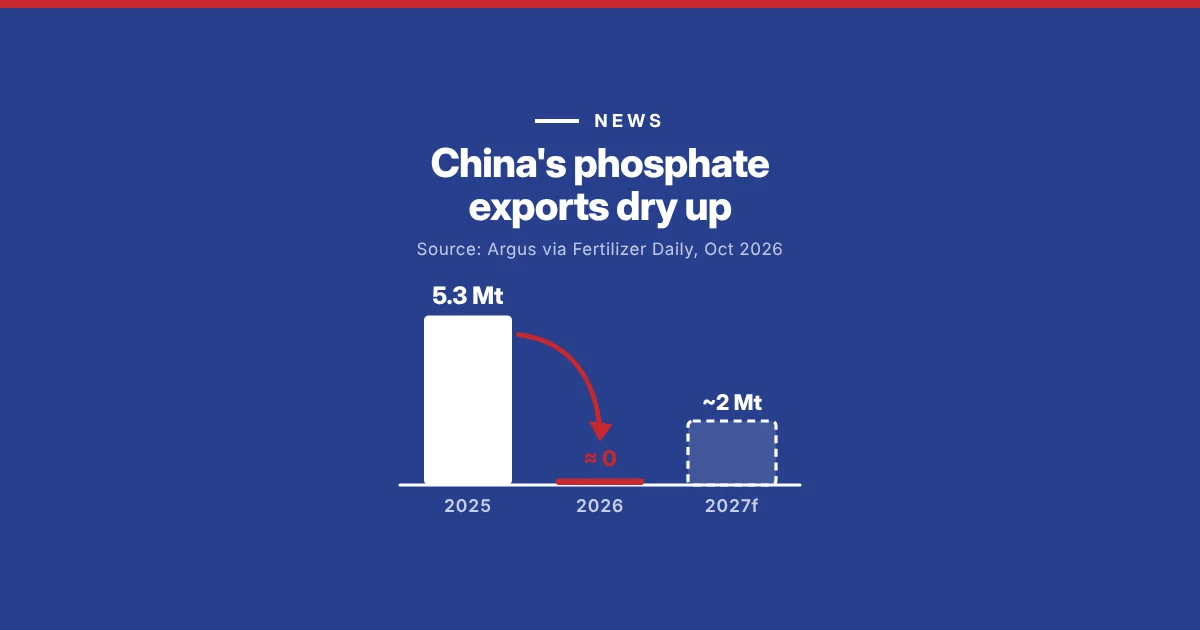
China, which exported about 5.3 million tonnes of phosphate fertilizer in 2025, has shipped almost none in 2026. With sulfur scarce and phosphate prices high, import-dependent markets face a tight season, and every kilo of phosphorus needs to work harder. At Van Polder, we believe a tight phosphate market is a reason to look again […]
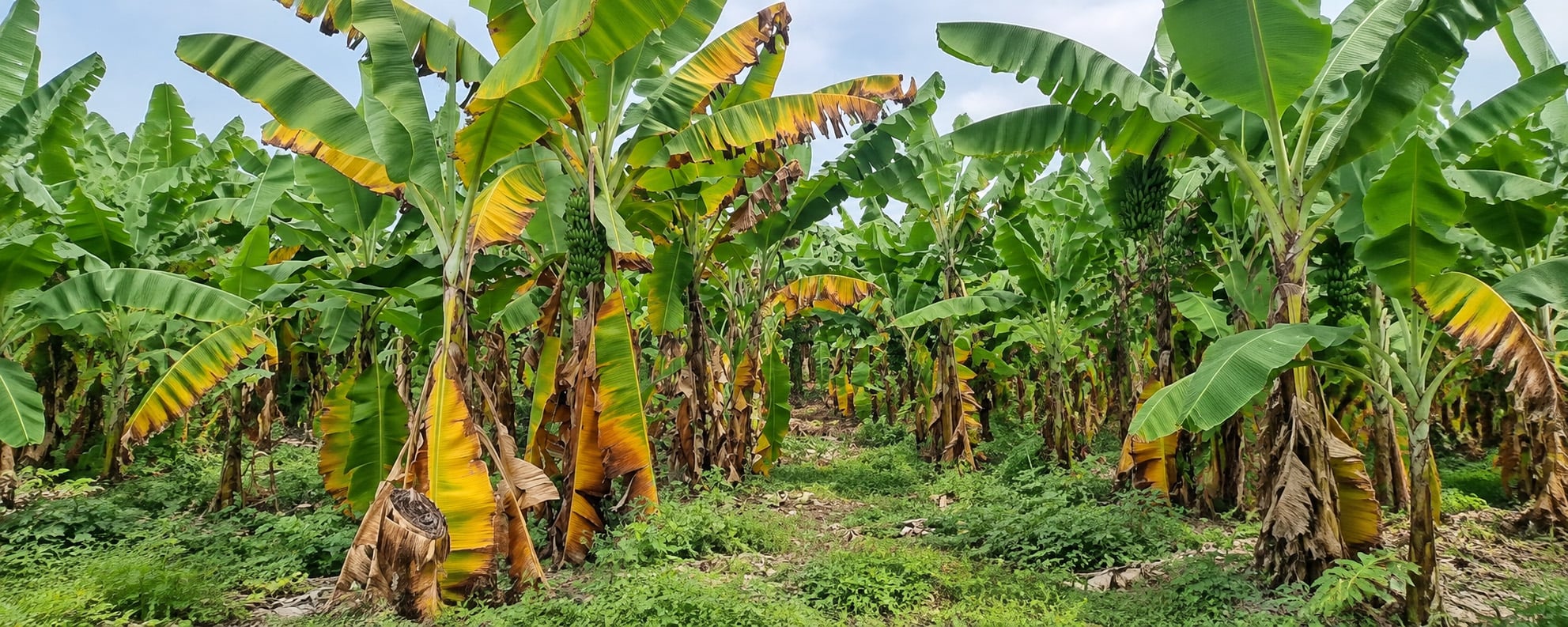
If you are starting a banana farm, Panama disease (Fusarium wilt of banana) is the risk to plan for. How to prevent Panama disease in bananas comes down to keeping the fungus out, because no fertilizer prevents or cures it and once it is in the soil it stays for decades (Pegg et al., 2019; […]
A government project in Bangladesh’s Rajshahi Division has brought solar-powered pumps, including solar drip systems for orchards, to drought-prone land where groundwater has been falling for decades. The Prime Minister wants all diesel irrigation pumps converted to solar within five years. For growers who move to drip, the next step is to feed the crop […]
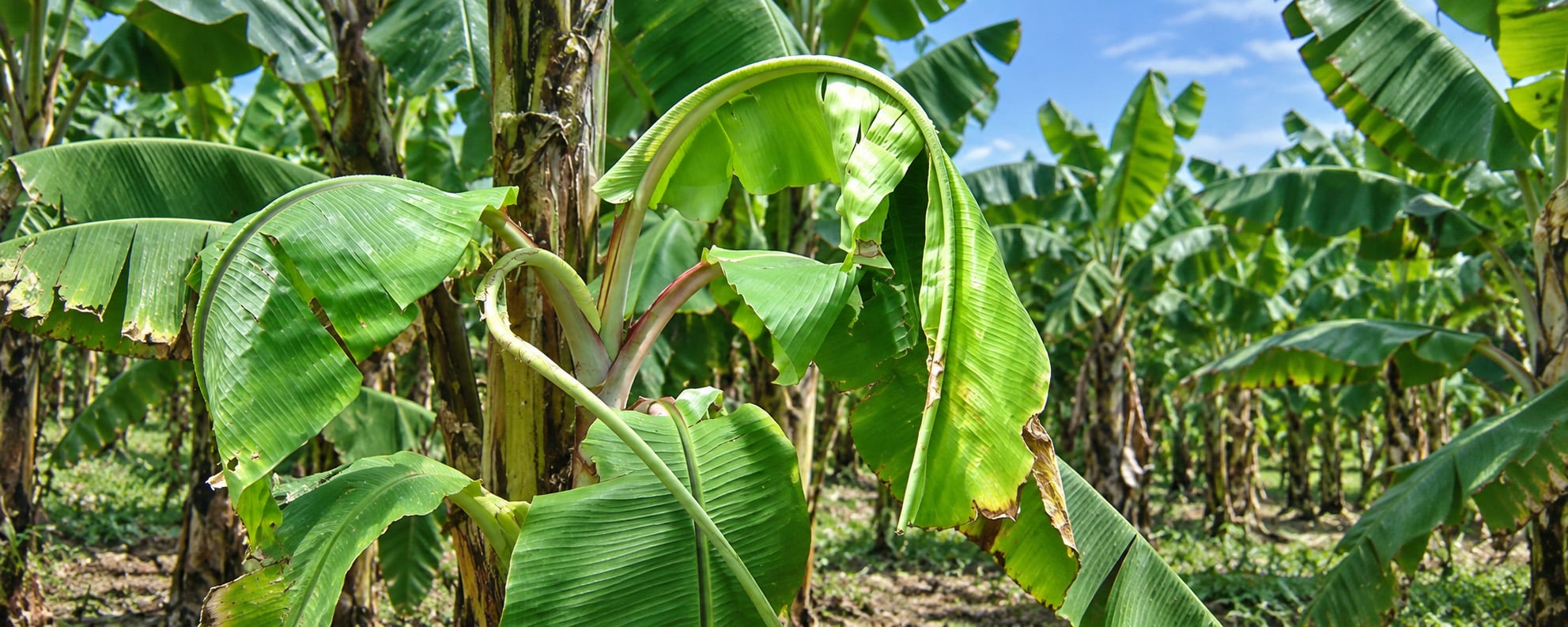
Calcium deficiency in banana shows first on the youngest leaves, as thickened veins and a saw-tooth pattern of yellow and dead tissue along the leaf margin, and in severe cases as “spike leaf”, new leaves with little or no blade, and poor-quality fruit (Turner, 1987; Martin-Prével, 1980). On most plantation soils it is not a […]
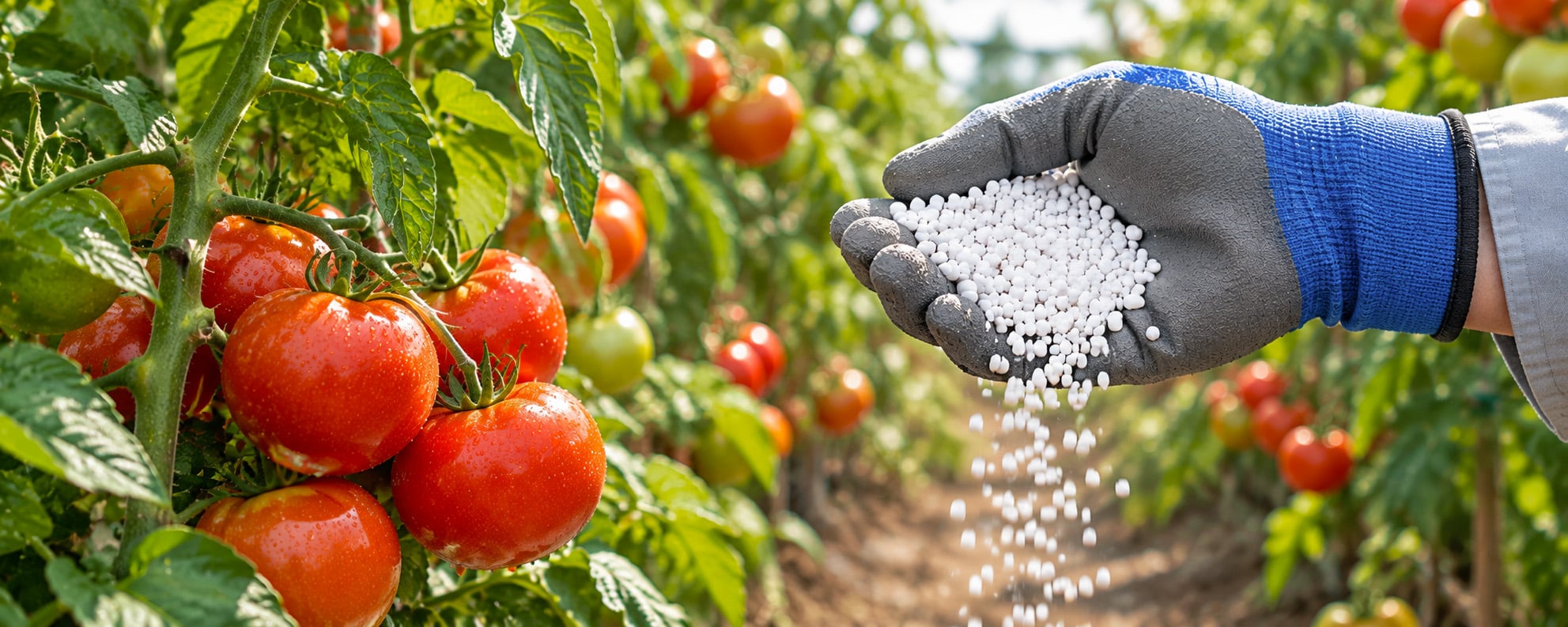
A calcium fertilizer supplies the calcium that holds plant cell walls and membranes together, but whether it reaches the fruit depends as much on water flow as on the fertilizer you choose. Calcium travels with water to the leaves and barely moves out of them again, so fruit and young leaves can run short even […]

An unusually wet winter brought coffee flowering in Minas Gerais forward by about a month, in several separate waves. With October forecast to be hotter than normal and rain patchy, the question for 2027 is now how many of those flowers turn into fruit. At Van Polder, we believe a strong flowering is only the […]