







Understanding Zinc Micronutrient Fertilizer Uses for Healthy Plant Development
Zinc micronutrient fertilizer is a type of micronutrient fertilizer that supplies zinc (Zn), an essential element required in small amounts for healthy plant growth and development. It plays a vital role in supporting enzyme activity, plant growth, and overall crop productivity, making it an indispensable part of balanced plant nutrition. In this article, we’ll explore […]


Zinc micronutrient fertilizer is a type of micronutrient fertilizer that supplies zinc (Zn), an essential element required in small amounts for healthy plant growth and development. It plays a vital role in supporting enzyme activity, plant growth, and overall crop productivity, making it an indispensable part of balanced plant nutrition. In this article, we’ll explore the most important zinc micronutrient fertilizer uses and how they contribute to healthier crops and better yields – from restoring stunted growth to improving fruit set, size, and sweetness.
1. Restoring Stem Elongation and Expanding Leaf Size
Zinc deficiency primarily affects young tissues, restricting normal stem elongation and leaf expansion. Timely zinc application helps restore healthy vegetative growth and prevents long-term developmental disorders.
Problem recognition
- Stunted internodes: The distance between leaf nodes becomes extremely short, giving the plant a compact, stunted appearance.
- Rosette growth: Young leaves cluster tightly at the shoot tips instead of expanding normally.
- Little leaf syndrome: New leaves remain much smaller than normal and may become twisted or deformed.
- Interveinal chlorosis: Young leaf tissue turns yellow or white while the veins remain green.
Expected benefits
- Restores plant structure: Recovers normal stem elongation and leaf size to rebuild a healthy canopy.
- Promotes vigorous shoot growth: Encourages the development of strong new shoots and lateral branches.
- Reverses zinc deficiency symptoms: Eliminates rosette growth and little leaf syndrome, allowing plants to resume normal development.

Physiological mechanism
Zinc is essential for synthesizing tryptophan, the precursor of the plant growth hormone auxin (IAA). Adequate auxin levels regulate cell division and cell elongation, enabling stems and leaves to develop to their natural size. When zinc is deficient, auxin production declines, resulting in shortened internodes, reduced leaf expansion, and distorted new growth.
Visible signs of recovery (7 – 10 days)
- Larger new leaves: Emerging shoots produce broader, fully expanded leaves.
- Normal internode spacing: Shoot tips develop regular distances between leaf nodes, eliminating the rosette appearance.
- Greener young foliage: Yellow leaf tissue gradually turns green, creating a more uniform leaf color as healthy growth resumes.
2. Protecting Crops from Frost and Extreme Weather Damage
Extreme weather can damage young plant tissues even before visible nutrient deficiency symptoms appear. Maintaining adequate zinc levels helps plants better withstand environmental stress and recover more quickly.
Problem recognition
- Damaged young tissues: Buds, flowers, and young leaves may develop blackened tissue, scorched edges, blisters, or soft rot after frost, cold spells, or sudden temperature changes.
- Oxidative stress: Extreme temperatures increase the production of reactive oxygen species (ROS), which damage cell membranes and accelerate tissue deterioration.
Expected benefits
- Strengthens cellular protection: Improves the plant’s ability to withstand frost, temperature fluctuations, and other environmental stresses.
- Reduces weather-related losses: Protects young tissues and helps maintain normal growth under adverse conditions. Note that zinc supports the plant’s own stress tolerance – it is not an antifreeze and does not replace physical frost-protection measures such as irrigation, covers, or windbreaks.

Physiological mechanism
Zinc plays a key role in maintaining cell membrane stability, preserving membrane integrity and reducing water loss when temperatures change abruptly. It also activates antioxidant enzymes, particularly Superoxide Dismutase (SOD), which neutralizes harmful ROS and minimizes oxidative damage to plant cells.
Visible signs of recovery
- Healthy leaf appearance: Leaves remain firm, glossy, and well-hydrated after cold weather.
- Undamaged leaf margins: Leaf edges show little or no scorching, blistering, or burn symptoms.
- Improved flower survival: Flower buds continue to develop normally with less drying and premature drop.
| Technical note: Apply zinc before stress occurs: Preventive foliar applications before forecasted frost or cold spells allow plants to accumulate sufficient zinc for better protection. Foliar spraying is generally preferred because it delivers zinc directly to actively growing tissues without being affected by unfavorable soil conditions. |
3. Bypassing Phosphorus-Induced Nutrient Lockout
Excessive phosphorus can reduce zinc availability even when soil fertility appears sufficient. In these situations, zinc deficiency limits nutrient utilization rather than the actual supply of NPK fertilizers.
Problem recognition
- Persistent nutrient deficiency: Plants remain chlorotic, weak, and slow-growing despite adequate nitrogen and phosphorus fertilization.
- Phosphorus-induced zinc lockout: Excess phosphorus binds with zinc in the soil, reducing its availability for root uptake.
- Stunted growth: Plants develop shortened shoots and characteristic whitish bands alongside the leaf midrib.
Expected benefits
- Restores nutrient efficiency: Enables plants to utilize the NPK fertilizers already available in the soil more effectively.
- Reactivates plant metabolism: Restores zinc-dependent enzymatic processes that support healthy growth.
- Improves nutrient balance: Encourages plants to absorb previously unavailable nutrients, reducing fertilizer waste.

Physiological mechanism
When zinc uptake is restricted by excess phosphorus or alkaline soil conditions, foliar application bypasses the soil barrier and delivers zinc directly through the leaf surface. This targeted delivery highlights the efficiency of modernzinc micronutrient fertilizer usesunder difficult soil environments.
Visible signs of recovery (10 – 15 days)
- New feeder roots emerge: Fine white roots begin developing, indicating renewed root activity.
- Greener foliage: Leaves gradually recover a healthy green color as chlorophyll production improves.
- Renewed shoot growth: Healthy new shoots develop without requiring additional soil-applied fertilizers.
| Technical note: Prioritize foliar application: In soils with excessive phosphorus or high pH, foliar spraying is more effective because soil-applied zinc can quickly form insoluble compounds, greatly reducing nutrient availability. |
4. Maximizing Pollination and Fruit Set Ratios
Zinc plays a vital role during the reproductive stage by supporting pollen development and successful fertilization. Maintaining adequate zinc levels helps improve fruit set and reduce flower losses.
Problem recognition
- Excessive flower drop: Plants produce abundant flowers, but many fall before developing into young fruits.
- Weak flower pedicels: Fragile flower stalks detach easily under wind or environmental stress.
- Low fruit set: Poor pollination results in a low conversion rate from flowers to fruits, pods, or grains.
Expected benefits
- Improves flower retention: Strengthens flower and fruit attachment, reducing premature drop.
- Increases fruit set: Promotes a higher percentage of successful fertilization and fruit development.

Physiological mechanism
Zinc is essential for pollen formation, anther development, and pollen viability. Adequate zinc ensures healthy pollen tube growth, allowing pollen to reach the ovary for successful fertilization. Zinc also supports carbohydrate and protein synthesis, providing the nutrients needed for developing flowers, fruits, and seeds.
Visible signs of recovery
- Stronger flower stalks: Pedicels remain firm and securely attached after flowering.
- Higher fruit set: More flowers successfully develop into young fruits or pods.
- Improved seed formation: Grain crops produce more kernels per ear or spike, including areas that are typically prone to poor seed set.
| Technical note: Apply during early flowering: The most effective timing is when flower buds first emerge rather than after full bloom. Foliar application delivers zinc directly to developing reproductive tissues, maximizing pollination and fruit set. Timing application to specific growth stages like this is a core principle in how to apply micronutrients for plants in general, whether the target nutrient is zinc, boron, or manganese. |
5. Bulking Up Fruit Size and Increasing Sugar Content (Brix)
Zinc supports fruit filling by improving nutrient metabolism and the movement of assimilates into developing fruits. These specificzinc micronutrient fertilizer usesallow crops to achieve better size, appearance, and eating quality.
Problem recognition
- Slow fruit development: Fruits enlarge slowly and fail to reach their full genetic size potential.
- Uneven fruit size: Fruits on the same branch develop inconsistently, resulting in uneven grading.
- Fruit deformation: Fruits are more likely to become misshapen during development.
- Low sweetness: Fruits remain bland and lack density despite sufficient potassium application during the late growing stage.
Expected benefits
- Produces premium-quality fruits: Fruits become larger, heavier, and denser with improved market value.
- Enhances appearance: Develops smoother, glossier fruit skin for better visual appeal.
- Improves sugar accumulation: Helps fruits reach higher Brix levels while promoting protein accumulation in edible tissues.

Physiological mechanism
Zinc activates more than 300 plant enzymes involved in carbohydrate, protein, and nucleic acid metabolism. It also improves the transport of nutrients and photosynthetic products from leaves to developing fruits, allowing sugars and proteins to accumulate more efficiently. This stronger source-to-sink movement promotes faster fruit filling, greater fruit weight, and higher sugar concentration.
Visible signs of recovery
- Faster fruit enlargement: Fruits swell more rapidly after zinc application.
- More uniform fruit size: Fruits on the same cluster or branch develop with greater consistency.
- Higher Brix values: Fruits reach higher sugar concentrations and improved dry matter content at harvest.
6. Application Methods & Notes When Use Zinc Micronutrient Fertilizer
The following methods and application notes help improve zinc uptake while minimizing nutrient losses under different growing conditions.
6.1. Recommended Application Methods for Zinc Fertilizer
Instead of following a one-size-fits-all approach, the best zinc fertilizer application method should be selected based on the plant’s actual health condition and the soil’s characteristics. Below are the four most effective application methods for different growing situations.
| Method | Best suited for | Key advantages |
| Foliar spray | Plants showing rosette, little leaf syndrome, or growing in alkaline or high-phosphorus soils. | Delivers zinc directly through the leaves for rapid uptake, bypassing soil nutrient lockout and quickly correcting zinc deficiency. |
| Banding | Basal or early-season application in soils with suitable pH. | Places zinc close to the root zone, reducing soil fixation and improving fertilizer use efficiency. |
| Fertigation (Drip irrigation) | Greenhouses and orchards equipped with drip irrigation systems. | Supplies small, consistent amounts of zinc throughout the growing season, improving nutrient efficiency while reducing labor requirements. |
| Seed treatment / Root dipping | Seed preparation or transplanting seedlings. | Provides an initial zinc supply that stimulates early root growth and promotes vigorous crop establishment. |

6.2. Crucial Precautions When Applying Zinc
To maximize the effectiveness of zinc micronutrient fertilizers and avoid unnecessary nutrient losses, keep the following application precautions in mind.
- Avoid phosphorus lockout: Excessive phosphorus fertilizers, such as DAP or superphosphate, can react with zinc to form insoluble compounds. Avoid applying concentrated zinc and phosphorus fertilizers together.
- Monitor soil pH: Zinc availability decreases significantly in alkaline soils (pH above 7.3 – 7.5). Under these conditions, foliar application is generally more effective than soil application.
- Choose the right spraying time: Apply foliar zinc during the early morning or late afternoon to maximize absorption and reduce the risk of leaf scorch.
- Follow recommended rates: Zinc is required only in small amounts. Excessive application may cause zinc toxicity, resulting in leaf necrosis, rusty spots, or secondary iron deficiency symptoms. This same precision matters even more for growers preparing their own solutions, since how to make micronutrient fertilizer at home requires accurately measuring each trace element to avoid the same toxicity risk.
Zinc micronutrient fertilizer uses extend far beyond correcting zinc deficiency. From supporting vigorous vegetative growth to improving flowering, fruit development, and stress tolerance, zinc plays a vital role throughout the crop cycle. Applying zinc according to plant needs and field conditions allows growers to achieve healthier crops while making better use of existing soil nutrients.


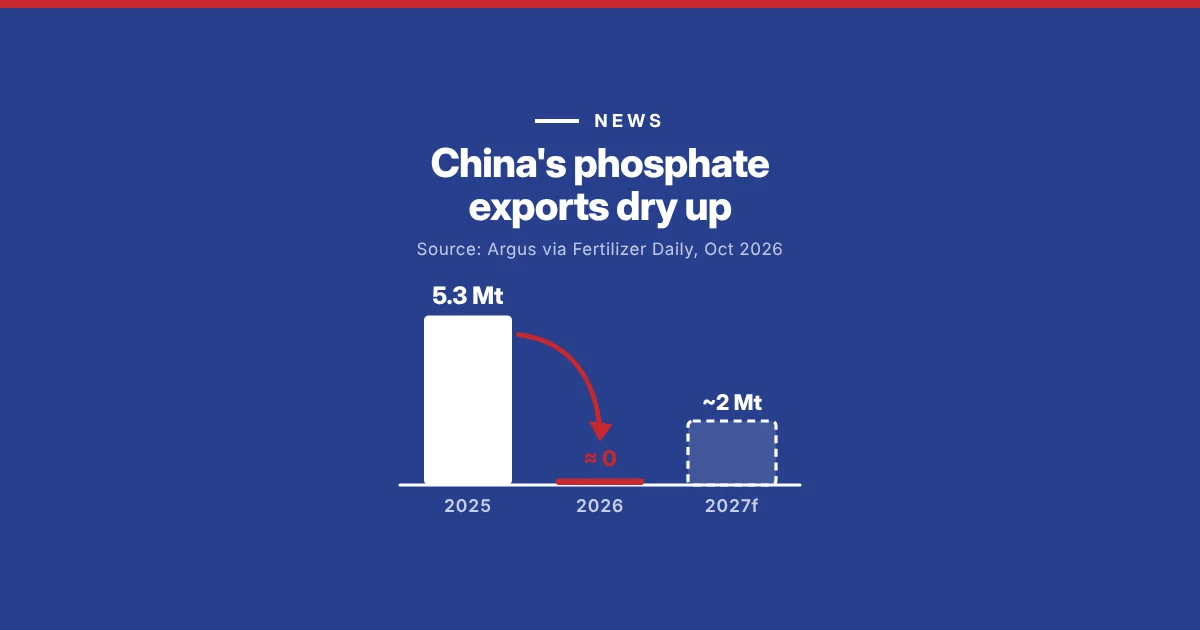
China, which exported about 5.3 million tonnes of phosphate fertilizer in 2025, has shipped almost none in 2026. With sulfur scarce and phosphate prices high, import-dependent markets face a tight season, and every kilo of phosphorus needs to work harder. At Van Polder, we believe a tight phosphate market is a reason to look again […]

If you are starting a banana farm, Panama disease (Fusarium wilt of banana) is the risk to plan for. How to prevent Panama disease in bananas comes down to keeping the fungus out, because no fertilizer prevents or cures it and once it is in the soil it stays for decades (Pegg et al., 2019; […]
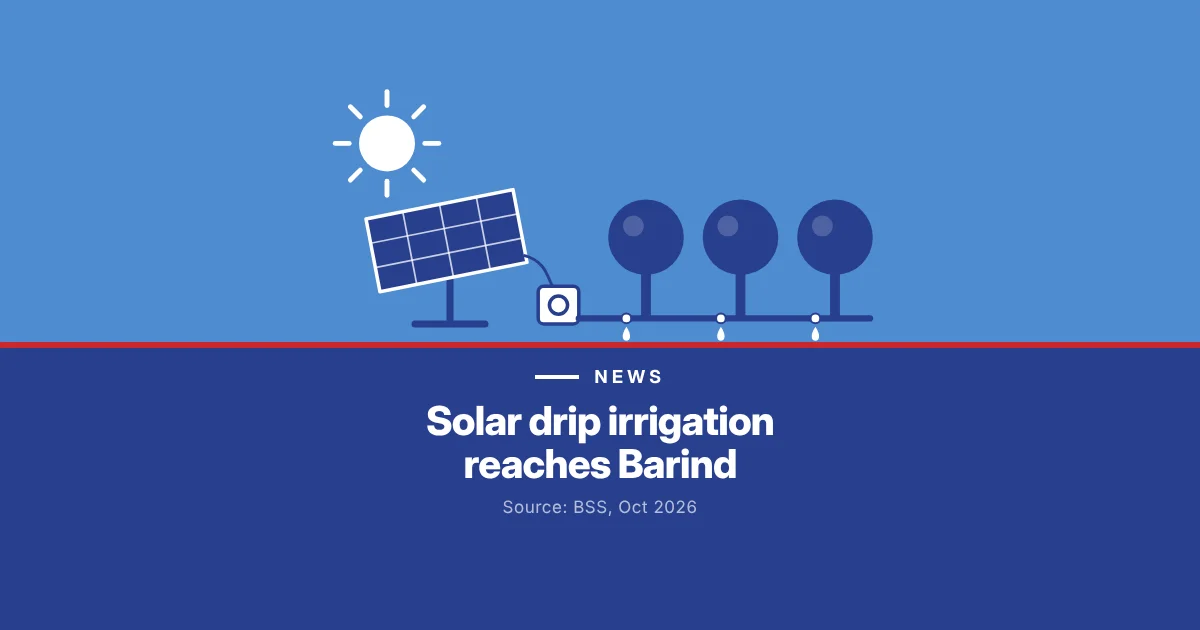
A government project in Bangladesh’s Rajshahi Division has brought solar-powered pumps, including solar drip systems for orchards, to drought-prone land where groundwater has been falling for decades. The Prime Minister wants all diesel irrigation pumps converted to solar within five years. For growers who move to drip, the next step is to feed the crop […]

Calcium deficiency in banana shows first on the youngest leaves, as thickened veins and a saw-tooth pattern of yellow and dead tissue along the leaf margin, and in severe cases as “spike leaf”, new leaves with little or no blade, and poor-quality fruit (Turner, 1987; Martin-Prével, 1980). On most plantation soils it is not a […]
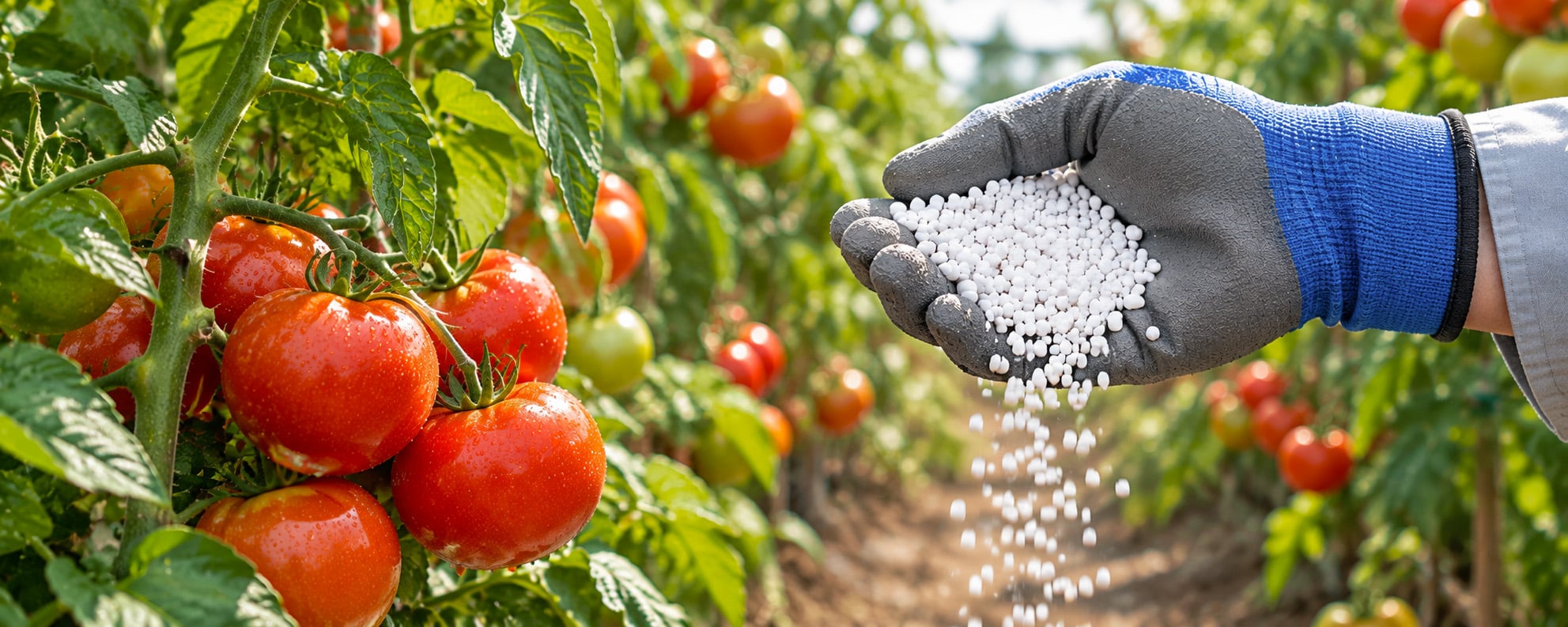
A calcium fertilizer supplies the calcium that holds plant cell walls and membranes together, but whether it reaches the fruit depends as much on water flow as on the fertilizer you choose. Calcium travels with water to the leaves and barely moves out of them again, so fruit and young leaves can run short even […]
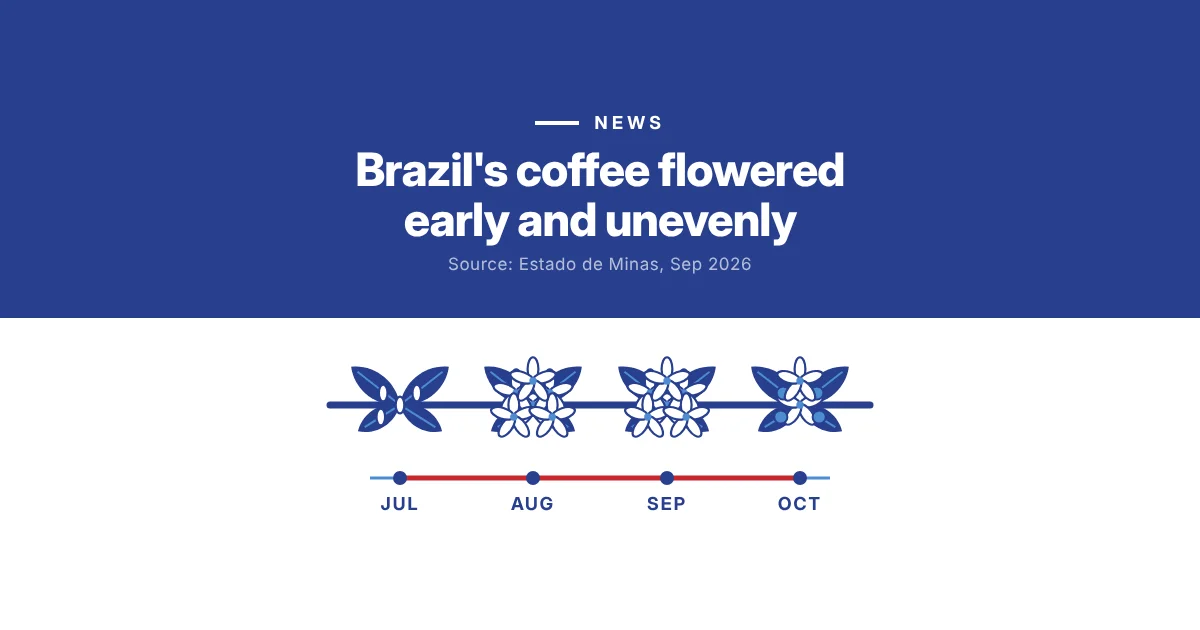
An unusually wet winter brought coffee flowering in Minas Gerais forward by about a month, in several separate waves. With October forecast to be hotter than normal and rain patchy, the question for 2027 is now how many of those flowers turn into fruit. At Van Polder, we believe a strong flowering is only the […]