







Micronutrients for Corn: What Micronutrients do Corn Need to Grow and Optimize Yields?
Achieving high corn yields depends on more than supplying major nutrients alone. Even small imbalances in micronutrients can affect photosynthesis, root development, pollination, and grain filling, ultimately limiting crop performance. In this article, explore the roles of the 8 essential micronutrients for corn, their deficiency symptoms, the factors influencing nutrient uptake, and effective application methods […]


Achieving high corn yields depends on more than supplying major nutrients alone. Even small imbalances in micronutrients can affect photosynthesis, root development, pollination, and grain filling, ultimately limiting crop performance. In this article, explore the roles of the 8 essential micronutrients for corn, their deficiency symptoms, the factors influencing nutrient uptake, and effective application methods to support healthy growth and optimal yields.
1. Crucial Roles of 8 Micronutrients for Corn Development
Below are the eight essential micronutrients and their specific contributions to plant growth, development, and grain production.

- Zinc (Zn): Corn’s most sensitive micronutrient. Regulates growth (auxin, internode elongation, root development) and supports chlorophyll and starch synthesis. Proper nutrition can raise grain yield by up to 24%.
- Iron (Fe): The micronutrient removed from soil in the greatest quantity. Drives photosynthesis, respiration and DNA synthesis, and supports chlorophyll formation and nitrate reduction.
- Manganese (Mn): Activates enzymes for respiration and nitrogen assimilation. Supports chloroplast development, so corn converts sunlight to energy more efficiently.
- Copper (Cu): Activates enzymes for protein and carbohydrate metabolism. Builds lignin, strengthening stalks against lodging and mechanical stress.
- Boron (B): Essential for reproduction (pollen development, fertilization). Moves sugars from leaves to developing ears for kernel fill.
- Molybdenum (Mo): Part of nitrate reductase, converting nitrogen into amino acids and proteins. Improves nitrogen efficiency and biomass.
- Chlorine (Cl): Controls stomatal function, turgor and transpiration. Improves moisture stress tolerance and disease resistance.
- Nickel (Ni): Required for urease activity, which breaks down urea. Prevents urea buildup and leaf-tip necrosis, and supports seed viability.

2. Micronutrient Deficiency Symptoms in Corn
Each micronutrient deficiency produces a unique set of visual symptoms that reflect its physiological role and mobility within the plant. Recognizing these patterns allows growers to distinguish nutrient disorders more accurately and apply corrective measures before significant yield losses occur.
The following table provides a quick reference for diagnosing the most common micronutrient deficiencies in corn.
| Micronutrient | Plant Mobility | Key Deficiency Symptoms |
| Zinc (Zn) | Immobile | – Broad white-to-yellow chlorotic bands develop on one or both sides of the leaf midrib.
– The midrib and leaf margins remain green, creating a distinct striped appearance. – Internodes become shortened, resulting in severe plant stunting and a rosette-like growth habit. |
| Iron (Fe) | Immobile | – Sharp interveinal chlorosis develops while the veins remain dark green.
– Young leaves gradually turn pale yellow to almost white under severe deficiency. – Leaf growth slows, reducing overall plant vigor. |
| Manganese (Mn) | Immobile | – Pale-green interveinal chlorosis appears across newly expanded leaves.
– Chlorosis is generally less distinct than iron deficiency and may develop into light mottling. – Photosynthetic activity declines as symptoms become more severe. |
| Copper (Cu) | Immobile | – Newly emerging leaves become twisted, distorted, or abnormally small.
– Leaf tips develop necrosis and progressive die-back. – Plants may exhibit weak stalk development and reduced structural strength. |
| Boron (B) | Immobile | – Young leaves become thickened, brittle, or deformed.
– Growing points may become stunted or die completely. – Poor pollen viability and incomplete fertilization result in poor kernel set or partially filled ears. |
| Molybdenum (Mo) | Mobile | – General chlorosis closely resembles nitrogen deficiency.
– Older leaves gradually turn yellow before becoming brown and necrotic under prolonged deficiency. – Nitrogen utilization declines, reducing overall plant growth. |
| Chlorine (Cl) | Mobile / Semi-mobile | – General leaf chlorosis and wilting develop as water regulation becomes impaired.
– Plants lose turgor more rapidly under moisture stress. – Deficiency is uncommon under normal field conditions. |
| Nickel (Ni) | Immobile | – Urea accumulates in leaf tips, causing necrosis.
– Poor seed germination. |

3. The 4 Key Factors Influencing Micronutrient Availability in Corn Yield
The availability and uptake of micronutrients in corn are influenced by multiple environmental and management conditions. The following four factors have the greatest impact on nutrient availability, root absorption, and overall fertilizer efficiency throughout the growing season.
3.1. Soil pH
Soil pH is the primary factor controlling micronutrient solubility and directly affects how readily roots can absorb individual elements.
- High soil pH reduces micronutrient availability: Zinc (Zn), Iron (Fe), Manganese (Mn), Copper (Cu), and Boron (B) become progressively less soluble as soil pH increases, causing these nutrients to form insoluble compounds that cannot be absorbed efficiently. Zinc deficiencies, for example, are most common in soils with a pH above 6.6.
- Molybdenum behaves differently: Unlike most micronutrients, Molybdenum (Mo) becomes more available as soil pH increases, making alkaline soils more favorable for its uptake.
- Extremely acidic soils also create problems: Although low pH generally improves the availability of metallic micronutrients, excessive acidity can increase nutrient leaching or even lead to toxicity.
- Maintain an optimal pH range: A soil pH between 6.0 and 7.0 generally provides the most balanced availability of micronutrients for corn production.
See also: Micronutrients for Citrus Trees: Essential Nutrients, Deficiency Symptoms, and Application Guide

3.2. Soil Physical and Chemical Properties
The physical characteristics of the soil determine its capacity to retain micronutrients and supply them continuously to the root system.
- Soil texture affects nutrient retention: Sandy soils with low clay content and low organic matter have poor cation exchange capacity (CEC), making micronutrients more susceptible to leaching. Conversely, fine-textured clay soils or soils with very high organic matter may bind micronutrients too tightly, reducing their availability.
- Organic matter acts as a nutrient reservoir: Decomposing organic matter gradually releases micronutrients such as Boron. However, excessive organic matter can strongly chelate Copper, Manganese, and Zinc, limiting plant uptake.
- Poor drainage restricts root absorption: Waterlogged soils reduce root respiration and overall root activity, directly limiting the active uptake of micronutrients.
3.3. Environmental and Climatic Conditions
Weather conditions strongly influence both nutrient mobility in the soil and the ability of corn roots to absorb micronutrients.
- Cold and wet conditions limit uptake: Low soil temperatures and excessive moisture suppress root growth and microbial activity, making Zinc deficiency particularly common during the early growing season.
- Dry soils reduce nutrient movement: Insufficient soil moisture restricts nutrient diffusion through the soil solution, reducing micronutrient availability even when nutrients are present.
- Heavy rainfall increases leaching losses: Highly soluble micronutrients such as Boron (B), Molybdenum (Mo), and Chlorine (Cl) are easily washed below the root zone, especially in coarse-textured sandy soils.
3.4. Nutrient Interactions and Imbalances
The availability of micronutrients is also influenced by interactions with other nutrients, particularly the balance of NPK fertilizers.
- Excess phosphorus suppresses several micronutrients: High phosphorus levels can reduce the uptake of Zinc, Copper, Iron, and Manganese by promoting the formation of insoluble compounds within the soil.
- High potassium may induce boron deficiency: Excessive potassium fertilization can interfere with Boron uptake, increasing the risk of deficiency during reproductive development.
- Micronutrients also compete with each other: Excess Iron or Zinc may reduce Copper availability, while excessive Copper, Manganese, or Zinc can limit Iron uptake through nutrient antagonism.
- Balanced nitrogen improves micronutrient uptake: Appropriate nitrogen management stimulates root growth and rhizosphere acidification, increasing the availability and absorption of Zinc, Copper, and Manganese while improving overall nutrient use efficiency.
See also: 6 Essential Micronutrients for Mango Plants to Boost Yield and Fruit Quality
See also: Micronutrients for Lemon Plants: Essential Nutrients, Deficiency Symptoms, and Application Guide
High corn yields are achieved through balanced nutrition rather than simply increasing fertilizer inputs. When micronutrients are managed alongside soil conditions and application timing, corn plants can utilize nutrients more efficiently, maintain healthy growth throughout the season, and produce more uniform, high-quality grain.


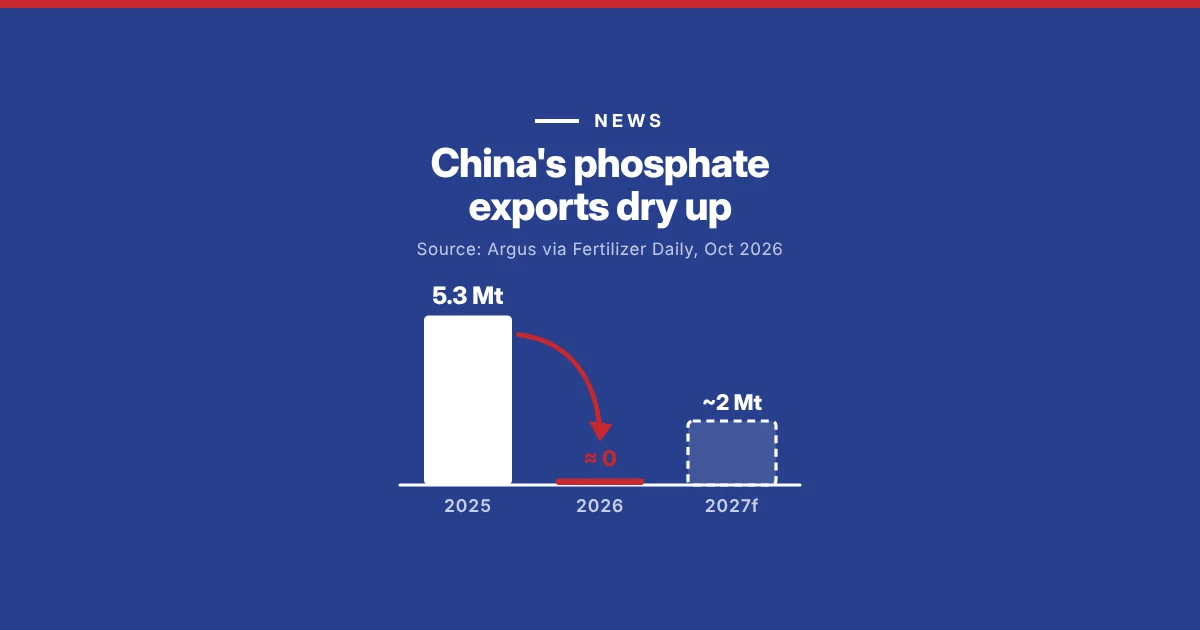
China, which exported about 5.3 million tonnes of phosphate fertilizer in 2025, has shipped almost none in 2026. With sulfur scarce and phosphate prices high, import-dependent markets face a tight season, and every kilo of phosphorus needs to work harder. At Van Polder, we believe a tight phosphate market is a reason to look again […]

If you are starting a banana farm, Panama disease (Fusarium wilt of banana) is the risk to plan for. How to prevent Panama disease in bananas comes down to keeping the fungus out, because no fertilizer prevents or cures it and once it is in the soil it stays for decades (Pegg et al., 2019; […]

A government project in Bangladesh’s Rajshahi Division has brought solar-powered pumps, including solar drip systems for orchards, to drought-prone land where groundwater has been falling for decades. The Prime Minister wants all diesel irrigation pumps converted to solar within five years. For growers who move to drip, the next step is to feed the crop […]
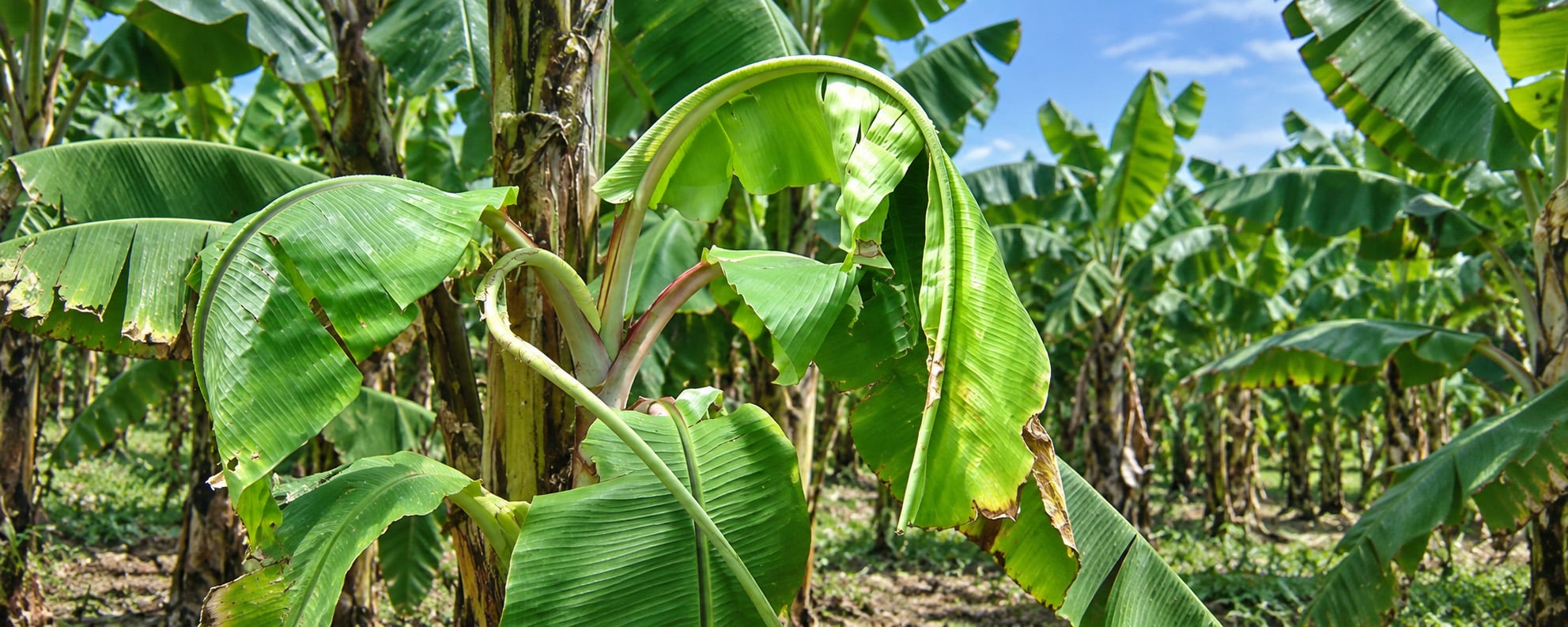
Calcium deficiency in banana shows first on the youngest leaves, as thickened veins and a saw-tooth pattern of yellow and dead tissue along the leaf margin, and in severe cases as “spike leaf”, new leaves with little or no blade, and poor-quality fruit (Turner, 1987; Martin-Prével, 1980). On most plantation soils it is not a […]
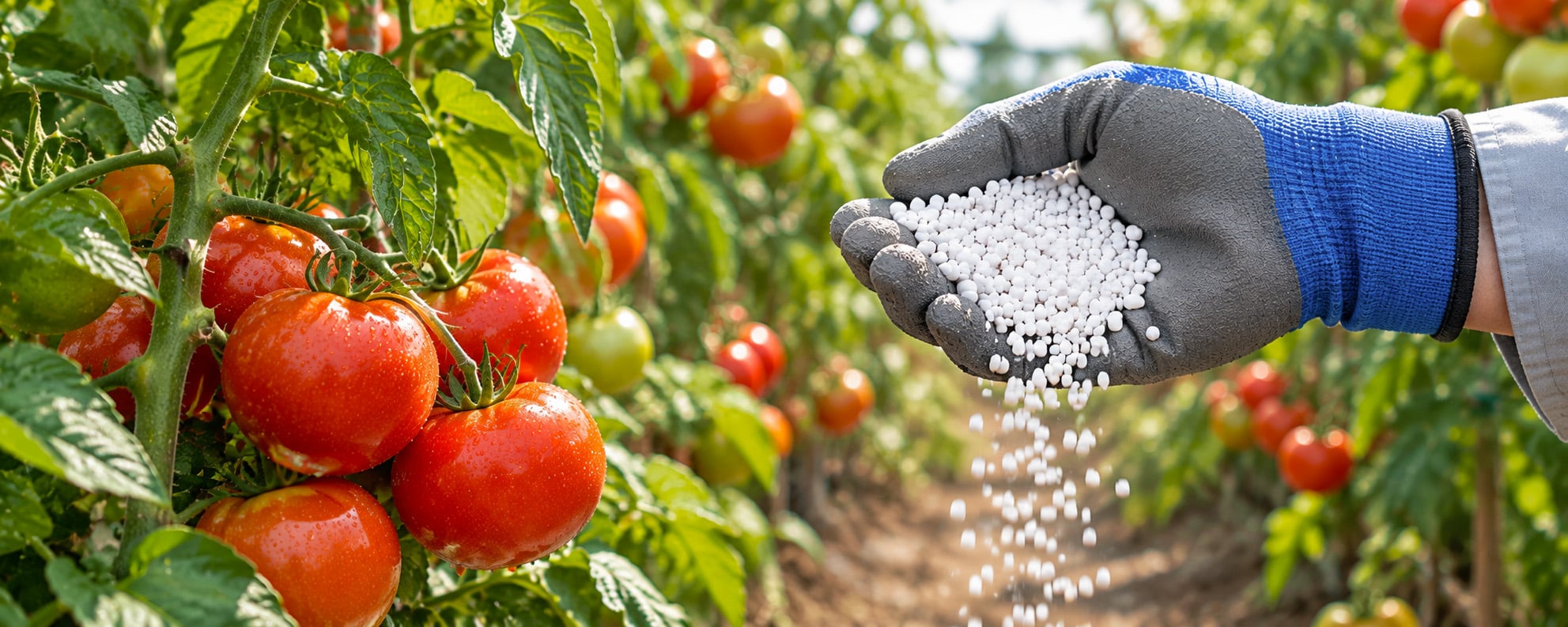
A calcium fertilizer supplies the calcium that holds plant cell walls and membranes together, but whether it reaches the fruit depends as much on water flow as on the fertilizer you choose. Calcium travels with water to the leaves and barely moves out of them again, so fruit and young leaves can run short even […]

An unusually wet winter brought coffee flowering in Minas Gerais forward by about a month, in several separate waves. With October forecast to be hotter than normal and rain patchy, the question for 2027 is now how many of those flowers turn into fruit. At Van Polder, we believe a strong flowering is only the […]