







Amino Acid Protein Hydrolysate Fertilizer: What It Is, How It Works, and How to Choose
Amino acid protein hydrolysate fertilizer is a sustainable biostimulant produced by chemically or enzymatically breaking down organic proteins into readily available amino acids and peptides. By supplying these pre-formed building blocks, it enables plants to absorb nutrients more efficiently without expending additional energy to synthesize amino acids from inorganic nitrogen. As a result, this fertilizer […]


Amino acid protein hydrolysate fertilizer is a sustainable biostimulant produced by chemically or enzymatically breaking down organic proteins into readily available amino acids and peptides. By supplying these pre-formed building blocks, it enables plants to absorb nutrients more efficiently without expending additional energy to synthesize amino acids from inorganic nitrogen. As a result, this fertilizer is widely used in sustainable agriculture to improve nutrient use efficiency, stimulate beneficial soil microorganisms, and enhance crop tolerance to abiotic stress.
1. What Is Amino Acid Protein Hydrolysate Fertilizer?
Definition
Amino acid protein hydrolysate (PH) fertilizer is a specialized plant biostimulant composed of a complex mixture of polypeptides, oligopeptides, and free amino acids. It is produced through the controlled partial hydrolysis of protein-rich agricultural by-products from plant sources (such as legumes and alfalfa) and animal sources (such as collagen and fish processing waste). Compared with conventional amino acid fertilizers, PH fertilizers contain a broader range of bioactive peptides that contribute to their distinctive biostimulant properties.
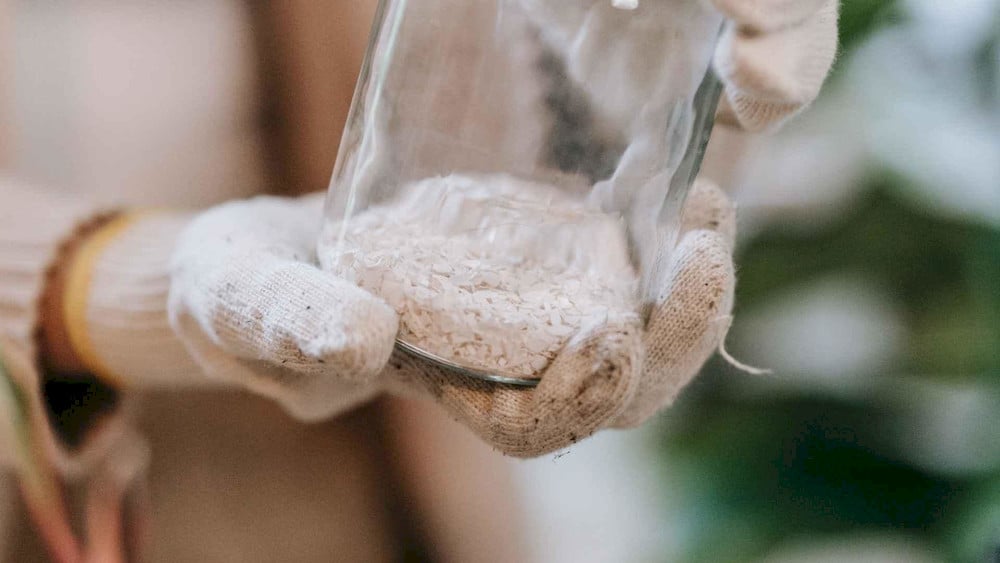
Key Characteristics and Comparison with Standard Amino Acid Fertilizers
| Criteria | Protein Hydrolysate (PH) Fertilizer | Standard Amino Acid Fertilizer |
| Composition | Contains a complex mixture of polypeptides, oligopeptides, and free amino acids. | Primarily contains individual free amino acids. |
| Biological activity | Peptides function as signaling molecules, regulating hormones such as auxins and gibberellins to stimulate plant growth and development. | Mainly serves as a nutrient source with limited signaling activity. |
| Nutrient bioavailability | Peptides and amino acids act as natural chelating agents, improving micronutrient solubility and uptake. | Primarily supplies amino acids with less influence on micronutrient availability. |
| Amino acid quality | High-quality PH fertilizers preserve amino acids in the biologically active L-form, ensuring higher efficacy and safety. | Some products produced by harsh hydrolysis methods may contain D-form amino acids, which are less effective and may become phytotoxic. |
| Additional bioactive compounds | May also contain carbohydrates, phenolic compounds, and phytohormones, creating a synergistic biostimulant effect. | Typically lacks these additional bioactive components. |
Production Methods of Amino Acid Protein Hydrolysate Fertilizer
- Enzymatic hydrolysis: Uses proteolytic enzymes under mild conditions to preserve amino acids and produce high-quality peptides with strong biological activity.
- Chemical hydrolysis: Uses acids or alkalis under high temperature and pressure to release free amino acids, but may damage sensitive nutrients and reduce amino acid quality.
- Thermal hydrolysis and autolysis: Relies on heat or naturally occurring enzymes to break down proteins, producing a more variable mixture of peptides and amino acids.
- Purification and formulation: Removes unwanted large proteins and standardizes the final product to ensure consistent quality and performance.
2. How Does Amino Acid Protein Hydrolysate Fertilizers Work?
Protein hydrolysate (PH) fertilizers act as plant biostimulants by regulating multiple molecular and physiological processes that improve crop growth and resilience. Their primary mechanisms include:
- Hormone-like signaling activity: Specific peptides and amino acid precursors, such as tryptophan, function as signaling molecules that regulate plant hormones, including auxins and gibberellins. This stimulates seed germination, root branching, and fruit development.
- Natural chelation and complexation: Amino acids and peptides bind with micronutrients such as iron (Fe), zinc (Zn), manganese (Mn), and copper (Cu), keeping them in plant-available forms and improving nutrient uptake efficiency.
- Stimulation of beneficial microbiomes: PH fertilizers provide carbon and nitrogen sources that promote the growth of beneficial bacteria and fungi. These microorganisms enhance nitrogen fixation, phosphorus solubilization, and overall rhizosphere health.
- Optimization of plant metabolism: PH application increases the activity of enzymes involved in nitrogen and carbon assimilation, including nitrate reductase and citrate synthase, improving nutrient utilization and photosynthetic performance.
- Induction of stress tolerance: PH fertilizers activate the production of antioxidants and protective osmolytes such as proline, helping plants maintain membrane stability and water balance under drought, salinity, and temperature stress.

3. 4 Key Benefits of AAPH Fertilizer for Crops
Below are the four primary benefits of AAPH fertilizer for agricultural crops.
3.1. Enhanced Plant Growth and Crop Productivity
AAPH promotes stronger vegetative growth and higher biomass, resulting in improved crop performance and increased yields.
- Improved plant growth: Crops develop healthier shoots and roots, with noticeable increases in plant height, leaf area, and overall vigor.
- Enhanced leaf greenness: Higher chlorophyll content produces a distinct greening effect, reflected by darker foliage and increased SPAD index values.
- Higher crop yields: Field studies have reported significant yield improvements in various crops, including approximately 22% in papaya, up to 36.2% in apricot, and around 50% in lettuce grown under low-nutrient conditions. In bananas, AAPH application can also shorten the harvest period by about four weeks while improving bunch weight.
3.2. Improved Nutrient Use Efficiency (NUE)
AAPH helps crops utilize available nutrients more efficiently, allowing plants to maintain healthy growth even under reduced fertilizer inputs.
- Greater nutrient uptake: Improved absorption of both macro- and micronutrients enhances the overall nutritional status of plants throughout the growing season.
- Better fertilizer efficiency: More effective nutrient utilization supports stable crop performance while reducing dependence on conventional fertilizer applications.
3.3. Increased Tolerance to Abiotic and Biotic Stress
AAPH strengthens plant resilience, enabling crops to better withstand unfavorable environmental conditions while maintaining productivity.
- Improved environmental stress tolerance: Crops show greater resistance to drought, salinity, and temperature extremes, helping minimize growth reduction and physiological damage. For example, AAPH has been shown to reduce leaf necrosis in persimmons grown under saline conditions.
- Enhanced disease resistance: Studies have demonstrated improved natural resistance against several pathogens. In grapevines, AAPH application reduced storage rot by 40 – 56% and increased resistance to Plasmopara viticola.
3.4. Superior Product Quality and Shelf Life
Beyond increasing yield, AAPH also enhances the market quality and post-harvest performance of agricultural products.
- Improved fruit quality: Application increases soluble solids (TSS/°Brix), vitamin C, and valuable phytochemicals such as phenols, anthocyanins, and flavonoids.
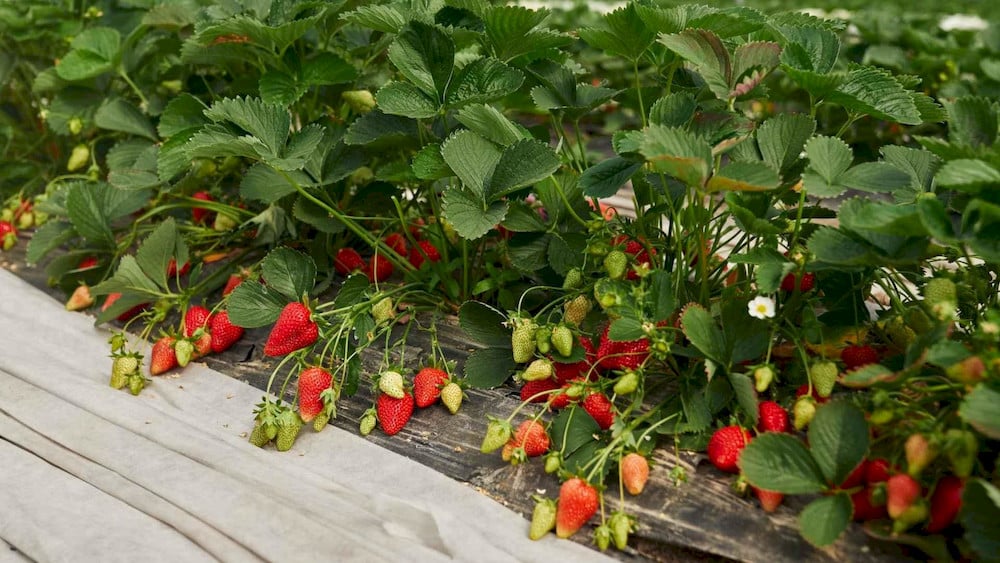
- Longer shelf life: Treated fruits often exhibit greater firmness and improved storage performance. For example, strawberries have shown approximately 20% higher firmness, helping reduce post-harvest losses during transportation and storage.
4. 7 Limitations of Amino Acid Protein Hydrolysate Fertilizer
Despite their many agronomic advantages, AAPH also have several limitations that should be considered to ensure safe and effective application.
- Rapid microbial degradation: When applied to the soil, amino acids can be rapidly consumed by soil microorganisms before being fully absorbed by plant roots. For this reason, foliar application is often considered more efficient in certain situations.
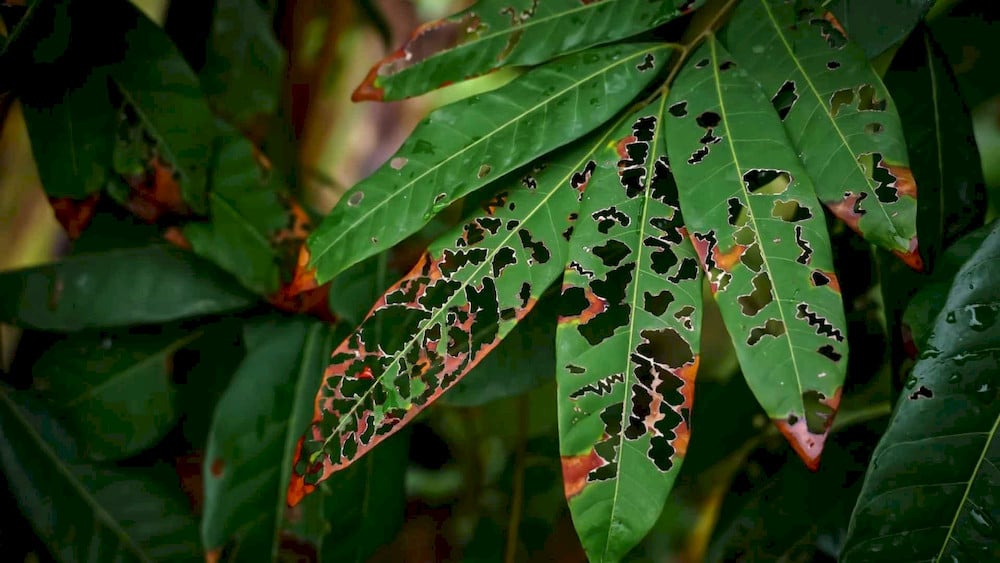
- Risk of phytotoxicity: Animal-derived AAPH products may contain unbalanced amino acid compositions or elevated sodium chloride (NaCl) levels from the manufacturing process. Excessive application can inhibit plant growth or cause leaf burn.
- Presence of D-amino acids: Products manufactured through harsh chemical hydrolysis may contain D-amino acids formed during racemization. These compounds are generally not utilized by plants and may reduce the overall effectiveness of the fertilizer.
- Compatibility with copper-based pesticides: Mixing AAPH with copper pesticides under acidic conditions (pH below 6.0) can release excessive free Cu²⁺ ions, increasing the risk of phytotoxicity and plant tissue damage.
- Limited storage stability: Because AAPH fertilizers are rich in organic compounds, they are more susceptible to sedimentation, phase separation, and microbial contamination than conventional mineral fertilizers, resulting in a shorter shelf life.
- Variable field performance: The effectiveness of AAPH depends on crop species, growth stage, application rate, and frequency. In some cases, while yield may increase, certain quality attributes or fruit ripening may be negatively affected.
- Regulatory restrictions: In some regions, including the European Union, animal-derived protein hydrolysates are subject to strict regulations and may not be permitted for application on the edible portions of organic crops due to biosafety concerns.
5. How to Use Protein Hydrolysate Fertilizers
Protein hydrolysate (PH) fertilizers can be applied throughout the crop cycle to promote plant establishment, improve productivity, and enhance tolerance to environmental stress. The appropriate application method and timing should be selected according to crop growth stage and production objectives.
5.1. Choose the Right Application Method
PH fertilizers are available in liquid, powder, and granular forms and can be applied through foliar spraying, soil drenching/fertigation, or seed treatment.
- Foliar application: Best suited when a rapid plant response is required, as bioactive compounds are absorbed quickly through the leaves. It is commonly used during flowering, fruit development, stress periods, and post-harvest recovery to improve fruit set, quality, and stress tolerance.
- Soil application: Recommended for promoting root development and maintaining long-term soil fertility. Soil drenching or fertigation stimulates beneficial microorganisms, enhances nutrient availability, and supports continuous vegetative growth.
5.2. Apply at the Right Growth Stage
The effectiveness of PH fertilizers depends on matching applications with the crop’s developmental stage.
- Seedling establishment: Apply to encourage root growth, improve transplant establishment, and enhance early plant vigor.
- Vegetative growth: Continue applications to support shoot development, nutrient uptake, and biomass accumulation.
- Flowering and fruit development: Foliar applications help improve pollination, fruit set, fruit quality, and antioxidant accumulation.
- Post-harvest: Application after harvest replenishes plant reserves and prepares perennial crops for the following growing season.
5.3. Use Preventively for Maximum Effect
PH fertilizers perform best when applied before plants experience environmental stress rather than after damage has occurred.
- Apply 24 – 48 hours before anticipated drought, heat, or cold events to strengthen the plant’s natural defense mechanisms.
- For fruit crops, prioritize soil applications during early vegetative growth to establish a strong root system, then shift to foliar applications during flowering and fruit ripening to maximize fruit quality and productivity.
6. How to Choose a Quality Product: 5 Key Criteria
The quality of an amino acid protein hydrolysate fertilizer depends not only on its nutrient content but also on its raw materials, production process, and safety standards. Consider the following five criteria when selecting a product.
- Raw material source: Choose products made from high-quality plant proteins (such as soybean, legumes, or alfalfa) or clean animal sources. Avoid products manufactured from low-grade animal by-products that may have inconsistent amino acid profiles.
- Production method: Enzymatically hydrolyzed products are generally preferred because they preserve bioactive peptides and essential amino acids. Chemically hydrolyzed products may damage sensitive compounds and reduce overall biological activity.
- L-amino acid content: High-quality products should contain predominantly L-amino acids, which are readily utilized by plants. Products with excessive D-amino acids, often generated during chemical hydrolysis, may reduce fertilizer effectiveness.
- Peptide composition: Look for products containing a balanced mixture of polypeptides, oligopeptides, and free amino acids rather than only free amino acids. This broader composition provides stronger biostimulant effects.
- Quality and safety certification: Select products that comply with recognized quality standards, such as OMRI or EU CE certification, and have been tested for contaminants including heavy metals.
Avoid Products That…
|
7. General Notes and Proper Storage Methods
To maintain the effectiveness of amino acid protein hydrolysate fertilizer, proper application practices and storage conditions should always be followed.
General Usage Notes
- Follow the correct mixing order: When preparing tank mixes, add materials in the following sequence: Water → Pesticides/Fungicides → AAPH → Soluble Mineral Nutrients → Surfactants → Biological Inoculants to ensure compatibility and prevent precipitation.
- Avoid acidic tank mixtures with copper products: When combining AAPH with copper-based fungicides, maintain the spray solution at around pH 7.0. Acidic conditions (below pH 6.0) can release excessive free Cu²⁺ ions, increasing the risk of leaf damage.
- Follow product regulations and application recommendations: Observe local regulations regarding animal-derived protein hydrolysates and always apply AAPH at the recommended timing, preferably 24 – 48 hours before anticipated environmental stress.
- Avoid excessive application: High concentrations, particularly from some animal-derived products, may cause phytotoxicity or suppress growth in sensitive crops.
Proper Storage
- Store in a cool, dry place: Keep products away from direct sunlight and follow the manufacturer’s storage instructions to preserve bioactive compounds.
- Choose powder formulations for longer storage: Powdered AAPH products generally offer better stability and a longer shelf life than liquid formulations.
- Maintain liquid products properly: Shake or agitate liquid products regularly to prevent sedimentation and mold growth, and use them within the recommended shelf life after opening.

In summary, Amino Acid Protein Hydrolysate Fertilizer is more than just a nutrient source. It is an effective biostimulant that supports healthier plant growth, improves stress tolerance, and enhances nutrient efficiency. Choosing a high quality product and applying it correctly will help maximize crop performance while promoting more sustainable agricultural practices.


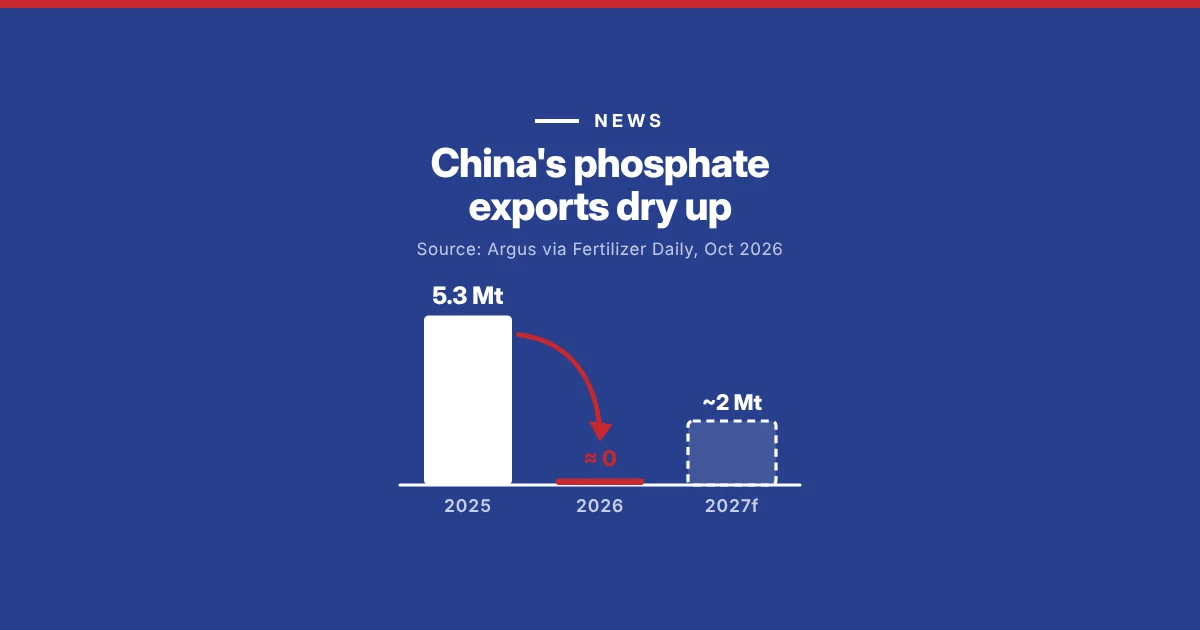
China, which exported about 5.3 million tonnes of phosphate fertilizer in 2025, has shipped almost none in 2026. With sulfur scarce and phosphate prices high, import-dependent markets face a tight season, and every kilo of phosphorus needs to work harder. At Van Polder, we believe a tight phosphate market is a reason to look again […]
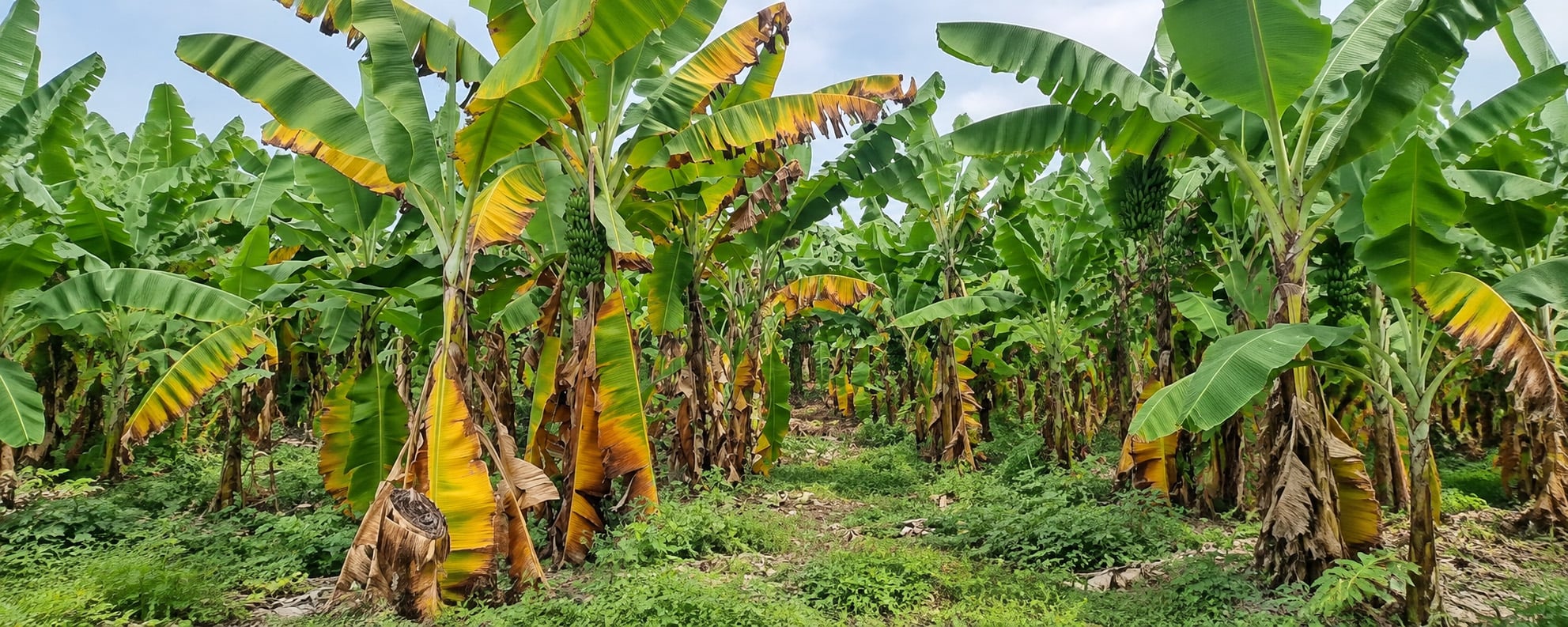
If you are starting a banana farm, Panama disease (Fusarium wilt of banana) is the risk to plan for. How to prevent Panama disease in bananas comes down to keeping the fungus out, because no fertilizer prevents or cures it and once it is in the soil it stays for decades (Pegg et al., 2019; […]
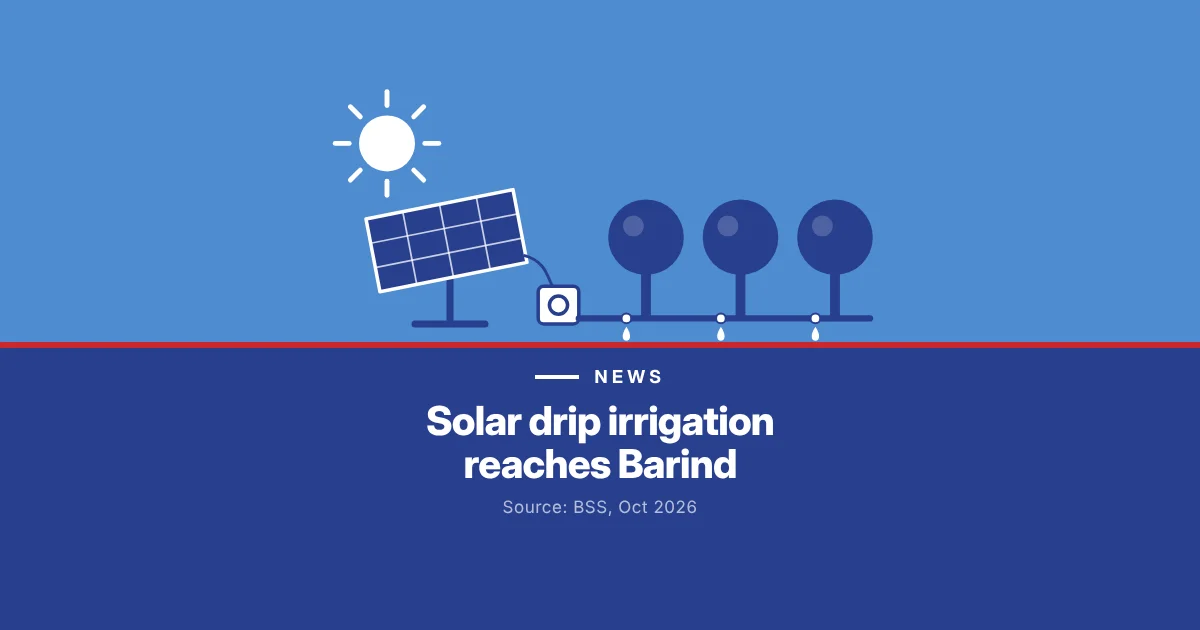
A government project in Bangladesh’s Rajshahi Division has brought solar-powered pumps, including solar drip systems for orchards, to drought-prone land where groundwater has been falling for decades. The Prime Minister wants all diesel irrigation pumps converted to solar within five years. For growers who move to drip, the next step is to feed the crop […]
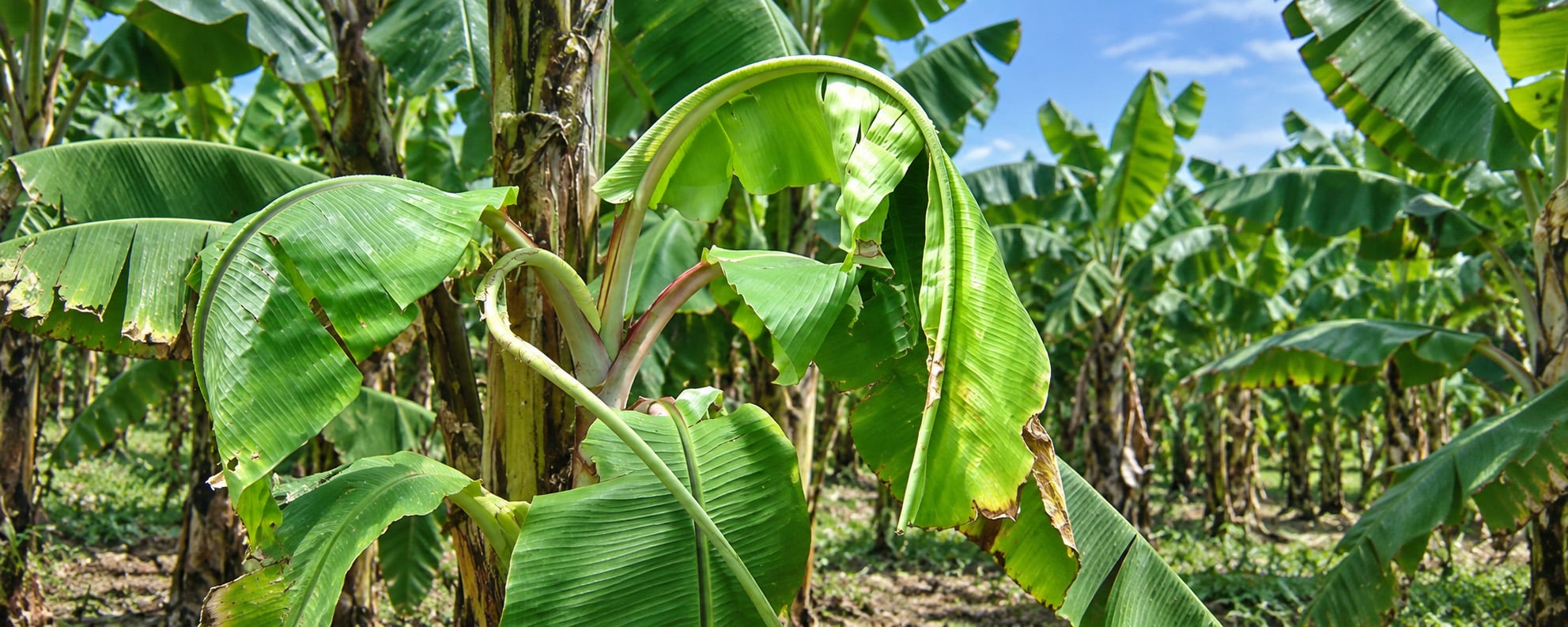
Calcium deficiency in banana shows first on the youngest leaves, as thickened veins and a saw-tooth pattern of yellow and dead tissue along the leaf margin, and in severe cases as “spike leaf”, new leaves with little or no blade, and poor-quality fruit (Turner, 1987; Martin-Prével, 1980). On most plantation soils it is not a […]
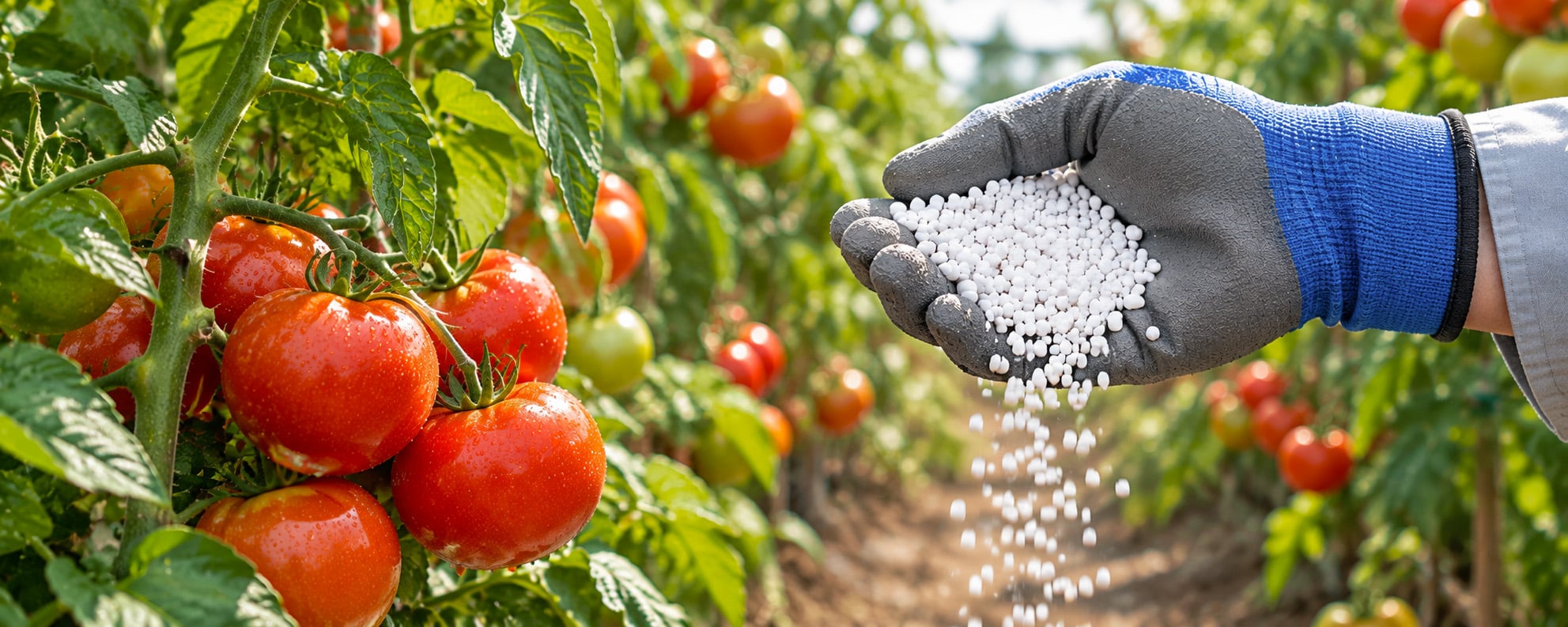
A calcium fertilizer supplies the calcium that holds plant cell walls and membranes together, but whether it reaches the fruit depends as much on water flow as on the fertilizer you choose. Calcium travels with water to the leaves and barely moves out of them again, so fruit and young leaves can run short even […]
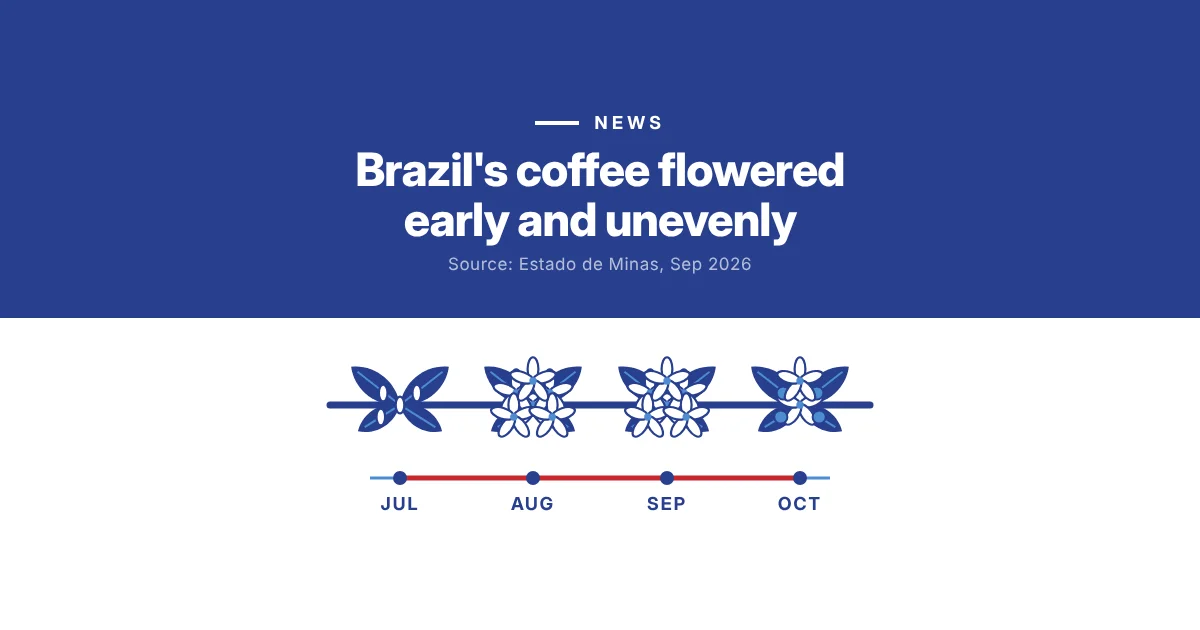
An unusually wet winter brought coffee flowering in Minas Gerais forward by about a month, in several separate waves. With October forecast to be hotter than normal and rain patchy, the question for 2027 is now how many of those flowers turn into fruit. At Van Polder, we believe a strong flowering is only the […]