







Micronutrient Fertilizers: A Comprehensive Guide to Enhancing Crop Productivity
When crops show stunted growth, yellowing leaves, or poor development, the problem is not always a lack of nitrogen, phosphorus, or potassium. Micronutrients are needed in much smaller amounts, but deficiencies in elements such as zinc, iron, boron, and manganese can still interfere with key plant processes and reduce crop performance. So, what is micronutrient […]


When crops show stunted growth, yellowing leaves, or poor development, the problem is not always a lack of nitrogen, phosphorus, or potassium. Micronutrients are needed in much smaller amounts, but deficiencies in elements such as zinc, iron, boron, and manganese can still interfere with key plant processes and reduce crop performance. So, what is micronutrient fertilizer, and when should it be used? This guide explains the basics of micronutrient fertilizers, their main types, deficiency symptoms, and practical application methods.
1. Definition of Micronutrient Fertilizers
Definition:
Micronutrient fertilizers are agricultural inputs formulated to supply essential micronutrients that plants require in small quantities for normal growth, development, and reproduction. Although these elements are needed in much lower amounts than primary macronutrients such as nitrogen (N), phosphorus (P), and potassium (K), they are essential for completing the plant life cycle and maintaining crop productivity. In plant tissues, micronutrients are generally present at concentrations below 0.01% (100 ppm) of dry matter, though this threshold varies by element.

Essential Micronutrients:
For higher plants, the recognized essential micronutrients are zinc (Zn), boron (B), iron (Fe), manganese (Mn), copper (Cu), molybdenum (Mo), chlorine (Cl), and nickel (Ni). Micronutrient fertilizers may contain one or several of these elements depending on the crop and the identified nutritional requirement.
Chemical Forms:
These nutrients can be supplied in different forms, including inorganic salts, synthetic chelates, natural organic complexes, oxides, and oxysulfates. The choice of formulation influences nutrient solubility, availability, and suitability for different soil and application conditions.
Role:
Micronutrient fertilizers help maintain an adequate supply of trace elements involved in essential plant functions. Depending on the element, they contribute to enzyme activity, photosynthesis, nitrogen and carbohydrate metabolism, cell wall development, reproductive growth, and protection against oxidative stress. Their purpose is therefore not to replace macronutrient fertilizers, but to correct or prevent micronutrient deficiencies and support balanced plant nutrition.
2. Benefits of Using Micronutrient Fertilizer in Modern Crop Production
Micronutrient fertilizers help maintain a balanced nutrient supply when soil conditions or crop demand limit the availability of essential trace elements. Their benefits are mainly associated with supporting plant growth, improving nutrient use, maintaining crop quality, and helping plants respond to environmental and biological stresses.
2.1. Support for Crop Growth and Yield
Micronutrients are involved in physiological processes that directly influence crop growth and yield formation.
- Support for plant development: Elements such as zinc, iron, manganese, and boron contribute to processes including enzyme activity, photosynthesis, cell development, and reproductive growth.
- Yield formation: Adequate micronutrient availability helps crops maintain normal flowering, pollination, fruit or grain development, and seed formation.
- Prevention of hidden deficiencies: Crops may experience micronutrient deficiencies before clear visual symptoms appear. Maintaining adequate levels can help prevent these less visible limitations from affecting yield.
2.2. Improved Nutrient Use Efficiency
Micronutrients work alongside macronutrients such as nitrogen, phosphorus, and potassium to support balanced plant nutrition.
- Better NPK utilization: Micronutrients participate in metabolic processes that allow plants to use absorbed macronutrients effectively.
- Balanced nutrition: Correcting a confirmed micronutrient deficiency can improve the plant’s response to an existing NPK fertilizer program.
- Reduced nutrient limitation: When a micronutrient is deficient, supplying additional NPK alone may not fully correct the resulting growth limitation.
2.3. Improved Crop Quality
Adequate micronutrient nutrition can influence both the physical and nutritional characteristics of agricultural products.
- Nutritional quality: Micronutrients can contribute to the accumulation of compounds such as protein, oil, and carbohydrates, depending on the crop and nutrient involved.
- Physical quality: Boron, zinc, and other micronutrients contribute to normal tissue development, fruit formation, seed development, and structural integrity.
- Post-harvest quality: Balanced micronutrient nutrition can support characteristics related to produce firmness, storage quality, and shelf life in certain crops.

2.4. Support for Disease and Environmental Stress Tolerance
Several micronutrients contribute to physiological mechanisms that help plants maintain normal growth under stress.
- Disease defense: Copper, manganese, zinc, and other micronutrients participate in enzyme systems and the formation of structural compounds such as lignin and phenolic compounds that contribute to plant defense.
- Stress response: Adequate micronutrient status can help plants maintain cellular functions under environmental stresses such as temperature fluctuations, drought, or excessive light.
- Membrane and structural stability: Elements such as boron and manganese contribute to maintaining cell wall and membrane functions, which are important for overall plant resilience.
2.5. Improved Seed and Seedling Development
Micronutrient availability can also influence the quality of seeds and the establishment of the following crop.
- Seed development: Zinc, manganese, molybdenum, and other micronutrients contribute to normal seed formation and maturation.
- Germination and emergence: Adequate micronutrient reserves can support early metabolic activity during germination and seedling establishment.
- Early plant vigor: Maintaining sufficient micronutrient levels can help seedlings develop normally, particularly where soil nutrient availability is limited.
3. Classification of Micronutrient Fertilizers
Micronutrient fertilizers are classified according to their chemical form and nutrient availability, with three common categories: inorganic sources, synthetic chelates, and natural organic complexes.
- Inorganic Micronutrient Fertilizers: These fertilizers supply micronutrients mainly as metallic salts, oxides, or oxysulfates. Their solubility and nutrient release vary according to the chemical form:
- Metallic Salts: Common forms include sulfates, chlorides, and nitrates. Sulfates are widely used because many are highly water-soluble and provide relatively rapid nutrient availability. However, nutrients may be prone to leaching in sandy soils or become less available under certain high-pH conditions.
- Oxides: These forms generally have low water solubility and release nutrients more gradually through reactions in the soil. They can contribute to longer-term nutrient reserves, with finer particles generally providing greater surface area for soil reactions.
- Oxysulfates: These contain both soluble sulfate and less-soluble oxide fractions, providing a combination of relatively rapid and gradual nutrient release.
- Synthetic Chelates: These fertilizers bind metal micronutrients with synthetic organic molecules such as EDTA, DTPA, or EDDHA. The chelating agent surrounds the metal ion and helps reduce precipitation or fixation, which can improve micronutrient availability under certain challenging soil conditions, particularly high-pH soils. They generally have a higher cost than conventional inorganic sources.
- Natural Organic Complexes: These fertilizers combine micronutrients with naturally derived organic compounds such as amino acids, citric acid, or lignosulfonates. The organic compounds interact with the nutrient ions and can influence their solubility and availability for plant uptake. Their stability depends on the type of organic compound and soil conditions, so they may be less stable than synthetic chelates in some high-pH soils.

4. Identifying Micronutrient Deficiencies in Plants
Accurate diagnosis of micronutrient deficiencies is important because different nutrients can produce similar symptoms, making visual identification alone difficult. The table below summarizes the main deficiency symptoms of several essential micronutrients and the characteristic signs that can help distinguish them.
| Micronutrient | Common Deficiency Symptoms |
| Zinc (Zn) | – Stunted growth and rosetting: Shortened internodes result in compact, stunted growth.
– Leaf symptoms: Young leaves may become small and distorted, with interveinal chlorosis. – Cereals: Chlorotic stripes may develop on either side of / parallel to the leaf midrib. |
| Iron (Fe) | – Interveinal chlorosis: Young leaves develop yellow tissue between the veins while the veins remain green.
– Severe deficiency: Leaves may become pale yellow or almost white. – Symptoms are commonly associated with high-pH or calcareous soils. |
| Boron (B) | – Growing-point death: Terminal buds may die, resulting in restricted shoot and root development.
– Leaf deformation: Leaves may become thick, brittle, curled, or distorted. – Reproductive problems: Poor fruit set, malformed fruits, and internal disorders such as hollow heart or internal corking may occur. |
| Manganese (Mn) | – Mottled chlorosis: Young leaves develop yellow or yellow-green mottling between the veins.
– Irregular pattern: Symptoms tend to appear as scattered or mottled areas rather than uniform interveinal chlorosis. – Weak tissues: Reduced lignin formation can contribute to leaf drooping or lodging in some crops. |
| Copper (Cu) | – Leaf distortion: Young leaves may become twisted, curled, or wilted.
– Yellow or white tips: In cereals, leaf tips may turn yellow or white and gradually die back. – Stem weakness: Poor lignification can cause weak, bent, or distorted stems. |
| Molybdenum (Mo) | – Nitrogen-like chlorosis: Leaves become pale green or yellow, resembling nitrogen deficiency.
– Older-leaf symptoms: Deficiency often appears first on older to middle-aged leaves, unlike many other micronutrient deficiencies which typically show on new growth first. – Whiptail: In cauliflower and other crucifers, severe deficiency can cause narrow, poorly developed leaves with the midrib remaining prominent. |

5. How to Apply Micronutrient Fertilizers Effectively
The effectiveness of micronutrient fertilizers depends on applying the right nutrient at the appropriate growth stage and through a suitable method. Proper timing and application help improve nutrient uptake while reducing the risk of deficiency, toxicity, and nutrient loss.
5.1. Timing and Growth Stages for Optimal Nutrient Uptake
Micronutrient requirements vary throughout the crop cycle, so application should be matched with the plant’s physiological needs and periods of higher nutrient demand.
- Prevention Over Correction: Micronutrients should be included as part of a balanced nutrition program rather than applied only after visible deficiency symptoms appear. Early management can help maintain normal growth and reduce potential yield losses.
- Early Growth: Zinc (Zn) is particularly important during early vegetative growth and root development, supporting processes related to auxin metabolism and plant growth.
- Active Photosynthesis: Iron (Fe) and Manganese (Mn) are important during periods of active photosynthetic growth because of their roles in chlorophyll-related processes and photosynthetic activity.
- Reproductive Growth: Boron (B) becomes particularly important during flowering and reproductive development, supporting pollen development, pollen tube growth, and fruit or seed formation.
- Stress Conditions: Cold, wet, or otherwise unfavorable soil conditions can restrict root growth and nutrient uptake. In such situations, application methods that provide nutrients more directly to plant tissues may help address emerging deficiencies.
5.2. Effective Application Methods
The appropriate application method depends on the nutrient, crop, soil conditions, and the purpose of treatment, whether maintaining nutrient availability or correcting an existing deficiency.
- Soil Application: Soil application helps establish baseline nutrient availability and support nutrient supply through the growing season. Depending on the nutrient and soil conditions, fertilizers can be broadcast, banded near the root zone, or applied as a side-dress or top-dress.
- Foliar Spray: Foliar application provides a direct method for correcting micronutrient deficiencies during the growing season, particularly when high soil pH, drought, or nutrient fixation restricts root uptake.
- Fertigation: Water-soluble micronutrients can be delivered through drip or sprinkler irrigation, placing nutrients directly in the root zone and allowing more precise dosing throughout the crop cycle.
- Seed Treatment: Seed coating or priming with micronutrients such as Zinc (Zn) and Molybdenum (Mo) provides an early nutrient supply and can support uniform seedling establishment.
- Targeted Application Methods: Certain crops may benefit from specific techniques. For example, rice seedlings can be treated with zinc solutions before transplanting, while trunk injection may be used for selected high-value fruit or ornamental trees when other application methods are less suitable.

5.3. Important Notes When Applying Micronutrients
Because micronutrients are required in relatively small amounts, application rates and product quality need to be carefully managed to avoid toxicity, nutrient interactions, and long-term soil contamination.
- Avoid Over-Application: Excessive application can cause toxicity or interfere with the uptake of other nutrients. Boron (B) has a particularly narrow range between adequate and toxic concentrations.
- Foliar Application Conditions: Avoid foliar spraying during periods of high heat and strong sunlight to reduce the risk of leaf burn. Applications are generally better made under cooler conditions, such as early morning or late afternoon.
- Check Product Quality: Micronutrient fertilizers should come from reliable sources with appropriate quality control. Some materials, particularly those derived from industrial by-products, may contain contaminants such as Cadmium (Cd), Lead (Pb), or Nickel (Ni).
- Consider Long-Term Soil Effects: Repeated use of contaminated micronutrient products can increase heavy-metal accumulation in soil, potentially affecting food safety and long-term soil productivity.
Note: While nickel is an essential micronutrient at trace levels, uncontrolled contamination from industrial by-products can introduce it at levels harmful to soil and food safety.
Understanding what is micronutrient fertilizer helps growers identify when trace nutrients are limiting crop growth and choose a suitable way to address them. The right source, application method, and timing can help maintain balanced plant nutrition while reducing the risk of deficiency or toxicity. Micronutrient fertilizers work best as part of an overall nutrient management program based on the crop’s needs and soil conditions.


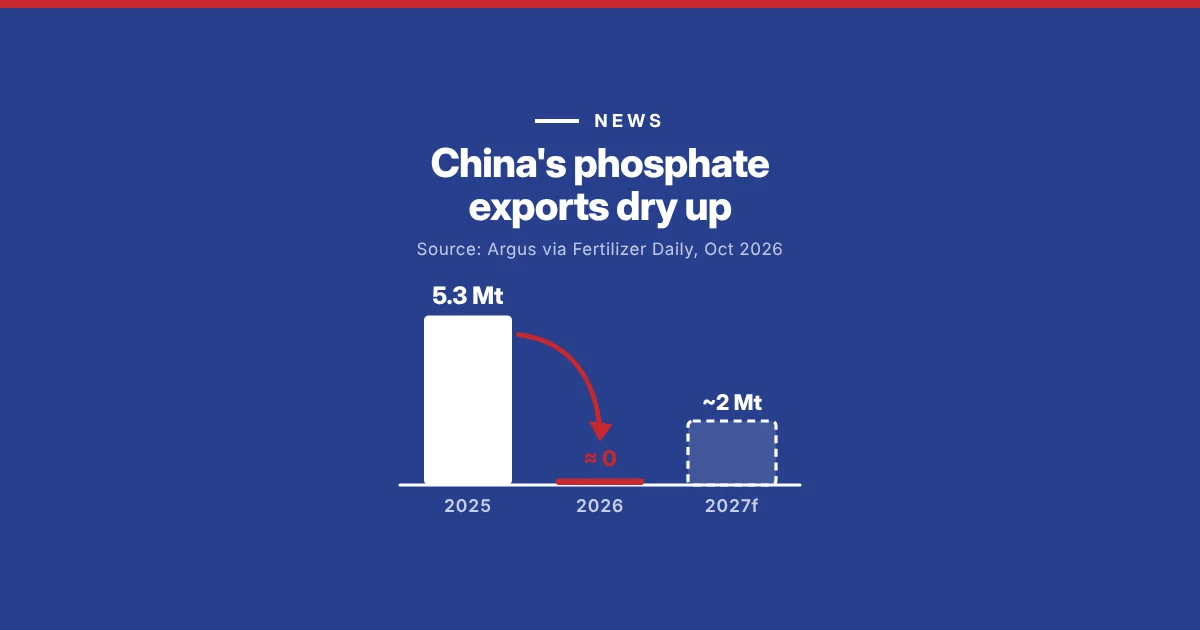
China, which exported about 5.3 million tonnes of phosphate fertilizer in 2025, has shipped almost none in 2026. With sulfur scarce and phosphate prices high, import-dependent markets face a tight season, and every kilo of phosphorus needs to work harder. At Van Polder, we believe a tight phosphate market is a reason to look again […]

If you are starting a banana farm, Panama disease (Fusarium wilt of banana) is the risk to plan for. How to prevent Panama disease in bananas comes down to keeping the fungus out, because no fertilizer prevents or cures it and once it is in the soil it stays for decades (Pegg et al., 2019; […]
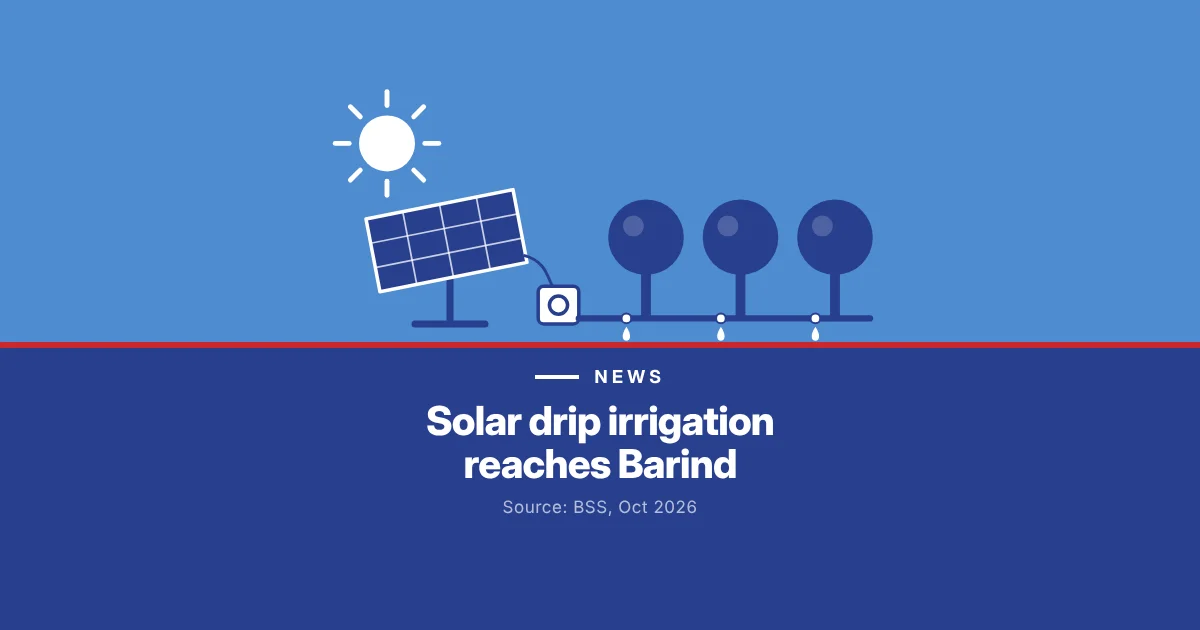
A government project in Bangladesh’s Rajshahi Division has brought solar-powered pumps, including solar drip systems for orchards, to drought-prone land where groundwater has been falling for decades. The Prime Minister wants all diesel irrigation pumps converted to solar within five years. For growers who move to drip, the next step is to feed the crop […]
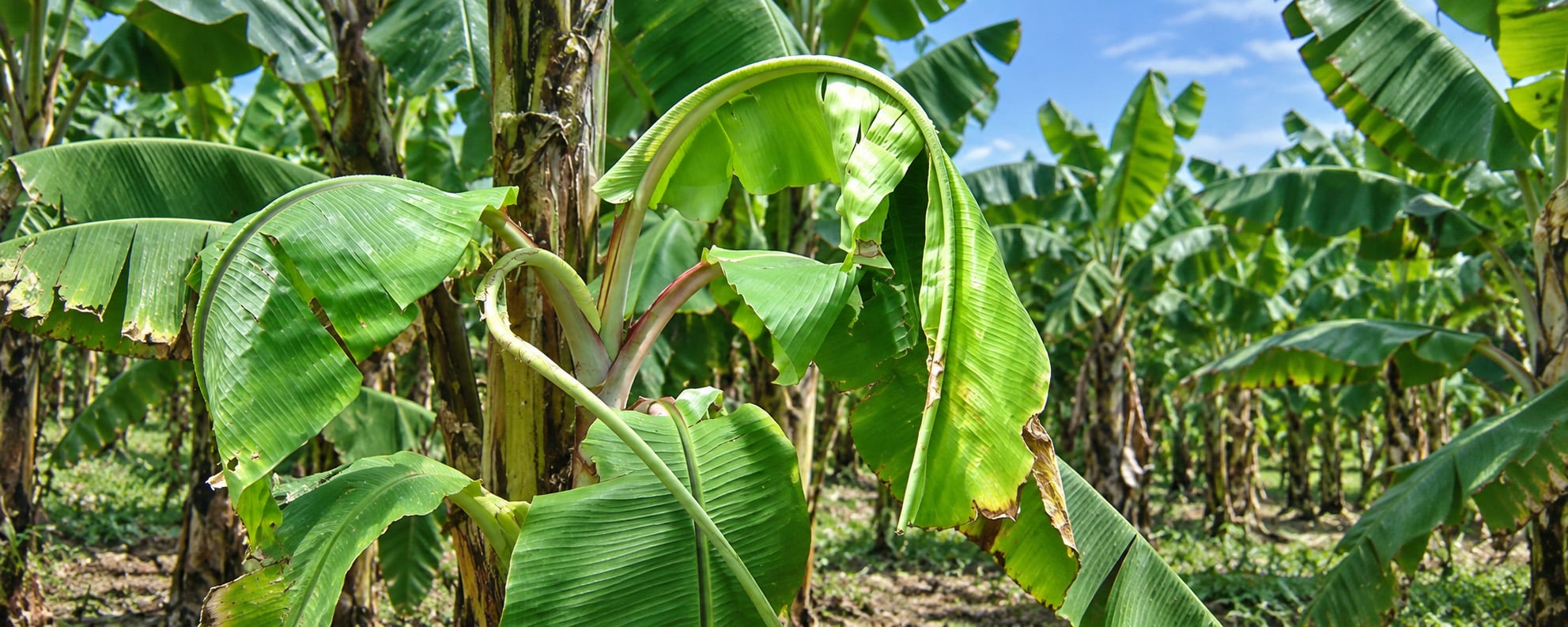
Calcium deficiency in banana shows first on the youngest leaves, as thickened veins and a saw-tooth pattern of yellow and dead tissue along the leaf margin, and in severe cases as “spike leaf”, new leaves with little or no blade, and poor-quality fruit (Turner, 1987; Martin-Prével, 1980). On most plantation soils it is not a […]
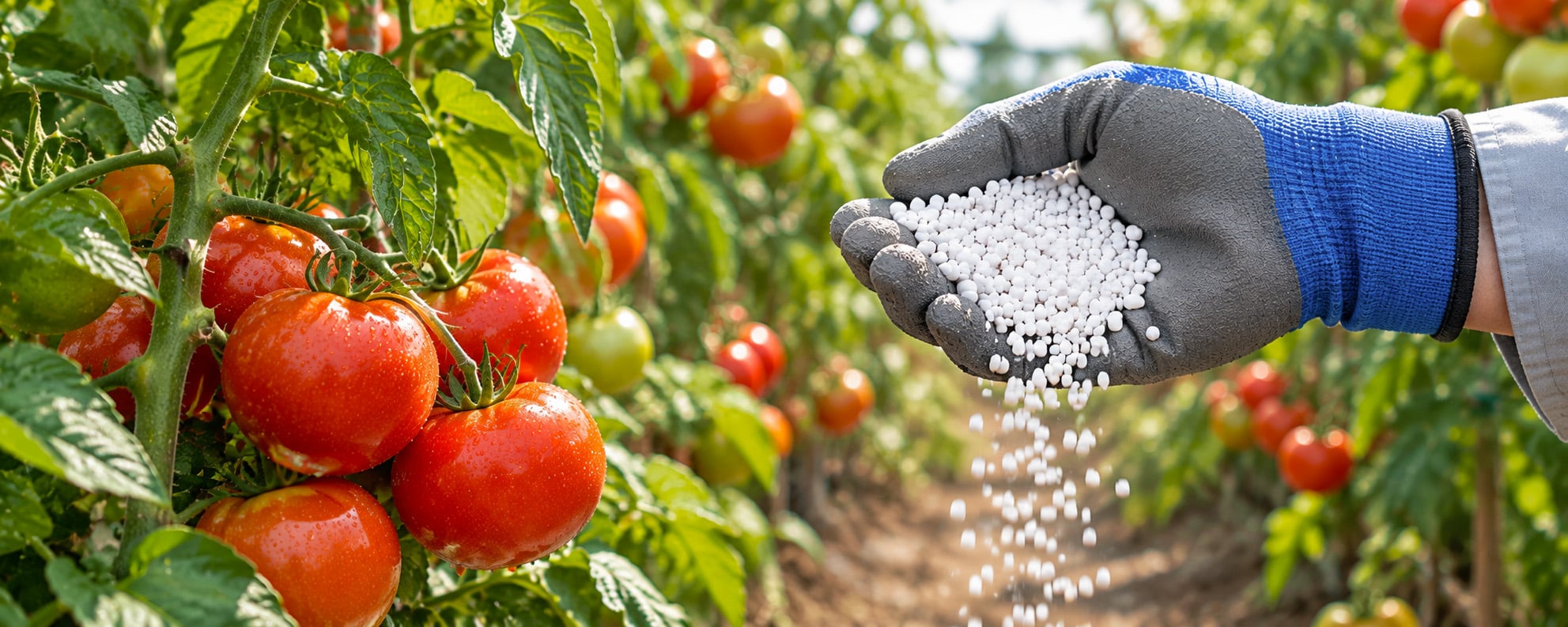
A calcium fertilizer supplies the calcium that holds plant cell walls and membranes together, but whether it reaches the fruit depends as much on water flow as on the fertilizer you choose. Calcium travels with water to the leaves and barely moves out of them again, so fruit and young leaves can run short even […]

An unusually wet winter brought coffee flowering in Minas Gerais forward by about a month, in several separate waves. With October forecast to be hotter than normal and rain patchy, the question for 2027 is now how many of those flowers turn into fruit. At Van Polder, we believe a strong flowering is only the […]