







Top 4+ Water Soluble NPK Fertilizer Benefits for Modern Agriculture
Water-soluble NPK fertilizers contain essential Nitrogen (N), Phosphorus (P), and Potassium (K) in forms that dissolve completely in water, enabling rapid nutrient absorption through both roots and leaves. Their fast availability helps maximize nutrient efficiency, improve crop performance, and reduce production losses, making them an ideal solution for modern farming. In the following sections, we’ll […]


Water-soluble NPK fertilizers contain essential Nitrogen (N), Phosphorus (P), and Potassium (K) in forms that dissolve completely in water, enabling rapid nutrient absorption through both roots and leaves. Their fast availability helps maximize nutrient efficiency, improve crop performance, and reduce production losses, making them an ideal solution for modern farming. In the following sections, we’ll highlight four major water soluble NPK fertilizer benefits and explain how they contribute to higher yields, healthier soils, and more efficient agricultural production.
1. Instant Absorption and Maximum Nutrient Efficiency
Water-soluble NPK fertilizers provide immediate nutrition that closely matches the physiological needs of crops, helping plants absorb and utilize essential nutrients more efficiently.
- Instant nutrient uptake: Water-soluble NPK fertilizers dissolve completely into individual nutrient ions as soon as they are mixed with water. Because these ions are already in the form required for plant metabolism, they can be absorbed through roots and leaves within hours, while conventional fertilizers often require microbial decomposition before nutrients become available.
- Bypasses soil limitations: Dissolved nutrients remain in the soil solution and move directly to the root surface instead of becoming fixed by soil particles. This improves nutrient availability even under challenging soil conditions where conventional fertilizers may lose efficiency.
- Supports critical growth stages: Rapid nutrient availability makes water-soluble NPK fertilizers particularly effective during seedling establishment, post-transplant recovery, flowering, and fruit development. Delivering nutrients exactly when demand is highest promotes faster growth, higher nutrient efficiency, and improved crop yield and quality.

2. Elevating Yield Potential and Crop Quality
Water-soluble NPK fertilizers support both crop productivity and product quality by supplying balanced nutrients that are readily available throughout key growth stages.
- Promotes stronger root development: The readily available Phosphorus and Calcium support DNA synthesis, cell division, and root hair formation, enabling plants to develop a larger and more vigorous root system for efficient water and nutrient uptake.
- Improves crop quality and nutritional value: Consistent water-soluble fertilization enhances important quality traits, including starch content in potatoes and sugar accumulation in fruits. Research also shows that specific water-soluble nutrient programs can increase Vitamin C content by up to 60%, producing more nutritious and higher-value crops.
- Strengthens plant resilience: The highly soluble Potassium is rapidly absorbed to reinforce cell walls and improve plant strength. This helps crops better resist pests, diseases, and environmental stresses such as drought and low temperatures while maintaining stable growth.

3. Comprehensive Soil Structure and Environment
Beyond improving crop productivity, water-soluble NPK fertilizers, when applied through water-fertilizer coupling systems, also contribute to healthier soil by enhancing its physical structure, chemical activity, and biological environment.
- Improves soil structure and water retention: Water-fertilizer coupling increases soil aggregate stability, enhances aeration and drainage, and improves water-holding capacity. Studies report improvements of up to 188% in soil aggregate stability and 128.9% in water retention, creating a better environment for root growth while reducing soil compaction.
- Enhances soil fertility and enzyme activity: The balanced supply of water and nutrients stimulates key soil enzymes, including urease, catalase, and invertase, which accelerate organic matter decomposition and nutrient mineralization. Optimized management has been shown to increase catalase activity by 45.59% and urease activity by 72.57%, reflecting improved soil fertility.
- Supports beneficial soil microorganisms: Appropriate water and nutrient management promotes microbial biomass and encourages beneficial microorganisms, including nitrogen-fixing bacteria. This improves nutrient cycling, enhances humus formation, and contributes to long-term soil health and ecosystem stability.

4. Economic Viability and Environmental Protection
Water-soluble NPK fertilizers help improve farm profitability while supporting more sustainable agricultural practices through precise nutrient management.
- Reduces labor and operating costs: Automated fertigation systems can reduce manual field operations by up to 50%. Growers only need to prepare the fertilizer solution, while the irrigation system delivers nutrients accurately to each plant, simplifying fertilizer application and reducing labor requirements.
- Minimizes nutrient loss and environmental pollution: Applying nutrients according to crop demand reduces fertilizer waste through leaching and runoff. Studies show that optimized fertigation can reduce nitrate leaching to 7.1% while increasing plant nutrient uptake to 73.5%, helping protect groundwater and surrounding water bodies.
- Lowers greenhouse gas emissions: Compared with conventional irrigation methods, drip fertigation helps reduce nitrous oxide (N₂O) emissions by improving water and nutrient management, making crop production more environmentally sustainable.
Note: To maximize the effectiveness of water-soluble NPK fertilizers, irrigation water quality should be monitored regularly, particularly pH and system pressure. Maintaining the correct fertilizer concentration also ensures even nutrient distribution and helps prevent fertilizer burn or salt injury caused by over-concentrated solutions.
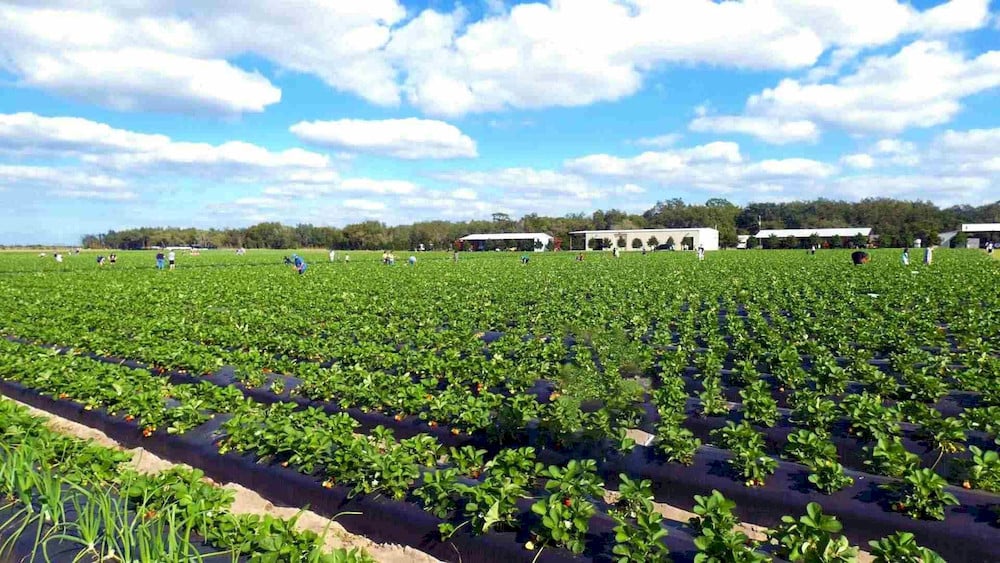
5. Comparison: Water Soluble NPK vs. Traditional Granular NPK
To better understand why water-soluble NPK fertilizers are increasingly adopted in modern agriculture, compare their key characteristics with traditional granular NPK fertilizers in the table below.
| Comparison Criteria | Water Soluble NPK | Traditional Granular NPK |
| Release Speed | Immediate effect; nutrients are provided in an ionic form that plants can absorb within hours. | Slow release; depends on soil temperature, moisture, and microbial activity to break down compounds over weeks. |
| Application Method | Applied through fertigation (drip irrigation) or foliar spray directly to plant tissues. | Spread directly onto the soil as dry granules. |
| Precision | Absolute uniform distribution; allows for precise nutrient concentrations tailored to the plant’s growth rhythm. | Higher risk of uneven distribution, which can cause inconsistent salt concentrations and potentially harm the crop. |

6. 2 Application Methods for Water Soluble NPK Fertilizers
Water-soluble NPK fertilizers can be applied through two primary methods, allowing growers to deliver nutrients efficiently according to different crop requirements and production systems.
- Fertigation: Water-soluble NPK fertilizers are dissolved directly into drip, sprinkler, or other irrigation systems, delivering nutrients precisely to the root zone. This method improves both water and nutrient use efficiency while reducing fertilizer losses, environmental pollution, and manual labor.
- Foliar feeding: Liquid fertilizer is sprayed directly onto the leaves to provide rapid nutrient supplementation during critical growth stages. For maximum absorption and to minimize the risk of leaf burn, foliar applications should be carried out in the early morning or late afternoon when temperatures are lower.

7. Ideal Timing for Applying Water Soluble NPK Fertilizers
Applying water-soluble NPK fertilizers at the right growth stage helps plants utilize nutrients more efficiently and maximize their yield potential.
- Initial growth stage: Supplying readily available nutrients immediately after seed emergence supports DNA synthesis and early root hair development. This helps establish a strong root system and promotes uniform seedling growth.
- Recovery and establishment stage: Water-soluble NPK fertilizers are particularly effective after transplanting because their rapid absorption helps plants recover from transplant shock and adapt more quickly to environmental stress.
- Flowering and fruit development: Applying water-soluble NPK fertilizers during flowering and fruit set ensures sufficient phosphorus and potassium for successful pollination and fruit development. This improves fruit size, sugar accumulation, vitamin content, and overall crop quality.

As agriculture continues to focus on efficiency and sustainability, water-soluble NPK fertilizers offer a practical solution for maximizing crop performance without wasting valuable resources. Their ability to support plant growth, improve soil conditions, and optimize nutrient use makes them a reliable choice for both commercial farms and intensive production systems.


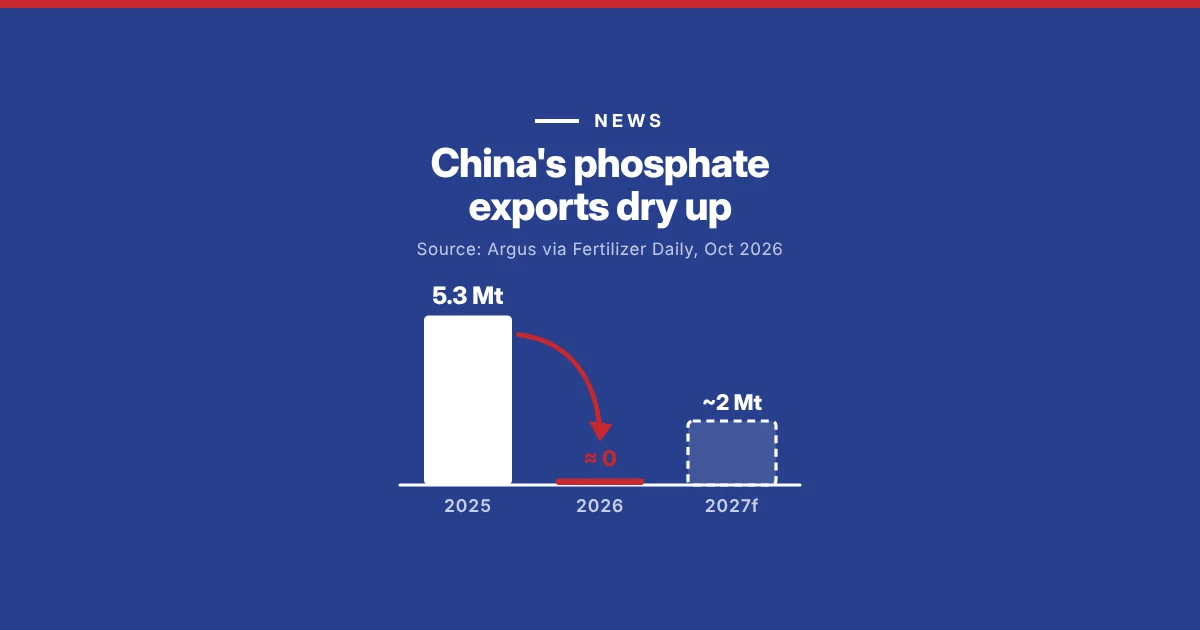
China, which exported about 5.3 million tonnes of phosphate fertilizer in 2025, has shipped almost none in 2026. With sulfur scarce and phosphate prices high, import-dependent markets face a tight season, and every kilo of phosphorus needs to work harder. At Van Polder, we believe a tight phosphate market is a reason to look again […]

If you are starting a banana farm, Panama disease (Fusarium wilt of banana) is the risk to plan for. How to prevent Panama disease in bananas comes down to keeping the fungus out, because no fertilizer prevents or cures it and once it is in the soil it stays for decades (Pegg et al., 2019; […]
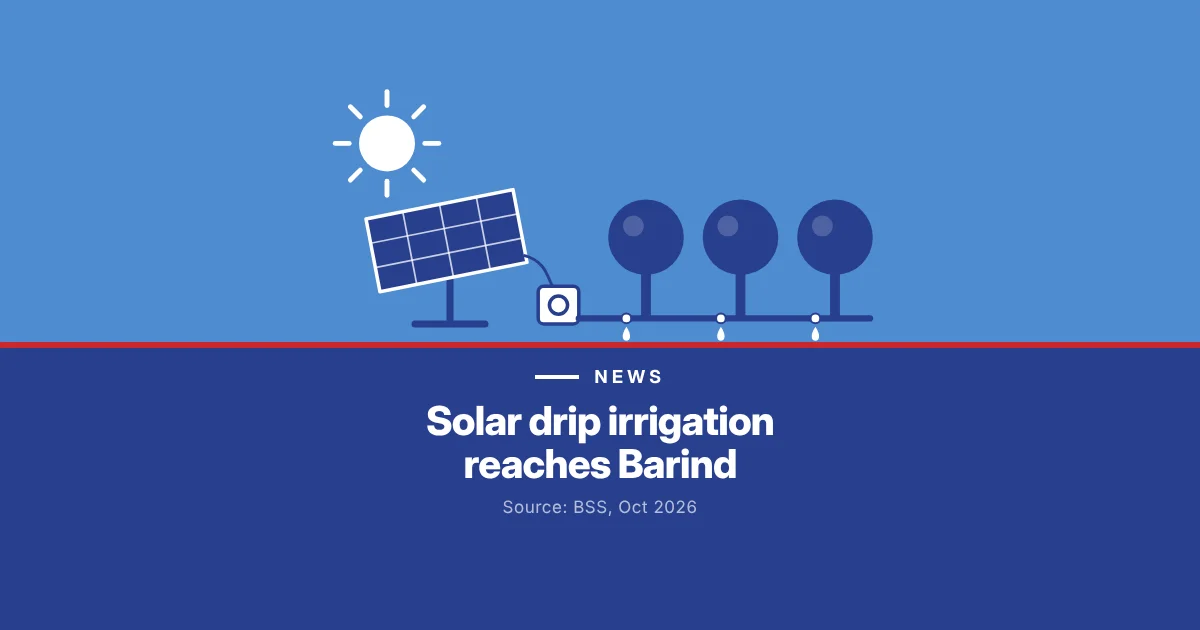
A government project in Bangladesh’s Rajshahi Division has brought solar-powered pumps, including solar drip systems for orchards, to drought-prone land where groundwater has been falling for decades. The Prime Minister wants all diesel irrigation pumps converted to solar within five years. For growers who move to drip, the next step is to feed the crop […]
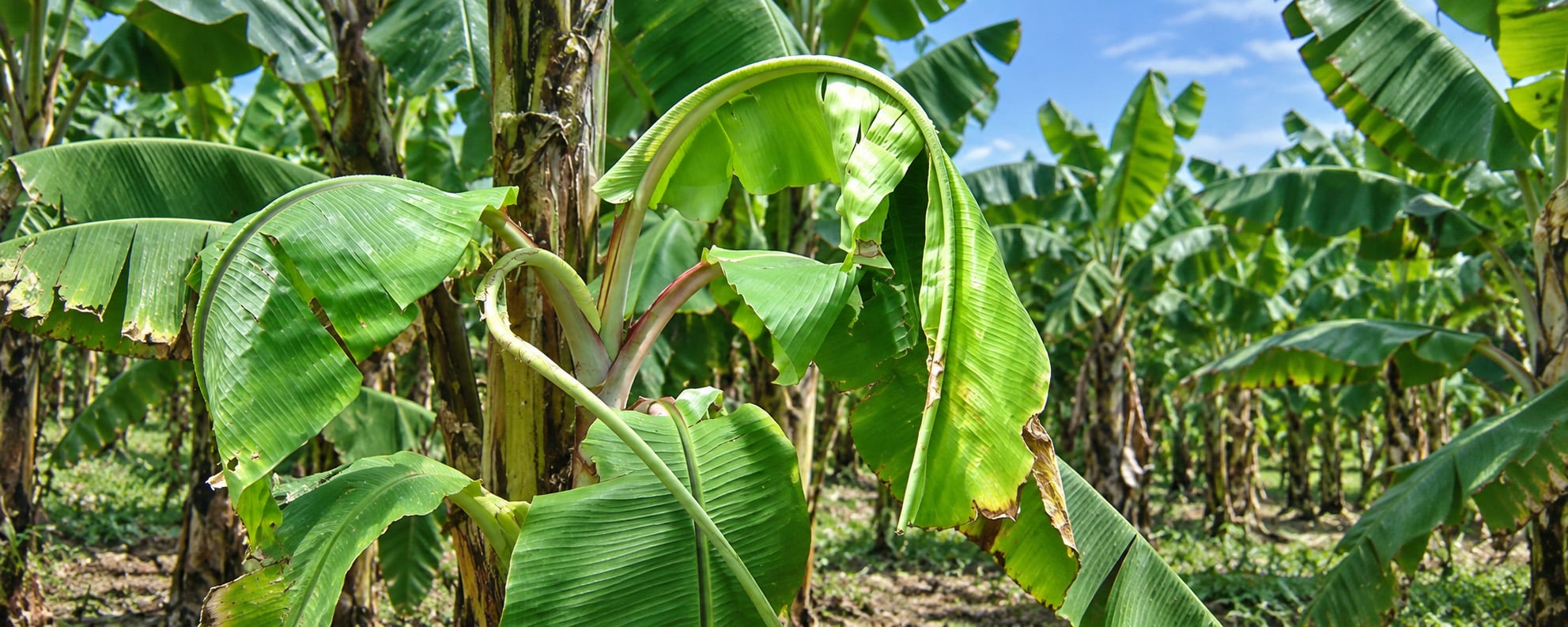
Calcium deficiency in banana shows first on the youngest leaves, as thickened veins and a saw-tooth pattern of yellow and dead tissue along the leaf margin, and in severe cases as “spike leaf”, new leaves with little or no blade, and poor-quality fruit (Turner, 1987; Martin-Prével, 1980). On most plantation soils it is not a […]
A calcium fertilizer supplies the calcium that holds plant cell walls and membranes together, but whether it reaches the fruit depends as much on water flow as on the fertilizer you choose. Calcium travels with water to the leaves and barely moves out of them again, so fruit and young leaves can run short even […]

An unusually wet winter brought coffee flowering in Minas Gerais forward by about a month, in several separate waves. With October forecast to be hotter than normal and rain patchy, the question for 2027 is now how many of those flowers turn into fruit. At Van Polder, we believe a strong flowering is only the […]