



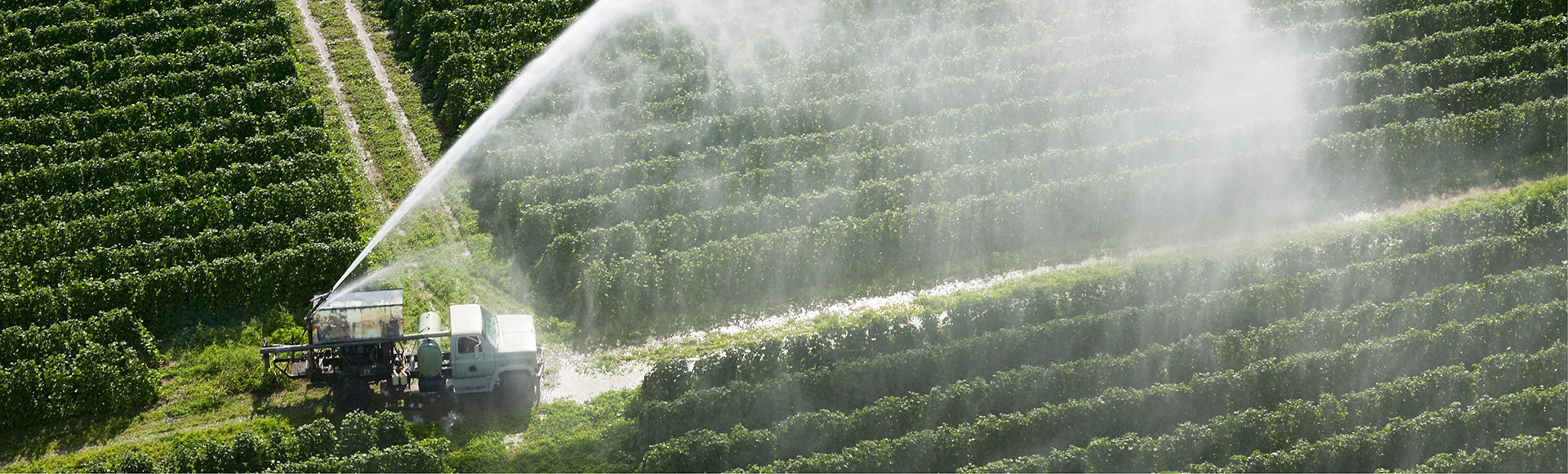
Crop Nutrition

How to Use NPK 0-52-34 for Explosive Blooms and Sweeter Fruits
NPK 0-52-34, also known as Mono Potassium Phosphate (MKP), is a water-soluble fertilizer containing 52% phosphorus (P₂O₅) and 34% potassium (K₂O) with no nitrogen. It is widely used to stimulate flowering, improve fruit set, enhance fruit quality, and support strong root development without encouraging excessive vegetative growth. This guide explains how to apply NPK 0-52-34 […]

TOP 5 NPK 00-52-34 Uses for Commercial Fruit Trees and High-Value Crops
NPK 00-52-34, also known as Mono Potassium Phosphate (MKP), is a water-soluble fertilizer that supplies 52% phosphorus (P₂O₅) and 34% potassium (K₂O) without any nitrogen. This balanced phosphorus and potassium formula supports root development, encourages flowering, improves fruit quality, and helps crops perform better during key reproductive stages. In this guide, you’ll discover NPK 00-52-34 […]
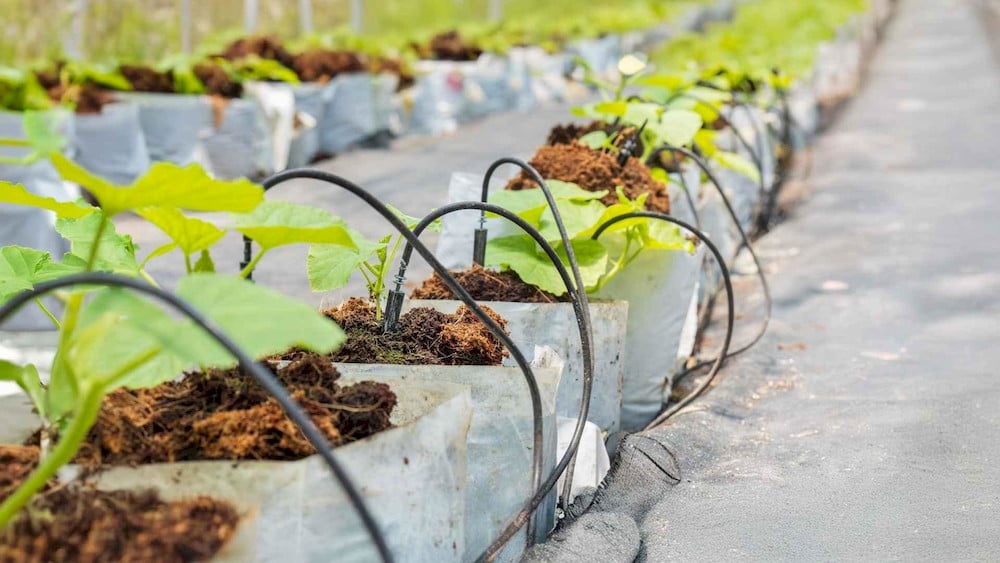
The Ultimate Guide on How to Use Micronutrient Fertilizer
Knowing how to use micronutrient fertilizer correctly is essential for maximizing plant health, improving crop yields, and producing higher-quality harvests. Although required only in small quantities, micronutrients play indispensable roles in plant growth by supporting key physiological processes such as photosynthesis, enzyme activation, and disease resistance. This guide explores seven practical ways to apply micronutrient […]
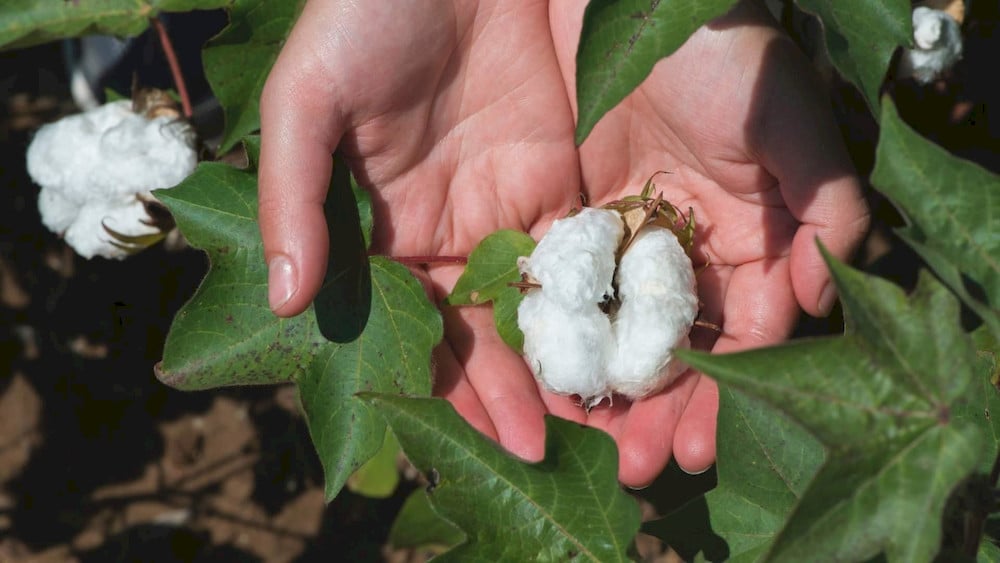
5 Essential Micronutrients for Cotton: Optimizing Yield and Boll Quality
Cotton is a nutrient-demanding crop that requires balanced nutrition throughout its growth cycle to achieve high yields and premium fiber quality. While macronutrients form the foundation of crop development, even a slight deficiency of trace elements can result in stunted growth, poor flowering, and significant boll loss. In this guide, we’ll explore the best micronutrients […]
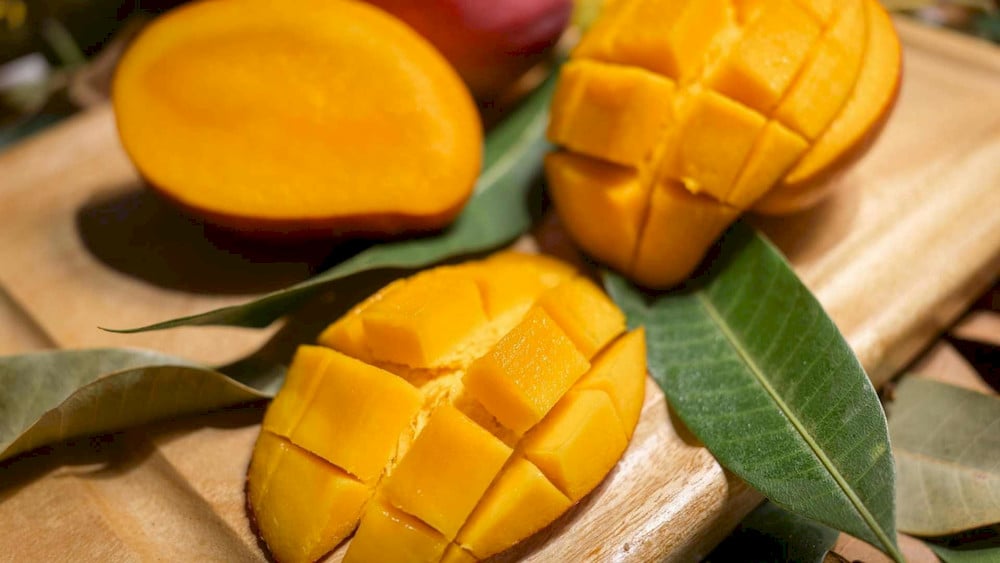
6 Essential Micronutrients for Mango Plants to Boost Yield and Fruit Quality
Healthy mango production depends on more than water and macronutrients. A balanced supply of micronutrients for mango plants is essential for strong flowering, fruit retention, sweetness, and overall fruit quality, while deficiencies can lead to poor yields and physiological disorders. This guide explains the six essential micronutrients, their functions, deficiency symptoms, and the best application […]
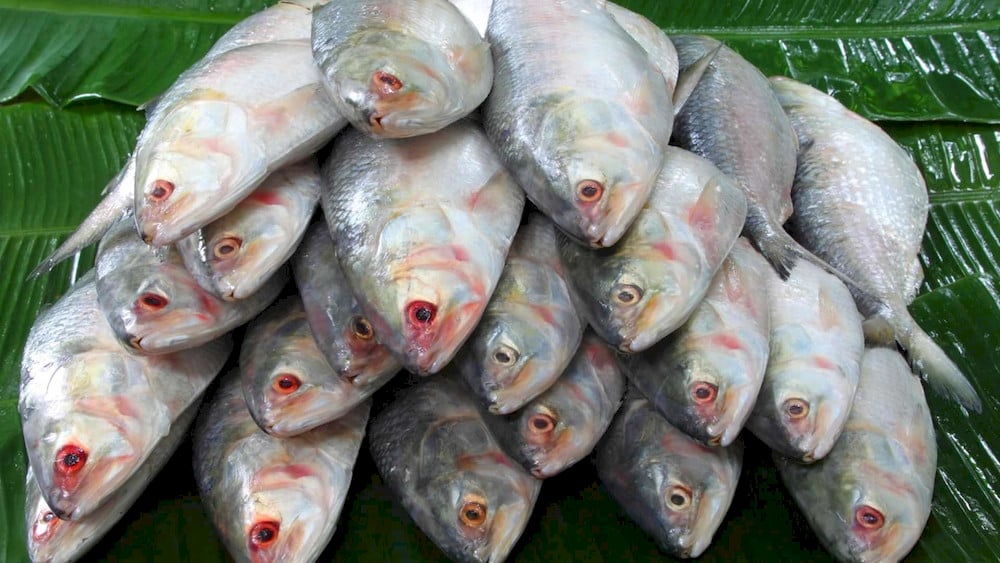
Fish Amino Acid Fertilizer Ingredients: The Golden 1:1 KNF Ratio
Fish Amino Acid (FAA) is a natural liquid fertilizer widely used in the Korean Natural Farming (KNF) system to supply plants with readily available amino acids and organic nitrogen. While the fermentation process is important, the quality of the final product depends first on selecting the right fish amino acid fertilizer ingredients and maintaining the […]

Amino Acid Protein Hydrolysate Fertilizer: What It Is, How It Works, and How to Choose
Amino acid protein hydrolysate fertilizer is a sustainable biostimulant produced by chemically or enzymatically breaking down organic proteins into readily available amino acids and peptides. By supplying these pre-formed building blocks, it enables plants to absorb nutrients more efficiently without expending additional energy to synthesize amino acids from inorganic nitrogen. As a result, this fertilizer […]

Micronutrients for Banana Plants: The Key to Healthy Bunches and Higher Profits
Micronutrients for banana plants play a vital role in supporting healthy growth, efficient photosynthesis, strong bunch development, and consistent fruit quality throughout the growing season. Although these nutrients are only required in trace amounts, deficiencies can quickly reduce plant vigor, lower yields, and increase susceptibility to environmental stress. This guide explains the seven essential micronutrients […]
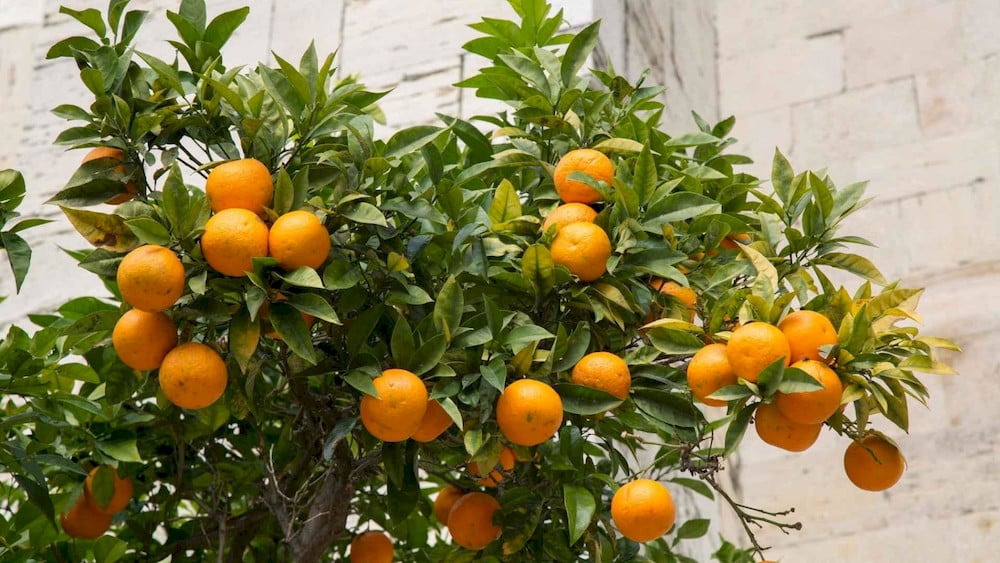
Micronutrients for Citrus Trees: How to Diagnose Deficiencies & Maximize Yield
Micronutrients for citrus trees are just as important as NPK fertilizers for producing sweeter fruit, better peel color, and consistently high yields. Without an adequate supply of essential trace elements, citrus trees can develop nutrient deficiencies that reduce fruit quality, weaken growth, and limit overall productivity even when macronutrient requirements are met. This guide explains […]