







TOP 5 NPK 00-52-34 Uses for Commercial Fruit Trees and High-Value Crops
NPK 00-52-34, also known as Mono Potassium Phosphate (MKP), is a water-soluble fertilizer that supplies 52% phosphorus (P₂O₅) and 34% potassium (K₂O) without any nitrogen. This balanced phosphorus and potassium formula supports root development, encourages flowering, improves fruit quality, and helps crops perform better during key reproductive stages. In this guide, you’ll discover NPK 00-52-34 […]


NPK 00-52-34, also known as Mono Potassium Phosphate (MKP), is a water-soluble fertilizer that supplies 52% phosphorus (P₂O₅) and 34% potassium (K₂O) without any nitrogen. This balanced phosphorus and potassium formula supports root development, encourages flowering, improves fruit quality, and helps crops perform better during key reproductive stages. In this guide, you’ll discover NPK 00-52-34 use practices, the crops that benefit most from this fertilizer, and the best application timing to maximize productivity while improving crop quality.
1. Advanced Flower Bud Differentiation and Uniform Blooming
NPK 00-52-34 is widely used to promote uniform flowering and prepare crops for successful fruit set.
Mechanism of Action:
- Accelerates flower bud differentiation: The high 52% P₂O₅ in a readily available form, combined with 34% K₂O, acts as a powerful biochemical stimulant that accelerates cell transformation and promotes the transition from vegetative to reproductive growth.
- Supports flower development: Phosphorus provides the energy required for flower formation, while the 0% Nitrogen formula suppresses unwanted shoot growth, allowing plants to direct more resources toward flowering.
Practical Benefits:
- Promotes abundant and uniform blooming: Because the nutrients are fully water-soluble, they are readily absorbed through roots or leaves, encouraging synchronized flowering across the field.
- Improves fruit set and harvest efficiency: Uniform flowering enhances cross-pollination, increases fruit set, and supports concentrated harvesting, helping reduce labor costs.
- Enhances flower quality: Phosphorus promotes healthy flower development, while Potassium improves bud density and flower color intensity for a more uniform crop.

2. Suppressing New Shoots & Minimizing Fruit Drop
One of the biggest challenges in commercial fruit production is excessive new shoot growth during flowering or early fruit set. Under conditions such as heavy rainfall or excessive Nitrogen in the soil, plants tend to prioritize vegetative growth, increasing the risk of flower and young fruit drop.
Mechanism of Action:
- Suppresses new shoot growth: With 0% Nitrogen, NPK 00-52-34 limits excessive vegetative growth during flowering, while the high 52% Phosphorus and 34% Potassium help mature existing leaves and temporarily suppress shoot development.
- Redirects nutrients to reproductive growth: High Phosphorus supports energy transfer, enabling the plant to prioritize flowers and young fruits instead of producing new shoots.
Practical Benefits:
- Reduces fruit drop: By limiting competing shoot growth, more nutrients are directed to developing flowers and young fruits, helping minimize physiological fruit drop.
- Improves fruit retention: Potassium strengthens fruit stalks and enhances plant resilience, allowing young fruits to remain attached more securely during early development.
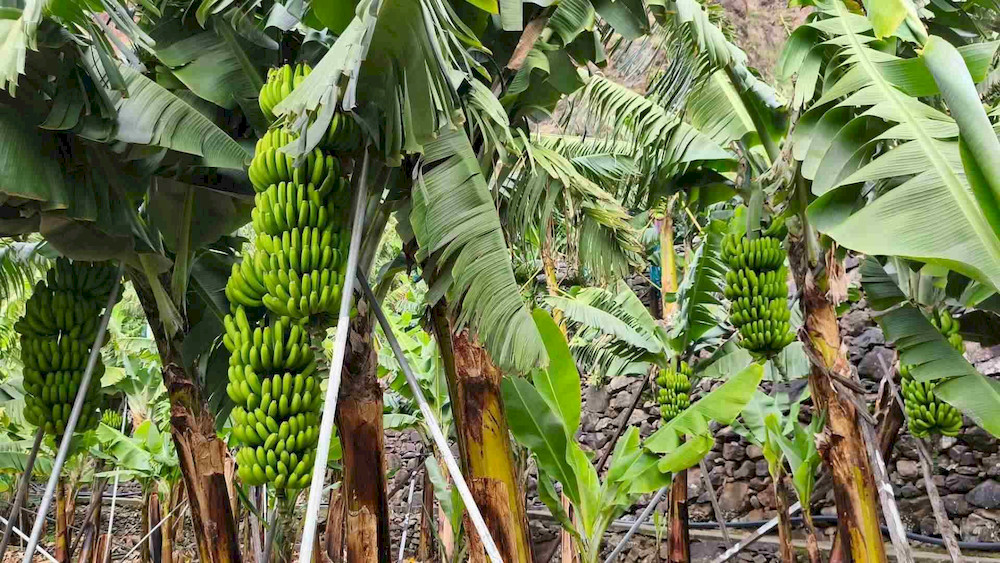
3. Boosting Sugar Accumulation, Coloration, and Shelf-life
NPK 00-52-34 supports fruit quality by improving sugar accumulation, coloration, and post-harvest performance.
Mechanism of Action:
- Enhances sugar transport: The 34% Potassium activates enzymes involved in starch synthesis and accelerates the movement of carbohydrates from leaves to developing fruits.
- Optimizes fruit development: The balanced Phosphorus and Potassium ratio supports fruit filling and ripening while minimizing unnecessary vegetative growth during this stage.
Practical Benefits:
- Improves fruit quality: Fruits accumulate more sugars, resulting in higher Brix levels, better coloration, firmer flesh, and improved appearance.
- Extends shelf life: Potassium strengthens cell walls, helping reduce fruit cracking while improving storage stability and transport performance for commercial and export markets.
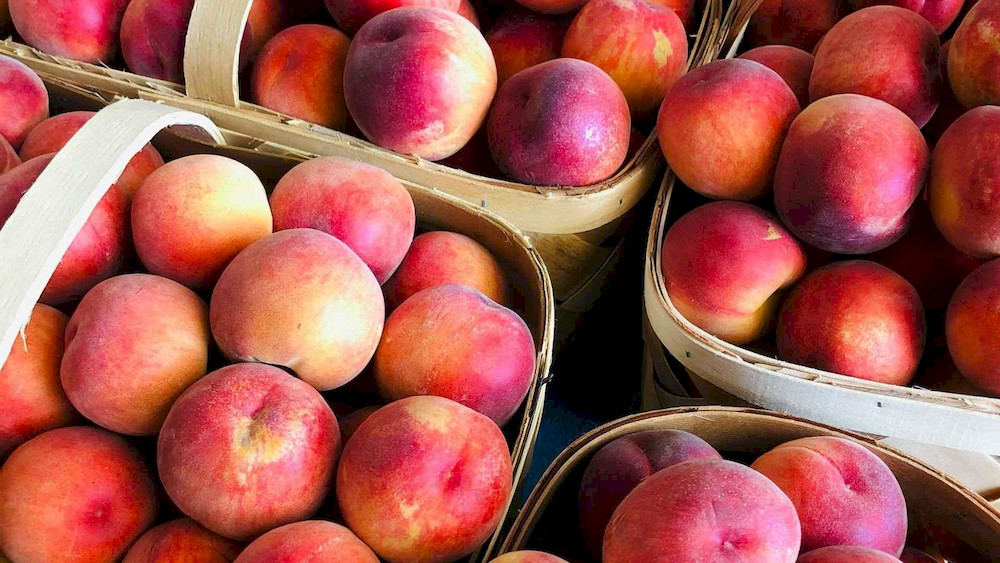
4. Enhancing Crop Tolerance Against Salinity Stress
Salinity in soil and irrigation water is a major challenge for crop production, causing osmotic stress and ion toxicity that restrict plant growth. NPK 00-52-34 applied through drip fertigation has been shown to enhance salt tolerance, particularly in tomato crops.
Mechanism of Action:
- Maintains osmotic balance: Highly soluble Phosphorus and Potassium help maintain intracellular ion balance and stabilize the osmotic pressure of root cells, reducing the negative effects of salinity.
- Limits salt stress: As a chloride-free fertilizer with a low salt index of approximately 8.4, NPK 00-52-34 minimizes salt accumulation and helps reduce the uptake of harmful Na⁺ and Cl⁻ ions.
Practical Benefits:
- Improves salt tolerance: Application through drip irrigation enhances the resilience of crops, particularly salt-sensitive crops such as tomatoes.
- Protects root function: The root system continues to absorb water and essential nutrients efficiently, helping prevent salt-induced wilting and leaf burn.
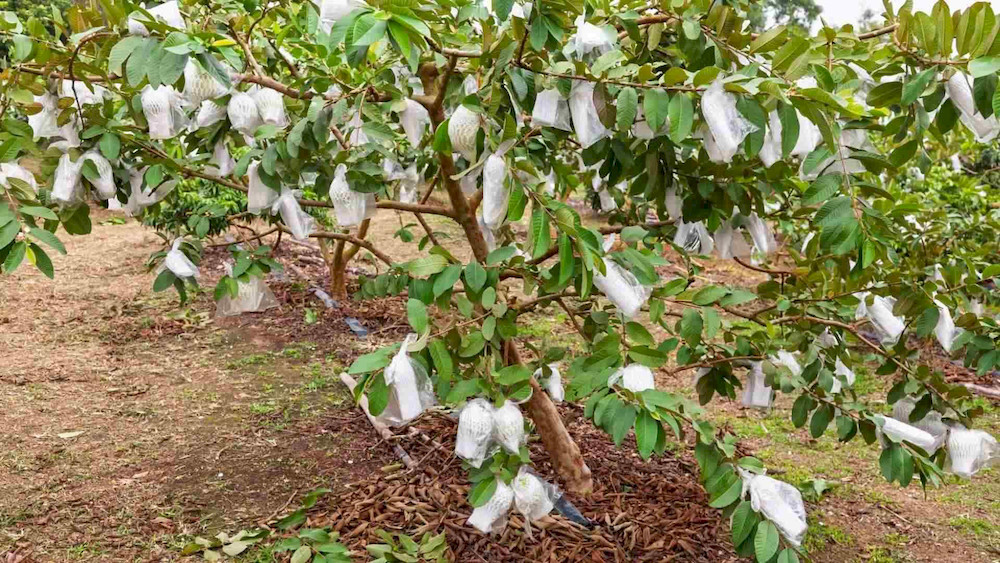
5. Establishing a Powerful Root Architecture
A strong root system is the foundation for efficient nutrient uptake, vigorous growth, and stable crop performance throughout the growing season.
Mechanism of Action:
- Stimulates root development: The high 52% P₂O₅ provides the energy required for rapid cell division, encouraging roots to expand both deeper and wider.
- Enhances nutrient uptake: When used with humic acid, nutrient availability is further improved, allowing roots to absorb Phosphorus and Potassium more efficiently during early growth.
Practical Benefits:
- Builds a stronger root system: Plants develop a dense network of root hairs with a larger surface area for water and nutrient absorption.
- Supports long-term crop performance: A well-developed root system promotes healthier plant growth and helps crops better withstand environmental stress while supporting flowering and fruit production.

6. Crops Best Suited for NPK 0-52-34 Fertilizer
NPK 00-52-34 is suitable for crops where flowering, fruit quality, or root development directly influences commercial value.
- Fruit crops: Widely used for grapes, pomegranates, apples, pears, citrus, avocados, mangoes, bananas, strawberries, and other fruit trees to support flowering, fruit quality, and ripening.
- Vegetables and root crops: Suitable for tomatoes, peppers, cucumbers, squash, potatoes, carrots, onions, ginger, and turmeric to promote healthy fruit or root development.
- Industrial crops: Commonly applied to coffee, black pepper, cotton, and sugarcane to improve crop performance and productivity.
- Ornamental plants: Ideal for roses, orchids, Adeniums, and other flowering ornamentals to encourage abundant blooms and improve flower quality. Whether these blooms and quality gains actually show up, however, depends heavily on how to use npk 0-52-34 correctly for each specific crop and growth stage.
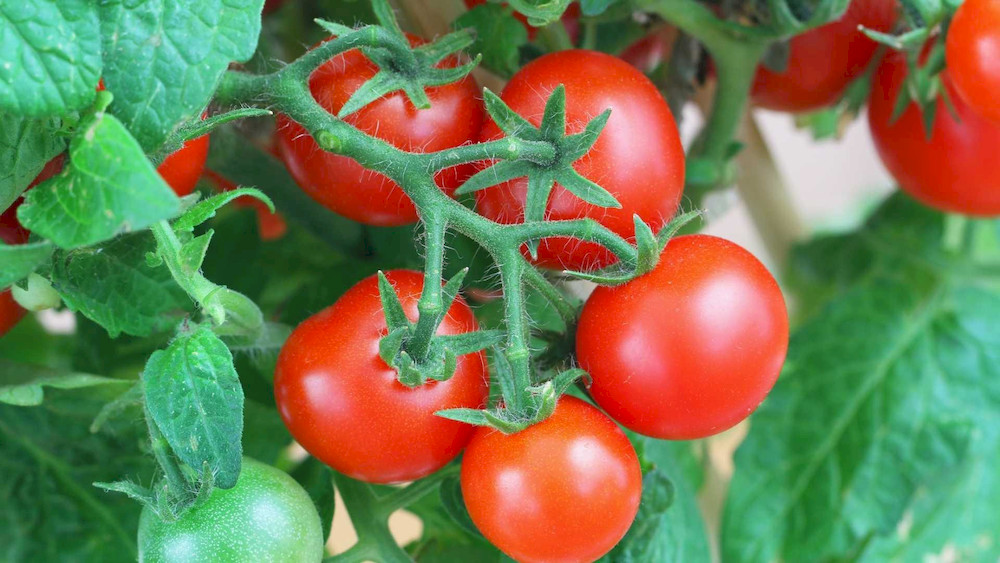
7. 3 Critical Growth Stages for NPK 00-52-34 Application
Applying NPK 00-52-34 at the appropriate growth stage allows crops to make the most of its high Phosphorus and Potassium content. The following three stages are considered the most effective for application.
- Early growth and root establishment: Apply during the nursery stage or immediately after transplanting to stimulate deeper and more extensive root development. A stronger root system improves early water and nutrient uptake, providing a solid foundation for healthy crop growth.
- Pre-flowering stage: Apply 1 to 2 weeks before flowering to promote flower bud differentiation and prepare plants for reproductive growth. The nitrogen-free formulation also helps suppress excessive shoot growth, allowing more nutrients to support flowering and improve bloom uniformity.
- Fruit set to ripening stage: Apply regularly during fruit development to enhance carbohydrate translocation into the fruit, resulting in better fruit size, sweetness (Brix), coloration, and firmness. Continued Potassium supply also strengthens fruit tissues, improving shelf life and transportability.
8. 3 Application Methods of NPK 00-52-34
The following three application methods are commonly recommended to maximize the effectiveness of NPK 0-52-34 under different growing conditions.
- Soil application: Apply the fertilizer evenly around the root zone to promote deeper root development and improve nutrient uptake. For routine applications, use½ to 1 teaspoon per gallon of water every 4 to 6 weeks. During the flowering stage, increase the frequency to every 2 to 3 weeks using 1 to 2 teaspoons per gallon.
- Fertigation (drip irrigation): This method is ideal for greenhouse and precision farming because NPK 00-52-34 is 100% water-soluble and leaves no residue that could clog irrigation systems. For stock solutions, dilute 10 to 15 kg per 100 liters of water, and avoid mixing directly with Calcium Nitrate in concentrated tanks.
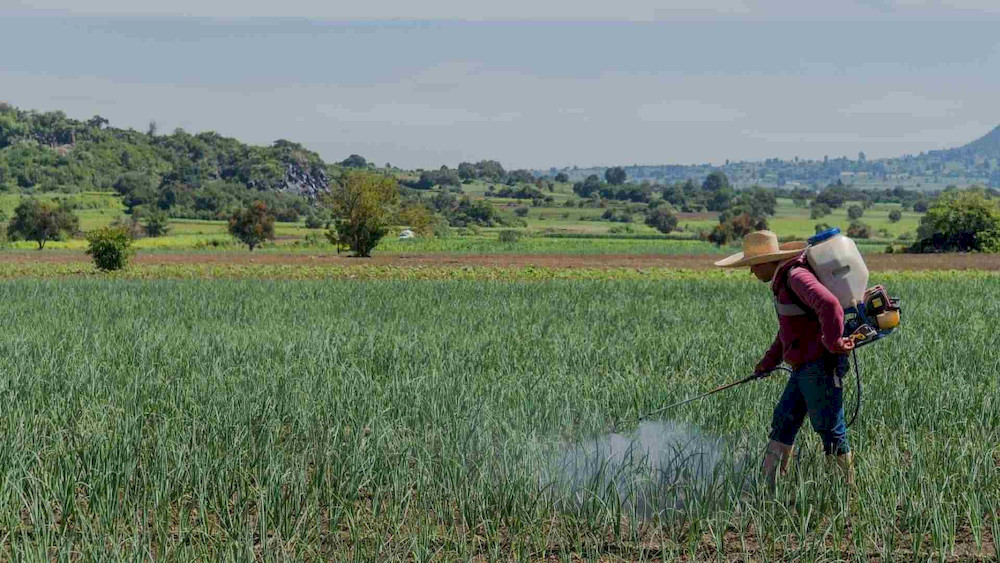
- Foliar application: Foliar spraying provides rapid nutrient absorption, making it suitable for stimulating flowering, suppressing unwanted shoot growth, or correcting nutrient deficiencies. Apply at½ teaspoon per gallon, preferably in the early morning or late afternoon to reduce the risk of leaf burn. A 1% MKP solution can also help suppress powdery mildew on crops such as grapes, roses, and cucumbers.
| Important: Apply foliar sprays in the early morning or late afternoon to reduce the risk of leaf burn. Avoid spraying during hot midday conditions, and consider adding a surfactant to improve leaf coverage and nutrient absorption. |

Although NPK 00-52-34 contains only two nutrients, its high Phosphorus and Potassium concentration makes it one of the most effective fertilizers for flowering, fruit development, and quality improvement. When applied at the correct growth stage and through the appropriate application method, MKP can significantly improve nutrient efficiency, crop uniformity, and overall commercial productivity.


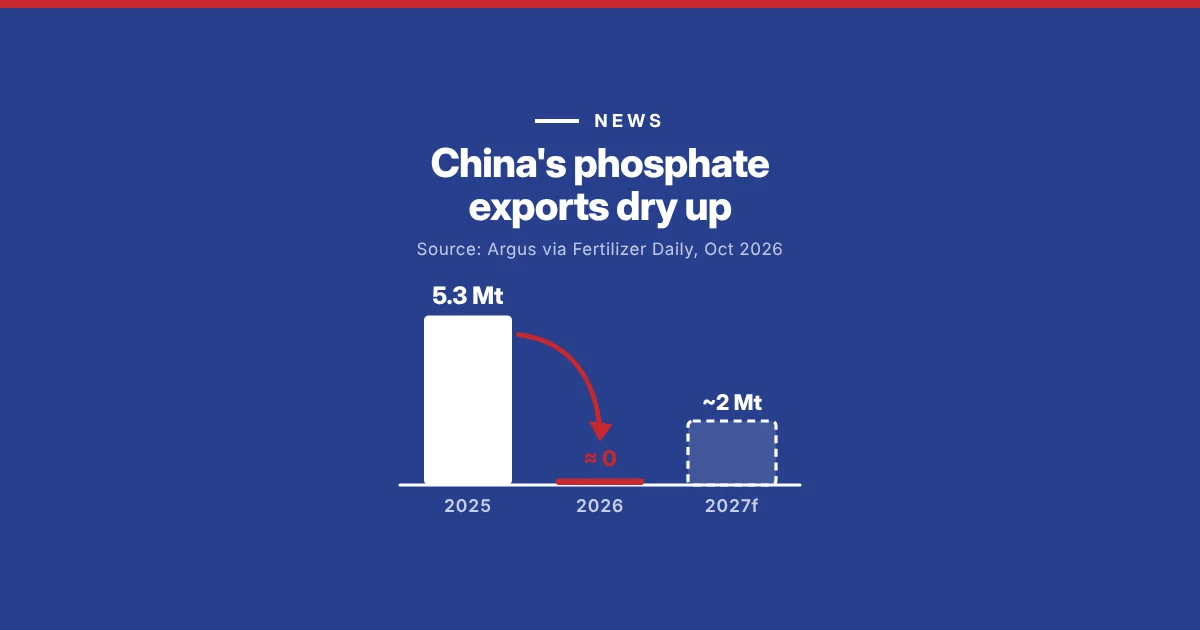
China, which exported about 5.3 million tonnes of phosphate fertilizer in 2025, has shipped almost none in 2026. With sulfur scarce and phosphate prices high, import-dependent markets face a tight season, and every kilo of phosphorus needs to work harder. At Van Polder, we believe a tight phosphate market is a reason to look again […]
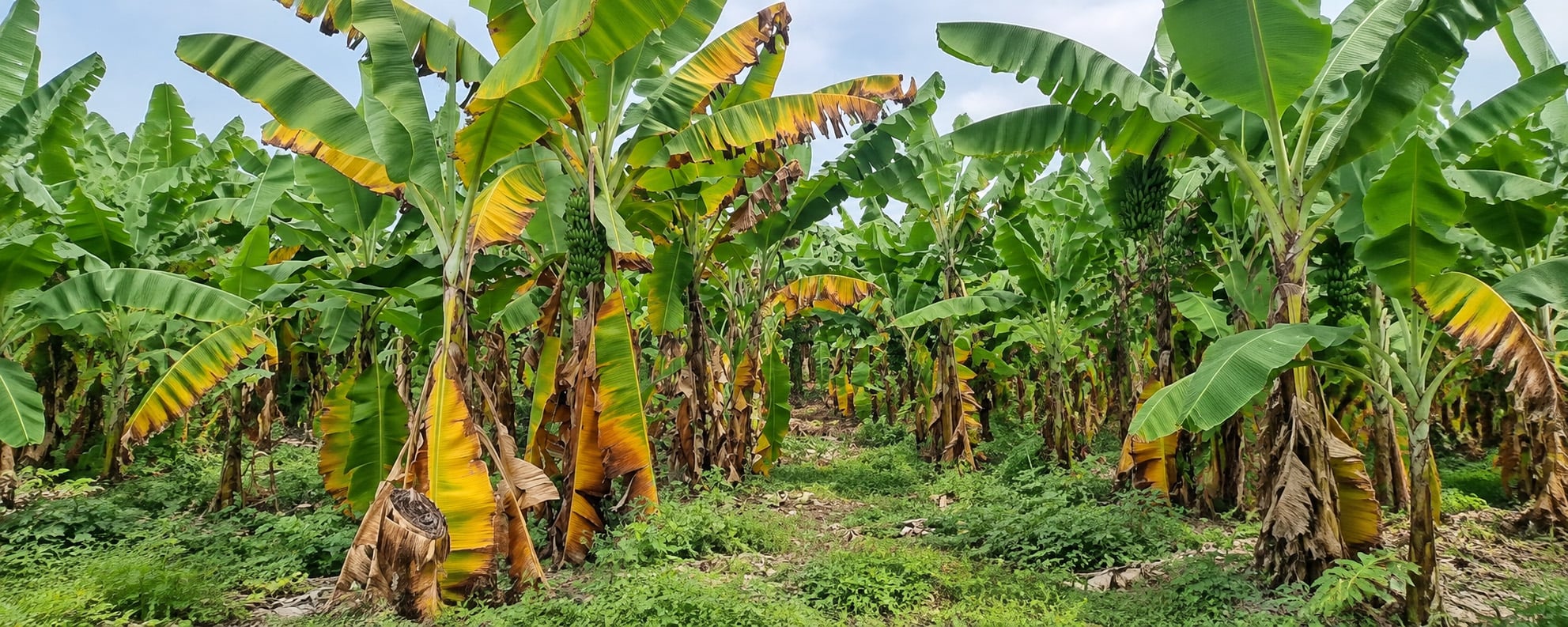
If you are starting a banana farm, Panama disease (Fusarium wilt of banana) is the risk to plan for. How to prevent Panama disease in bananas comes down to keeping the fungus out, because no fertilizer prevents or cures it and once it is in the soil it stays for decades (Pegg et al., 2019; […]
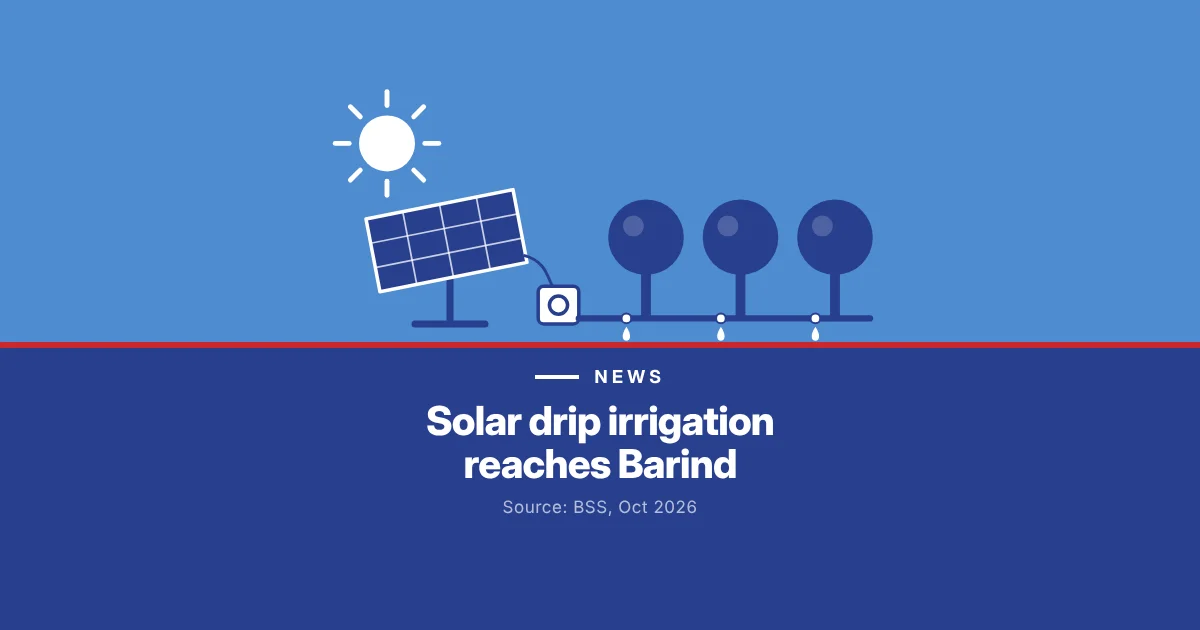
A government project in Bangladesh’s Rajshahi Division has brought solar-powered pumps, including solar drip systems for orchards, to drought-prone land where groundwater has been falling for decades. The Prime Minister wants all diesel irrigation pumps converted to solar within five years. For growers who move to drip, the next step is to feed the crop […]
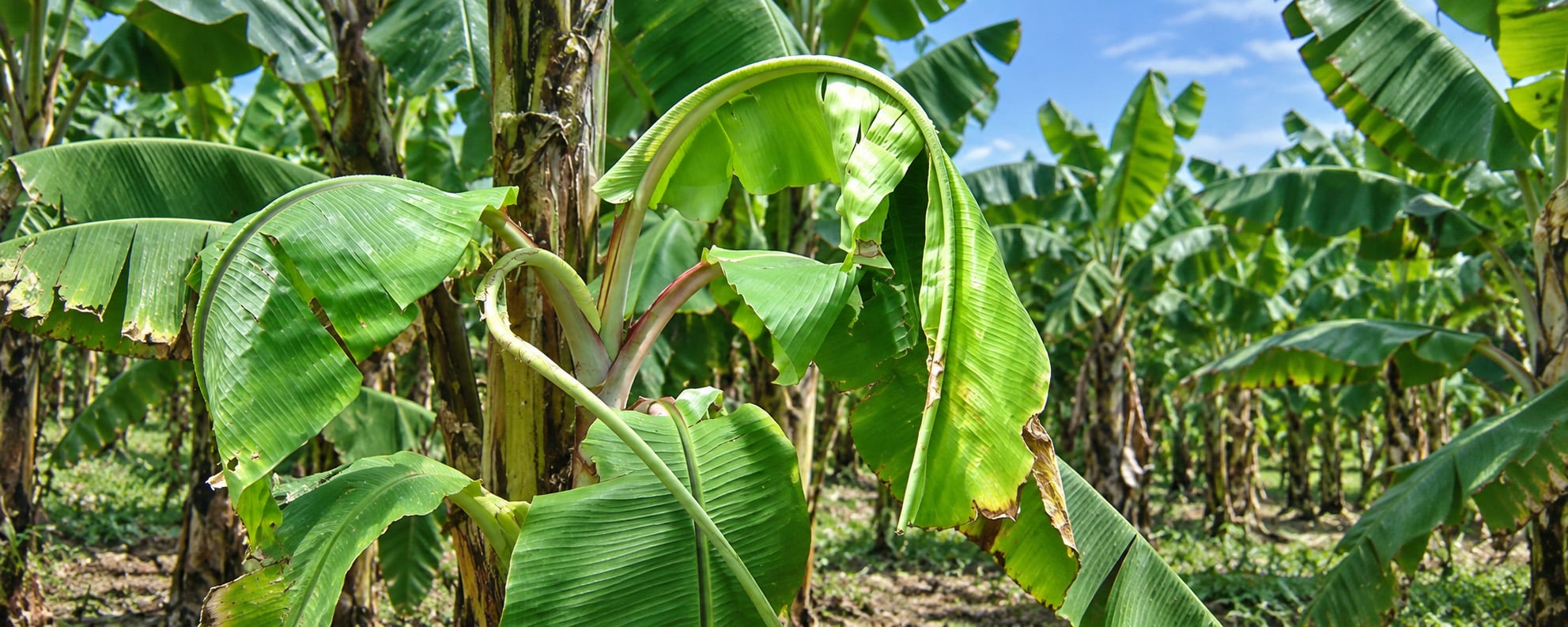
Calcium deficiency in banana shows first on the youngest leaves, as thickened veins and a saw-tooth pattern of yellow and dead tissue along the leaf margin, and in severe cases as “spike leaf”, new leaves with little or no blade, and poor-quality fruit (Turner, 1987; Martin-Prével, 1980). On most plantation soils it is not a […]
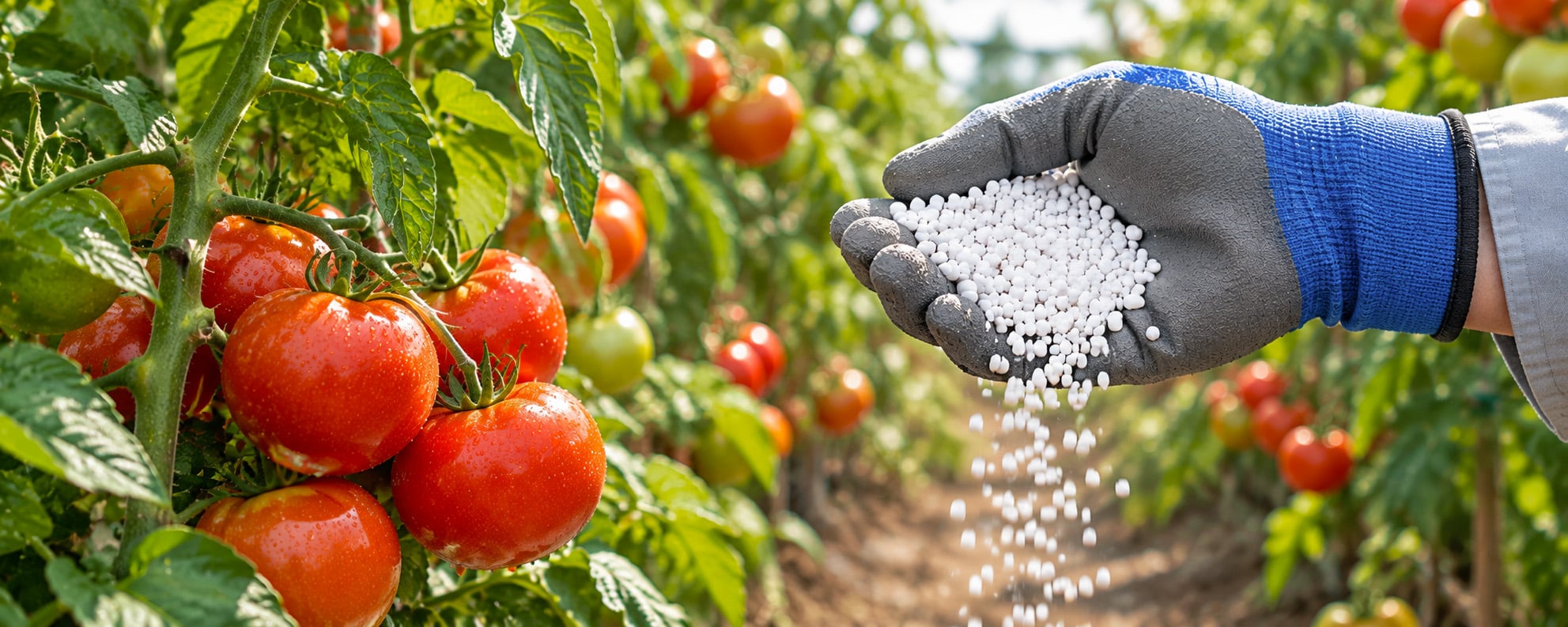
A calcium fertilizer supplies the calcium that holds plant cell walls and membranes together, but whether it reaches the fruit depends as much on water flow as on the fertilizer you choose. Calcium travels with water to the leaves and barely moves out of them again, so fruit and young leaves can run short even […]
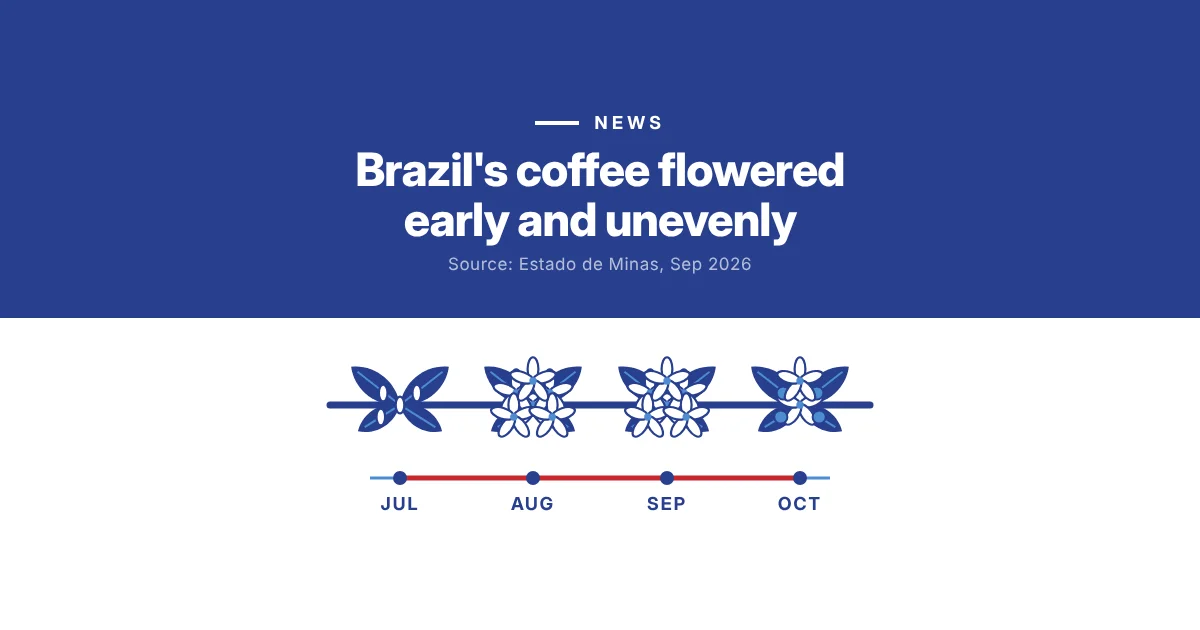
An unusually wet winter brought coffee flowering in Minas Gerais forward by about a month, in several separate waves. With October forecast to be hotter than normal and rain patchy, the question for 2027 is now how many of those flowers turn into fruit. At Van Polder, we believe a strong flowering is only the […]