







8 Critical Micronutrients for Vegetable Garden Health and Disease Resistance
Healthy-looking vegetables do not always produce the harvest you expect. Yellowing leaves, poor flowering, misshapen fruits, low yields, or weak seedlings often persist even after applying enough nitrogen, phosphorus, and potassium. In many cases, the real issue is a hidden deficiency of essential micronutrients for vegetable garden plants. This guide explores the essential micronutrients for […]


Healthy-looking vegetables do not always produce the harvest you expect. Yellowing leaves, poor flowering, misshapen fruits, low yields, or weak seedlings often persist even after applying enough nitrogen, phosphorus, and potassium. In many cases, the real issue is a hidden deficiency of essential micronutrients for vegetable garden plants. This guide explores the essential micronutrients for vegetable garden crops, their functions, deficiency symptoms, and practical application methods to help you grow healthier, more productive vegetables.
1. The Vital Roles of Micronutrients for Vegetables
Each micronutrient performs distinct physiological functions that directly influence vegetable growth, development, and yield. Below are the essential roles and crop-specific benefits of the eight key micronutrients.
1.1. Zinc – Zn
Zinc (Zn) is an essential micronutrient required for the healthy growth, development, and productivity of vegetable crops. Although plants only need zinc in trace amounts, it plays a vital role in numerous physiological and biochemical processes that directly influence crop yield and quality.
Essential Functions
- Growth Regulation: Zinc is required for the synthesis of auxin, a key plant hormone responsible for cell elongation, shoot development, and overall plant architecture.
- Protein and Gene Expression: It plays an important role in protein metabolism, gene expression, and ribosome stability, ensuring normal cell division and protein synthesis.
- Photosynthesis and Membrane Stability: Zinc helps maintain the structural integrity of cell membranes and supports efficient photosynthetic metabolism.
- Seed Development: It promotes starch formation, improves seed maturation, and enhances seed viability and seedling vigor.
- Enzyme Activation: Zinc functions as a cofactor for numerous enzymes involved in sulfur metabolism, nitrogen metabolism, and other essential biochemical reactions.
Crop-Specific Benefits
- Onions: Foliar zinc application has been shown to increase bulb weight and improve total bulb yield.
- Chillies (Peppers): Maintaining adequate zinc levels supports healthy plant growth and contributes to higher marketable fruit yields.
- Potatoes: Zinc promotes tuber formation, increases tuber size and weight, and enhances overall yield.
- Tomatoes: Zinc application improves plant height, increases biomass accumulation, and enhances fruit weight per plant.

1.2. Boron – B
Boron is required throughout the entire growth cycle of vegetable crops, especially during flowering, fruit set, and the formation of new tissues. Although plants only need a small amount of this micronutrient, an inadequate supply can quickly limit both yield and crop quality.
Essential Functions
- Cell Development and Structure: Boron is essential for cell division in meristematic tissues and plays a fundamental role in cell wall formation, supporting the normal development of roots, fruits, and seeds.
- Reproductive Development: It promotes pollen formation, pollination, flowering, and fruit set. Adequate boron nutrition is essential for maintaining fertility and preventing abnormalities in reproductive organs.
- Nutrient Interactions: Boron enhances the mobility and metabolism of calcium (Ca) within the plant while improving the uptake and utilization of nitrogen (N).
- Carbohydrate Transport: It facilitates carbohydrate metabolism and translocation, supports nucleic acid synthesis, promotes root elongation, and contributes to efficient photosynthesis and water uptake.
Benefits for Vegetable Crops
- Broccoli: Boron application at approximately 1 – 2 kg/ha significantly increases head yield and improves overall crop quality.
- Carrots: Maintaining adequate boron levels promotes higher seed production, with research showing optimal seed yields at around 3 kg/ha.
- Tomatoes: Boron increases the number of flower clusters, improves fruit set, enhances fruit weight, and raises total soluble solids (TSS/Brix).
- Onions: It promotes vegetative growth by increasing plant height and leaf number while improving bulb yield, total soluble solids, and pyruvic acid content.
- Sugar Beets: Foliar applications of 120 – 150 ppm boron improve root yield and increase white sugar content.
1.3. Iron – Fe
Iron primarily functions as a metabolic catalyst rather than a structural nutrient. It supports a wide range of biochemical reactions that influence chlorophyll formation, energy production, and nutrient utilization, making it essential for maintaining healthy plant growth.
Essential Functions
- Chlorophyll Synthesis: Iron acts as a key catalyst in chlorophyll production, enabling plants to maintain healthy green leaves and efficient photosynthesis.
- Photosynthesis and Respiration: Iron is a structural component of cytochromes, heme, hematin, and leghemoglobin, which participate in electron transfer and oxidation-reduction ( redox) reactions during photosynthesis and respiration.
- Nutrient Uptake: Iron facilitates the absorption and utilization of other essential nutrients, helping plants maintain balanced nutrition.
- DNA and Protein Synthesis: It plays an important role in DNA synthesis, protein formation, and normal cell development.
- Nutrient Metabolism: Iron is involved in the reduction of nitrates and sulfates, allowing plants to efficiently utilize nitrogen and sulfur during growth.
- Enzyme Activation: It functions as a prosthetic group or cofactor for numerous enzymes that regulate essential metabolic pathways.
Crop-Specific Benefits
- Potatoes: Proper iron application increases tuber yield while enhancing the accumulation of carbohydrates and mineral nutrients within the tubers.
- Tomatoes: Maintaining an adequate iron supply improves plant biomass, chlorophyll content, and fresh fruit production while promoting the uptake of other nutrients, including manganese.
- Leafy and Root Vegetables: Vegetables such as spinach, carrots, onions, and tomatoes can accumulate higher iron concentrations when grown under optimal nutritional conditions, contributing to improved nutritional quality.
1.4. Copper – Cu
Copper supports several enzyme systems that regulate plant metabolism, photosynthesis, and reproductive development. Although vegetable crops require only trace amounts of this micronutrient, maintaining an adequate copper supply helps sustain healthy growth and improve nutrient utilization.
Essential Functions
- Enzyme activation: Copper acts as a cofactor for numerous enzymes and proteins involved in essential metabolic and physiological processes.
- Chlorophyll formation: It supports chlorophyll synthesis by improving the plant’s ability to utilize iron during this process.
- Nitrogen fixation: Copper indirectly promotes root nodule development in leguminous crops, contributing to more efficient biological nitrogen fixation.
- Photosynthetic processes: It participates in several photosynthetic reactions that support energy production and normal plant development.
Crop-Specific Benefits
- Potatoes: Copper sulfate application has been shown to increase tuber yield, with foliar application generally producing better results than soil application.
- Tomatoes: Copper supplementation (around 100 ppm in some studies) increases the number of fruits per plant.
- Nutrient uptake: In tomatoes, copper supplied through drip irrigation improves the uptake of macronutrients (N, P, and K) as well as micronutrients such as Zinc (Zn) and Iron (Fe).

1.5. Manganese – Mn
Manganese supports several physiological processes related to photosynthesis, enzyme activity, and nutrient metabolism. Maintaining an adequate manganese supply helps vegetable crops achieve healthy growth, efficient nutrient utilization, and improved productivity.
Essential Functions
- Enzyme activation: Manganese activates numerous enzymes involved in photosynthesis, respiration, and other essential metabolic processes.
- Root and reproductive development: It promotes root growth while supporting the development and maturation of fruits and seeds.
- Disease resistance: Adequate manganese nutrition strengthens the plant’s natural ability to withstand various diseases.
- Hormone regulation: Manganese influences plant hormone metabolism, including the breakdown of indole-3-acetic acid (IAA), which affects plant growth and development.
- Nutrient interactions: Manganese improves the utilization of Phosphorus (P) and Calcium (Ca) while facilitating the transport of Iron (Fe) throughout plant tissues.
- Seed germination: It supports seed germination and contributes to uniform crop establishment.
Crop-Specific Benefits
- Tomatoes: Maintaining manganese concentrations between 0.002 and 0.1 mM has been associated with greater biomass production and higher dry matter accumulation.
- Potatoes: Combined applications of Zinc and Manganese (such as 4 kg Zn + 1 kg Mn/ha) improve plant height, leaf development, and both the number and weight of tubers.
- Beans, cucumbers, lettuce, onions, peas, and radishes: These vegetable crops generally respond well to adequate manganese nutrition, showing improved growth and productivity.
1.6. Molybdenum – Mo
Molybdenum is an essential trace micronutrient required in very small amounts, yet it plays a critical role in nitrogen metabolism and several biochemical processes. Adequate Mo availability helps vegetables use nutrients efficiently, support healthy development, and maintain balanced nutrient status.
Essential Functions
- Nitrogen assimilation: Mo is required for nitrate reductase activity, helping plants convert nitrate into forms that can be used for growth and protein production.
- Nitrogen fixation: Mo supports biological nitrogen fixation, making it particularly important for legumes that rely on symbiotic nitrogen-fixing bacteria.
- Protein and sulfur metabolism: Mo contributes to protein synthesis and sulfur metabolism, supporting essential biochemical processes throughout plant development.
- Carotenoid formation: Adequate Mo supports carotenoid production, contributing to normal plant development and the plant’s ability to respond to environmental stress.
- Iron utilization: Mo influences iron absorption and translocation, helping maintain balanced micronutrient distribution within plant tissues.
Crop-Specific Benefits
- Cauliflower: Adequate Mo can improve plant height, leaf development, curd yield, average curd weight, and the overall chemical quality of harvested curds.
- Lettuce: Increasing Mo availability can enhance N, P, and K accumulation in lettuce heads. However, excessive Mo may reduce the plant’s iron, zinc, and manganese levels.
- Legumes: Adequate Mo supports effective biological nitrogen fixation, helping legumes obtain and utilize atmospheric nitrogen more efficiently.
1.7. Chlorine – Cl
Chlorine is an essential micronutrient involved in photosynthesis, water regulation, and plant development. Beyond its role during crop growth, chlorine is also widely used after harvest to reduce microbial contamination and help maintain vegetable quality during storage.
Essential Functions
- Photosynthesis: Chlorine participates in the oxygen-evolving reactions of photosynthesis, supporting normal energy production.
- Water and stomatal regulation: It helps regulate stomatal opening and cell osmotic potential, contributing to water balance within the plant.
- Plant development: Adequate chlorine supports healthy shoot and root development.
- Postharvest sanitation: Chlorine is commonly used to reduce microbial populations on fresh vegetables, helping minimize postharvest losses.
- Quality preservation: Proper chlorine treatment helps maintain appearance, texture, flavor, acidity, and Total Soluble Solids (TSS/Brix) while slowing spoilage during storage.
Crop-Specific Benefits
- Tomatoes: Washing fruits with a 200 ppm chlorine solution before storage reduces decay and extends shelf life compared with untreated tomatoes.
- Green chillies: Chlorine treatment combined with appropriate packaging reduces weight loss and decay while preserving Vitamin C and carotene, maintaining quality for up to 10 days under ambient conditions.
- Onions: Chlorine treatments at concentrations of 100 ppm or lower effectively reduce microbial populations without significantly affecting bulb quality.
- Potatoes and beans: These crops are considered more sensitive to chlorine deficiency and may show reduced growth when chlorine supply is inadequate.
1.8. Nickel – Ni
Nickel is the most recently recognized essential micronutrient for higher plants. Although required in extremely small amounts, it supports nitrogen metabolism, enzyme activity, and reproductive development in a wide range of vegetable crops.
Essential Functions
- Nitrogen metabolism: Nickel activates the enzyme urease, which converts urea into ammonia that plants can readily utilize. This process prevents the accumulation of toxic urea and improves nitrogen-use efficiency.
- Enzyme activity: Nickel functions as a cofactor for several enzymes and contributes to iron (Fe) uptake. Under certain conditions, it can replace Zinc (Zn) or Iron (Fe) as a cofactor for specific enzymes.
- Biological nitrogen fixation: In leguminous vegetables, nickel supports root nodule development and efficient nitrogen fixation. Deficiency may delay nodulation and cause leaf tip necrosis.
- Reproductive development: Nickel contributes to fruit and seed development, particularly during the reproductive stage.
Crop-Specific Benefits
- Tomatoes: Applying approximately 30 mg Ni/kg soil has been shown to increase plant height, branch number, leaf area, root length, and overall vegetative growth.
- Tomato fruit quality: Nickel application within the 15 – 60 ppm range increases the Nitrogen (N), Phosphorus (P), and Potassium (K) content of tomato fruits, improving their nutritional quality.
- Growth regulation: Nickel also influences the levels of plant hormones, including auxins and gibberellins, which contribute to normal plant growth and development.

2. Common Micronutrient Deficiency Symptoms in Vegetable Crops
Micronutrient deficiencies often produce distinct visual symptoms that help identify nutritional problems before they seriously affect crop growth and yield. The table below summarizes the most common deficiency symptoms of each essential micronutrient in vegetable crops.
| Micronutrient | Visual Deficiency Symptoms | Key Disorders & Affected Crops | Common Causes |
| Zinc (Zn) | Interveinal chlorosis, reduced leaf size, grey-white leaves, premature leaf death, and stunted growth caused by shortened internodes. | Rosetting and “fern leaf” in potatoes; commonly affects tomatoes, beans, and onions. | High phosphorus levels, excessive liming, low organic matter, and eroded or disturbed soils. |
| Boron (B) | Symptoms first appear on young tissues, including thick, brittle, curled, or scorched leaves. | Hollow stem in broccoli and cauliflower, brown heart in beets, stem cracking in celery, poor fruit set and distorted fruits in tomatoes. | Sandy soils and drought conditions that limit boron uptake. |
| Iron (Fe) | Interveinal chlorosis of young leaves while veins remain green; severe deficiency causes overall yellowing and shoot dieback. | Frequently observed in spinach, carrots, and tomatoes due to their relatively high iron demand. | High soil pH (>7.5), calcareous soils, excessive liming, soil compaction, and poor drainage. |
| Copper (Cu) | Stunted growth, distorted young leaves, and necrosis of shoot tips. | Dieback of terminal shoots; commonly reduces productivity in potatoes and tomatoes. | Sandy soils, calcareous soils, high-organic-matter soils, and alkaline conditions that reduce copper availability. |
| Manganese (Mn) | Light green or yellow interveinal chlorosis, often accompanied by mottling or spotting. | Marsh spot in peas, yellow streak in onions, yellow spots in sugar beets; cucumbers and lettuce respond strongly to manganese supply. | High-pH calcareous soils reduce manganese availability, while highly acidic soils may cause manganese toxicity. |
| Molybdenum (Mo) | General chlorosis and stunted growth resembling nitrogen deficiency. | Whiptail in cauliflower; commonly affects cruciferous vegetables and nitrogen-fixing legumes. | Acidic soils (pH <5.2), where molybdenum availability is greatly reduced. |
| Chlorine (Cl) | Wilting, chlorosis of young leaves, and reduced plant vigor. | Reduced postharvest quality and shelf life; potatoes and beans are particularly sensitive to deficiency. | Chlorine deficiency is uncommon because it is naturally supplied through rainfall, irrigation water, and the atmosphere. |
| Nickel (Ni) | Leaf tip necrosis caused by impaired urea metabolism. | Delayed nodulation and reduced nitrogen fixation in legumes, particularly cowpeas. | Deficiency is rare under normal field conditions; toxicity is more likely when nickel accumulates at excessive concentrations. |

3. 2 Effective Micronutrient Application Methods for Vegetable Gardening
To achieve maximum yield and high-quality produce, growers must ensure that micronutrients are available in suitable proportions during critical growth stages. Depending on soil conditions and the specific needs of the crop, two primary application methods are utilized:
Soil Application
- Long-term nutrient supply: Micronutrients are incorporated into the soil before planting through broadcasting or mixing with the soil to provide a sustained nutrient source.
- Foundation for crop growth: This method establishes baseline soil fertility and supports continuous nutrient availability as organic matter decomposes.
- Suitable uses: Soil application is commonly used to correct existing soil deficiencies before planting, particularly for micronutrients such as Zinc (Zn).
- Factors affecting efficiency: Nutrient availability depends on soil conditions, including pH, redox potential, cation exchange capacity (CEC), and organic matter content.
Foliar Application
- Rapid nutrient uptake: Micronutrients are absorbed directly through the leaves, allowing faster correction of nutrient deficiencies than soil application.
- Correcting deficiencies: Foliar spraying is especially effective when nutrient uptake from the soil is restricted by alkaline soils, excessive liming, or poor drainage.
- Crop-specific benefits: Studies have shown that foliar Copper (Cu) applications improve tuber yield in potatoes, while foliar Zinc (Zn) and Boron (B) enhance bulb weight, Total Soluble Solids (TSS), and fruit set in crops such as onions and tomatoes.
- Integrated management: Although foliar application provides rapid results, it is most effective when combined with a balanced soil fertility program to ensure both immediate nutrient uptake and long-term nutrient availability.

Healthy vegetables depend on more than just NPK. Providing the right micronutrients for vegetable garden crops is equally important for consistent growth, flowering, and harvest quality. By understanding the role of each micronutrient and addressing deficiencies early, growers can avoid common nutritional problems that limit plant performance.


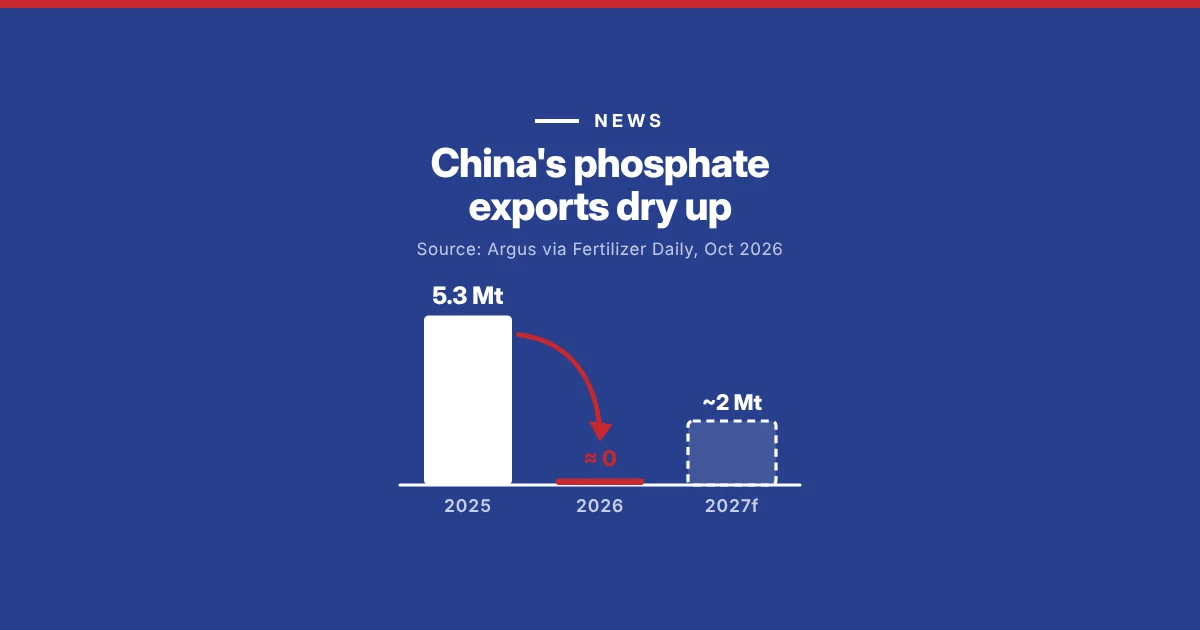
China, which exported about 5.3 million tonnes of phosphate fertilizer in 2025, has shipped almost none in 2026. With sulfur scarce and phosphate prices high, import-dependent markets face a tight season, and every kilo of phosphorus needs to work harder. At Van Polder, we believe a tight phosphate market is a reason to look again […]

If you are starting a banana farm, Panama disease (Fusarium wilt of banana) is the risk to plan for. How to prevent Panama disease in bananas comes down to keeping the fungus out, because no fertilizer prevents or cures it and once it is in the soil it stays for decades (Pegg et al., 2019; […]

A government project in Bangladesh’s Rajshahi Division has brought solar-powered pumps, including solar drip systems for orchards, to drought-prone land where groundwater has been falling for decades. The Prime Minister wants all diesel irrigation pumps converted to solar within five years. For growers who move to drip, the next step is to feed the crop […]
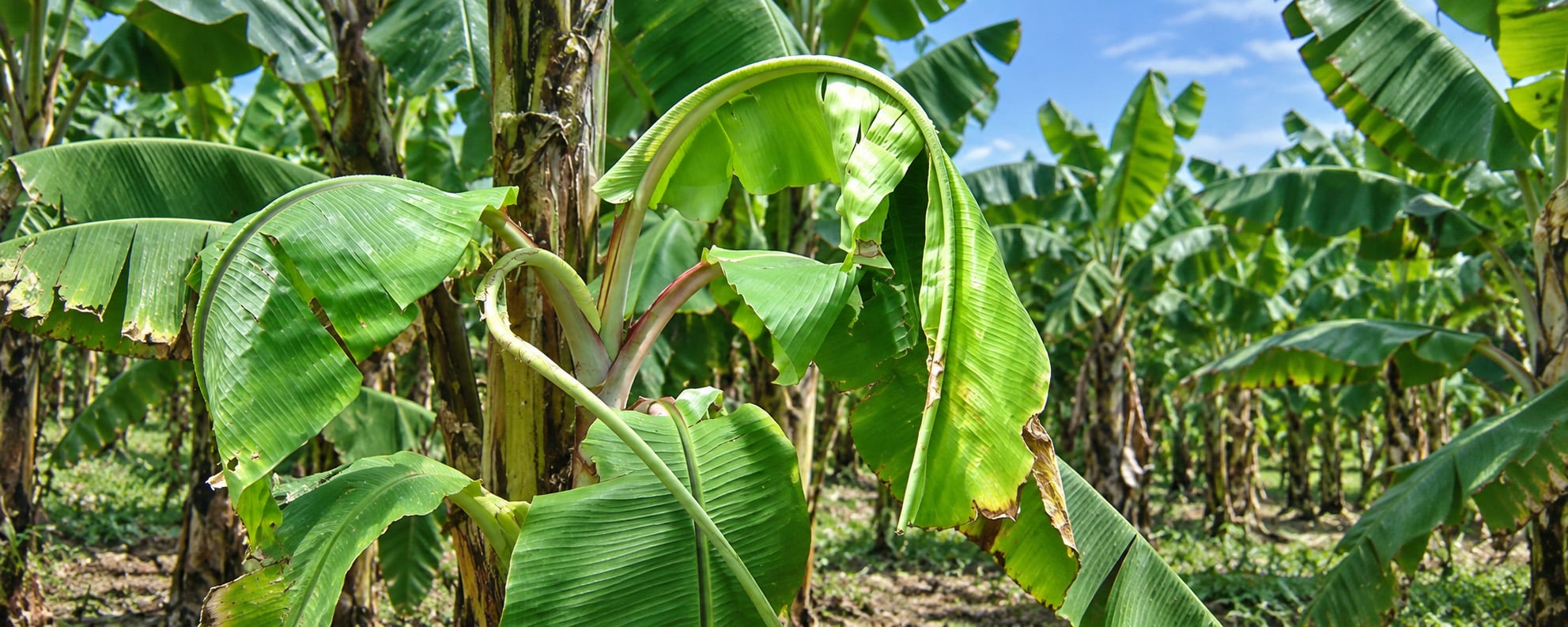
Calcium deficiency in banana shows first on the youngest leaves, as thickened veins and a saw-tooth pattern of yellow and dead tissue along the leaf margin, and in severe cases as “spike leaf”, new leaves with little or no blade, and poor-quality fruit (Turner, 1987; Martin-Prével, 1980). On most plantation soils it is not a […]
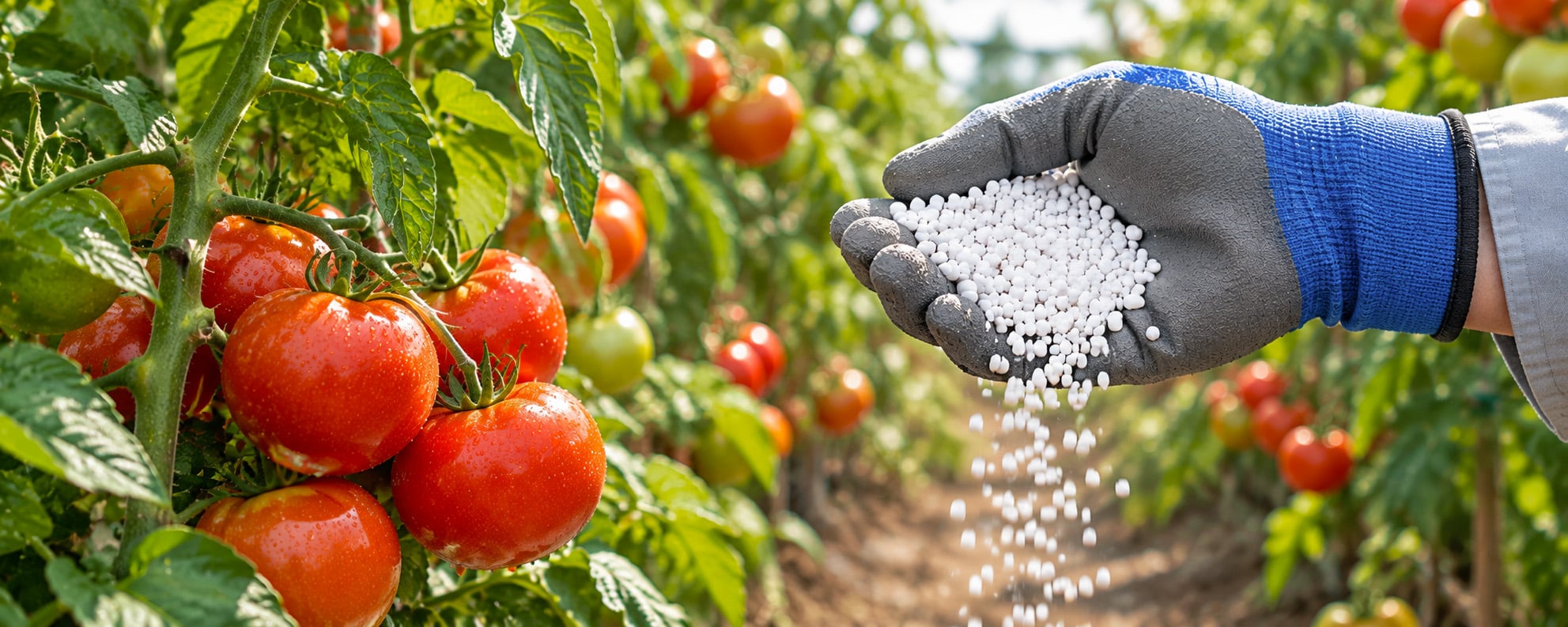
A calcium fertilizer supplies the calcium that holds plant cell walls and membranes together, but whether it reaches the fruit depends as much on water flow as on the fertilizer you choose. Calcium travels with water to the leaves and barely moves out of them again, so fruit and young leaves can run short even […]

An unusually wet winter brought coffee flowering in Minas Gerais forward by about a month, in several separate waves. With October forecast to be hotter than normal and rain patchy, the question for 2027 is now how many of those flowers turn into fruit. At Van Polder, we believe a strong flowering is only the […]