



How to Use NPK 19-19-19 Water Soluble Fertilizer for Healthier Plant Growth
NPK 19-19-19 Water-Soluble Fertilizer is a water-soluble fertilizer grade containing 19% nitrogen (N), 19% phosphate (P₂O₅), and 19% potash (K₂O) by weight, giving it a balanced 1:1:1 ratio of the three primary macronutrients. When dissolved in water, it provides soluble nutrients that can be delivered to the root zone through fertigation or applied to foliage […]
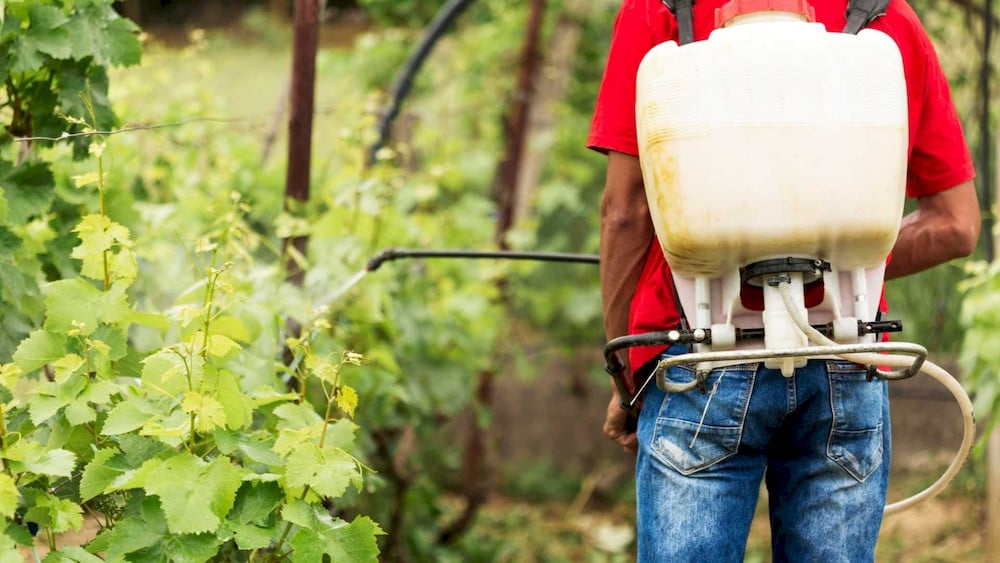

NPK 19-19-19 Water-Soluble Fertilizer is a water-soluble fertilizer grade containing 19% nitrogen (N), 19% phosphate (P₂O₅), and 19% potash (K₂O) by weight, giving it a balanced 1:1:1 ratio of the three primary macronutrients. When dissolved in water, it provides soluble nutrients that can be delivered to the root zone through fertigation or applied to foliage as a supplementary nutrient source. This guide explains four practical application methods, recommended dilution rates, suitable crop growth stages, and key precautions for using NPK 19-19-19 effectively.
1. 4 Effective Methods to Apply NPK 19-19-19 Water Soluble Fertilizer
NPK 19-19-19 can be delivered to plants through several application systems, with each method differing in how nutrients reach the plant and how closely the application can be controlled. The four methods below cover the main ways a water-soluble 19-19-19 fertilizer can be used in crop production.
1.1. Foliar Spray
Mechanism
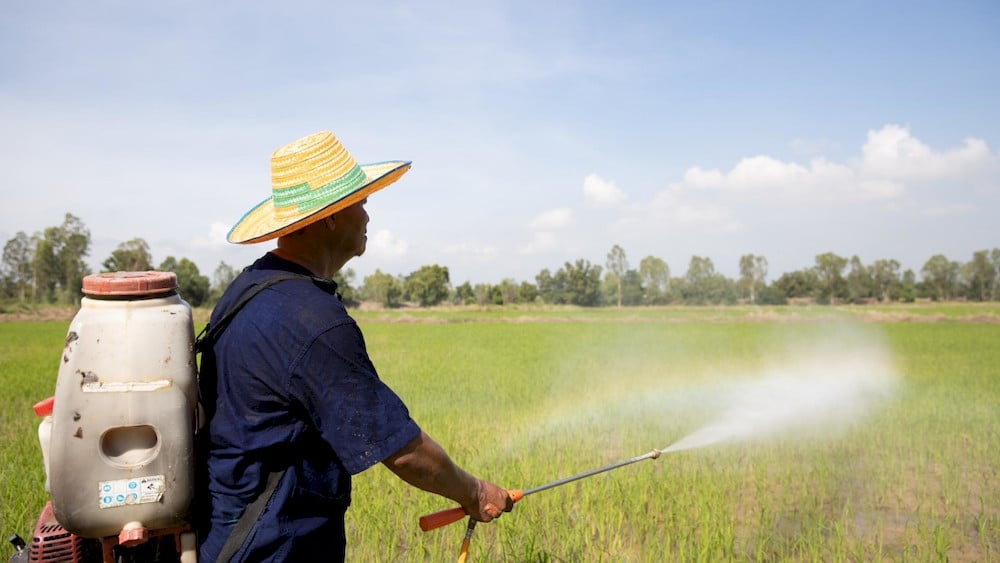
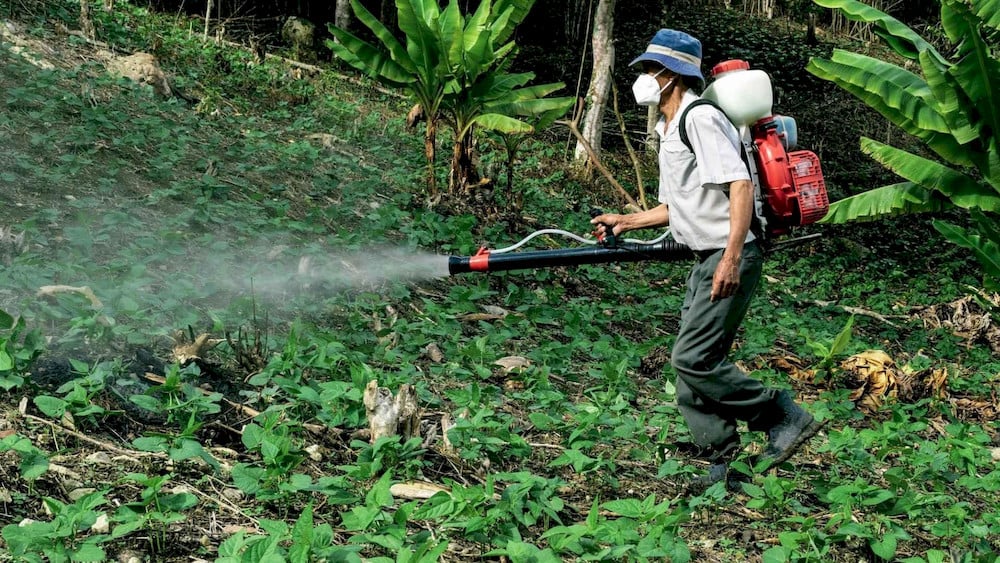
Dissolved nutrients are deposited directly onto the leaf surface and can enter leaf tissues through the cuticle, with stomata and other surface pathways also contributing depending on the nutrient and leaf characteristics. This route bypasses the soil and root system and provides a supplementary source of nutrients to the foliage.
Technical characteristics
Foliar application requires the fertilizer to be completely dissolved before spraying. A fine, uniform spray should cover the target foliage without excessive runoff.
Its effectiveness depends on several factors:
- leaf surface characteristics and cuticle properties;
- nutrient concentration;
- spray coverage and retention;
- temperature and humidity;
- how quickly the spray solution dries.
Advantages
- Provides a direct supplementary nutrient source to the foliage.
- Avoids some soil-related limitations that can restrict nutrient availability in the root zone.
- Can be useful when a rapid nutrient response is desirable or when root-zone conditions temporarily limit nutrient uptake.
Research on water-soluble 19-19-19 has also demonstrated that foliar application can affect crop growth and flowering when incorporated into an appropriate nutrient program, although responses vary by crop and application regime.
Limitations and risks
Foliar feeding cannot deliver unlimited quantities of macronutrients because leaves have a limited capacity to absorb salts safely. Excessive concentration or poor application conditions can cause leaf scorch, particularly when droplets dry rapidly and leave concentrated fertilizer salts on the leaf surface.
Best-practice conditions
- Apply during cooler periods, preferably early morning or late afternoon.
- Avoid spraying during intense sunlight or extreme heat.
- Use a concentration appropriate for the crop and formulation.
- Ensure adequate leaf coverage without excessive runoff.
1.2. Fertigation
Mechanism
Fertigation dissolves the fertilizer in irrigation water and delivers the nutrient solution directly to the crop’s root zone. The dissolved nutrients are then taken up by the roots along with water.
Technical characteristics
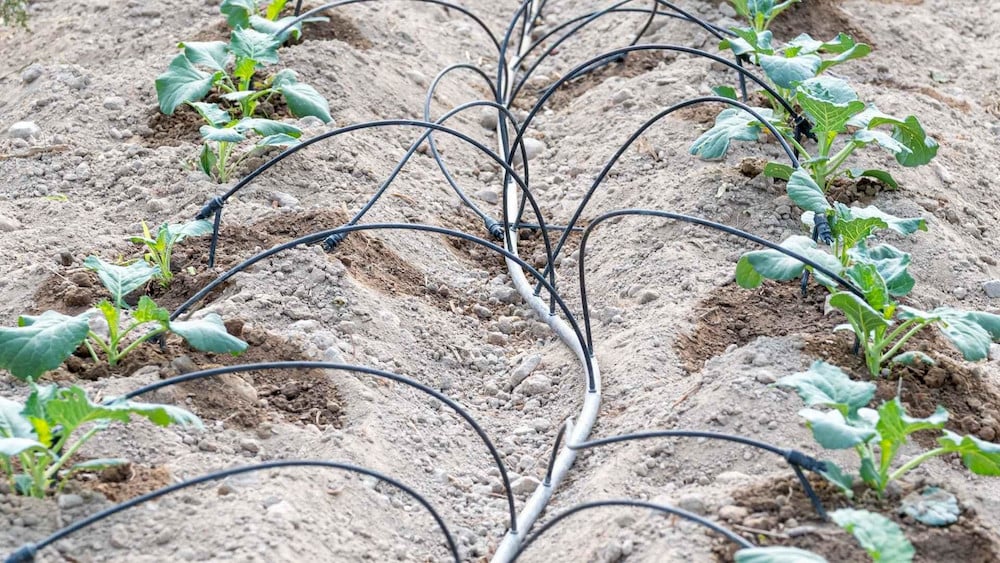
This method is particularly suited to water-soluble fertilizer because the fertilizer can be incorporated into the irrigation stream rather than being applied as a dry material. Drip irrigation is commonly used because it allows water and nutrients to be delivered close to the active root zone.
A properly managed fertigation system allows growers to control:
- fertilizer concentration;
- irrigation volume;
- application frequency;
- timing of nutrient delivery;
- distribution across the growing area.
Water-soluble 19-19-19 products are commonly marketed for fertigation, although the exact suitability depends on the formulation and manufacturer’s instructions.
Advantages
- Delivers nutrients directly to the root zone.
- Allows fertilizer application to be synchronized with irrigation.
- Makes it possible to divide nutrient supply into smaller applications rather than applying a large amount at once.
- Can improve application uniformity when the irrigation system is properly designed and maintained.
Limitations and risks
Fertigation performance depends heavily on irrigation-system uniformity and water quality. Poor distribution can create areas receiving too much or too little fertilizer.
Water chemistry also matters. Even when a fertilizer is water-soluble, mixing it with other fertilizers or irrigation water containing high concentrations of certain ions can affect compatibility and potentially contribute to precipitation or emitter blockage.
Best-practice conditions
- Dissolve the fertilizer completely before injection.
- Check compatibility when combining it with other fertilizers.
- Monitor nutrient-solution and root-zone EC.
- Maintain uniform irrigation across the crop.
- Adjust fertilizer concentration according to crop demand rather than using one concentration throughout the entire production cycle.
1.3. Soil Drench / Root-Zone Application
Mechanism
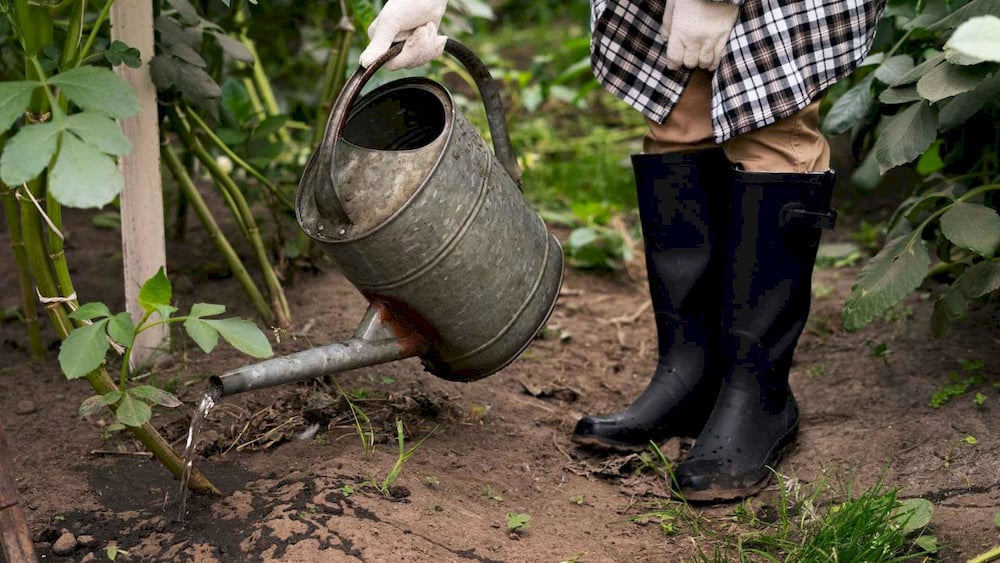
In a soil-drench application, the fertilizer is first dissolved in water and then applied directly around the plant’s root zone. Nutrients move with the applied water through the soil and become available for root uptake.
Technical characteristics
Unlike broadcasting or banding a dry fertilizer, soil drenching uses the water-soluble nature of the fertilizer to place nutrients in solution around the active root zone. It is particularly practical for container plants, nurseries, gardens, and crops where individual plants or defined root zones can be treated.
The movement of nutrients depends on:
- soil texture;
- soil moisture;
- irrigation volume;
- root-zone depth;
- drainage characteristics.
Advantages
- Places soluble nutrients close to the active root zone.
- Allows more targeted application than uniform dry broadcasting.
- Can be incorporated into an existing irrigation or watering routine.
Limitations and risks
Applying too much fertilizer solution to a small root zone can raise the local salt concentration and increase the risk of root injury. Excessive irrigation can also move soluble nutrients below the active root zone, reducing nutrient-use efficiency.
Best-practice conditions
- Apply the solution evenly around the active root zone.
- Avoid concentrating fertilizer directly against the stem or crown.
- Use an appropriate application volume for the soil or growing medium.
- Avoid excessive irrigation immediately after application that could cause unnecessary nutrient leaching.
1.4. Soilless Substrates and Protected Cultivation
Mechanism
In soilless production, nutrients are supplied through the irrigation or nutrient solution rather than through a mineral soil reservoir. Roots absorb dissolved nutrients from the solution surrounding the root system, whether the crop is grown in substrates such as coco coir and rockwool or in another controlled growing medium.
Technical characteristics
The main difference from conventional soil production is the greater degree of control over the root-zone environment. Nutrient delivery is closely linked to irrigation frequency, irrigation volume, drainage, and the properties of the growing substrate.
Key parameters commonly monitored in controlled cultivation include:
| Parameter | Purpose |
| EC | Indicates the total concentration of dissolved salts in the nutrient solution or root zone |
| pH | Helps maintain a suitable chemical environment for nutrient availability |
| Water alkalinity | Helps determine the tendency of irrigation water to resist pH adjustment |
| Drainage EC and pH | Helps indicate changes occurring in the root-zone environment |
Advantages
- Allows precise control over nutrient delivery and irrigation.
- Makes it easier to adjust fertilizer supply according to crop demand.
- Suitable for protected production where root-zone conditions are regularly monitored.
Limitations and risks
NPK 19-19-19 describes the N-P₂O₅-K₂O grade; it does not by itself define a complete nutrient program for hydroponic or soilless production. Crops may also require calcium, magnesium, sulfur, and micronutrients, depending on the water source, substrate, crop, and other fertilizers used.
The nitrogen form also varies between 19-19-19 formulations. For example, some commercial grades contain nitrate, ammonium, and urea nitrogen in different proportions. Therefore, the acidifying effect, compatibility, and suitability of a particular formulation should be assessed from its actual specification rather than assumed from the 19-19-19 grade alone.
Best-practice conditions
- Monitor nutrient-solution and root-zone EC regularly.
- Monitor pH and adjust it according to the crop and growing system.
- Consider irrigation-water quality, particularly EC and alkalinity.
- Check the complete nutrient profile before using 19-19-19 as the main fertilizer source.
- Follow the formulation-specific instructions when using the fertilizer in recirculating or precision fertigation systems.
2. NPK 19-19-19 Water Soluble Fertilizer: Dosages and Dilution Rates
Rates vary according to the crop, growth stage, and application system. As a starting point, use 0.5 – 1.0 g/L for seedlings and propagation, 1.0 – 2.0 g/L for standard fertigation, and up to 3.0 g/L for established heavy-feeding crops during peak demand. For foliar application, use the crop-specific ranges below and adjust according to crop tolerance and local growing conditions.
The following reference rates separate fertigation and foliar application so that each method can be adjusted independently.
| Crop | Fertigation (g/L) | Foliar Spray (g/L) |
| Young plants & propagation | 0.5 – 1.0 | 1.0 – 2.0 |
| Fruiting vegetables (soilless) | 1.0 – 2.0 | 2.0 – 3.0 |
| Leafy vegetables | 1.0 – 2.0 | 2.0 – 3.0 |
| Strawberries (substrate) | 1.0 – 2.0 | 1.5 – 2.5 |
| Ornamentals & nursery | 1.0 – 2.0 | 1.5 – 2.5 |
Note: For fertigation, maintain the nutrient-solution EC within the crop’s tolerance range and adjust the concentration according to crop demand. For foliar spraying, apply during the early morning or late afternoon to reduce the risk of leaf injury.
3. Best Growth Stages for Applying NPK 19-19-19 Water Soluble Fertilizer
The suitability of NPK 19-19-19 depends less on a fixed crop age than on whether the crop’s nutrient demand remains reasonably balanced. The following stages are the main points at which growers can consider or reassess the use of a balanced 19-19-19 fertilizer:
- Seedling and transplant establishment: Suitable for young plants that require balanced nutrition for early root and shoot development. Use a more conservative concentration because young plants have smaller root systems and are generally more sensitive to soluble salts.
- Active vegetative growth: This is one of the most suitable stages for a balanced 19-19-19 fertilizer. Nitrogen supports leaf and shoot development, phosphorus contributes to root development and energy metabolism, while potassium supports water regulation and enzyme functions.
- Transition to flowering and early production: 19-19-19 can remain suitable when the crop continues to require substantial amounts of all three primary macronutrients. However, this stage is also a useful point to reassess the nutrient program rather than continuing the same formulation automatically.
- Fruit, seed, and grain development: Continue using 19-19-19 only when its balanced nutrient ratio still matches crop requirements. As reproductive development progresses, nutrient demand becomes more crop-specific, and excessive nitrogen relative to crop needs may promote unwanted vegetative growth or affect product quality in some crops.
- Leafy vegetable production: Crops harvested primarily for their leaves, such as spinach, cabbage, and lettuce, may use a balanced 19-19-19 fertilizer throughout active growth when their nutrient requirements remain compatible with the formulation. The rate and frequency should still be adjusted as the crop develops.
- Late-season or pre-harvest: Reassess the need for further applications based on actual crop demand and the nutrients already available from the soil, substrate, irrigation water, and other fertilizers. A balanced 19-19-19 feed should not be continued simply because the crop has reached another scheduled application date.
The key consideration is therefore nutrient demand, not simply growth stage: use NPK 19-19-19 while the crop benefits from a relatively balanced N-P-K supply, and reassess the program when its nutritional requirements become more specialized.
4. 5 Golden Notes when using NPK 19-19-19 Water Soluble Fertilizer
Application rate alone does not determine the effectiveness of a fertilizer program. The following five practical rules help growers manage concentration, root-zone conditions, and application timing more consistently.
- Monitor pH: Check the pH of the nutrient solution and root zone regularly. If the formulation contains ammonium nitrogen, repeated use may contribute to root-zone acidification, making pH monitoring particularly important.
- Monitor EC: Keep nutrient-solution and root-zone EC within the crop’s recommended range. Excessive EC increases salt concentration around the roots and can reduce water uptake.
- Protect Sensitive Crops: Use the lower end of the recommended concentration range for seedlings, transplants, and salt-sensitive crops. For foliar application, avoid unnecessarily high concentrations that may cause leaf scorch.
- Consider Water Quality: Irrigation-water quality can affect the performance of a water-soluble fertilizer. Check factors such as water EC and alkalinity when adjusting the nutrient program, particularly in controlled or soilless systems.
- Match Application to Crop Demand: Do not maintain the same fertilizer concentration throughout the entire crop cycle by default. Adjust the program as nutrient demand changes and reassess whether a balanced N-P-K ratio remains appropriate at later growth stages.
NPK 19-19-19 Water-Soluble Fertilizer provides a balanced supply of nitrogen, phosphate and potash and can be used through fertigation, foliar feeding and other suitable water-based application systems. The correct rate depends on the crop, growth stage, growing system and water quality rather than the fertilizer grade alone. For consistent results, growers should combine an appropriate application method with measured dilution rates and regular root-zone monitoring.


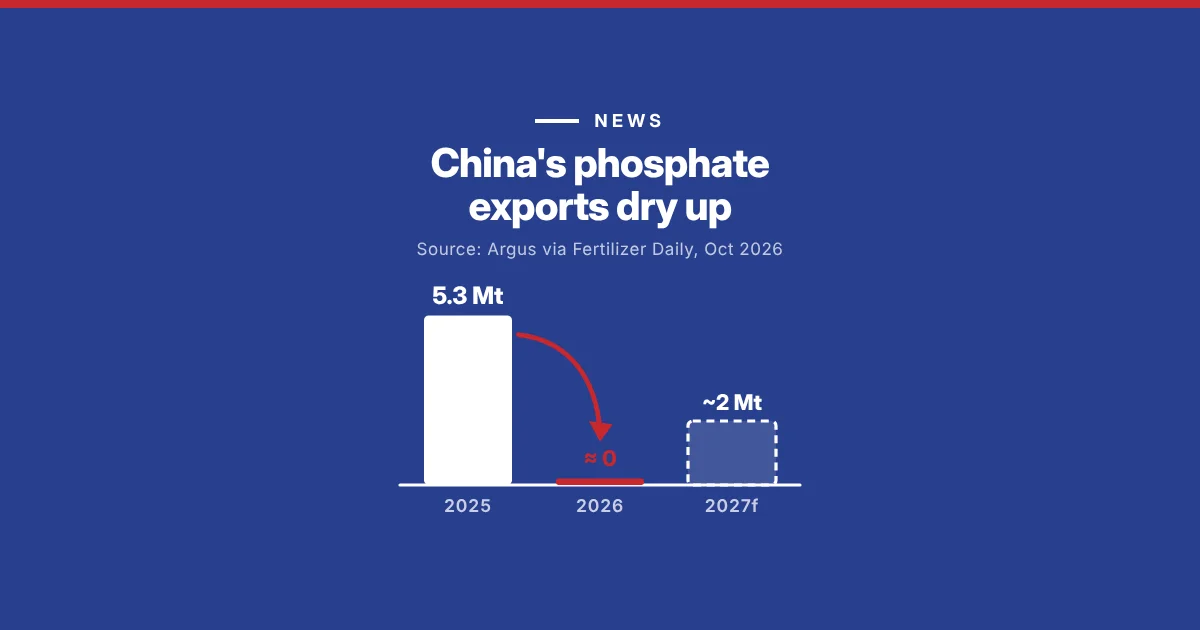
China, which exported about 5.3 million tonnes of phosphate fertilizer in 2025, has shipped almost none in 2026. With sulfur scarce and phosphate prices high, import-dependent markets face a tight season, and every kilo of phosphorus needs to work harder. At Van Polder, we believe a tight phosphate market is a reason to look again […]
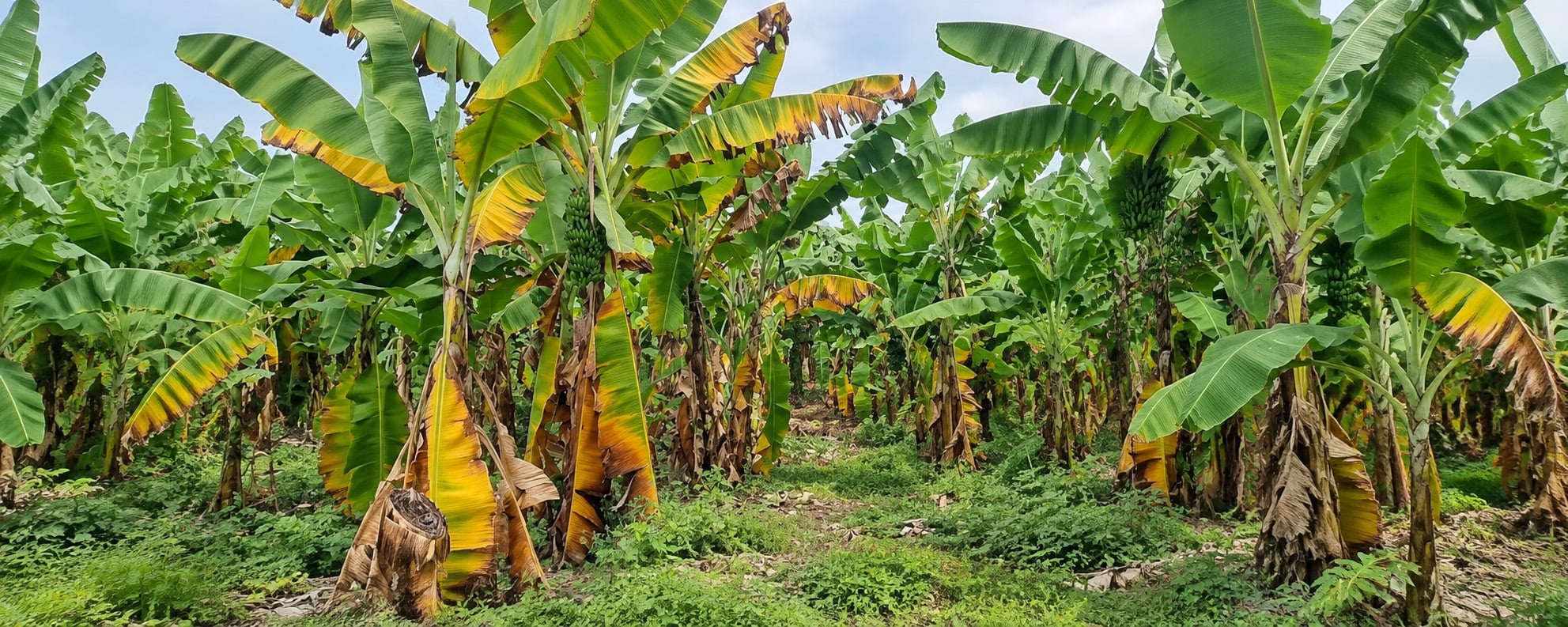
If you are starting a banana farm, Panama disease (Fusarium wilt of banana) is the risk to plan for. How to prevent Panama disease in bananas comes down to keeping the fungus out, because no fertilizer prevents or cures it and once it is in the soil it stays for decades (Pegg et al., 2019; […]
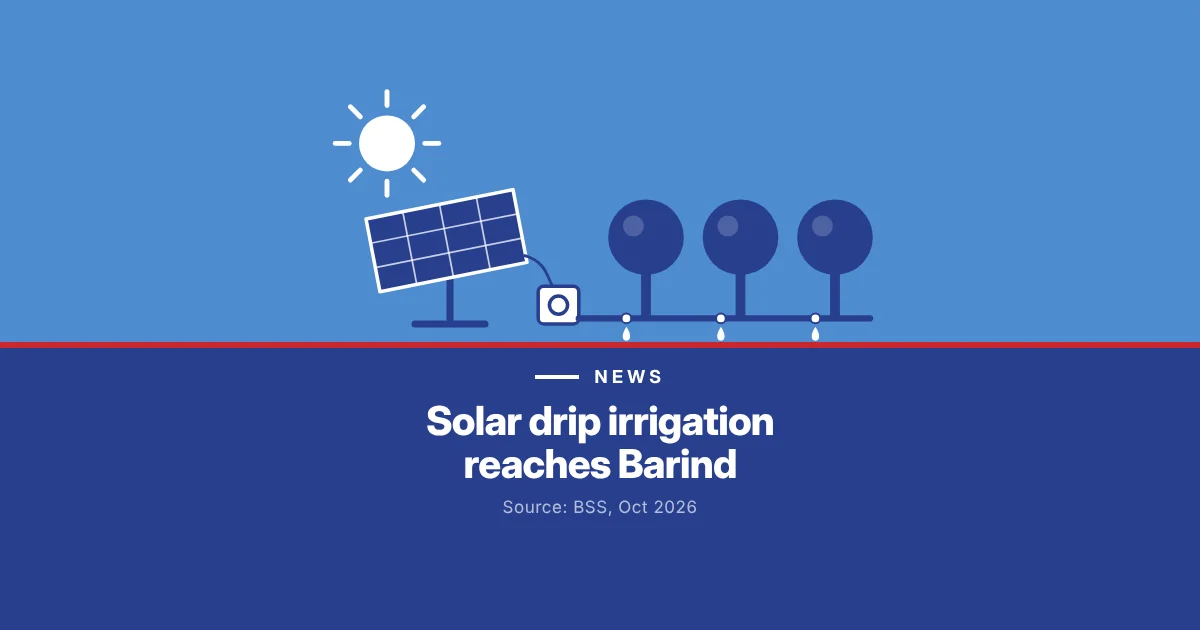
A government project in Bangladesh’s Rajshahi Division has brought solar-powered pumps, including solar drip systems for orchards, to drought-prone land where groundwater has been falling for decades. The Prime Minister wants all diesel irrigation pumps converted to solar within five years. For growers who move to drip, the next step is to feed the crop […]
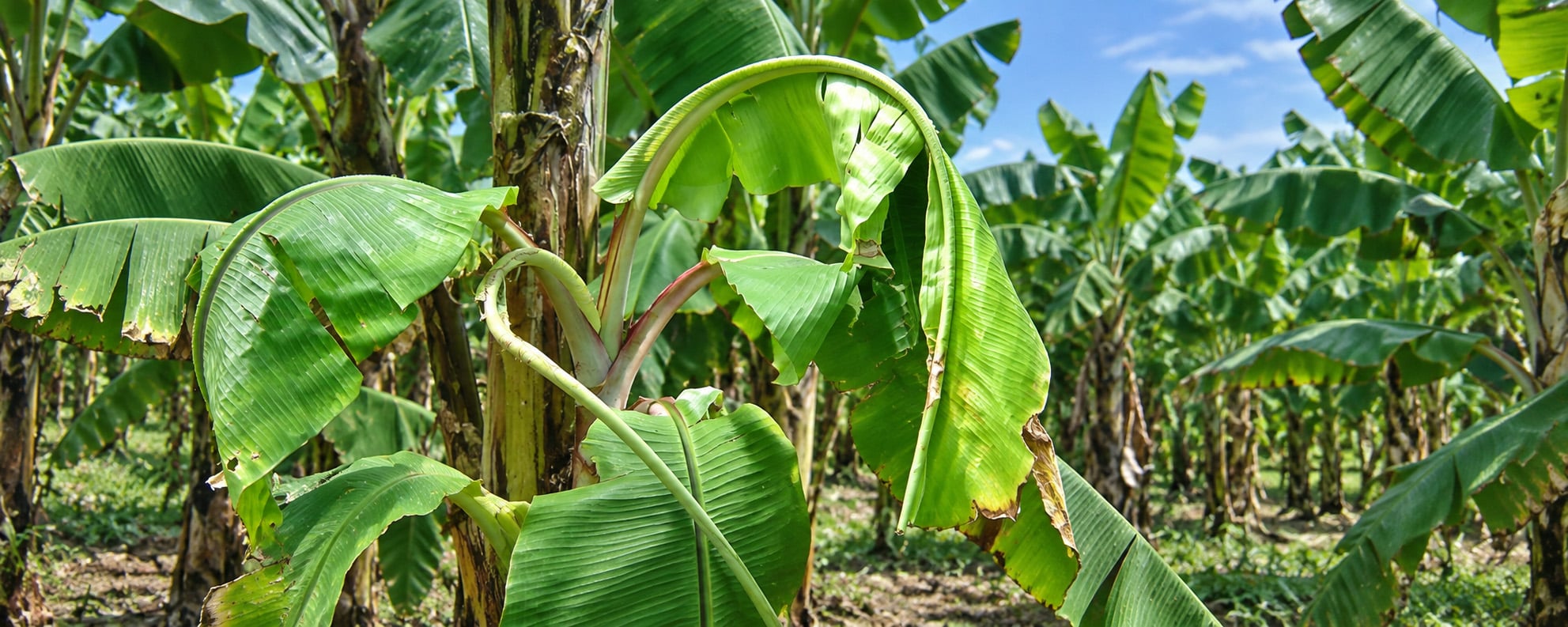
Calcium deficiency in banana shows first on the youngest leaves, as thickened veins and a saw-tooth pattern of yellow and dead tissue along the leaf margin, and in severe cases as “spike leaf”, new leaves with little or no blade, and poor-quality fruit (Turner, 1987; Martin-Prével, 1980). On most plantation soils it is not a […]
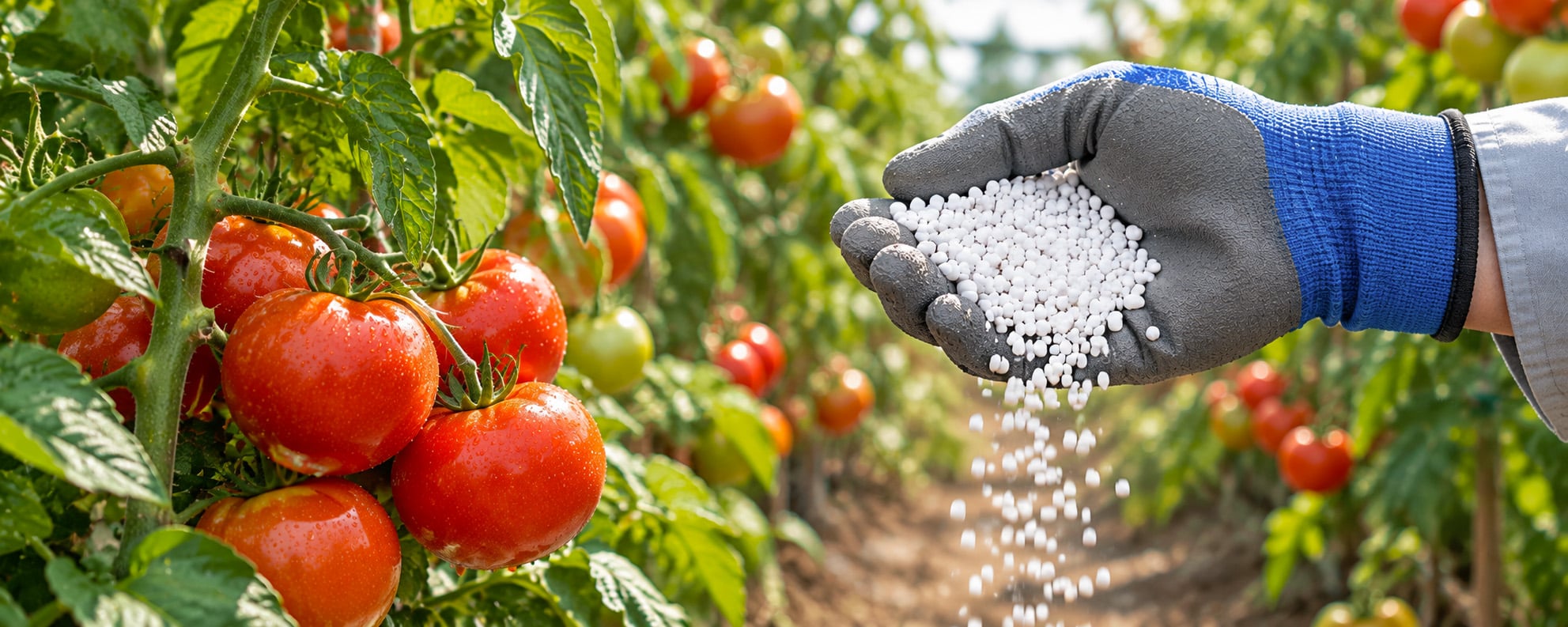
A calcium fertilizer supplies the calcium that holds plant cell walls and membranes together, but whether it reaches the fruit depends as much on water flow as on the fertilizer you choose. Calcium travels with water to the leaves and barely moves out of them again, so fruit and young leaves can run short even […]
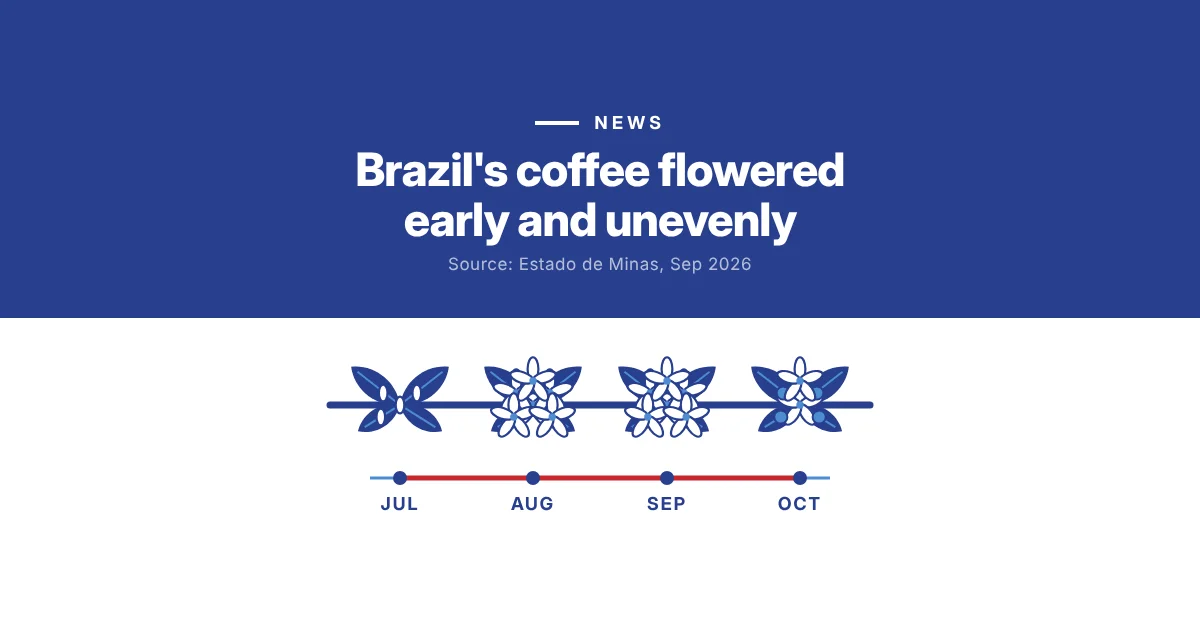
An unusually wet winter brought coffee flowering in Minas Gerais forward by about a month, in several separate waves. With October forecast to be hotter than normal and rain patchy, the question for 2027 is now how many of those flowers turn into fruit. At Van Polder, we believe a strong flowering is only the […]