







How to Use Fish Amino Acid Fertilizer: Dilution, Application, and Timing
Fish Amino Acid (FAA) fertilizer must always be diluted before application, whether sprayed on leaves or applied to soil. However, usage depends on whether you are using a commercial product or a homemade FAA, as dilution rates and application methods may differ. Commercial products should always follow the label instructions. This guide explains proper dilution, […]


Fish Amino Acid (FAA) fertilizer must always be diluted before application, whether sprayed on leaves or applied to soil. However, usage depends on whether you are using a commercial product or a homemade FAA, as dilution rates and application methods may differ. Commercial products should always follow the label instructions. This guide explains proper dilution, application methods, timing, and common mistakes to avoid.
1. 3 Steps to Use Fish Amino Acid Fertilizer (Quick Overview)
To get the best results from Fish Amino Acid (FAA) fertilizer, follow this simple three-step process to boost your plants’ health and growth safely.
1 – Dilute the concentrate: FAA is a high-potency liquid that is far too strong to be used directly. You must mix it with the correct amount of water to ensure it is safe for your plants and won’t cause damage(see Section 2 for specific dilution ratios).
2 – Apply using your chosen method: You can deliver FAA either as a foliar spray for rapid, direct nutrient absorption through the leaves, or as a soil drench to nourish the root zone and stimulate beneficial soil microbes(see Section 3 for application details).
3 – Time it right for maximum impact: For most crops, apply FAA periodically during the early or vegetative growth stages. Always schedule your applications for the early morning or late evening to avoid intense sunlight, which can cause evaporation or foliage damage(see Section 4 for detailed timing).
Using the correct dosage allows your plants to absorb nutrients rapidly and efficiently. However, be careful: over-applying or using FAA at the wrong time (such as during peak heat) can lead to leaf burn or other negative effects on your crop(see Section 6 for safety tips).

2. How to Dilute Fish Amino Acid Fertilizer
Recommended dilution rates differ between commercial FAA products and homemade FAA, so each should be used according to its own guidelines. Here’s what you need to know.
2.1. Diluting a Commercial FAA Product
Commercial FAA products vary in amino acid and nitrogen concentrations. Therefore, the dilution ratio should always follow the manufacturer’s instructions.
- Recommended dilution: Rates vary by product and application method. Foliar sprays generally require a more diluted solution than soil drenches to protect leaf tissues. Some commercial products recommend 2 – 3 mL per liter of water for foliar application.
- Notes:Increasing the concentration beyond the recommended rate will not improve performance and may cause leaf burn or root damage. Always follow the product label. That label rate is only a starting point, though — working out the right fish amino acid fertilizer dosage for your specific crop, area, and application frequency is what actually keeps concentrations safe over repeated uses.
| Application Method | Typical Label Rate | 10 L Sprayer |
| Foliar spray | 1 – 3 mL/L | 10 – 30 mL |
| Soil drench | 3 – 5 mL/L | 30 – 50 mL |

2.2. Diluting Homemade FAA
Unlike commercial products, homemade FAA has no standardized nutrient concentration. Most growers therefore follow established dilution guidelines.
- Recommended dilution: The standard guideline is 1:1000 for foliar spraying. For soil drenching, a slightly stronger dilution of 1:500 to 1:200 can be used because the surrounding soil helps buffer the solution.
- Notes: Because every homemade batch varies in nutrient concentration, always test the solution on a small area before full-scale application. Never apply undiluted FAA directly to leaves, roots, or any part of the plant.
| Application Method | Standard Ratio | 10 L Sprayer |
| Foliar spray | 1:1000 | 10 mL |
| Soil drench | 1:500 – 1:200 | 20 – 50 mL |
3. Application Methods: Foliar Spray vs. Soil Drench
Whether you are using commercial or homemade Fish Amino Acid (FAA), the two primary ways to apply it are through foliar spraying or soil drenching. The main difference lies in the dilution concentrations required for each method, as previously detailed in Section 2.
3.1. Foliar Spray (Applying to the Leaves)
Foliar spraying delivers nutrients directly through the leaf surface, allowing plants to absorb them quickly through the stomata. It is the preferred method when rapid nutrient uptake is needed.
- Best for: Correcting nutrient deficiencies quickly, supporting seedlings, or promoting new leaf growth.
- How to apply: Use a sprayer to spray both sides of the leaf until evenly moistened without excessive runoff. Tip: The underside of the leaf generally absorbs nutrients more efficiently.
- Dilution: Follow the recommended dilution ratio for your FAA type(1:1000) Foliar sprays typically require a more diluted solution than soil drenches.
- Most suitable for: Leafy vegetables, young plants, and crops in the vegetative growth stage.
3.2. Soil Drench (Applying to the Root Zone)
Soil drenching delivers nutrients directly to the root zone, where they support long-term plant growth. Soil drench nourishes both the root system and beneficial soil microbes, making it ideal for sustained plant development.
- Best for: Root establishment, improving soil health, and preparing planting beds before transplanting.
- How to apply: Apply the diluted solution evenly around the root zone, allowing it to soak into the surrounding soil.
- Dilution: Use the recommended dilution ratio for your FAA type ( 1:500 – 1:200). Soil drenches generally use a slightly more concentrated solution than foliar sprays.
- Most suitable for: Established crops, newly transplanted seedlings, and cuttings during root development.
These applications are closely tied to the broader fish amino acid fertilizer uses, particularly supporting root development, nutrient uptake, and soil biological activity.

| Method | Absorption Speed | Best Use | Notes |
| Foliar Spray | Very fast (through the stomata) | Correcting nutrient deficiencies, seedlings, and active vegetative growth | Spray both sides of the leaf and avoid application under intense sunlight. |
| Soil Drench | Moderate (through the roots) | Long-term root development, improving soil microbial activity, and established plants | Apply evenly around the root zone for gradual, consistent nutrient uptake. |
4. When to Apply, How Often, and Which Crops Benefit Most
The best application schedule depends on both the plant’s growth stage and the type of Fish Amino Acid (FAA) you are using. Homemade FAA and commercial products differ in nutrient composition, so they should not be used in exactly the same way.
4.1. Timing Based on Plant Growth Stages
Application timing should match both the plant’s growth stage and the type of FAA being used.
Homemade () FAA: Homemade FAA is often referred to as fuel because it contains a high level of organic nitrogen (6.5% – 6.96%). It is best applied during the seedling and vegetative stages to promote vigorous leaf and shoot growth.
| Important: Reduce or stop applications once plants enter the flowering or fruiting stage. Excess nitrogen during reproduction may encourage excessive vegetative growth, delay flowering, and increase susceptibility to fungal diseases. |
Commercial FAA products:
Commercial formulations are available in different NPK ratios. Some are designed for vegetative growth, while others are suitable during flowering or fruit development. Always match the product’s NPK formulation to your crop’s current growth stage.
Matching that formulation only works, of course, once you’ve already settled on a product worth matching — narrowing the field with a comparison of the best fish amino acid fertilizer for plants is usually the step growers take before this stage.
4.2. Application Frequency
The recommended application frequency also differs between homemade FAA and commercial products.
- Homemade FAA: Apply as a foliar spray or soil drench once a week during active vegetative growth.
- Commercial FAA: Follow the manufacturer’s instructions. Most products recommend applications every 10 – 15 days.
| Best Time to Apply Apply FAA early in the morning or late in the afternoon/evening. Avoid spraying during hot, sunny conditions, as rapid evaporation can increase solution concentration on the leaf surface and cause leaf burn through osmotic stress. |

4.3. Crops That Benefit Most
FAA is especially beneficial for crops with high nutrient demands during early growth and root establishment.
| Crop Group | Benefits of FAA |
| Leafy greens (kale, lettuce, herbs) | Promotes vigorous leaf growth while improving yield, flavor, and aroma. |
| Seedlings & nursery plants | Encourages early root development and reduces transplant shock. |
| Fruit trees (vegetative stage) | Supports healthy canopy and shoot development before flowering begins. |
| Plant cuttings | Stimulates lateral and adventitious root formation for faster establishment. |
Safety Note: Applying FAA more frequently or at higher concentrations than recommended will not accelerate growth. Instead, excessive nitrogen may lead to nitrate accumulation in leaves or root necrosis, reducing overall plant performance.
5. Precautions and Common Mistakes to Avoid
Most problems with Fish Amino Acid (FAA) result from a few common mistakes. The table below summarizes the most frequent errors, their consequences, and how to prevent them.
| Common Mistake | Why It’s a Problem | How to Avoid It |
| Using undiluted FAA or applying excessive concentrations | Over-concentrated FAA can cause severe leaf burn, marginal chlorosis, and tissue damage as high salt and amine concentrations draw moisture out of plant cells through osmosis. | Always dilute FAA before use. Follow the product label for commercial products or the standard 1:1000 dilution for homemade FAA. |
| Confusing commercial and homemade FAA dilution rates | Commercial products have standardized nutrient concentrations, while homemade FAA varies between batches. Using the wrong dilution may cause nutrient shock or reduce application effectiveness. | Identify which type of FAA you are using and follow the appropriate dilution guidelines. |
| Applying FAA during the wrong growth stage | The high nitrogen content promotes vegetative growth. Continued application during flowering or fruiting may delay flowering and increase the risk of fungal diseases. | Apply FAA mainly during the seedling and vegetative stages, and reduce or stop applications once plants enter reproduction (except leafy greens). |
| Spraying during hot, sunny conditions | Rapid evaporation concentrates the solution on the leaf surface, increasing the risk of leaf burn and phototoxicity. | Apply foliar sprays only in the early morning or late afternoon/evening. |
| Improper storage or using spoiled FAA | Poor storage can trigger anaerobic decomposition, producing harmful compounds such as cadaverine, putrescine, and hydrogen sulfide that damage roots and beneficial soil microbes. | Store FAA in an airtight, opaque container in a cool, well-ventilated place. Discard any batch with a strong rotten-egg or ammonia odor. Properly fermented FAA should have a mildly sweet, soy sauce-like aroma. |
Pro Tip: If you are unsure about the quality of a homemade FAA batch, perform a simple Radish Germination Bioassay. Water a few fast-germinating radish seeds with the solution. If root growth is stunted or germination is delayed after about five days, discard the batch rather than applying it to your crops.

6. FAQs
Q: Can I mix fish amino acid fertilizer with other fertilizers or foliar sprays?
A: Yes, FAA can be mixed with compatible fertilizers or foliar sprays in many cases. However, always follow the manufacturer’s compatibility recommendations for commercial products and maintain the correct dilution ratio to avoid leaf burn or nutrient shock.
Q: How do I know if I’m using a commercial or -style fish amino acid product?
A: Commercial FAA comes with a product label showing its guaranteed analysis, NPK values, and application instructions. Homemade FAA is produced by fermenting fish waste with brown sugar and typically requires a 1:1000 dilution for foliar spraying.
Q: Does diluted fish amino acid fertilizer go bad or need to be used immediately?
A: Yes. Diluted FAA should be used immediately after mixing because it is less stable than the concentrated product. If the solution develops a strong ammonia or rotten-egg odor, discard it instead of applying it to plants.
Applying Fish Amino Acid (FAA) correctly is not just about dilution. It also requires selecting the right application method and timing for each growth stage. By following the appropriate guidelines for your FAA type, you can improve nutrient efficiency, promote healthier plant growth, and minimize the risk of overapplication or leaf damage.


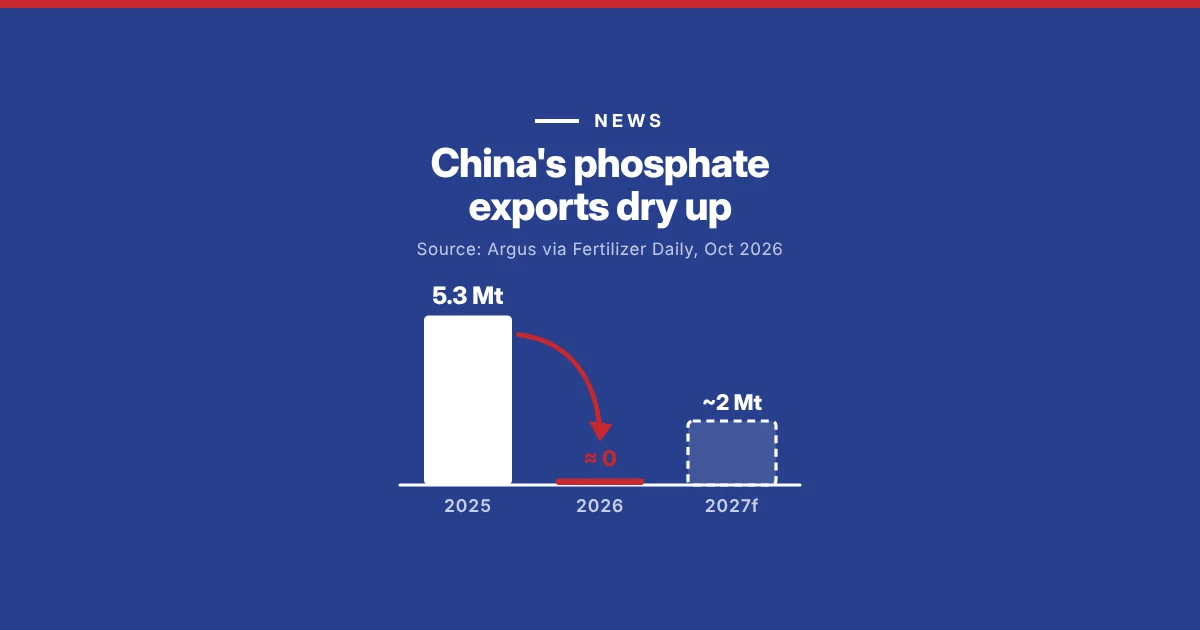
China, which exported about 5.3 million tonnes of phosphate fertilizer in 2025, has shipped almost none in 2026. With sulfur scarce and phosphate prices high, import-dependent markets face a tight season, and every kilo of phosphorus needs to work harder. At Van Polder, we believe a tight phosphate market is a reason to look again […]
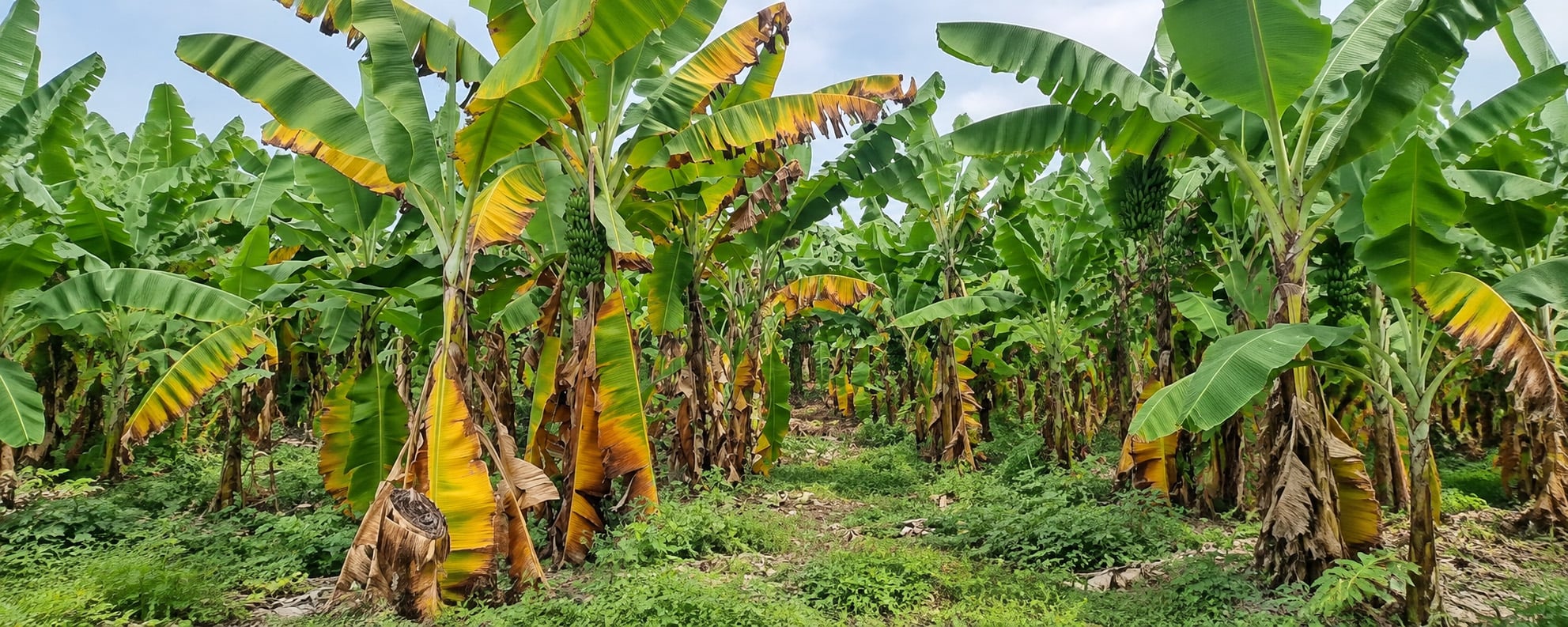
If you are starting a banana farm, Panama disease (Fusarium wilt of banana) is the risk to plan for. How to prevent Panama disease in bananas comes down to keeping the fungus out, because no fertilizer prevents or cures it and once it is in the soil it stays for decades (Pegg et al., 2019; […]
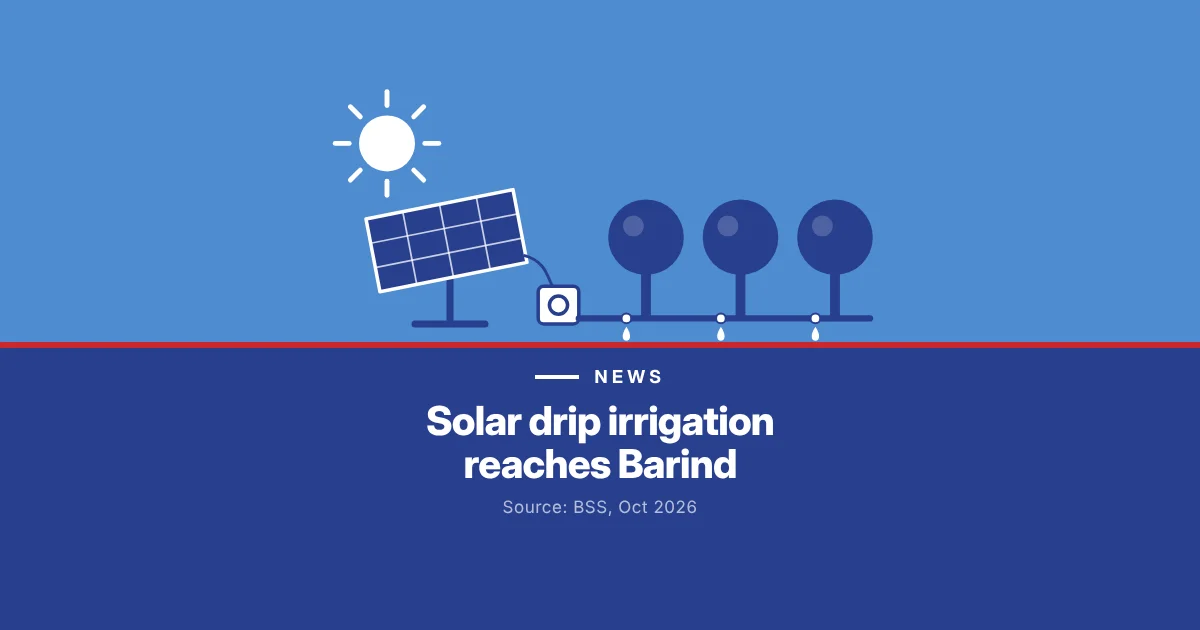
A government project in Bangladesh’s Rajshahi Division has brought solar-powered pumps, including solar drip systems for orchards, to drought-prone land where groundwater has been falling for decades. The Prime Minister wants all diesel irrigation pumps converted to solar within five years. For growers who move to drip, the next step is to feed the crop […]
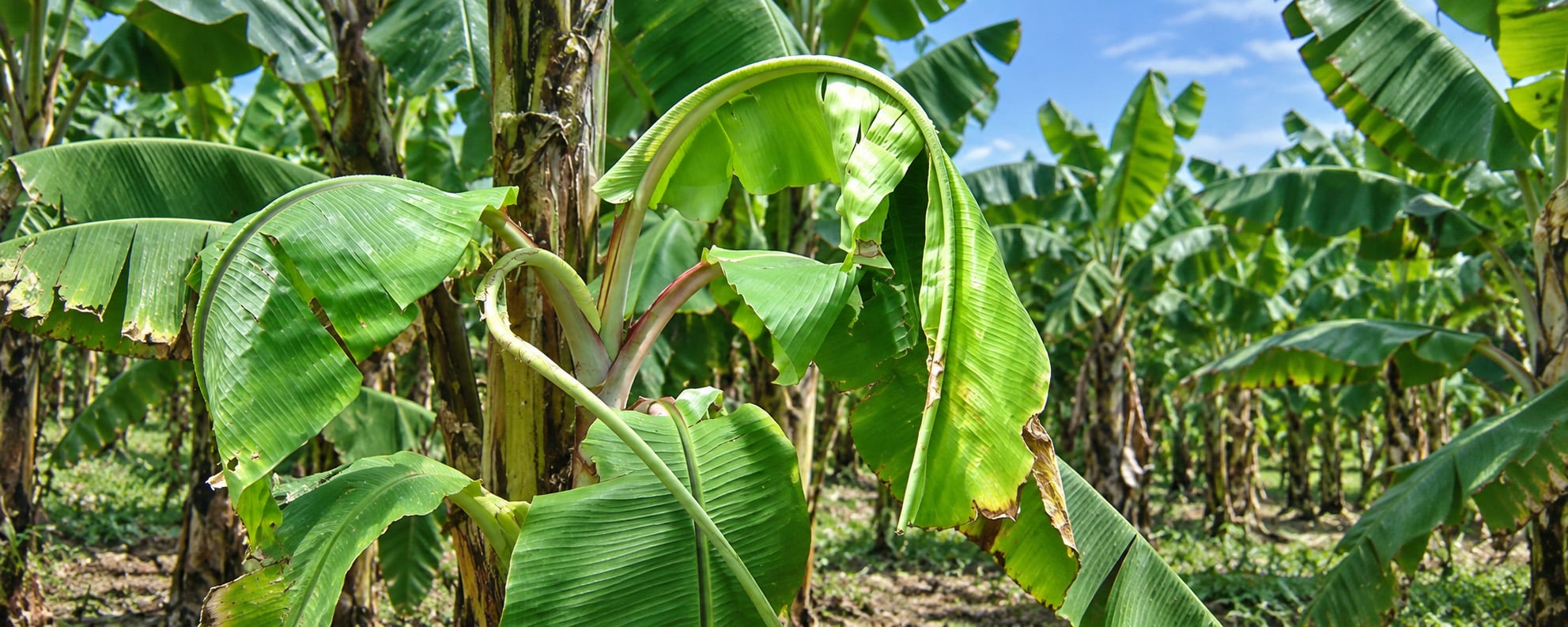
Calcium deficiency in banana shows first on the youngest leaves, as thickened veins and a saw-tooth pattern of yellow and dead tissue along the leaf margin, and in severe cases as “spike leaf”, new leaves with little or no blade, and poor-quality fruit (Turner, 1987; Martin-Prével, 1980). On most plantation soils it is not a […]
A calcium fertilizer supplies the calcium that holds plant cell walls and membranes together, but whether it reaches the fruit depends as much on water flow as on the fertilizer you choose. Calcium travels with water to the leaves and barely moves out of them again, so fruit and young leaves can run short even […]

An unusually wet winter brought coffee flowering in Minas Gerais forward by about a month, in several separate waves. With October forecast to be hotter than normal and rain patchy, the question for 2027 is now how many of those flowers turn into fruit. At Van Polder, we believe a strong flowering is only the […]