







6 Micronutrients for Paddy to Maximize the Harvest and Grain Quality
Achieving consistent rice yields requires more than supplying nitrogen, phosphorus, and potassium. Essential trace elements also play a critical role in photosynthesis, root development, grain formation, and stress tolerance. The following guide explains the best micronutrients for paddy, their importance, common deficiency symptoms, and the most effective ways to apply them for optimal crop performance. […]


Achieving consistent rice yields requires more than supplying nitrogen, phosphorus, and potassium. Essential trace elements also play a critical role in photosynthesis, root development, grain formation, and stress tolerance. The following guide explains the best micronutrients for paddy, their importance, common deficiency symptoms, and the most effective ways to apply them for optimal crop performance.
1. Zinc (Zn): The Growth Activator for High-Yielding Rice
Zinc (Zn) serves as a primary growth activator, orchestrating critical physiological processes that drive uniform development and maximize harvest potential. Maintaining adequate zinc levels is essential for enhancing environmental stress tolerance and optimizing the uptake efficiency of macronutrients.
Roles
- Nutrient Efficiency: Zinc is an essential micronutrient that helps enhance agricultural productivity, improve crop quality, and maximize the utilization efficiency of macronutrients, including nitrogen (N), phosphorus (P), and potassium (K).
- Enzymatic Catalyst: Zinc serves as a vital component of more than 300 metalloenzymes, contributing to structural, catalytic, and regulatory functions. It is also involved in enzymes such as RNA polymerase, which plays a critical role in protein synthesis.
- Hormonal Synthesis: Zinc is essential for the synthesis of auxins (plant growth hormones) and chlorophyll formation. Its presence helps prevent oxidative degradation of auxin, supporting normal plant growth and development.
- Membrane Integrity: Zinc plays an important role in maintaining the structure and integrity of biomembranes, helping protect plant cells from oxidative damage caused by reactive oxygen species (ROS).

Deficiency Symptoms and Impacts
Zinc deficiency can significantly affect rice growth and physiological performance, leading to visible symptoms and reduced crop productivity.
- Growth Disruption: Zinc deficiency severely affects plant growth, resulting in reduced plant height and shorter internodes. This condition is technically known as“rosetting.”
- Physiological Stress: A lack of zinc reduces photosynthetic efficiency and overall plant vigor, making rice crops more vulnerable to environmental stresses, pests, and diseases.
- Visual Indicators: Common symptoms include reduced tillering and the appearance of dusty-brown or rusty spots on young leaves, a condition known as“khaira” in certain regions.
Environmental and Soil Triggers
Zinc deficiency in rice is often influenced by soil conditions and nutrient interactions that reduce zinc availability to plants.
- High pH and Calcareous Soils: Zinc deficiency is most common in soils with a pH above 7.0, where zinc solubility and availability are significantly reduced.
- Saline and Submerged Conditions: Zinc deficiency is frequently associated with saline-sodic soils and prolonged flooded conditions, which can promote the formation of insoluble zinc sulfides.
- Nutrient Imbalance: High levels of available phosphorus (P) in the soil can also induce or worsen zinc deficiency.
2. Iron (Fe): Essential for Photosynthesis
Iron (Fe) is indispensable for chlorophyll biosynthesis, directly regulating photosynthetic efficiency and energy metabolism within the paddy. While critical for maintaining vibrant leaf color, iron levels require careful management in submerged environments to prevent the risk of toxicity.
Roles
- Chlorophyll Biosynthesis: Iron is essential for chlorophyll synthesis and supports various biochemical processes, including nitrogen and sulfur metabolism.
- Electron Transport: Iron is a key component of electron transport chains, particularly as part of ferredoxins (stable Fe-S proteins), which function as important redox compounds in photosynthetic electron transport.
- Enzymatic Activity: Iron is incorporated into heme and non-heme proteins, acting as a cofactor for enzymes involved in hydrogen peroxide breakdown and lignin formation.

Iron Deficiency Symptoms and Impacts
Iron deficiency mainly affects young plant tissues because iron has limited mobility within plants, resulting in visible symptoms and reduced growth performance.
- Visual Indicators: Deficiency symptoms first appear on younger leaves as interveinal chlorosis, characterized by yellowing between leaf veins.
- Severe Impact: Under severe deficiency conditions, newly emerging leaves may become bleached or white, and necrotic lesions may develop.
- Growth Retardation: Affected plants often show stunted growth, narrow leaves, and reduced dry matter production.
Iron Toxicity in Lowland Rice
Iron toxicity is a common nutritional disorder in submerged rice soils, particularly in humid tropical regions where soil conditions increase iron availability. Under anaerobic and low redox conditions, insoluble ferric iron (Fe³⁺) is converted into highly soluble ferrous iron (Fe²⁺), leading to excessive iron uptake and toxicity in rice plants.
- Leaf Symptoms: Small brown spots typically appear first on the tips of older lower leaves and gradually spread toward the leaf base. In severe cases, these spots may expand along the leaf interveinal areas, eventually causing leaf necrosis.
- Leaf Discoloration: Affected leaves may develop orange-yellow, reddish-brown, or purple-brown coloration, a condition commonly known as“bronzing.”
- Root Damage: Iron toxicity negatively affects root development, resulting in sparse, coarse, and blunt root systems with dark brown discoloration.
- Growth and Yield Reduction: Excessive iron accumulation severely limits tillering and overall plant growth. Depending on the severity of toxicity and the tolerance of the rice variety, grain yield losses may range from 12% to complete crop failure (100%).
3. Copper (Cu): Strengthening Stems
Copper (Cu) is fundamental to the mechanical integrity of rice plants, facilitating cell wall lignification that strengthens stalks and reduces lodging. Beyond structural support, this trace element is a vital cofactor for oxidative enzymes and essential reproductive processes.
Roles
- Enzymatic Catalyst: Copper is a key component of several oxidative enzymes, including ascorbate oxidase, superoxide dismutase (SOD), and cytochrome oxidase, which are involved in important metabolic functions.
- Photosynthesis and Electron Transport: Copper plays a vital role in photosynthetic electron transport through plastocyanin and supports iron utilization during chlorophyll biosynthesis.
- Structural Integrity: Copper is essential for cell wall lignification, a process required for mechanical support, efficient water transport, and the formation and release of viable pollen.

Copper Deficiency Symptoms and Impacts
Copper deficiency can significantly affect rice growth and development, causing visible leaf symptoms, reduced biomass accumulation, and lower grain yield.
- Leaf Morphological Changes: Deficiency causes rice leaves to become thin, chlorotic, needle-like, and rolled. The middle portion of the leaf blade may develop soft and weak areas.
- Developmental Arrest: The youngest leaves often fail to unfold properly, resulting in a characteristic hook-like appearance.
- Yield and Biomass Reduction: Insufficient copper impairs vegetative growth, leading to reduced plant height, fewer panicles, decreased biomass production, and significant reductions in grain yield.
Environmental and Soil Triggers
Copper availability in rice soils is strongly influenced by soil properties and nutrient interactions.
- High Organic Matter: Copper deficiency is commonly observed in peat or muck soils (Histosols) because insoluble humic acids strongly bind (chelate) copper, reducing its availability to plants.
- Soil Texture and pH: Copper deficiency is prevalent in sandy, highly leached, or calcareous soils, especially those with a high pH (>7.0) where copper solubility is reduced.
- Nutrient Imbalances: Excessive liming of acidic soils or high levels of soil iron can suppress copper absorption by rice plants.
- Critical Deficiency Threshold: The critical copper deficiency limit in rice soils is generally accepted to be around 0.32 mg Cu/kg soil, though this can vary based on the specific extraction method used (e. g., DTPA).
Copper Toxicity Symptoms and Impacts
Excess copper accumulation in rice soils can disrupt plant physiological processes and negatively affect growth and development.
- Visual Indicators: High copper levels can induce interveinal chlorosis (yellowing between leaf veins) in young leaves, which may progress until newly developed leaves appear bleached or white.
- Growth Inhibition: Excess copper concentrations can interfere with normal physiological functions, restrict plant growth, and become toxic when accumulation exceeds optimal levels.
4. Manganese (Mn): Accelerating Photosynthesis
Manganese (Mn) functions as a dynamic catalyst for photosynthesis, playing a specific role in water oxidation to power plant energy cycles. An abundant supply of manganese ensures high assimilation rates and reinforces the rice plant’s natural defense mechanisms against fungal pathogens.
Roles
- Photosynthetic Catalyst: Manganese is essential for the light-driven water oxidation process in Photosystem II (the Hill reaction), which drives photosynthesis.
- Enzymatic Activation: Manganese functions as a cofactor for numerous enzymes involved in redox reactions, decarboxylation, and chlorophyll synthesis.
- Growth Regulation: Manganese helps maintain auxin (indole-3-acetic acid, IAA) balance; it promotes the breakdown of excess auxin, preventing over-accumulation and ensuring uniform plant growth.
- Structural Support: Manganese is required for lignin biosynthesis, strengthening cell walls and vascular tissues.

Manganese Deficiency Symptoms and Impacts
Manganese deficiency can impair photosynthesis, weaken plant development, and increase the susceptibility of rice plants to diseases.
- Visual Indicators: Deficiency typically appears as interveinal chlorosis (yellowing between leaf veins) accompanied by discolored spots that gradually spread from young to mature leaves.
- Disease Susceptibility: Manganese deficiency during the mid-to-late growth stages weakens the plant’s natural defense system, making plants more susceptible to brown spot disease caused by Bipolaris oryzae.
- Growth Retardation: Deficient plants often exhibit stunted growth, reduced tillering, delayed maturity, and significant yield losses.
Environmental and Soil Triggers
Manganese availability is influenced by cropping practices, soil conditions, and environmental factors.
- Cropping Systems: Manganese deficiency is becoming more common in intensive rice-rice and rice-wheat cropping systems, where continuous cultivation gradually depletes available manganese in the soil.
- Soil Conditions: Deficiency frequently occurs in upland rice, acidic sandy soils, degraded paddy fields, and soils that have received excessive lime applications, which reduce manganese availability.
- Climatic Stress: Cold and wet weather conditions can further aggravate manganese deficiency by reducing root uptake efficiency.
Nutrient Interactions
Manganese interacts with other nutrients in the soil and within the plant, influencing their availability and utilization.
- Iron Antagonism: Excessive manganese concentrations can inhibit the absorption and translocation of iron (Fe), resulting in iron deficiency symptoms even when soil iron levels are sufficient.
- Zinc Interaction: High manganese levels may reduce zinc (Zn) uptake by the roots, although manganese can also promote zinc translocation after it has been absorbed by the plant.
5. Boron (B): Vital for Grain Filling
Boron (B) is a critical determinant of reproductive success, specifically in pollen germination and grain filling. By facilitating the effective translocation of sugars and starches to developing grains, boron plays a key role in increasing yield and ensuring high-quality rice production.
Roles
- Reproductive Development: Boron is essential for the development of reproductive tissues by promoting pollen germination and pollen tube elongation, ensuring successful fertilization.
- Grain Setting and Filling: Boron supports grain setting and facilitates the translocation of sugars and starches to developing grains, improving grain filling and reducing the occurrence of chaffy or empty grains.
- Cell Wall Integrity: Boron is required for cell wall stabilization through the cross-linking of pectic polysaccharides, supporting the healthy growth of young leaves and roots.

Boron Deficiency Symptoms and Impacts
Boron deficiency can restrict plant growth during the vegetative stage and severely affect reproductive development, leading to reduced grain yield.
- Stunted Early Growth: Boron deficiency disrupts primary cell division, resulting in reduced plant height and lower biomass accumulation during the early vegetative stage.
- Morphological Indicators: Young emerging leaves may develop white tips and appear rolled or twisted.
- Reproductive Failure: Insufficient boron inhibits pollen tube growth, leading to poor panicle exertion, increased spikelet sterility, and fewer filled grains per panicle.
Environmental and Soil Triggers
Boron availability is strongly influenced by soil properties and moisture conditions.
- Soil Acidity and Moisture Stress: Boron deficiency is common in acidic wetland soils and is often aggravated by drought or low soil moisture.
- Leaching and Soil Fixation: In sandy soils, boron is highly susceptible to leaching. Conversely, in limed acidic soils, boron can become fixed by aluminum and iron hydroxides, reducing its availability for plant uptake.
6. Molybdenum (Mo): Maximizing Nitrogen Efficiency
Molybdenum (Mo) is central to nitrogen metabolism, enabling rice plants to efficiently convert fertilizer into essential proteins. Despite being required in minute quantities, this micronutrient is a strategic lever for optimizing nutrient use efficiency and sustaining vigorous growth in intensive cropping systems.
Roles
- Nitrogen Assimilation Catalyst: Molybdenum is an essential component of the nitrate reductase enzyme, serving as part of the molybdenum cofactor (Moco) required to convert nitrate (NO₃⁻) into forms that plants can readily assimilate for protein synthesis.
- Reproductive Development: Molybdenum plays an important role during the reproductive stage of rice. Deficiency can impair viable pollen development, resulting in poor grain set and increased spikelet sterility.
- Synergistic Interactions: Molybdenum supports iron (Fe) absorption and translocation within the plant while improving the overall utilization efficiency of macronutrients.

Molybdenum Deficiency Symptoms and Impacts
Molybdenum deficiency disrupts nitrogen metabolism, reduces grain quality, and negatively affects crop performance.
- Nitrate Accumulation: Insufficient molybdenum reduces nitrate reductase activity, causing nitrate to accumulate in leaf tissues. This can result in necrotic spots along leaf margins and interveinal chlorosis.
- Visual Indicators: Deficiency symptoms often resemble nitrogen deficiency, with chlorosis first appearing on older leaves because plants are unable to efficiently utilize available nitrate.
- Grain Quality Reduction: Both molybdenum deficiency and excess can alter grain composition by reducing non-reducing sugars, starch, and protein nitrogen while increasing phenol content, ultimately lowering grain quality.
Environmental and Soil Triggers
Molybdenum availability is strongly influenced by soil properties, particularly soil pH and mineral composition.
- Soil Acidity: Molybdenum deficiency is most common in acidic and highly leached soils, where molybdate ions become strongly adsorbed and unavailable for plant uptake.
- Soil Fixation: In soils with high concentrations of iron and aluminum oxides, molybdenum is easily fixed into insoluble forms, reducing its availability. This issue is frequently observed in intensive rice-wheat cropping systems.
7. Factors Leading to Micronutrient Imbalance in Paddy Fields
Micronutrient imbalances in paddy fields rarely stem from a single source. Instead, they typically arise from a complex interplay of three primary drivers: long-term agricultural practices, inherent soil properties, and specific nutrient interactions that restrict availability. The following sections explore how these three factors collectively limit micronutrient uptake and efficiency in rice cultivation.
7.1. Agricultural practices
Modern rice production can gradually deplete micronutrient reserves if nutrients removed during harvest are not adequately replenished.
- Intensive cropping: Continuous rice cultivation and high-yielding varieties remove large amounts of micronutrients, gradually exhausting available soil reserves.
- Imbalanced fertilization: Heavy reliance on NPK fertilizers without micronutrient amendments or organic matter can create nutrient imbalances and reduce the uptake of elements such as zinc.
- Crop residue removal: Removing or burning rice straw reduces the natural recycling of micronutrients and silicon back into the soil.
- Soil erosion and leaching: Heavy rainfall, erosion, and nutrient leaching accelerate micronutrient losses, particularly in highly weathered tropical soils.
7.2. Soil properties
Soil chemical and physical characteristics strongly influence micronutrient solubility and plant availability.
- Soil pH: Alkaline soils (pH > 7.0) commonly reduce zinc availability, while highly acidic soils increase the solubility of iron and aluminum, raising the risk of toxicity.
- Organic matter and soil texture: Sandy soils and soils with low organic matter have a limited capacity to retain micronutrients, making deficiencies more likely.
- Flooded conditions: Prolonged submergence converts ferric iron (Fe³⁺) into highly soluble ferrous iron (Fe²⁺), increasing the risk of iron toxicity while reducing zinc availability through the formation of insoluble zinc compounds.

7.3. Nutrient interactions
Micronutrient uptake is also influenced by interactions among nutrients, where an excess or deficiency of one element can affect the availability of another.
- Phosphorus-induced zinc deficiency: Excessive phosphorus application is one of the most common causes of zinc deficiency in rice.
- Manganese-iron antagonism: High manganese concentrations can suppress iron uptake and translocation, resulting in iron deficiency symptoms despite adequate soil iron.
- Iron interactions: Excessive iron can reduce the uptake of zinc and potassium, contributing to nutrient imbalance.
- Reduced iron exclusion: Deficiencies of phosphorus, potassium, calcium, or magnesium weaken the rice plant’s ability to regulate iron uptake, increasing its susceptibility to iron toxicity.
8. Effective Application Methods in Rice Farming
Below are the common methods for applying micronutrients in rice farming. The appropriate method depends on the nutrient, soil conditions, and crop growth stage to improve nutrient uptake and support healthy rice growth.
- Soil application: This method is most suitable for supplying Zn, B, and Mo as a long-term nutrient source. Mixing micronutrients with farmyard manure (FYM) or compost before application helps reduce nutrient fixation, improve root uptake, and provide a more sustained nutrient supply throughout the growing season.
- Foliar spray: Foliar feeding is the fastest way to correct micronutrient deficiencies because nutrients are absorbed directly through the leaves within 24 – 48 hours. It is particularly effective when soil conditions limit nutrient availability, and precision spraying with UAV (drone) technology can further improve application efficiency while reducing input losses though it requires careful formulation to ensure leaf coverage.
- Seed and seedling treatment: Seed priming or coating with Zn or Mo promotes uniform germination and vigorous early seedling growth. Root dipping in ZnO or CuSO₄ solutions before transplanting can also provide an immediate nutrient supply during the crop establishment stage.
- Integrated nutrient management (INM): Combining mineral micronutrient fertilizers with organic materials such as manure, compost, and returned rice straw helps maintain long-term soil fertility and replenish micronutrient reserves. Where iron toxicity or soil acidity is a concern, applying lime or gypsum alongside balanced micronutrient fertilization improves nutrient availability and overall crop performance.

There is no single formula for the best micronutrients for paddy, as nutrient requirements vary with soil conditions, water management, and crop growth stages. A balanced micronutrient program, combined with proper monitoring and timely application, helps rice plants maintain healthy growth and achieve their full yield potential. Investing in balanced nutrition today also contributes to healthier soils and more sustainable rice production in the long term.


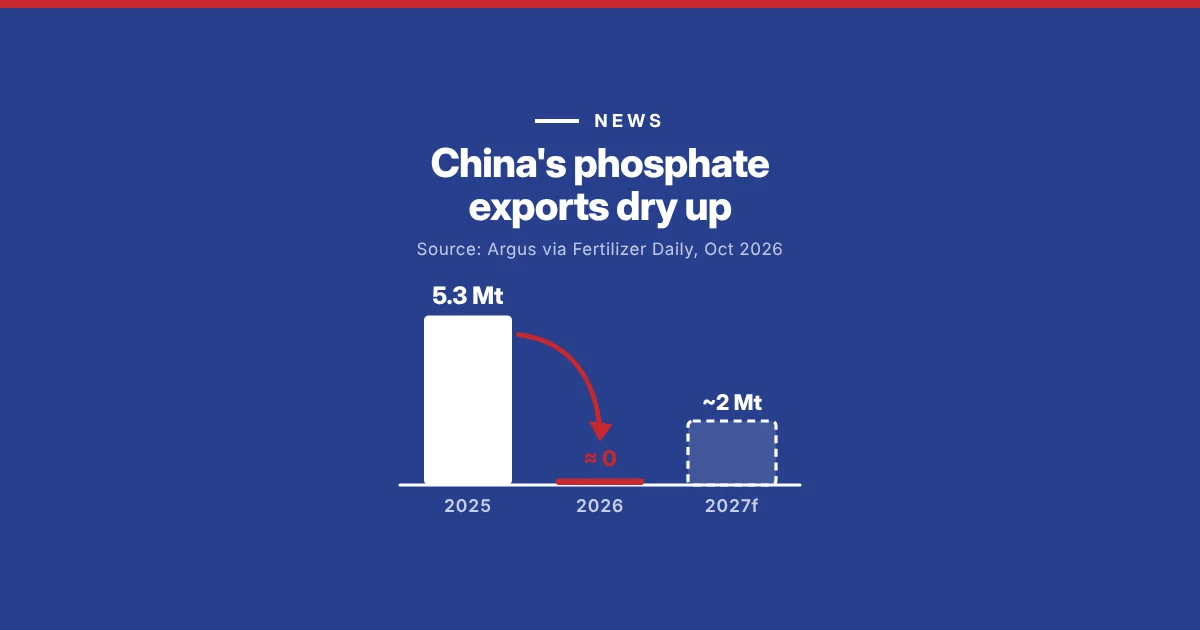
China, which exported about 5.3 million tonnes of phosphate fertilizer in 2025, has shipped almost none in 2026. With sulfur scarce and phosphate prices high, import-dependent markets face a tight season, and every kilo of phosphorus needs to work harder. At Van Polder, we believe a tight phosphate market is a reason to look again […]
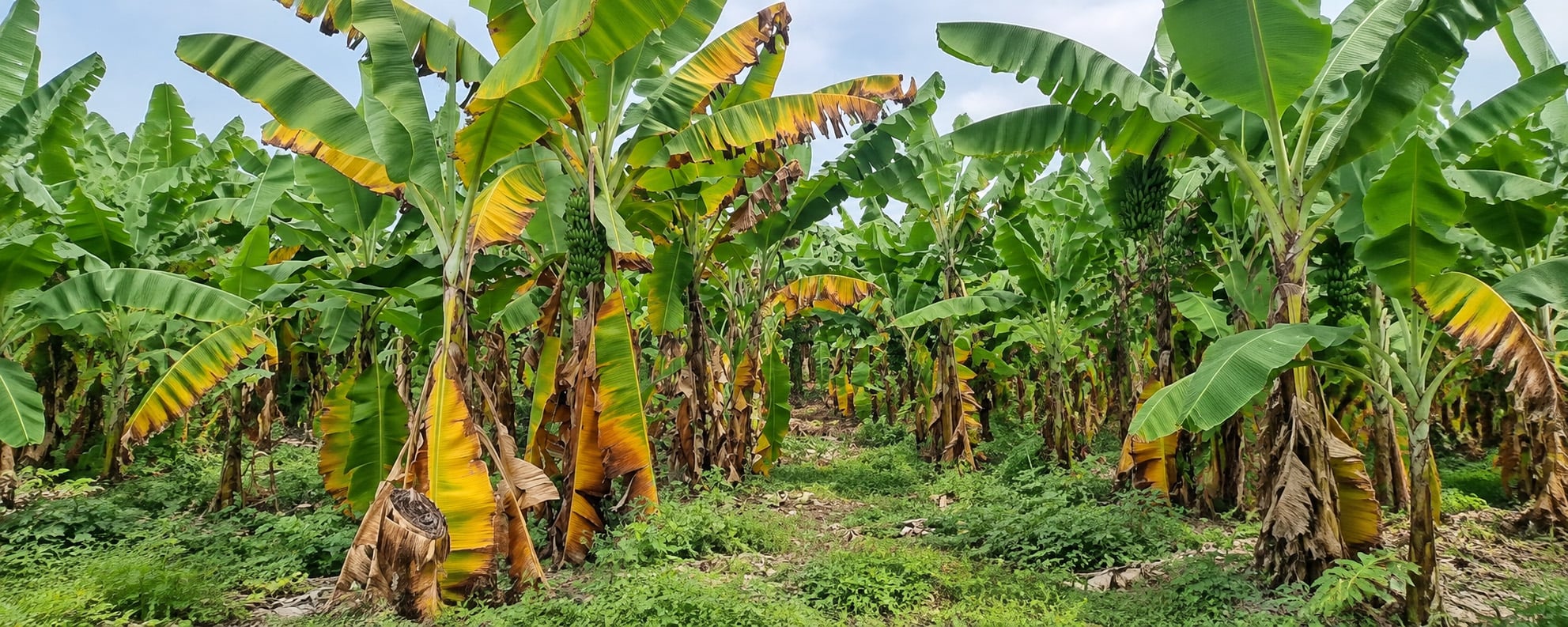
If you are starting a banana farm, Panama disease (Fusarium wilt of banana) is the risk to plan for. How to prevent Panama disease in bananas comes down to keeping the fungus out, because no fertilizer prevents or cures it and once it is in the soil it stays for decades (Pegg et al., 2019; […]
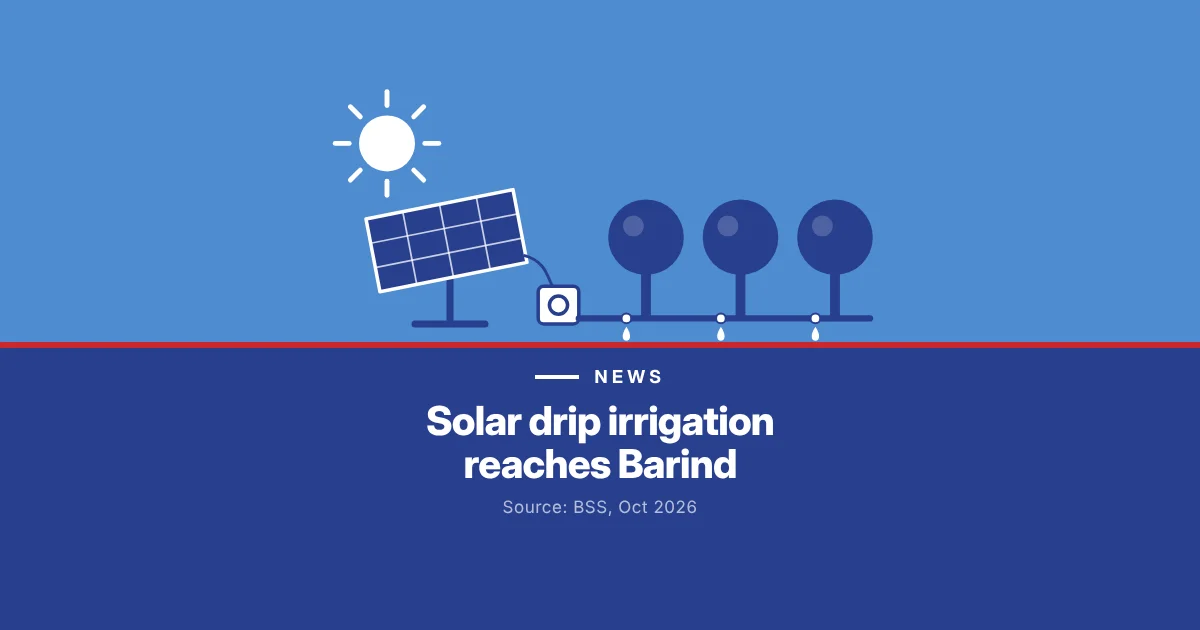
A government project in Bangladesh’s Rajshahi Division has brought solar-powered pumps, including solar drip systems for orchards, to drought-prone land where groundwater has been falling for decades. The Prime Minister wants all diesel irrigation pumps converted to solar within five years. For growers who move to drip, the next step is to feed the crop […]
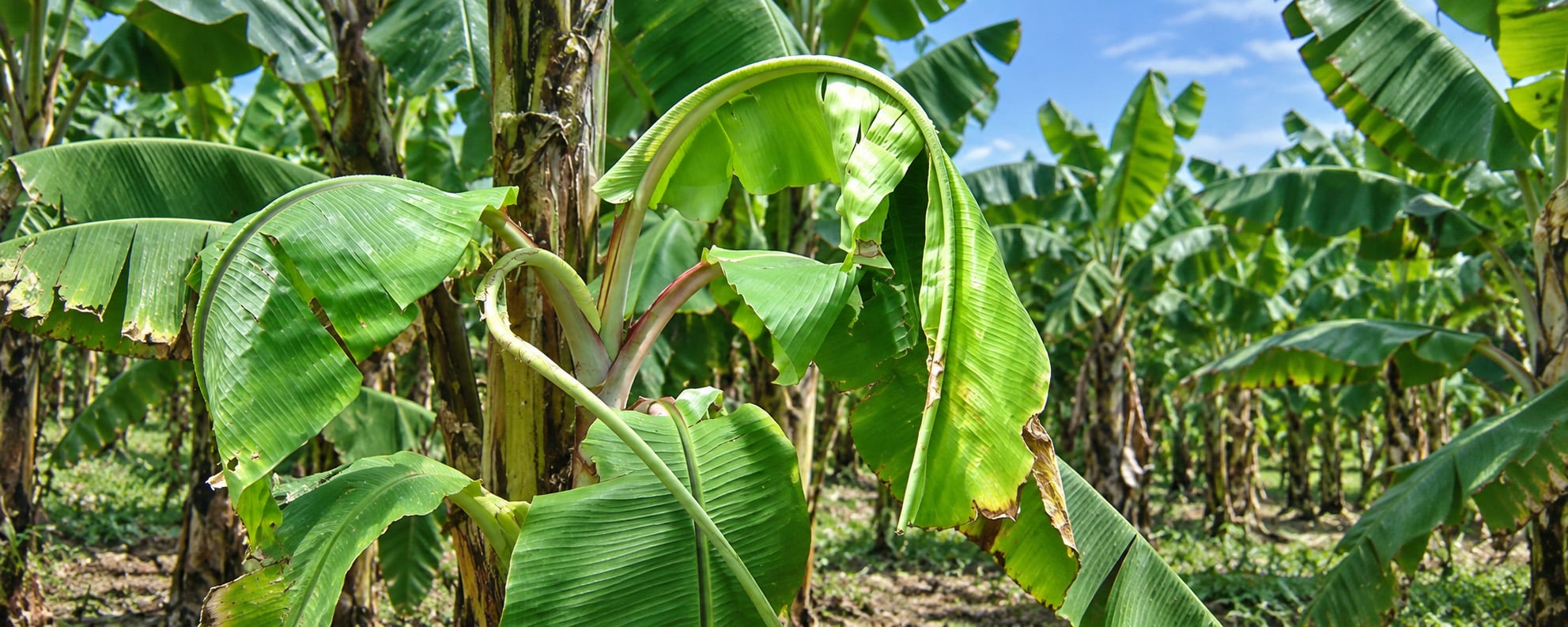
Calcium deficiency in banana shows first on the youngest leaves, as thickened veins and a saw-tooth pattern of yellow and dead tissue along the leaf margin, and in severe cases as “spike leaf”, new leaves with little or no blade, and poor-quality fruit (Turner, 1987; Martin-Prével, 1980). On most plantation soils it is not a […]
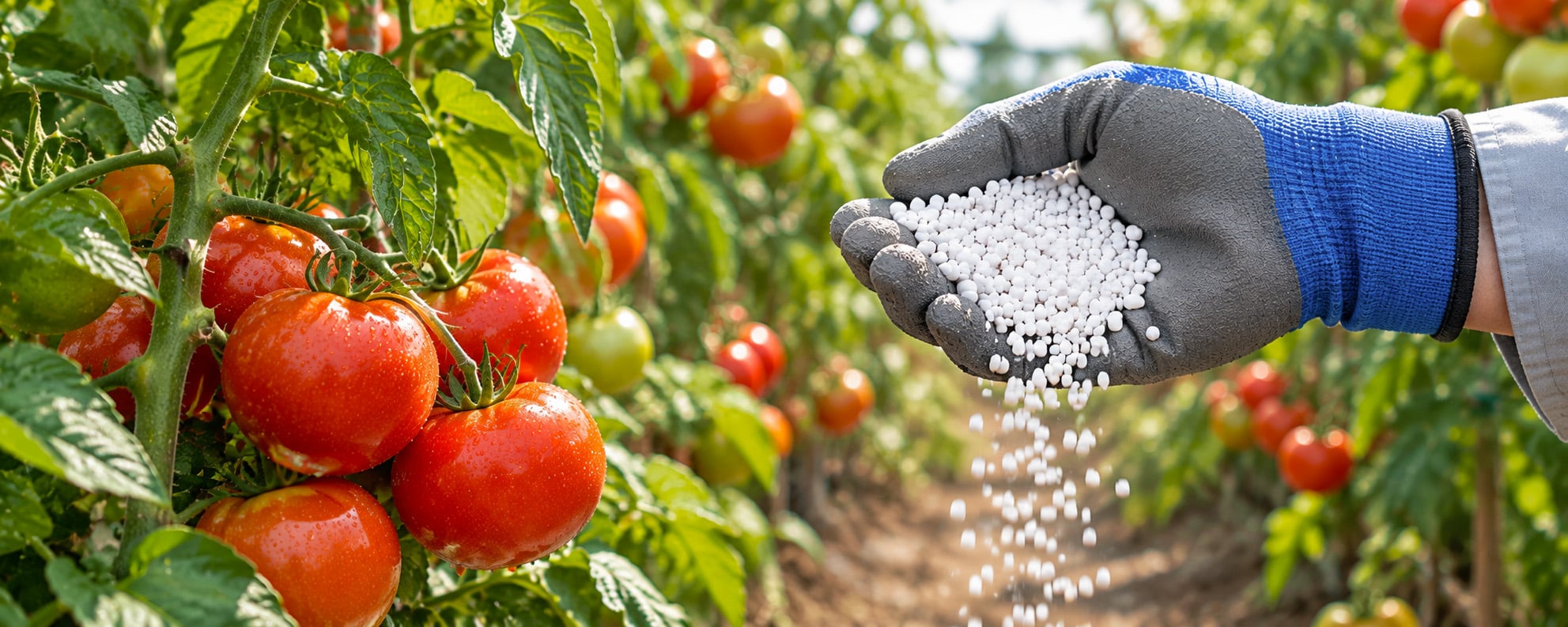
A calcium fertilizer supplies the calcium that holds plant cell walls and membranes together, but whether it reaches the fruit depends as much on water flow as on the fertilizer you choose. Calcium travels with water to the leaves and barely moves out of them again, so fruit and young leaves can run short even […]

An unusually wet winter brought coffee flowering in Minas Gerais forward by about a month, in several separate waves. With October forecast to be hotter than normal and rain patchy, the question for 2027 is now how many of those flowers turn into fruit. At Van Polder, we believe a strong flowering is only the […]