







Best Amino Acid Fertilizer: 5 Top Products & 4 Criteria Compared
If you are searching for the best amino acid fertilizer, the honest answer is that the right choice depends on what you grow and how you apply it. Still, a handful of products have earned a strong reputation across a wide range of crops and regions: Terra-Sorb Foliar, Ferti-Nitro Plus, Delfan Plus, MegaFol, and YaraAmplix. […]


If you are searching for the best amino acid fertilizer, the honest answer is that the right choice depends on what you grow and how you apply it. Still, a handful of products have earned a strong reputation across a wide range of crops and regions: Terra-Sorb Foliar, Ferti-Nitro Plus, Delfan Plus, MegaFol, and YaraAmplix. Each suits a different need – from stress recovery to organic farming to large-scale row crops. This guide compares all five and shows how to match the right one to your own conditions.
5 Best amino acid fertilizers at a glance:
| Product (Manufacturer) | Best-Fit Crops | Application Method | Best For |
| Terra-Sorb® Foliar(Bioiberica, Spain) | Citrus, vines and grapes, and horticultural crops | Foliar spray; fertigation also supported | Fast stress recovery after frost, drought, or transplant shock |
| Ferti-Nitro Plus®(Ferti-Organic, USA) | Field crops, vegetables, orchards, turf grass | Water-soluble powder – soil drench, fertigation, foliar, hydroponic | Building soil nitrogen on organic-certified and vegan-input farms |
| Delfan Plus®(Tradecorp / Rovensa Next, Spain) | Horticultural crops, fruit trees, cereals, corn, potatoes | Foliar spray and drip irrigation | Multi-region farms needing flexible delivery and tank-mix use |
| MegaFol®(Valagro / Syngenta Biologicals, Italy) | Broad crop range – tomato, almond, row crops | Foliar spray | Multi-functional protection against cold, heat, and drought stress |
| YaraAmplix™ Optitrac®(Yara, Norway) | Broad crops – documented on potato, sugar beet, and horticulture | Foliar spray; strong tank-mix compatibility | Easing cold and drought stress, and boosting flowering and fruit set |
1. Bioiberica Terra-Sorb® Foliar – Best Overall
Bioiberica Terra-Sorb® Foliar stands out as a premium biostimulant choice, specifically engineered for rapid plant stress recovery and robust growth. Manufactured using the exclusive Enzyneer® enzymatic hydrolysis technology, it gently extracts proteins of animal origin to preserve a highly bioavailable amino acid profile.
This formula delivers 18 essential, biologically active L-α-amino acids – including ASP, SER, GLU, GLY, and PRO – directly to the plant’s metabolism. Enriched with 14.8% organic matter and microelements like Manganese (Mn), Boron (B), and Zinc (Zn), it acts as a powerful catalyst to help crops bounce back from harsh conditions.
This biostimulant is highly effective when plants face extreme abiotic or biotic stress, such as low temperatures, transplant shock, or herbicide phytotoxicity. Its global distribution is a testament to its reliability and effectiveness in the field. Marketed for almost 30 years, Terra-Sorb® Foliar has successfully reached more than 60 countries worldwide.
Because of its fast-acting formulation, Terra-Sorb® Foliar is an ideal fit for high-value crops including field crops, fruits, and vegetables. Growers targeting organic markets will also appreciate that despite its animal-based origin, Terra-Sorb® Foliar is officially certified as suitable for organic agriculture, making it a versatile addition to sustainable farming practices.
| Feature | Specification |
| Core specs | 9.3% free AA + 14.8% Organic Matter |
| Amino acid profile | 18 full L-α-amino acids |
| Technology | Proprietary Enzyneer® enzymatic hydrolysis |
| Added microelements | Manganese (Mn), Boron (B), Zinc (Zn) |
| Best-fit use cases | Stress recovery (low temperatures, transplant shock, herbicide phytotoxicity) |
| Target crops | Field crops, fruits, and vegetables |
| Trade-offs | Animal-sourced formulation (though fully suitable for organic agriculture) |
Manufacturer recommended dosage:
| Crop Category | Recommended Dosage | Application Timing |
|---|---|---|
| Field Crops | 1.5 – 3 L/ha | Apply in Autumn (October) before cold temperatures arrive, and in Spring (April) as a tank-mix with pesticide treatments. |
| Fruits | 2 – 3 ml/L | Apply at early flowering, at fruit set, and during fruit development. Can be applied anytime the crop is experiencing a stress situation. |
| Vegetables | 2 – 3 ml/L | Apply after transplantation, before flowering, and at fruit set. Can be applied anytime the crop is experiencing a stress situation. |
2. Ferti-Nitro Plus® (Ferti-Organic) – Best Plant-Based Powder
Ferti-Nitro Plus® stands out as the premier plant-based, water-soluble powder biostimulant for growers seeking a vegan, chemical-free alternative. Produced enzymatically from non-GMO soy protein, this formulation contains absolutely no animal by-products, making it an excellent fit for environmentally friendly practices and strict organic markets. It boasts a high 80% amino acid content and a guaranteed minimum of 13.62% plant-available nitrogen (NPK 13.62-<0.1-<0.1).
This highly versatile biostimulant is recommended for a wide variety of applications, including field crops, vegetable gardens, fruit orchards, potting soil, and turf grass. Because it provides a natural, plant-based form of nitrogen, it delivers readily available nutrition without the risk of plant tip burn, soil leaching, or salt accumulation commonly associated with synthetic nitrates. Produced by the Texas-based company Ferti Organic, this solution is fully CDFA Organic Input Material certified and OMRI Listed.
While Ferti-Nitro Plus® delivers an impressive 80% amino acid concentration, growers should note a few trade-offs. Its total nitrogen sits at 13.62%, meaning it is best utilized as an amino acid and nitrogen supplement rather than a crop’s sole primary nitrogen source.
Product information:
| Feature | Specification |
| Core specs | 80% amino acid content + 13.62% plant-available N |
| Amino acid profile | Non-GMO soy protein (Vegan, No animal by-products) |
| Technology | Enzymatic hydrolysis (Chemical-free) |
| Best-fit use cases | Field crops, vegetables, fruit orchards, turf grass; strict organic markets |
| Target crops | Growers requiring CDFA/OMRI organic compliance and vegan inputs |
| Trade-offs | Powder requires dissolving; acts as a supplement rather than a main N source |
Manufacturer recommended dosage: General application, 4 – 9 lbs/acre (or 2 – 4 kg/acre).
3. Tradecorp Delfan Plus® (Rovensa Next) — Best Multi-Region Biostimulant
Tradecorp Delfan Plus®, part of the Rovensa Next global portfolio, is a fast-acting biostimulant designed to help crops overcome severe abiotic stress. Delivering a highly concentrated 28.8% w/v free amino acids, 10.8% w/v total nitrogen, and 44.4% w/v organic matter, this formulation is engineered to reactivate a crop’s carbohydrate and nitrogen metabolism during difficult situations such as drought and salinity.
Resulting from protein hydrolysis, the formula provides more than 17 essential L-α amino acids directly to the plant. It acts as a “Curactive” abiotic stress reliever, meaning it can be applied directly during or after stress events to minimize negative impacts and accelerate recovery.
Beyond stress recovery, Delfan Plus acts as a nutrient carrier, improving the uptake and efficiency of other fertilizers when co-applied in a tank mix. Furthermore, the product is environmentally friendly due to its organic formula and is considered suitable for bio crops.
Growers benefit from its high versatility, as it is 100% water-soluble and can be successfully applied via both foliar spray and drip irrigation. It is widely distributed across various global markets, supported by the extensive Rovensa Next network in regions like South Africa and the Middle East & North Africa (MENA).
| Feature | Specification |
| Core specs | 28.8% w/v free amino acids + 10.8% w/v total nitrogen + 44.4% w/v organic matter |
| Source material | Derived from protein hydrolysis (> 17 L-α amino acids) |
| Best-fit use cases | Abiotic stress relief (drought, salinity, extreme temperatures); enhancing nutrient uptake |
| Application methods | Foliar spray and Soil/Drip irrigation |
| Global distribution | Multi-region via Rovensa Next (e. g., MENA, South Africa, Europe) |
| Trade-offs | As a highly concentrated amino acid supplement, it should complement rather than replace a foundational NPK fertilizer program. |
Manufacturer Recommended Dosage:
| Application Type | Recommended Rate | Timing Requirements |
| Soil application (Drip Irrigation) | 1 – 2 L/ha per treatment | Total: Do not exceed 10 – 20 L/ha per season. Apply during the vegetation period depending on crop needs. |
| Foliar spray (Horticultural) | 0.5 – 1 L/ha per application | 3 – 4 applications at intervals of 10 – 14 days, starting one week after transplanting. |
| Foliar spray (Fruit trees) | 1 – 1.5 L/ha per application | Apply at pre-flowering, after petal fall, and when fruit development begins. |
4. Valagro MegaFol® – Best Anti-Stress Blend
Valagro MegaFol®, now globally distributed under Syngenta Biologicals, requires a distinct classification: it is not a pure amino acid fertilizer, but rather a highly advanced, multi-functional biostimulant blend. Its proprietary GEAPOWER technology combines seaweed extract (Ascophyllum nodosum) with specific amino acids (proline and tryptophan), betaines, polysaccharides, and vitamins.
Registered in the US with an NPK of 3-0-8, it derives its nutritional value from urea, kelp extract, sugar beet vinasse, and potassium acetate. Therefore, MegaFol® excels as a comprehensive anti-stress and growth activator rather than a high free-amino-acid supplement.
MegaFol® is scientifically proven to promote balanced vegetative development and rapid recovery during periods of severe environmental stress. When crops face adverse conditions such as frost, drought, hail, root asphyxia, or herbicide damage (weeding), the synergistic action of its betaines and amino acids allows plants to spectacularly overcome the stress.
The product’s efficacy has been documented in various peer-reviewed trials, including studies demonstrating its positive impact on shoot leaf area and nutrient uptake in almonds, as well as its influence on fruiting characteristics in tomatoes.
Beyond stress relief, MegaFol® serves a dual purpose as an effective carrier agent in foliar applications. When tank-mixed with other fertilizers, herbicides, or fungicides, it enhances the absorption and overall effectiveness of the accompanying treatments. It is widely recommended for a broad spectrum of crops, including alfalfa, rice, sunflower, almonds, and tomatoes.
Product information:
| Feature | Specification |
| Core specs | NPK 3-0-8 (US label); contains organic Nitrogen and Carbon |
| Composition | Ascophyllum nodosum(seaweed), AAs (proline, tryptophan), betaines, polysaccharides, vitamins |
| Best-fit use cases | Multi-functional anti-stress (frost, hail, root asphyxia, herbicide damage); foliar carrier |
| Target crops | Broad spectrum: Forage (alfalfa), Field (rice, sunflower), Nuts (almond), Vegetables (tomato) |
| Global distribution | Globally distributed and guaranteed by Valagro/Syngenta Biologicals |
| Trade-offs | Not an AA-pure formulation; the blended nature makes it difficult to isolate the exact contribution of amino acids compared to other ingredients. |
Manufacturer recommended dosage:
| Application Type | Recommended Rate | Timing & Frequency |
| Foliar spray | General field/nut/fruit crops: 2 – 3 pints/acre (or 10 – 20 oz/acre depending on crop and water volume). | – Timing: Apply during mid-vegetative growth, pre-bloom, or anytime after setting/transplanting. – Frequency: Repeat applications every 10 – 14 days. |
5. YaraAmplix™ OPTITRAC – Best Foliar Biostimulant for Flowering
Similar to MegaFol, YaraAmplix™ OPTITRAC functions as a multi-component biostimulant blend rather than a pure amino acid formulation. It is a newly launched, premium liquid foliar biostimulant within the extensive YaraAmplix™ portfolio. Formulated from a blend of targeted nutrients and bioactive compounds extracted from the algae Ascophyllum nodosum, it is engineered to alleviate the impact of severe abiotic stress (such as cold, drought, and heat) and support plants during periods of high metabolic demand.
What sets OPTITRAC apart is its highly complex, multi-action formulation. Beyond delivering essential nutrients – specifically 6.5% w/v Nitrogen (N), 2.7% w/v Potassium (K2O), 1.3% w/v Boron (B), and 1.3% w/v Zinc (Zn)– it contains a proprietary mix of sugar alcohols to improve Boron mobility, amino acids for stress resilience, organic acids for micro-nutrient uptake, and polysaccharides combined with vitamins for anti-oxidant protection. This synergistic blend actively stimulates flowering and fruit set while promoting overall plant greenness.
While the overarching YaraAmplix brand was only recently launched, OPTITRAC’s performance is backed by highly impressive field evidence. A 2020 independent trial conducted by the Proefcentrum Fruitteelt vzw research institute in Belgium on Topaz apples demonstrated that a 1 L/ha application rate resulted in a 14.6% yield increase and a remarkable 53.1% yield increase in higher fruit classes (>70 mm), delivering a massive Return on Investment (ROI) of 15:1.
Furthermore, field testimonials across Spain have proven its “Curactive” stress-relief capabilities, showcasing rapid vegetative regeneration in cantaloupe melons and grapevines suffering from extreme heat (> 35 ºC) and drought.
OPTITRAC also boasts excellent tank-mixability, allowing it to be safely co-applied with various agrochemicals to save operational time
Important note: Growers should note that as a highly technical product, its optimal application rates vary significantly across crop types, and navigating the broader YaraAmplix portfolio may require dedicated agronomic advisor support.
| Feature | Specification |
| Core specs | N (6.5% w/v) + K2O (2.7% w/v) + B (1.3% w/v) + Zn (1.3% w/v). |
| Bioactive components | Extracted from Ascophyllum nodosum(Sugar alcohols, amino acids, organic acids, polysaccharides, vitamins). |
| Best-fit use cases | Stimulating flowering and fruit set; Abiotic stress relief (drought, extreme heat, cold). |
| Target customers | B2B premium procurement; large-scale broad-acre crops, fruiting vegetables, and fruit orchards. |
| Field evidence | 2020 Apple Trial (Belgium): 14.6% total yield increase, 15:1 ROI; Proven heat-stress recovery in melons/vines. |
| Trade-offs | Premium pricing; newly consolidated brand (2023) requiring specific regional advisor protocols for optimal use. |
Manufacturer recommended dosage
| Application Type | Recommended Rate | Timing & Frequency |
| Fruiting vegetables & fruit crops | 2 – 3 L/ha per application. | 2 – 3 applications every 10 – 14 days at pre-flowering, flowering, and fruit set. |
| Leafy vegetables | 1 – 3 L/ha per application. | 2 – 3 applications every 10 – 14 days at the early vegetative stage. |
| Broadacre crops (e. g., Maize, Cereals) | 0.5 – 2 L/ha (up to 3 L/ha for some cereals depending on region). | 1 – 2 applications every 10 – 14 days at the early vegetative stage. |
4. 4 Criteria for Evaluating Amino Acid Fertilizers
When sourcing biostimulants, buyers often face a major challenge: paying premium prices for low-quality formulas that provide little to no agronomic benefit. To help you navigate the market and avoid deceptive labeling, we have established a strict evaluation framework.
4.1. Free Amino Acid Percentage (with Thresholds by Product Type)
A common and deceptive marketing tactic in the fertilizer industry is labeling a product simply as containing “X% Amino Acids” without differentiating between the Free and Total content. Free amino acids (specifically the biologically active L-α-amino acids) are individual, ready-to-use building blocks that plants can absorb directly and instantly through their leaves or roots. Under severe abiotic stress, crops require these free amino acids for immediate absorption to reactivate their metabolism and drive rapid recovery.
In contrast, Total amino acids include long-chain peptides that remain incompletely broken down from the manufacturing process. While Free amino acids provide a direct supply of ‘building blocks’ for rapid assimilation and stress recovery, complex long-chain peptides (often grouped under Total Amino Acids) do not offer this immediate physiological relief.
To determine if a product meets high-quality standards, you should evaluate its specifications against these academically and commercially verified thresholds:
Quick tip for buyers: Do not just look at the percentage; you need to take a closer look at the extraction method. High-quality products use enzymatic hydrolysis, a gentle process that preserves the most delicate and high-value amino acids (such as tryptophan, histidine, and cysteine). More importantly, it prevents the beneficial L-form amino acids from transforming into the inactive and useless D-forms. On the contrary, low-quality products often use chemical hydrolysis (using strong acids or alkalis at high temperatures). If a supplier only provides a single “Total Amino Acid” number and refuses to separate the free versus total content, proceed with extreme caution – or strictly demand the official Technical Data Sheet (TDS) before purchasing.
4.2. L-Form Ratio and Hydrolysis Method
Plants only recognize and use L-α-amino acids(the “L-form”) for growth and stress recovery. In contrast, D-amino acids(the “D-form”) provide no clear benefits and can actually cause toxicity or stunt plant growth. Therefore, the presence of D-amino acids is a strong warning sign of a low-quality biostimulant.
How a manufacturer extracts the amino acids directly determines whether you get the beneficial L-form or the toxic D-form. Buyers should always scrutinize the extraction method:
- Premium Grade (Enzymatic Hydrolysis): This is a gentle, natural extraction process that fully preserves the beneficial L-form amino acids without converting them into the inactive D-form. Products utilizing exclusive enzymatic technologies, such as Enzyneer® (used in Terra-Sorb®), guarantee pure, biologically active L-α-amino acids.
- Low Quality (Chemical Hydrolysis): Cheap alternatives rely on a harsh process using strong acids or alkalis and extreme heat. This method destroys essential amino acids and forces them to convert into the toxic D-form, significantly reducing the product’s effectiveness.
Independent testing confirms this stark difference. Independent laboratory analysis published in the Journal of Agricultural and Food Chemistry proved that premium products like Terra-Sorb® delivered 100% active L-form amino acids. Conversely, standard products made via chemical hydrolysis contained a high proportion of unwanted D-amino acids.
4.3. Crop Fit – Is It Proven on the Crop You Actually Grow?
Each crop absorbs amino acids differently, reaches its critical growth stages on a different calendar, and responds to foliar feeding at its own pace. This is why the first question to ask before buying is not “is this product good?” but “is this product proven on my crop?”
Reputable manufacturers publish a specific list of recommended crops, because that list reflects where the product has actually been trialed. Bioiberica Terra-Sorb Foliar, for example, is specifically categorized for use on citrus, vines and grapes, and horticultural crops. When a label names your crop, it signals the manufacturer has dose and timing data behind that recommendation.
You should treat it as untested on your specific cultivar and conduct a small-scale pre-test first to verify compatibility before committing to a full field application. Where possible, ask the dealer or manufacturer for trial data on a crop similar to yours grown under comparable conditions.
4.4. Compatibility with Application Methods
The best biostimulant on the market is useless if you cannot apply it correctly with the equipment you own. Amino acid fertilizers come in different physical forms – liquid concentrates, water-soluble powders, and coatings – and each form is built for a specific delivery method. Buying the wrong form means either wasted product or an expensive piece of equipment you did not plan for.
Two questions decide the match:
- First, what delivery method does the product support? Some products are designed for foliar spraying only; others are flexible.
- Second, is it compatible with what you mix it with? Many farmers tank-mix foliar feeds with pesticides to save labour and spray passes. But not every combination is safe.
Delfan Plus, for instance, is stated by the manufacturer to be compatible with most fertilizers except those containing copper, sulfur, mineral oils, and alkaline products above pH 8. Mixing outside these limits or under abnormal conditions risks severe crop injury and lack of performance.
| The ultimate buyer’s checklist Before signing any purchase order or committing to a broad-acre application, run your shortlisted biostimulant through this final 3-step protocol:
1. Demand the Technical Data Sheet (TDS): Do not rely on marketing brochures. The TDS is the only official document that transparently separates the active Free Amino Acids from the inactive Total Amino Acids, and confirms if the product was extracted via enzymatic hydrolysis. 2. Verify the Fit (Crop & Equipment): Check the label to ensure your specific crop is explicitly recommended with clear dosage and timing instructions. Furthermore, confirm the product’s physical form (liquid concentrate, water-soluble powder, or coating) perfectly matches your farm’s application infrastructure. 3. Always Run a Small-Scale Pre-Test: Even premium products can react unpredictably under specific micro-climates or when mixed with other agrochemicals. Manufacturers strongly advise conducting a compatibility jar test and a limited trial block to monitor the agronomic response before scaling up to a full tank mixture. |
There is no singlebest amino acid fertilizerthat wins on every farm. The right choice is the one that matches your own conditions, not the one with the loudest marketing. Run each shortlisted product through the four checks covered above – crop fit, application method, timing, and tank-mix safety – and the list narrows quickly. For an unfamiliar brand, take the extra step of confirming the hydrolysis method and requesting a Technical Data Sheet before you buy. A small trial block on your own crop remains the most reliable test of all.


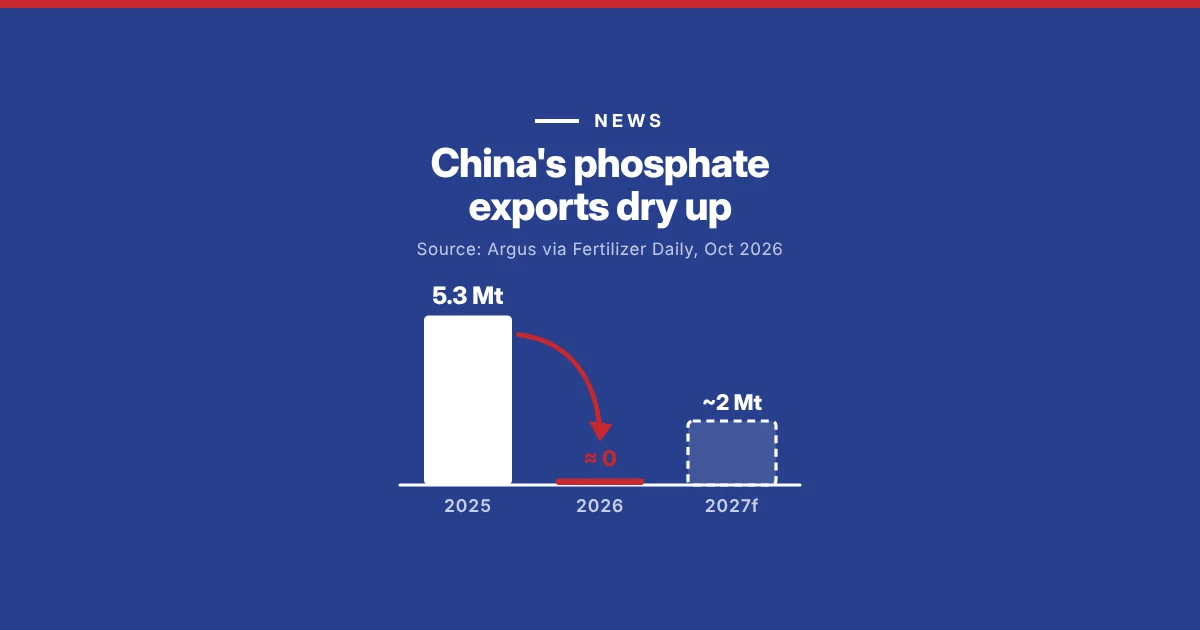
China, which exported about 5.3 million tonnes of phosphate fertilizer in 2025, has shipped almost none in 2026. With sulfur scarce and phosphate prices high, import-dependent markets face a tight season, and every kilo of phosphorus needs to work harder. At Van Polder, we believe a tight phosphate market is a reason to look again […]
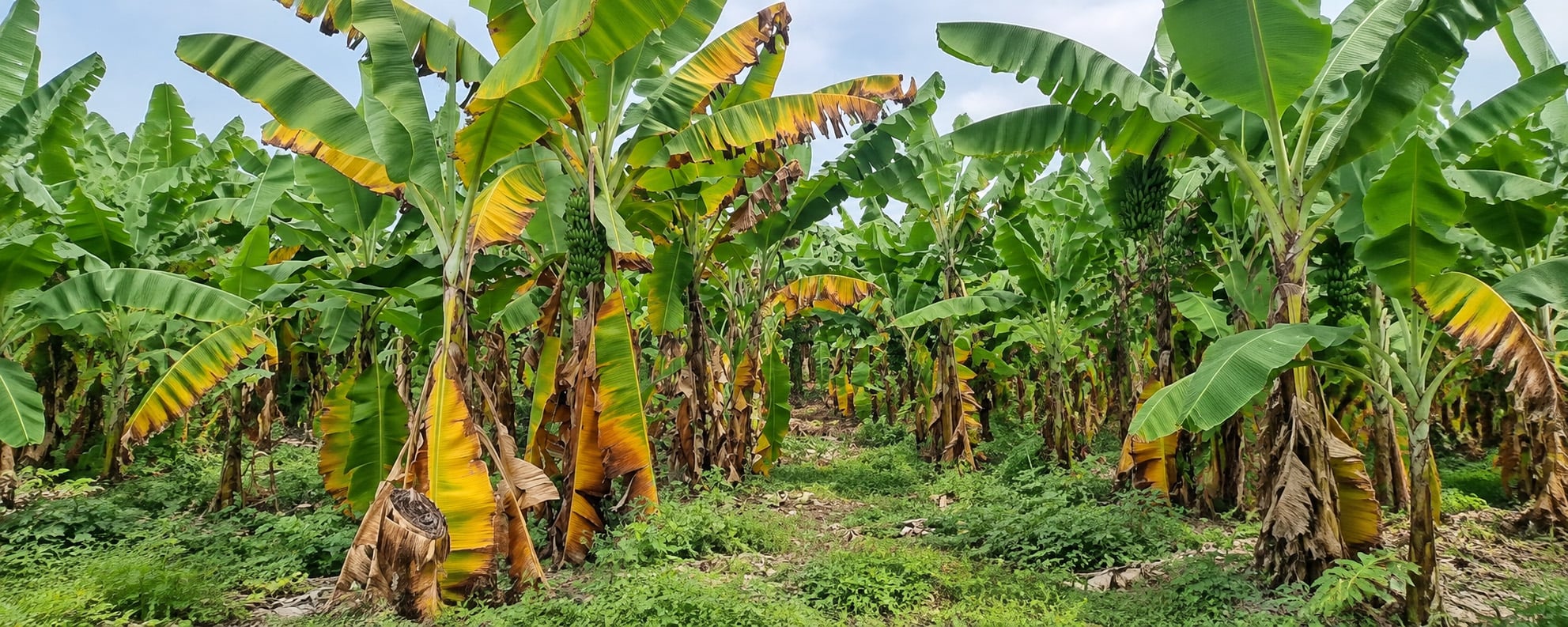
If you are starting a banana farm, Panama disease (Fusarium wilt of banana) is the risk to plan for. How to prevent Panama disease in bananas comes down to keeping the fungus out, because no fertilizer prevents or cures it and once it is in the soil it stays for decades (Pegg et al., 2019; […]
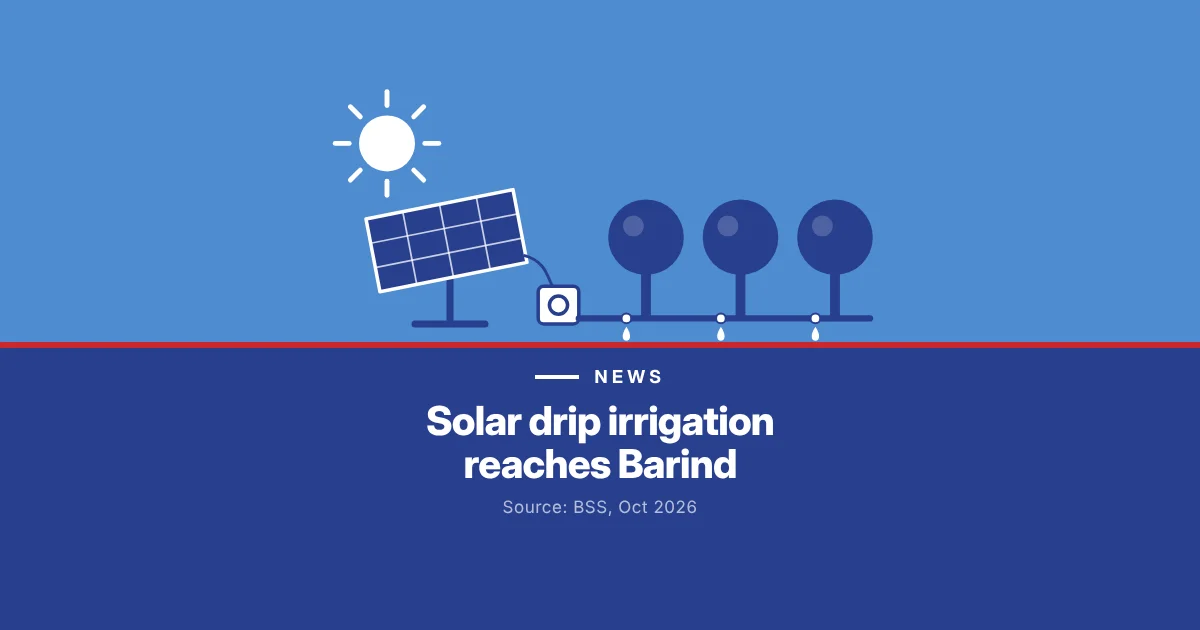
A government project in Bangladesh’s Rajshahi Division has brought solar-powered pumps, including solar drip systems for orchards, to drought-prone land where groundwater has been falling for decades. The Prime Minister wants all diesel irrigation pumps converted to solar within five years. For growers who move to drip, the next step is to feed the crop […]
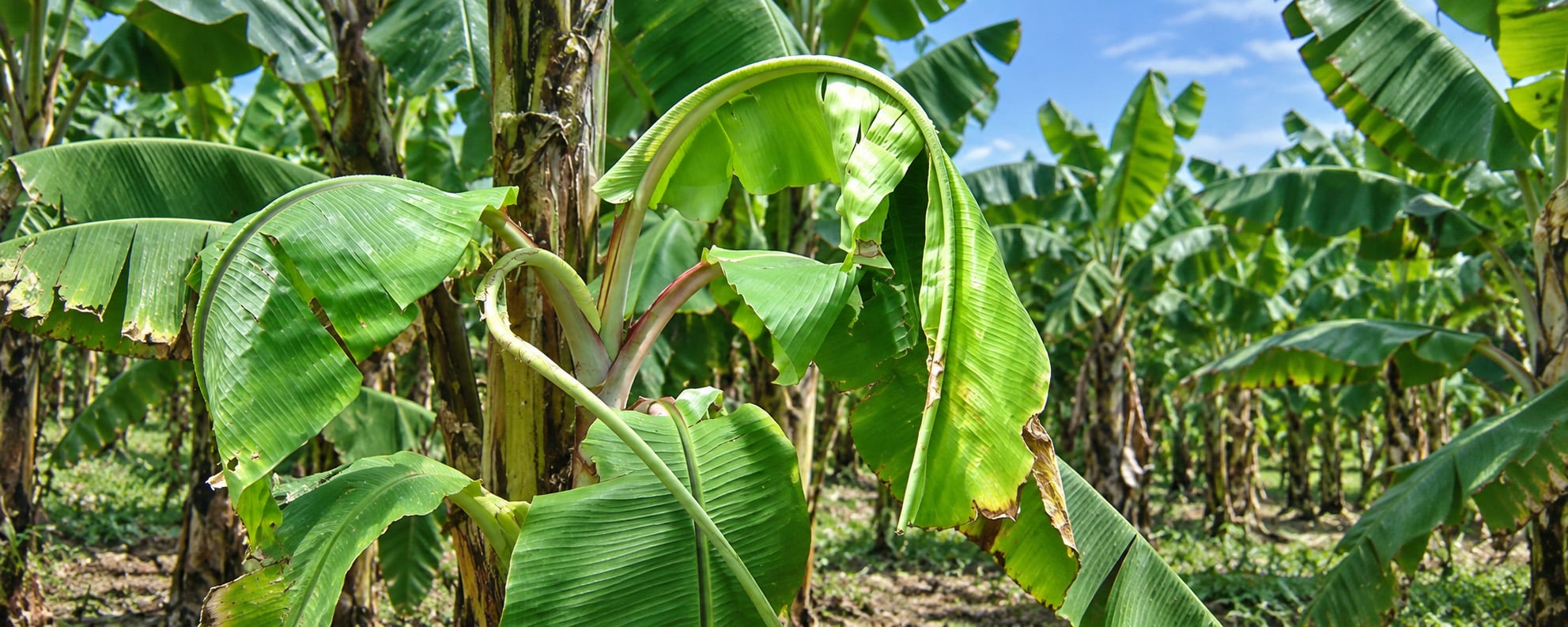
Calcium deficiency in banana shows first on the youngest leaves, as thickened veins and a saw-tooth pattern of yellow and dead tissue along the leaf margin, and in severe cases as “spike leaf”, new leaves with little or no blade, and poor-quality fruit (Turner, 1987; Martin-Prével, 1980). On most plantation soils it is not a […]
A calcium fertilizer supplies the calcium that holds plant cell walls and membranes together, but whether it reaches the fruit depends as much on water flow as on the fertilizer you choose. Calcium travels with water to the leaves and barely moves out of them again, so fruit and young leaves can run short even […]

An unusually wet winter brought coffee flowering in Minas Gerais forward by about a month, in several separate waves. With October forecast to be hotter than normal and rain patchy, the question for 2027 is now how many of those flowers turn into fruit. At Van Polder, we believe a strong flowering is only the […]