







Top 4 Amino Acid Liquid Fertilizer Uses With Helpful Tips and Practices
The most effective amino acid liquid fertilizer uses are in 4 key areas: providing fast nutrient uptake through foliar application, enhancing calcium and magnesium absorption as natural chelating agents, boosting natural disease resistance, and increasing photosynthetic rate for healthier growth. Understanding these specific uses will help you maximize your garden’s productivity without wasting money. Below […]
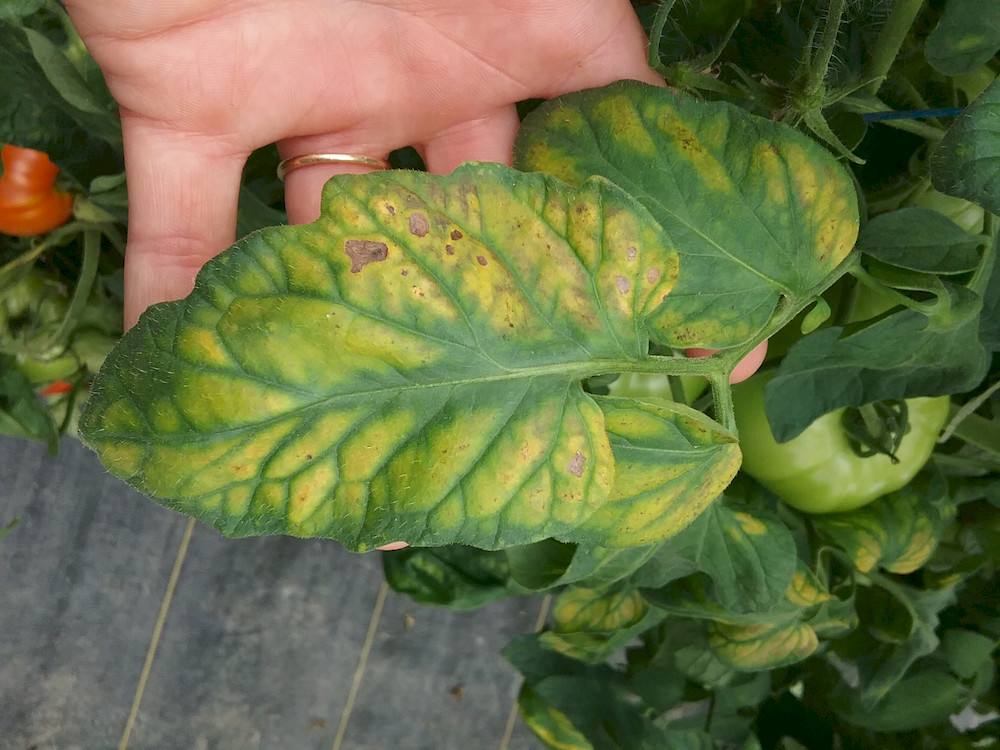

The most effective amino acid liquid fertilizer uses are in 4 key areas: providing fast nutrient uptake through foliar application, enhancing calcium and magnesium absorption as natural chelating agents, boosting natural disease resistance, and increasing photosynthetic rate for healthier growth. Understanding these specific uses will help you maximize your garden’s productivity without wasting money.
Below is a detailed explanation of the key uses of amino acid liquid fertilizer, together with practical application guidelines and important warnings to help you use it effectively.
1. Liquid Form for Fast Nutrient Uptake
Liquid amino acid fertilizers help plants absorb nutrients very quickly, usually taking only 2 to 4 hours. The secret lies in free amino acids, particularly in the L-alpha form. When applied to the leaves at a pH below 9, these amino acids carry a positive charge, allowing them to easily travel through the negatively charged, hydrophilic pores on the leaf’s waxy cuticle to enter the plant.
Usage Notes:
- Do not mix with strong disinfectants, as they will kill the beneficial microorganisms.
- Application timing: Start foliar application once the plant has developed its first true leaves (not immediately upon germination). For multi-harvest crops, re-apply 5 to 6 days after each harvest.
- Mixing ratio: Mix the concentrate into enough water to ensure full coverage of your leaf area (a common rate is 300 Liters of total solution per hectare). Always ensure the product is fully dissolved before spraying.
- Check Section 5 for optimal spray timing and weather conditions.

2. Better Calcium and Magnesium Absorption for Plant
Amino acids facilitate the absorption of Calcium (Ca) and Magnesium (Mg) by acting as natural chelating agents. This helps these minerals penetrate the leaf surface and travel to plant tissues requiring them.
Usage Notes:
- Combine amino acid products with your regular foliar fertilizers to boost the plant’s ability to absorb Calcium and Magnesium.
- Adding seaweed extract to the mix further maximizes this absorption, which is highly beneficial for crops like leafy greens, tomatoes, grapes, and legumes.
- Apply during stressful periods when roots cannot absorb nutrients well, such as during droughts, waterlogging, or when roots are damaged.
- Spray periodically (e. g., 4 times, about 3 weeks apart) during the main growing season to maintain a steady nutrient supply.

3. Root and Leaf Disease Resistance
Liquid products containing amino acids not only provide nutrition but also help plants increase their natural disease resistance. When absorbed, amino acids help activate the plant’s internal defense mechanisms, enabling the plant to react more quickly to attacks from fungi and pathogens.
Simultaneously, the plant’s ability to absorb nutrients, especially Potassium (K), is enhanced. Potassium helps plant tissue become firmer and limits the entry of harmful agents. As a result, plants are healthier, less susceptible to disease, and recover better after stress.
Usage Notes:
- Specific dosage: For severe stress or recovery, use a dilution of 2 to 3 mL per 1 liter. For routine maintenance, use the lower rate specified in Section 6 (0.5 – 1 mL) to avoid over-concentration.
- Note: Avoid using if plants are heavily infected. See Section 5 for detailed safety protocols.

4. Enhanced Plant Photosynthetic Rate
Liquid amino acid fertilizers naturally boost the plant’s ability to catch sunlight and make its own food (photosynthesis). Chlorophyll is the green pigment in leaves. More green pigment means the plant can absorb more sunlight, produce more energy, and grow faster and healthier.
5. Important Warnings & Critical Mistakes
Below are 5 case when you should NOT use liquid fertilizer containing amino acids, to avoid reduced effectiveness, waste, and to limit unwanted impacts on crop growth.
1) Active Fungal/Bacterial Infection: Do not use amino acids if the plant has an active, visible infection. Nitrogen in amino acids can feed pathogens and make the disease spread faster. Treat the plant solely with fungicides first, and wait until the infection is completely under control before resuming amino acid application.
2) Applying to severely wilted plants without pre-watering
While amino acid biostimulants are scientifically proven to help plants survive and recover from drought stress, applying them to severely dehydrated and wilted plants is a mistake. Without basic hydration, the plant’s internal transport system halts, and the product cannot be efficiently distributed.
Action: Deeply water the soil first to restore basic cellular hydration. Once the plant shows initial signs of rehydration, apply the amino acid spray. The amino acids (such as proline and glycine) will act as powerful osmoprotectants, accelerating the recovery process and building future drought tolerance.
3) During plant dormancy
Dormant plants have a very low metabolic rate and cannot absorb or utilize extra nutrients. Applying fertilizer now simply wastes the product and causes environmental runoff.
Action: Wait until the plant shows visible signs of new green growth or buds breaking before applying.
4) Right before heavy rain
Liquid amino acids typically need 2 to 4 hours to be fully absorbed through the leaf surface. Heavy rain will wash the unabsorbed fertilizer away, reducing effectiveness.
Action: Check the weather forecast and ensure a window of at least 4 dry hours after spraying.
5) Spraying midday under intense sunlight
Avoid spraying during mid-day heat (above 30°C). Spray only during cool hours: 6:00 AM – 9:00 AM or 4:00 PM – 7:00 PM to prevent evaporation and leaf scorch.

6. Quick Reference Guide
To help you make the best decisions for your crops, this section provides a summary of recommended application rates and essential handling guidelines. Use the reference table below for quick dosage checks based on your specific goal, and follow the mixing notes to ensure optimal product stability and safety.
| Goal | Method | Dosage (per 1L Water) | Best Timing |
|---|---|---|---|
| Routine Maintenance | Foliar Spray | 0.5 – 1 mL | Weekly during growth |
| Disease Recovery | Foliar Spray | 2 – 3 mL | Post-infection control |
| Root Health | Root Drench | 2 – 4 mL / 1 Liter of water | During stress or growth |
| Seed Germination | Seed Treatment | Product dependent | Pre-planting |
Mixing & Compatibility:
- Mixing: Compatible with most fertilizers. For pesticides, perform a small ‘jar test’ first or check the product label to ensure no negative reactions occur.
- Water Quality: Avoid using highly alkaline water to prevent product breakdown.
- General Rule: Always check the specific product label first, as recommended concentrations can vary by brand. This brand-to-brand variation is exactly why choosing a best amino acid liquid fertilizer matters as much as getting the dilution ratio right.
Amino acid liquid fertilizers are a powerful tool to boost crop resilience, nutrient uptake, and overall productivity. By integrating these products strategically – focusing on the right timing, correct dosage, and avoiding application during stress or infections – you can maximize growth efficiency. Always prioritize your specific product label for brand-specific instructions to ensure the best results for your garden or farm.


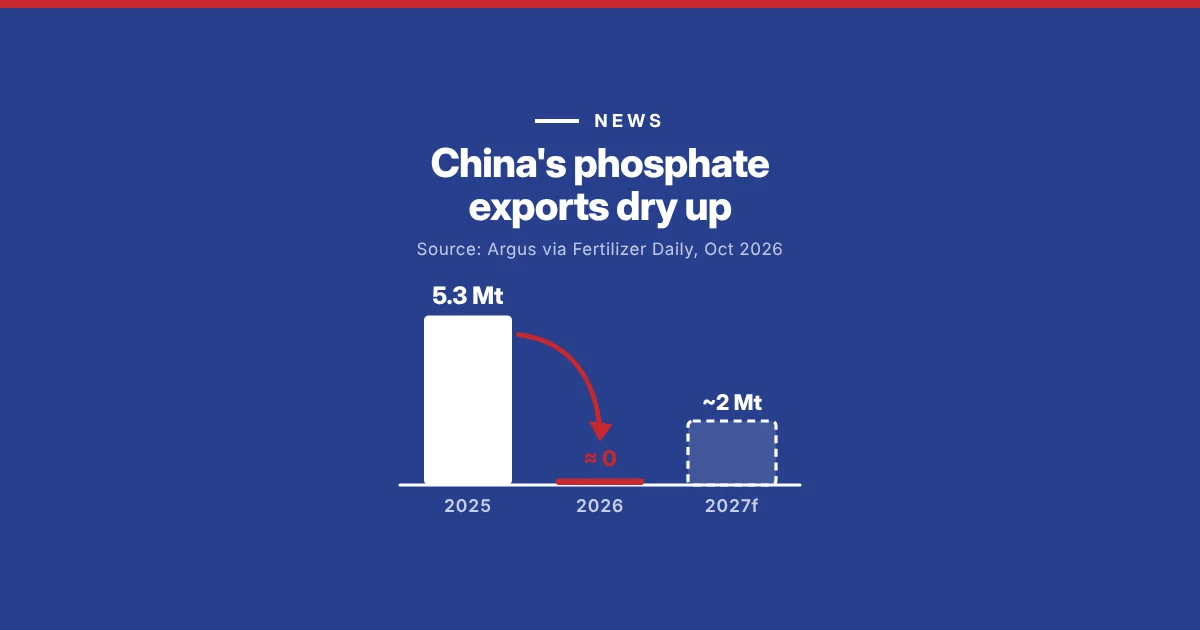
China, which exported about 5.3 million tonnes of phosphate fertilizer in 2025, has shipped almost none in 2026. With sulfur scarce and phosphate prices high, import-dependent markets face a tight season, and every kilo of phosphorus needs to work harder. At Van Polder, we believe a tight phosphate market is a reason to look again […]

If you are starting a banana farm, Panama disease (Fusarium wilt of banana) is the risk to plan for. How to prevent Panama disease in bananas comes down to keeping the fungus out, because no fertilizer prevents or cures it and once it is in the soil it stays for decades (Pegg et al., 2019; […]
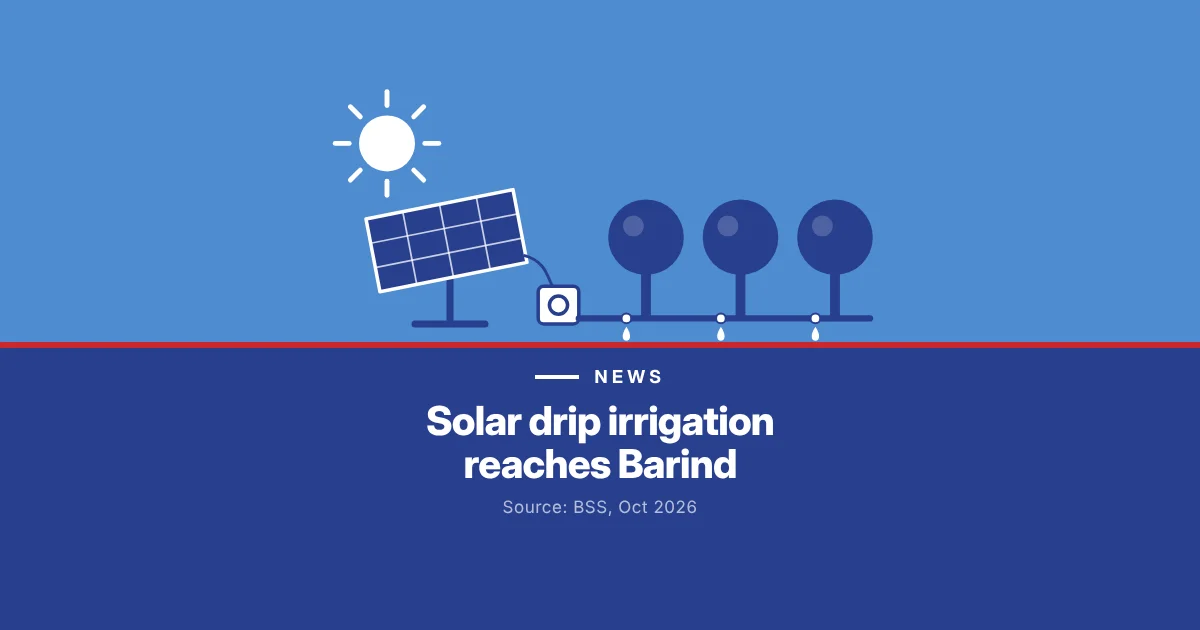
A government project in Bangladesh’s Rajshahi Division has brought solar-powered pumps, including solar drip systems for orchards, to drought-prone land where groundwater has been falling for decades. The Prime Minister wants all diesel irrigation pumps converted to solar within five years. For growers who move to drip, the next step is to feed the crop […]

Calcium deficiency in banana shows first on the youngest leaves, as thickened veins and a saw-tooth pattern of yellow and dead tissue along the leaf margin, and in severe cases as “spike leaf”, new leaves with little or no blade, and poor-quality fruit (Turner, 1987; Martin-Prével, 1980). On most plantation soils it is not a […]
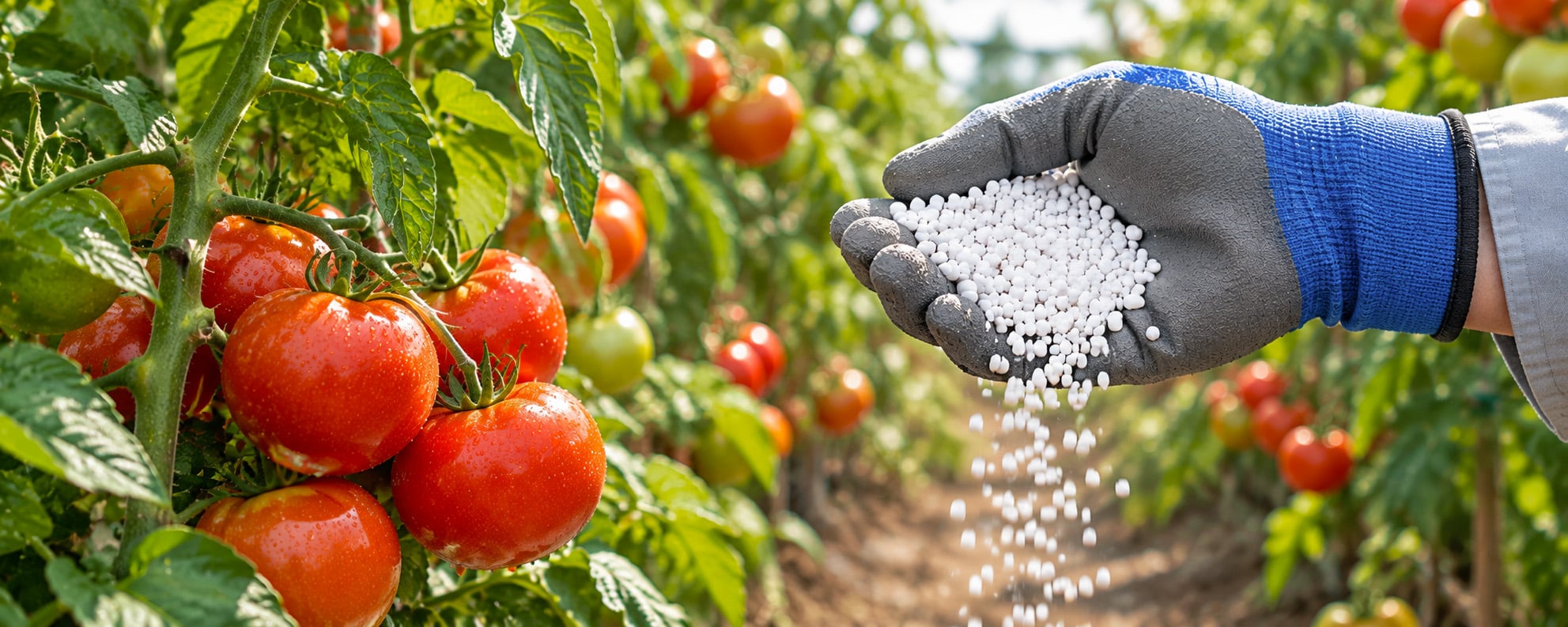
A calcium fertilizer supplies the calcium that holds plant cell walls and membranes together, but whether it reaches the fruit depends as much on water flow as on the fertilizer you choose. Calcium travels with water to the leaves and barely moves out of them again, so fruit and young leaves can run short even […]

An unusually wet winter brought coffee flowering in Minas Gerais forward by about a month, in several separate waves. With October forecast to be hotter than normal and rain patchy, the question for 2027 is now how many of those flowers turn into fruit. At Van Polder, we believe a strong flowering is only the […]