







Top 4 Uses of NPK 19-19-19 Fertilizer for Better Crop Yield & Quality
NPK 19-19-19 is a balanced water-soluble fertilizer containing 19% nitrogen (N), 19% phosphorus (P₂O₅), and 19% potassium (K₂O) by weight. Its 1:1:1 ratio supports crops when all three primary macronutrients are required together, particularly during establishment and active growth. Let’s explore the four key uses of NPK 19-19-19 fertilizer and how it can support better […]


NPK 19-19-19 is a balanced water-soluble fertilizer containing 19% nitrogen (N), 19% phosphorus (P₂O₅), and 19% potassium (K₂O) by weight. Its 1:1:1 ratio supports crops when all three primary macronutrients are required together, particularly during establishment and active growth. Let’s explore the four key uses of NPK 19-19-19 fertilizer and how it can support better crop performance.
1. Delivering Balanced 1:1:1 Nutrition for Complete Plant Growth
The equal proportion of the three primary macronutrients allows NPK 19-19-19 to provide complementary nutrition within a single fertilizer program. Rather than emphasizing one nutrient, the formulation supplies nitrogen for vegetative development, phosphorus for root growth and energy metabolism, and potassium for water regulation and enzyme activity.
- Urea-free nitrogen supply: Formulations such as Van Polder NPK 19-19-19 provide nitrogen entirely as nitrate and ammonium, with no urea. This gives plants readily available mineral nitrogen without the conversion step associated with urea and avoids biuret concerns linked to urea-based fertilizers.
- Two complementary nitrogen forms: Approximately 55% of the nitrogen is supplied as nitrate and 45% as ammonium. The nitrate fraction provides readily available nitrogen, while ammonium supplies an additional nitrogen form that interacts with the root-zone environment.
- Supports root and energy functions: The phosphorus fraction contributes to root development and energy metabolism, complementing nitrogen-driven shoot growth and helping maintain coordinated plant development.

2. Promoting Vigorous Vegetative Growth
NPK 19-19-19 can support vigorous vegetative development when the crop requires substantial amounts of nitrogen together with phosphorus and potassium. Nitrogen is particularly important during active growth because it contributes to leaf formation, shoot development, and chlorophyll production.
- Supports leaf and shoot development: Adequate nitrogen nutrition helps crops maintain active vegetative growth and photosynthetic capacity. In crops such as leafy vegetables, fruiting vegetables, and grains, sufficient nitrogen can contribute to plant height, tiller formation, leaf development, and dry matter accumulation.
- Combines nitrate and ammonium nitrogen: The approximately 55:45 nitrate-to-ammonium split provides nitrogen in two mineral forms. Nitrate is readily available for uptake, while ammonium provides an additional nitrogen source within the root zone.
- Supports the root-zone environment: Ammonium uptake can contribute to acidification around the roots. Under suitable conditions, this may help maintain phosphorus availability, while phosphorus supports root development and energy metabolism.
- Supports early establishment: The combined supply of nitrogen and phosphorus helps developing crops establish both an active root system and healthy above-ground growth.

3. Improving Nutrient Delivery Through Precision Fertigation
NPK 19-19-19 is a water-soluble fertilizer that can be dissolved in water for controlled nutrient delivery. Its solubility makes it suitable for fertigation and other water-based application systems where growers need to manage nutrient concentration and application timing.
- Supports precision fertigation: Dissolved fertilizer can be delivered directly to the root zone through drip or other suitable irrigation systems. This allows nutrient concentration and application frequency to be adjusted according to crop requirements.
- Forms a clean nutrient solution: When properly dissolved, the fertilizer provides a solution without undissolved fertilizer particles, which is important for irrigation systems that require consistent nutrient delivery.
- Provides a direct route for supplemental nutrition: Foliar application can deliver dissolved nutrients to the leaf surface and may be useful when rapid supplemental nutrient delivery is required. Under certain conditions, particularly in sandy loam soils, foliar feeding has been reported to be 6 to 20 times more effective than conventional soil application.
- Can improve yield components under specific conditions: A field study on finger millet ( Eleusine coracana) evaluated foliar-applied water-soluble NPK 19:19:19 as part of a split nutrient program. The treatment supplied 50% of recommended nitrogen and 100% of phosphorus and potassium through foliar sprays at 20 and 40 days after transplanting. Compared with 100% soil application, the treatment recorded:
- Ear heads per plant: 6.2–6.7 vs. 5.8
- Earhead length: 10.09–10.74 cm vs. 9.46 cm
- Fingers per ear head: 8.7–9.4 vs. 8.1
- 1000-grain weight: up to 3.0 g
- Grain yield: 3,565.3–3,776.7 kg/ha vs. 3,354.0 kg/ha
These results illustrate the potential of water-soluble NPK 19:19:19 to improve nutrient delivery and yield components under specific crop and application conditions. They should not be interpreted as a universal yield response across all crops or growing systems.

4. Supplying Micronutrients for Crop Quality and Physiological Functions
NPK 19-19-19 formulations can supply micronutrients alongside the primary NPK nutrients. These trace elements contribute to physiological processes including photosynthesis, growth, reproduction, enzyme activity, and nitrogen metabolism.
Where the formulation contains EDTA-chelated micronutrients, chelation helps keep metallic micronutrients soluble and available in the nutrient solution. The specific trace elements in the described formulation include iron, manganese, zinc, copper, boron, and molybdenum.
- Iron (Fe) and Manganese (Mn): Support chlorophyll formation and photosynthetic processes.
- Zinc (Zn): Contributes to growth regulation and normal shoot development.
- Copper (Cu): Participates in enzyme activity and plant defense functions.
- Boron (B): Supports pollen viability, fruit set, and cell-wall development.
- Molybdenum (Mo): Plays an important role in nitrogen metabolism.
The micronutrient component can therefore complement the macronutrient supply, particularly in intensive crop production where micronutrient availability also needs to be managed. Actual micronutrient requirements vary according to crop, growing medium, water quality, and existing nutrient levels.

5. Suitable Crops for NPK 19-19-19
NPK 19-19-19 can be incorporated into nutrient programs for a broad range of agricultural and horticultural crops when its balanced NPK ratio matches the crop’s requirements. Its water-soluble form is particularly useful in controlled fertigation, protected cultivation, and substrate-based production.
- Leafy and Tuber Vegetables: Potatoes, onions, cabbage, spinach, and other vegetables can use NPK 19-19-19 when balanced N, P, and K nutrition is required.
- Fruiting Vegetables: Tomatoes, cucumbers, peppers, and similar crops can use the fertilizer during growth stages when their N, P, and K requirements remain relatively balanced.
- Fruit Crops: Strawberries, bananas, grapes, apples, mangoes, and other fruit crops can be included in balanced nutrient programs, with applications adjusted according to crop stage and nutritional requirements.
- Cereals, Grains, and Millets: Wheat, rice, maize, barley, and finger millet can use NPK 19-19-19 where balanced nutrition is appropriate for vegetative growth and yield formation.
- Legumes and Oilseeds: Soybean, groundnut, peas, pigeon pea, black gram, and green gram can be included in fertilizer programs where the crop requires balanced macronutrient nutrition.
- Cash Crops: Sugarcane, cotton, tea, and other commercial crops can use water-soluble NPK 19-19-19 as part of managed nutrient programs.
- Flowers and Ornamentals: Flowers, nursery plants, and ornamentals grown in protected or substrate-based systems can use water-soluble NPK 19-19-19 where controlled nutrient delivery is required.
The appropriate crop and application program should always be determined by the crop’s nutrient requirements, growing system, and existing nutrient supply rather than by the fertilizer grade alone.

6. Optimal Timing for Applying NPK 19-19-19
The timing of NPK 19-19-19 application should follow the crop’s nutrient demand. Its balanced 1:1:1 ratio is most appropriate when nitrogen, phosphorus, and potassium are required together in relatively balanced amounts.
- Establishment and Active Growth: NPK 19-19-19 can be used during crop establishment and active vegetative growth to supply the nutrients required for root and shoot development.
- Young Plants and Transplants: Young plants and newly transplanted crops can receive NPK 19-19-19 when balanced nutrition is appropriate during early development. Concentration should be adjusted to the crop because young root systems are more sensitive to high nutrient concentrations.
- Vegetative Growth to Early Production: Fruiting vegetables such as tomatoes and crops such as strawberries can use NPK 19-19-19 from active vegetative growth into early production while their N, P, and K requirements remain relatively balanced.
- Leafy Vegetable Production: Leafy vegetables such as lettuce, spinach, and cabbage may use NPK 19-19-19 throughout production when balanced nutrition remains appropriate for continued leaf development.
- Later Reproductive Stages: As fruit or seed development progresses, growers should reassess the fertilizer program. If the crop’s nutrient demand shifts toward a different N-P-K ratio, a stage-specific fertilizer may be more appropriate than continuing 19-19-19 throughout the remaining production cycle.

7. Effective Methods to Apply 19-19-19 Fertilizer
As a water-soluble fertilizer, NPK 19-19-19 can be applied through several water-based methods. The appropriate method depends on the crop, growing system, irrigation setup, and nutrient requirements.
- Precision Fertigation: Dissolve NPK 19-19-19 in irrigation water and deliver it to the root zone through drip or other suitable irrigation systems. This method allows growers to control nutrient concentration and application frequency according to crop requirements.
- Foliar Spraying: Apply the diluted fertilizer solution directly to the leaves when foliar nutrition is appropriate. This method provides an additional route for supplemental nutrient delivery and can be considered when rapid nutrient supply is required.
- Soil Drench: Apply the diluted fertilizer solution directly to the soil around the active root zone. Soil drenching provides water-soluble nutrients to the area where roots can access them and can be used where fertigation is unavailable or targeted root-zone application is preferred.
- Soilless Substrates and Protected Cultivation: NPK 19-19-19 is suitable for substrate-grown crops and protected cultivation systems that use water-soluble nutrient solutions. Where the fertilizer contains approximately 45% of total nitrogen as ammonium, growers should monitor root-zone pH because ammonium nutrition can contribute to acidification.

NPK 19-19-19 is a versatile fertilizer option for growers who need a practical solution for different stages and production systems. Its value comes from how well the fertilizer program is matched to the crop, growing conditions, and nutrient demand. When used with the right rate, timing, and application method, NPK 19-19-19 can become a useful part of a well-managed crop nutrition program.


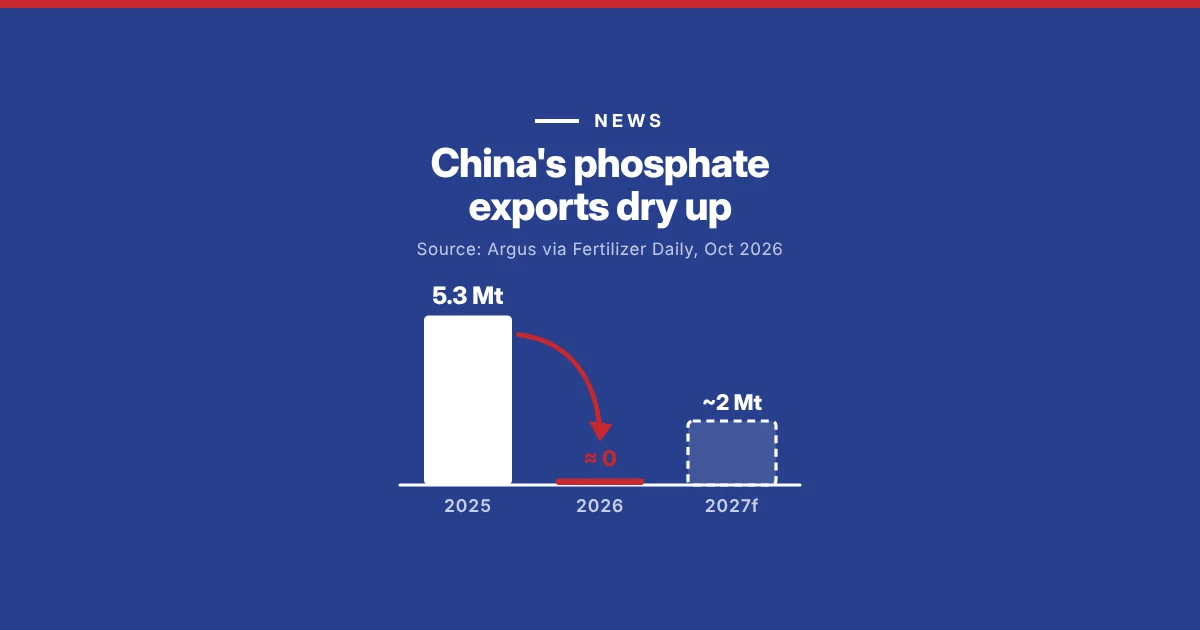
China, which exported about 5.3 million tonnes of phosphate fertilizer in 2025, has shipped almost none in 2026. With sulfur scarce and phosphate prices high, import-dependent markets face a tight season, and every kilo of phosphorus needs to work harder. At Van Polder, we believe a tight phosphate market is a reason to look again […]

If you are starting a banana farm, Panama disease (Fusarium wilt of banana) is the risk to plan for. How to prevent Panama disease in bananas comes down to keeping the fungus out, because no fertilizer prevents or cures it and once it is in the soil it stays for decades (Pegg et al., 2019; […]
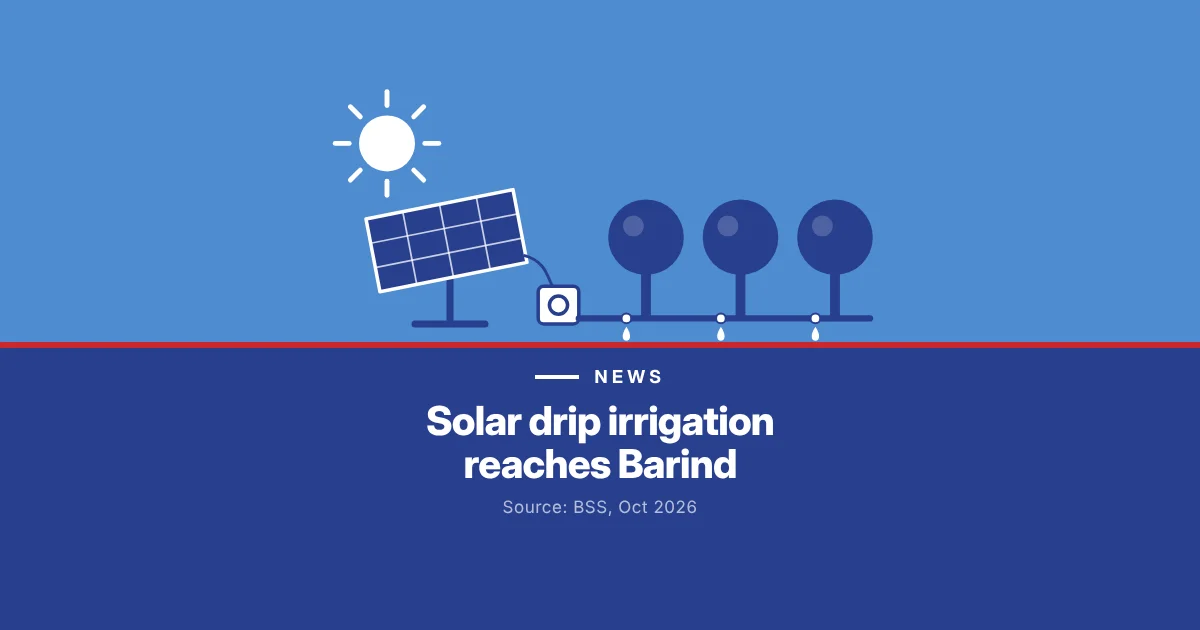
A government project in Bangladesh’s Rajshahi Division has brought solar-powered pumps, including solar drip systems for orchards, to drought-prone land where groundwater has been falling for decades. The Prime Minister wants all diesel irrigation pumps converted to solar within five years. For growers who move to drip, the next step is to feed the crop […]
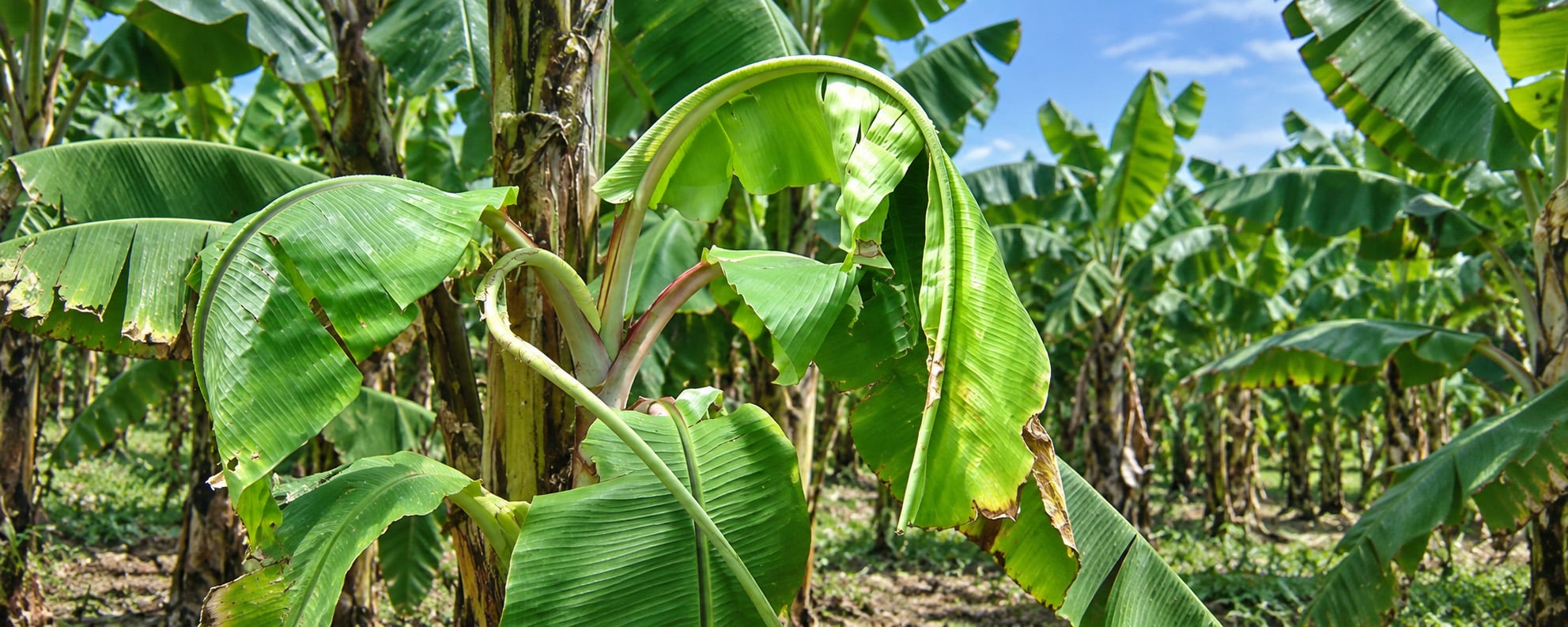
Calcium deficiency in banana shows first on the youngest leaves, as thickened veins and a saw-tooth pattern of yellow and dead tissue along the leaf margin, and in severe cases as “spike leaf”, new leaves with little or no blade, and poor-quality fruit (Turner, 1987; Martin-Prével, 1980). On most plantation soils it is not a […]
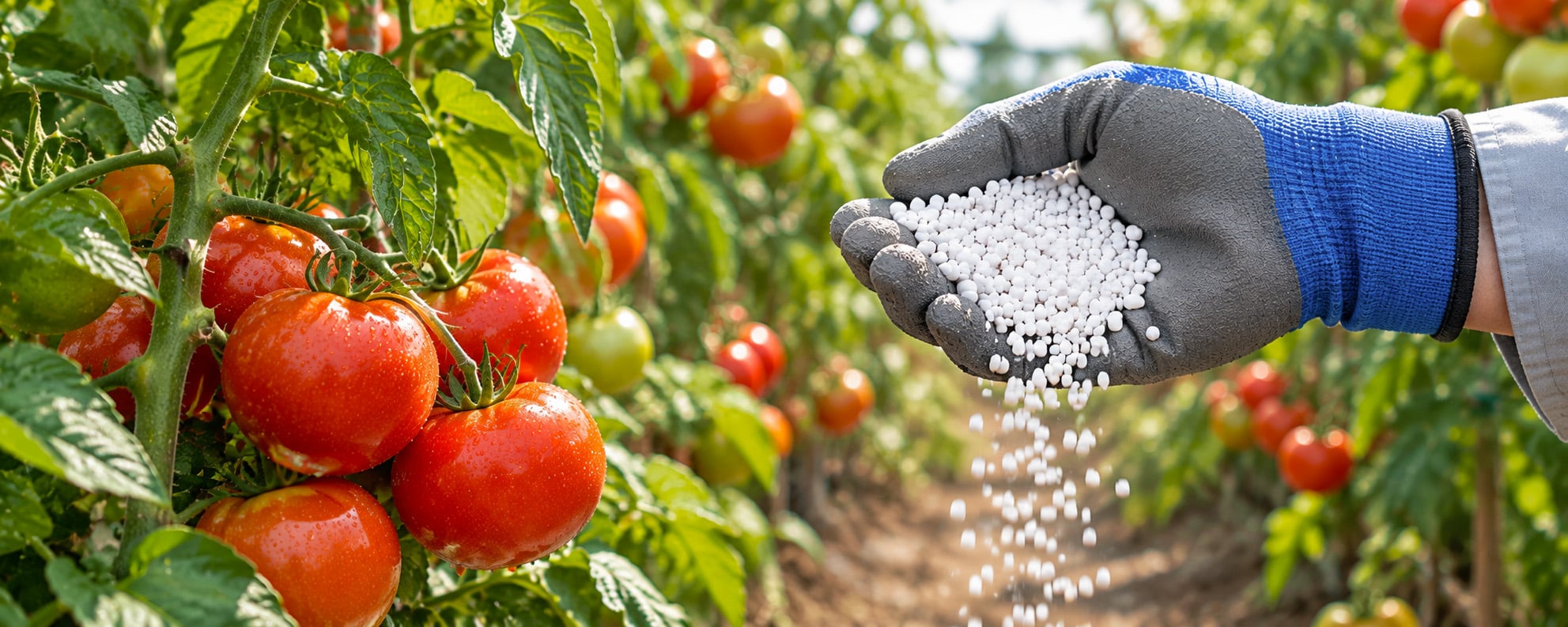
A calcium fertilizer supplies the calcium that holds plant cell walls and membranes together, but whether it reaches the fruit depends as much on water flow as on the fertilizer you choose. Calcium travels with water to the leaves and barely moves out of them again, so fruit and young leaves can run short even […]
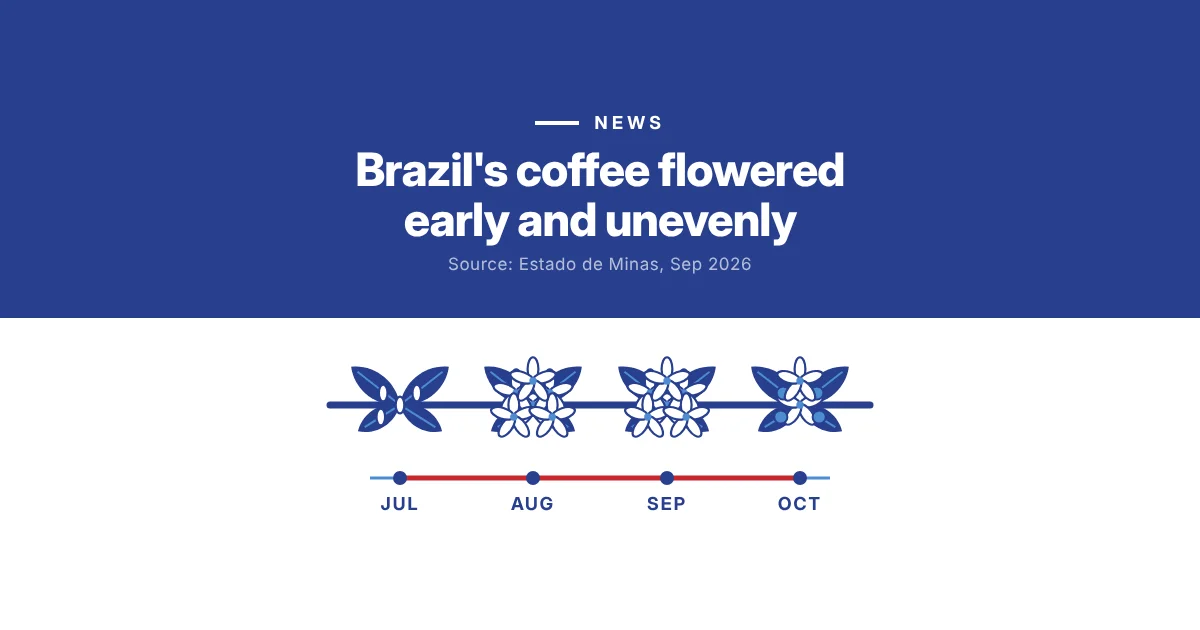
An unusually wet winter brought coffee flowering in Minas Gerais forward by about a month, in several separate waves. With October forecast to be hotter than normal and rain patchy, the question for 2027 is now how many of those flowers turn into fruit. At Van Polder, we believe a strong flowering is only the […]